Miss Yuli

Y1-2 Art Class Update T1-W5

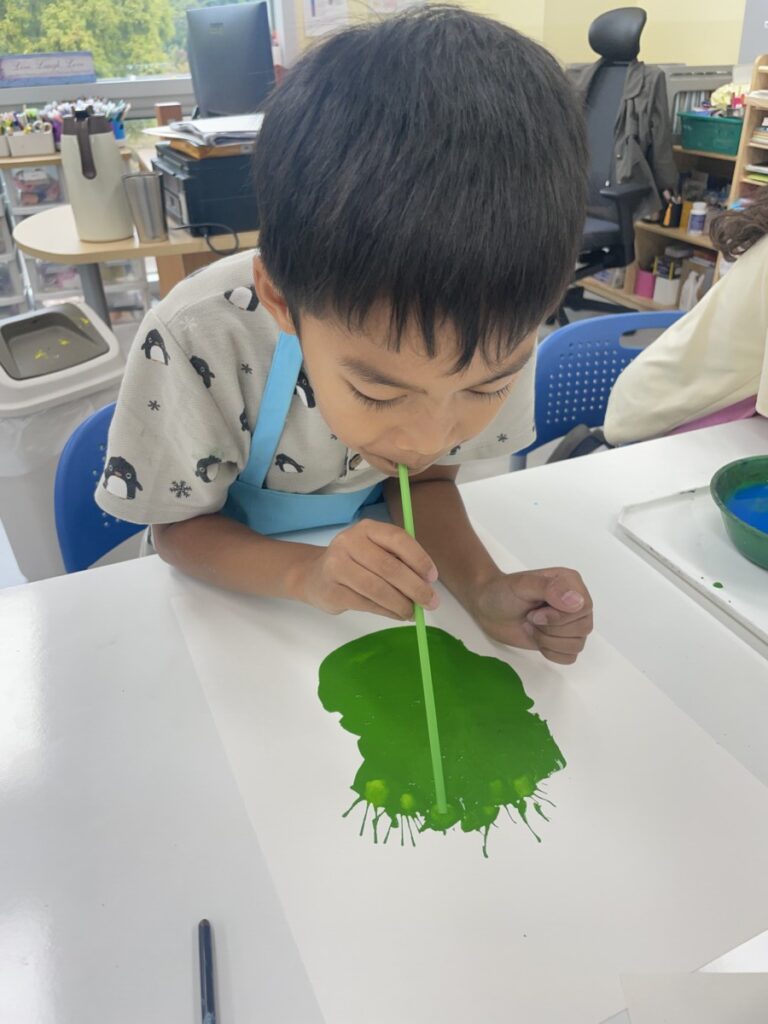
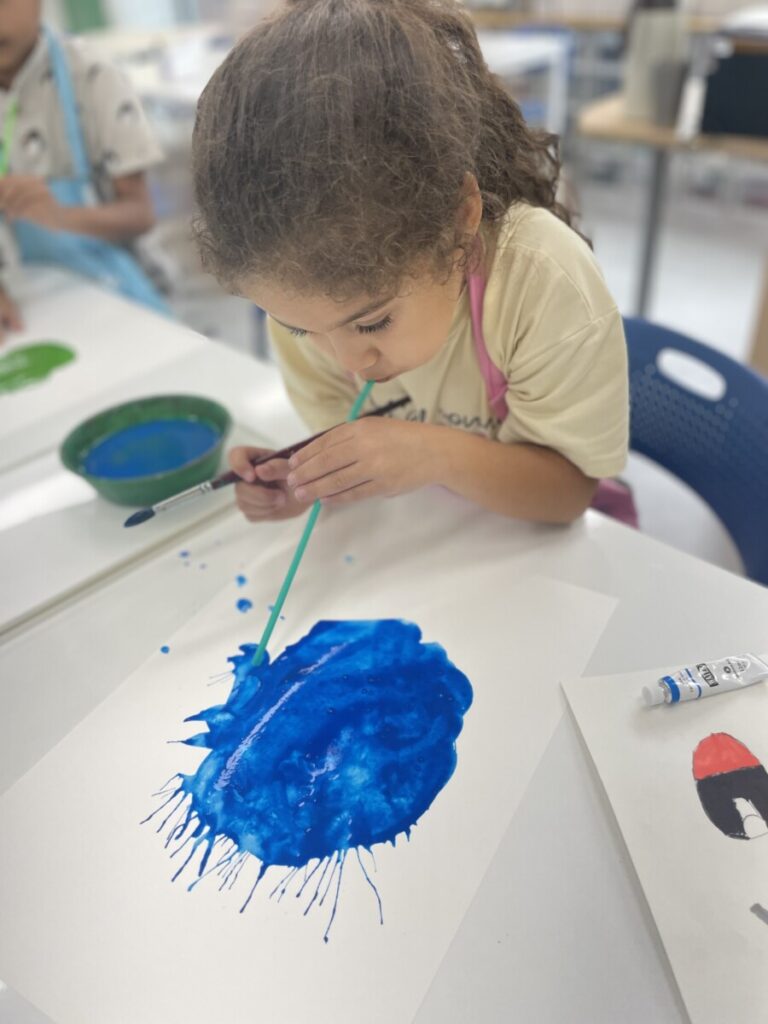
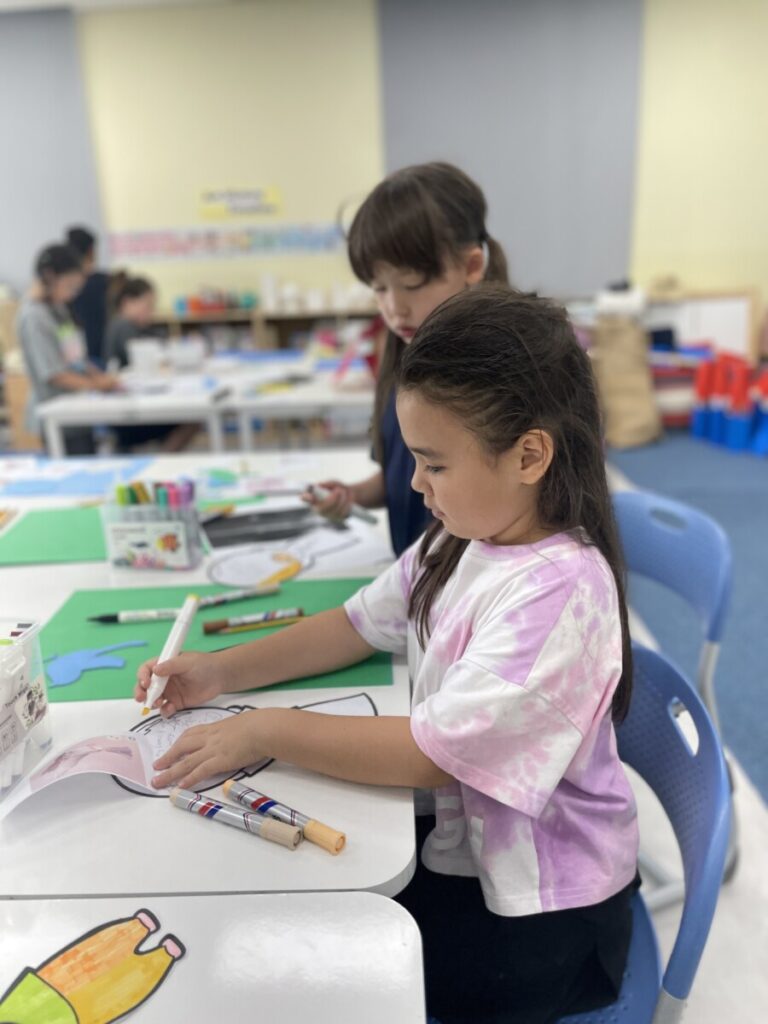
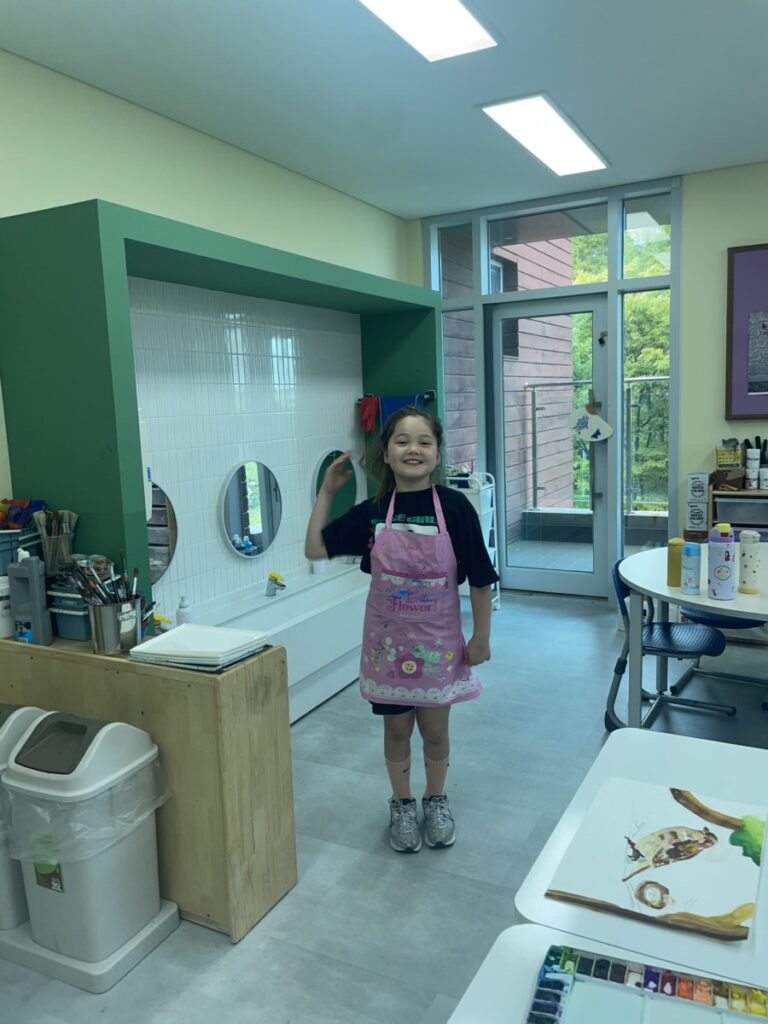
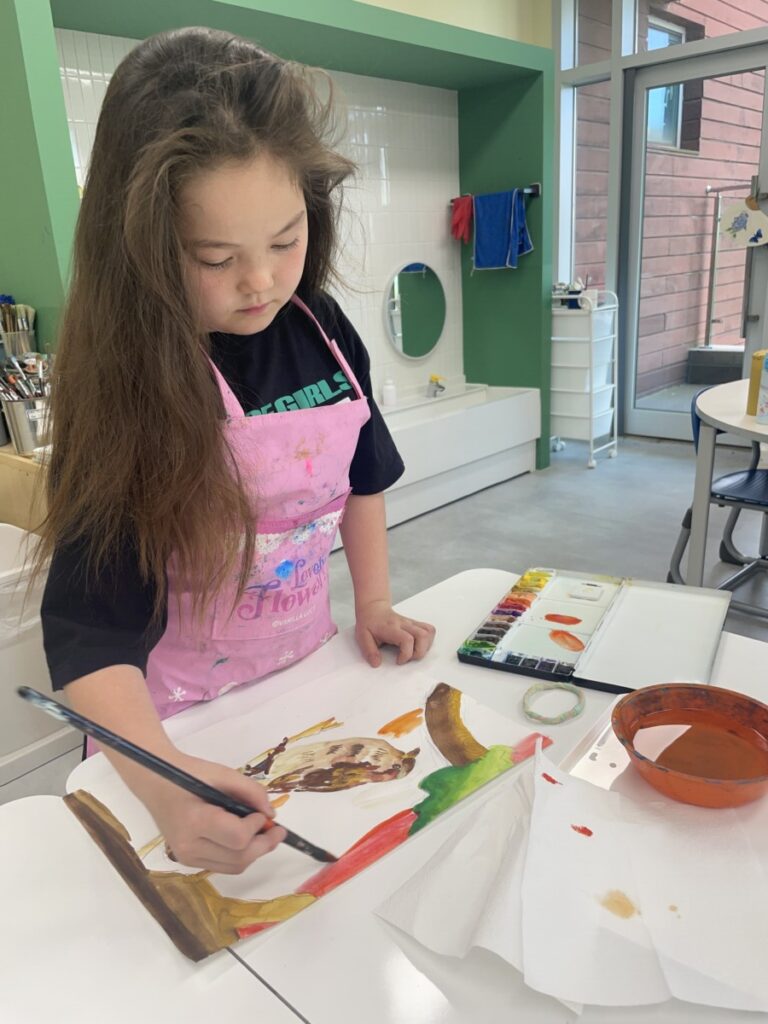
This week, our year 1-2 children explored how colours can show different feelings and emotions.

We talked about what makes us feel happy, sad, or proud, and how those emotions can be expressed in art.

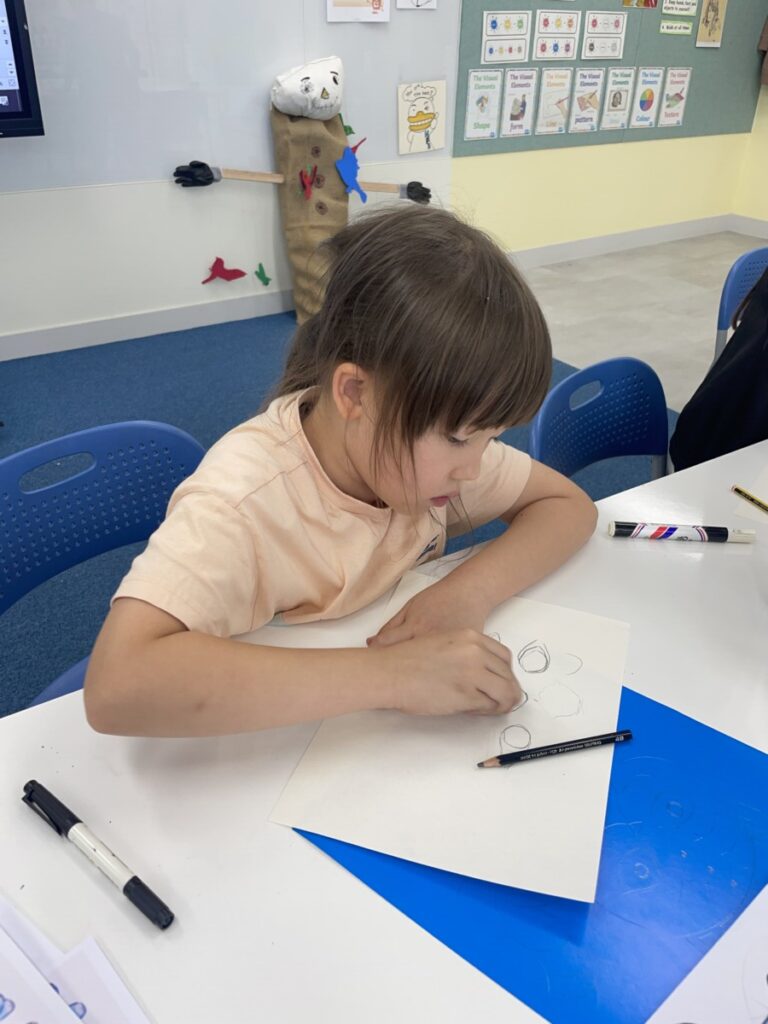
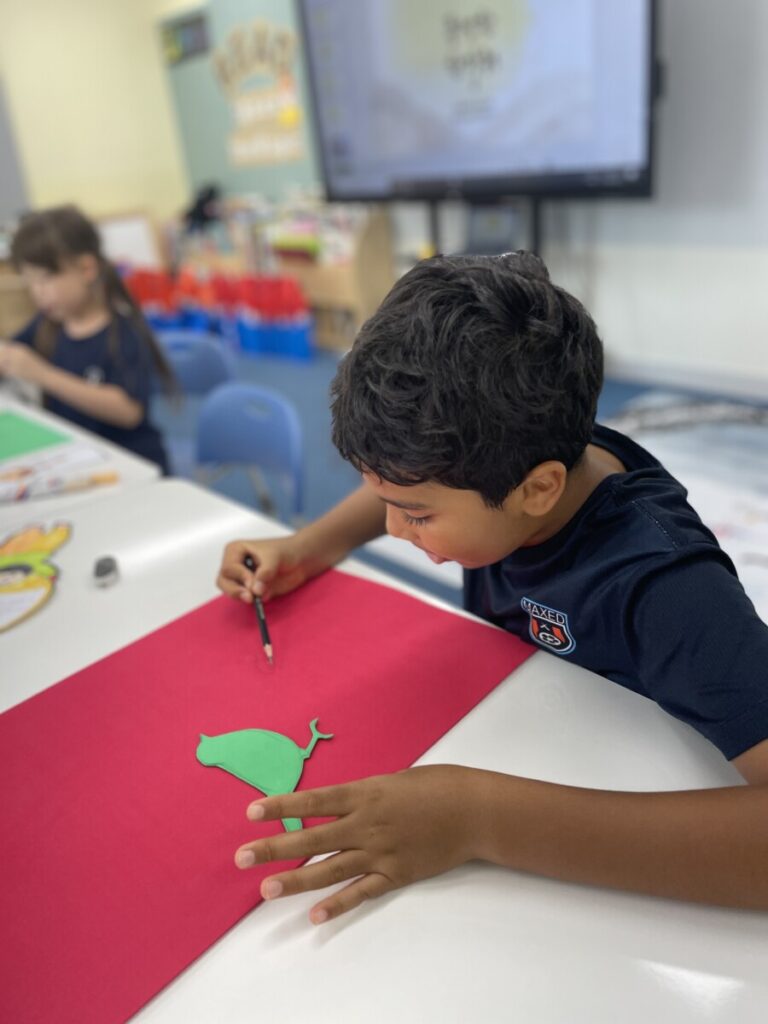
Using straws, the children blew paint across their paper to create fun and surprising shapes.

From these shapes, they imagined and designed colourful monsters, adding eyes and mouths to bring their creatures to life.

The activity helped students see how art can express emotions in playful and creative ways.

Everyone had lots of fun discovering how colours and shapes can tell a story about feelings.

Y3-4 Art Class Update T1-W5

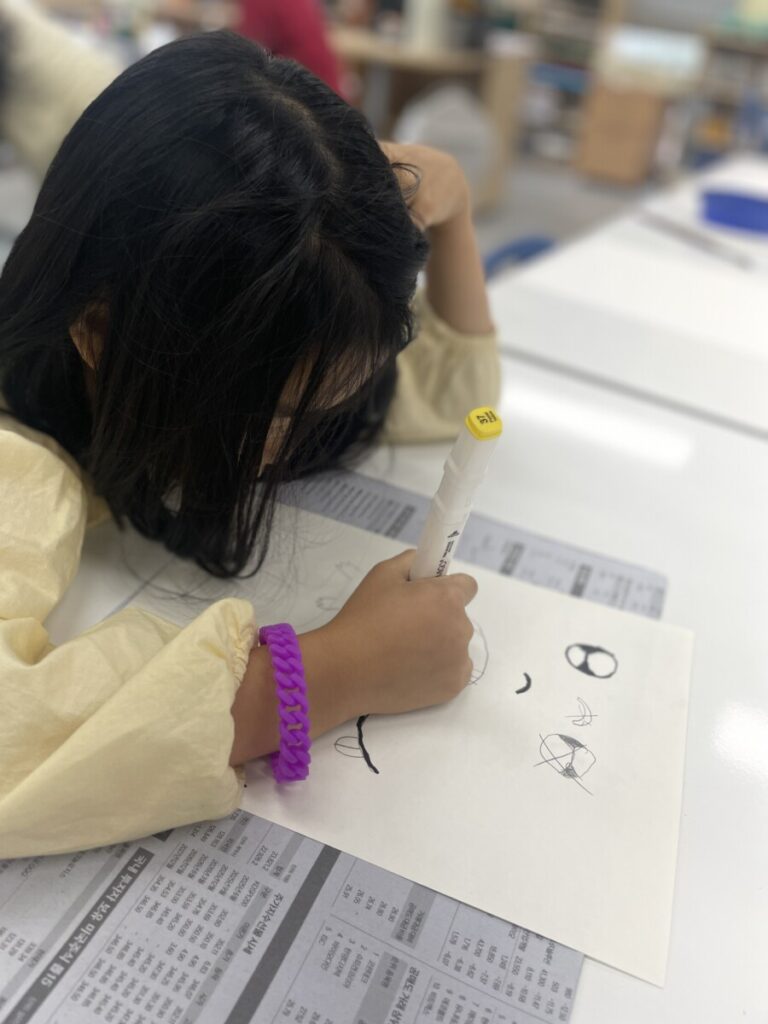
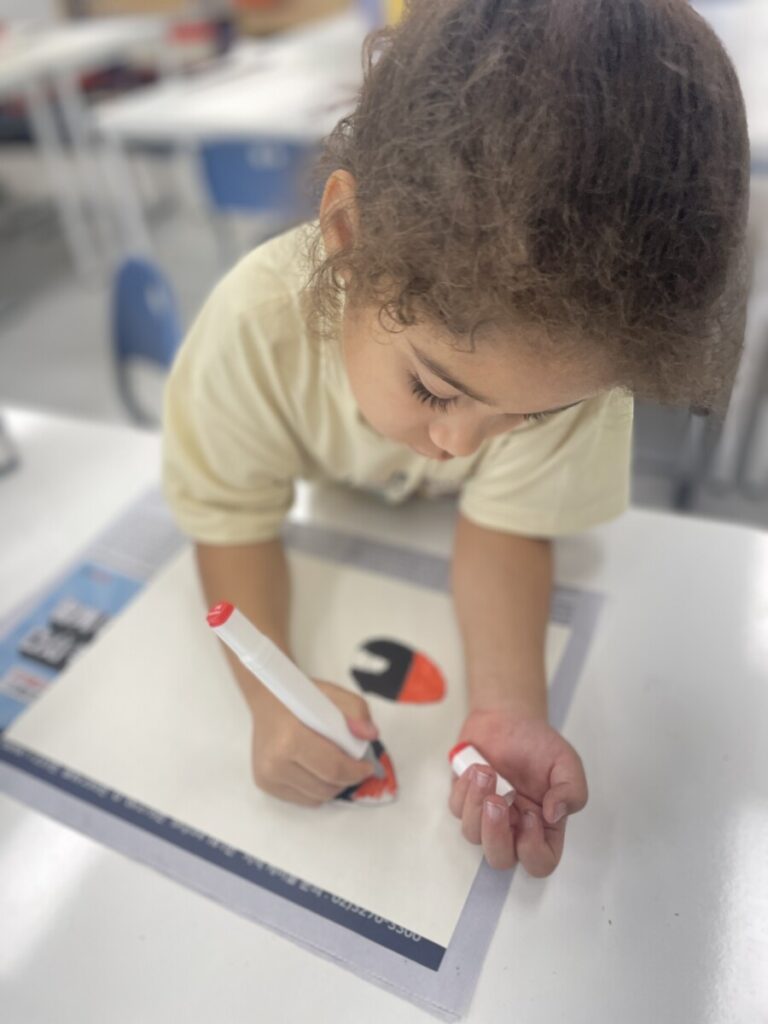
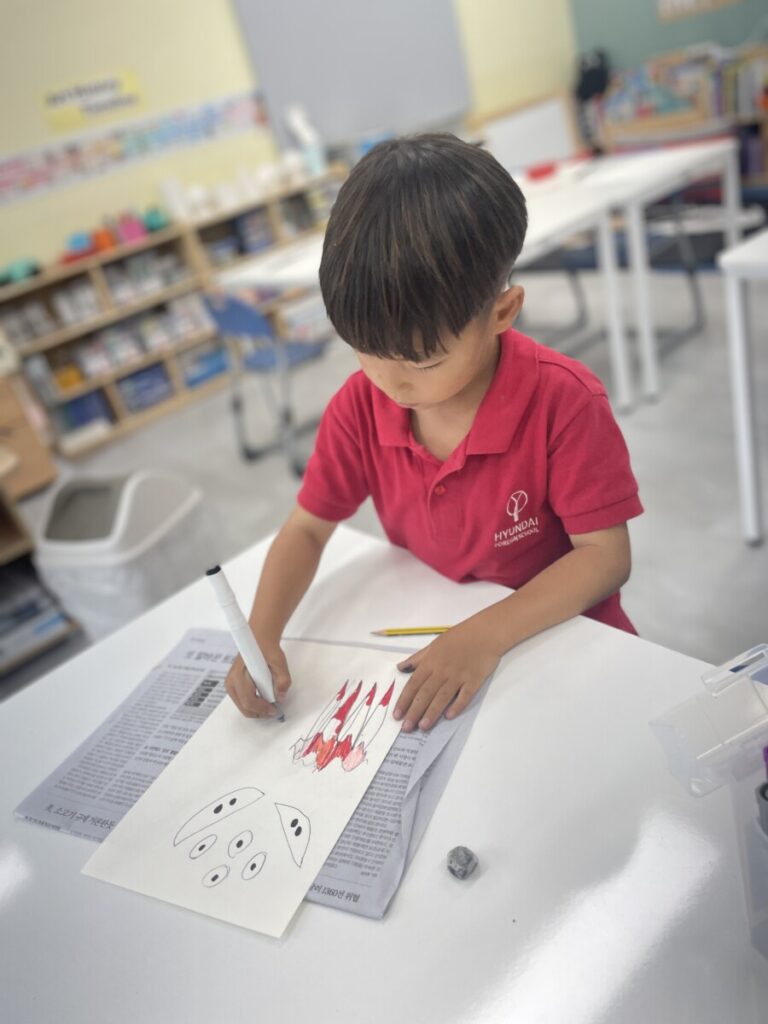
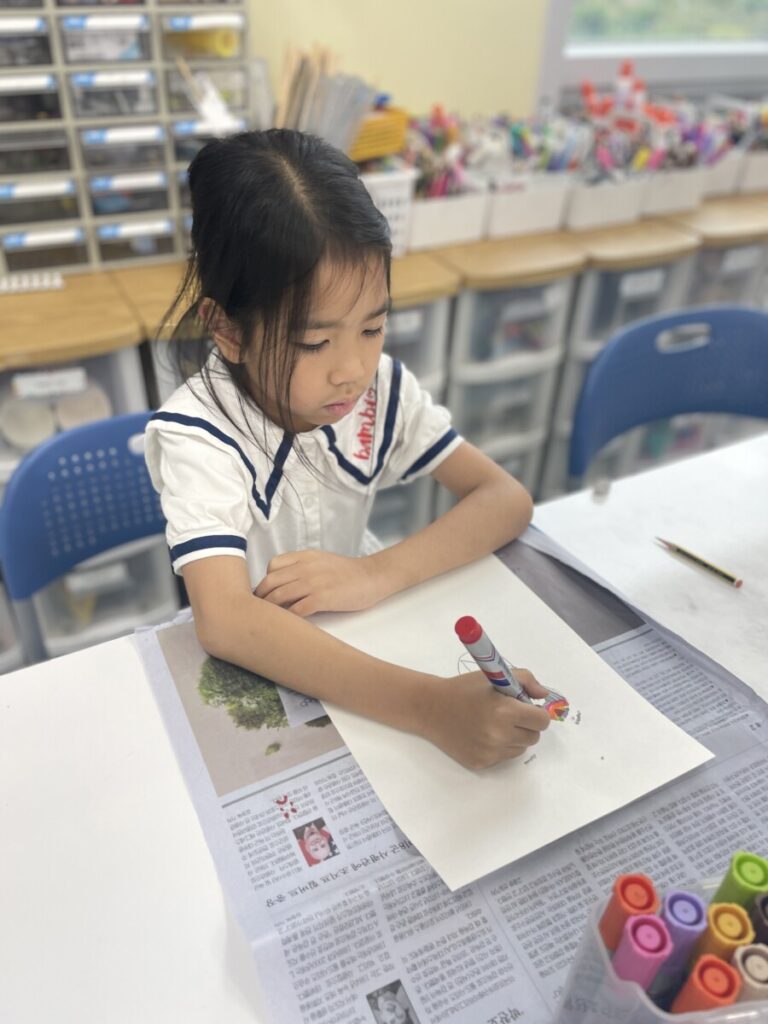
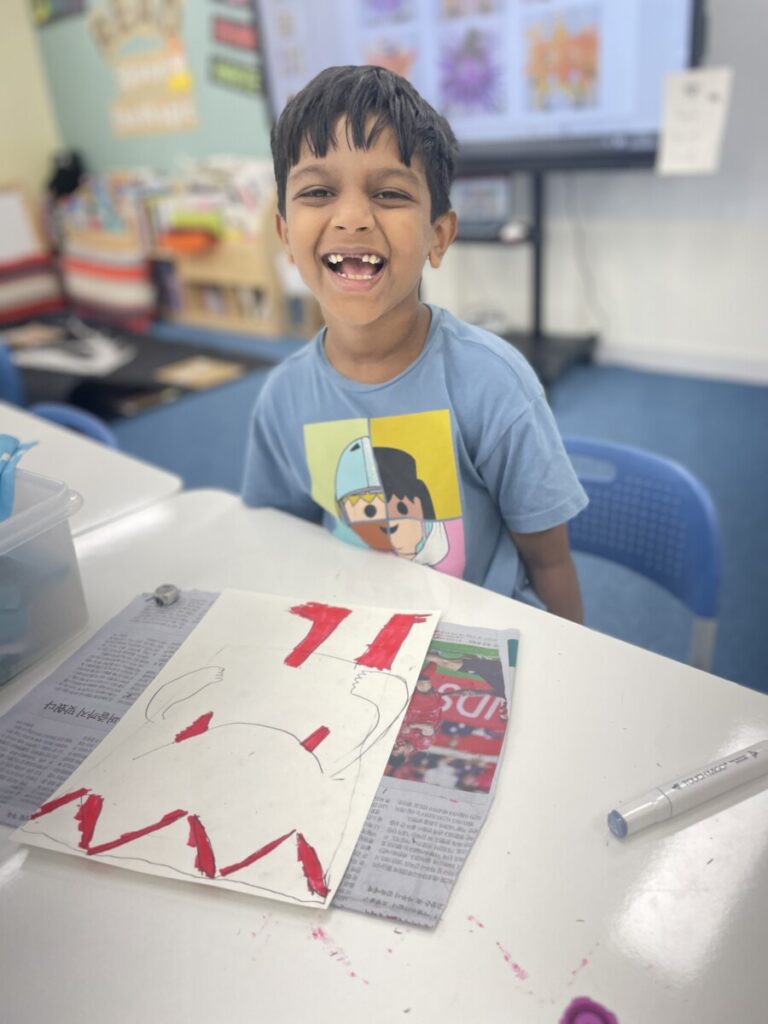
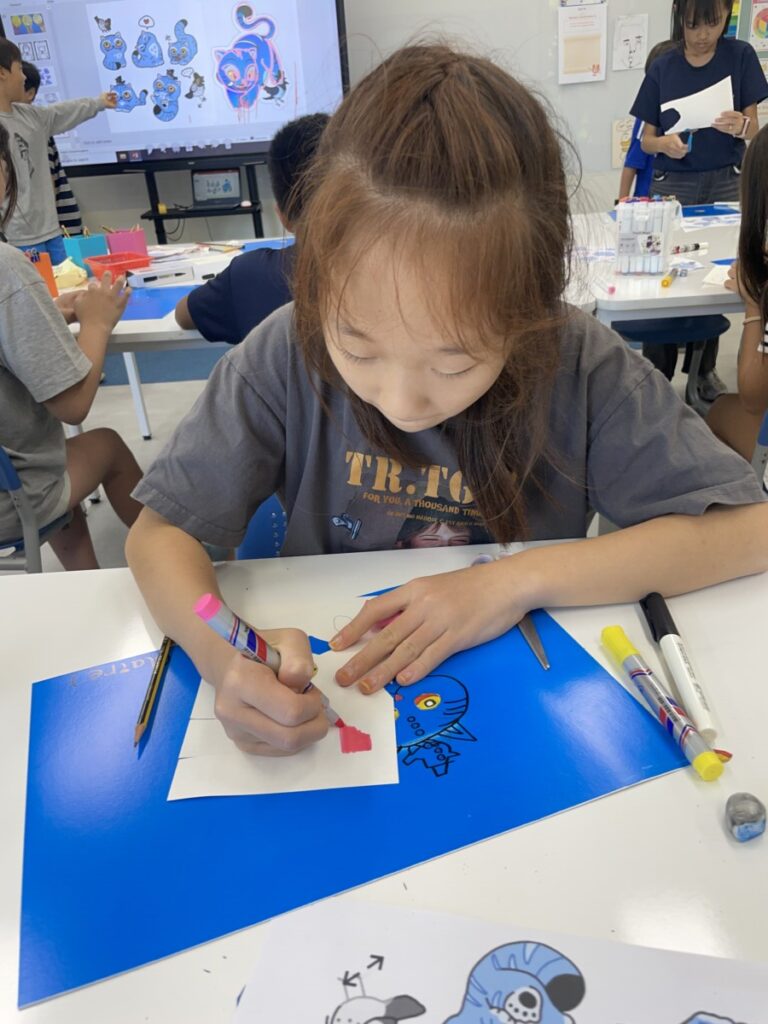
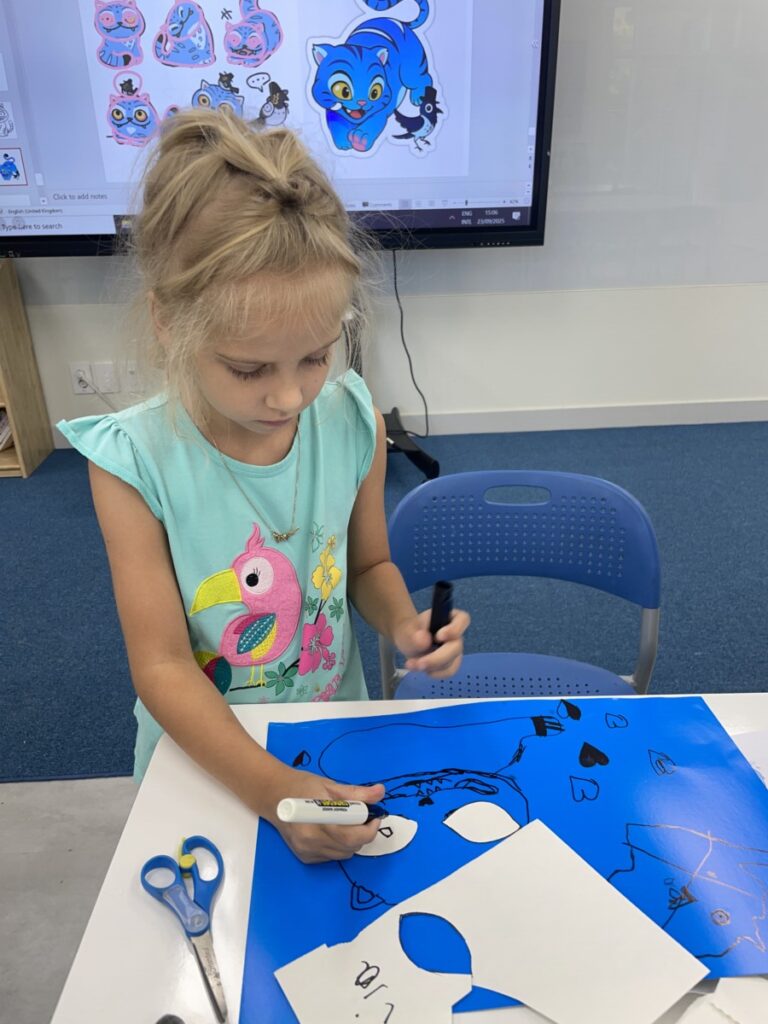
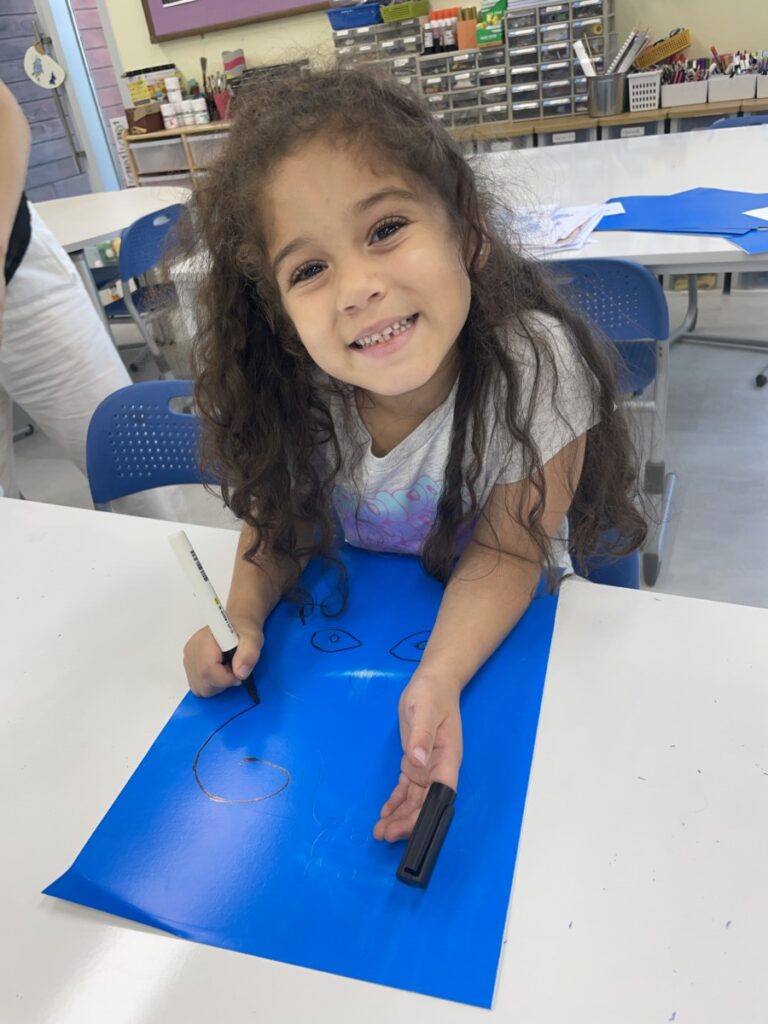
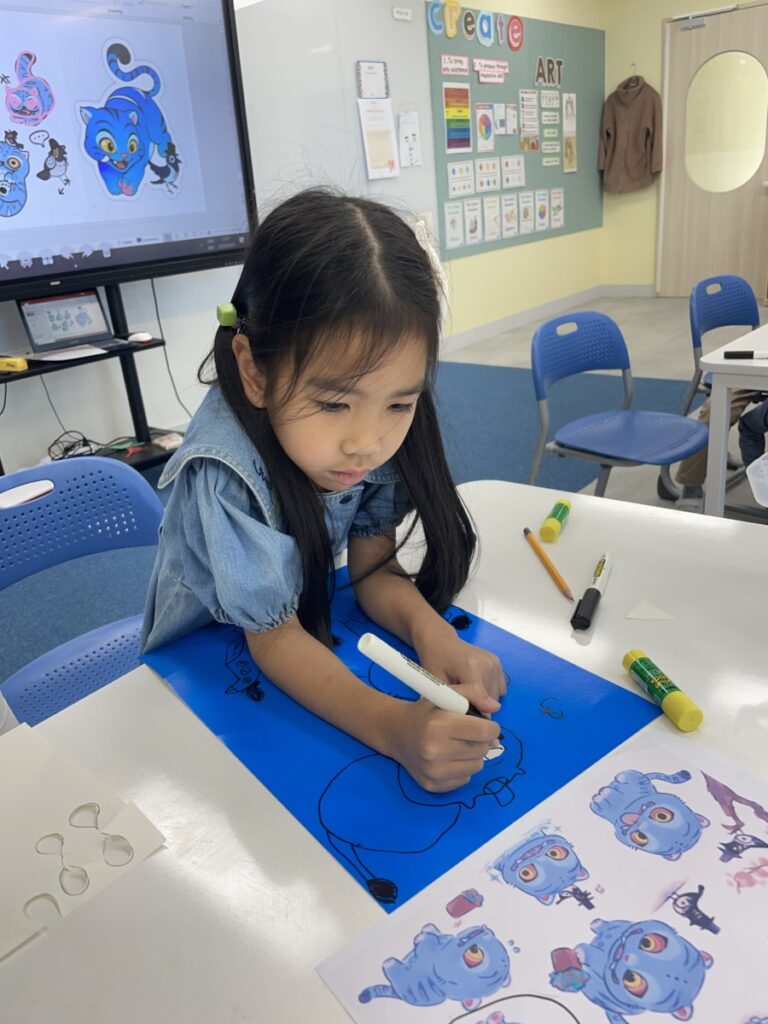
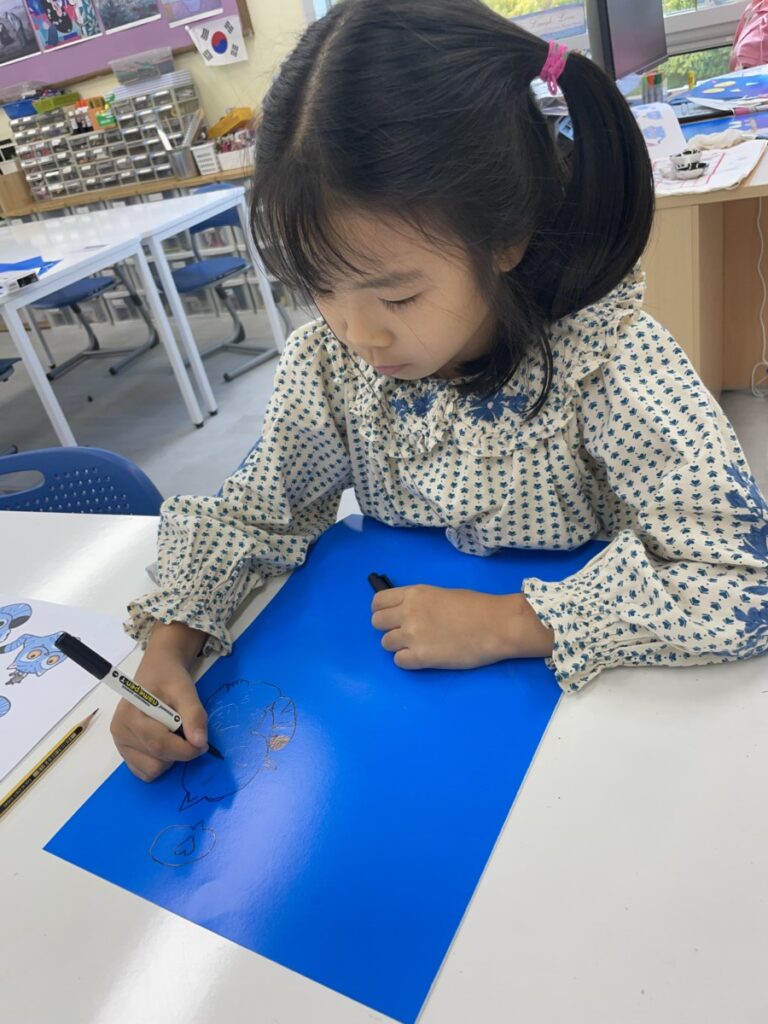
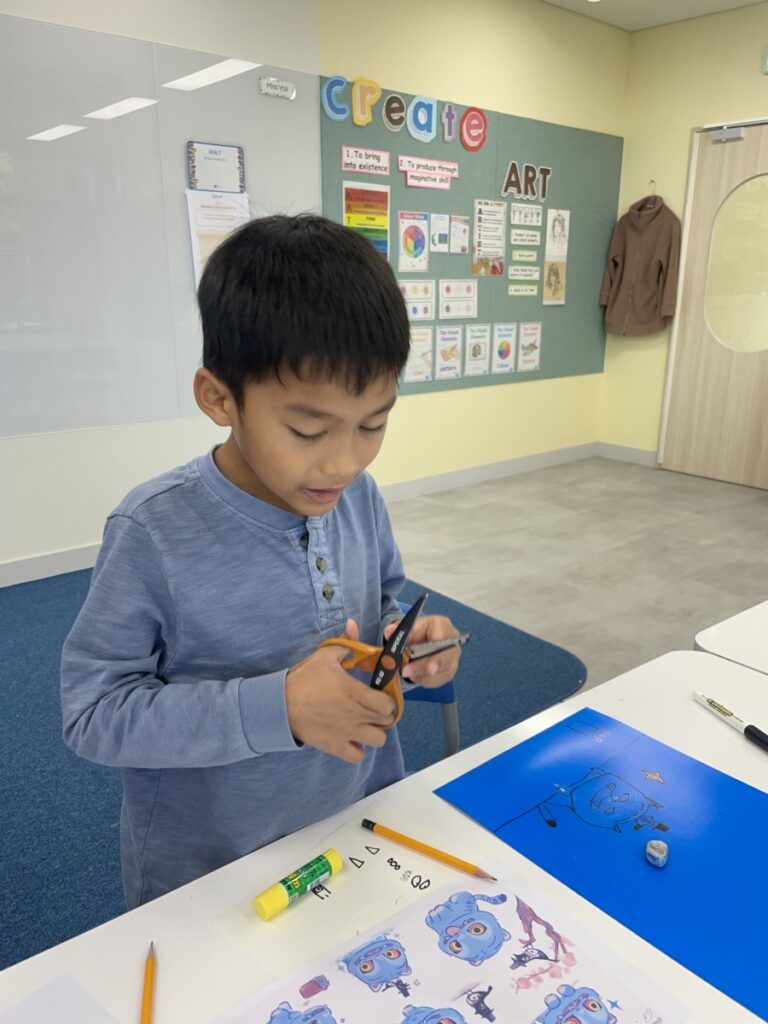
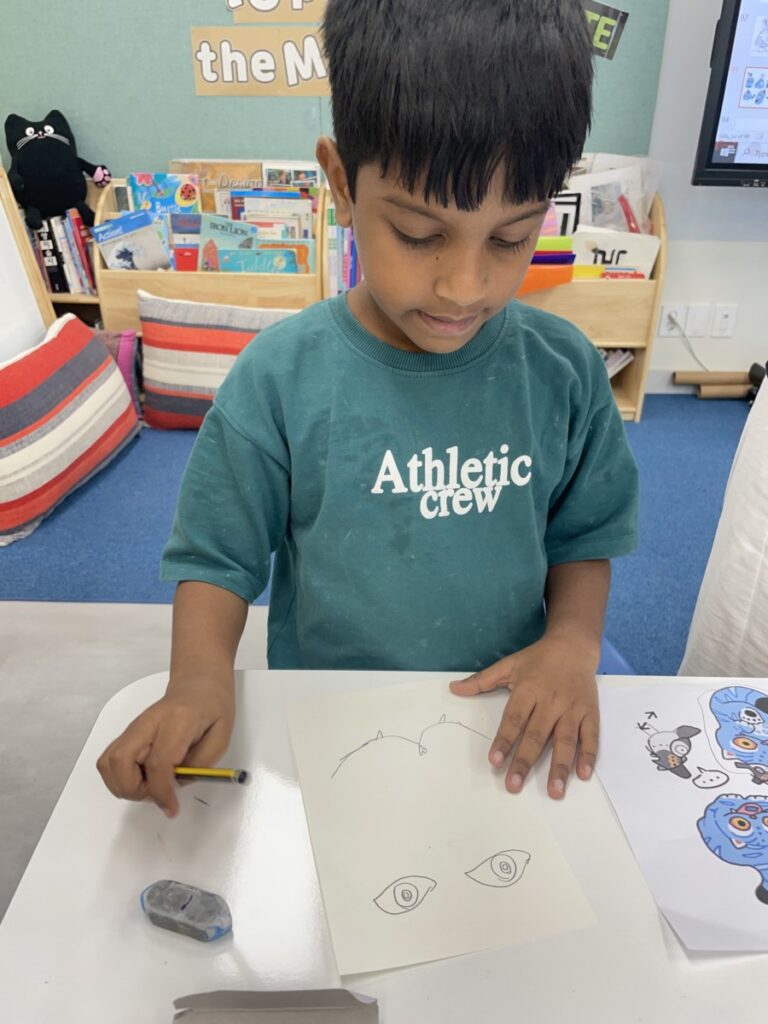
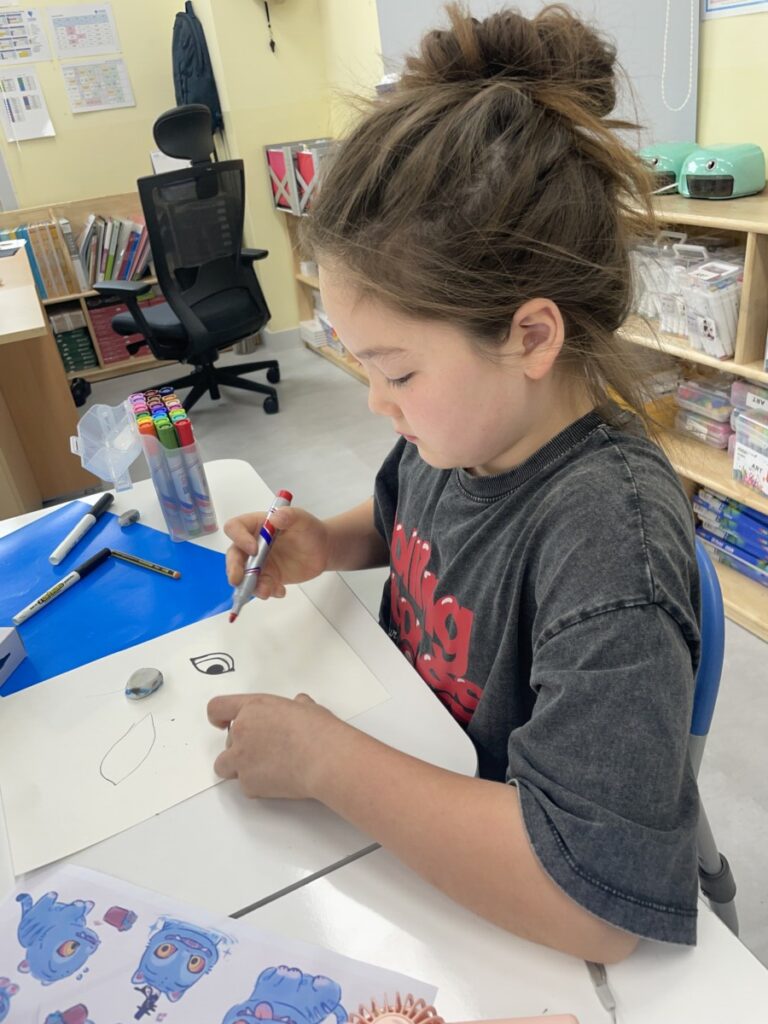
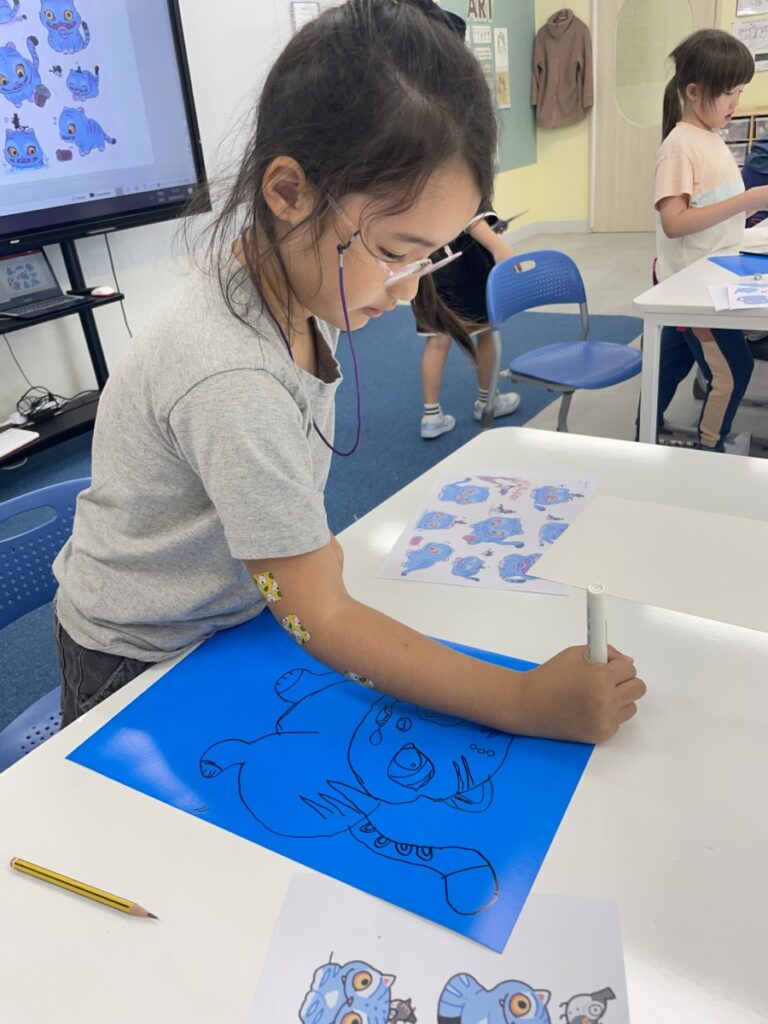
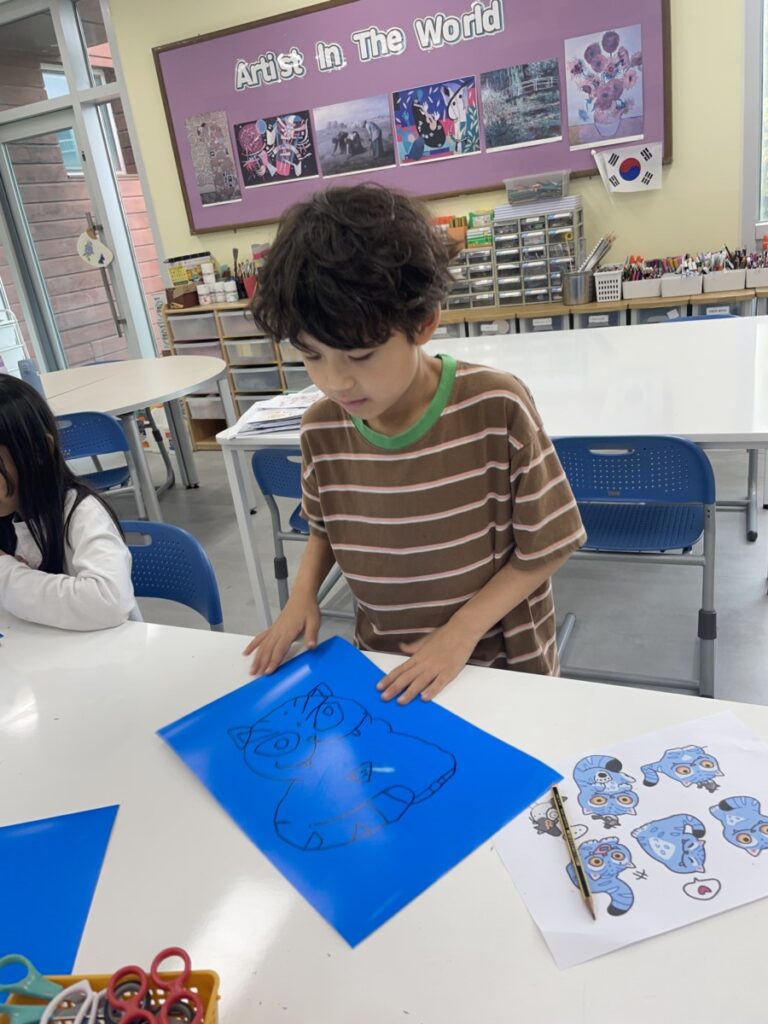
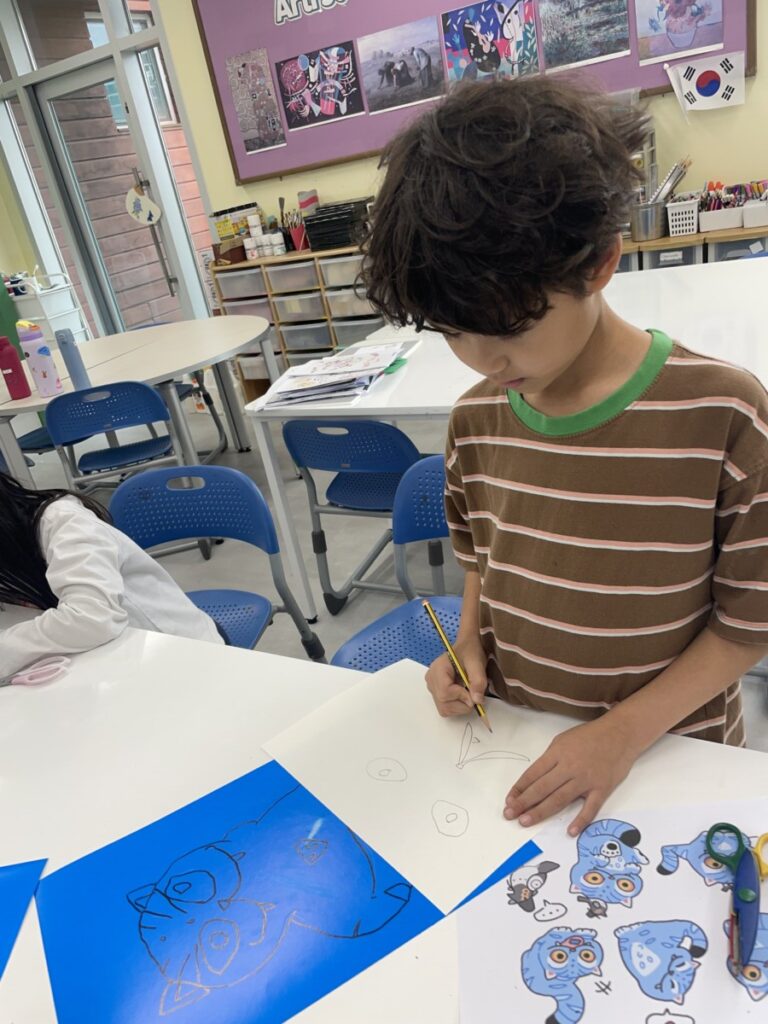
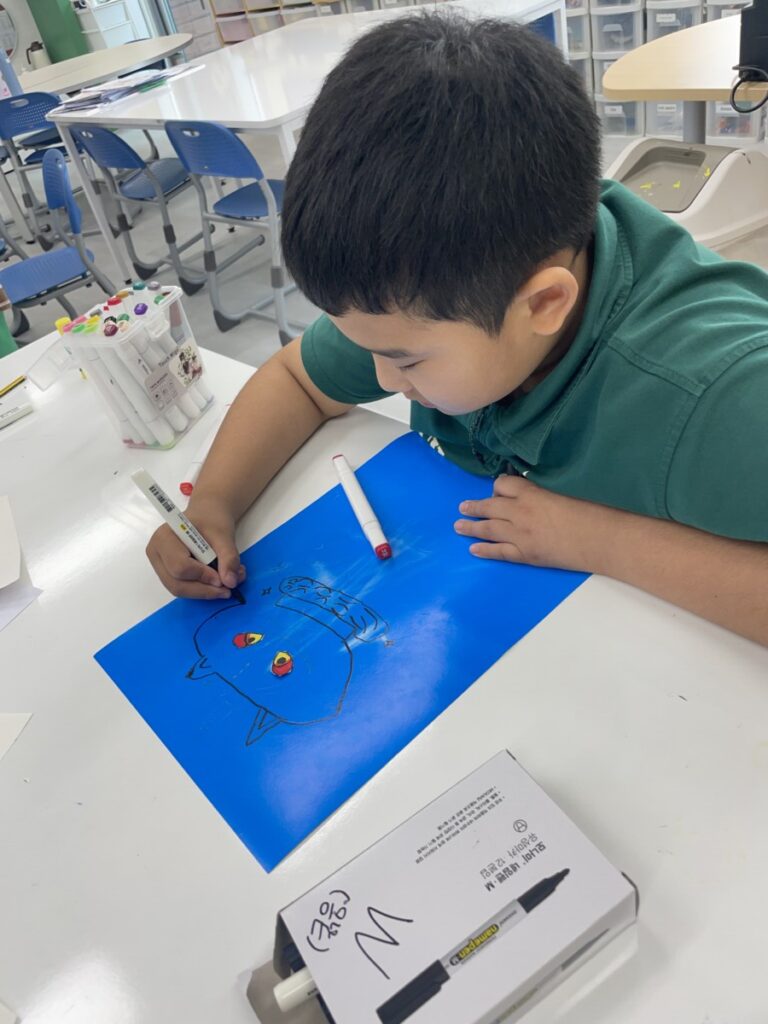
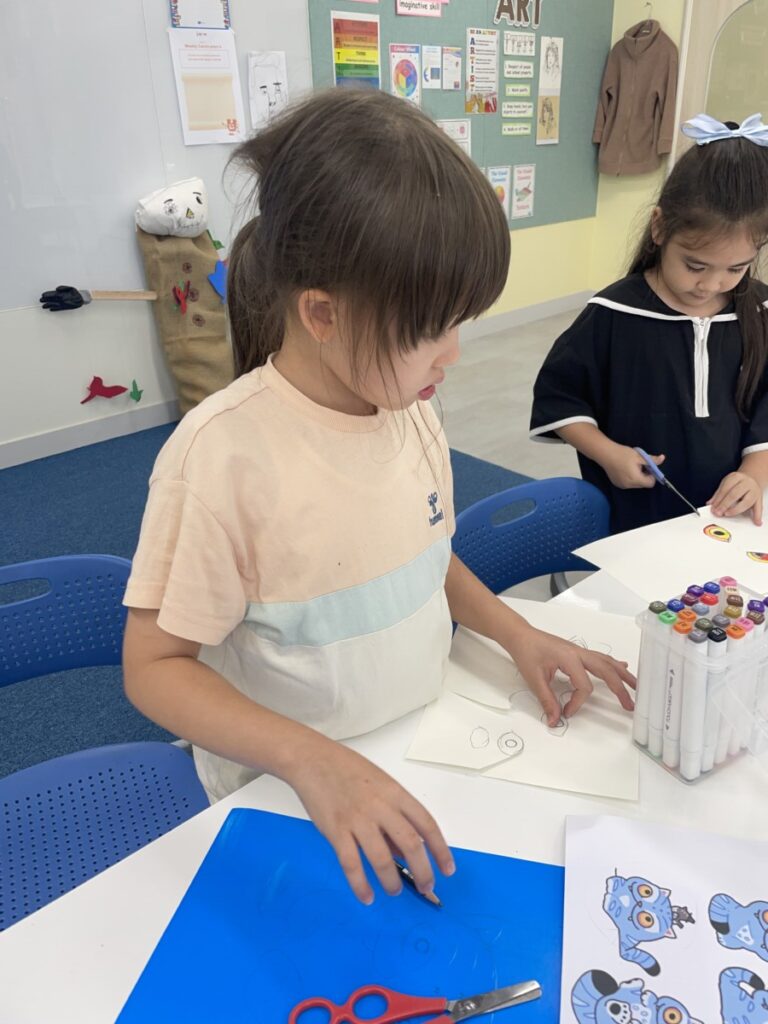
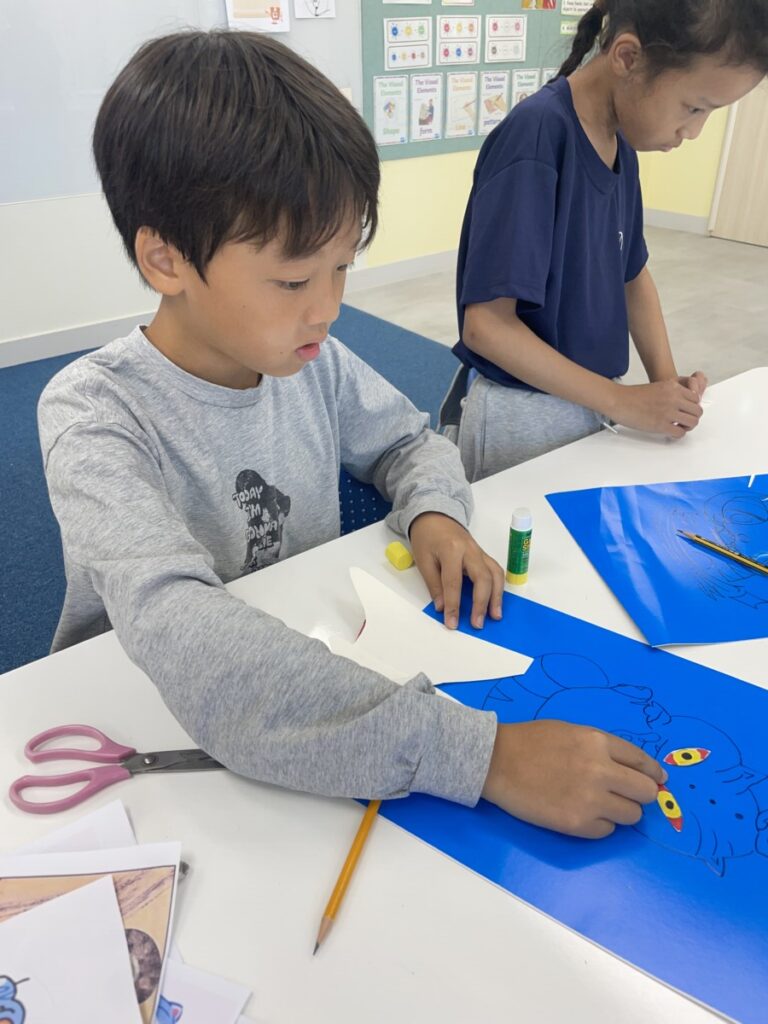
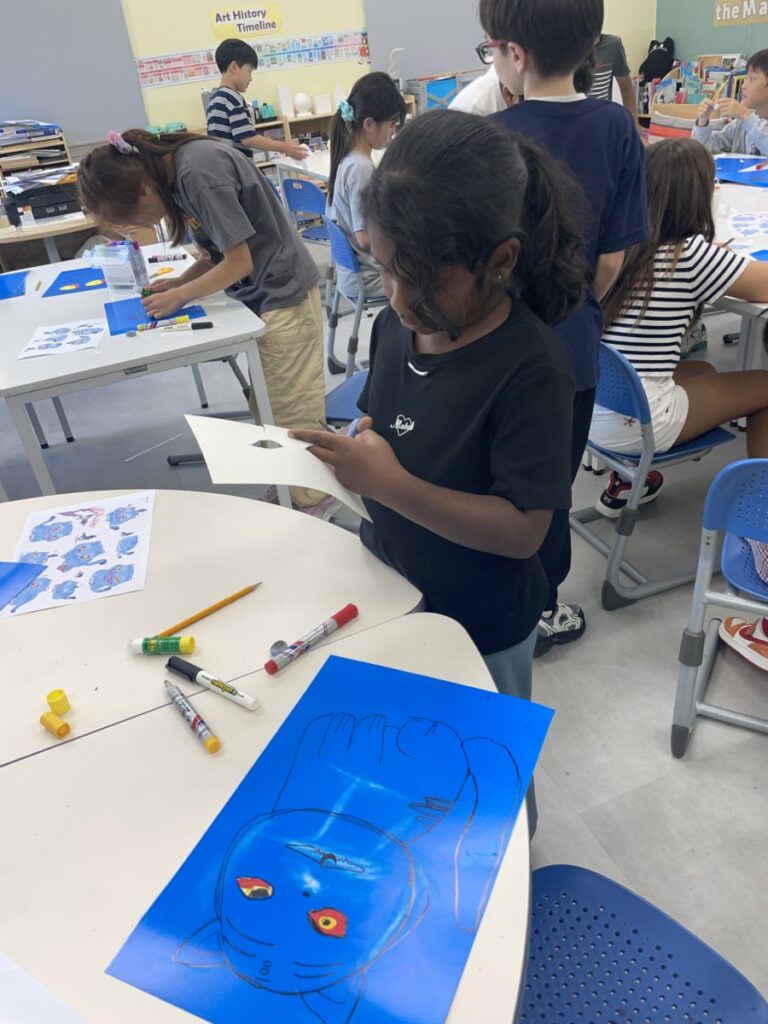
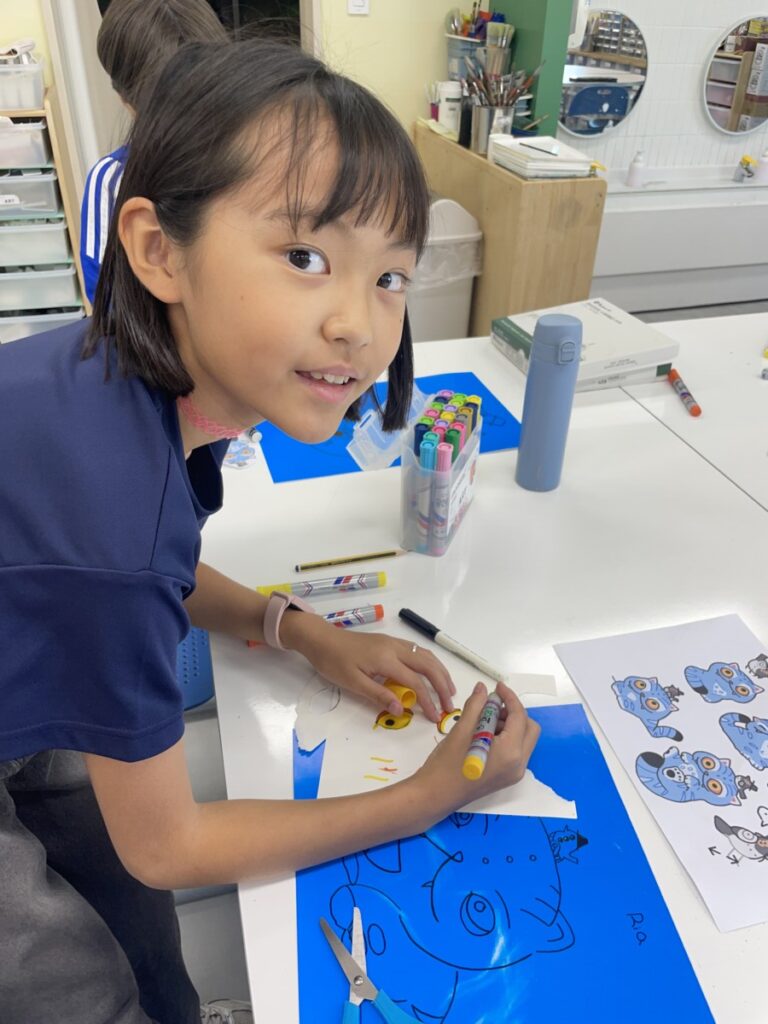
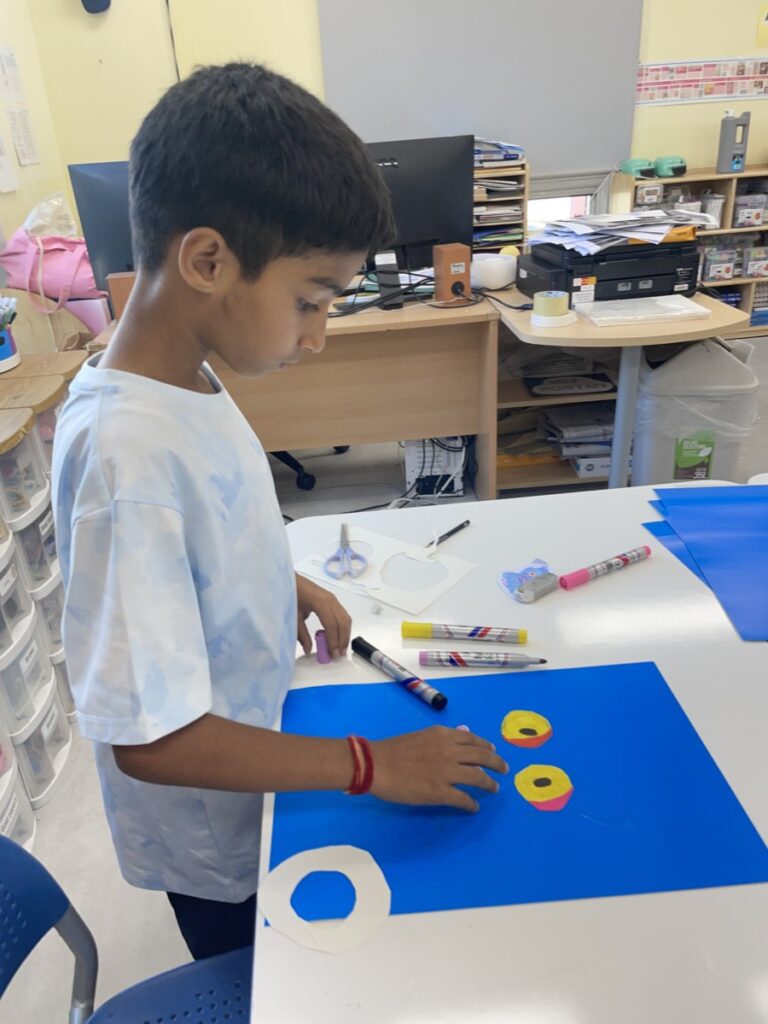
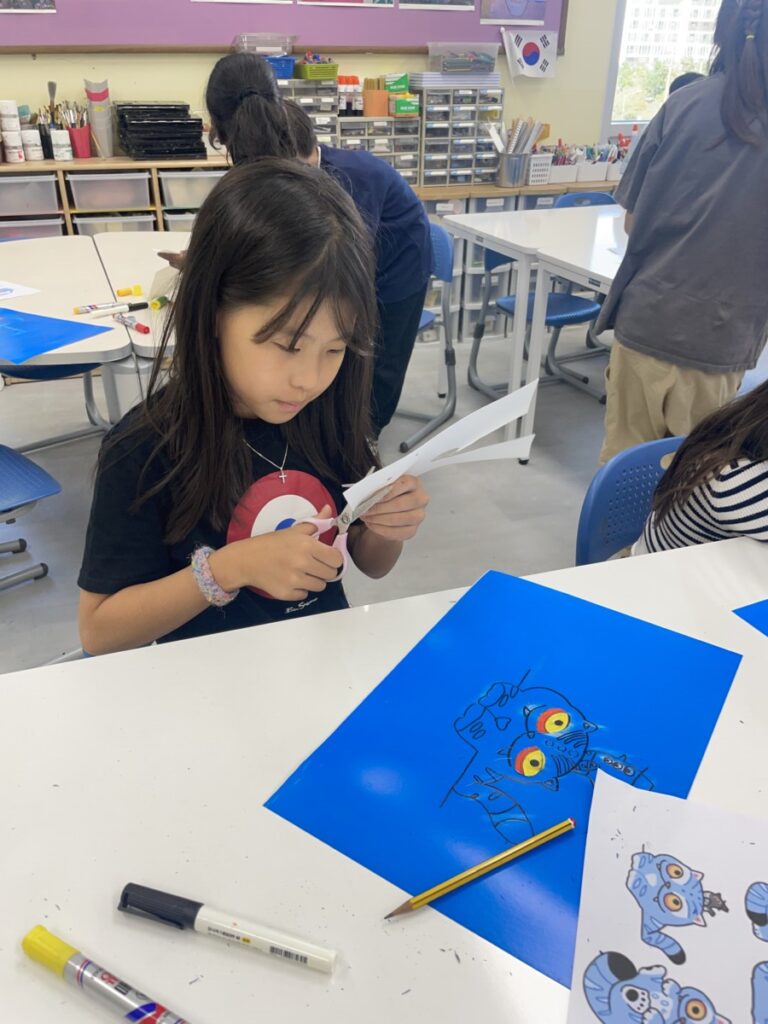
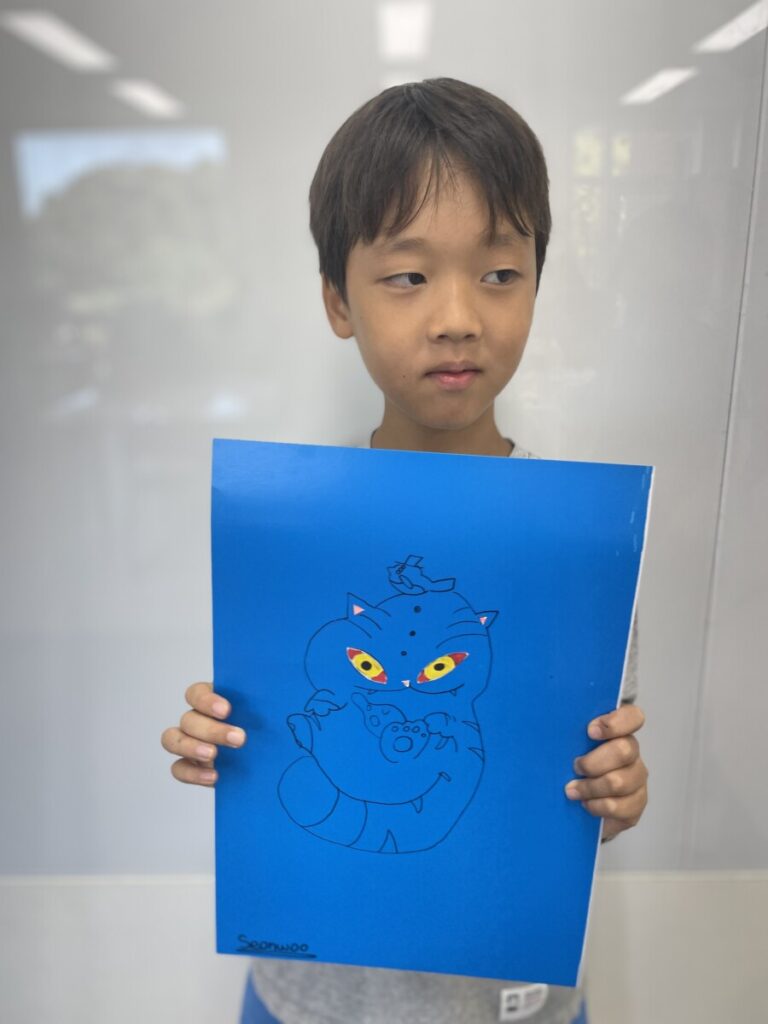
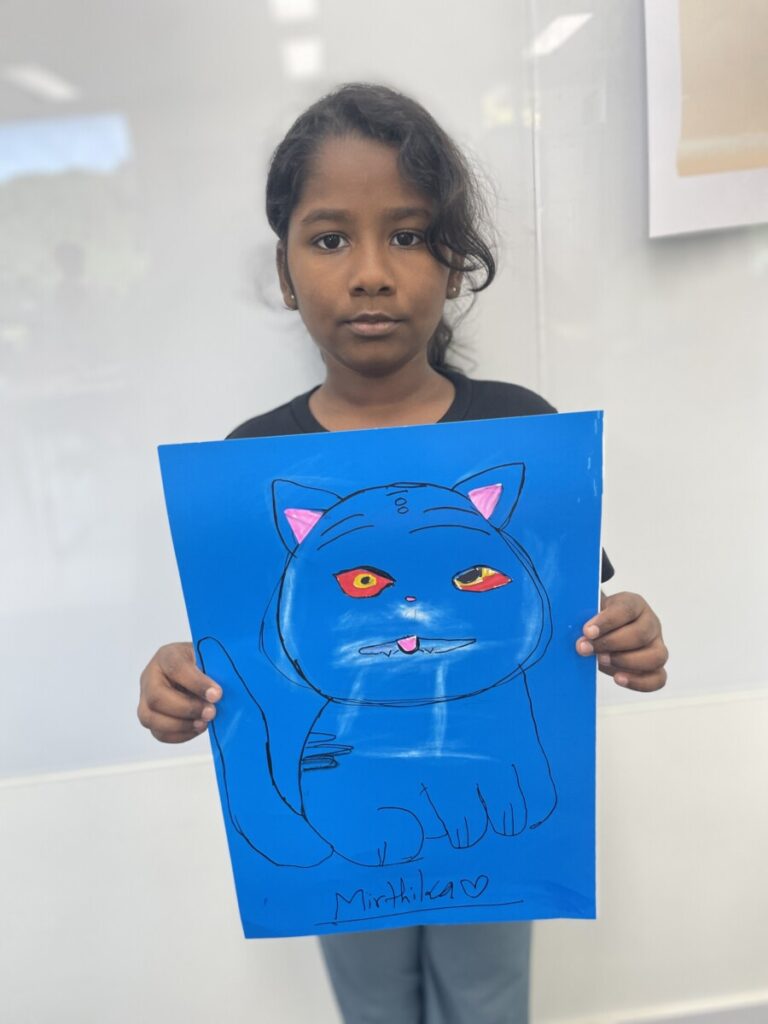
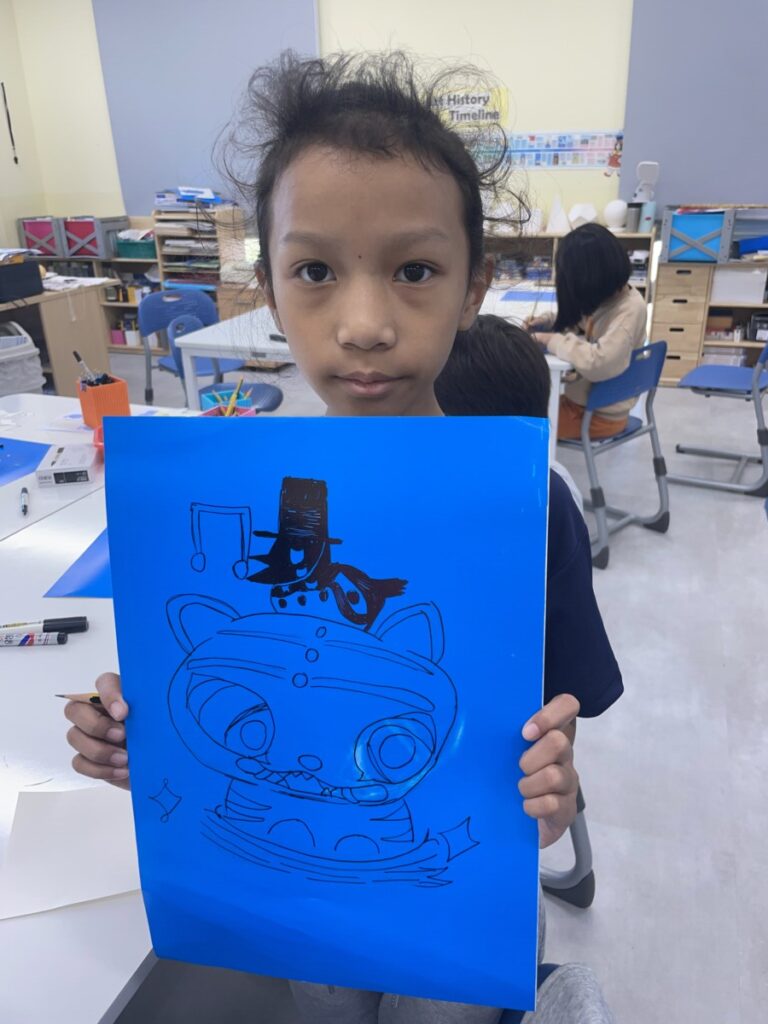
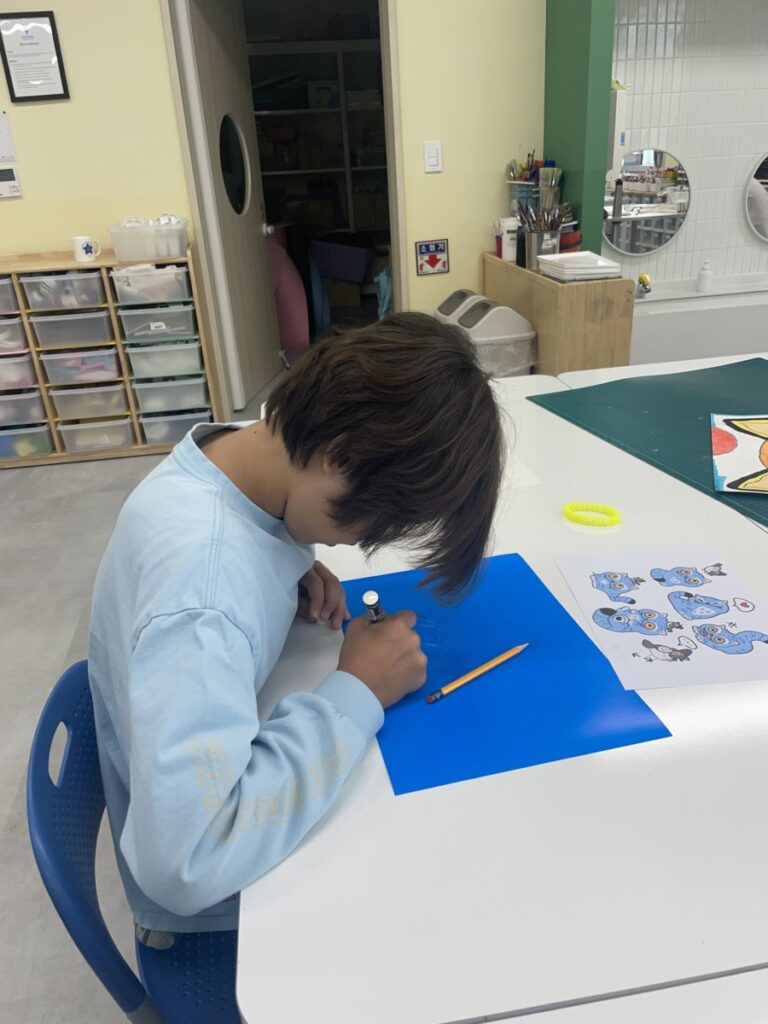
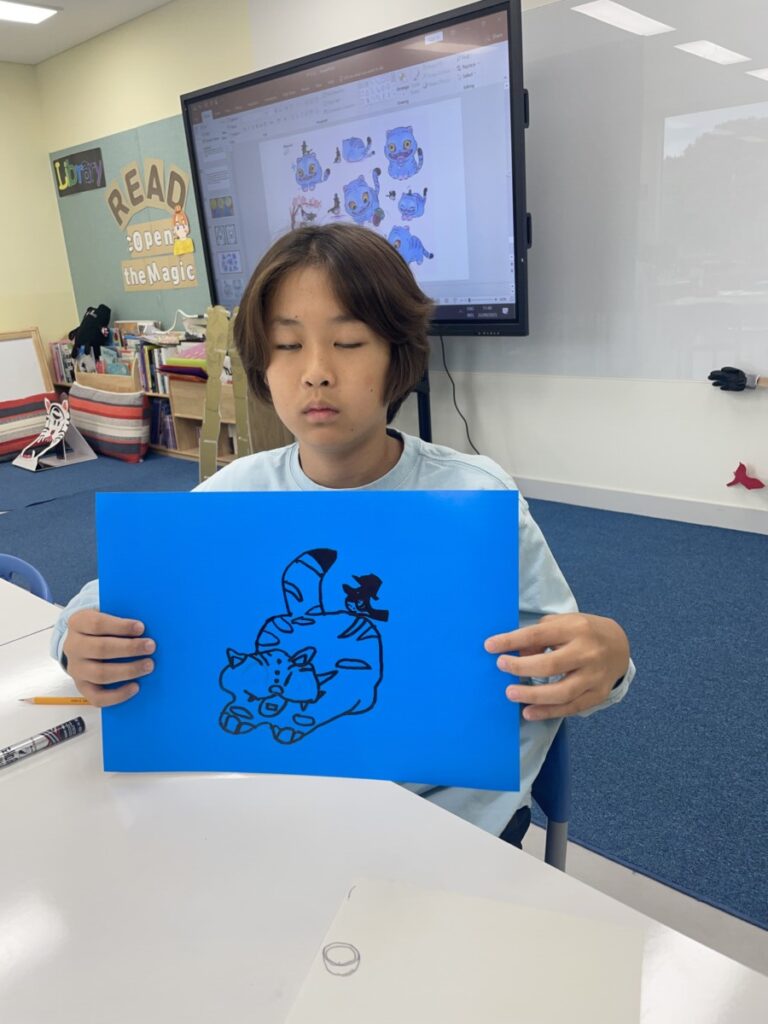
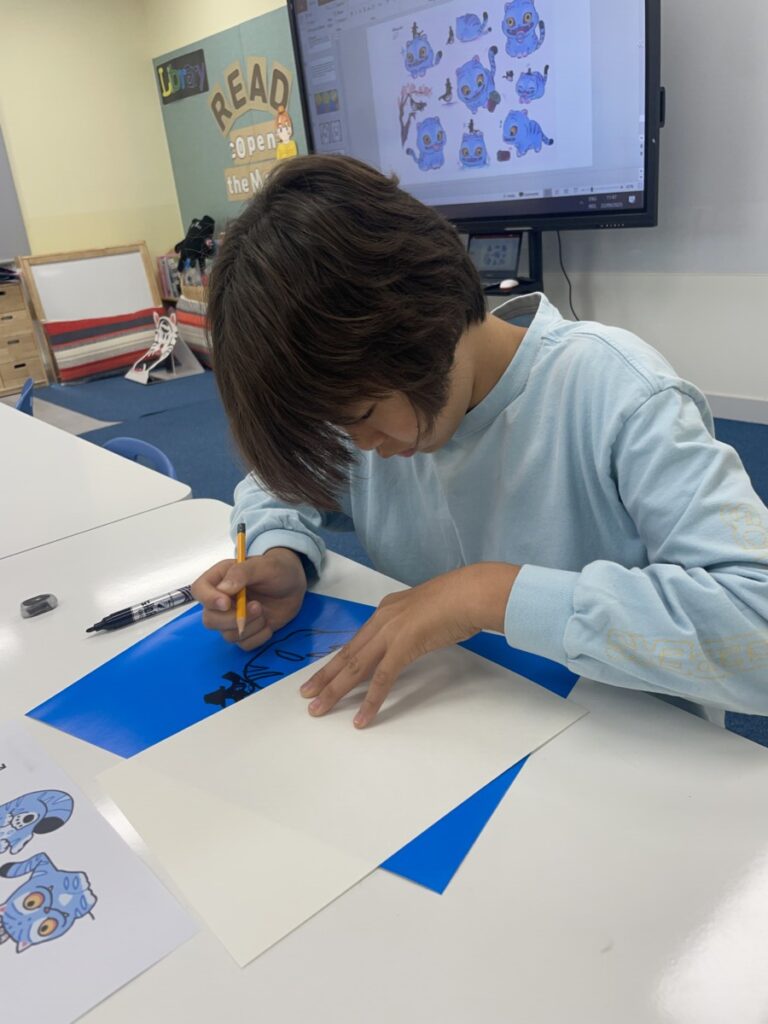
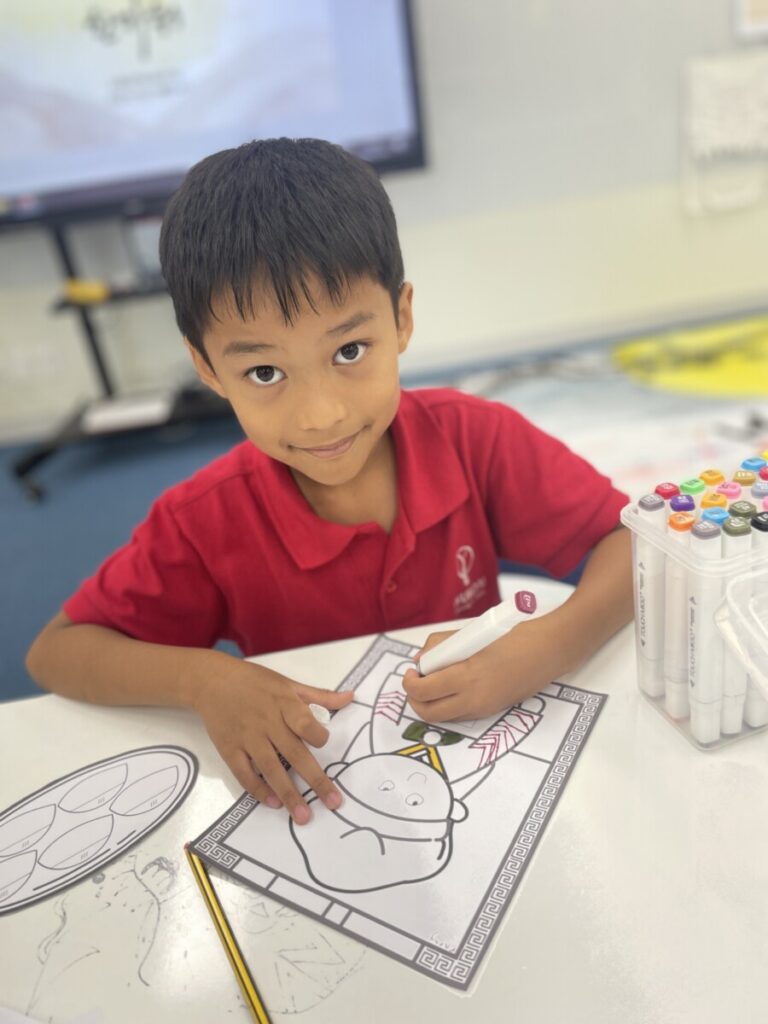
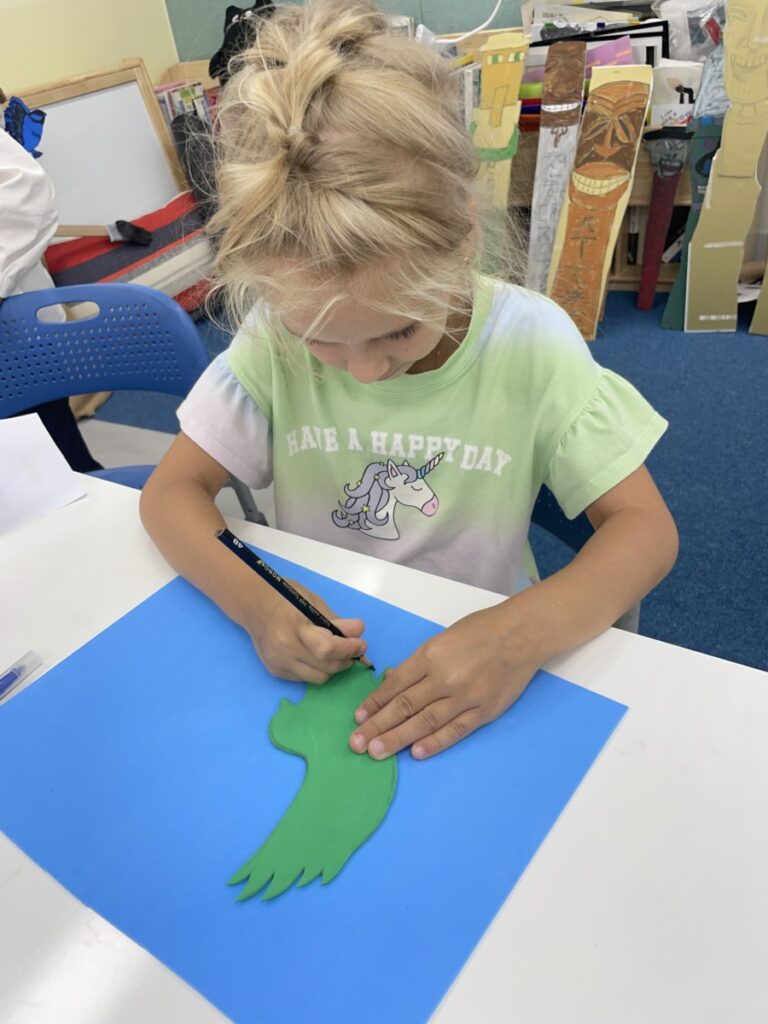
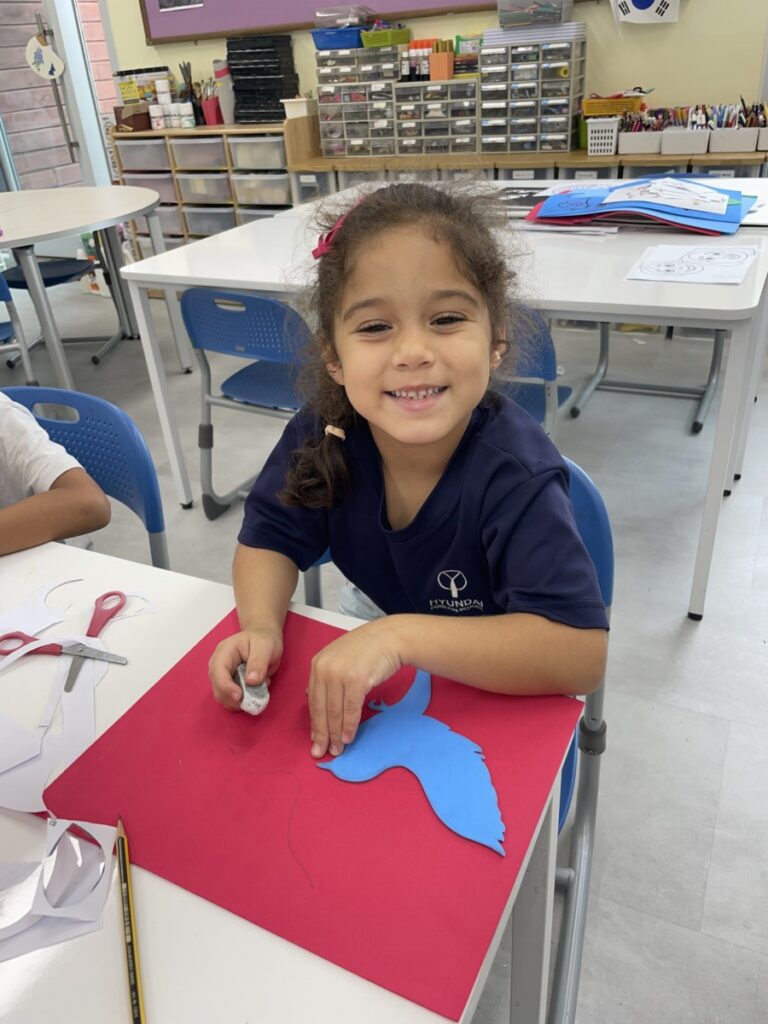
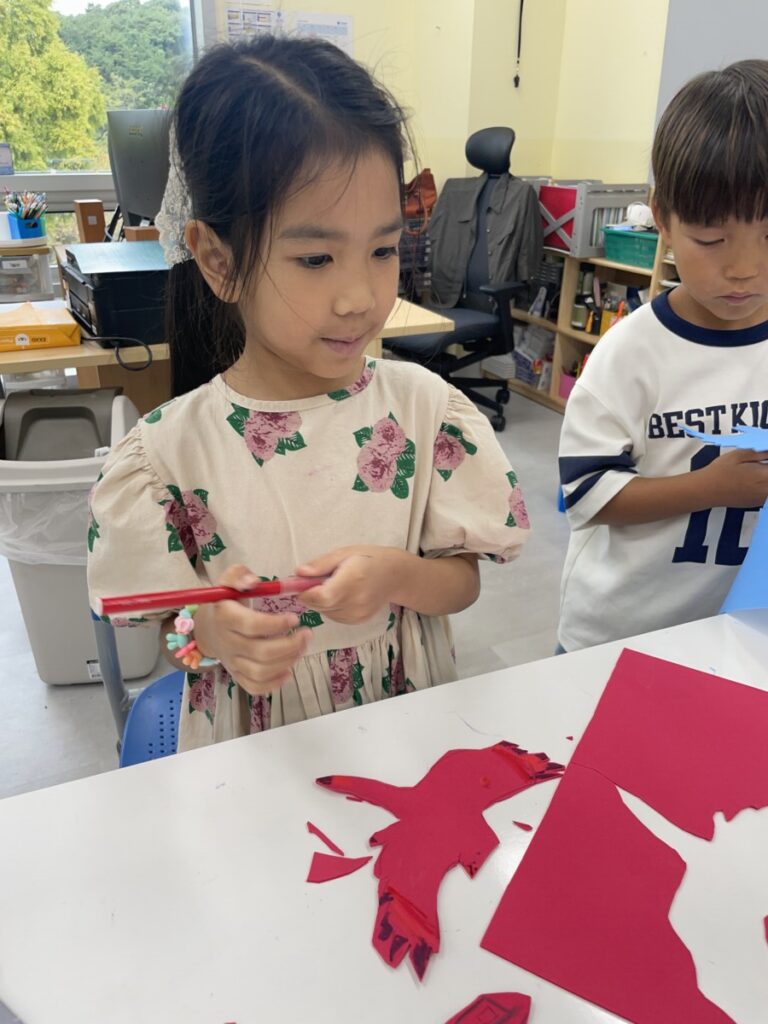
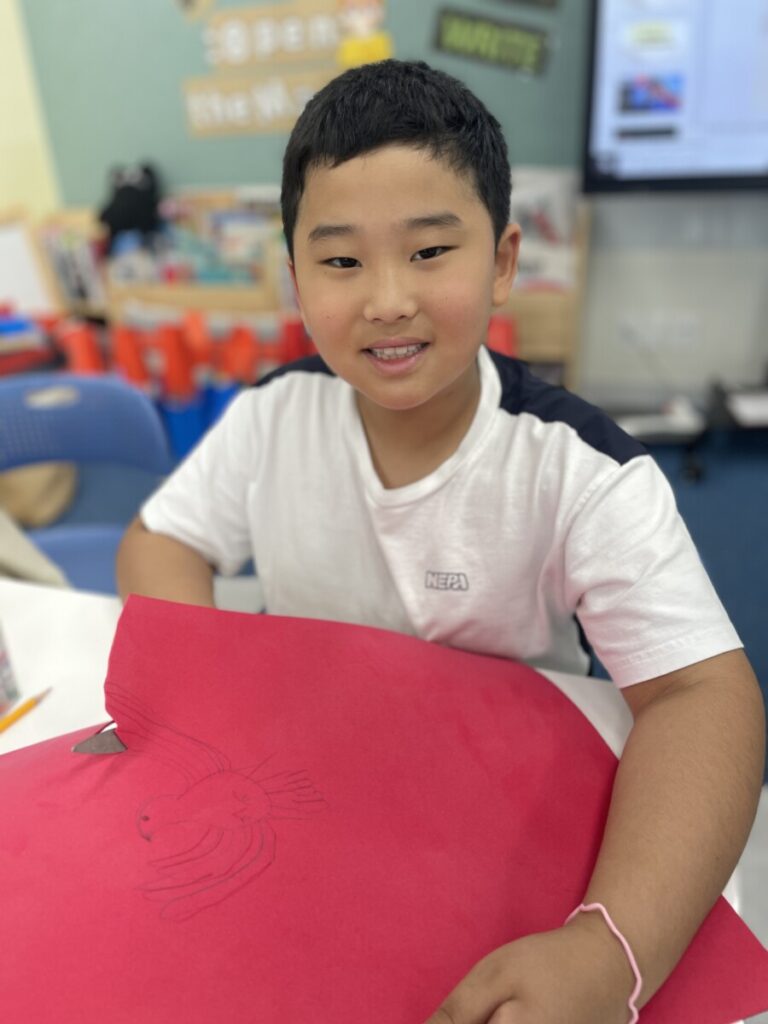
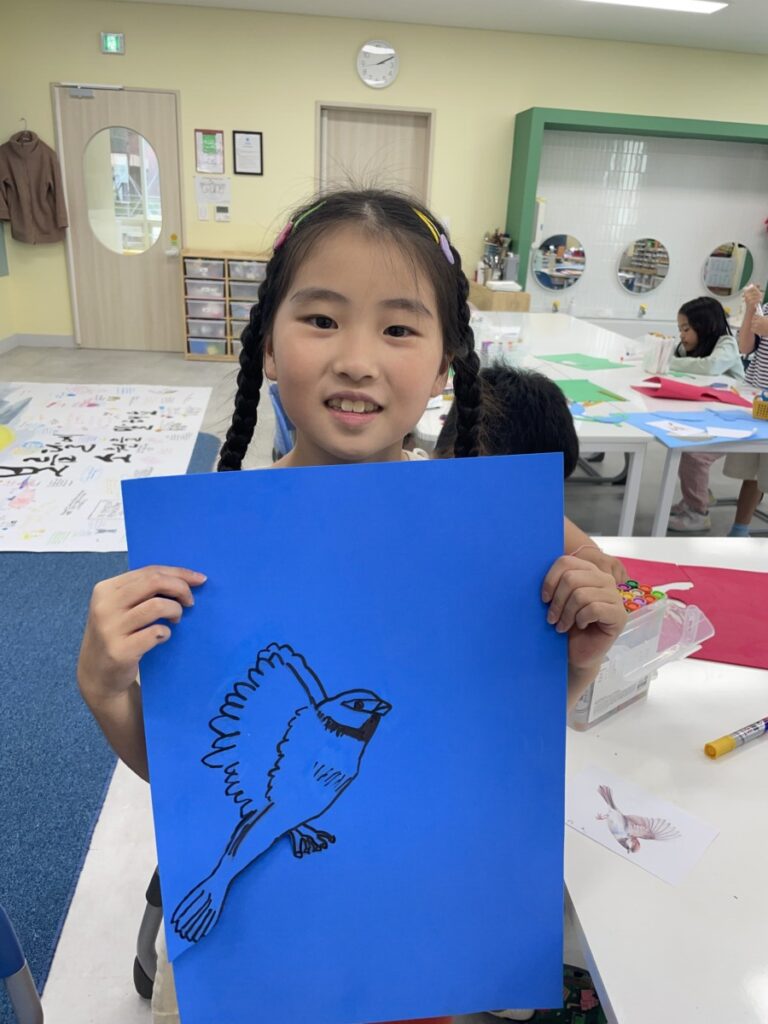
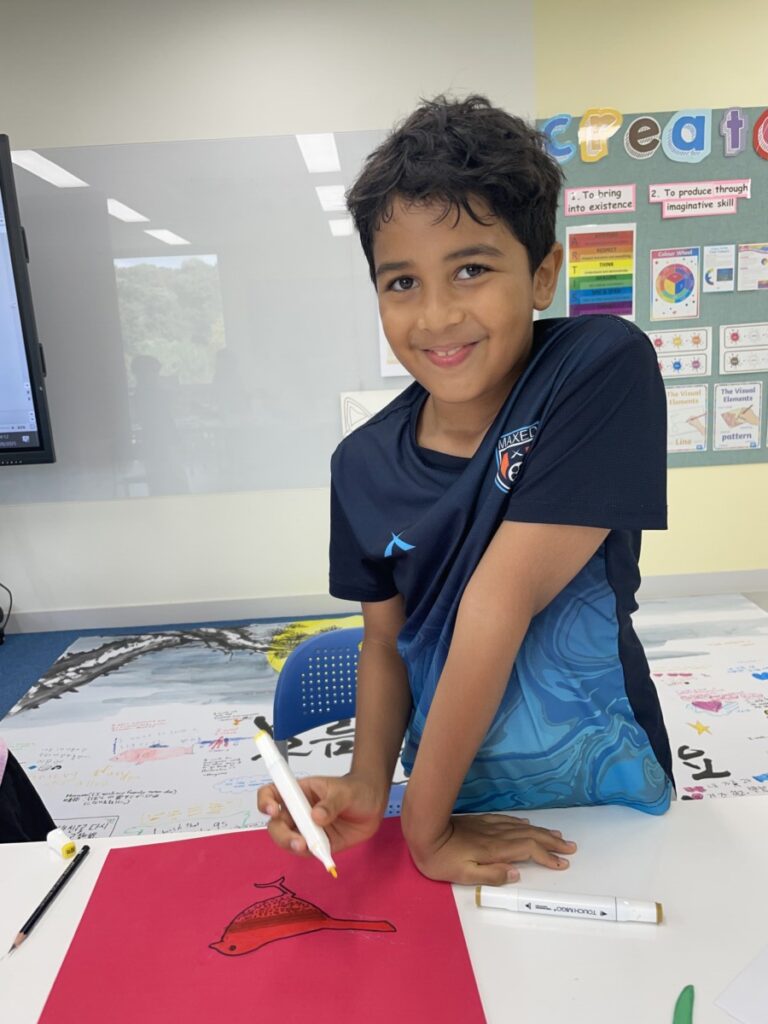
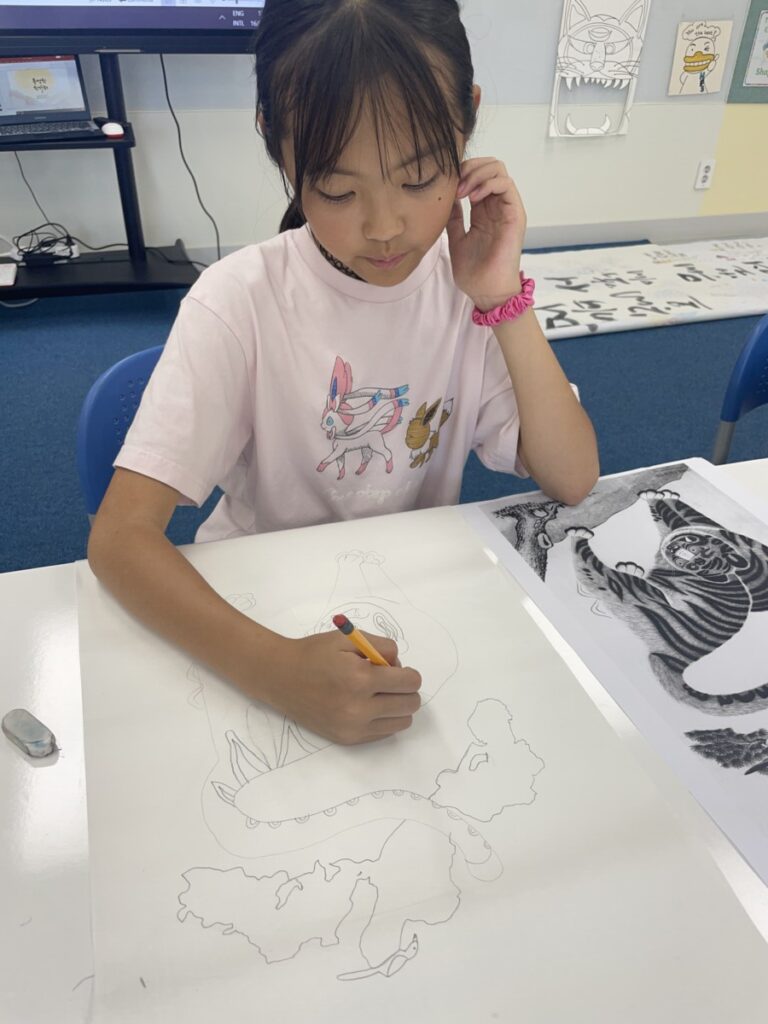
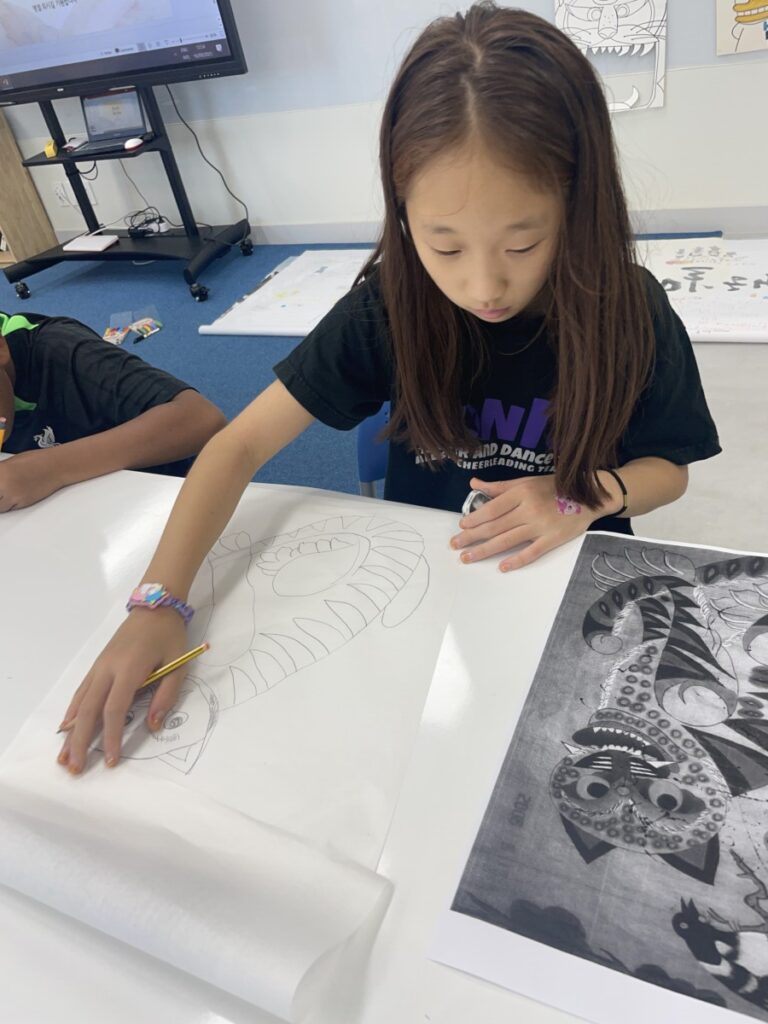
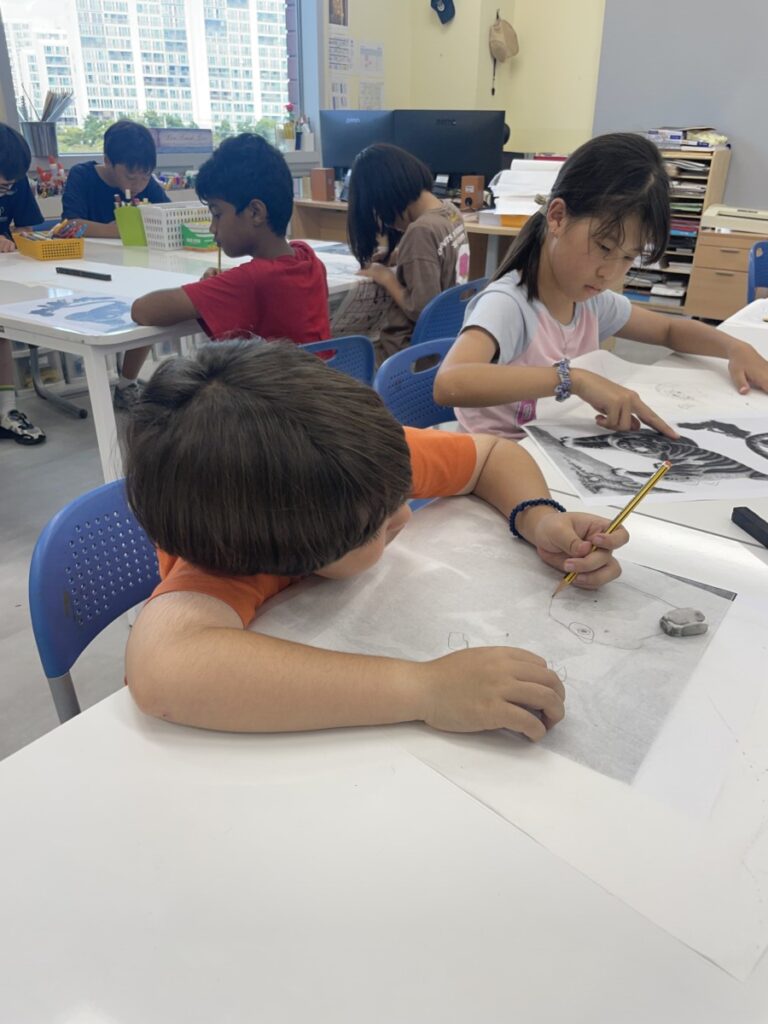
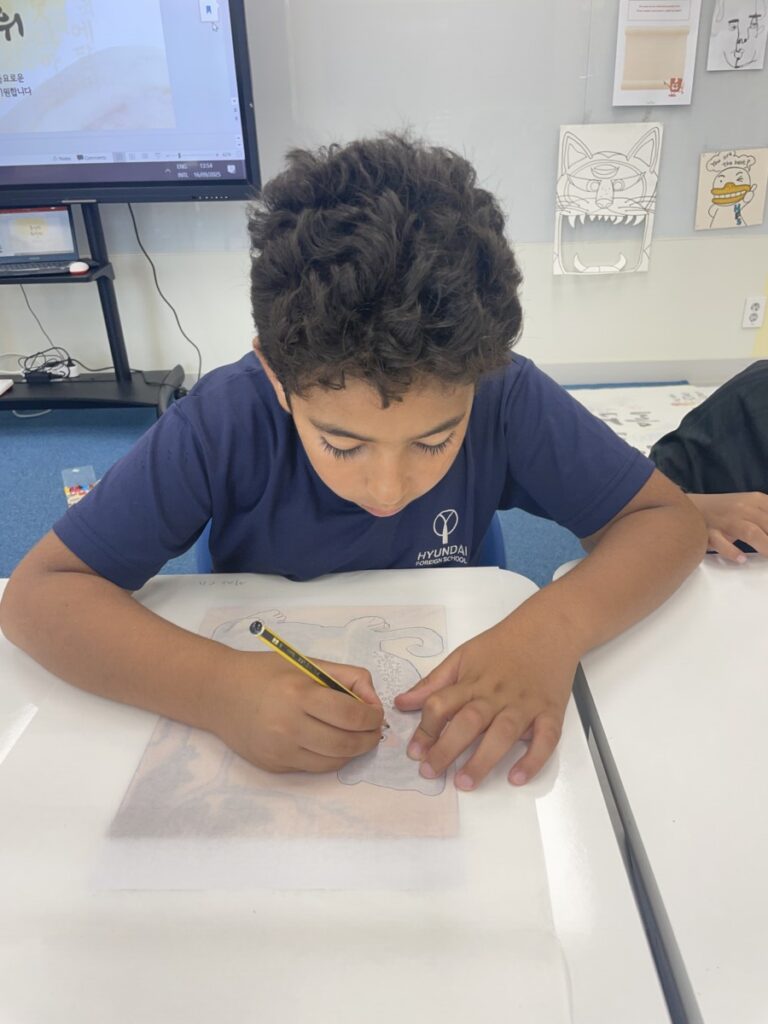
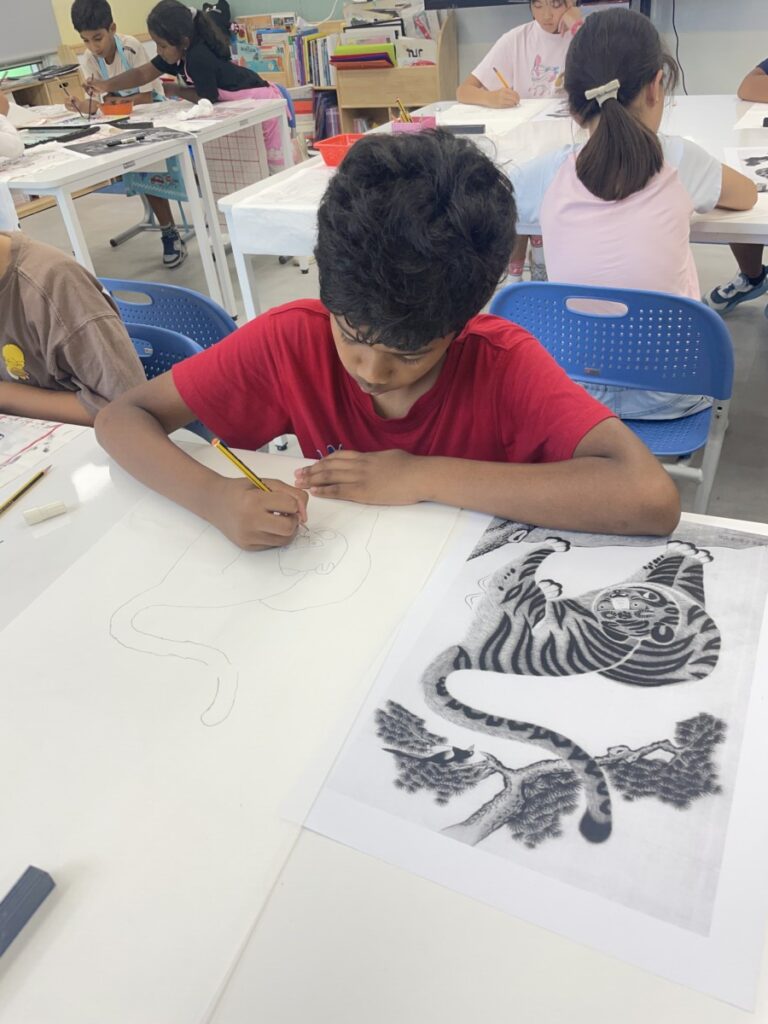
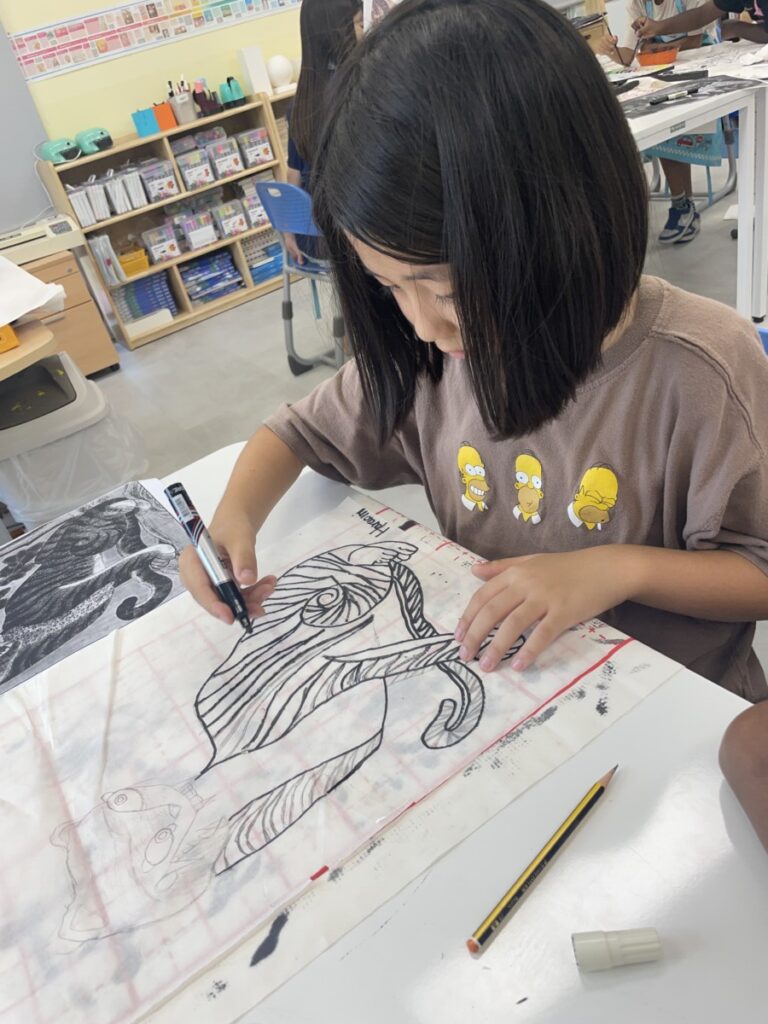
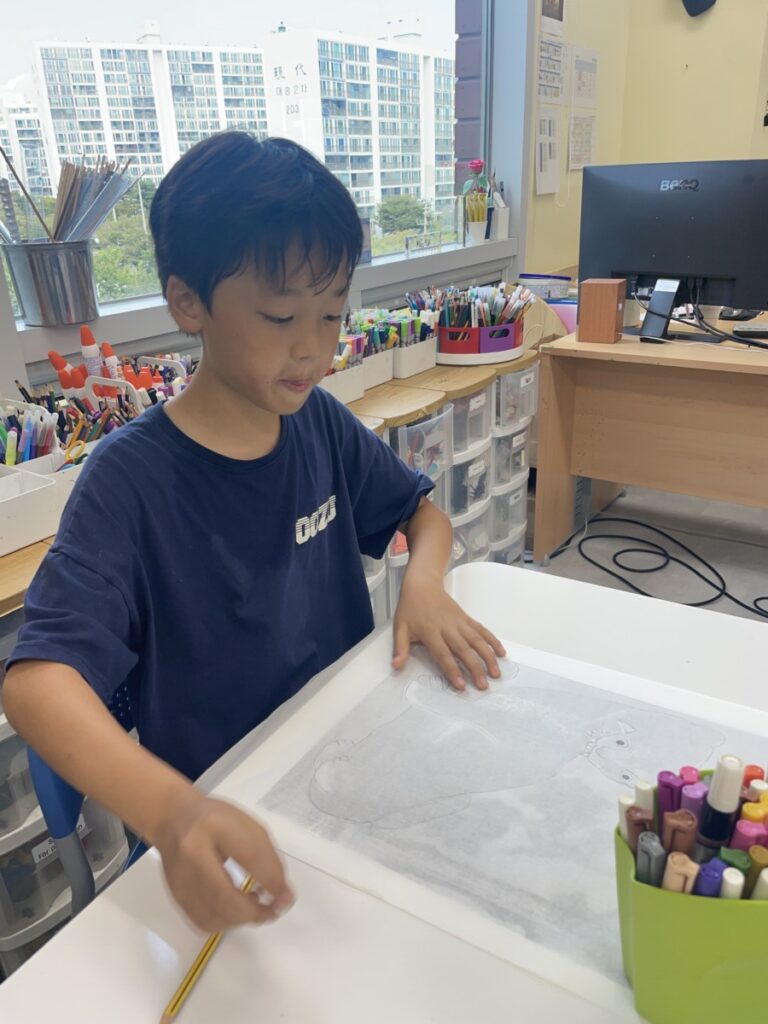
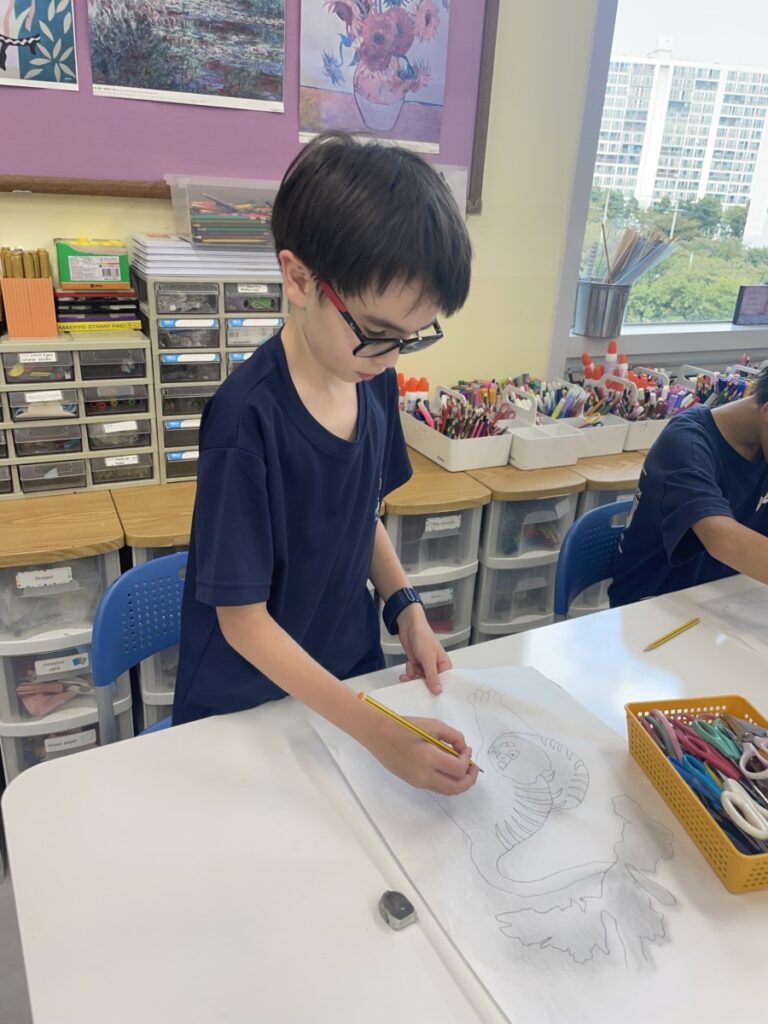
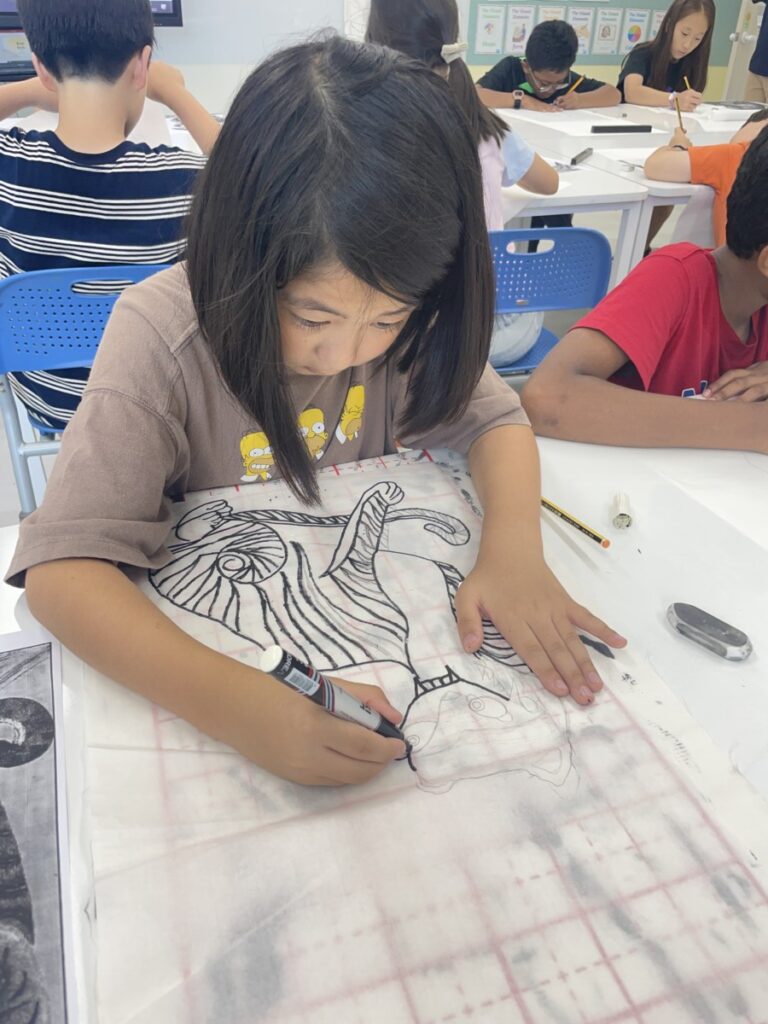
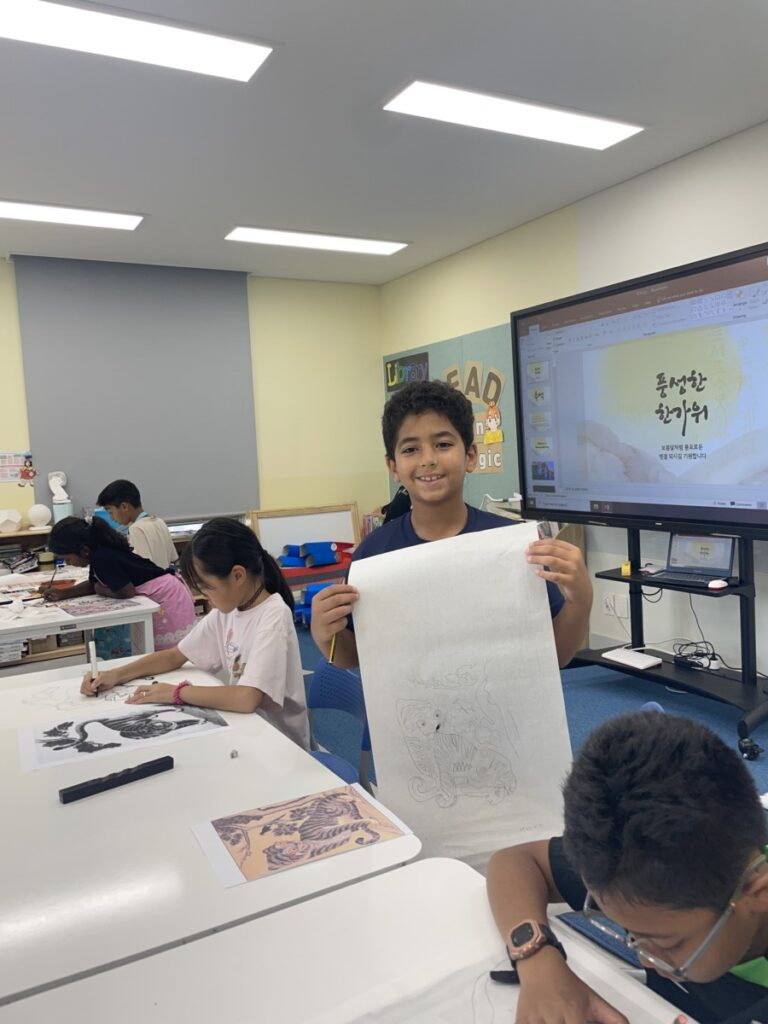
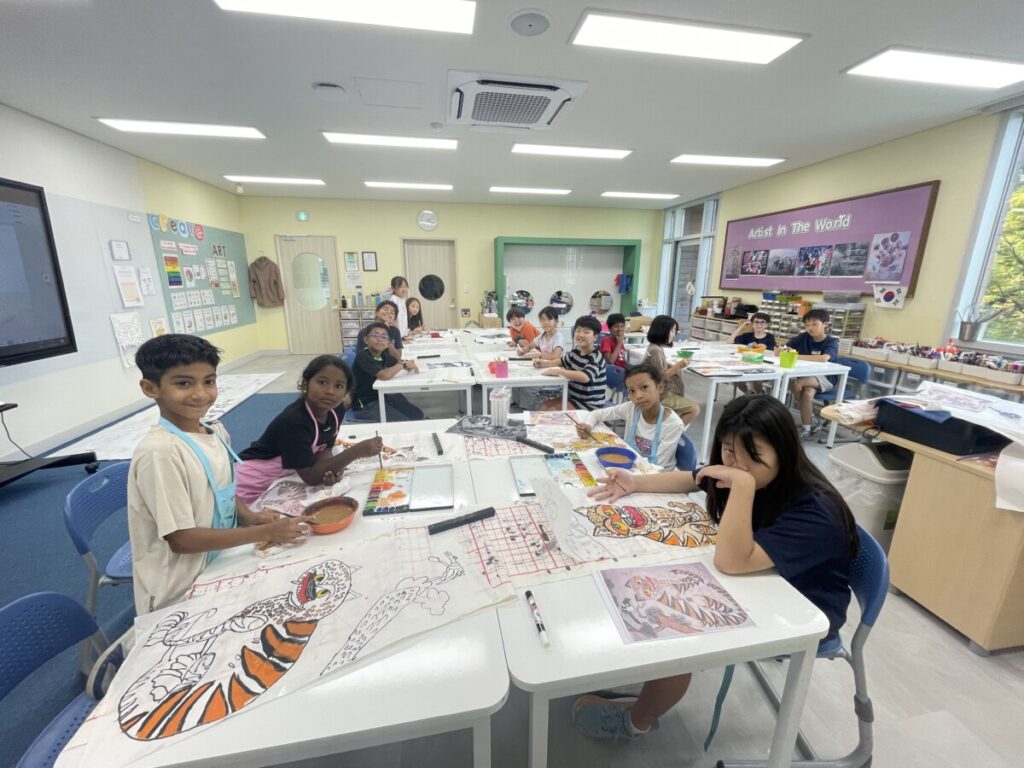
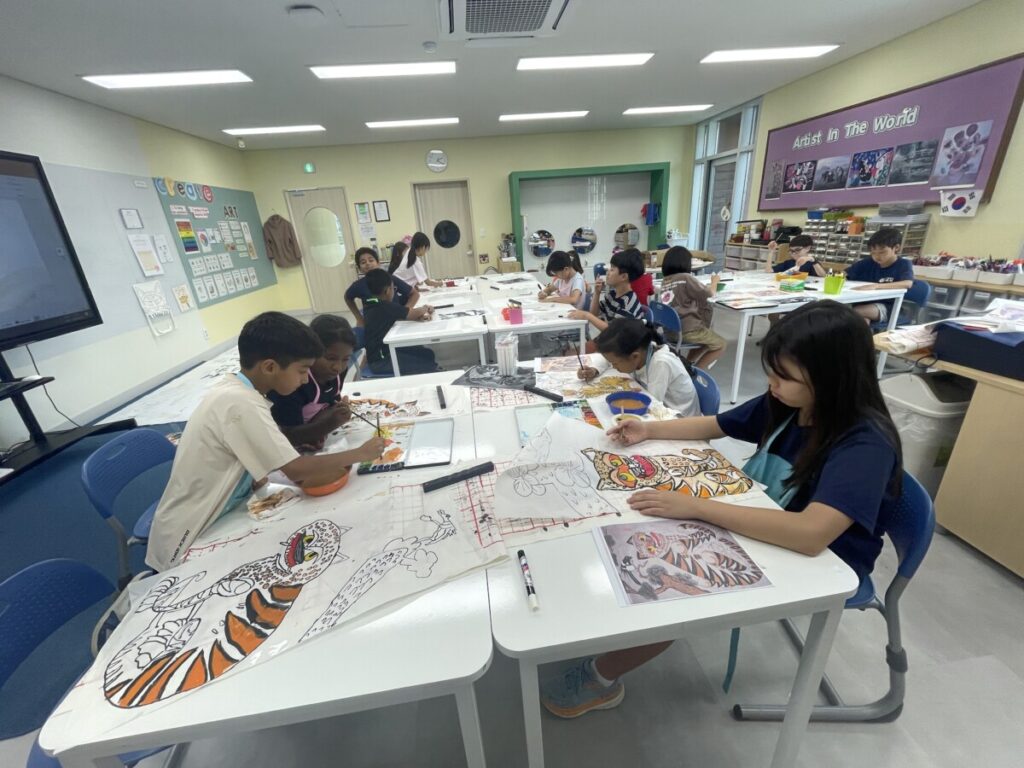
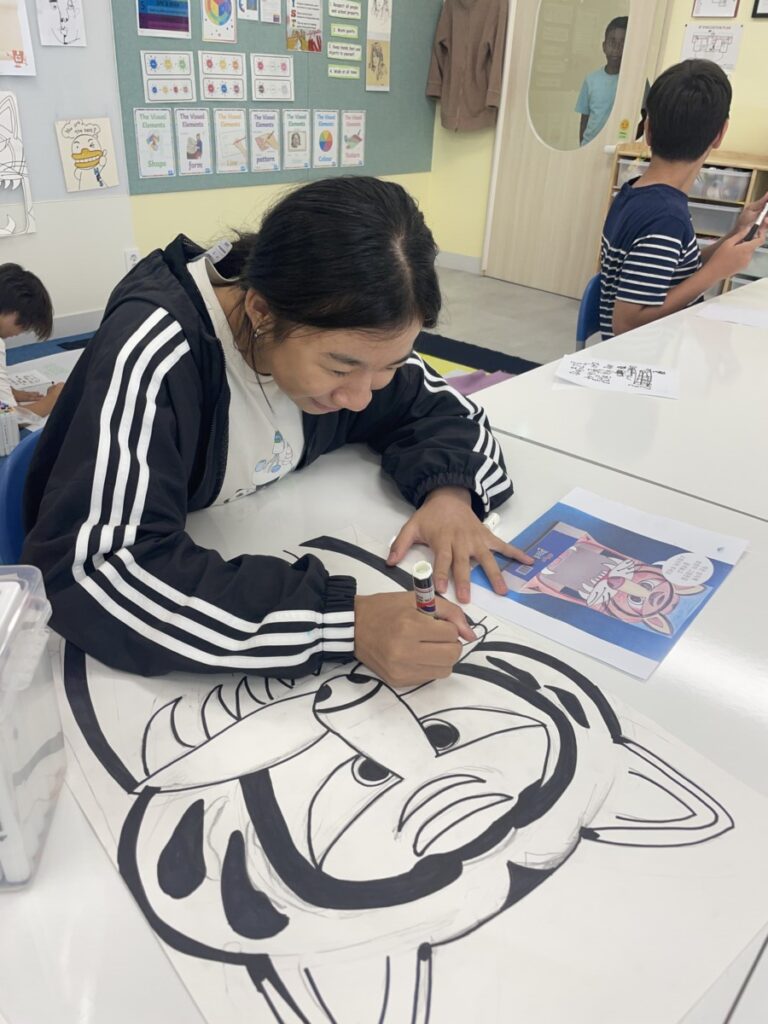
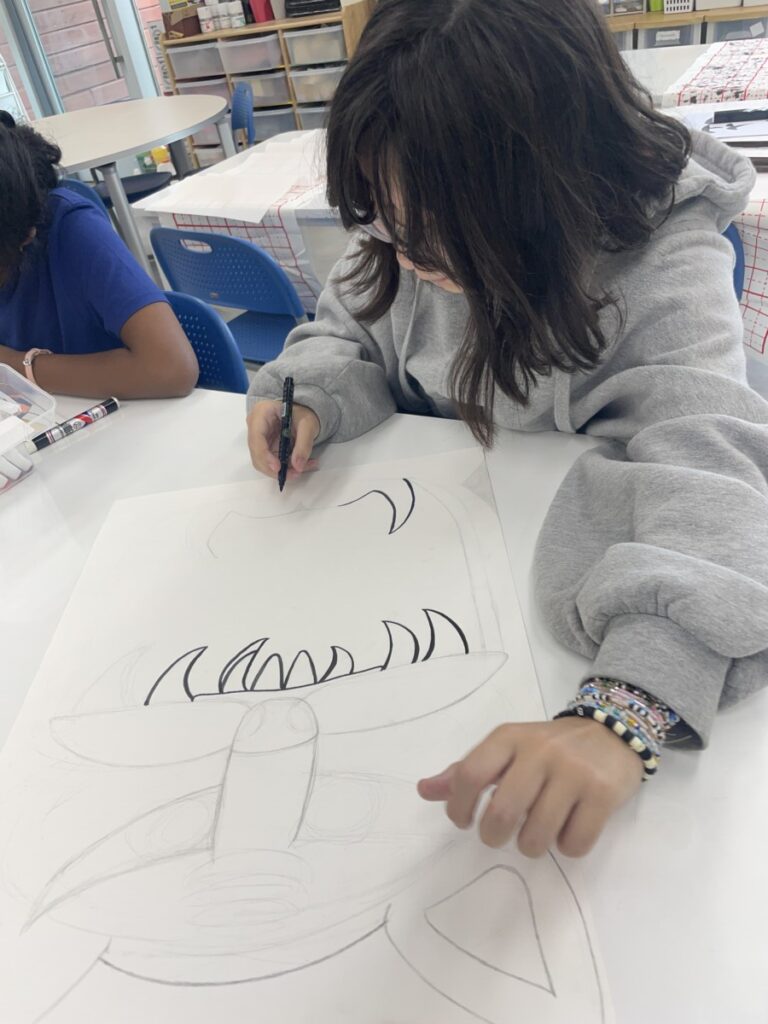
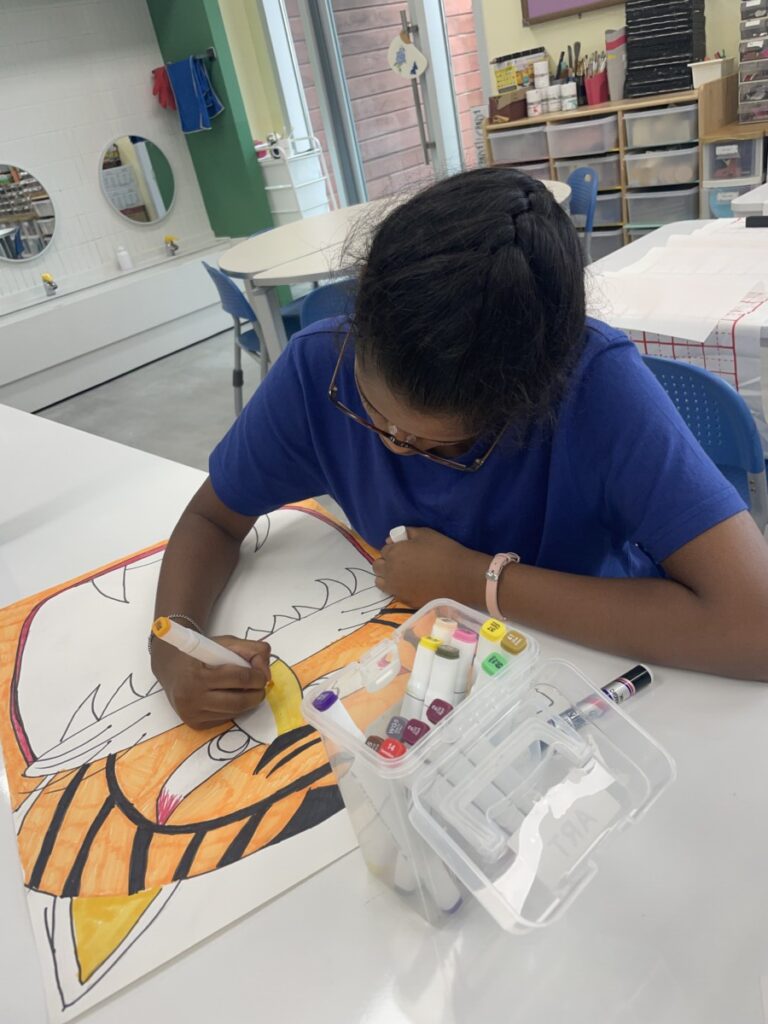
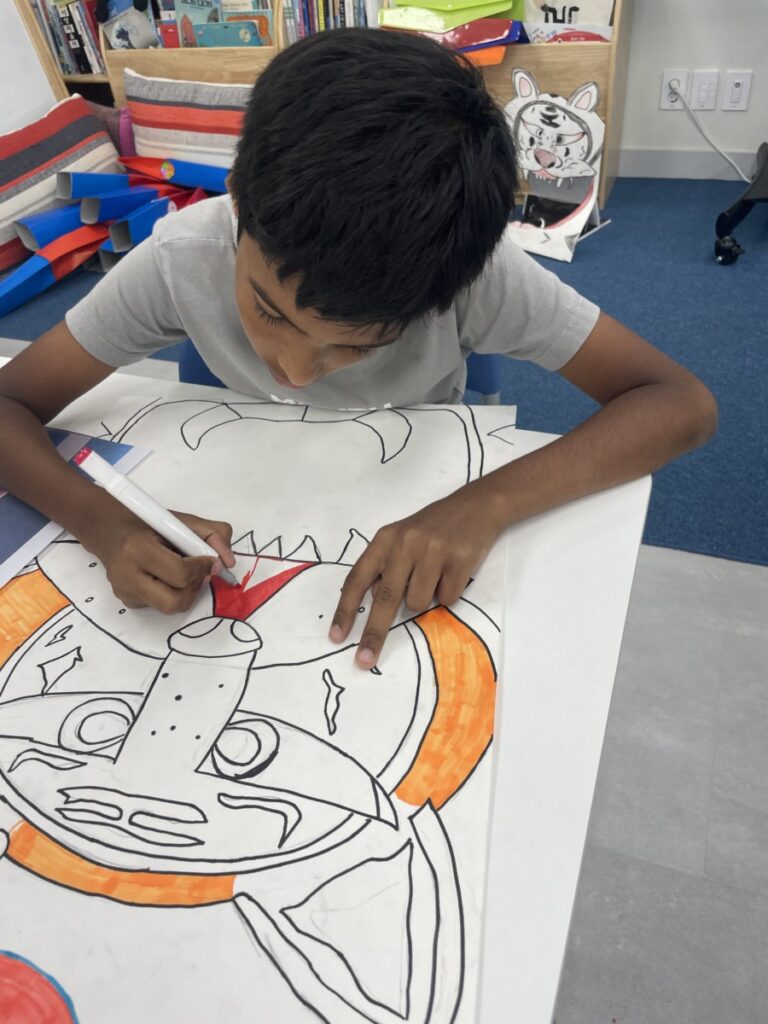
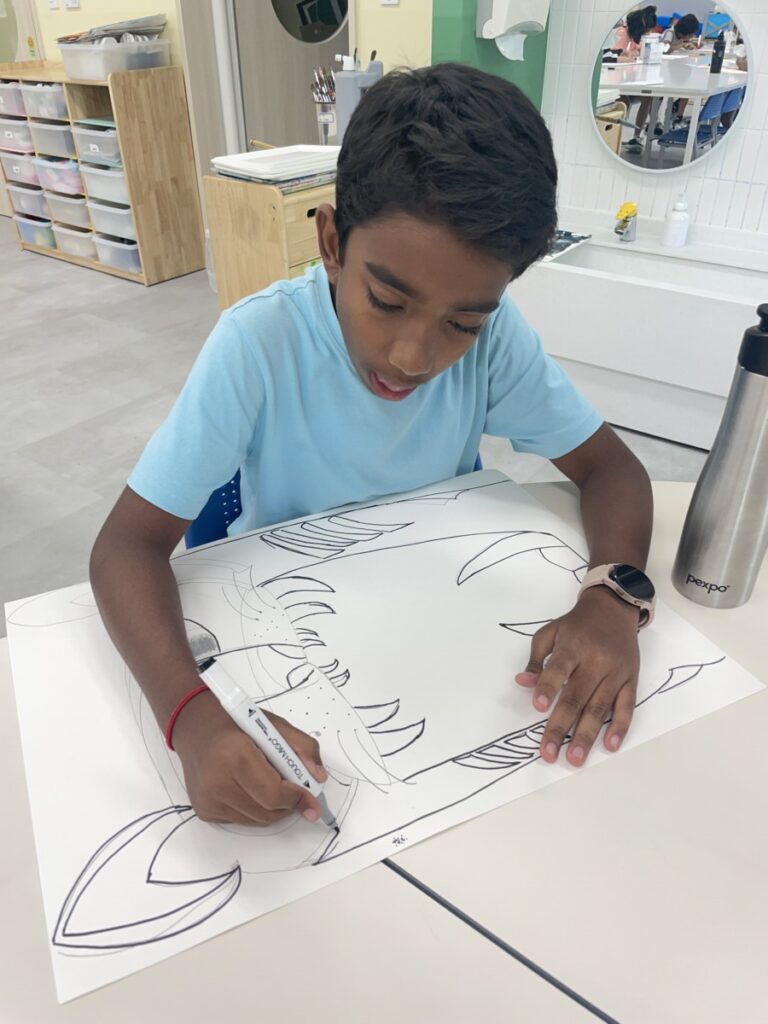
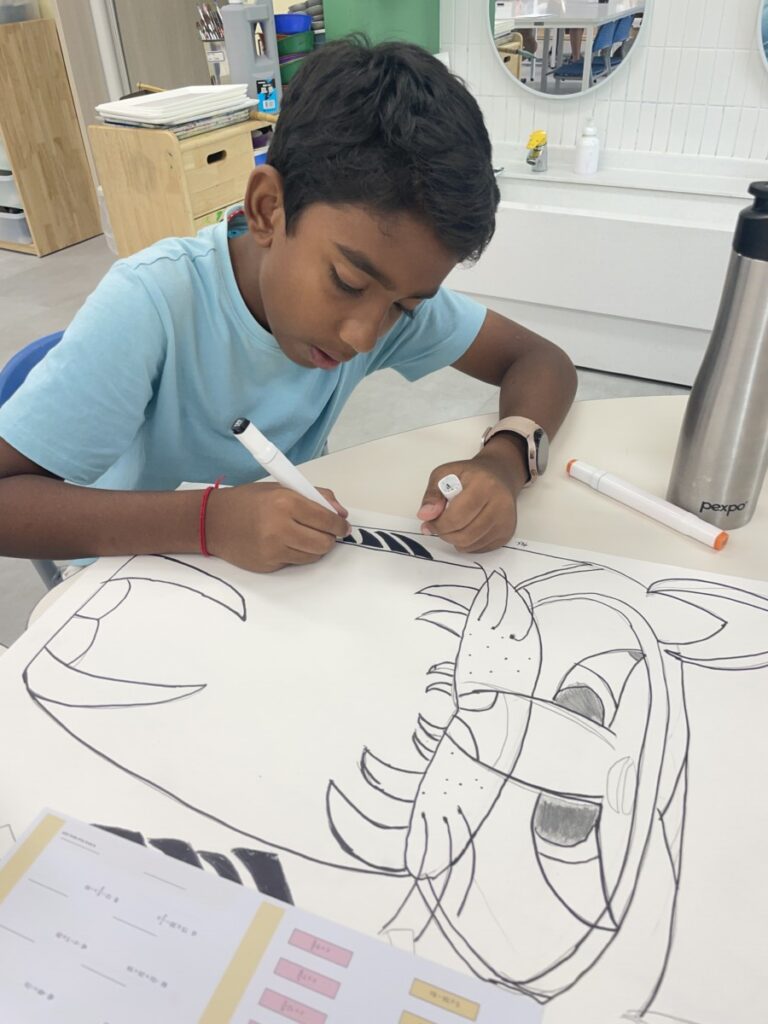
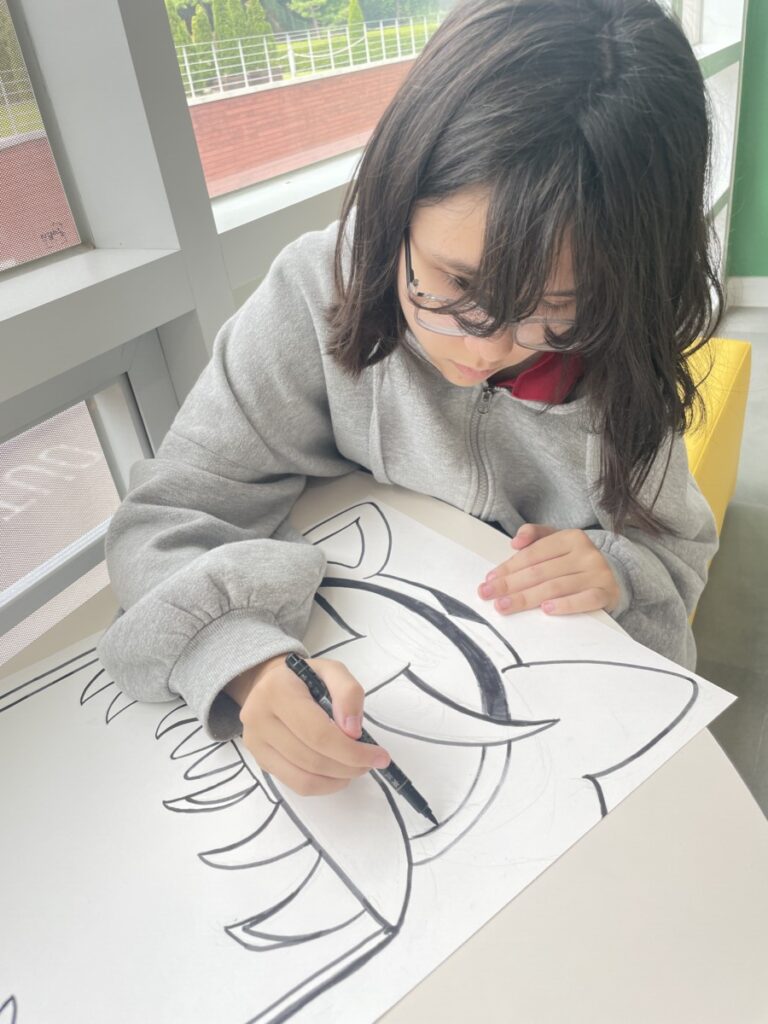
This week we spent time drawing the K-pop Demon Hunters character, Derpy. Instead of the traditional brown-toned tiger seen in Korean folk paintings, students created a blue character and completed it with a variety of poses. They also added a magpie wearing a traditional Korean gat (hat).

Although some students found it challenging at first, they learned how to draw character poses and were able to complete their work with joy and confidence.

Next week we will begin learning about Impressionism and Impressionist painters.

Y5-6 Art Class Update T1-W5

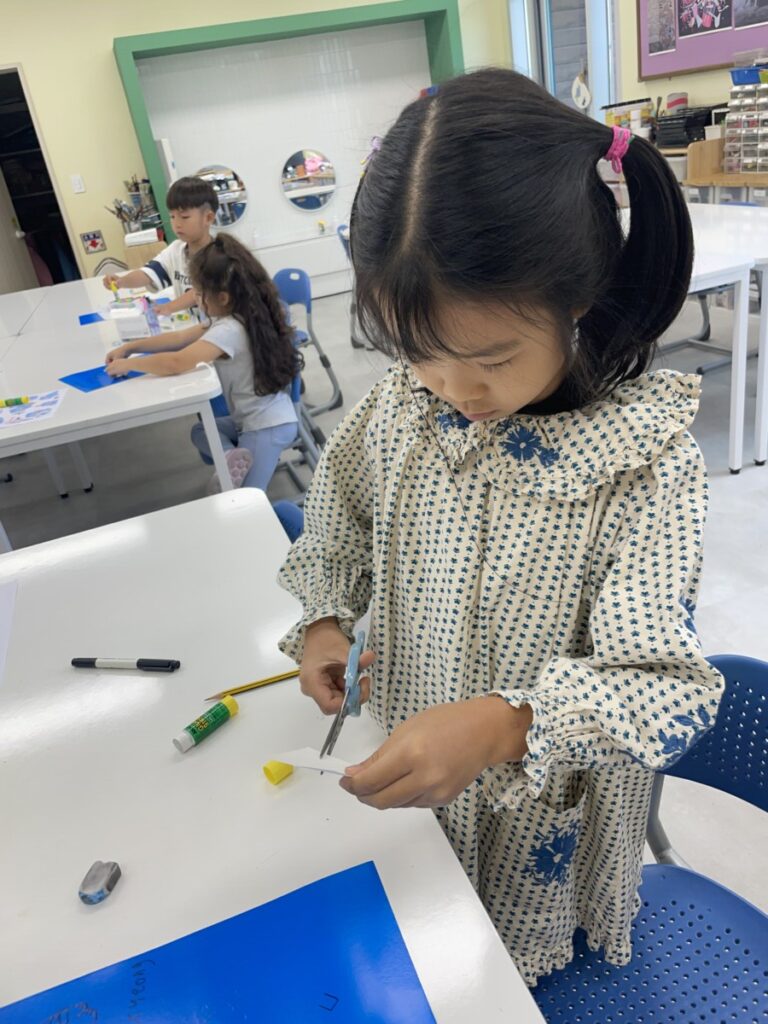
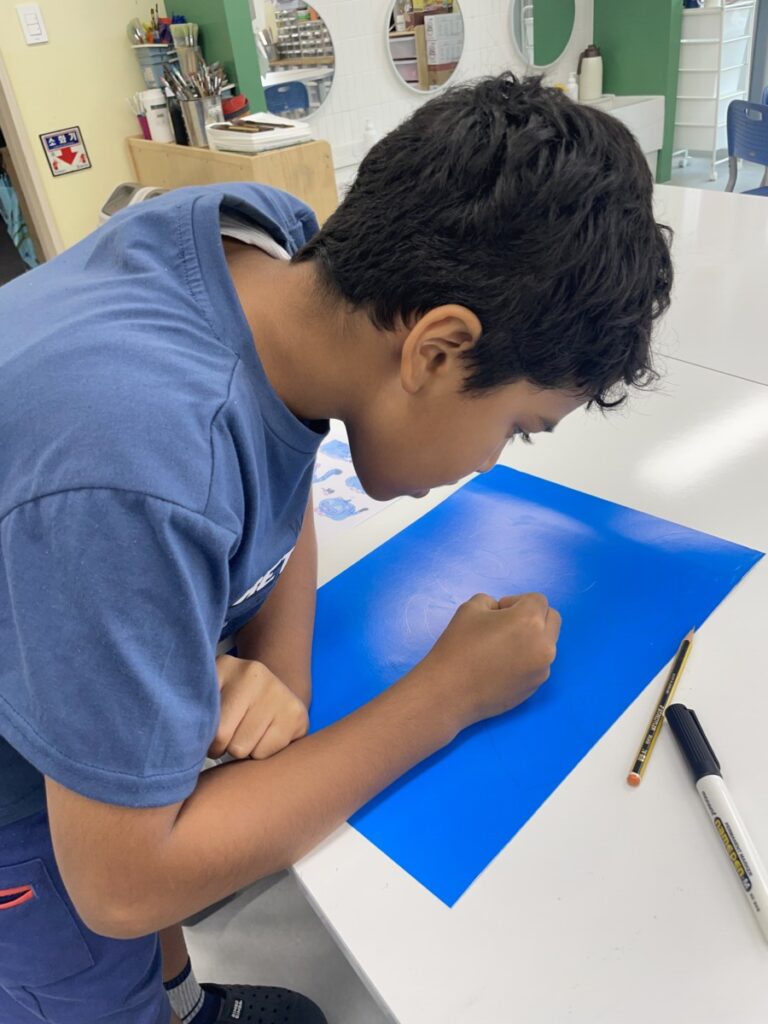
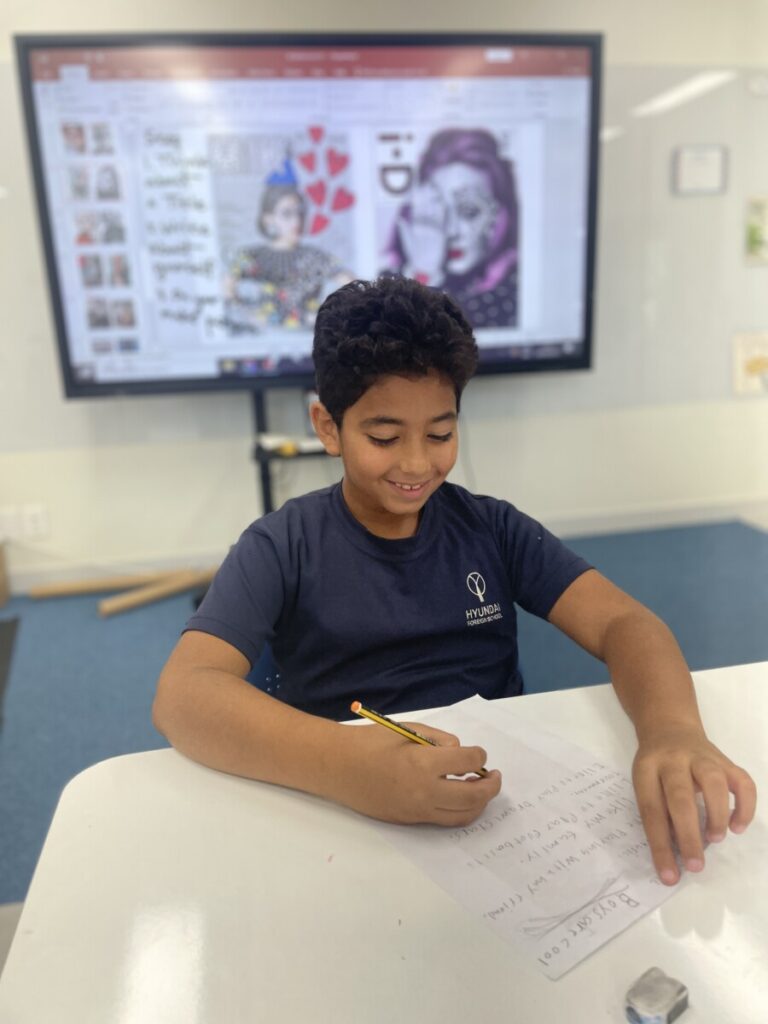
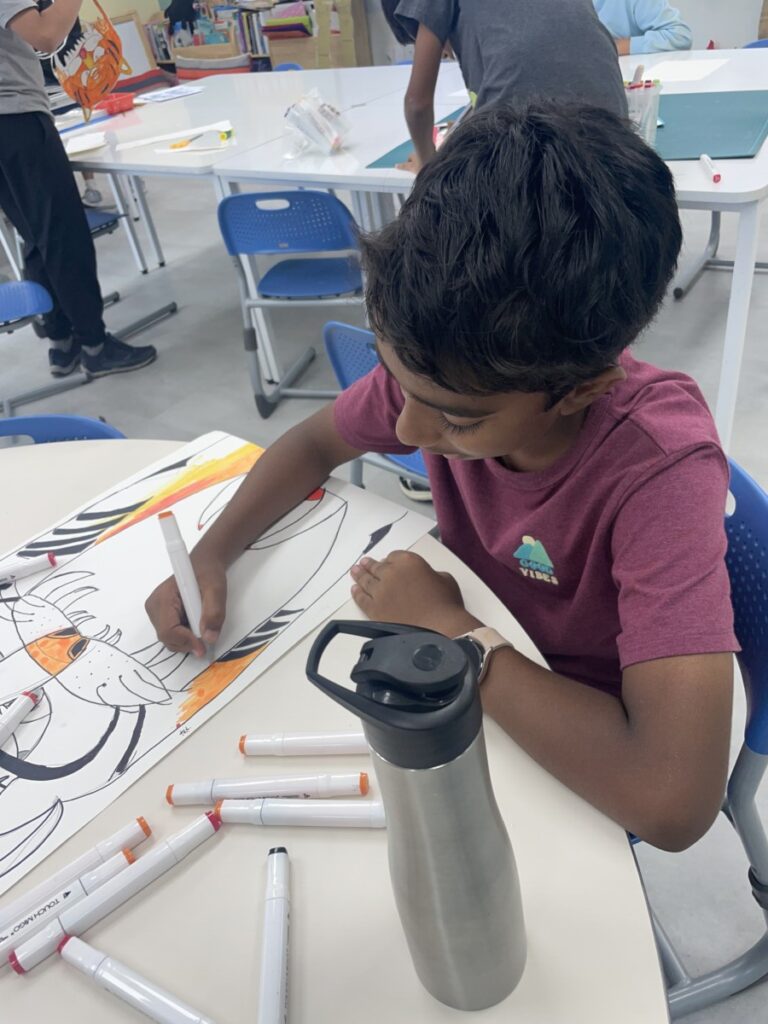
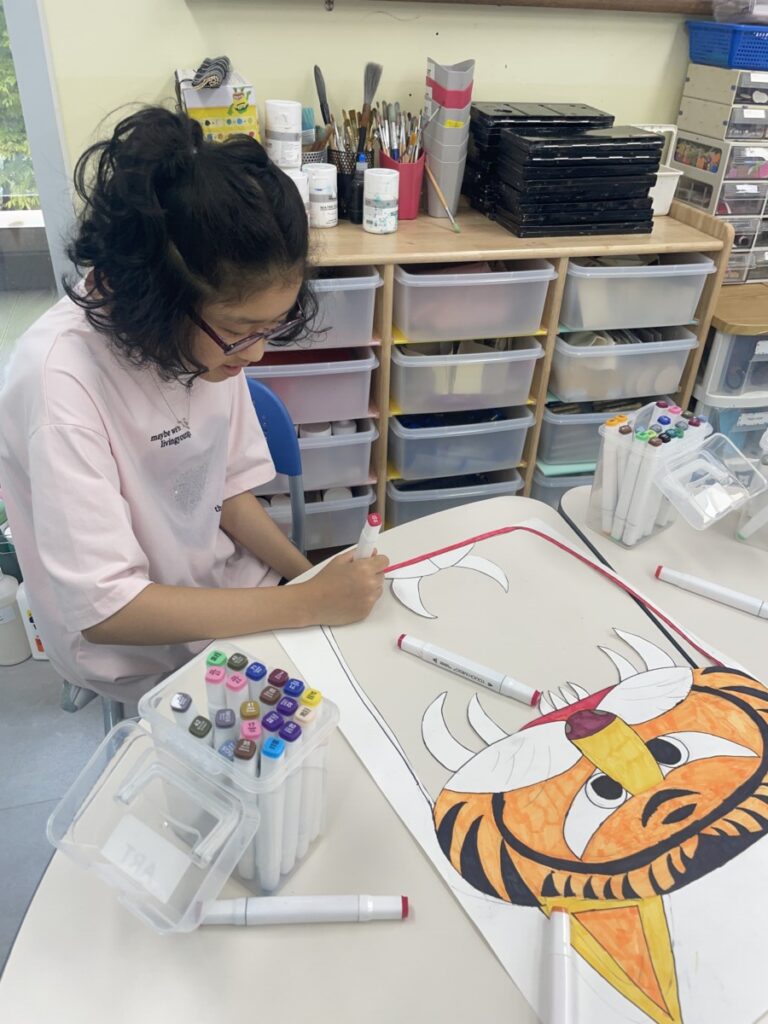
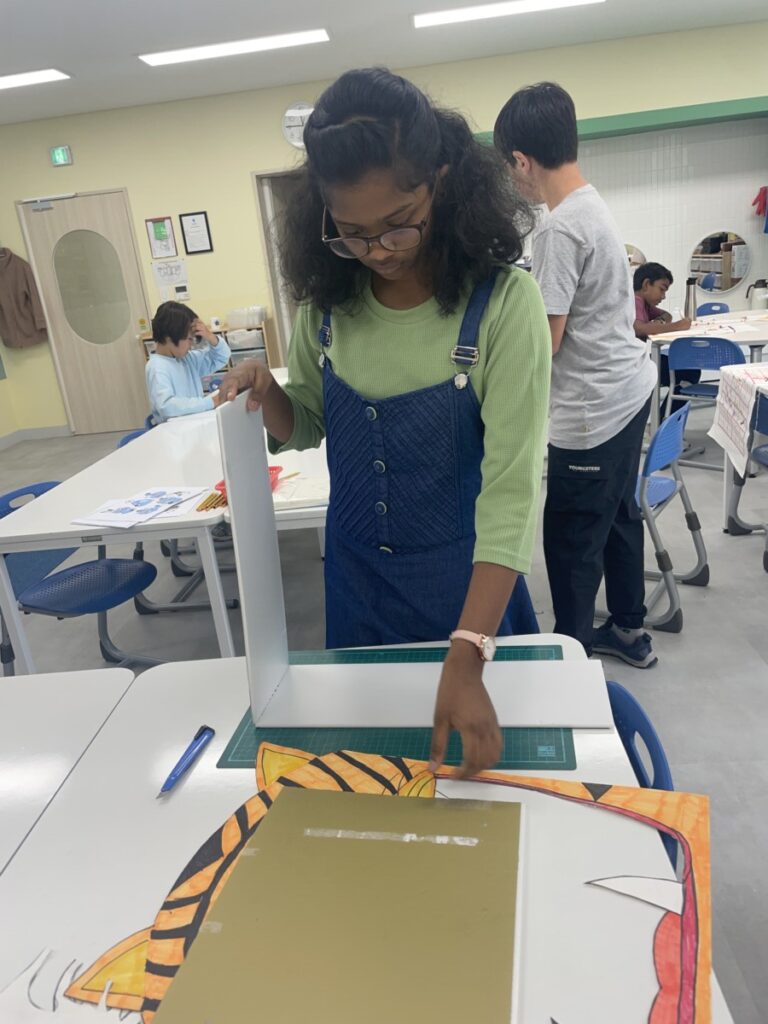
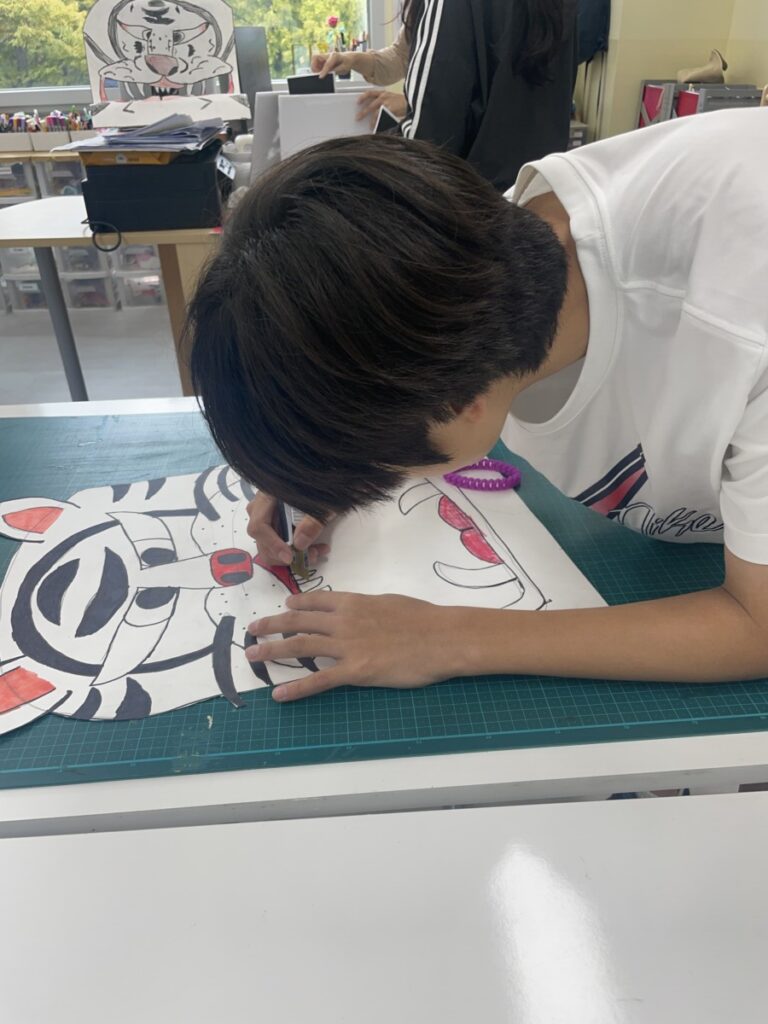
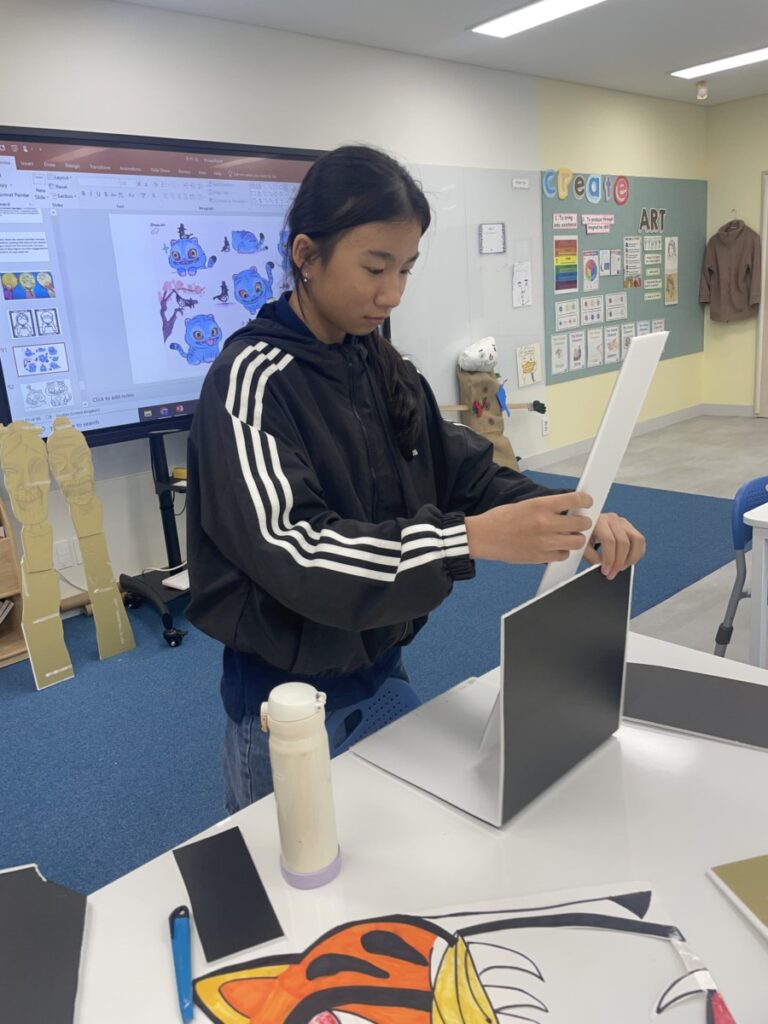
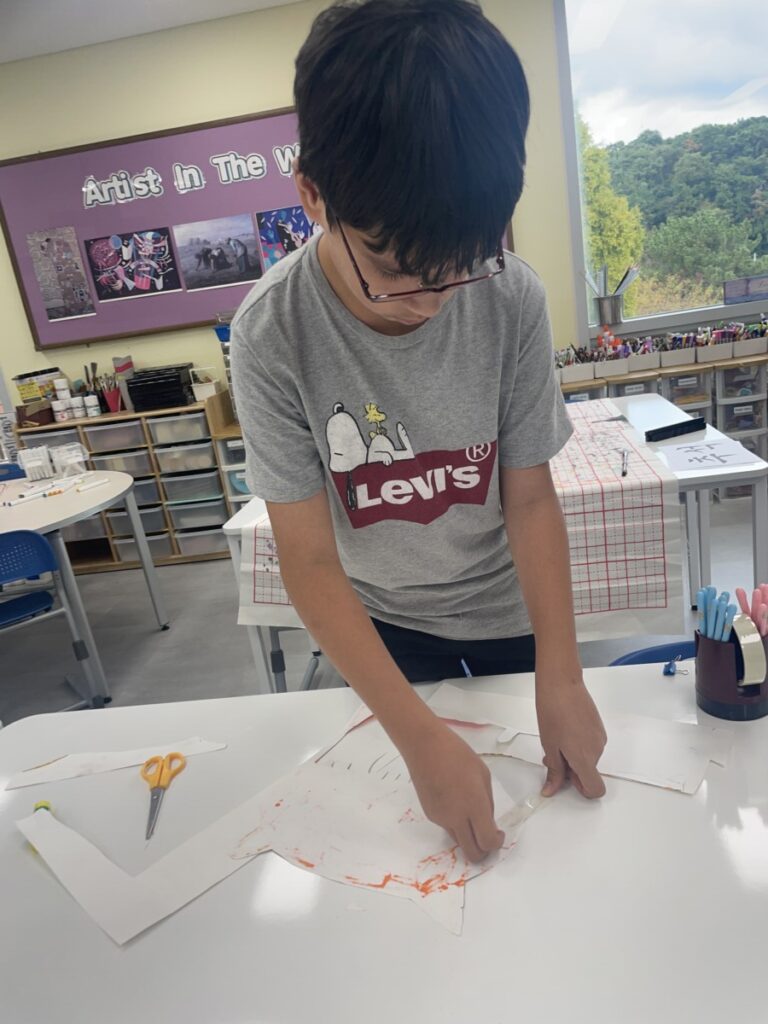
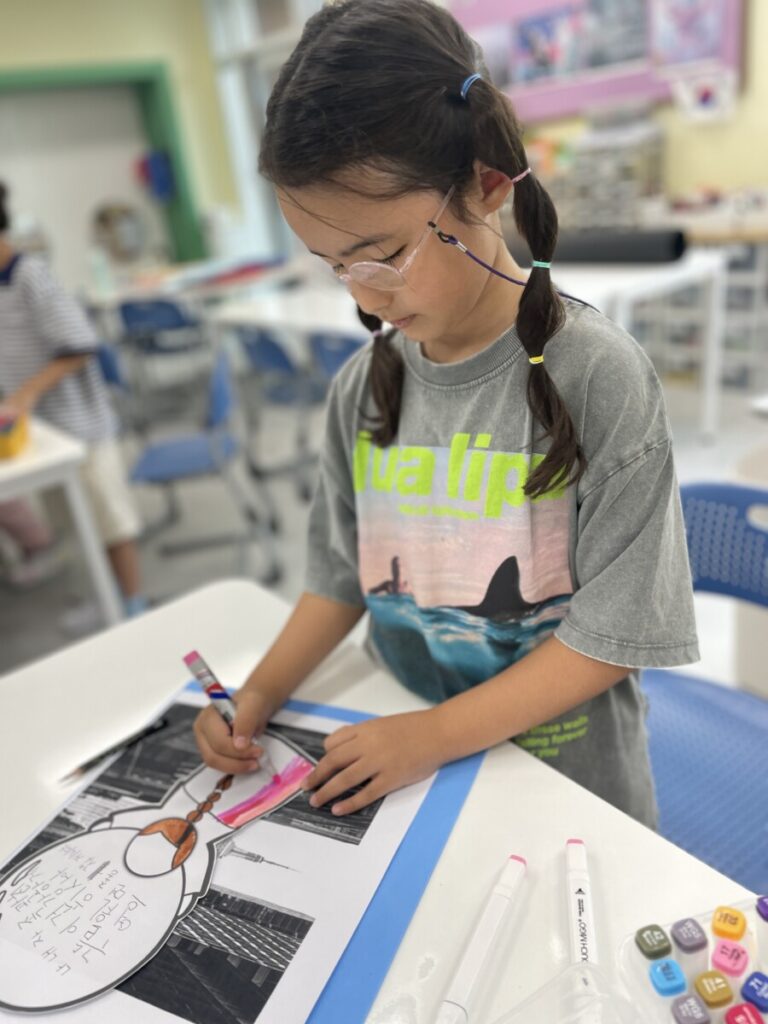
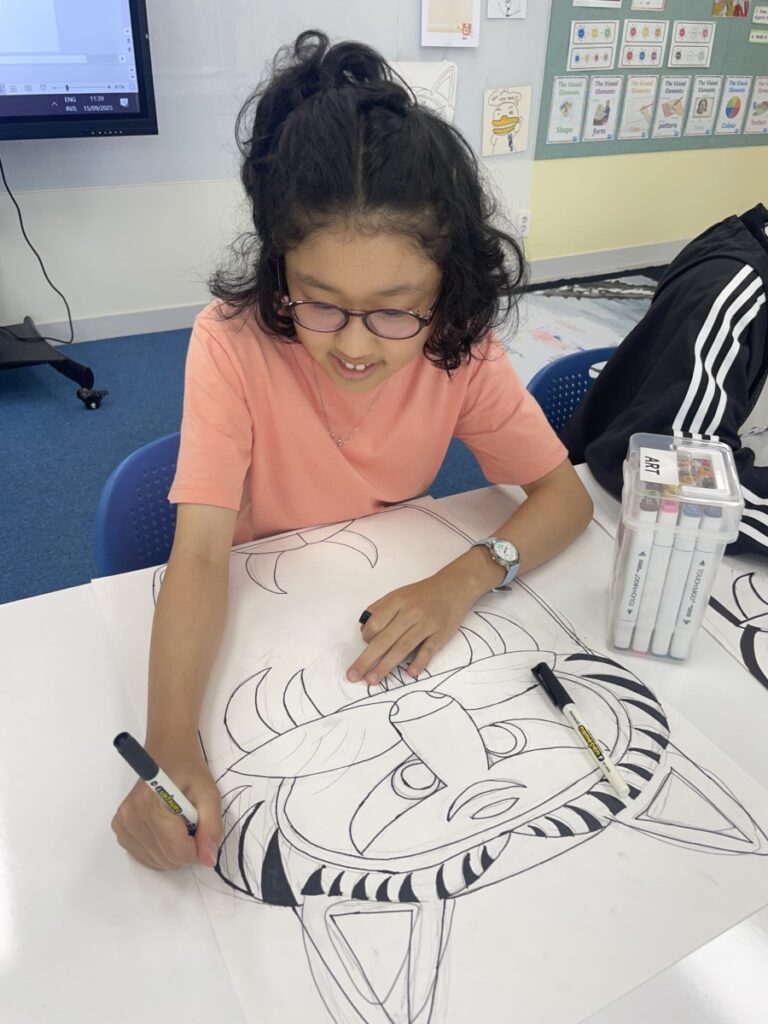
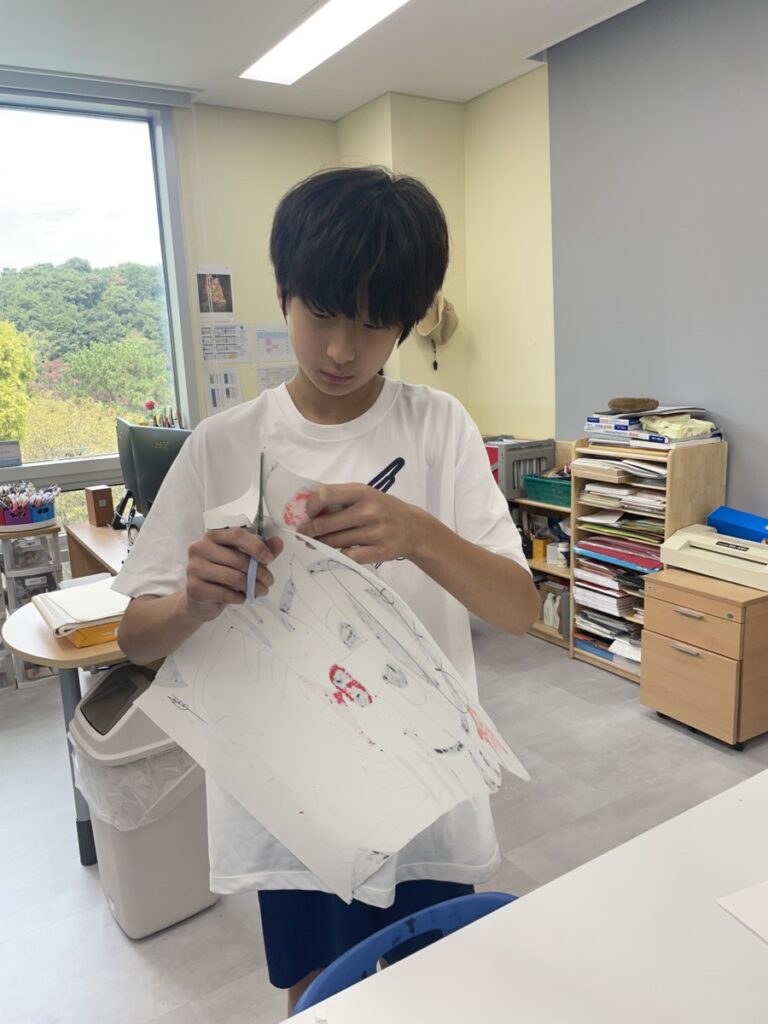
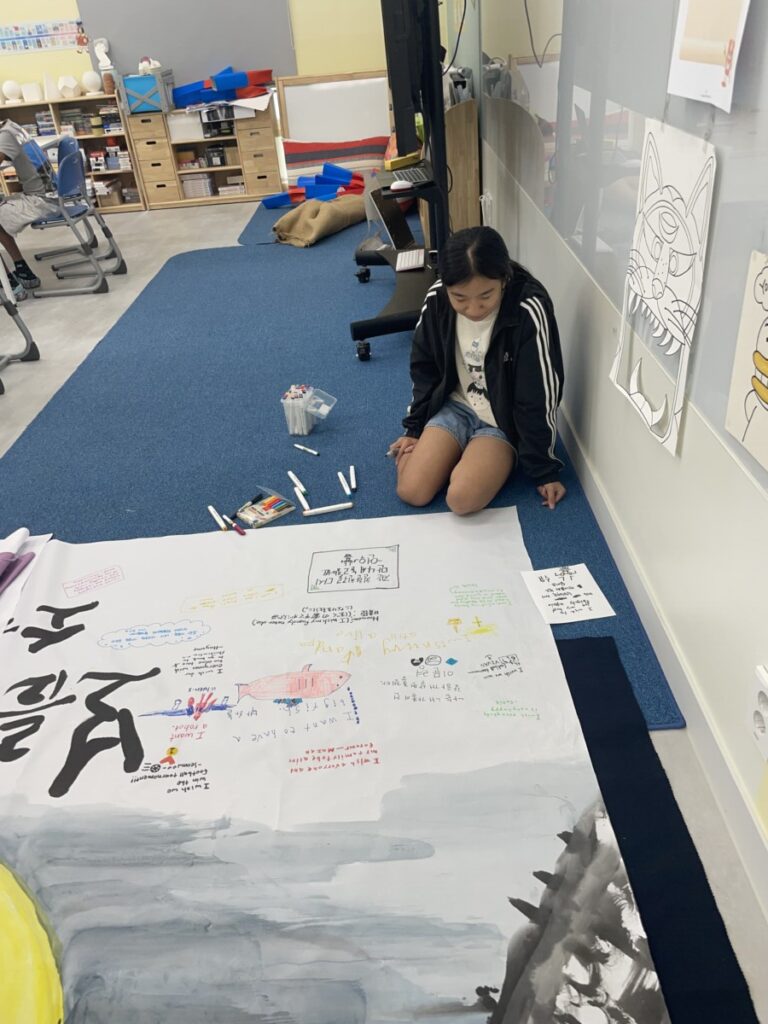
This week, our students created their own K-pop Demon Hunters character, Derpy. This activity connected to the tiger and magpie folk art we explored last week, reimagined in a modern style. We then returned to our main art topic, “Express Yourself.” Students began working on a self-portrait collage, an artwork that represents who they are. Using pictures, colours, words, and letters, they started to design pieces that show their unique identity. This project has just begun, and students will continue developing their self-portrait collages in the next art lesson.

Y7-9 Art Class Update T1-W5

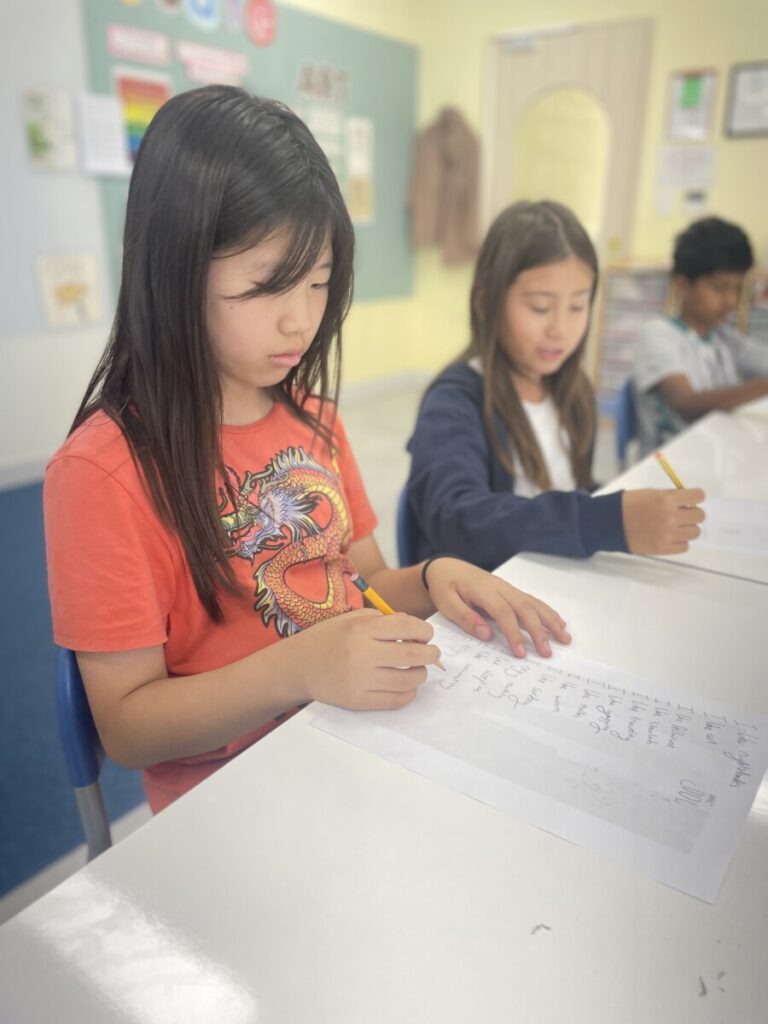
This week, we have been enjoying our special Chuseok art projects, celebrating tradition and creativity. After these holiday activities, we returned to our main topic in art—exploring the seven elements of art. So far, we have learned about light, shadow, shapes, and lines.

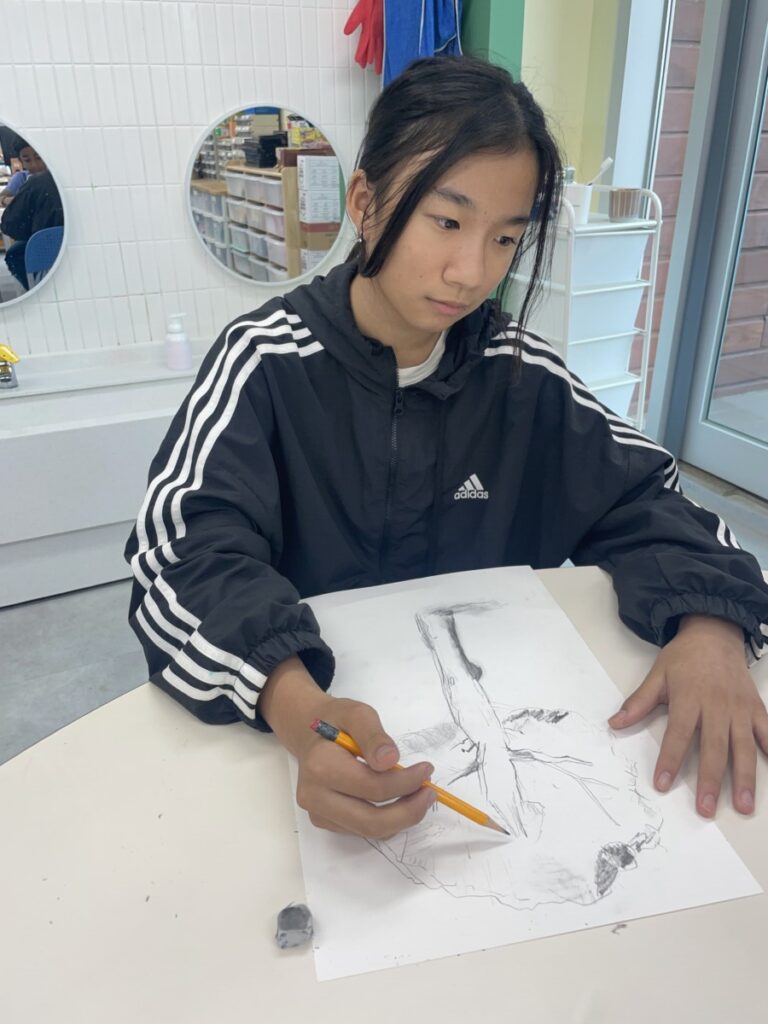
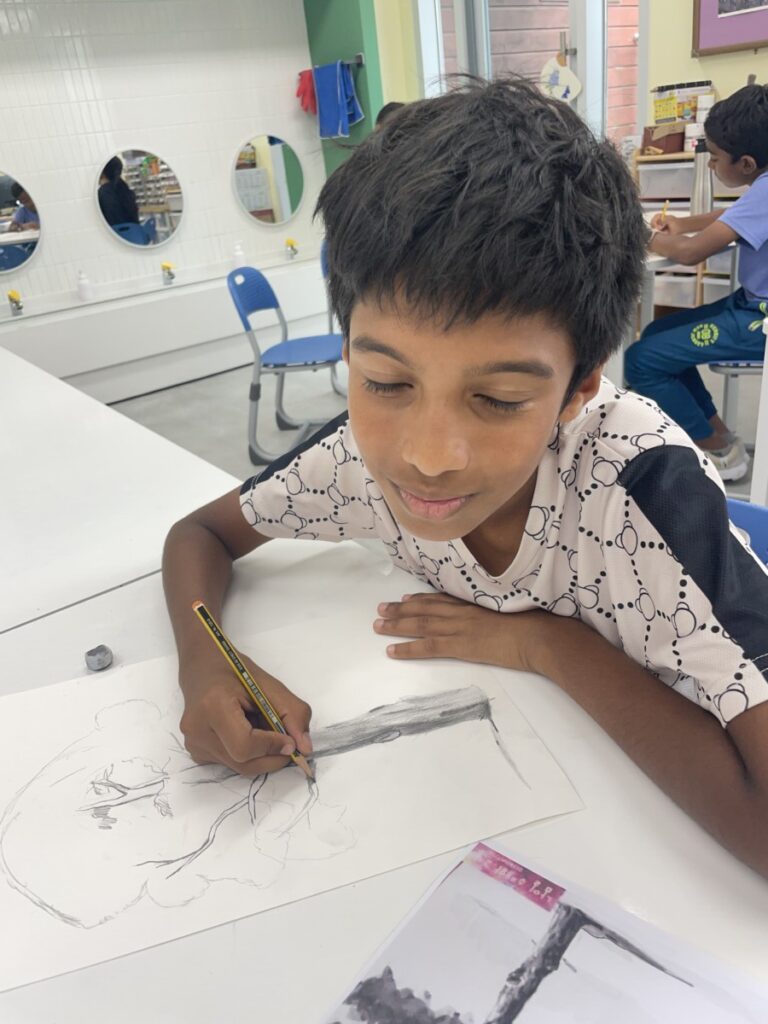
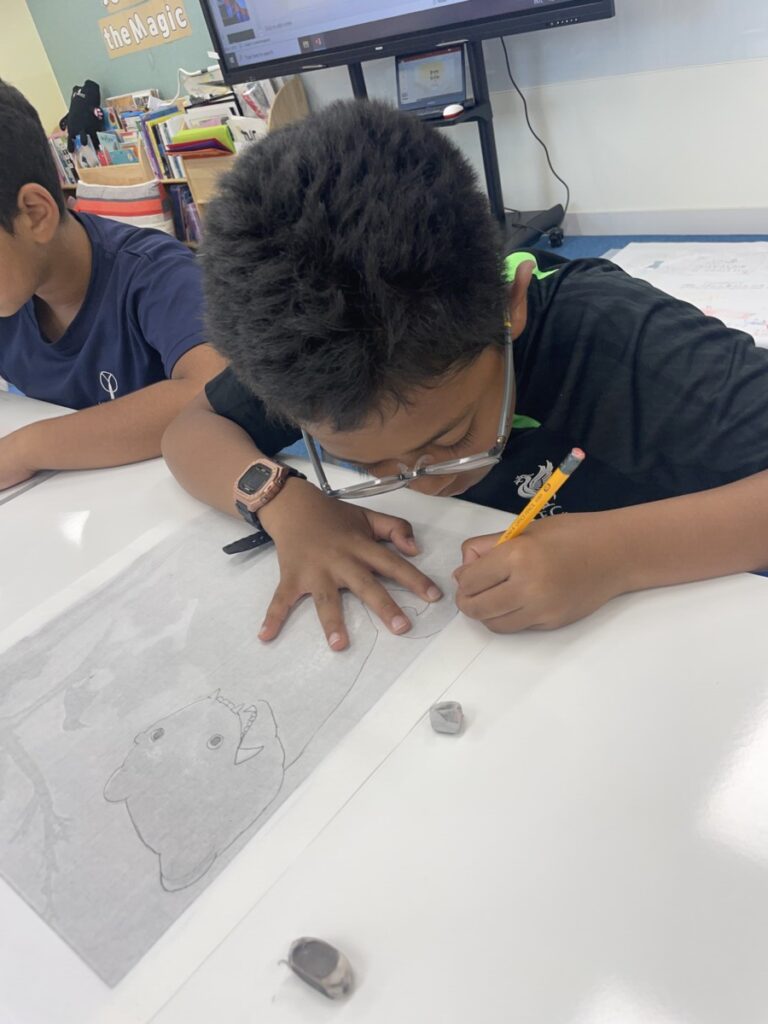
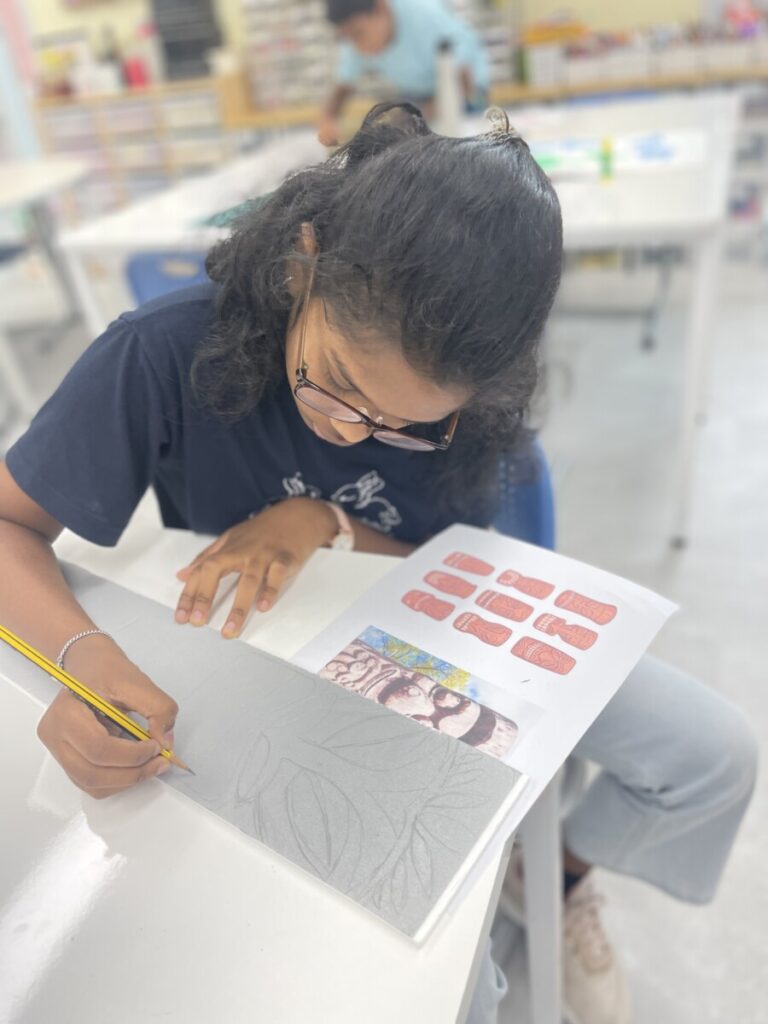
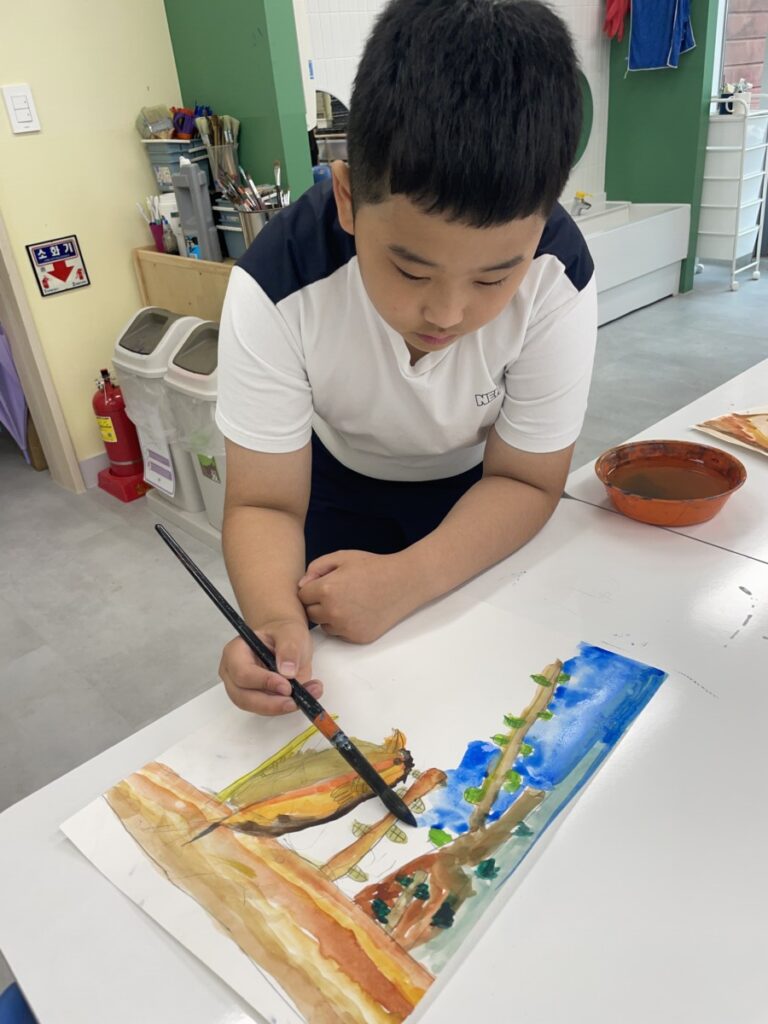
Today, we applied these skills to drawing trees. A tree is not just a trunk with leaves—it comes alive when we observe the details of light and shadow. We looked carefully at how the direction of light changes the tones, creating highlights and darker areas that make the tree look three-dimensional.

Students worked thoughtfully, adding shading to their sketches and discovering how shapes and lines can build the texture of bark and the volume of leaves. I look forward to seeing their completed artworks in our next lesson.

Y1-2 Art Class Update T1-W4

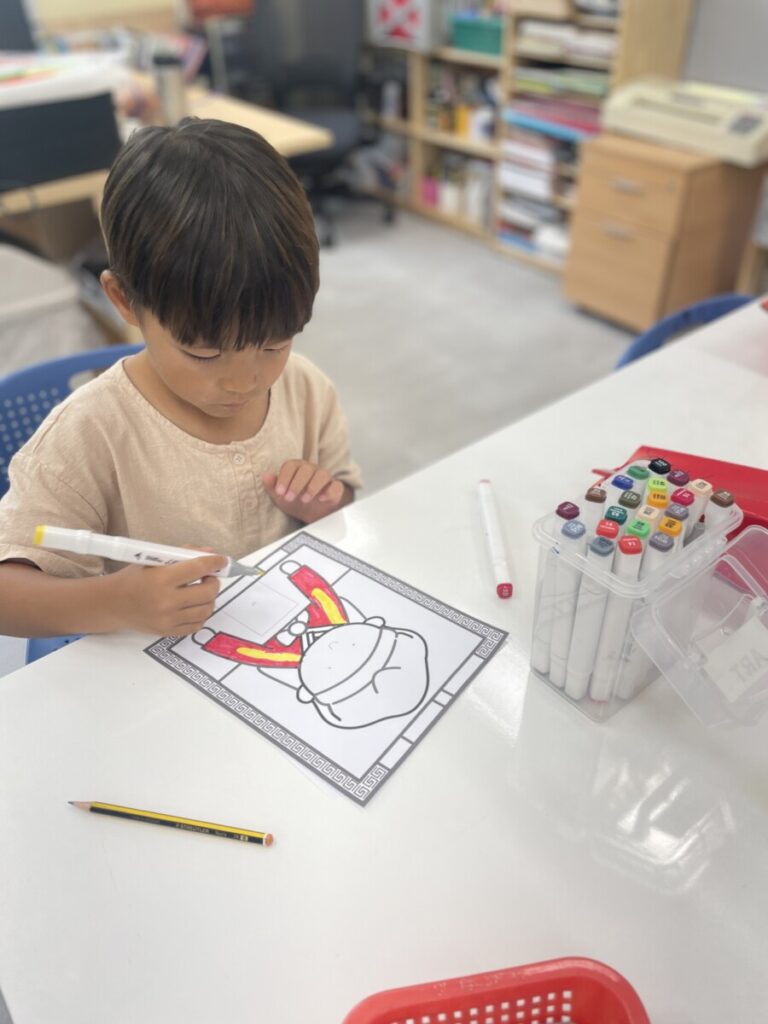
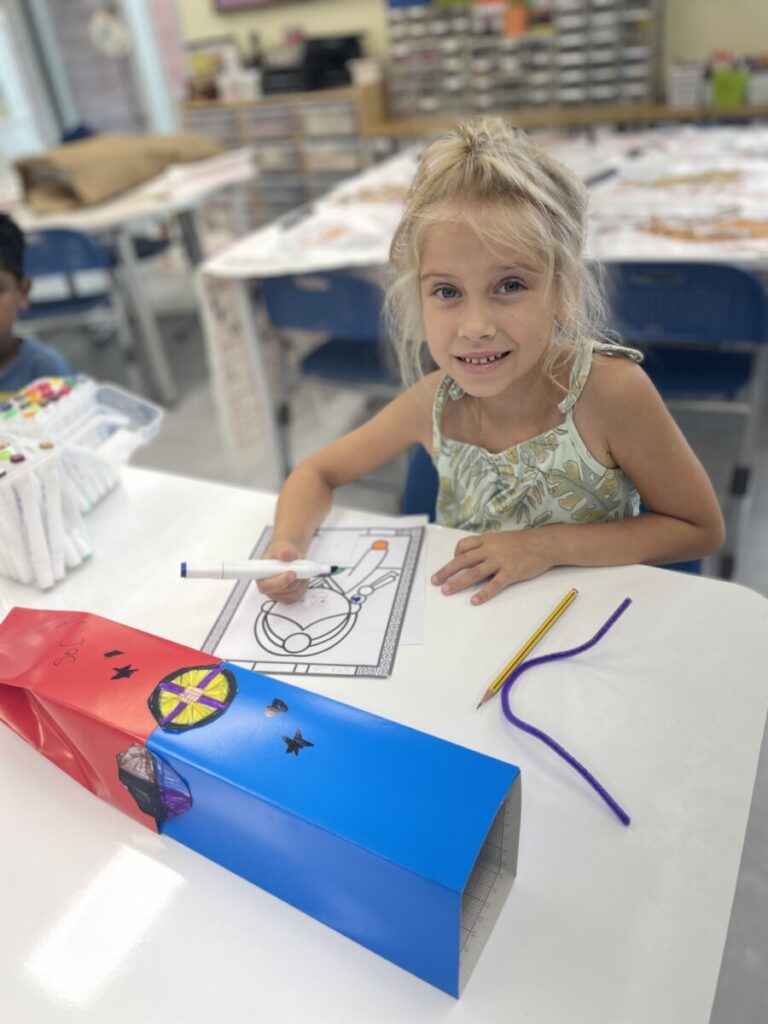
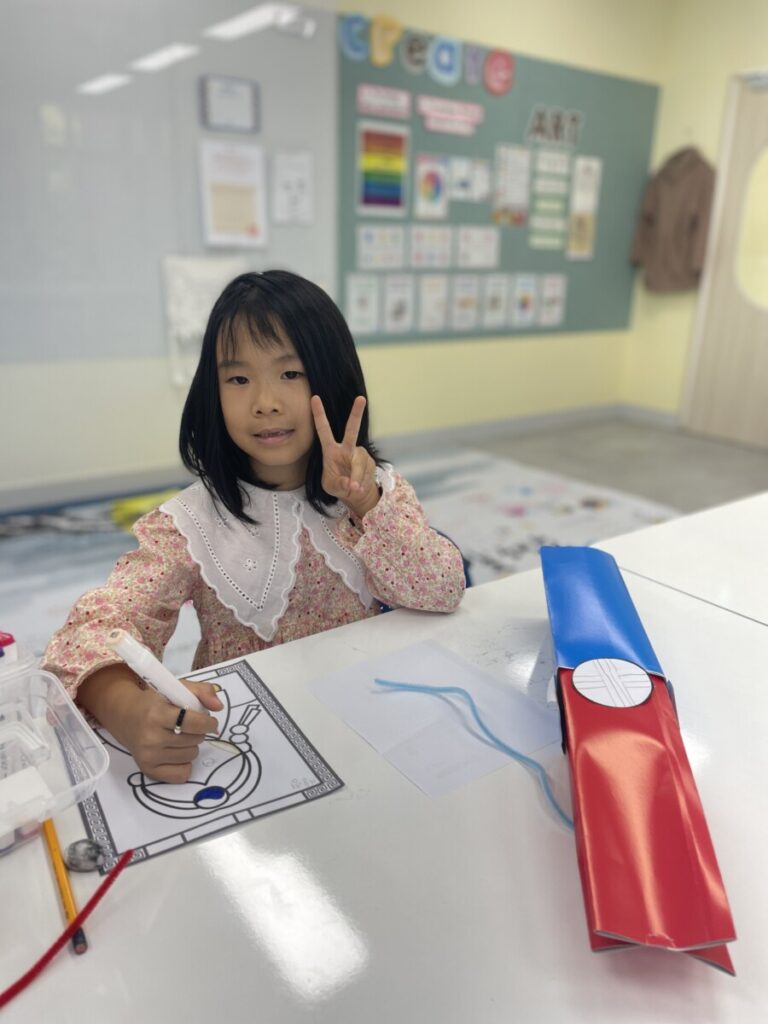
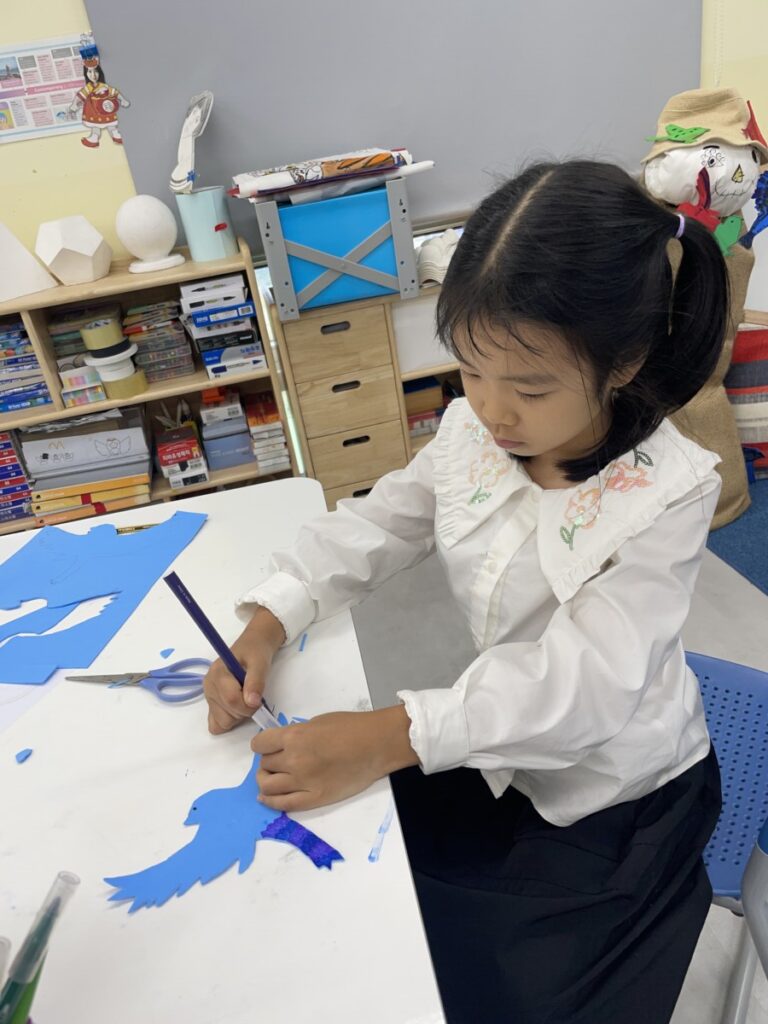
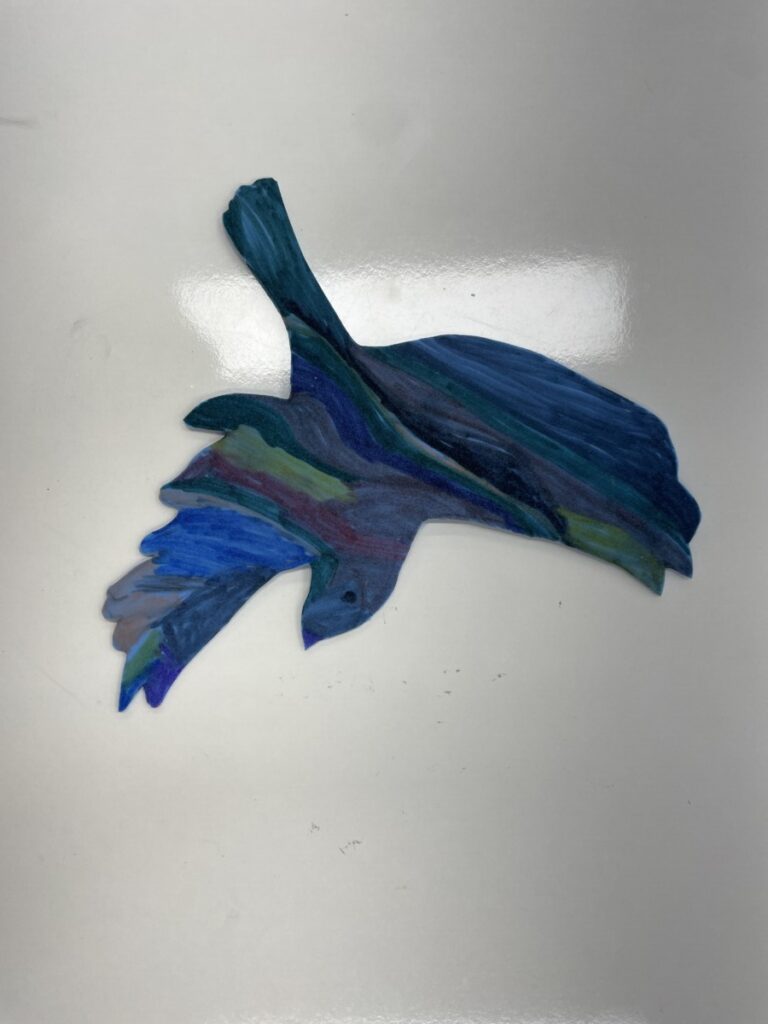
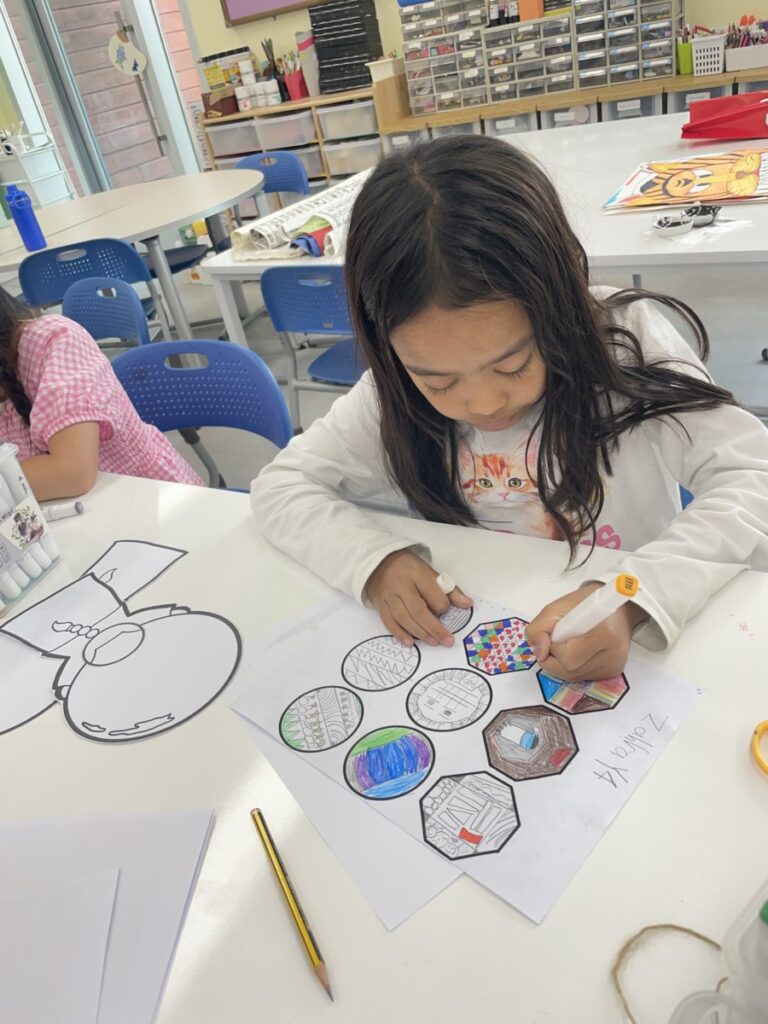
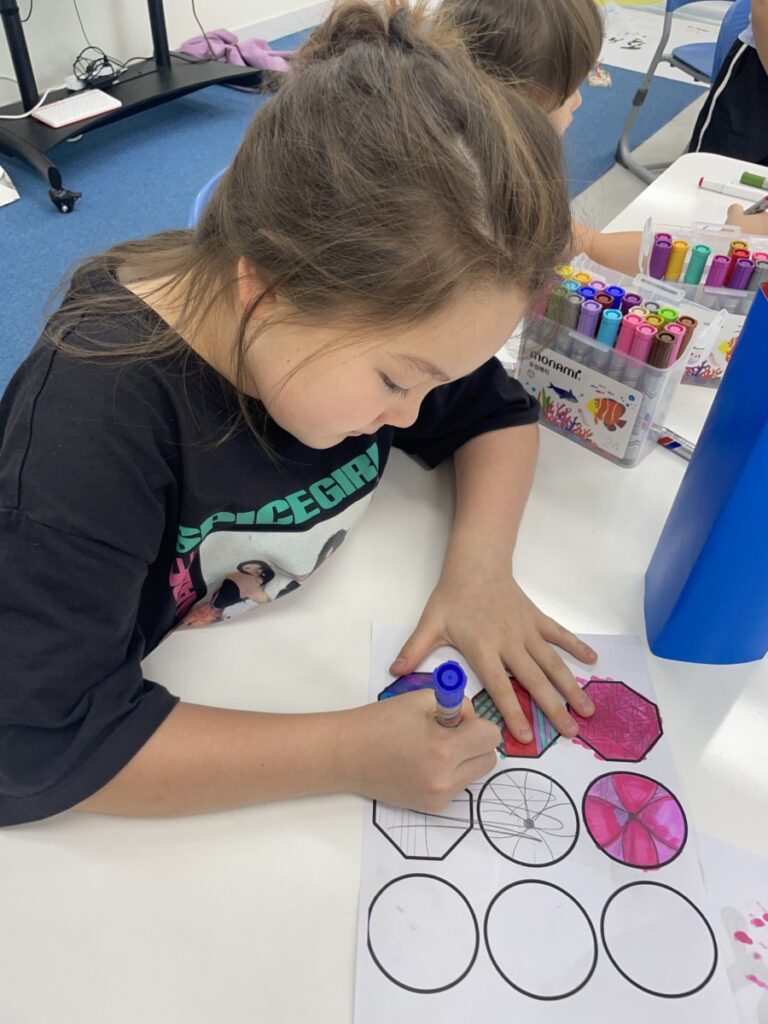
In celebration of Chuseok, the year 1-2 children explored Korean traditions through creative art projects. They designed Cheongsachorong (traditional red and blue lanterns), drew and coloured Songpyeon (Korean rice cakes), To make the scene more festive, the students also created colourful sparrow mobiles to hang around the scarecrow. These activities gave the children a wonderful opportunity to learn about Korean culture while expressing their creativity in fun and meaningful ways.

Y3-4 Art Class Update T1-W4

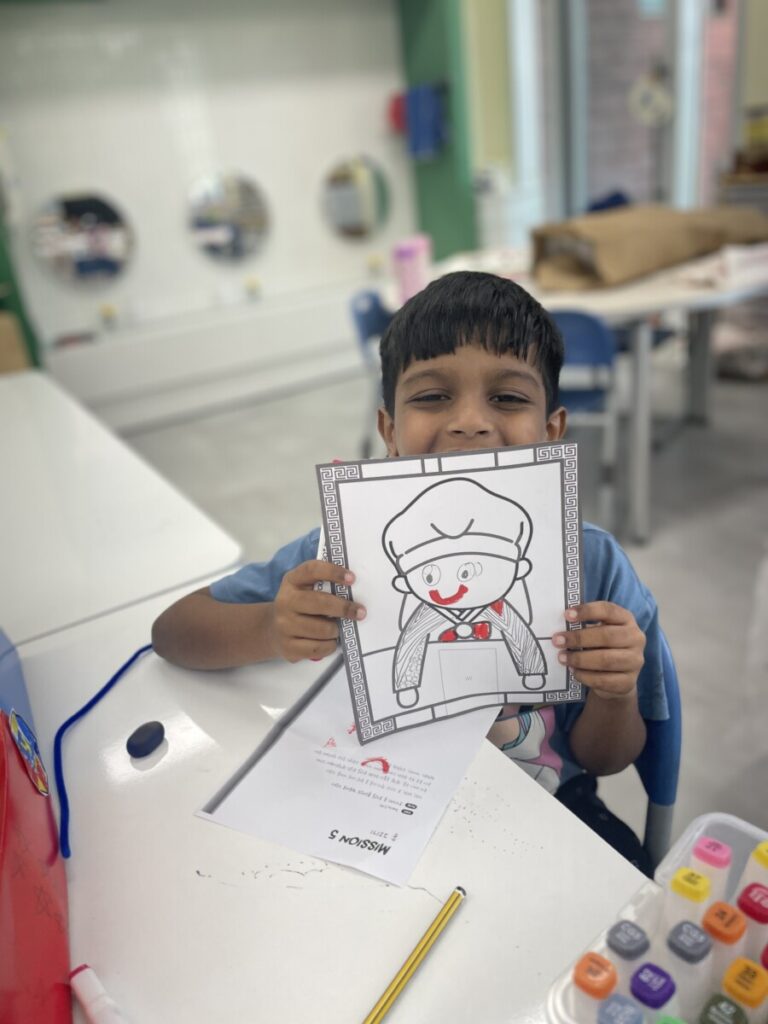
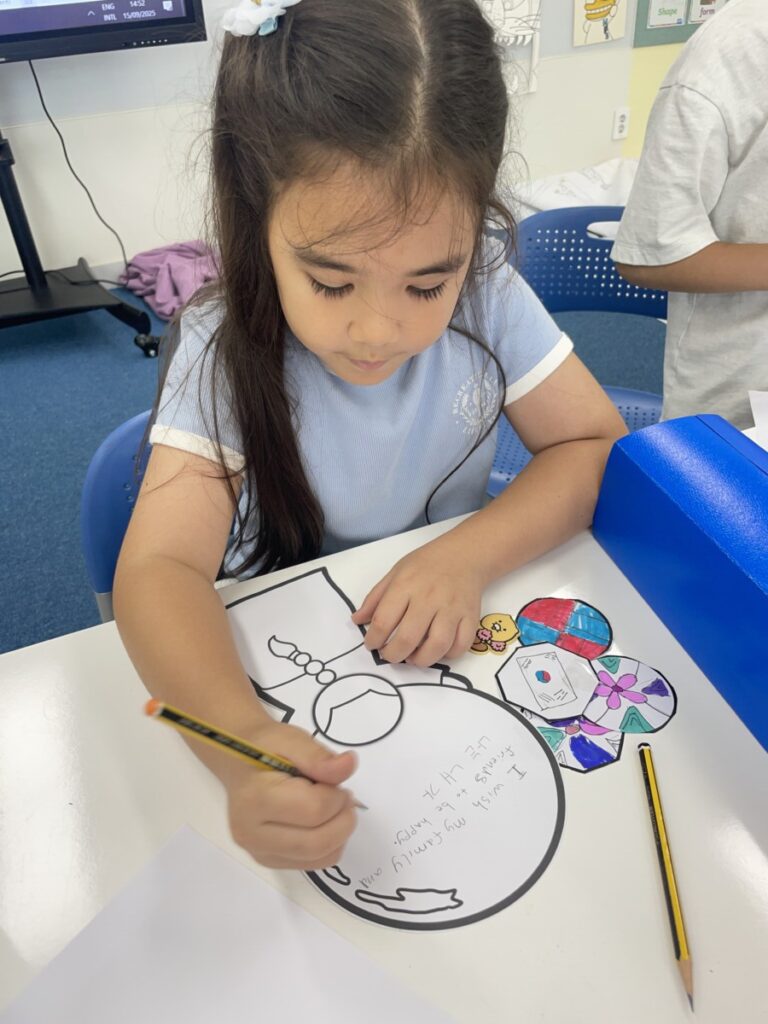
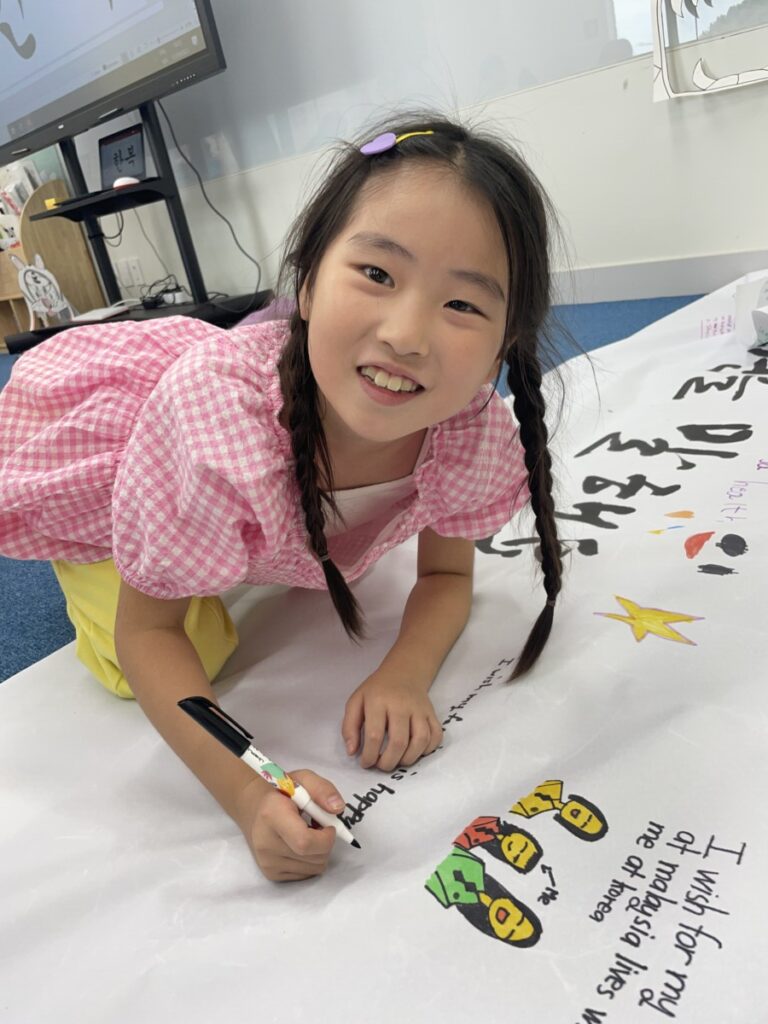
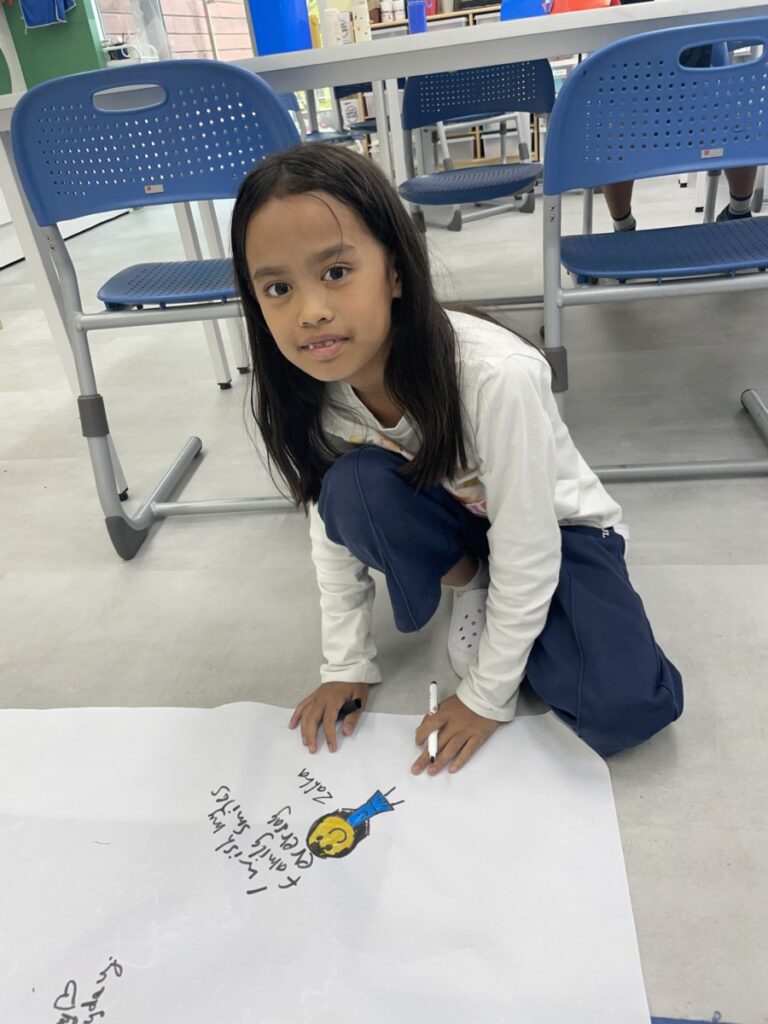
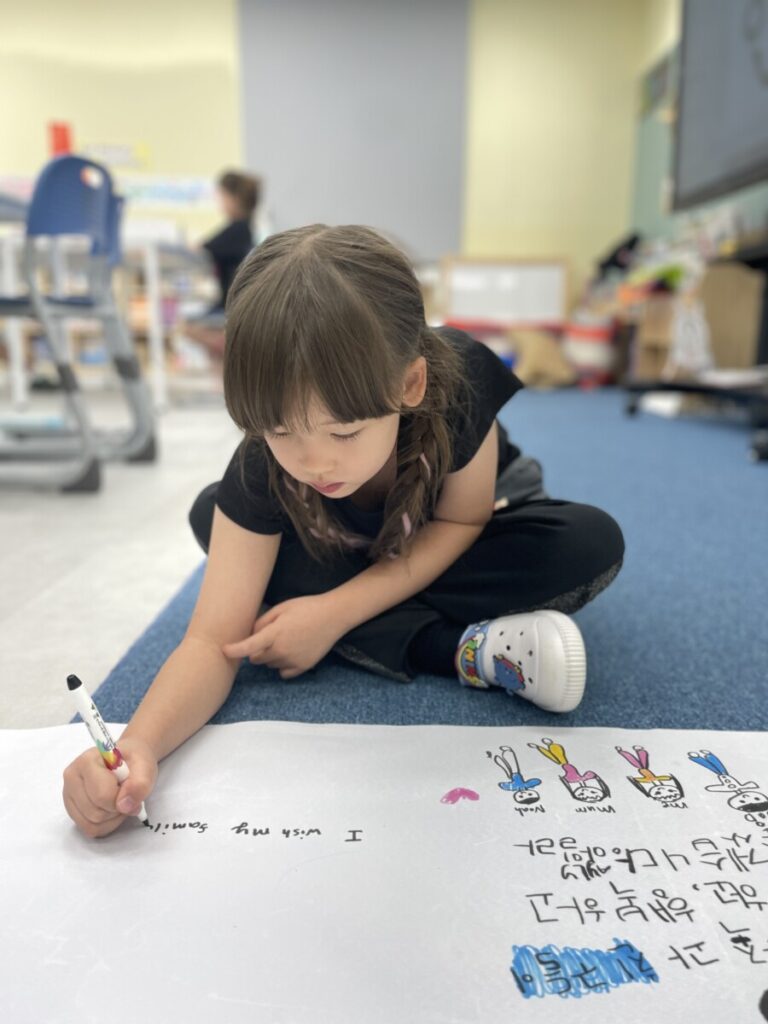
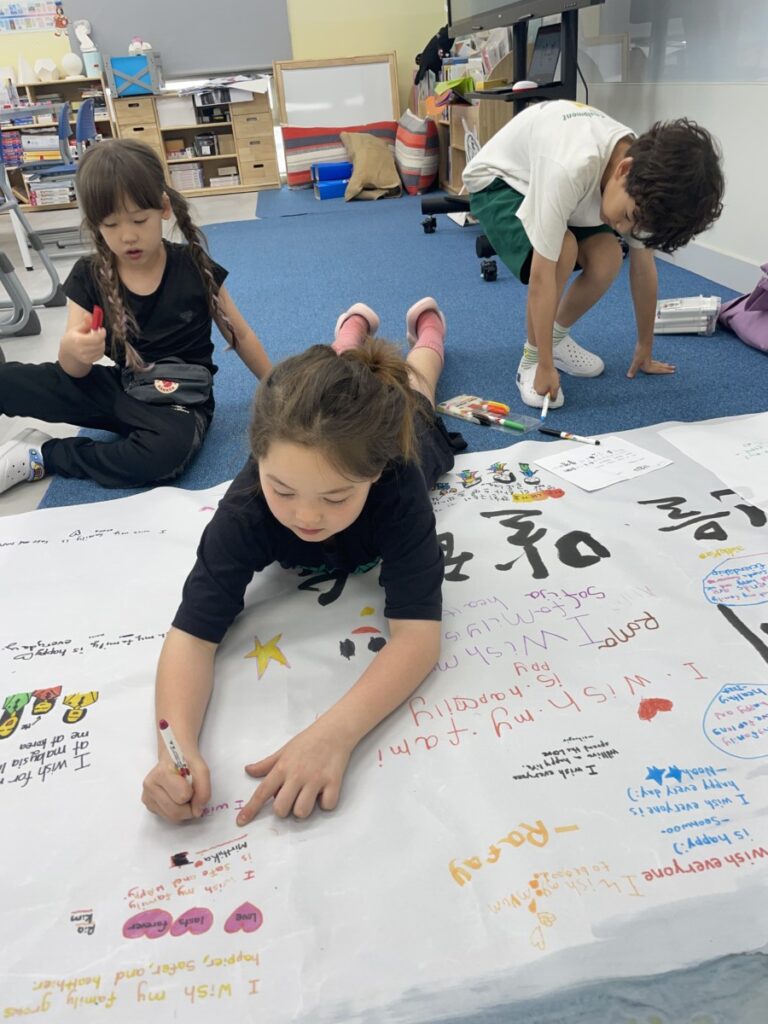
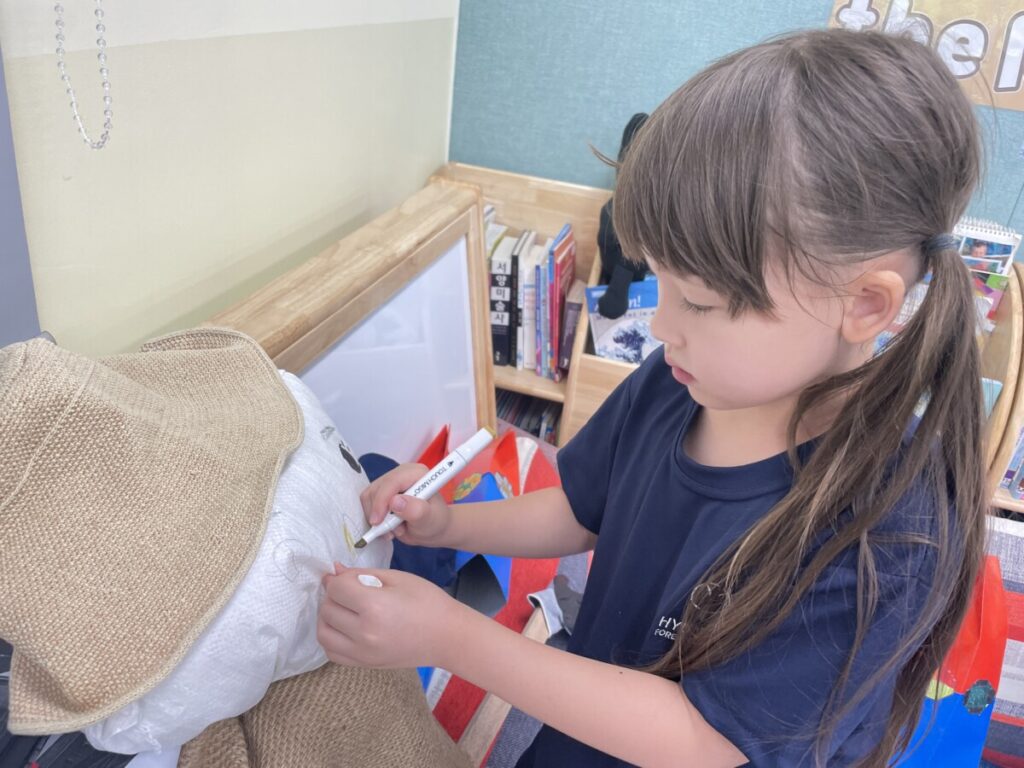
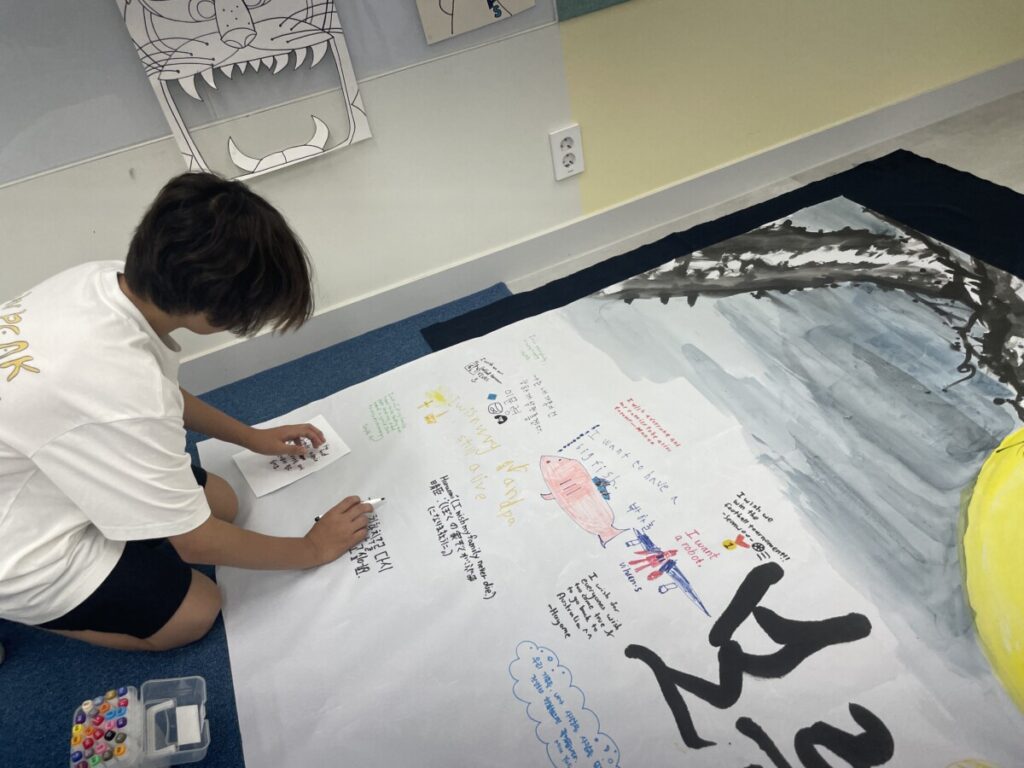
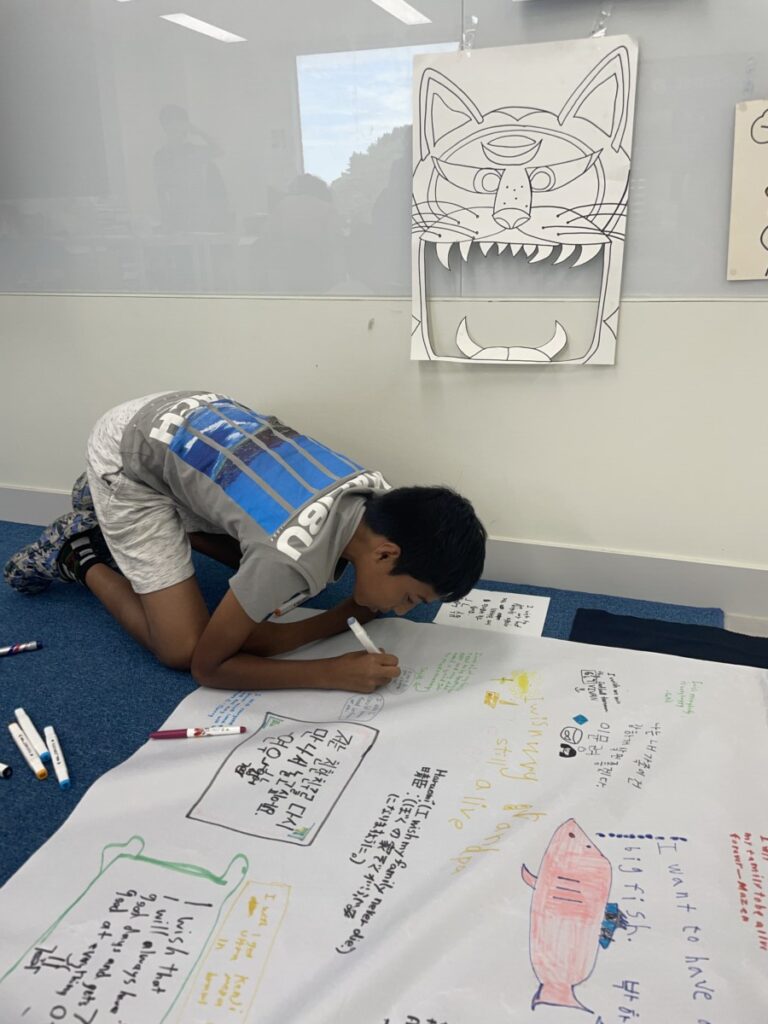
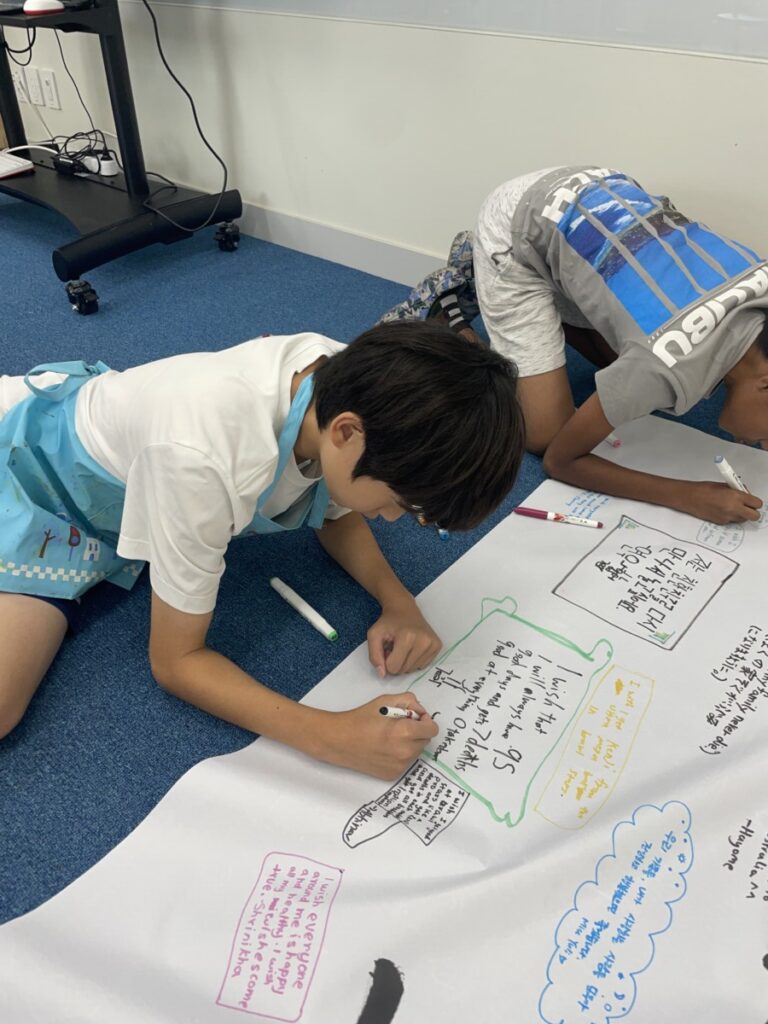
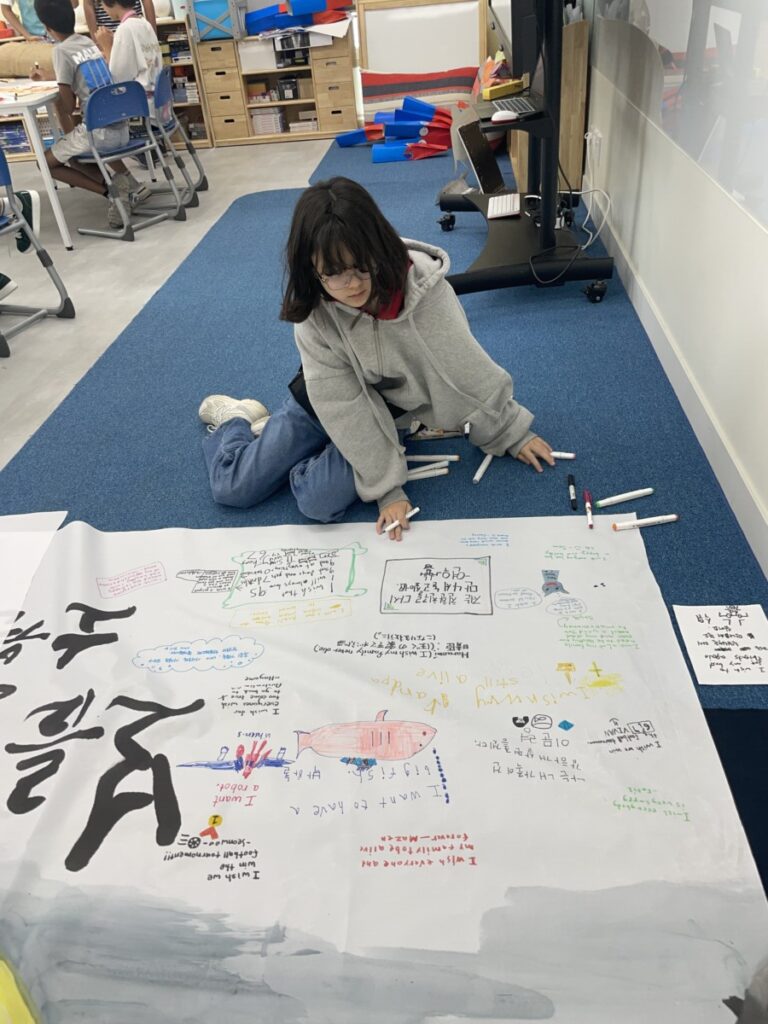
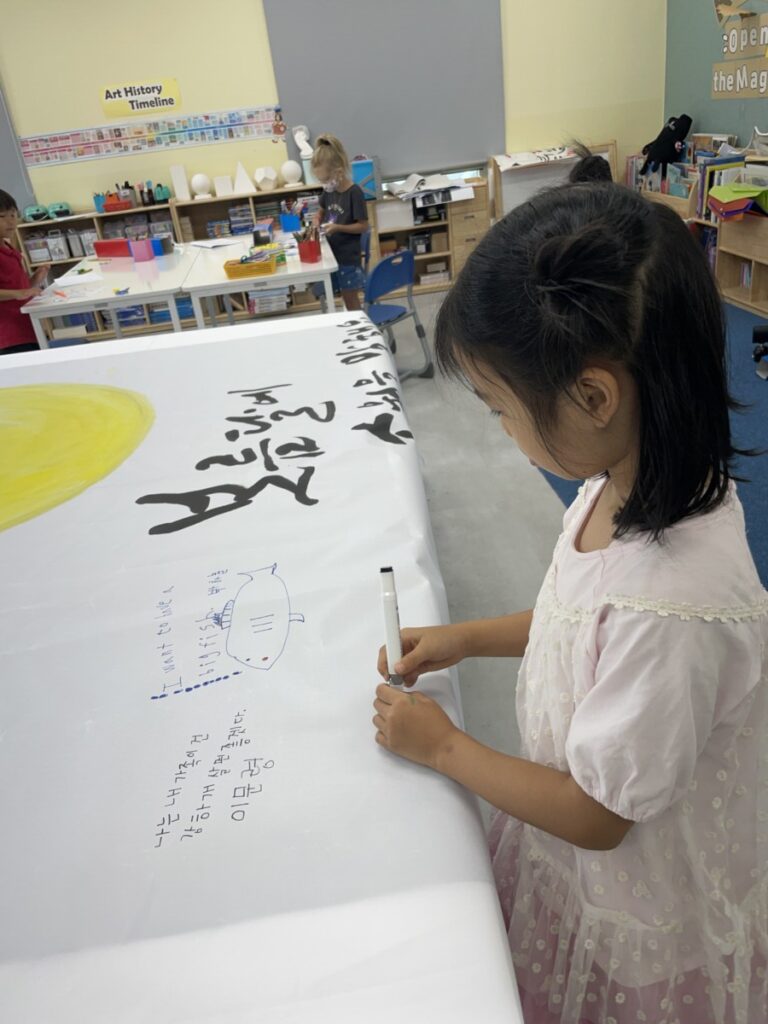
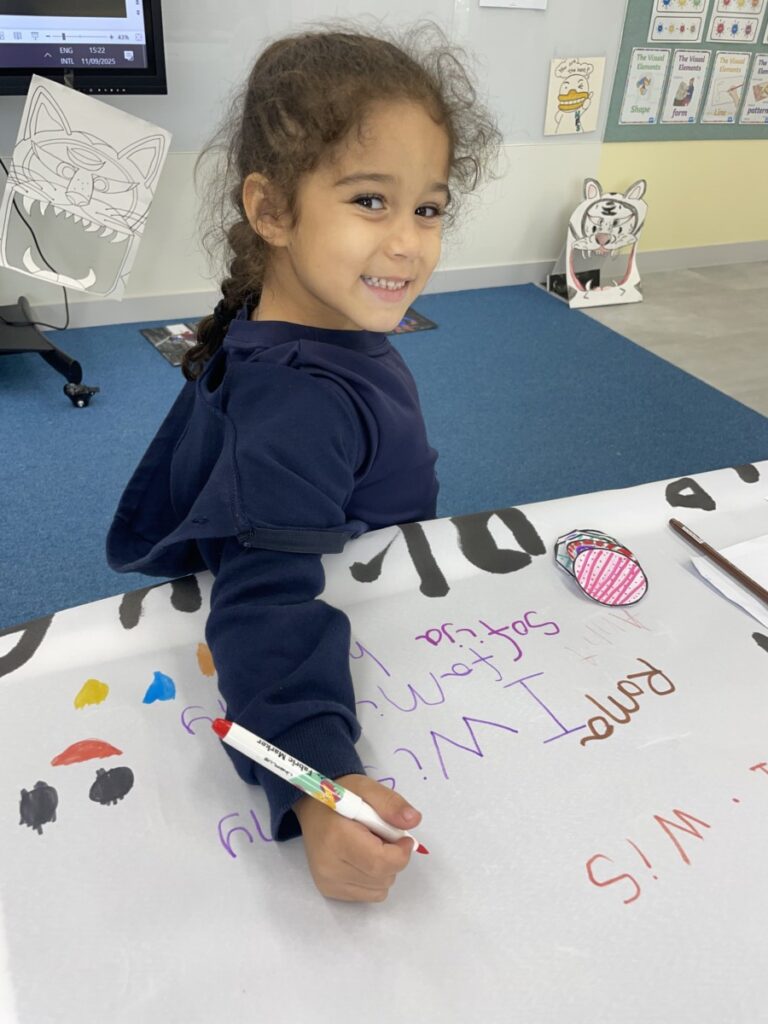
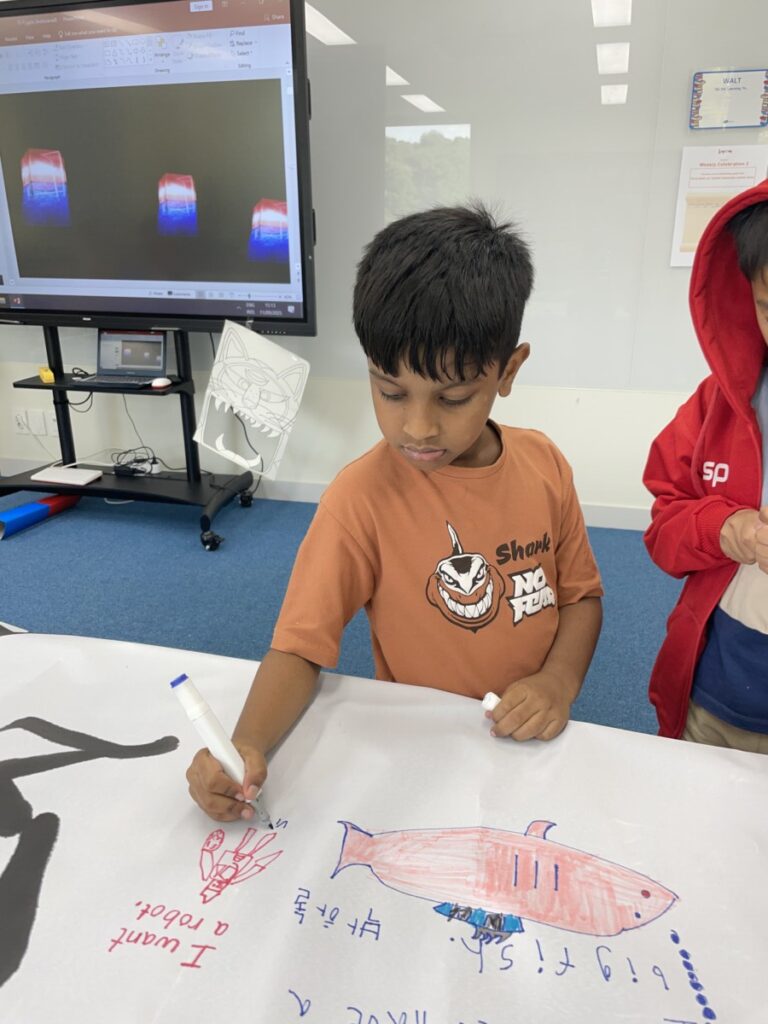
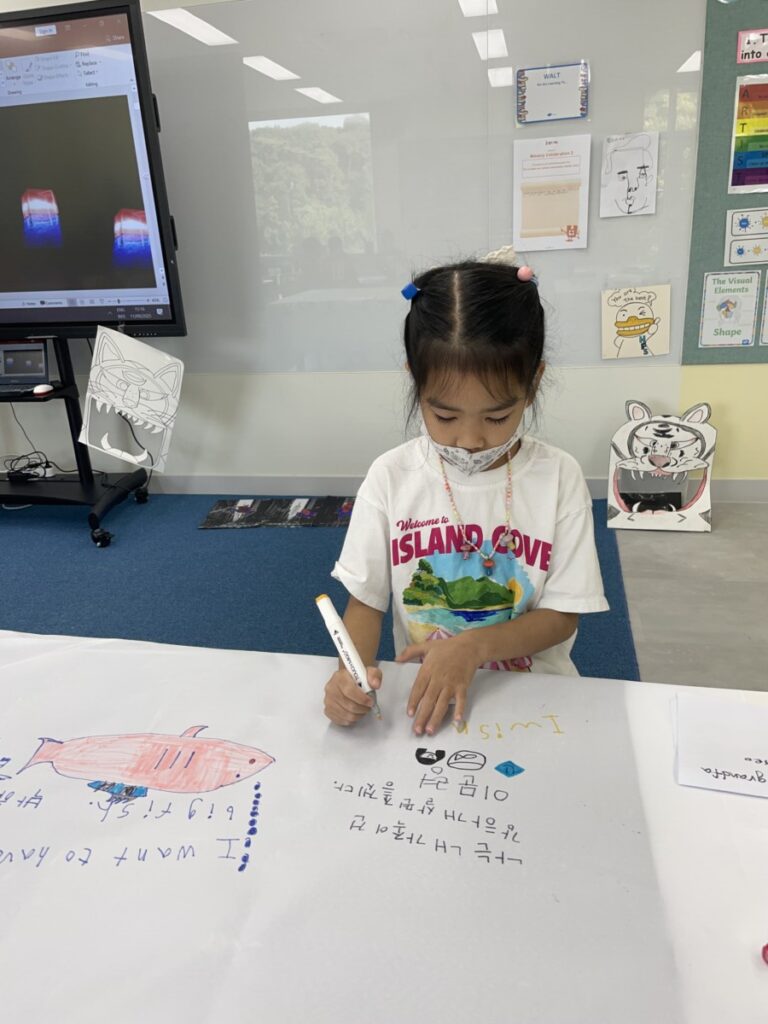
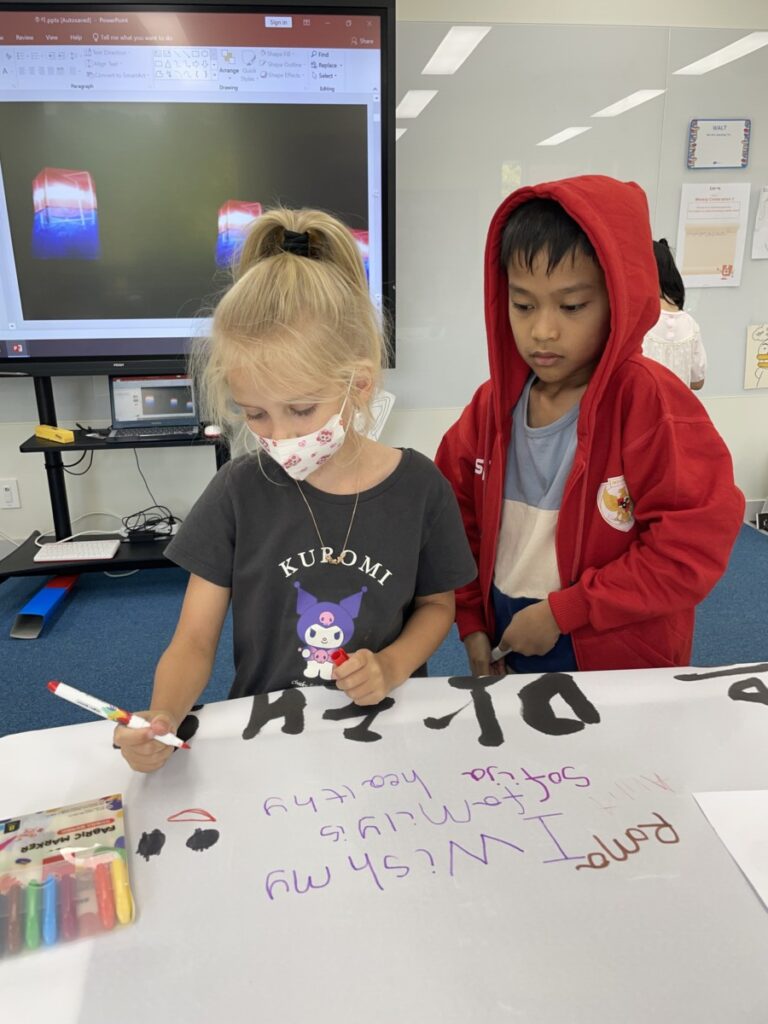
In celebration of Chuseok, the children took part in a special cultural art activity. They began by writing their wishes to the full moon, expressing their hopes in both words and drawings. Together, they decorated a scarecrow by adding facial features such as eyes, a nose, and a mouth, as well as designing colourful buttons. To complete the character, the scarecrow was dressed with gloves and a hat.
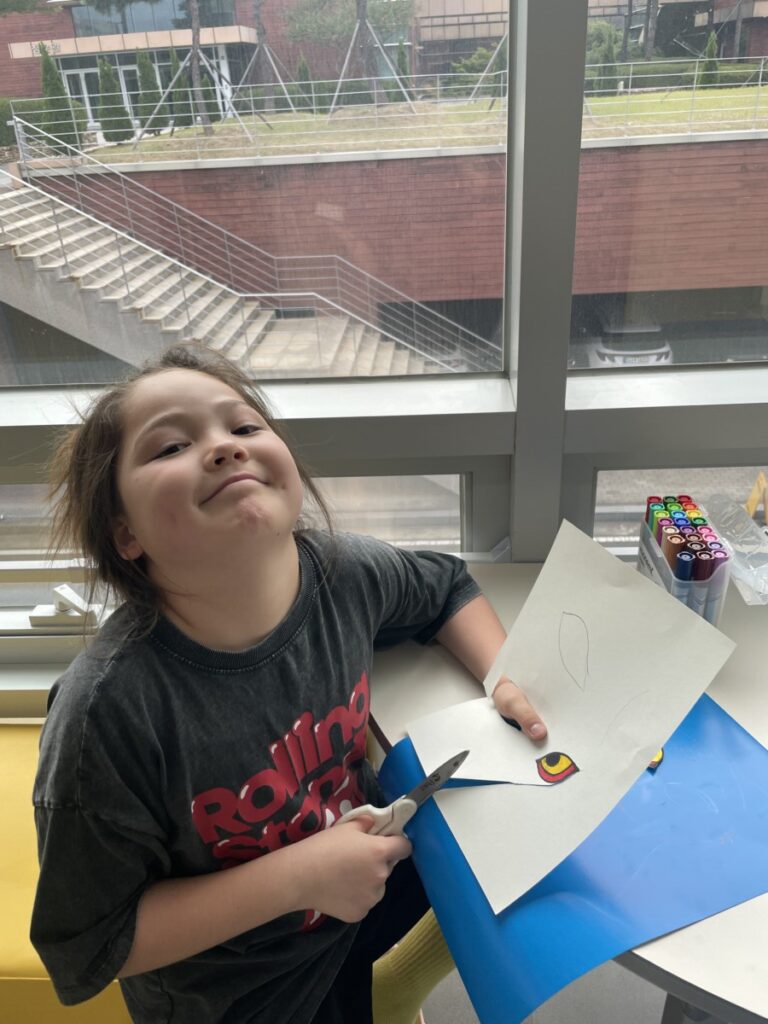
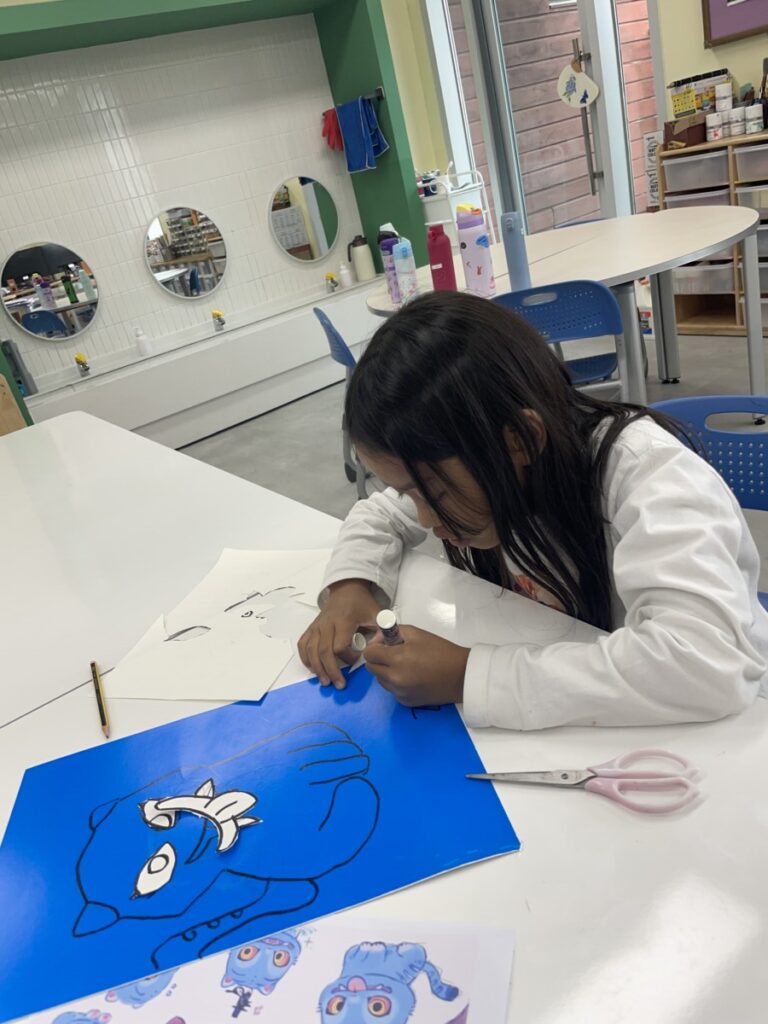
As a finishing touch, the students designed sparrow mobiles to place around the scarecrow, creating a lively and festive scene. This activity not only encouraged creativity but also deepened the children’s understanding of Korean traditions during Chuseok.

Y5-6 Art Class Update T1-W4

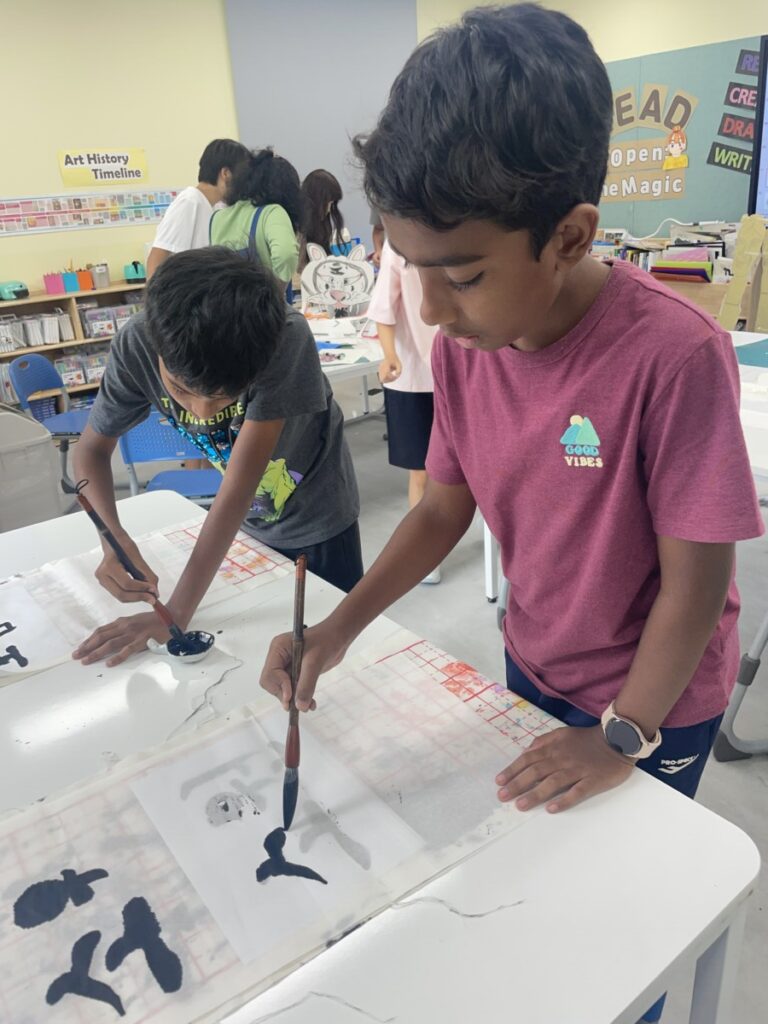
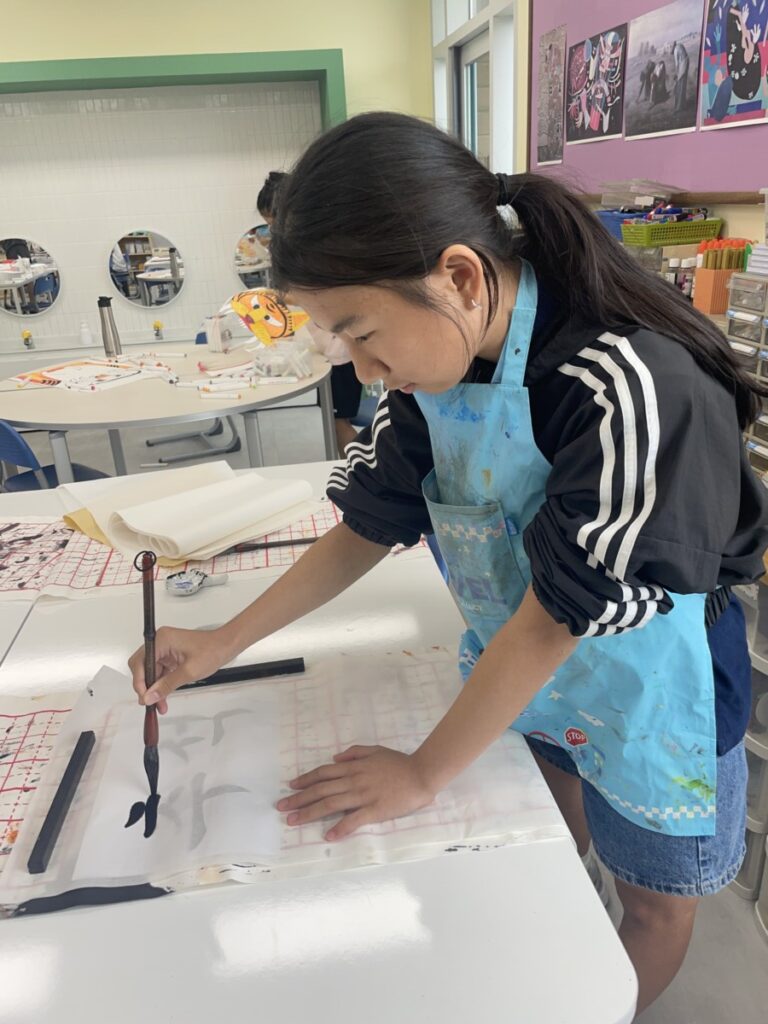
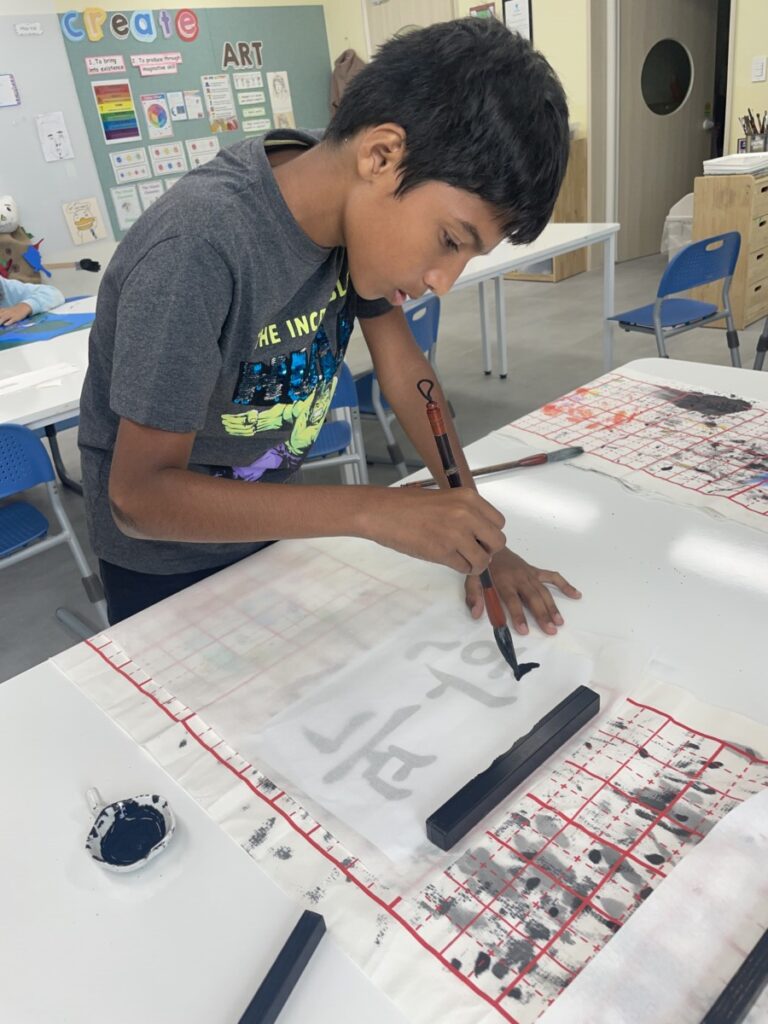
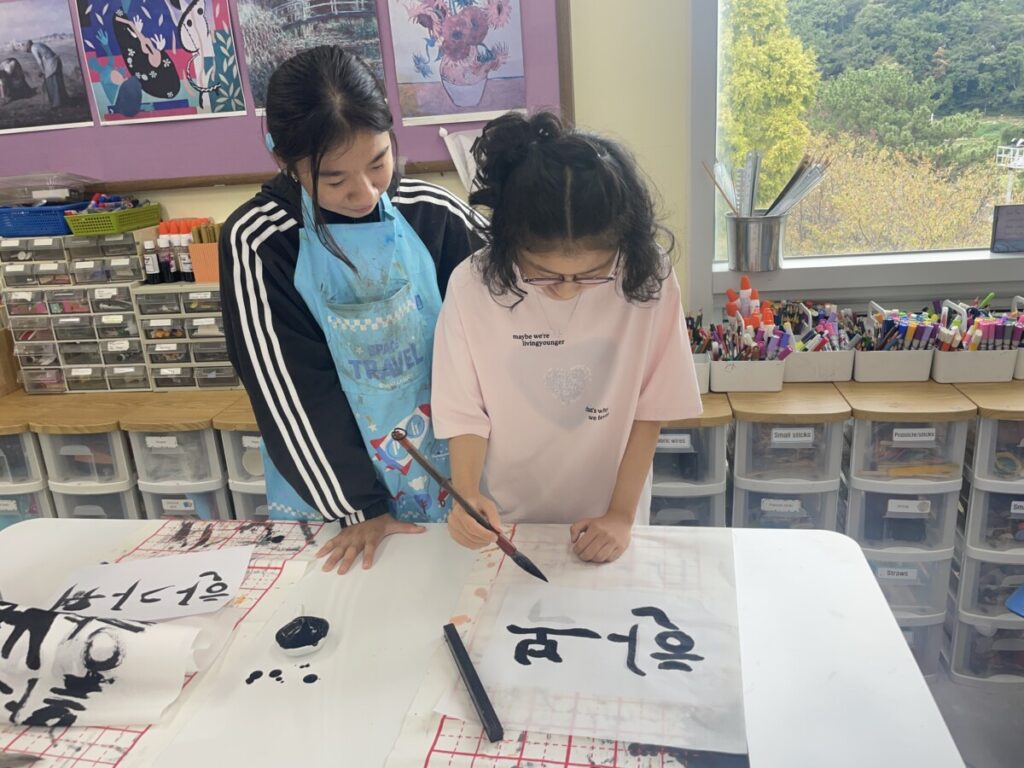
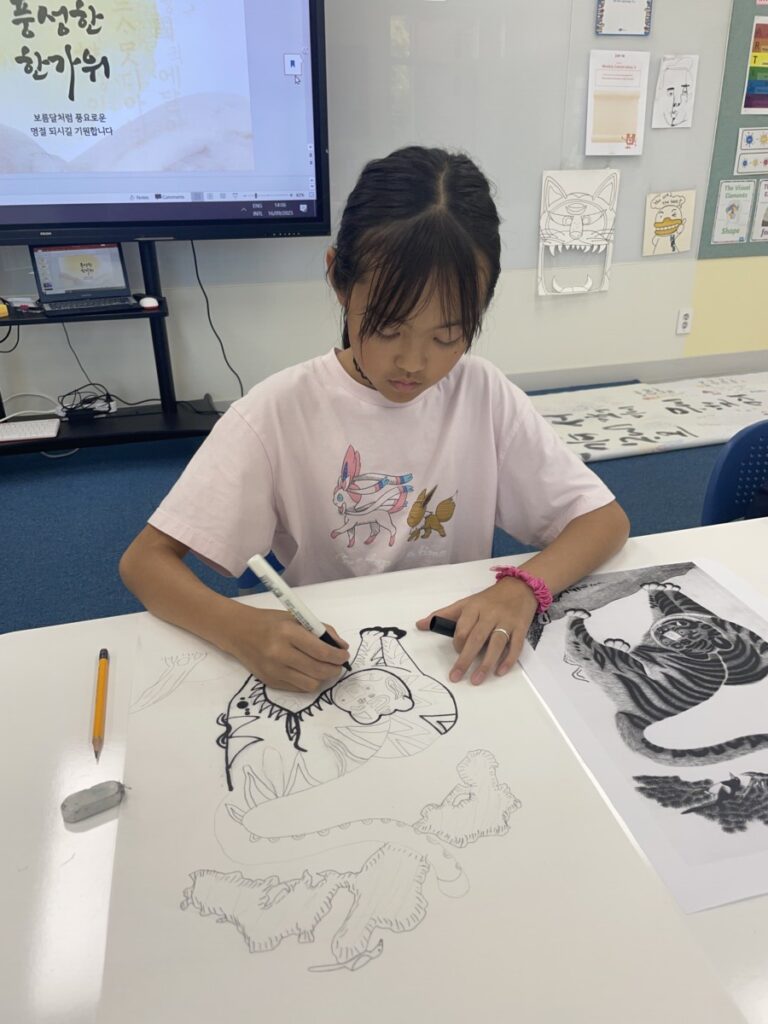
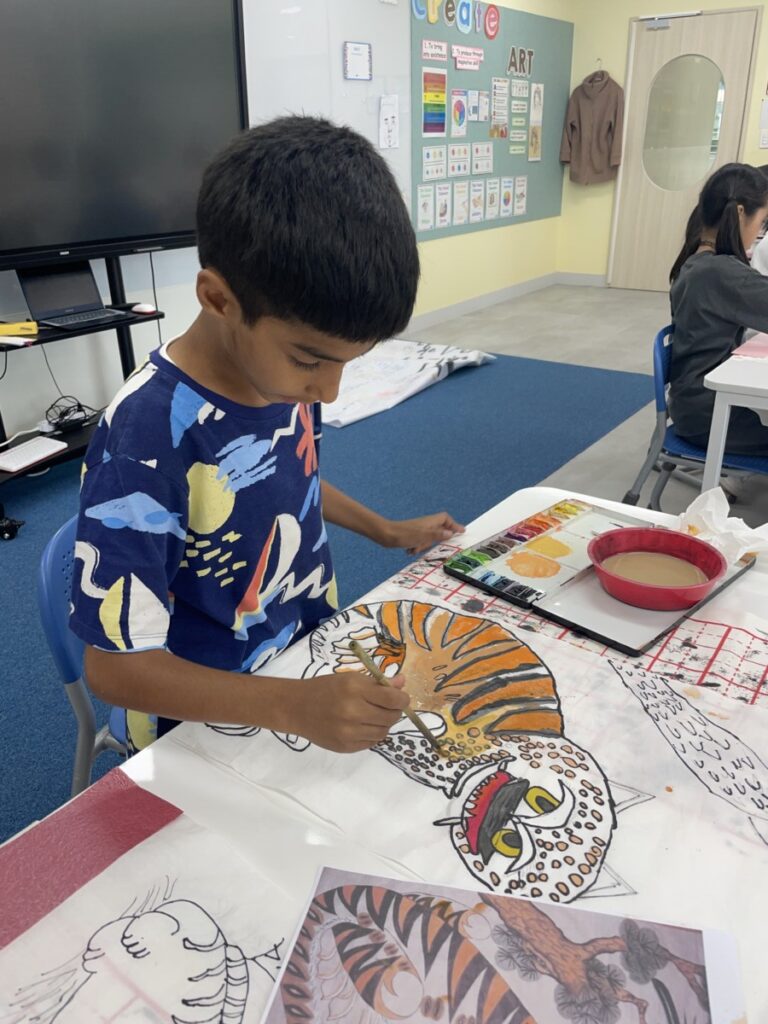
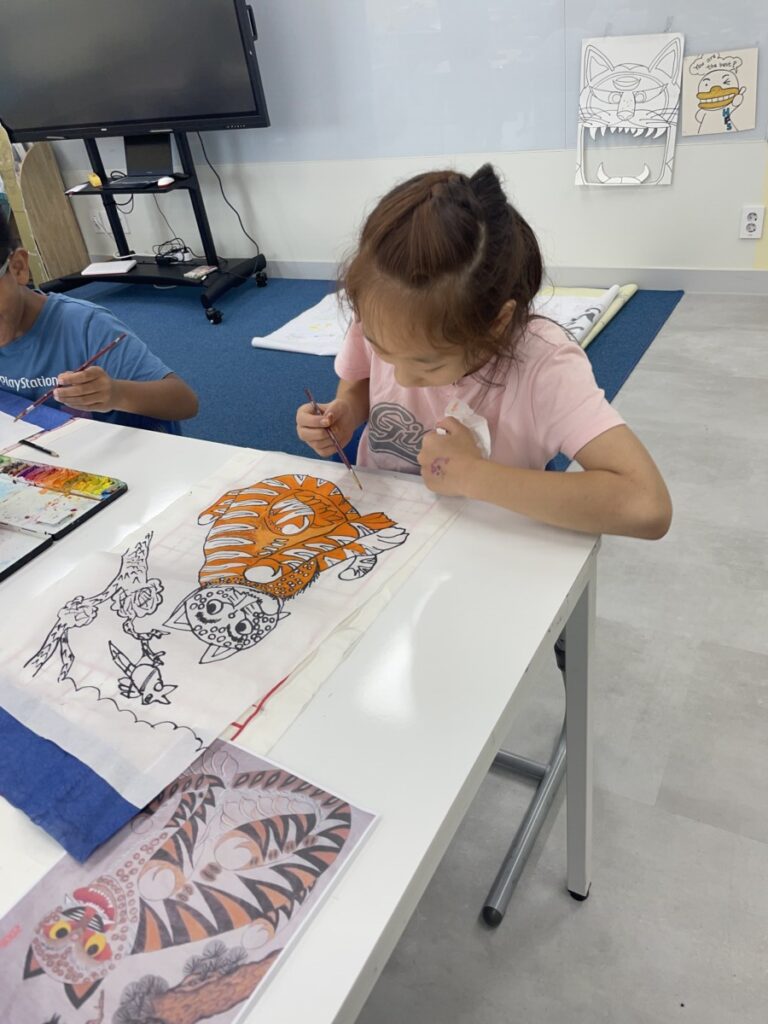
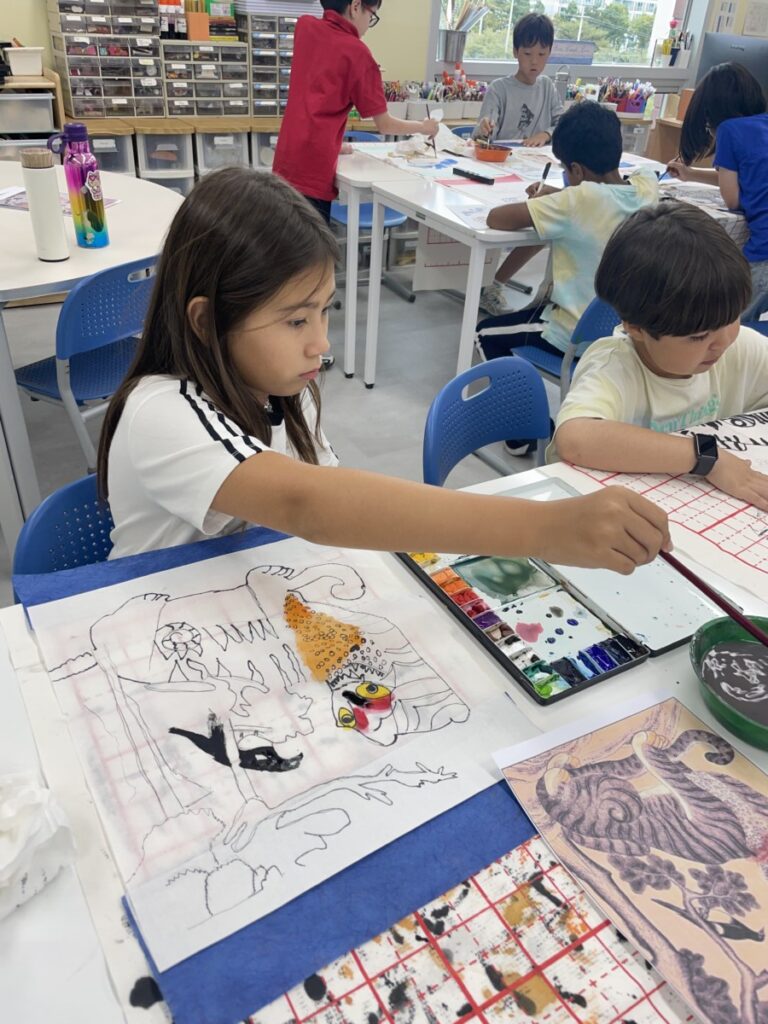
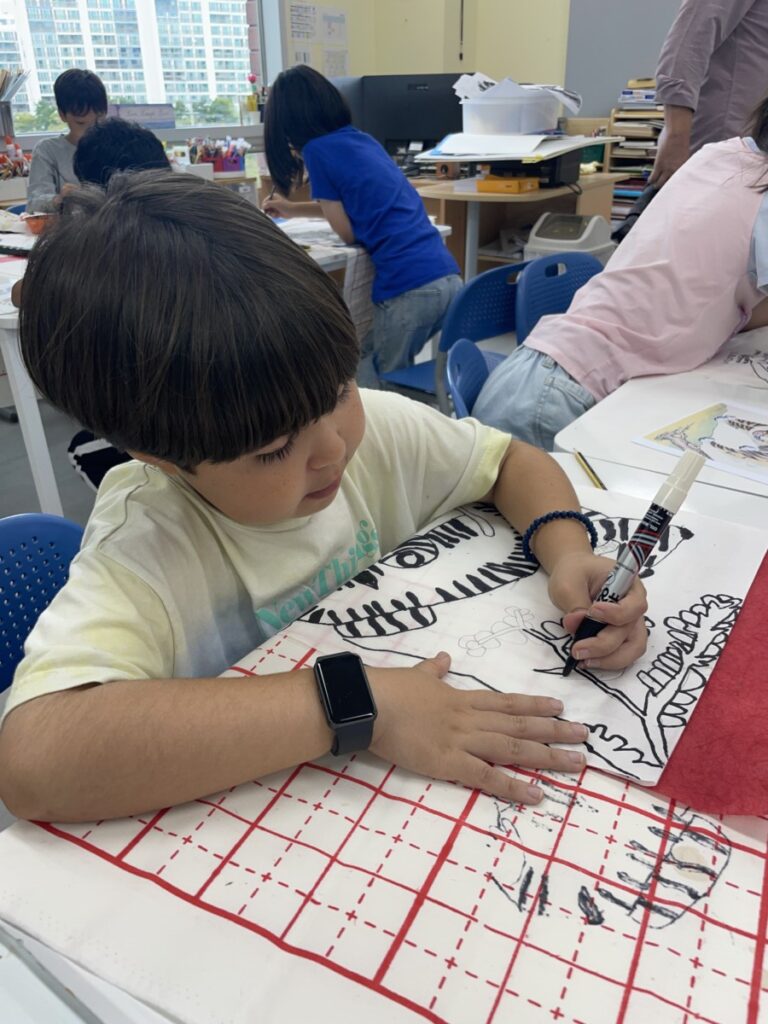
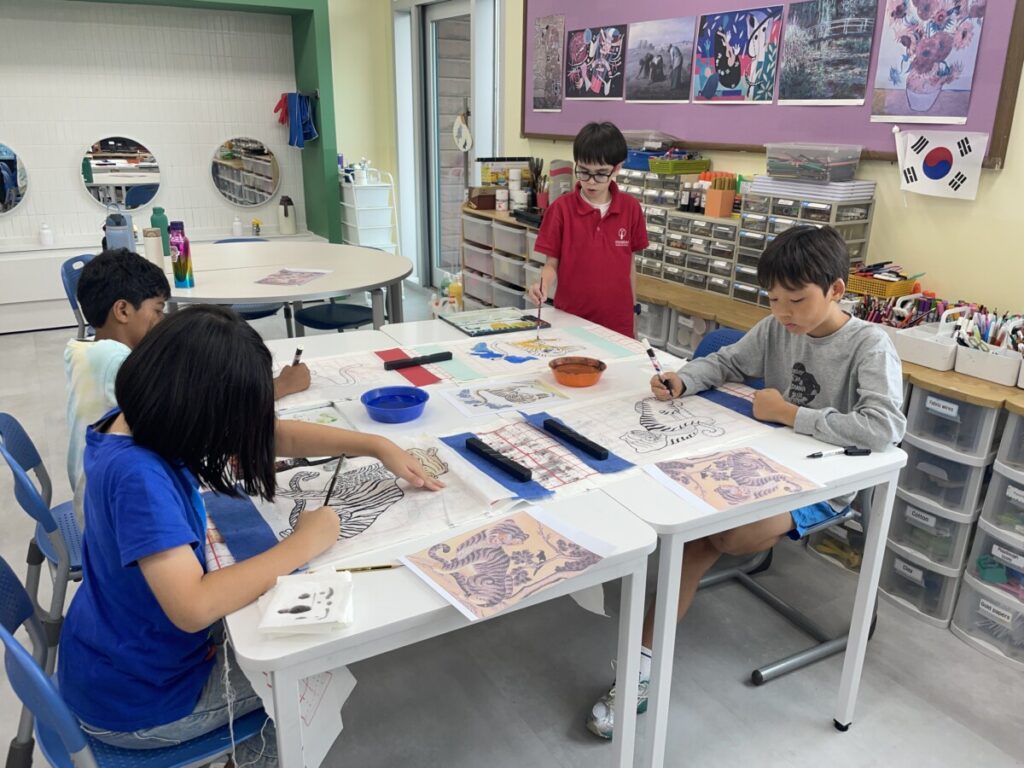
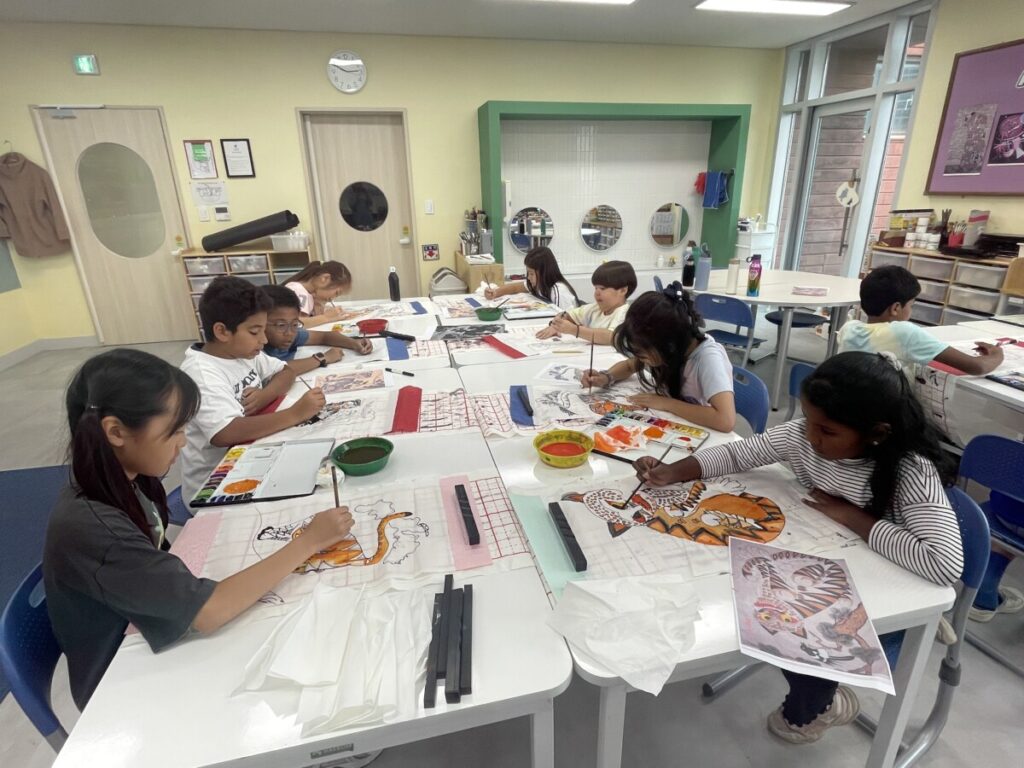
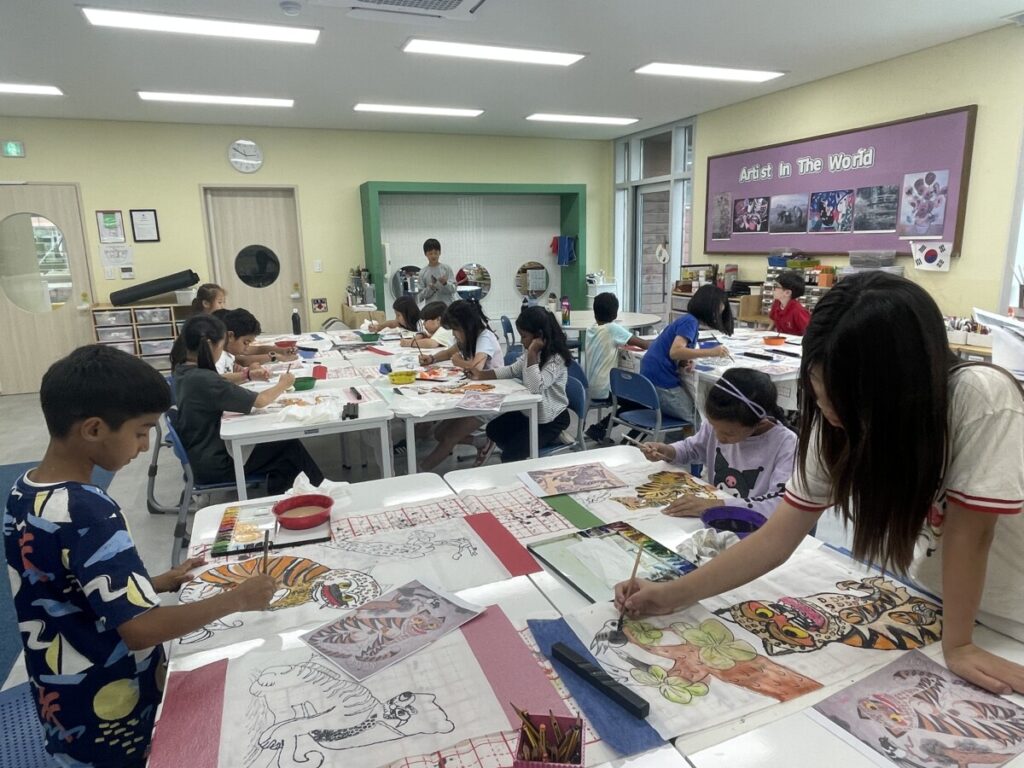
To celebrate Chuseok, the Year 5–6 students created their own versions of the traditional Korean folk painting “Magpie and Tiger.” Using traditional materials such as Korean rice paper (hanji) and black ink with brushes, they expressed their unique feelings and creativity through their artworks.
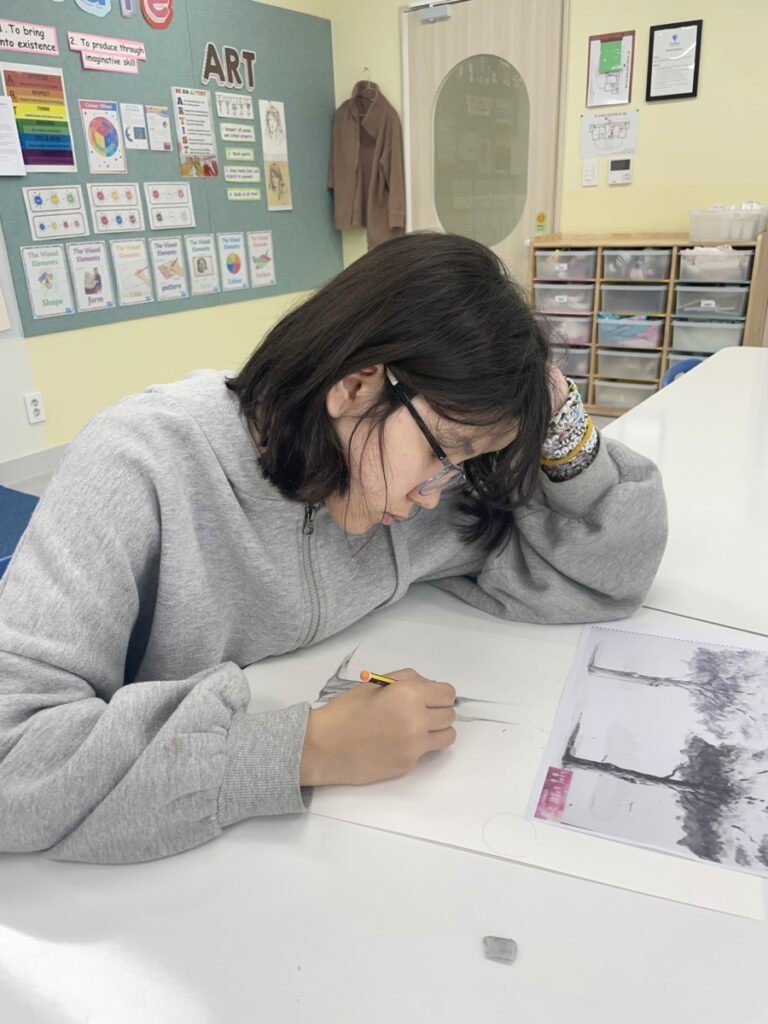
The children showed an incredible level of focus and actively participated in the lesson, which made me very happy.
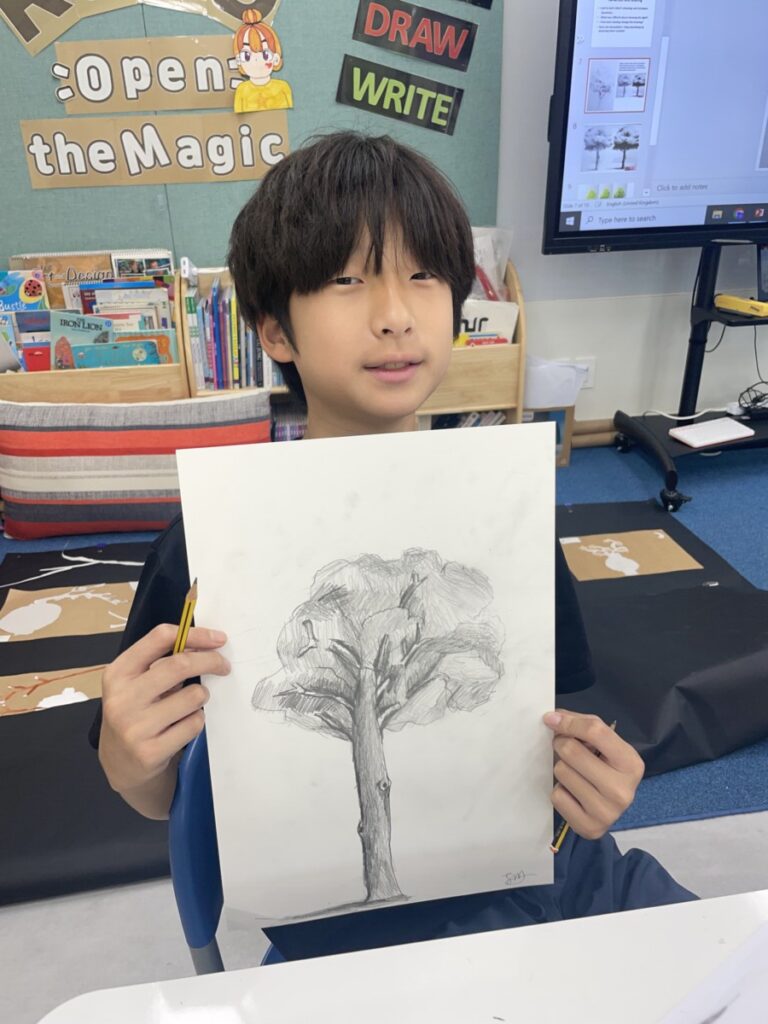
I hope this time helped the children build a stronger appreciation and understanding of Korean culture.

Y7-9 Art Class Update T1-W4

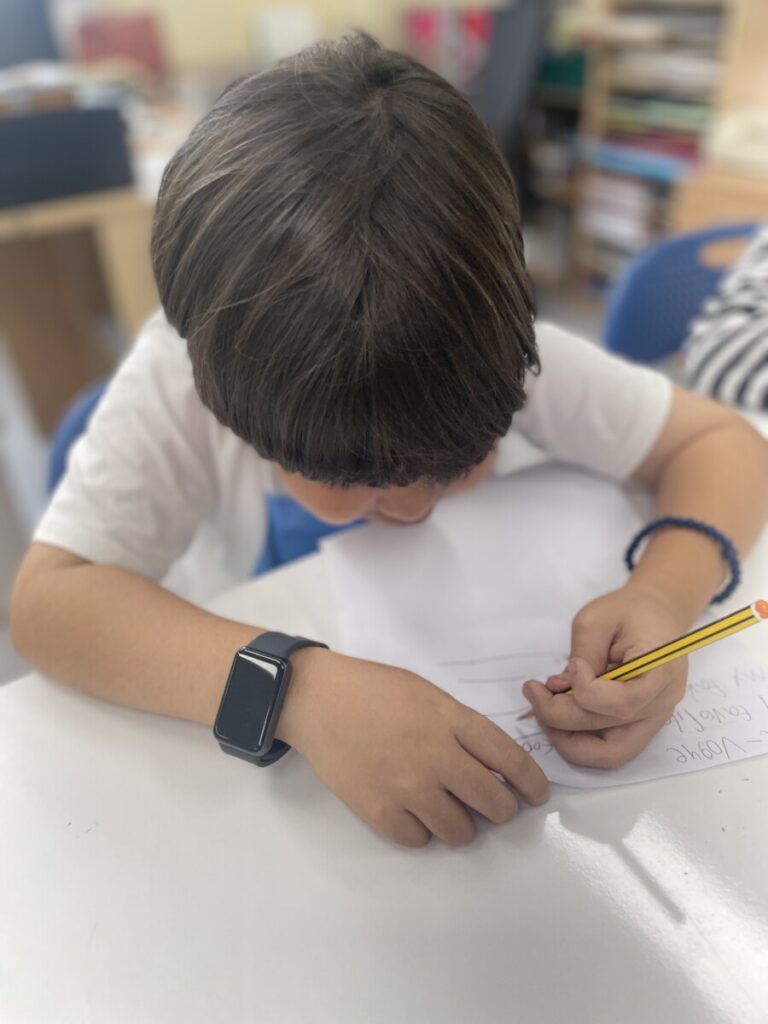
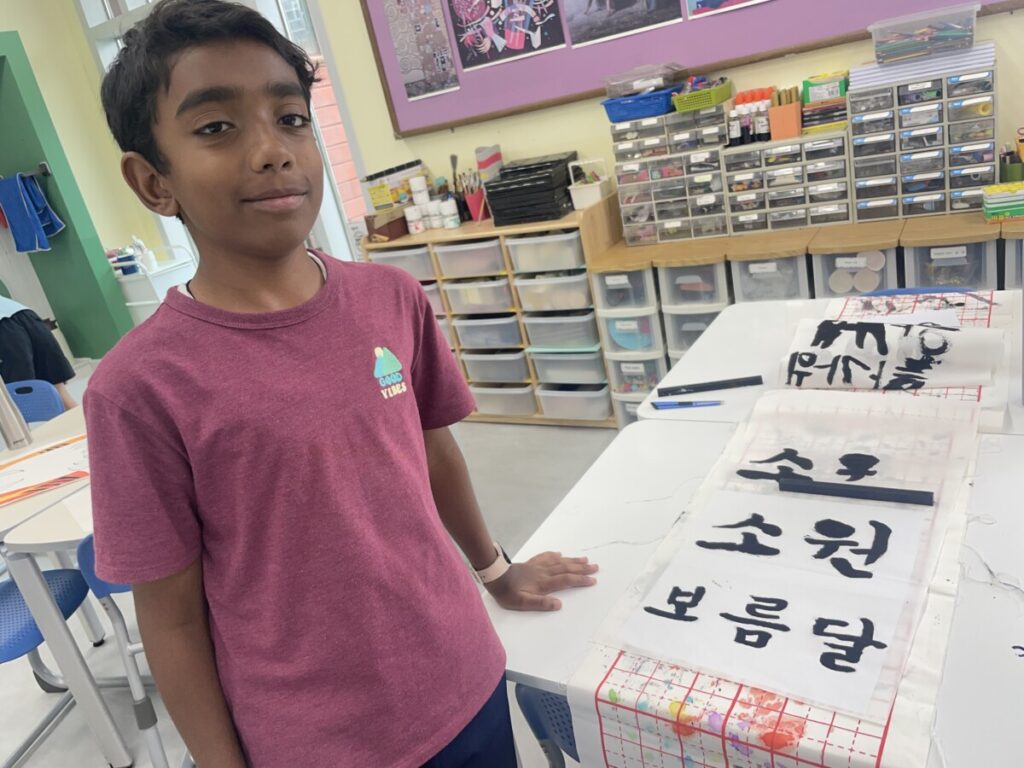
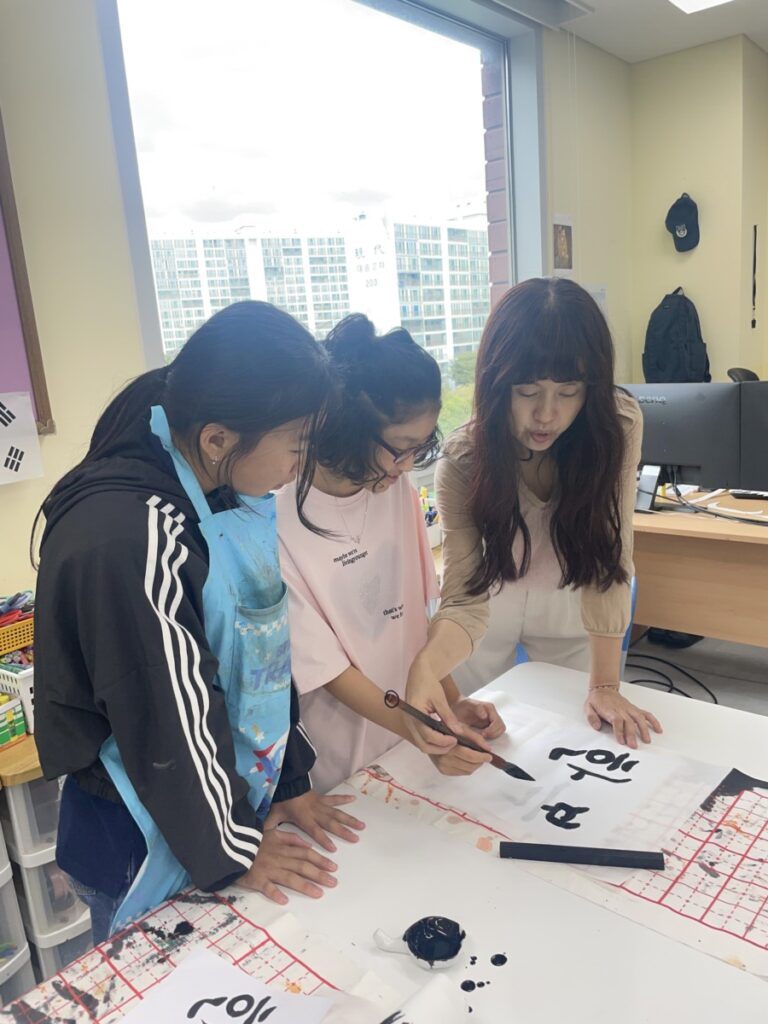
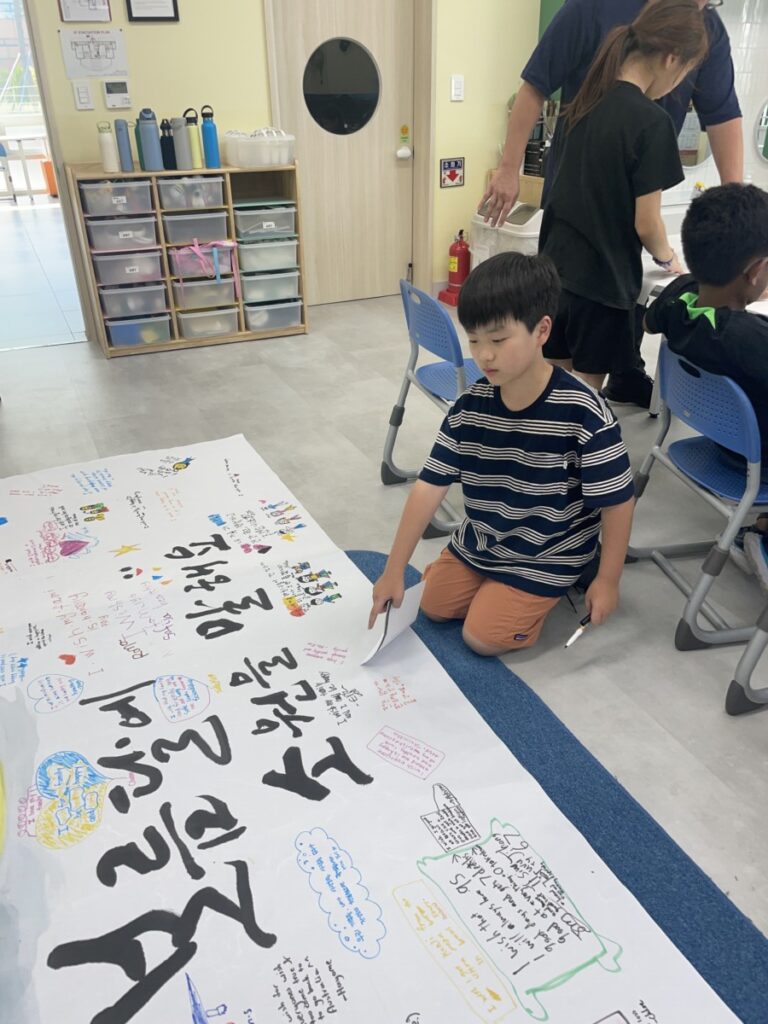
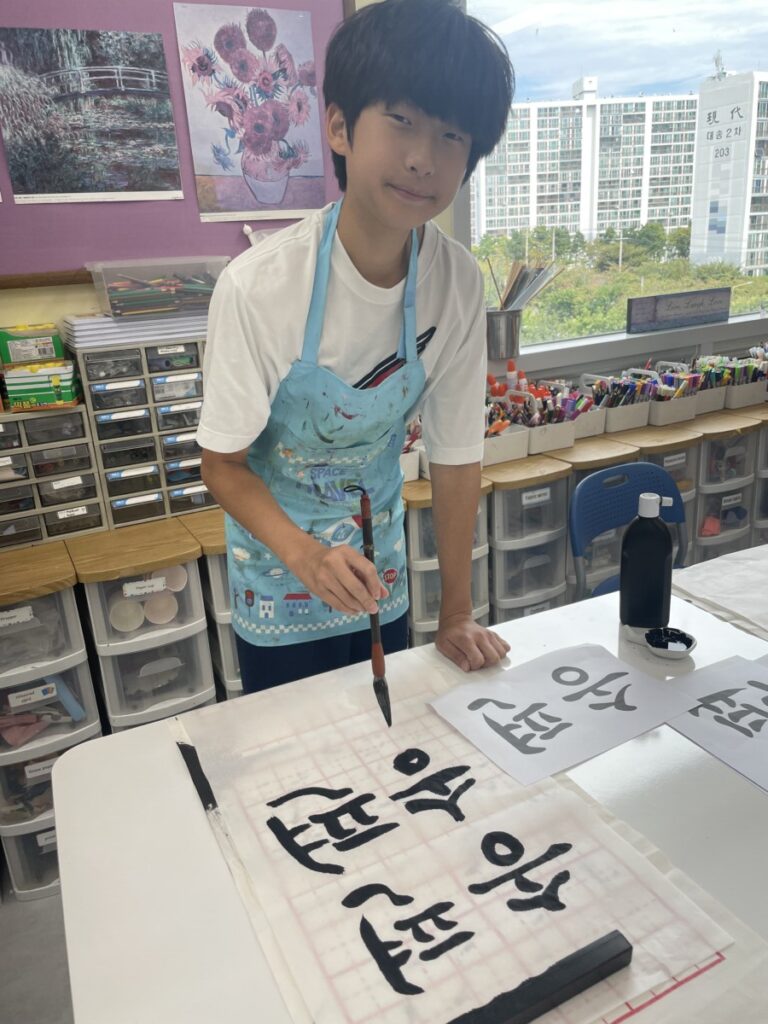
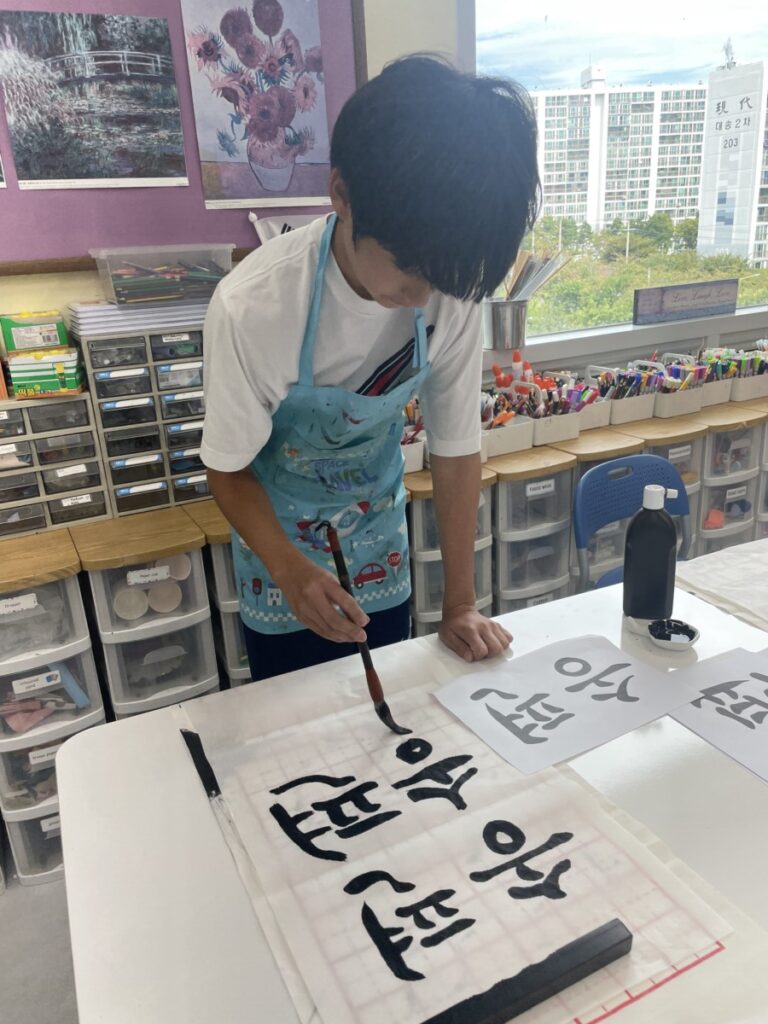
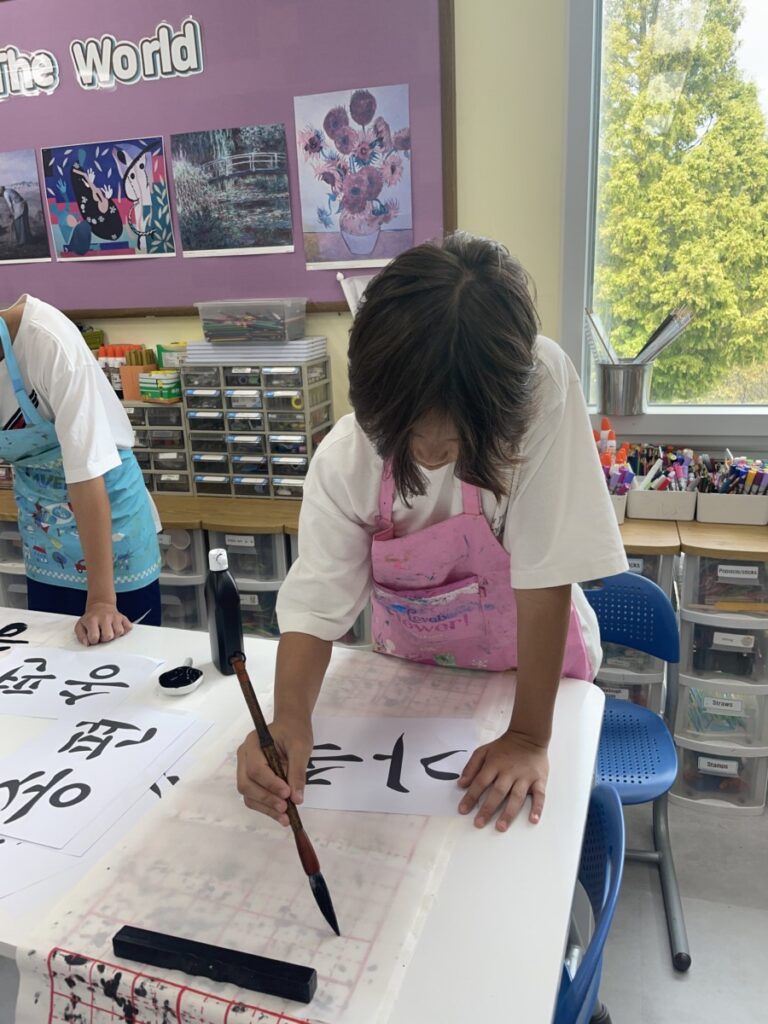
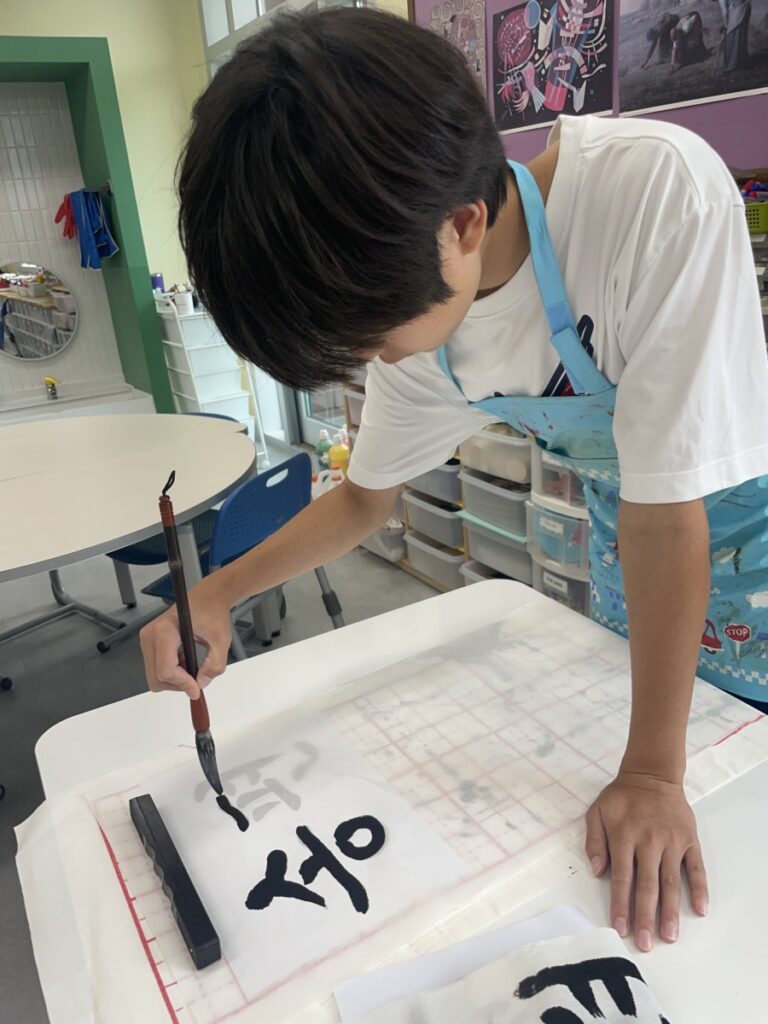
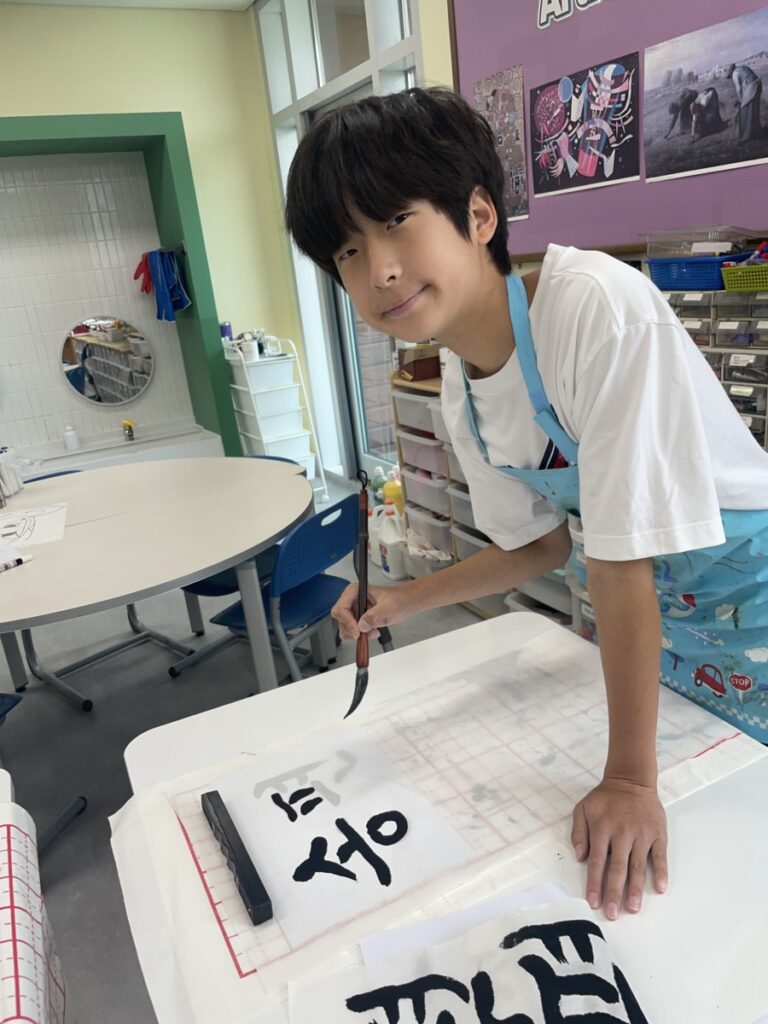
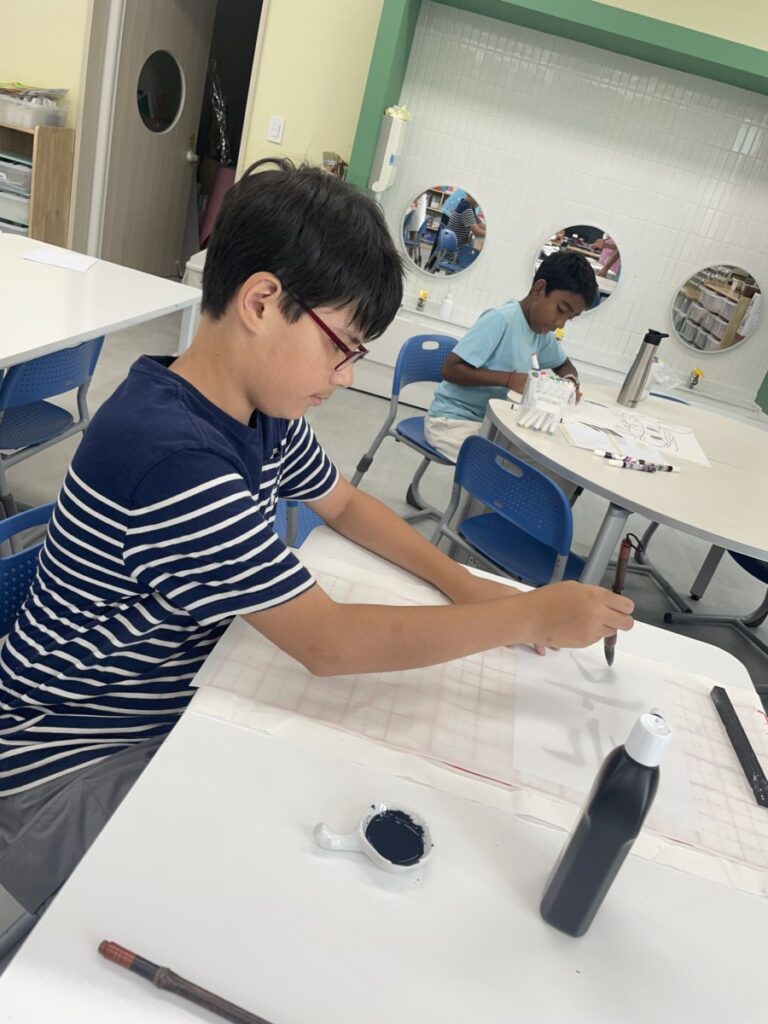
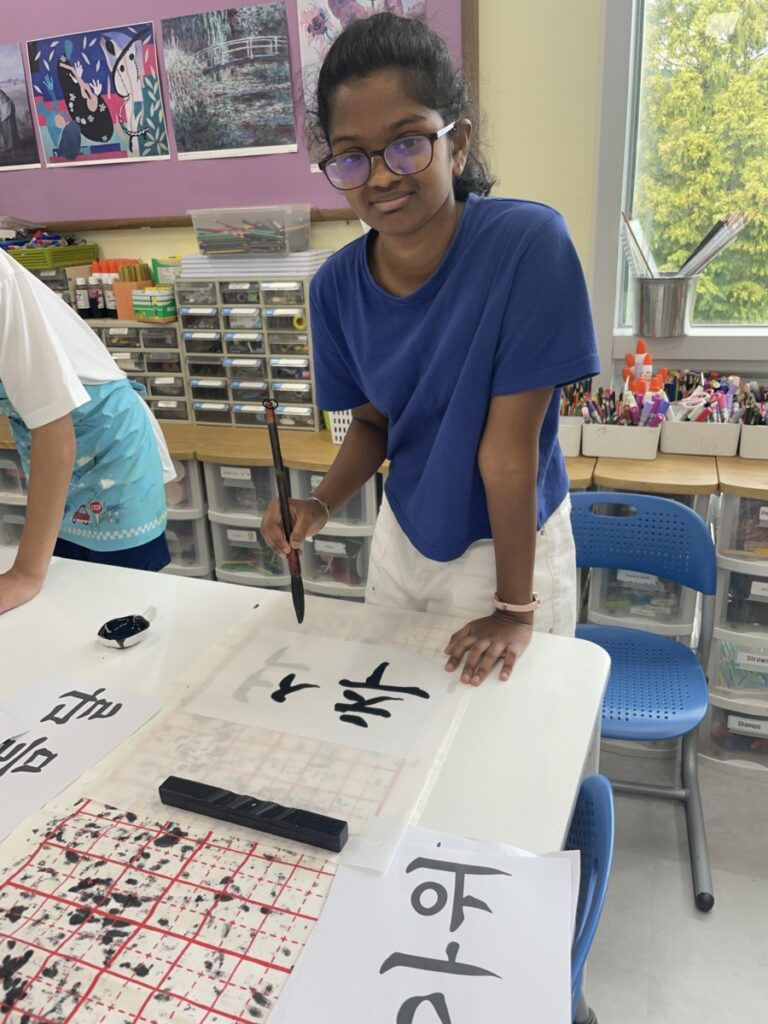
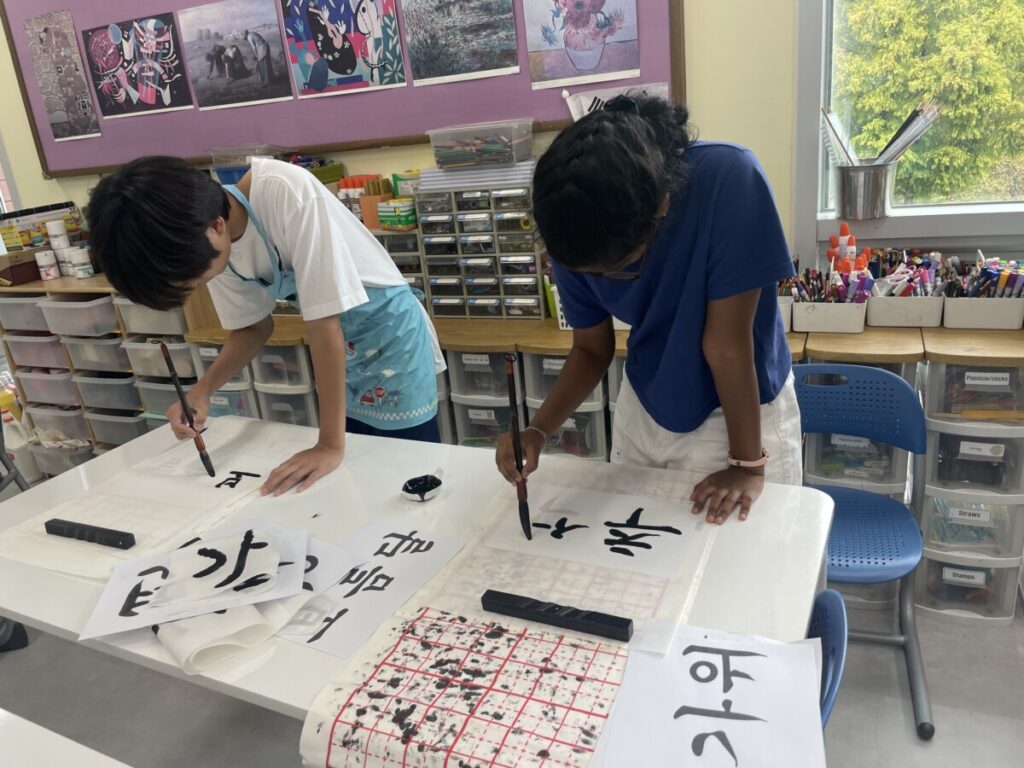
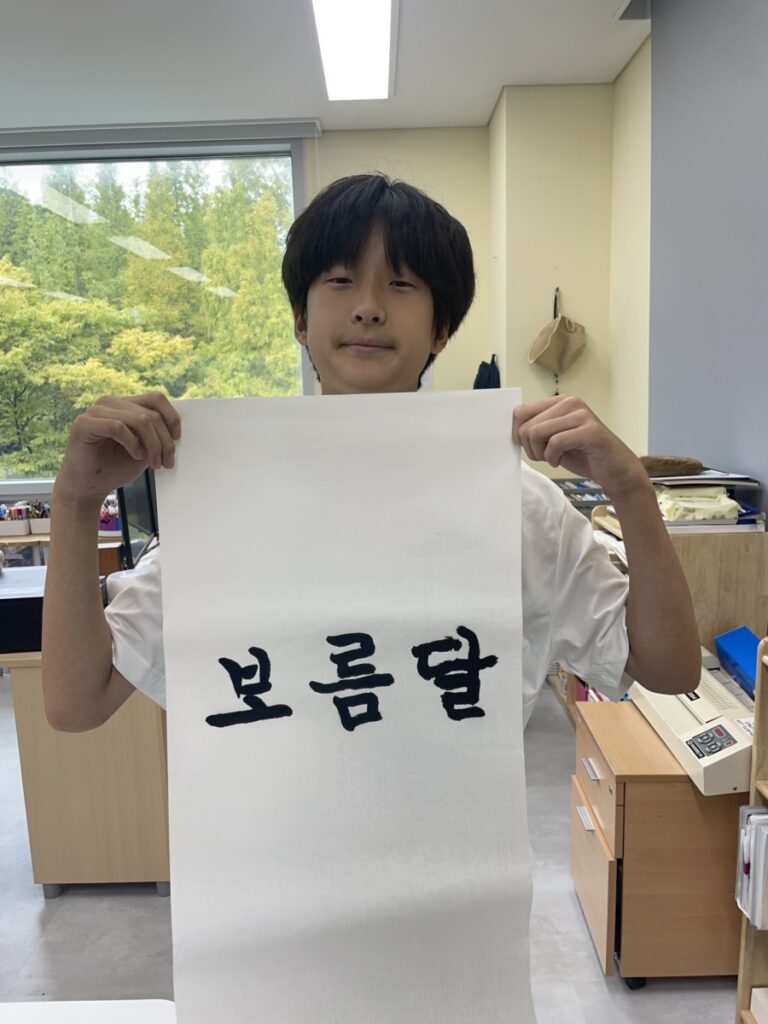
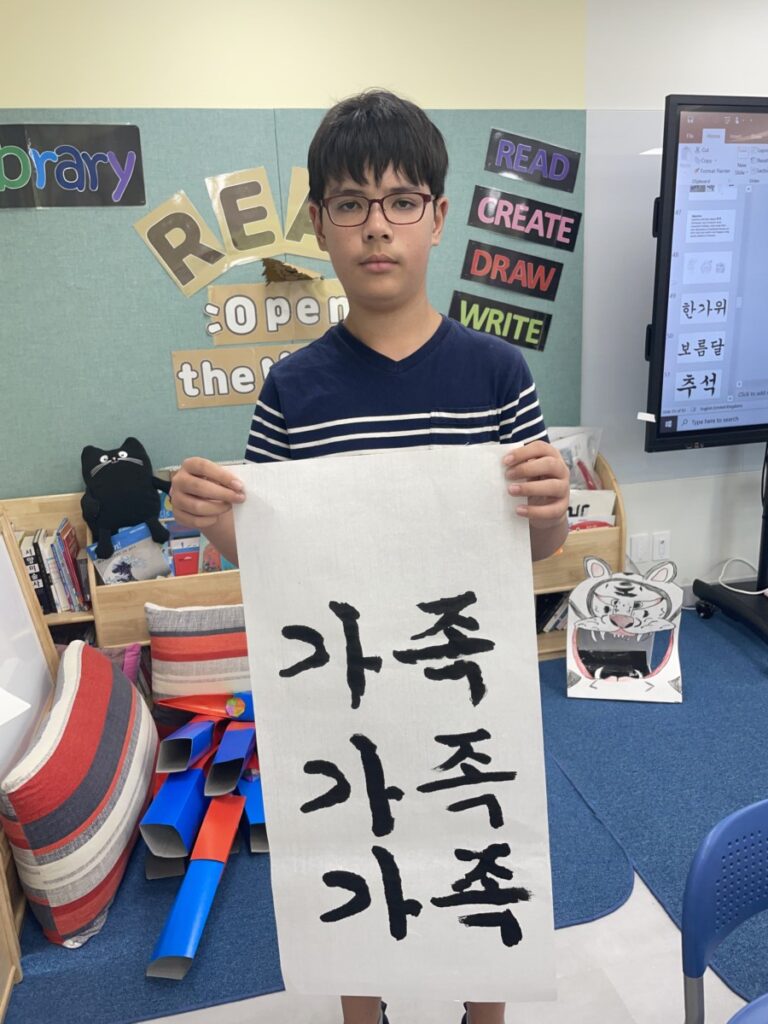
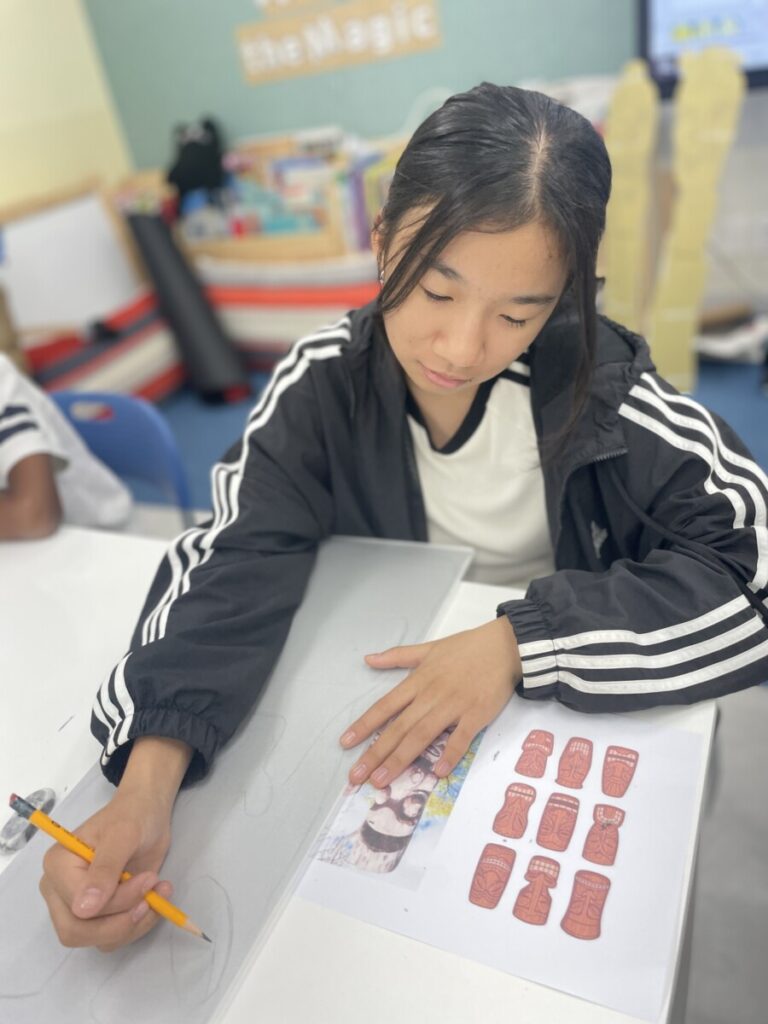
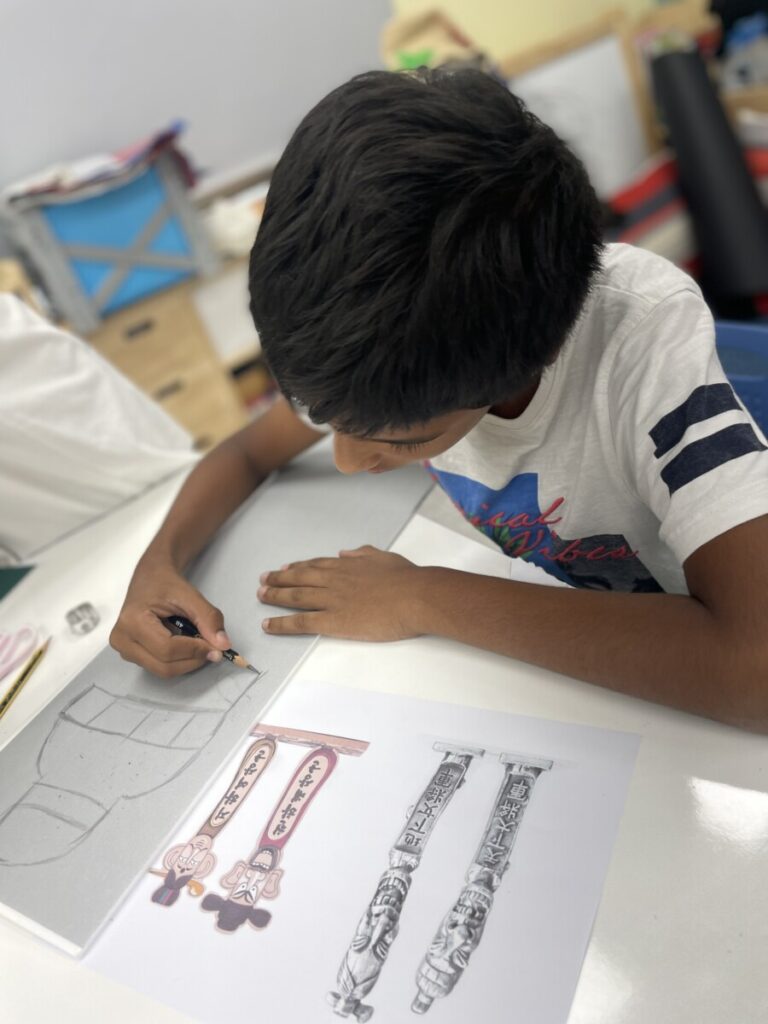
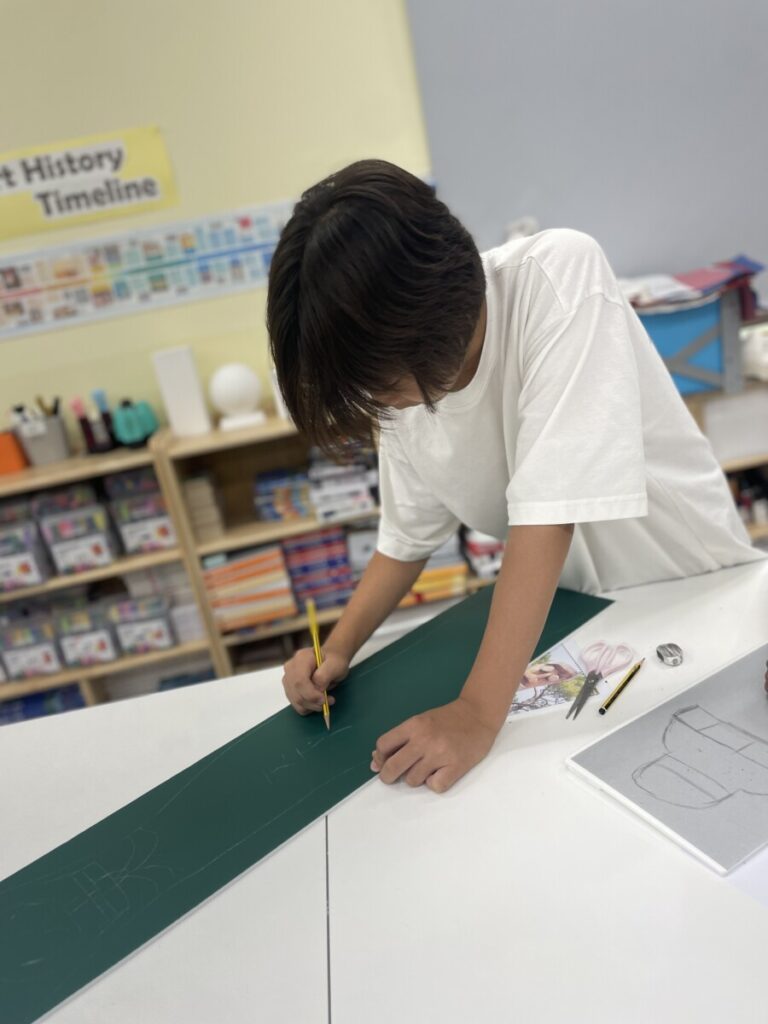
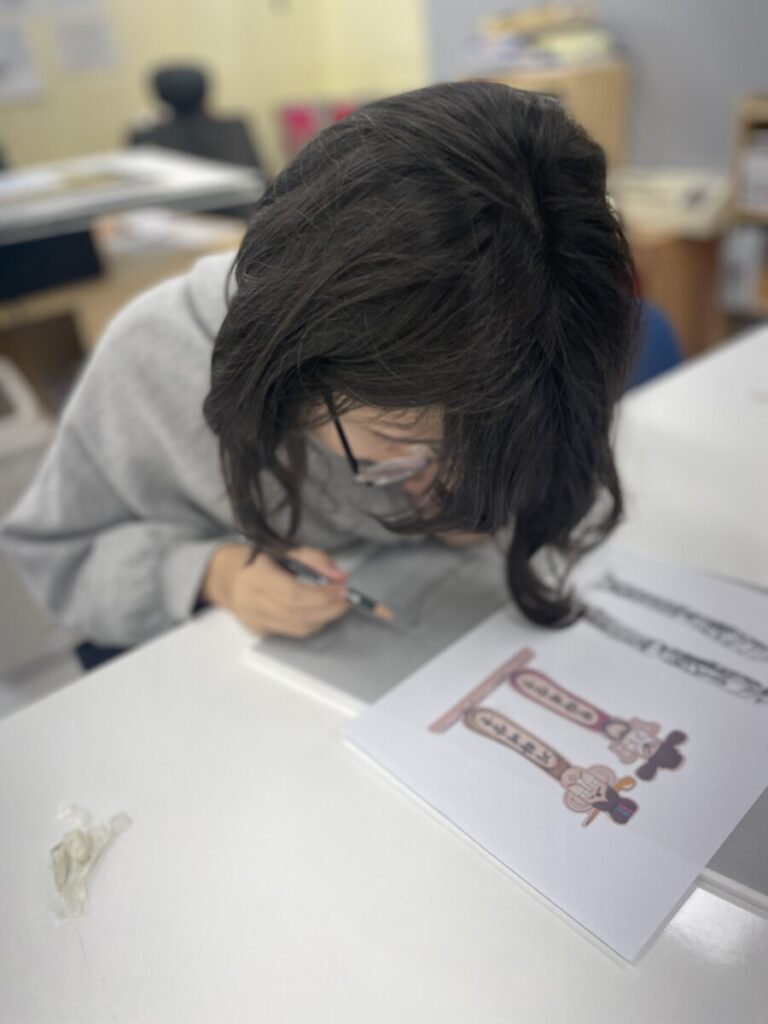
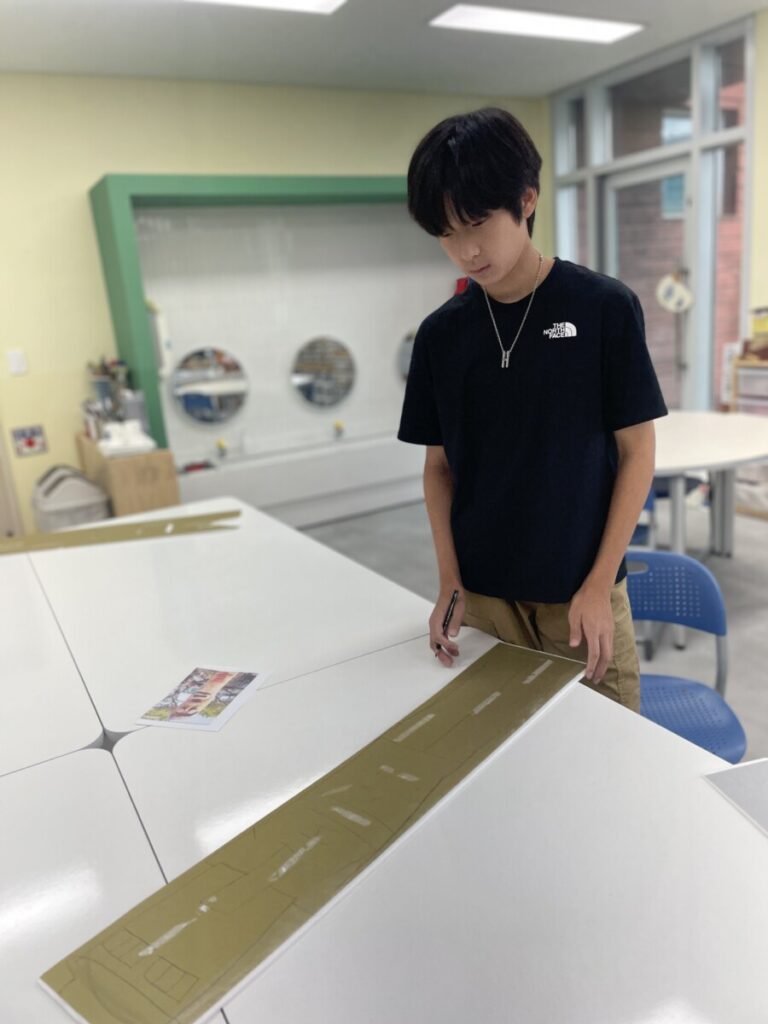
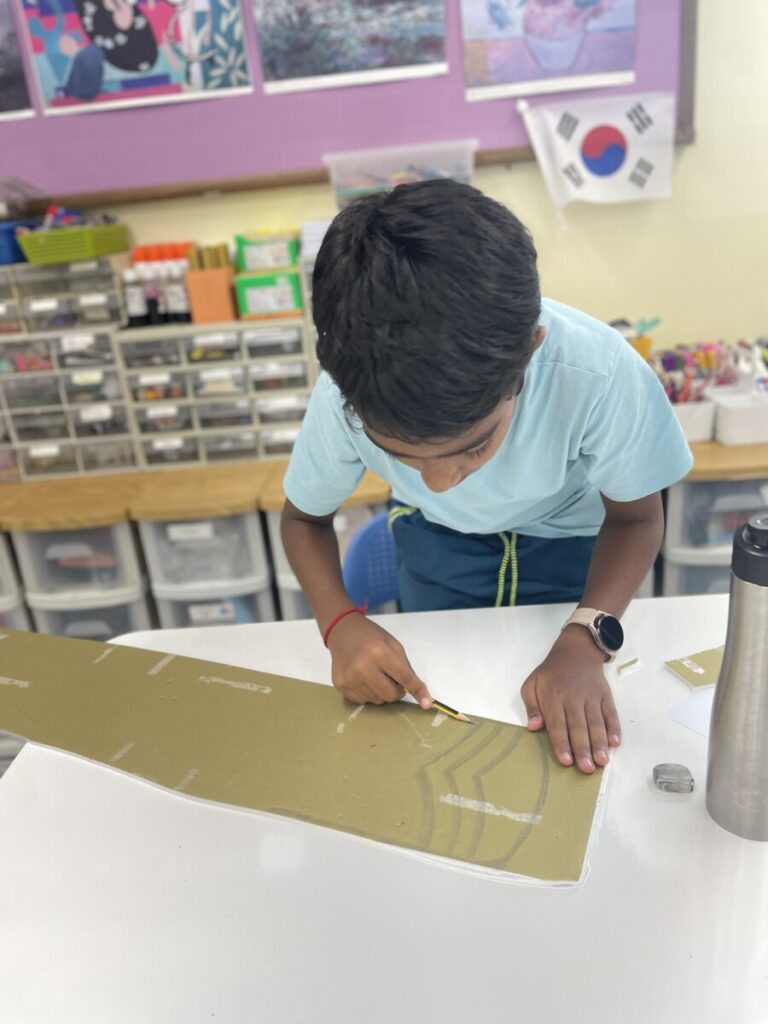
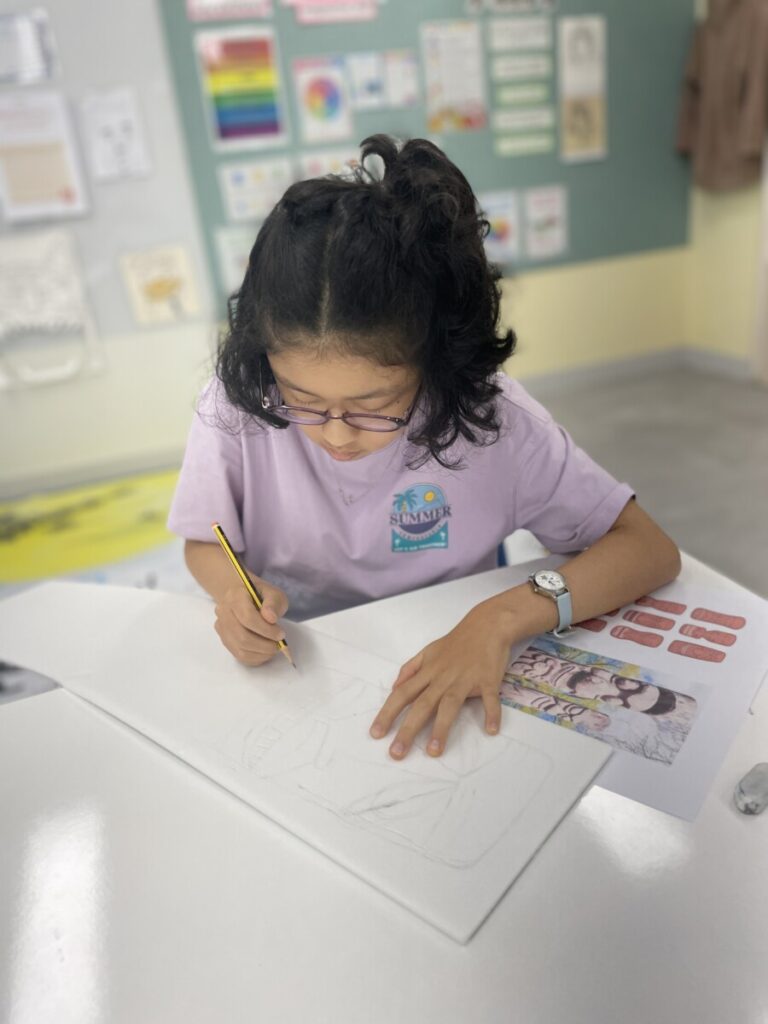
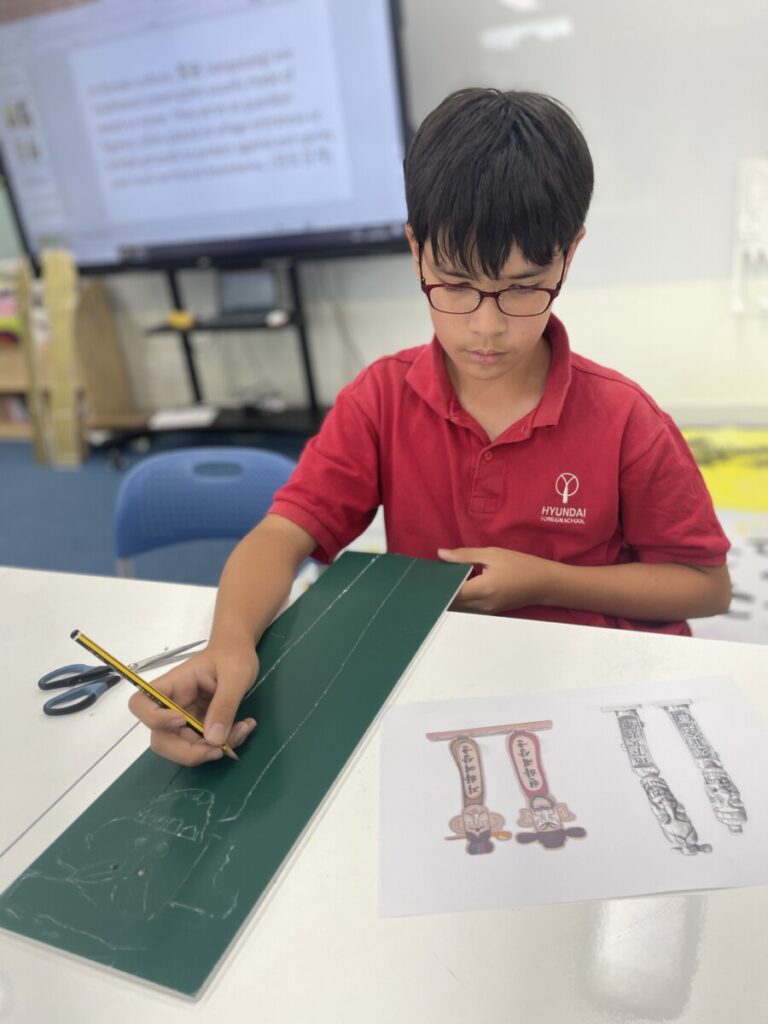
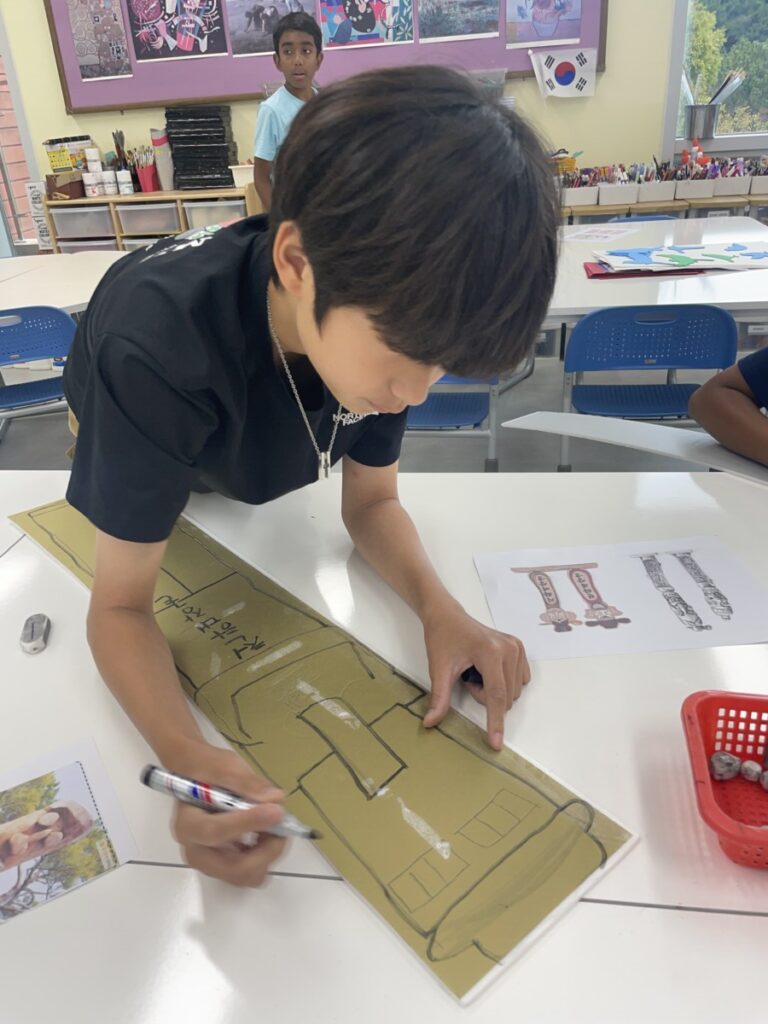
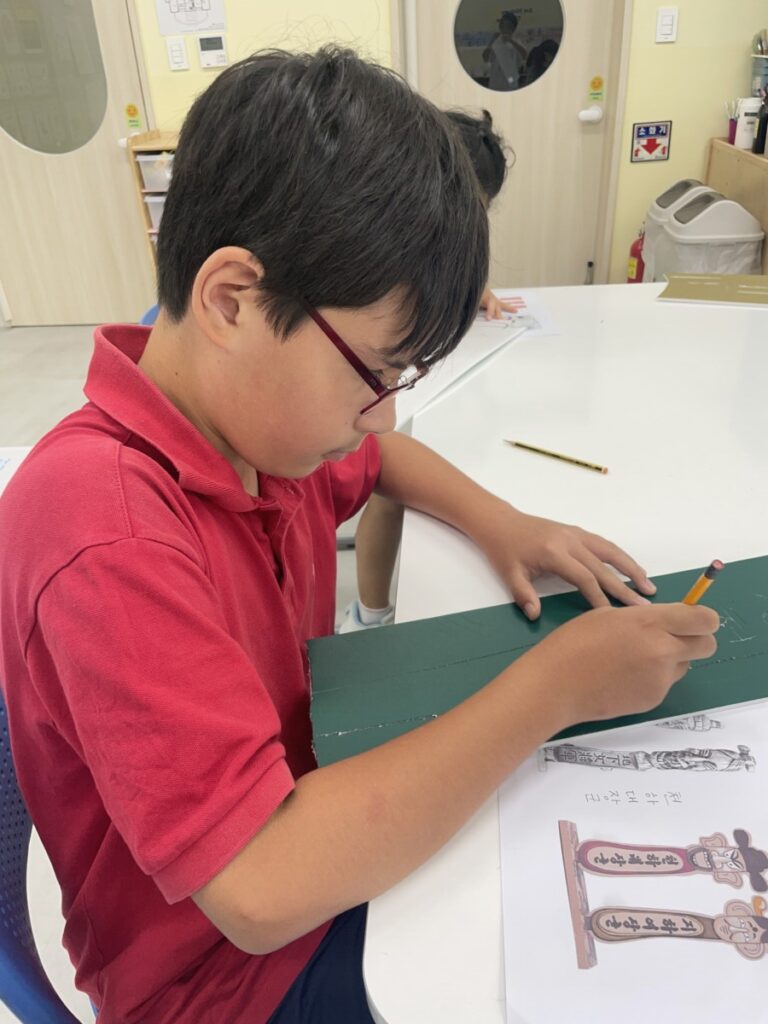
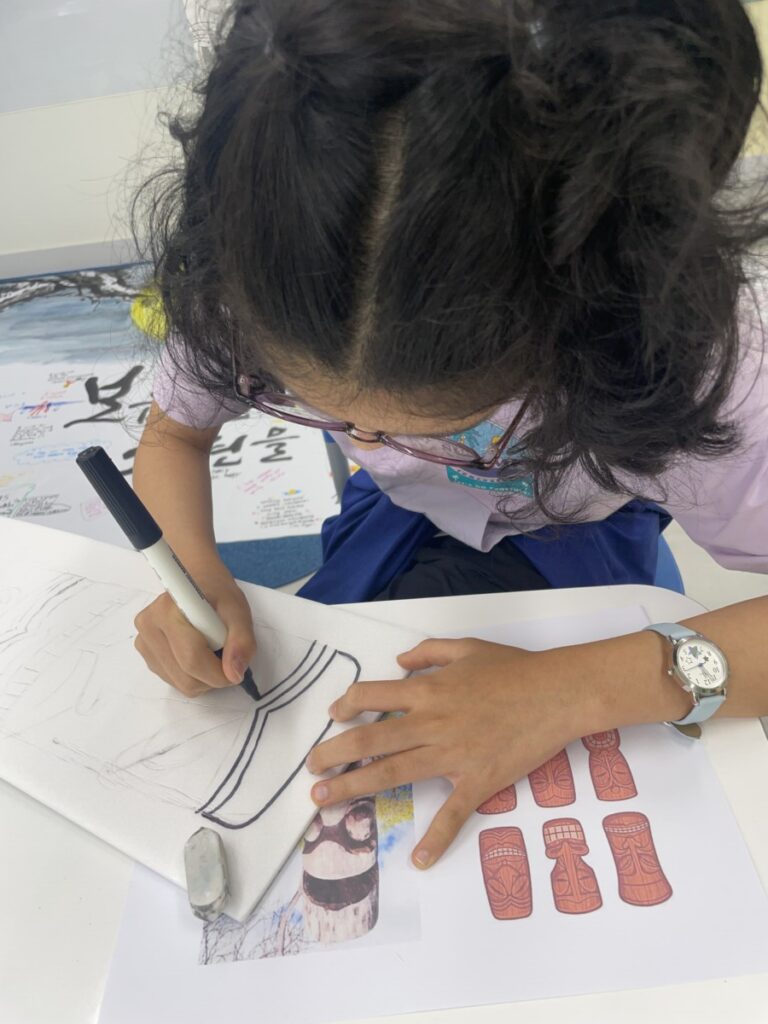
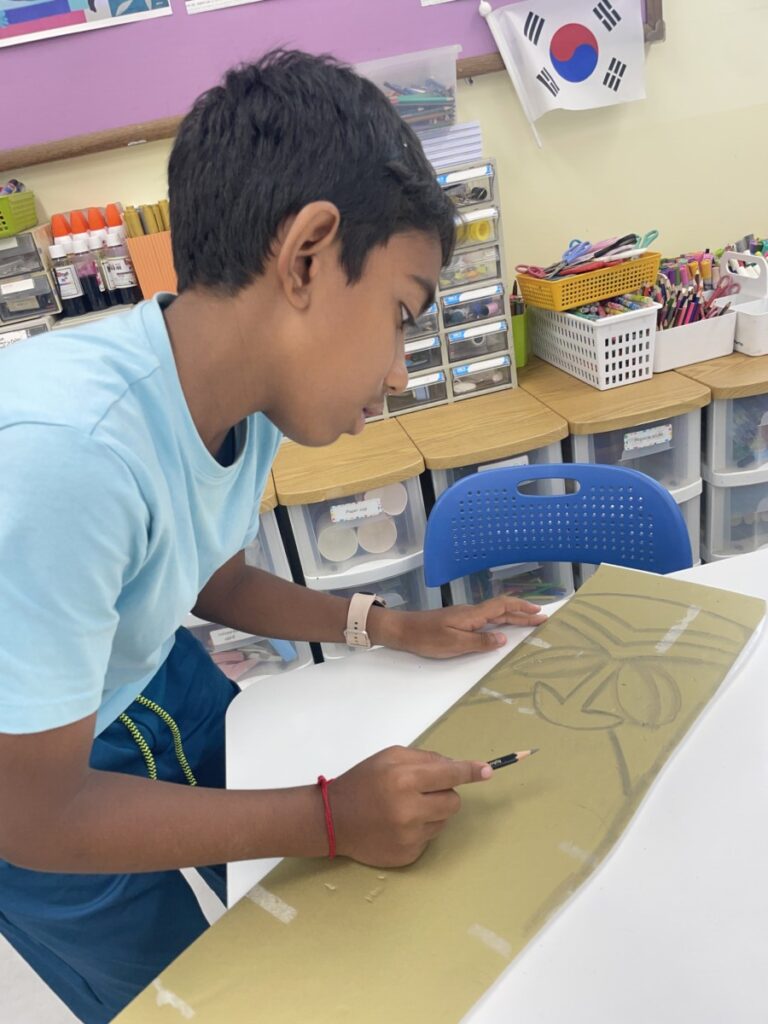
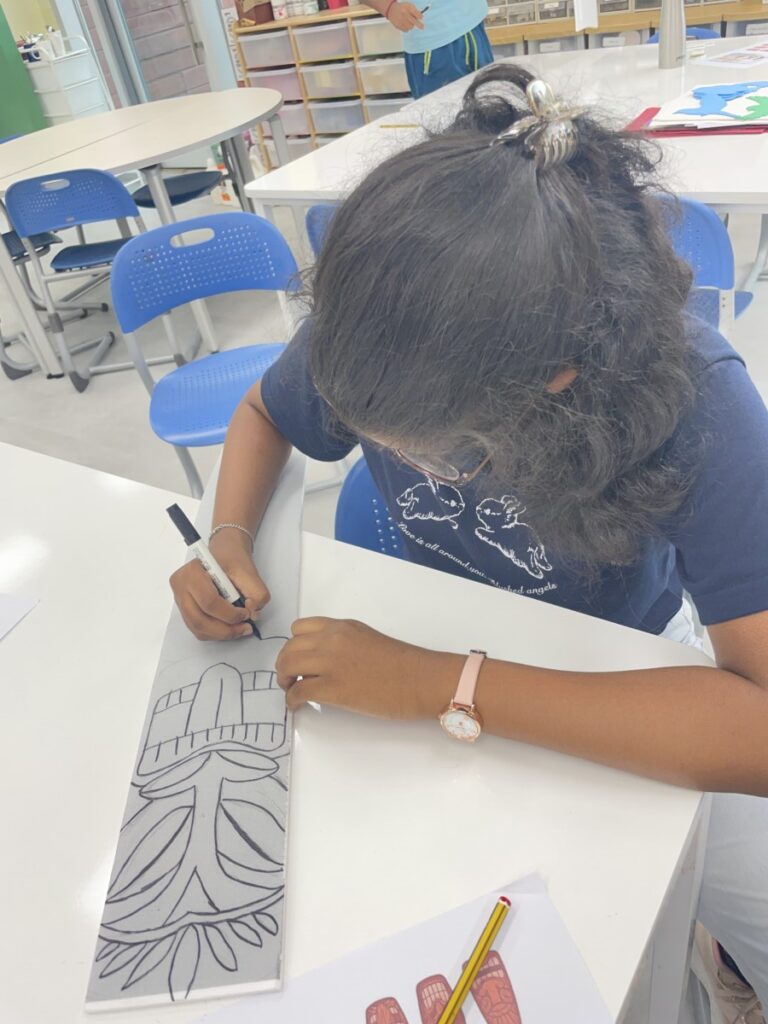
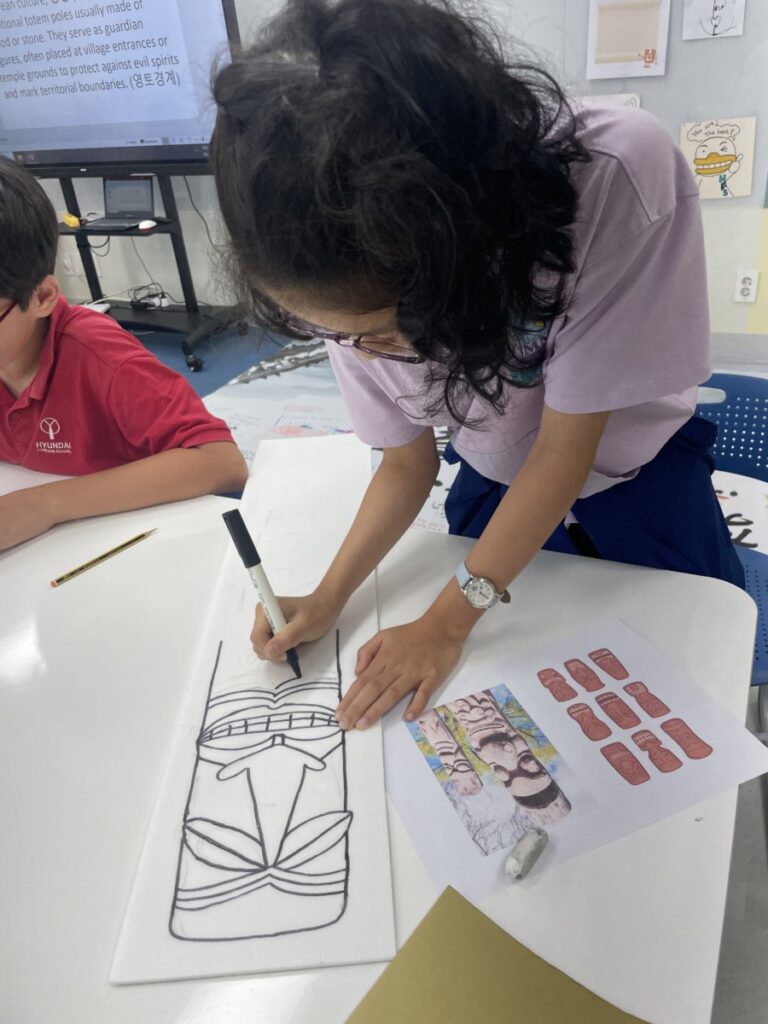
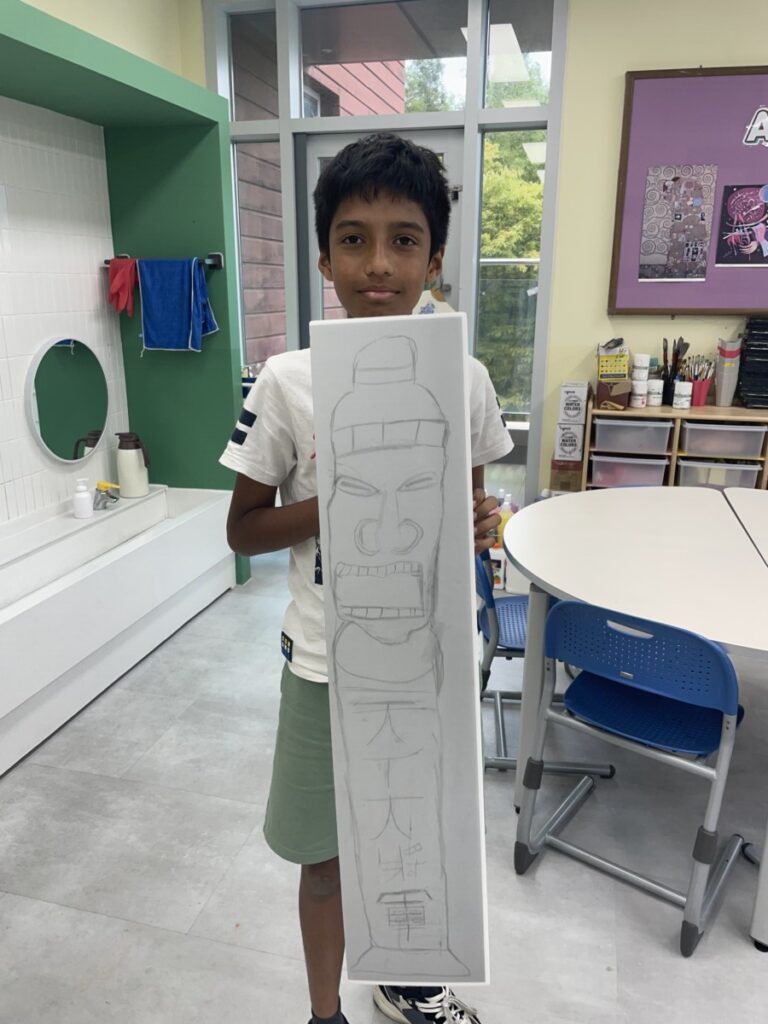
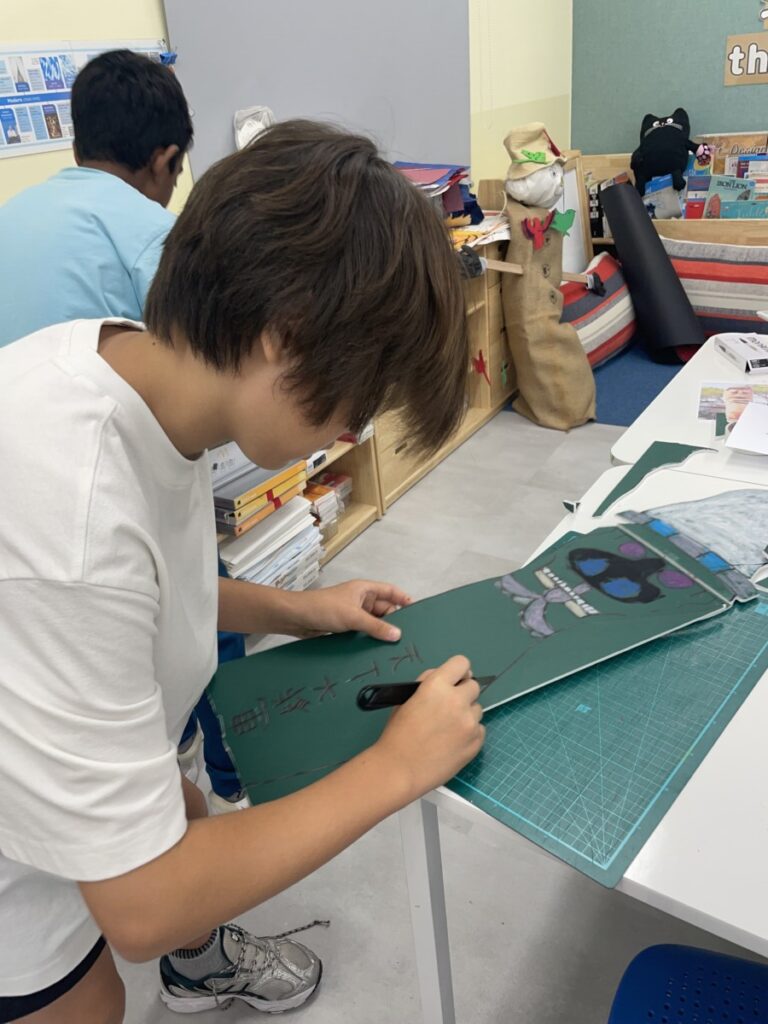
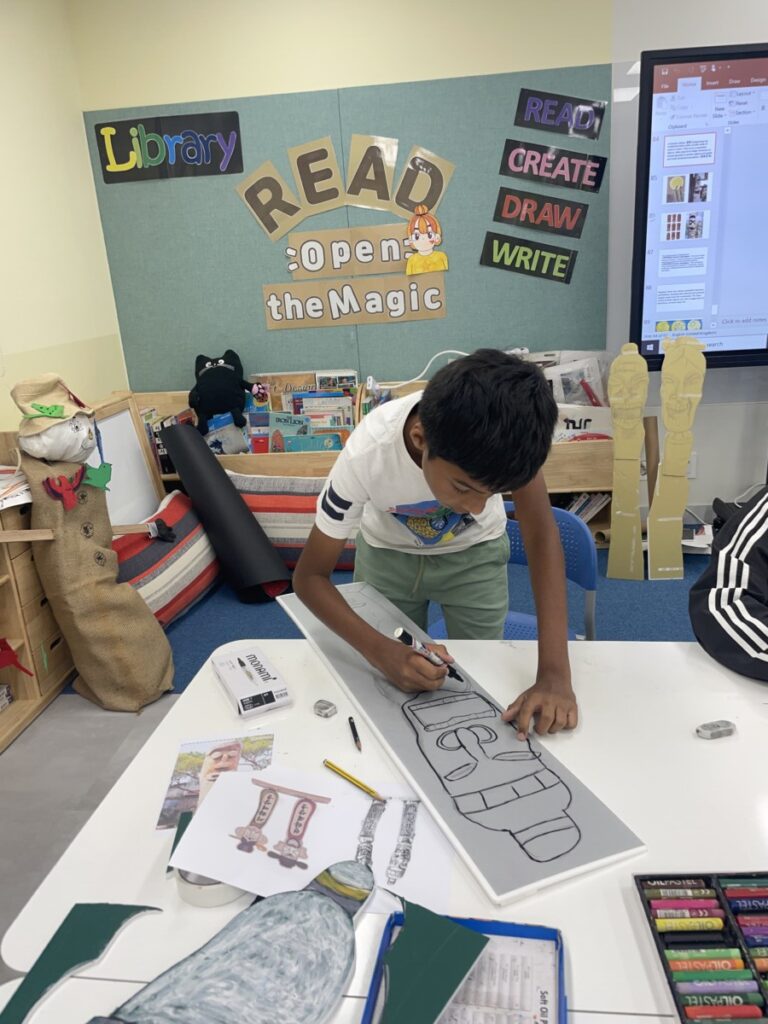
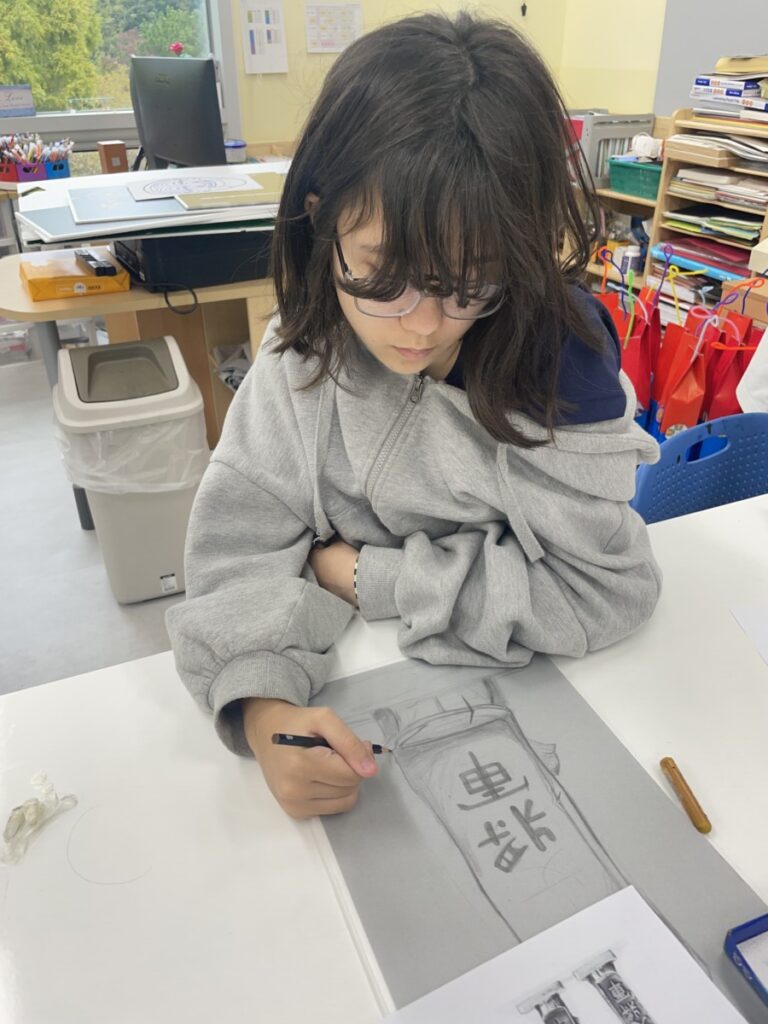
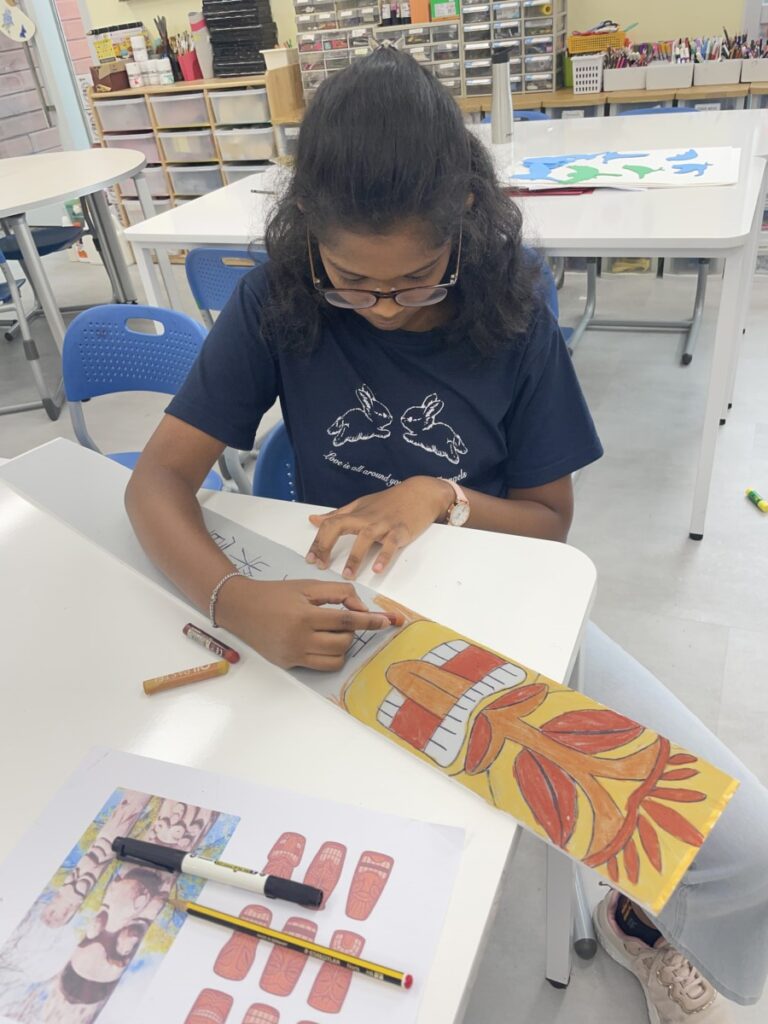
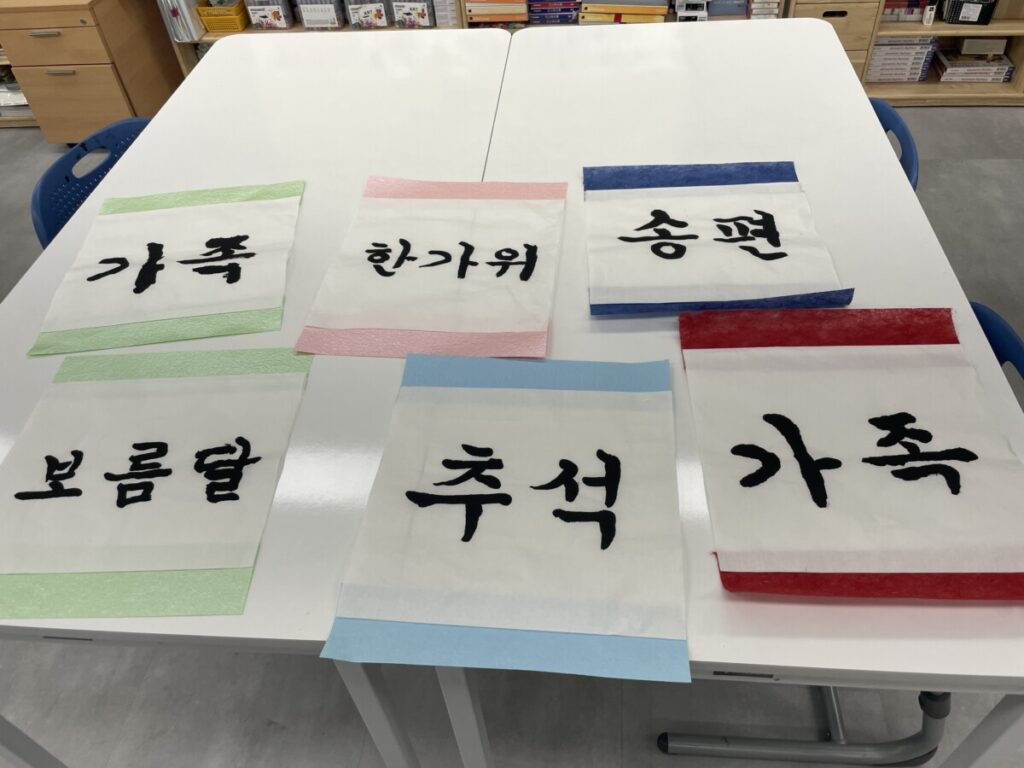
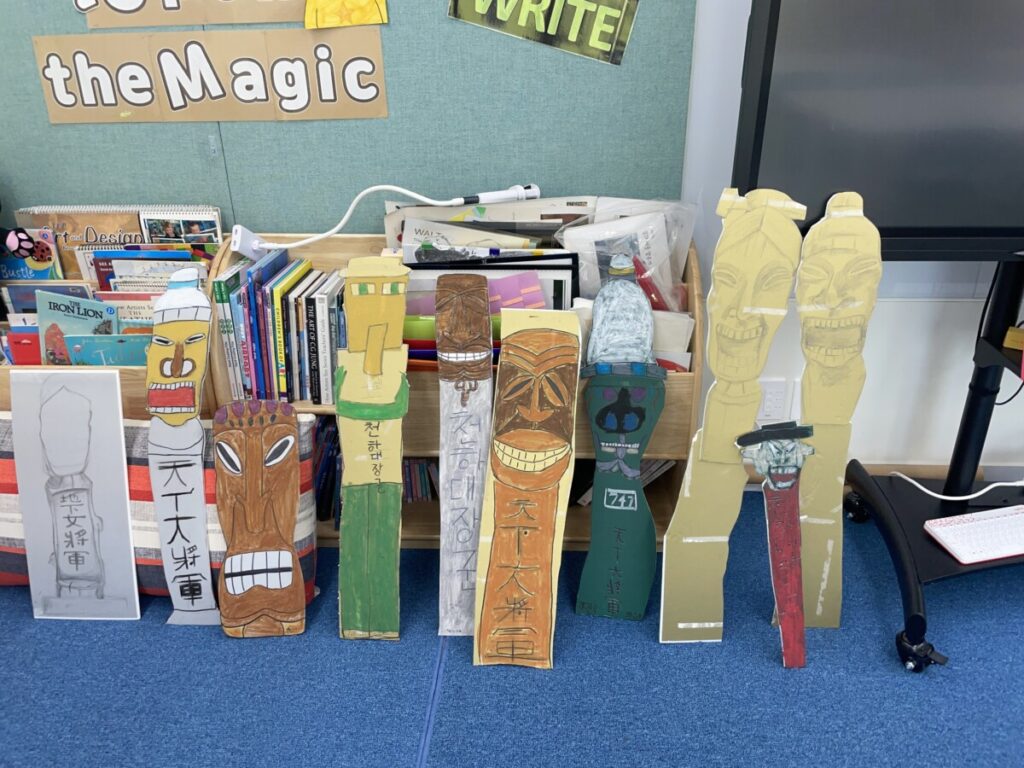
To celebrate Chuseok, we learned words related to the holiday such as Chuseok, family, full moon, wish, and Hangawi. The children practiced writing these words with a traditional Korean brush, gaining a deeper understanding of Korean culture. We also explored the meaning of Jangseung (traditional totem poles) and each student expressed their own interpretation by creating character drawings of Jangseung. I hope this time helped the children build a stronger appreciation and understanding of Korean culture.

Y1-2 Art Class Update T1-W3

Year 1-2 students took part in a special art activity to celebrate the upcoming Chuseok holiday.

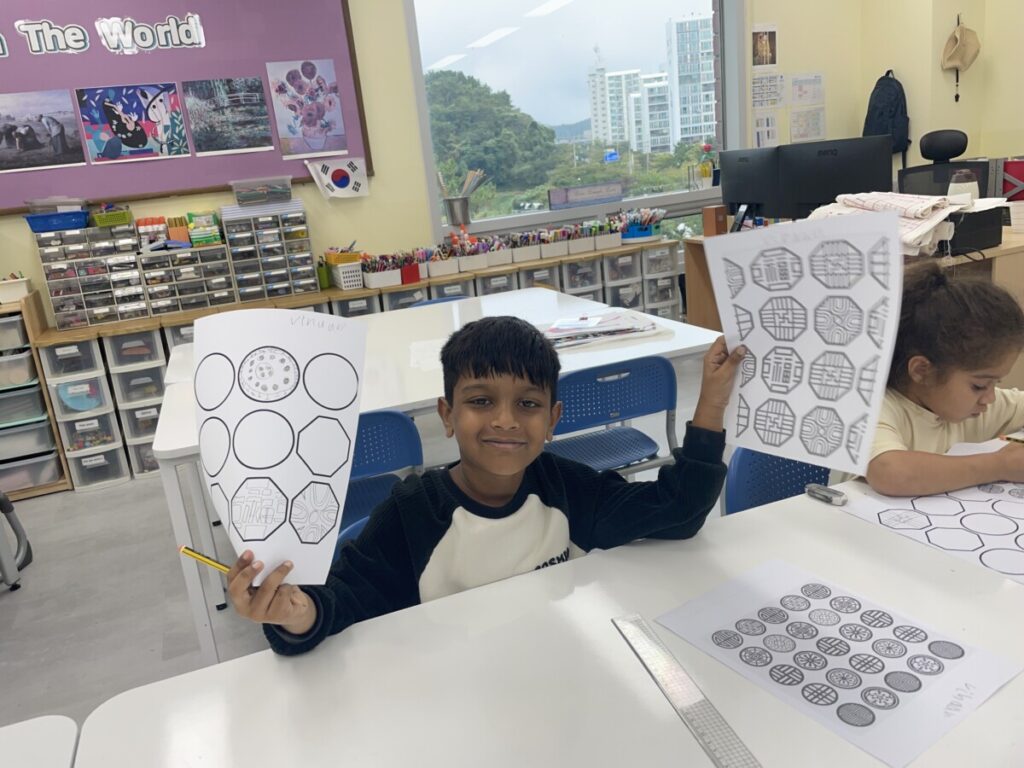
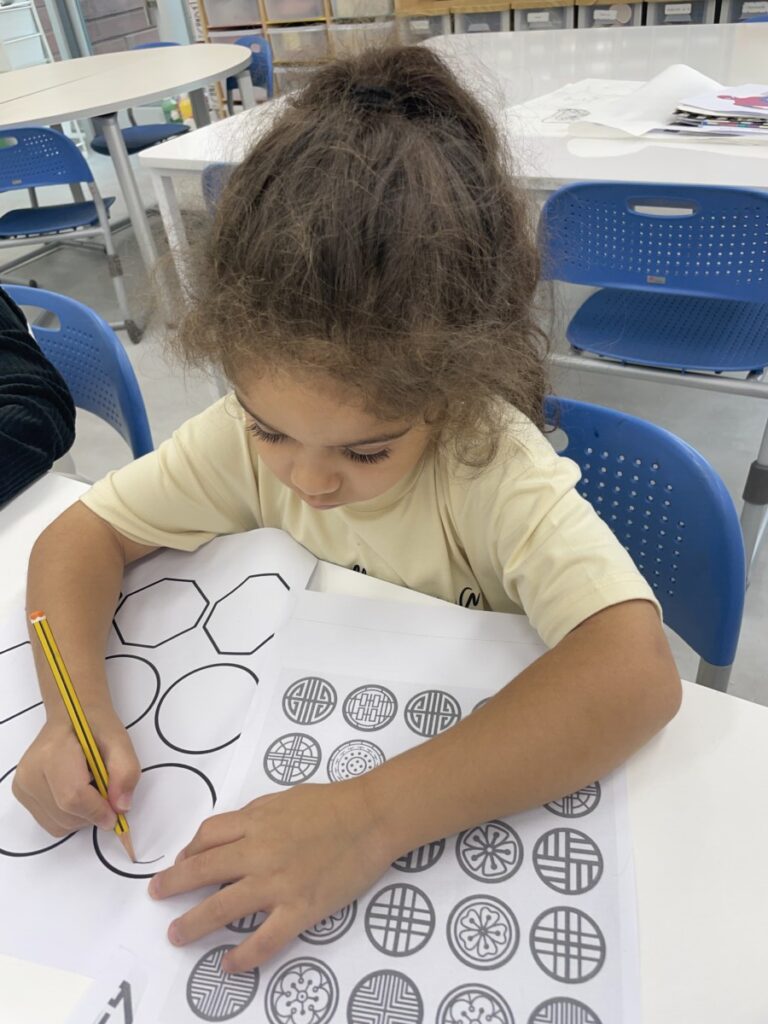
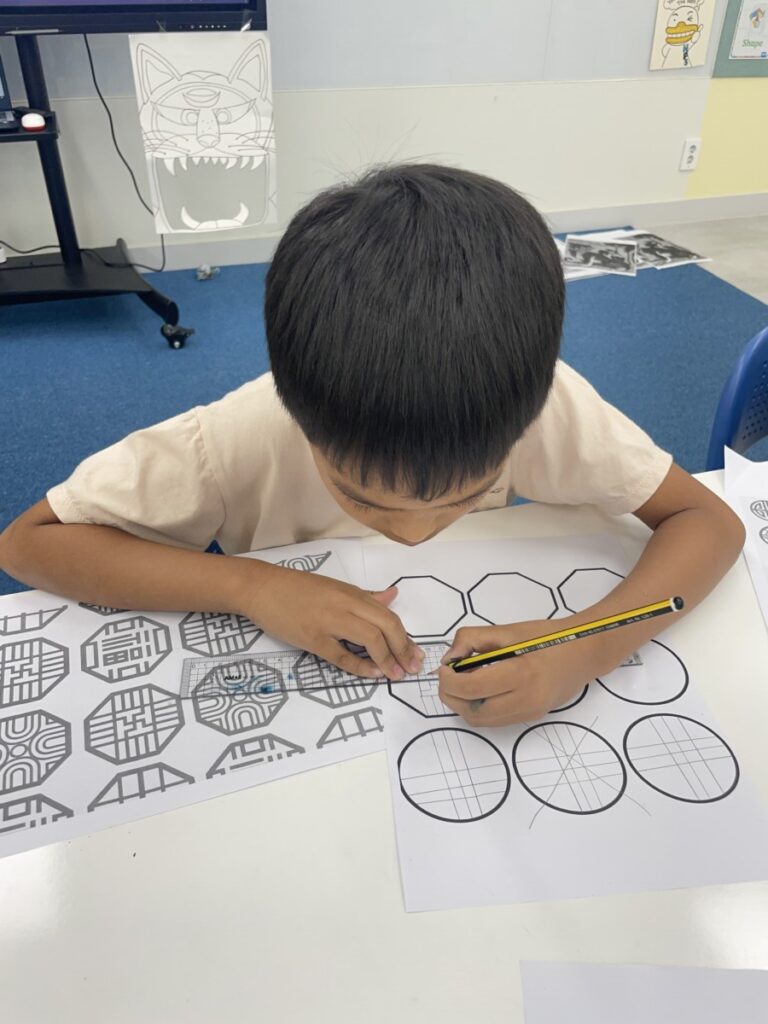
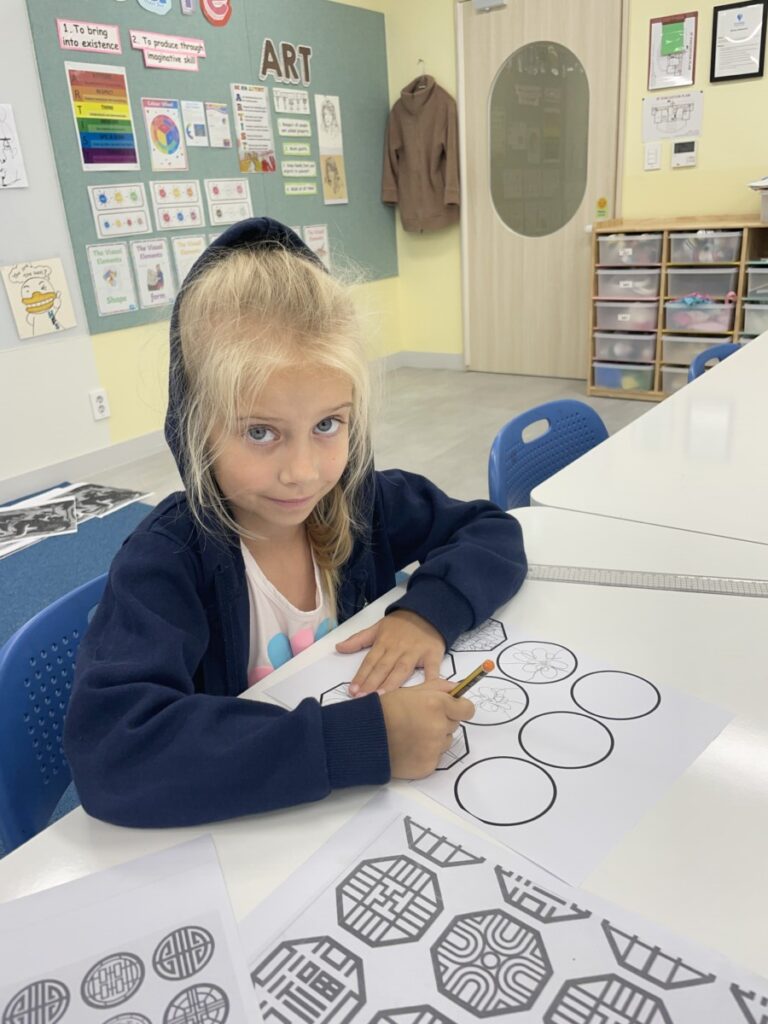
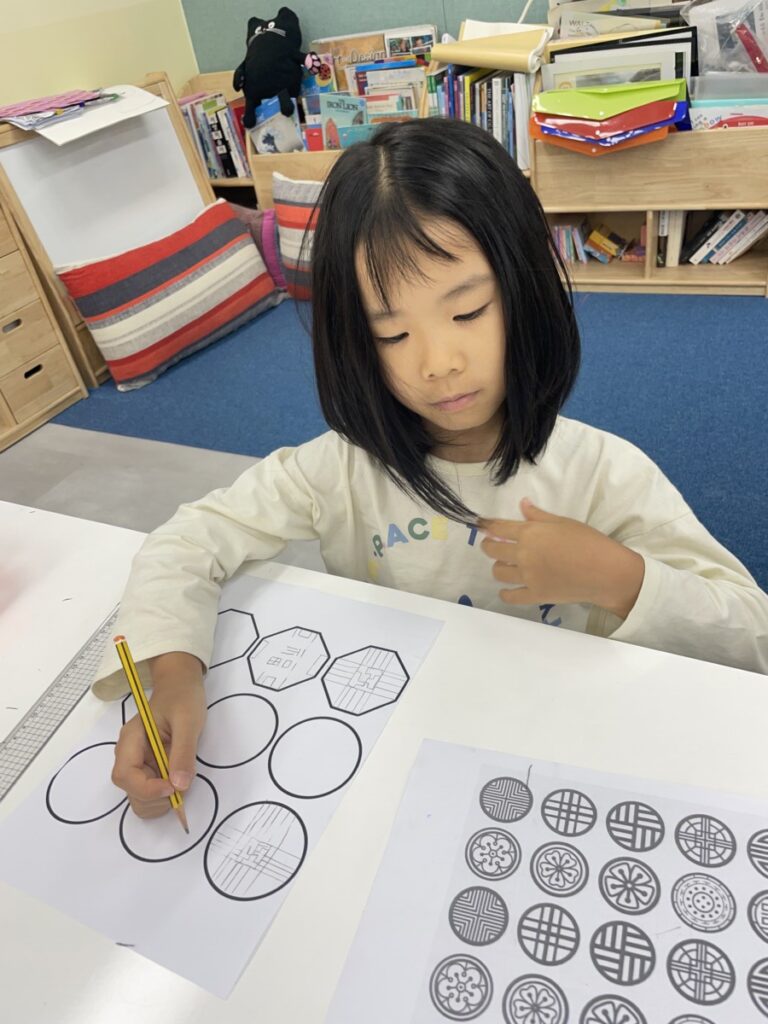
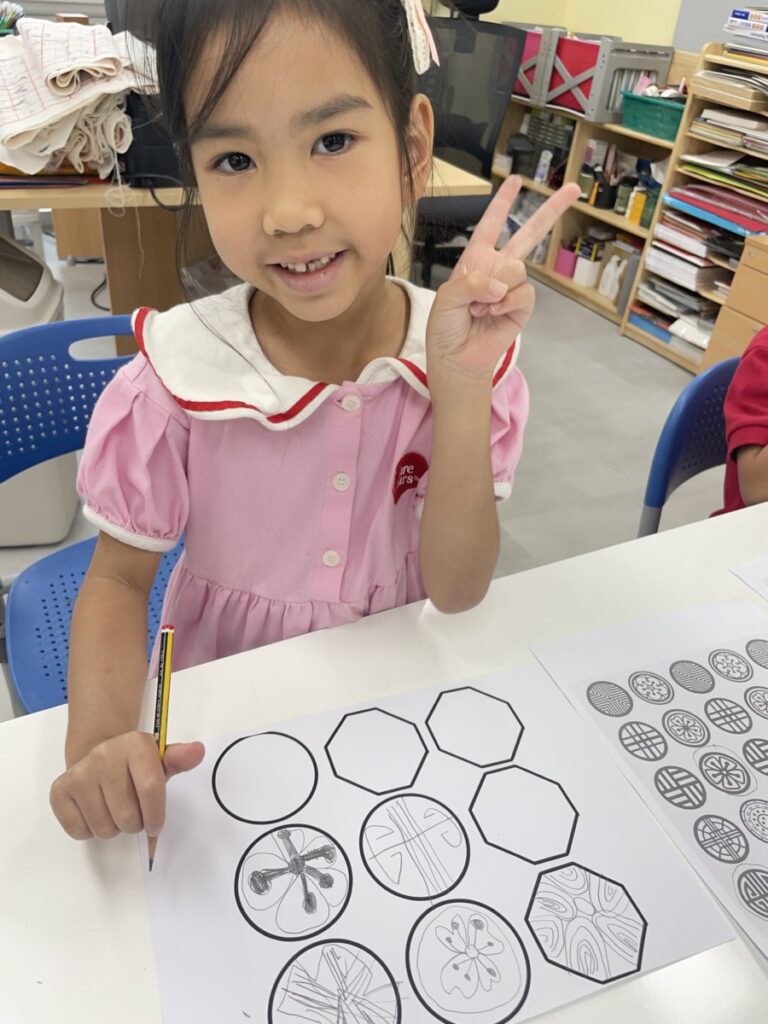
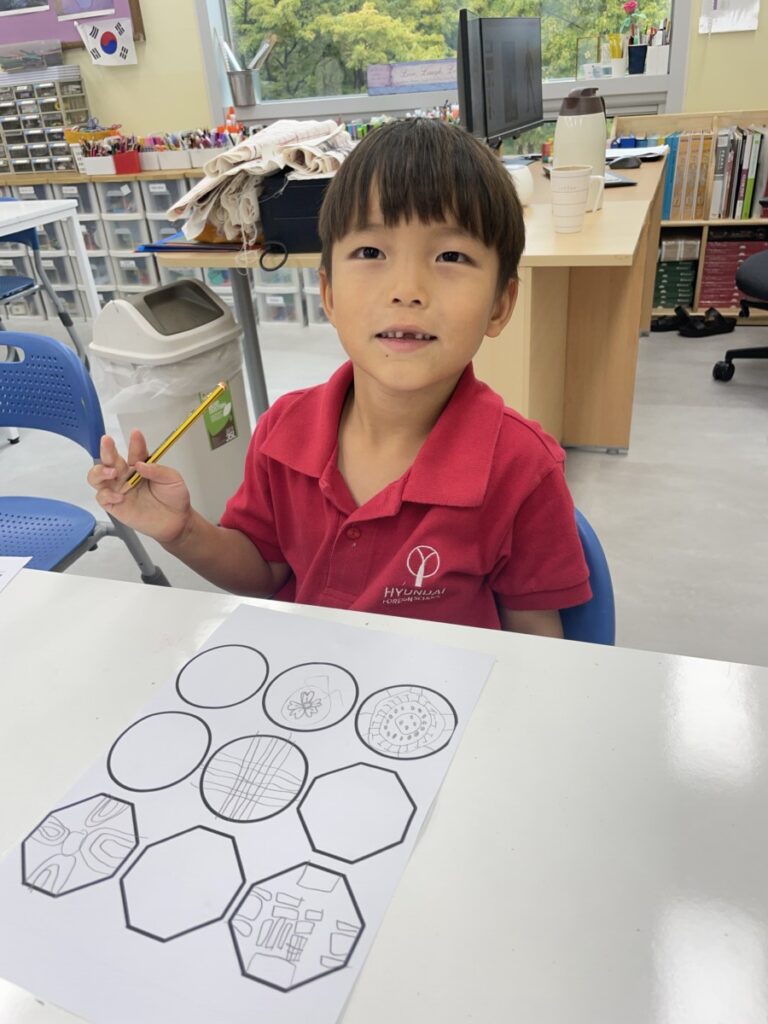
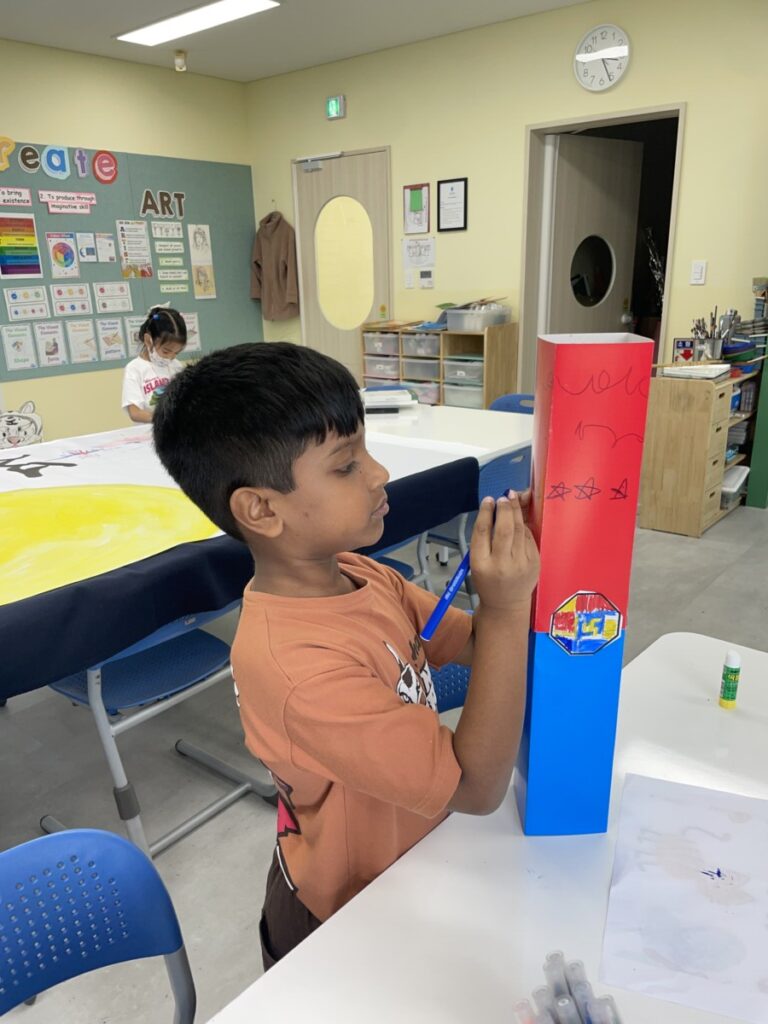
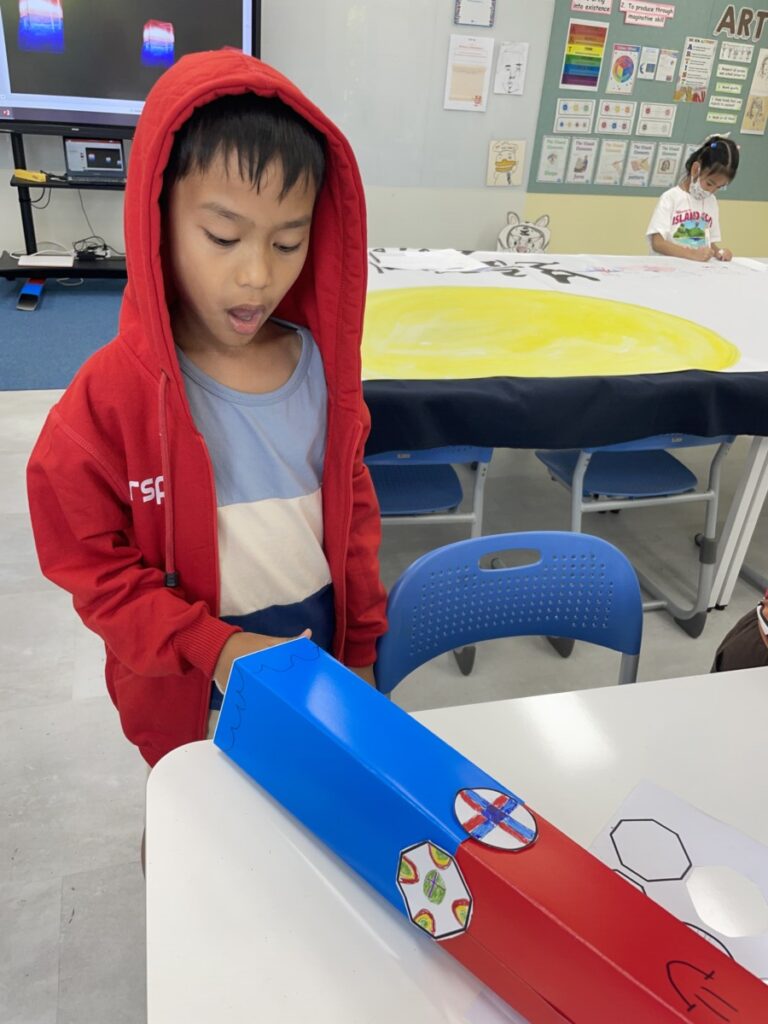
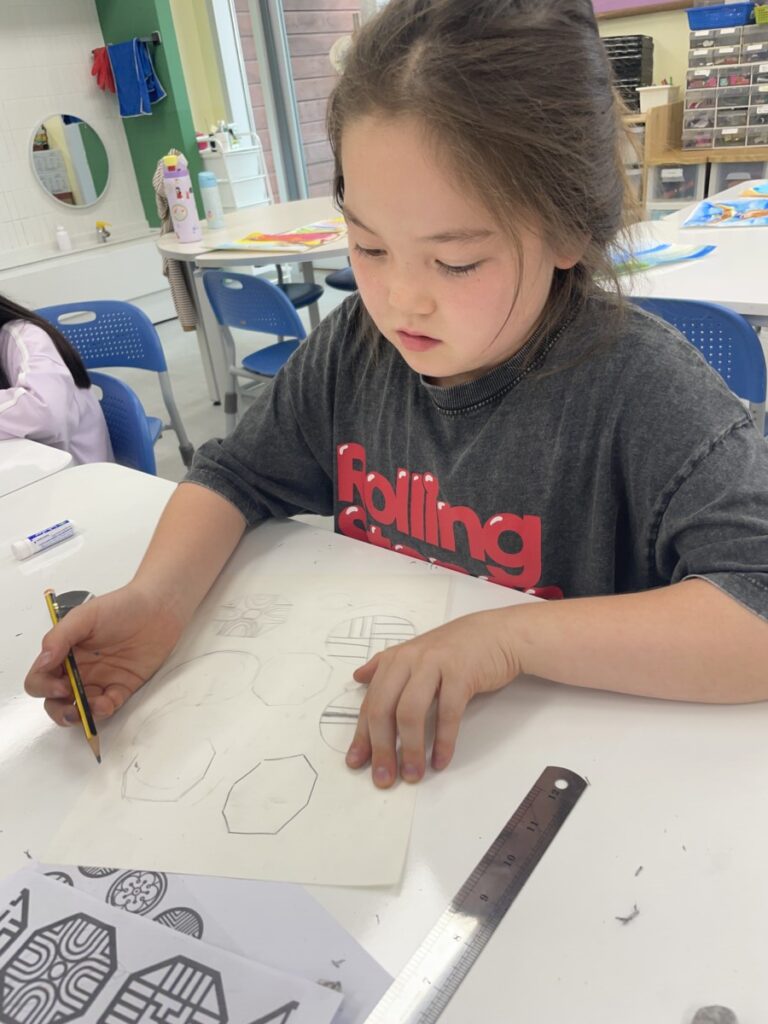
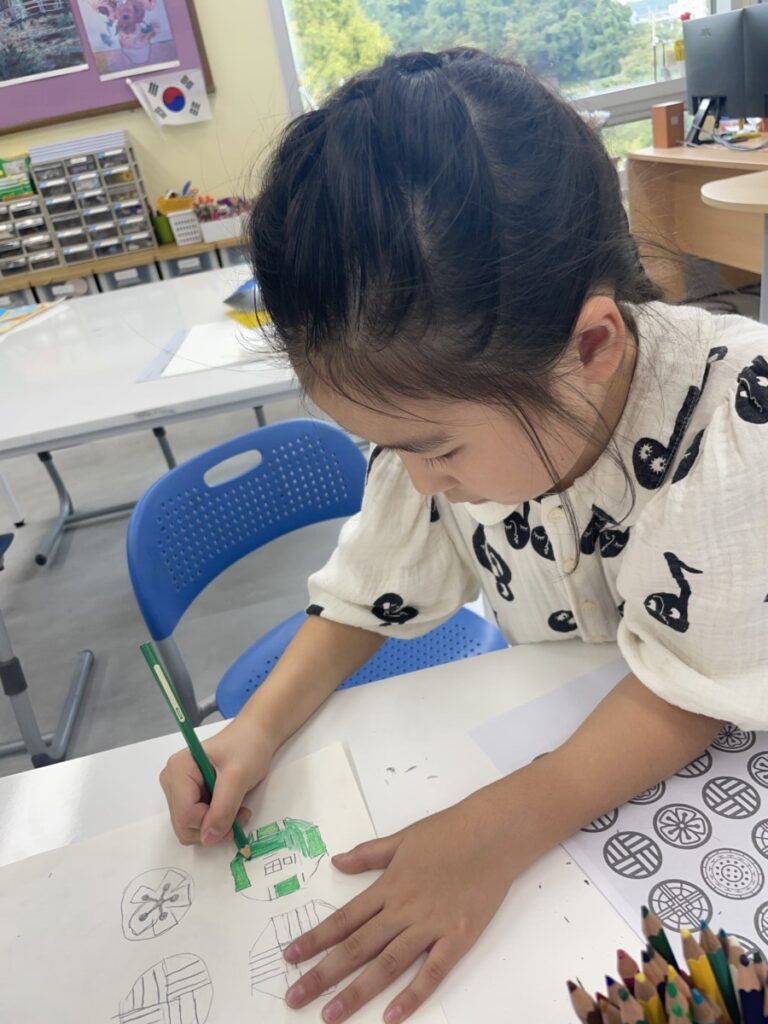
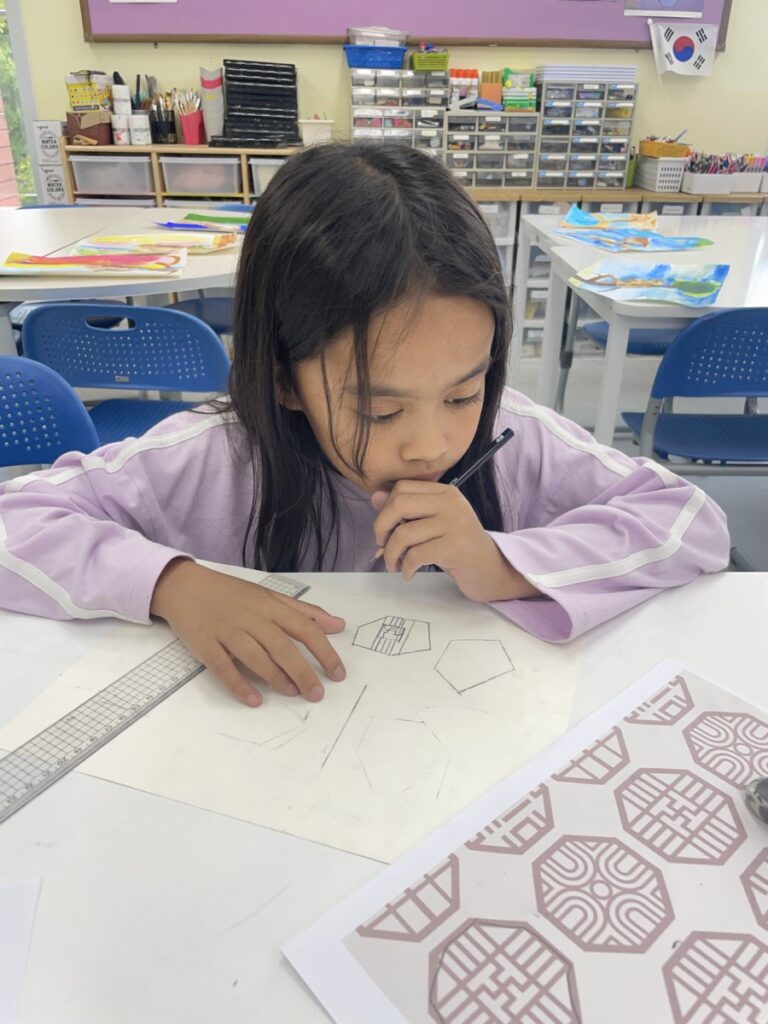
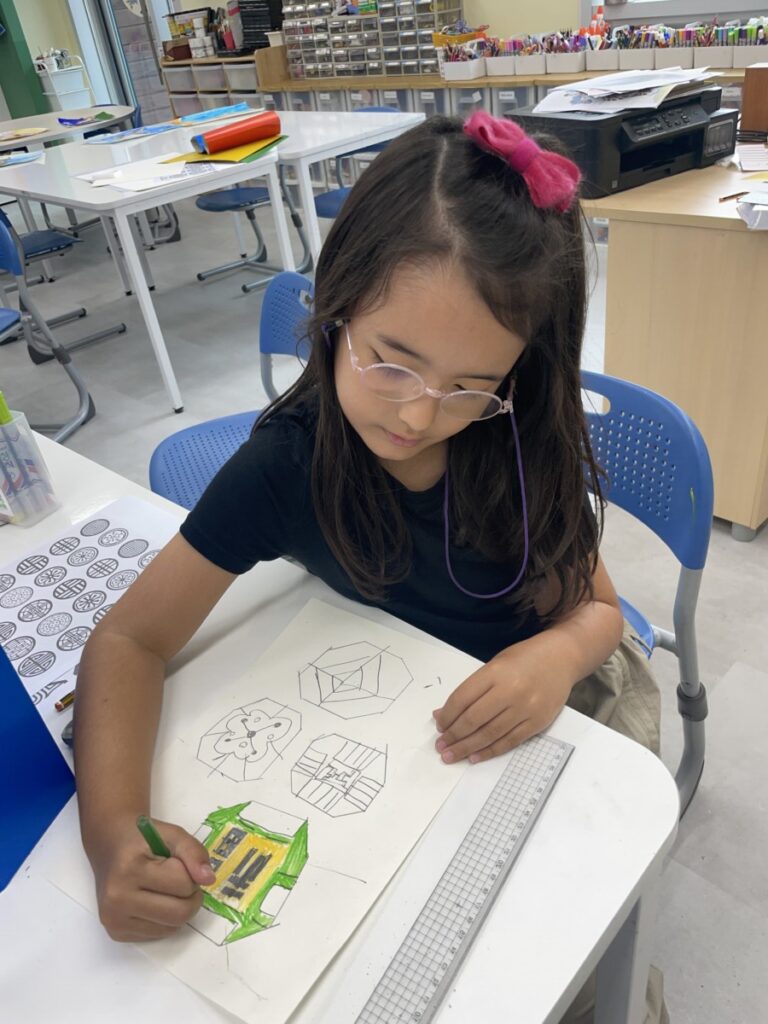
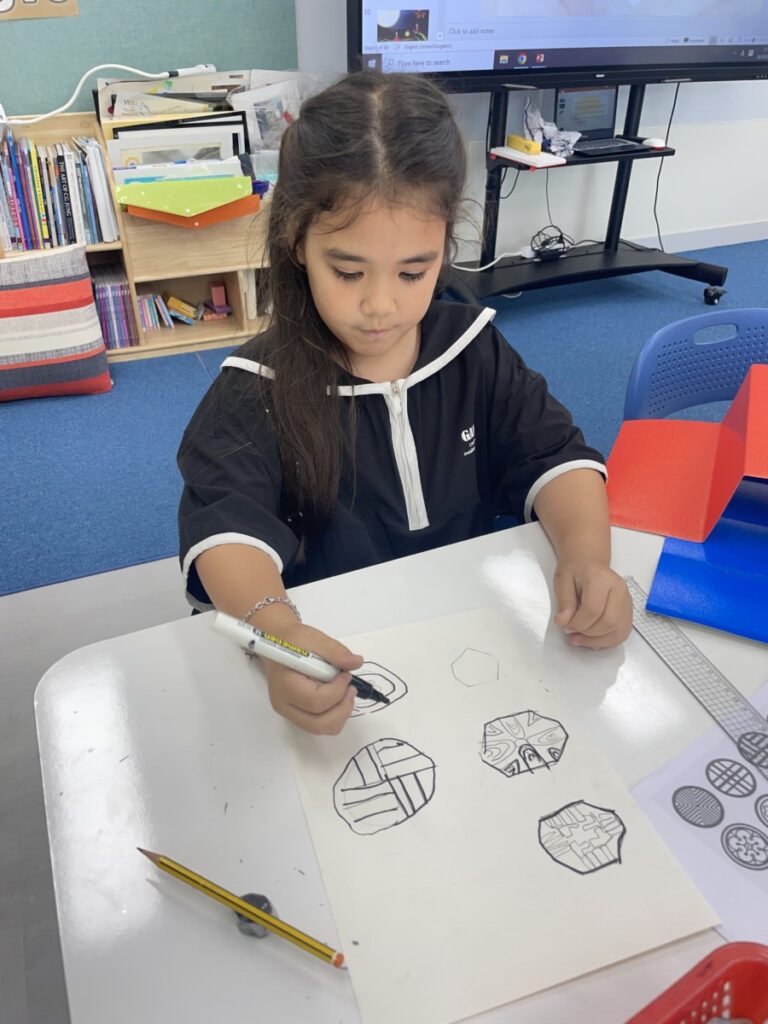
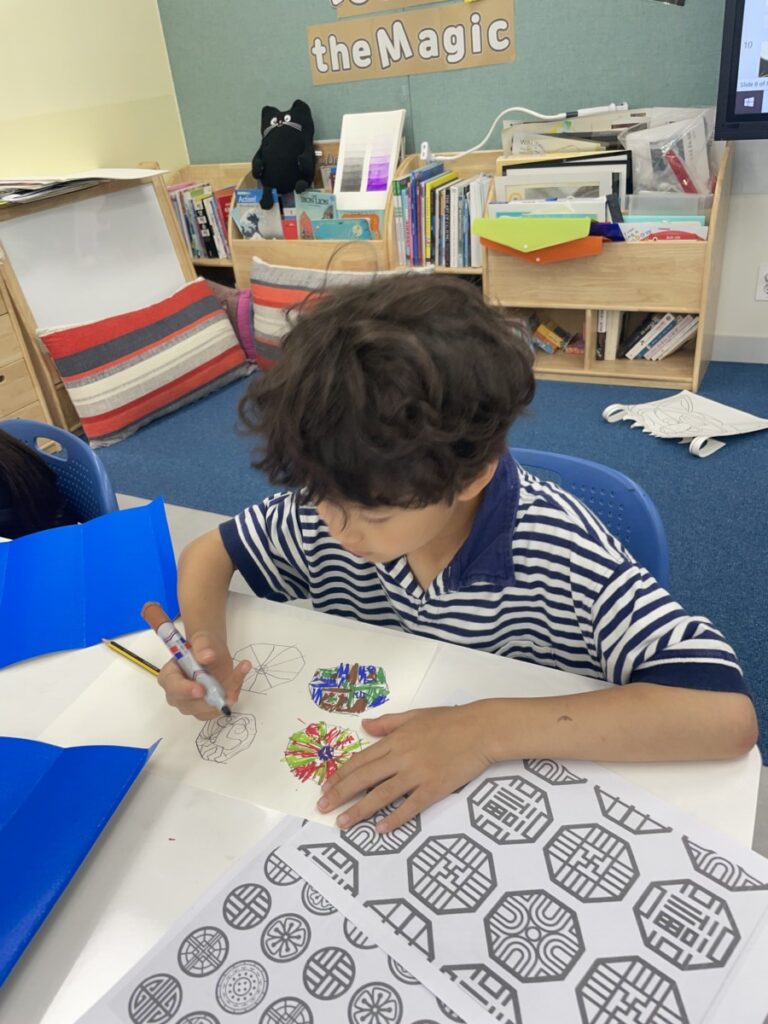
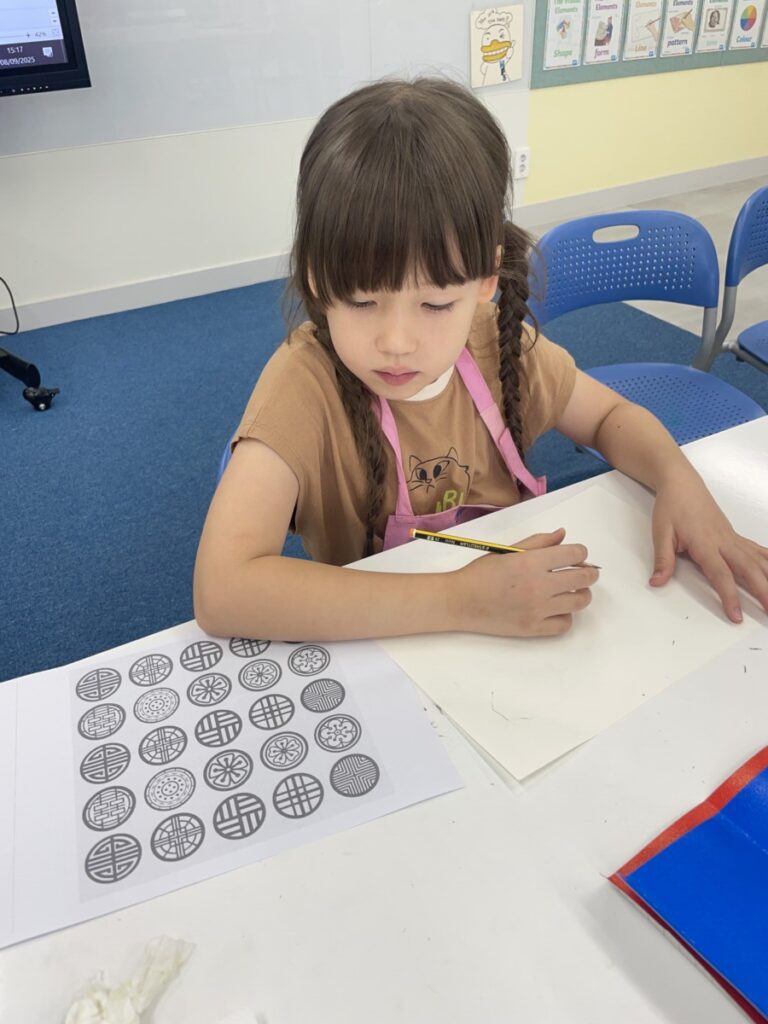
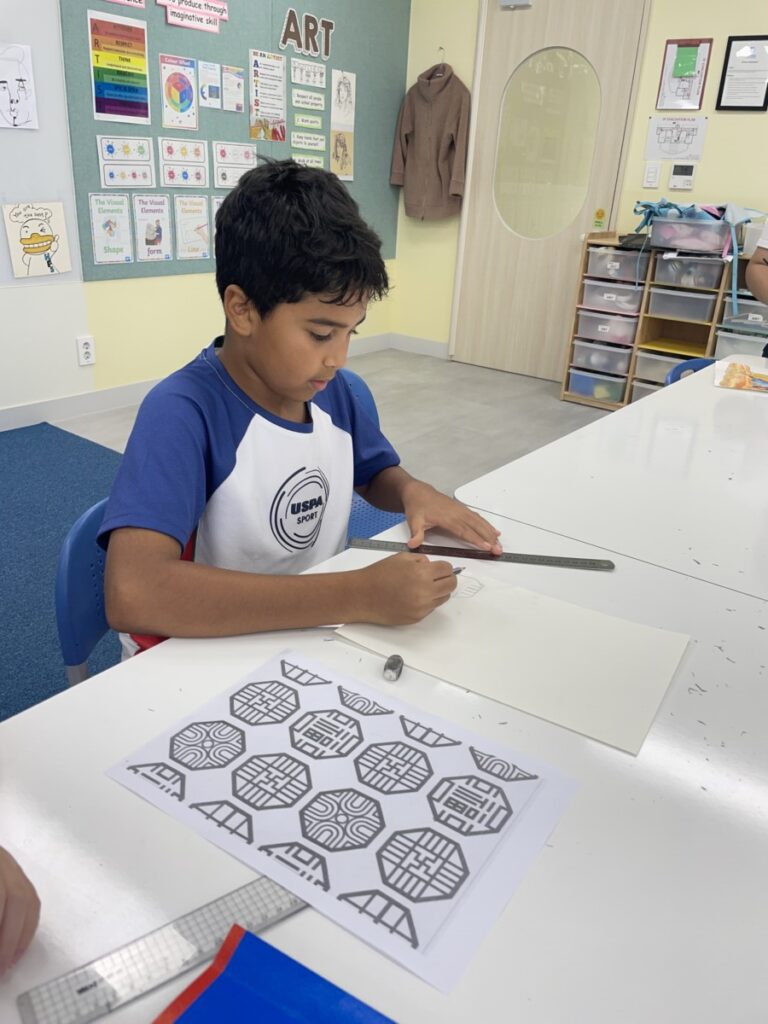
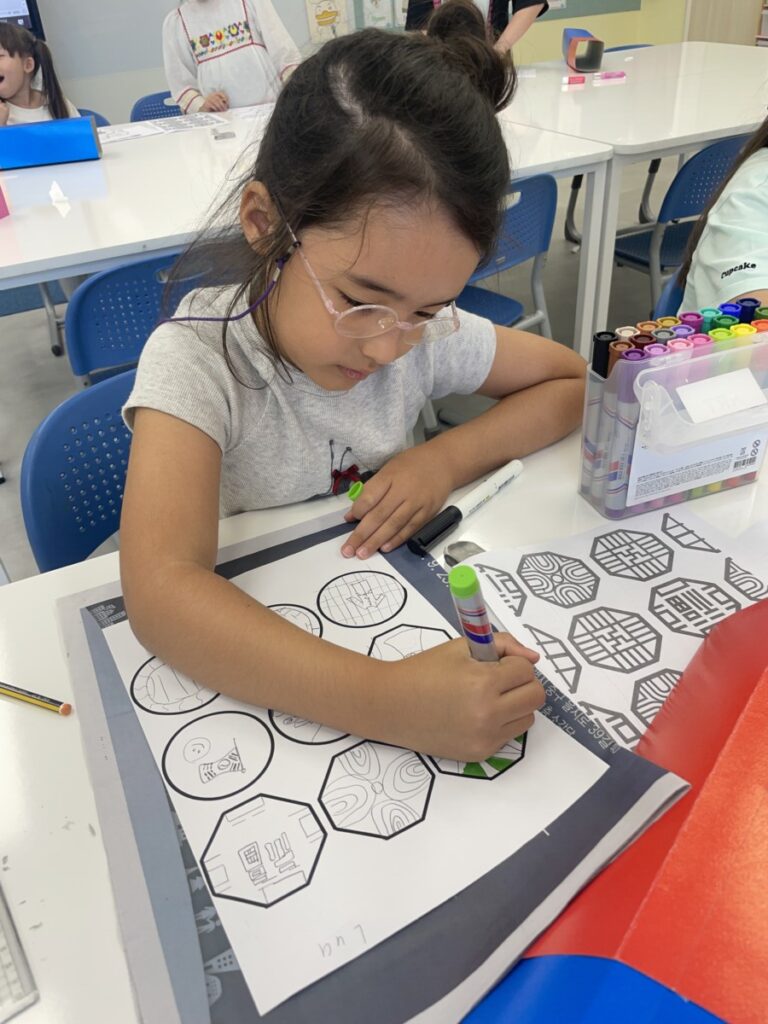
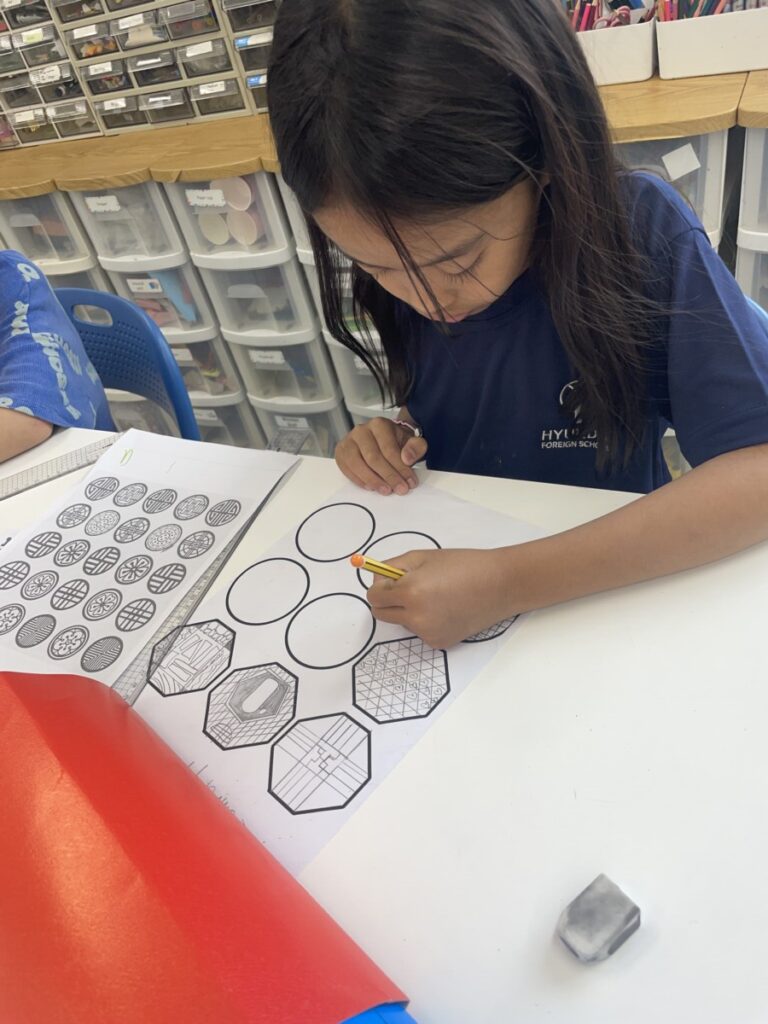
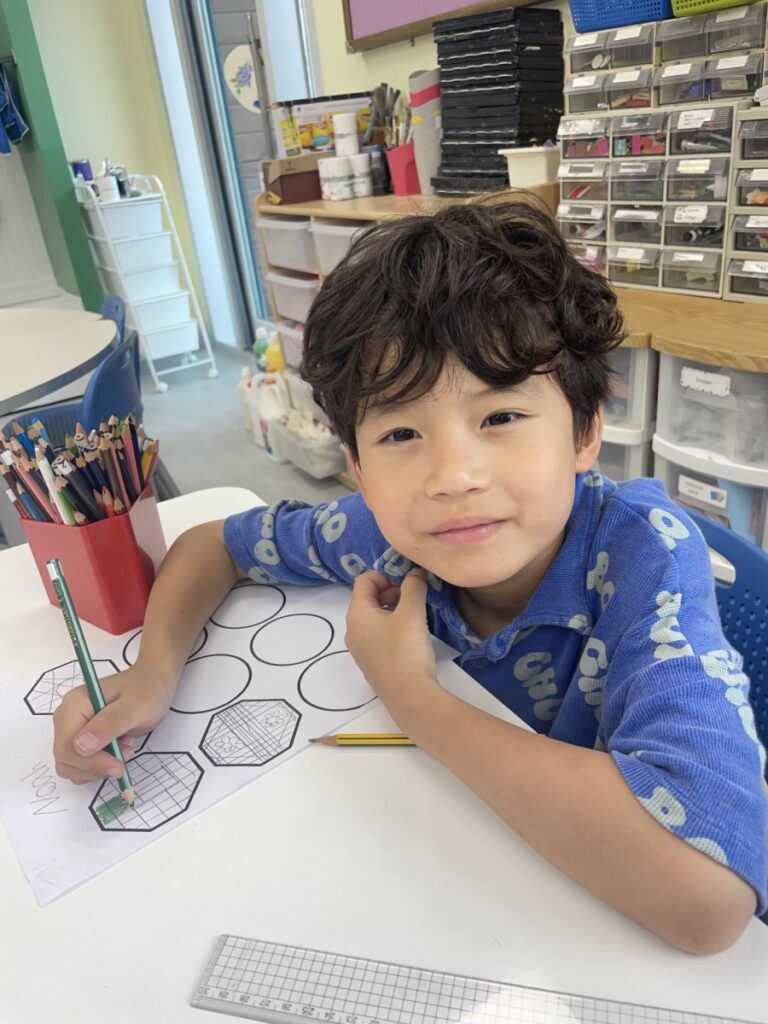
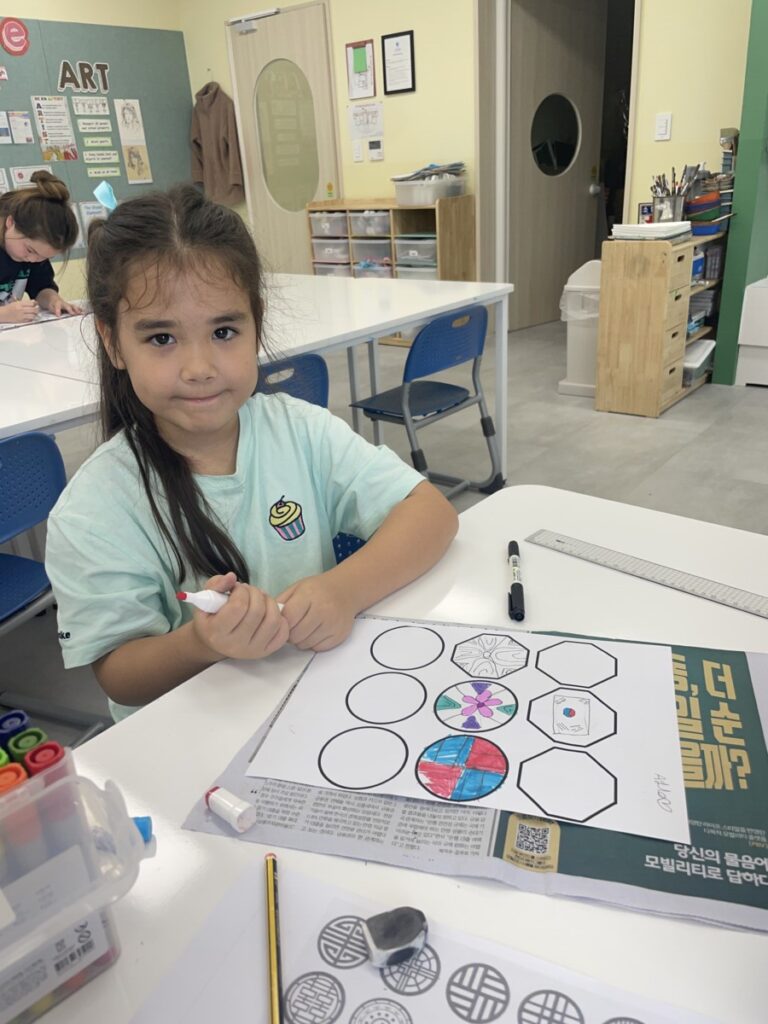
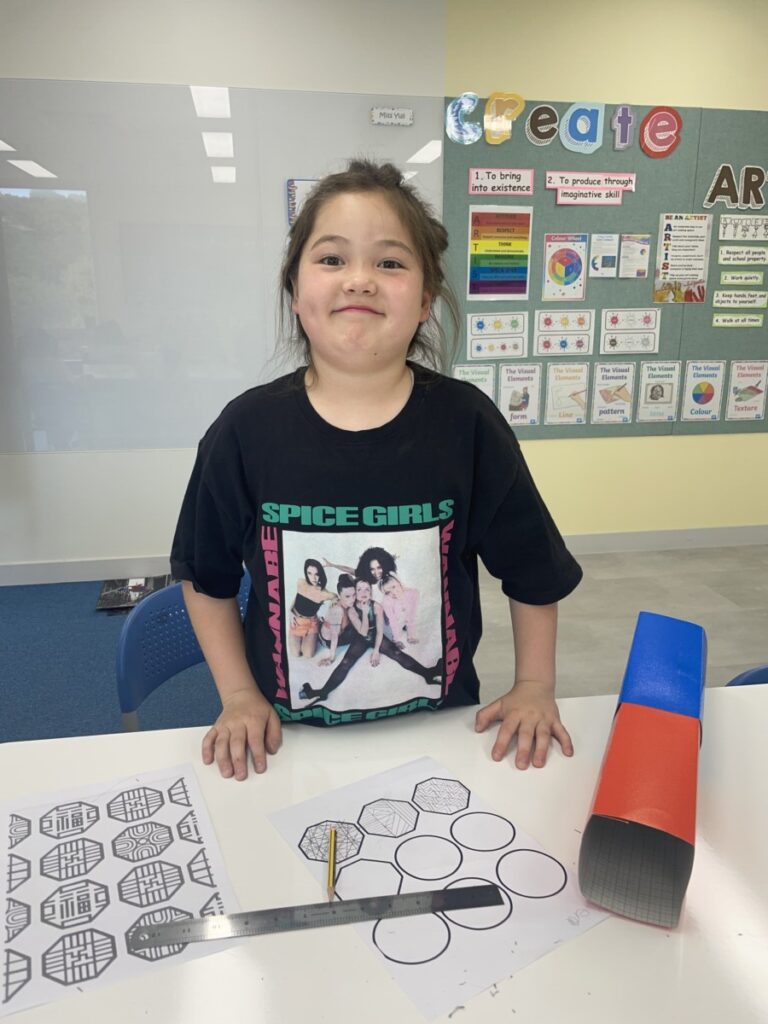
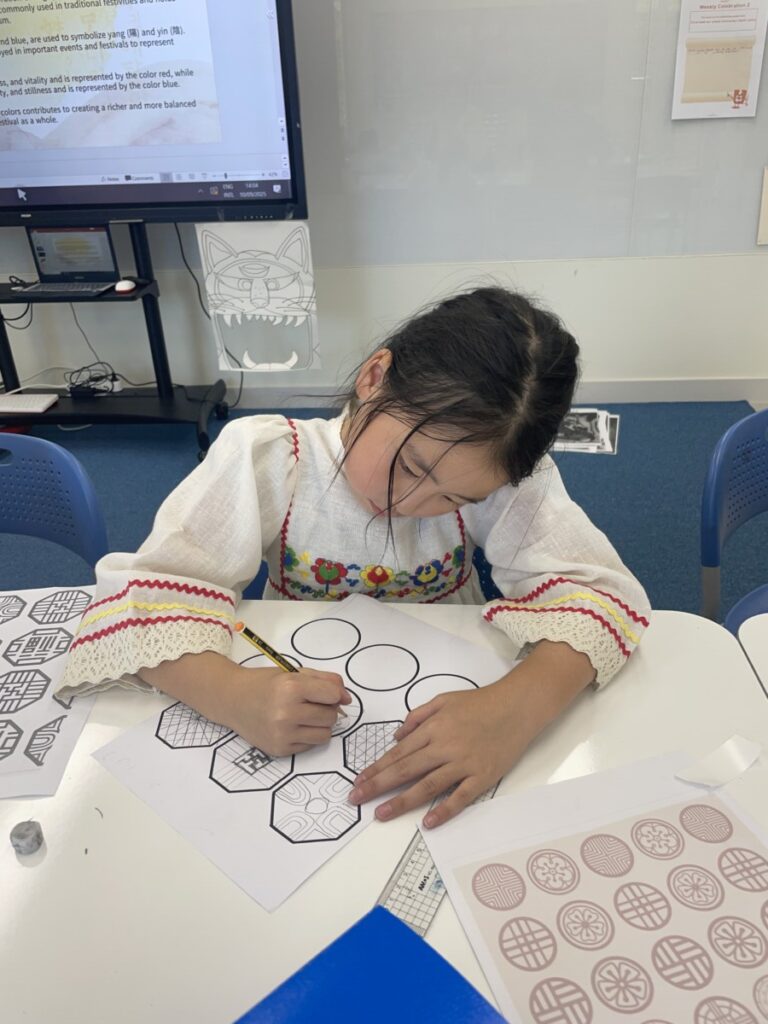
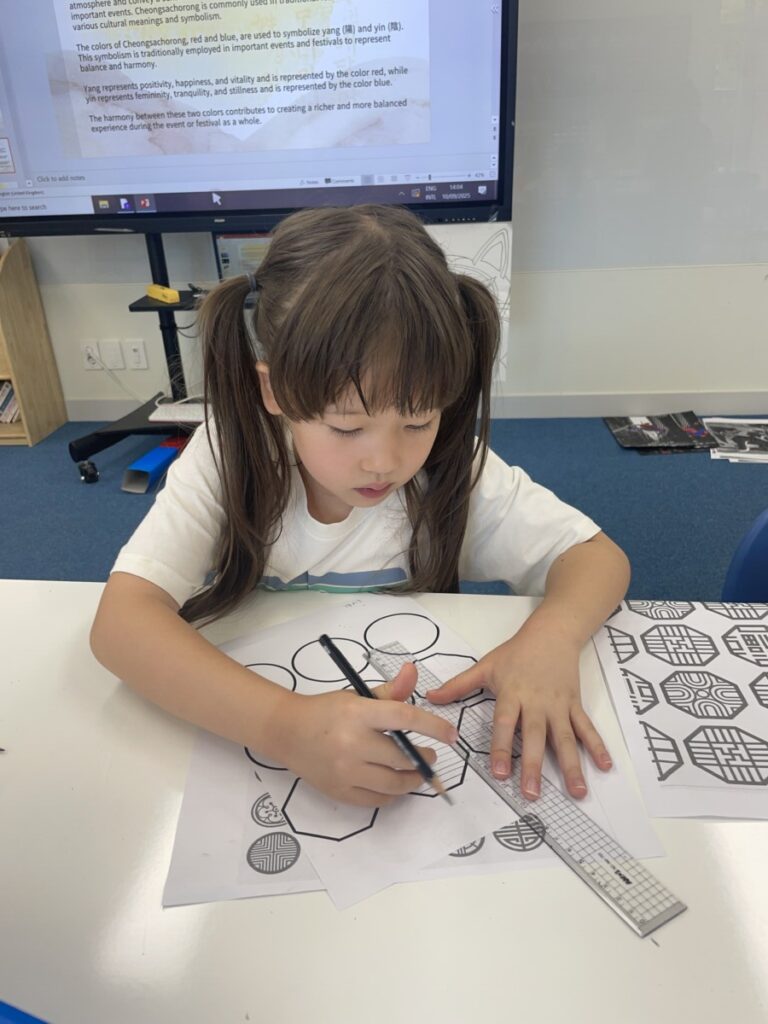
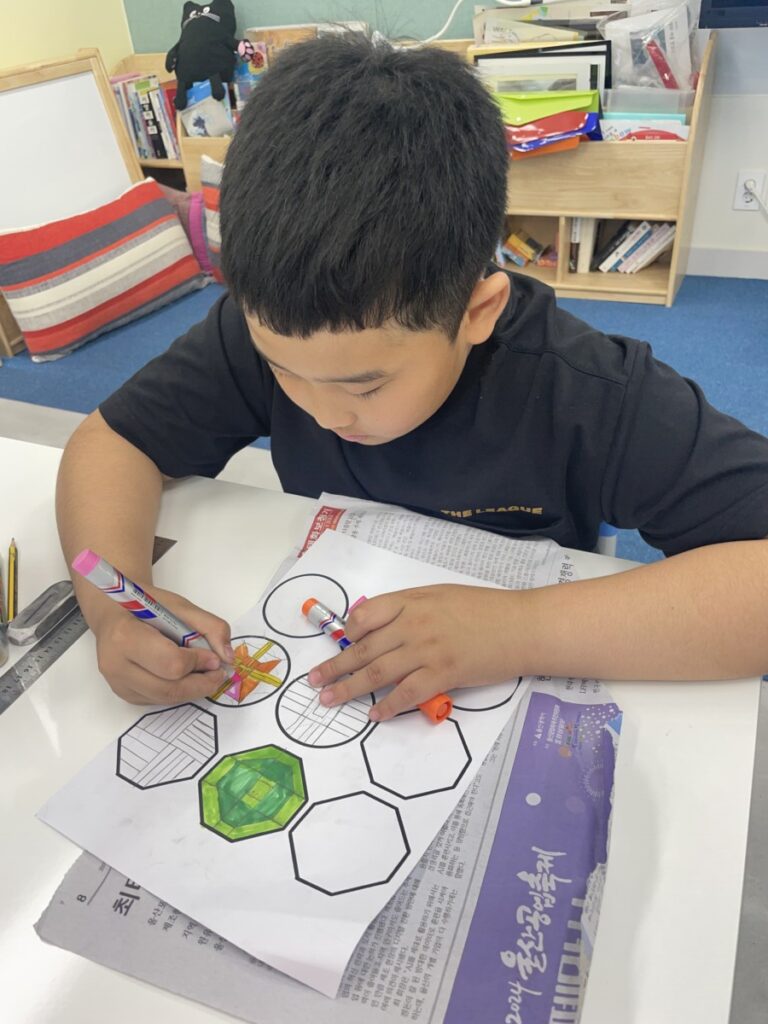
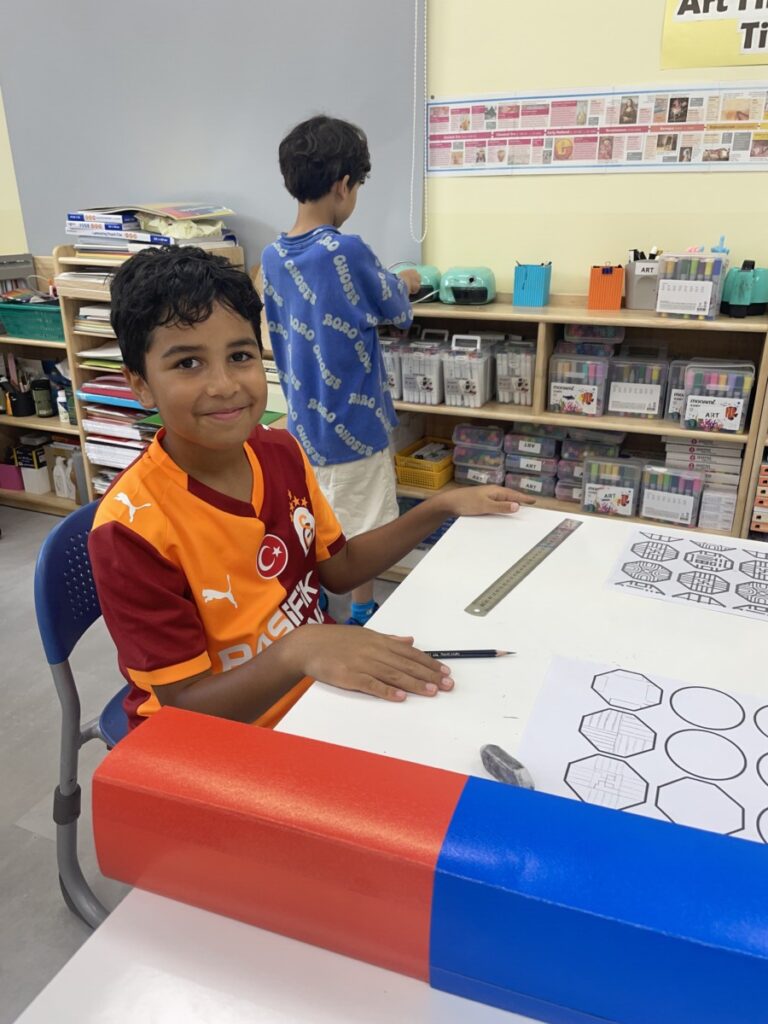
They learned about traditional Korean patterns and their meanings while making cheongsachorong lanterns.

The children discovered that blue represents yin and red represents yang, and they created their own unique lanterns using the patterns they designed.

In Korea, there is a tradition of looking at the bright full moon during Chuseok and making wishes.

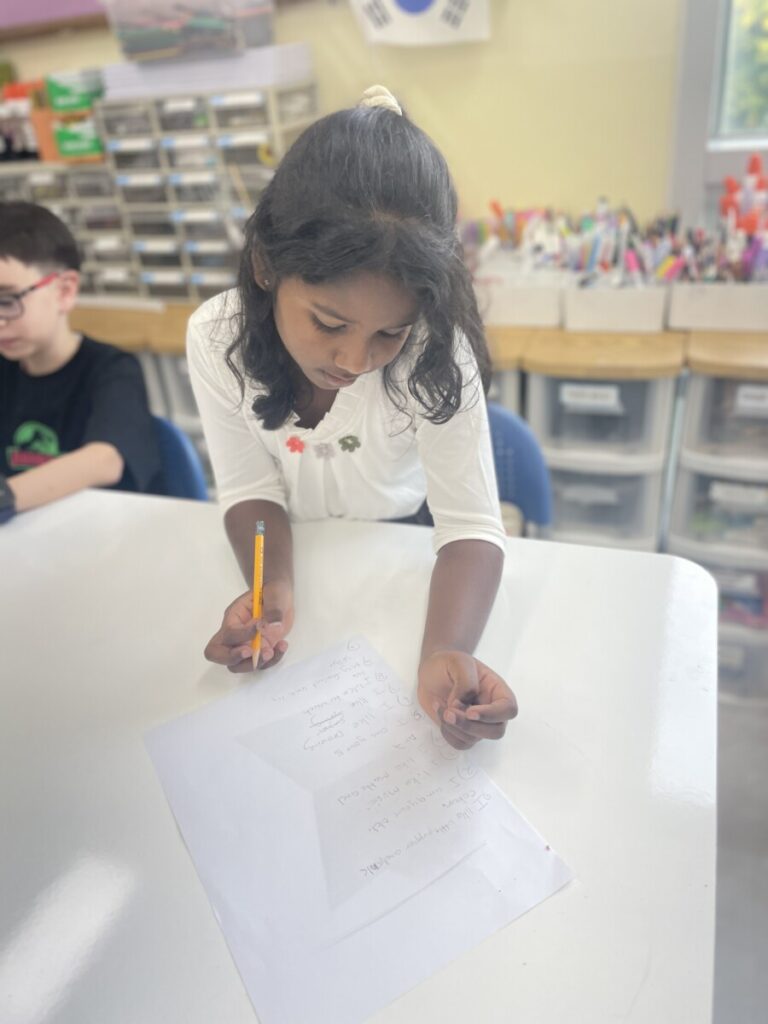
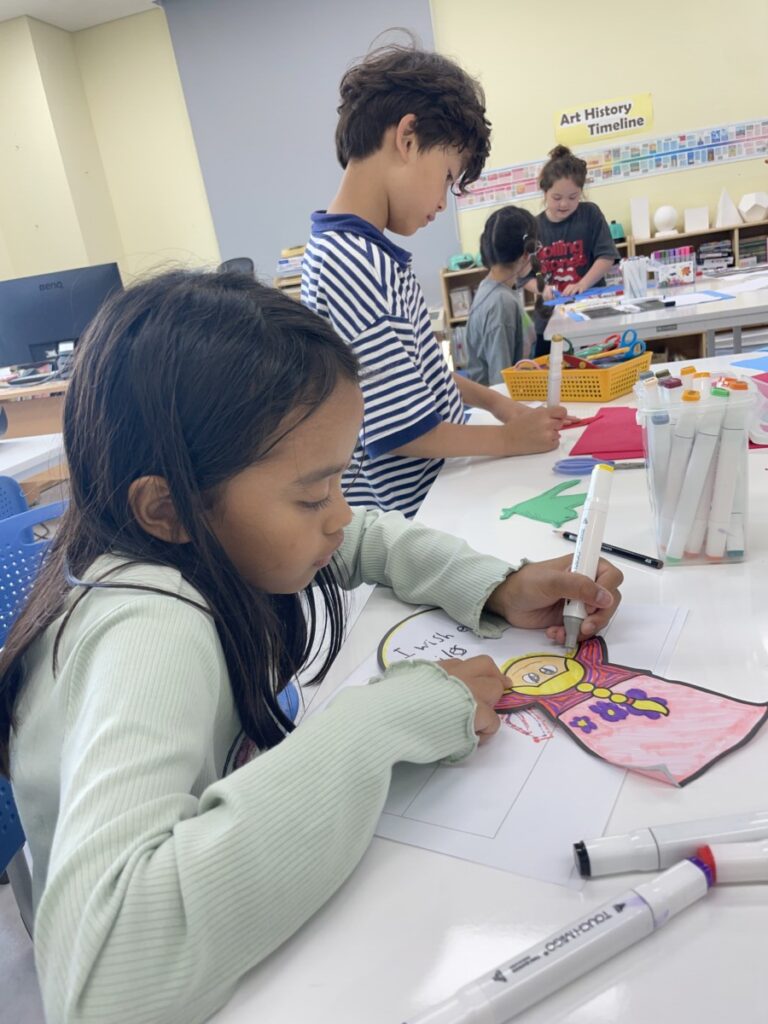
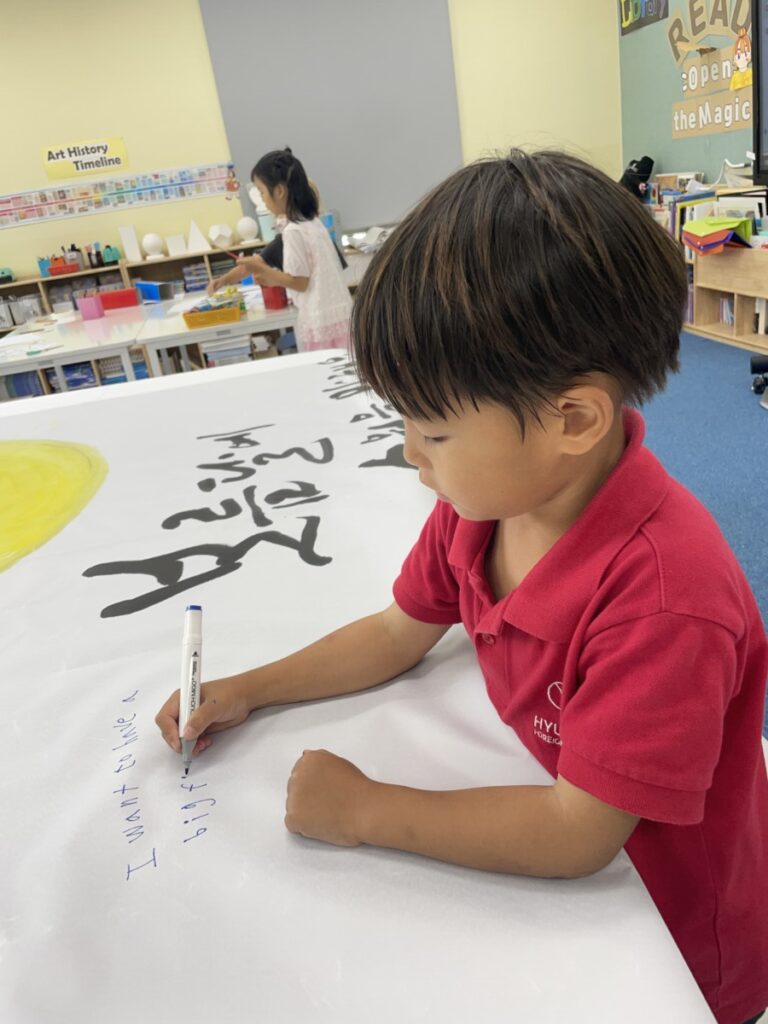
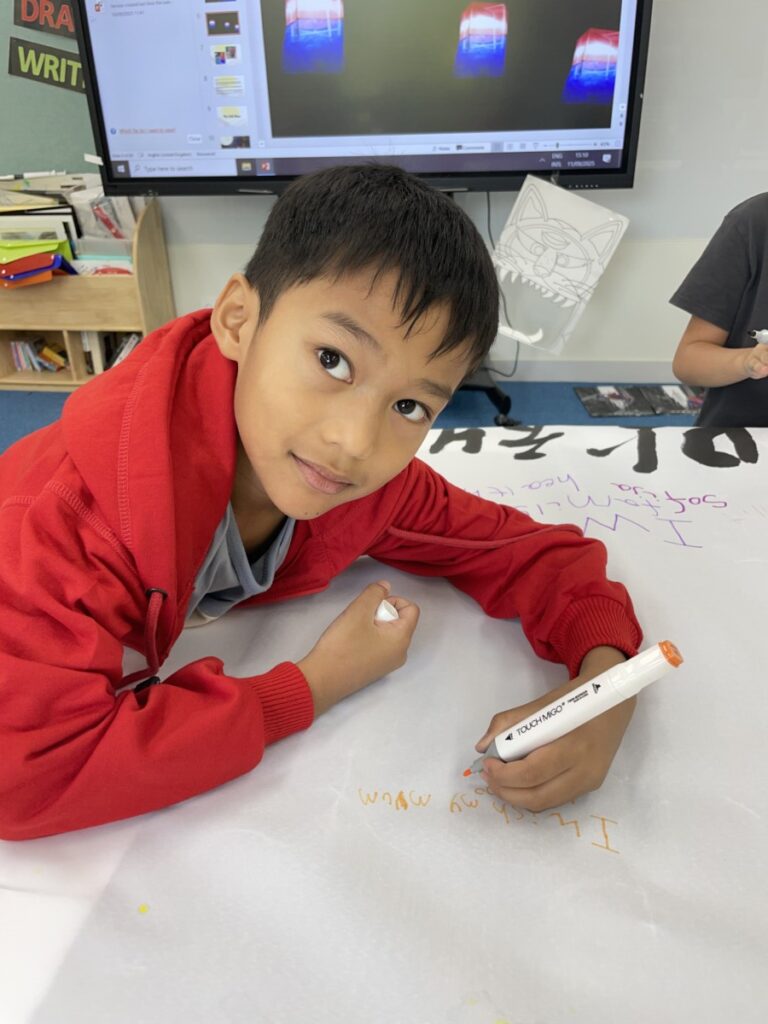
To celebrate this, the children expressed their own wishes in words and drawings beside a full moon illustration I had prepared. Their wishes were diverse—though simple and childlike, many of them were both admirable and touching.

I hope parents will enjoy seeing these heartfelt wishes when they join us for the Chuseok event.

Y3-4 Art Class Update T1-W3

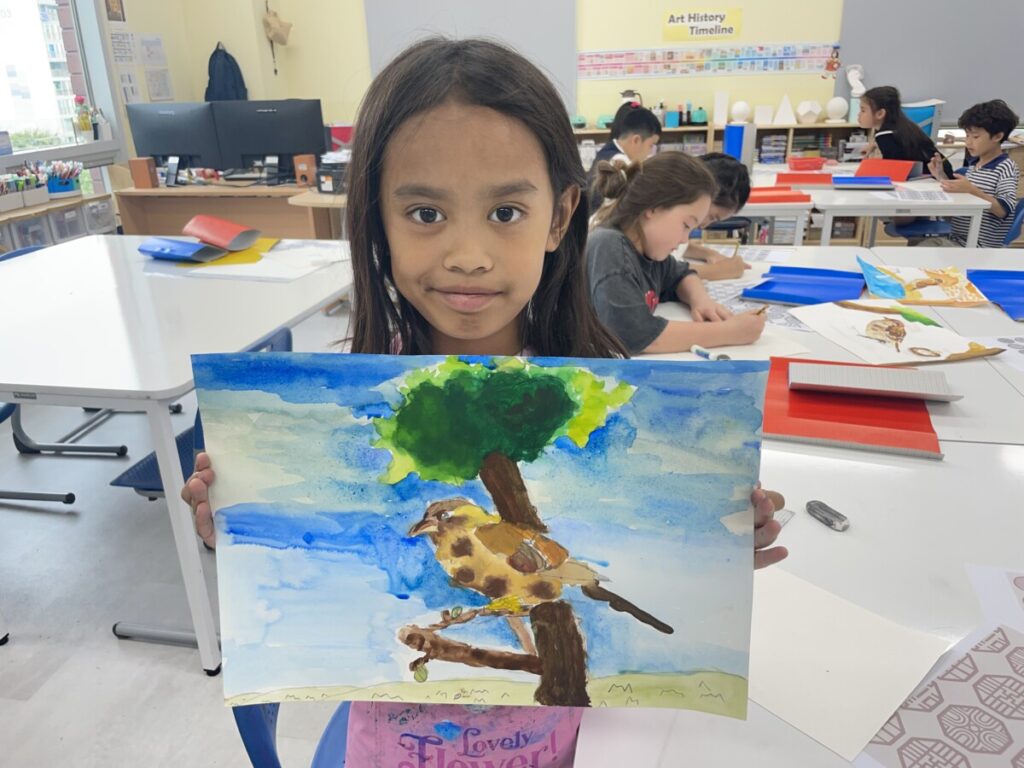
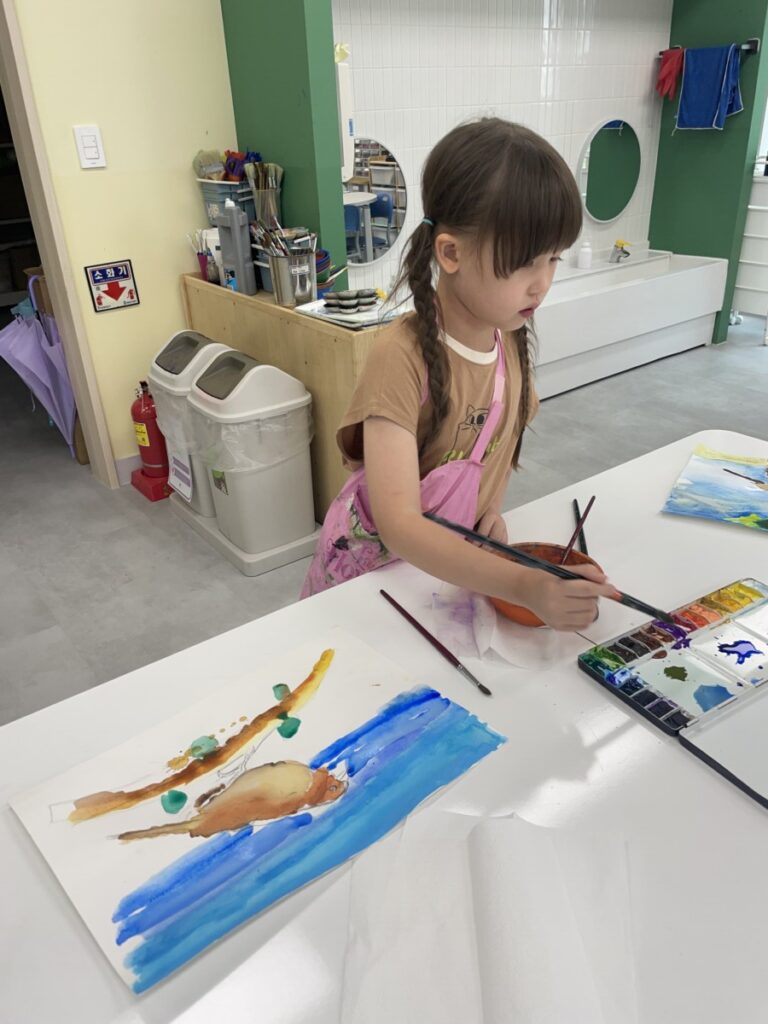
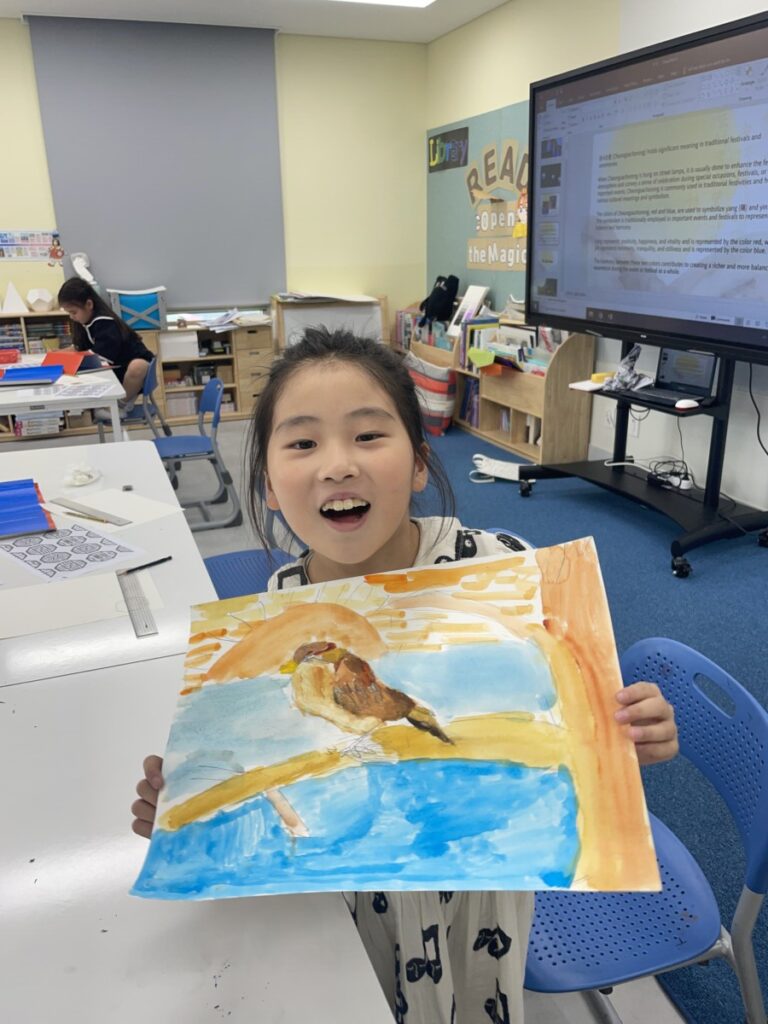
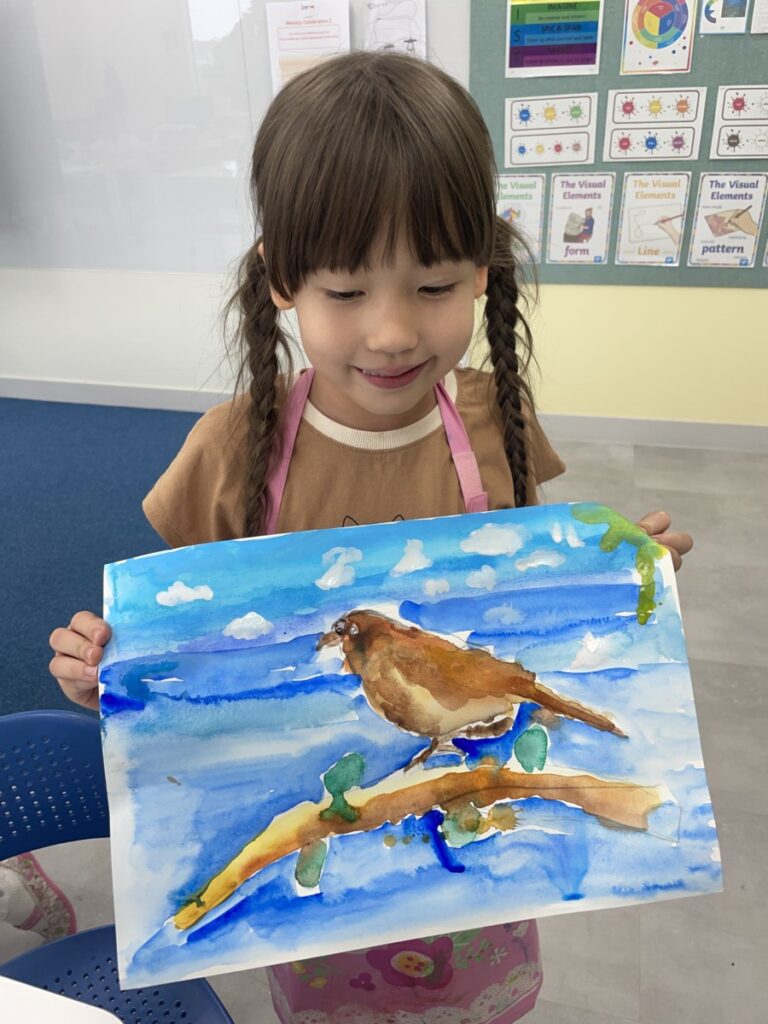
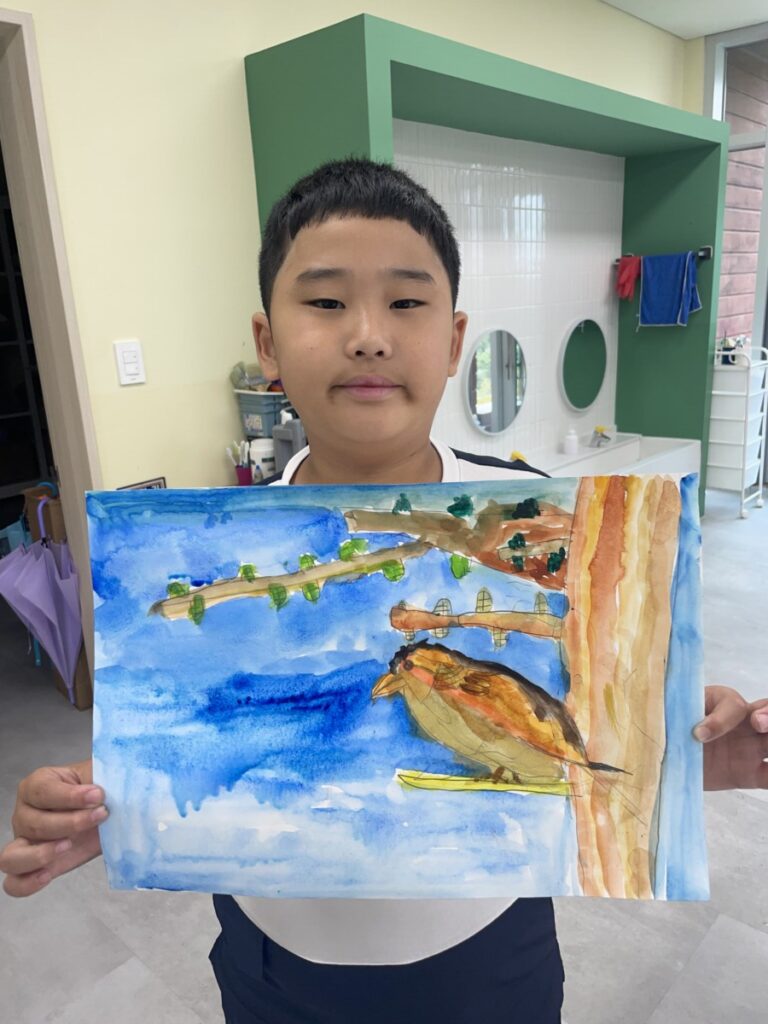
Year 3–4 students completed the bird and landscape paintings they began last week. They carefully observed the demonstration on how to control tones and then applied what they learned to colour the backgrounds, successfully finishing their artworks.

Afterwards, in preparation for the upcoming Chuseok holiday, the students took part in a special art activity. They learned about traditional Korean patterns and their meanings while creating cheongsachorong lanterns. They discovered that blue represents yin and red represents yang, and used their own designed patterns to make unique lanterns.