Hello everyone!
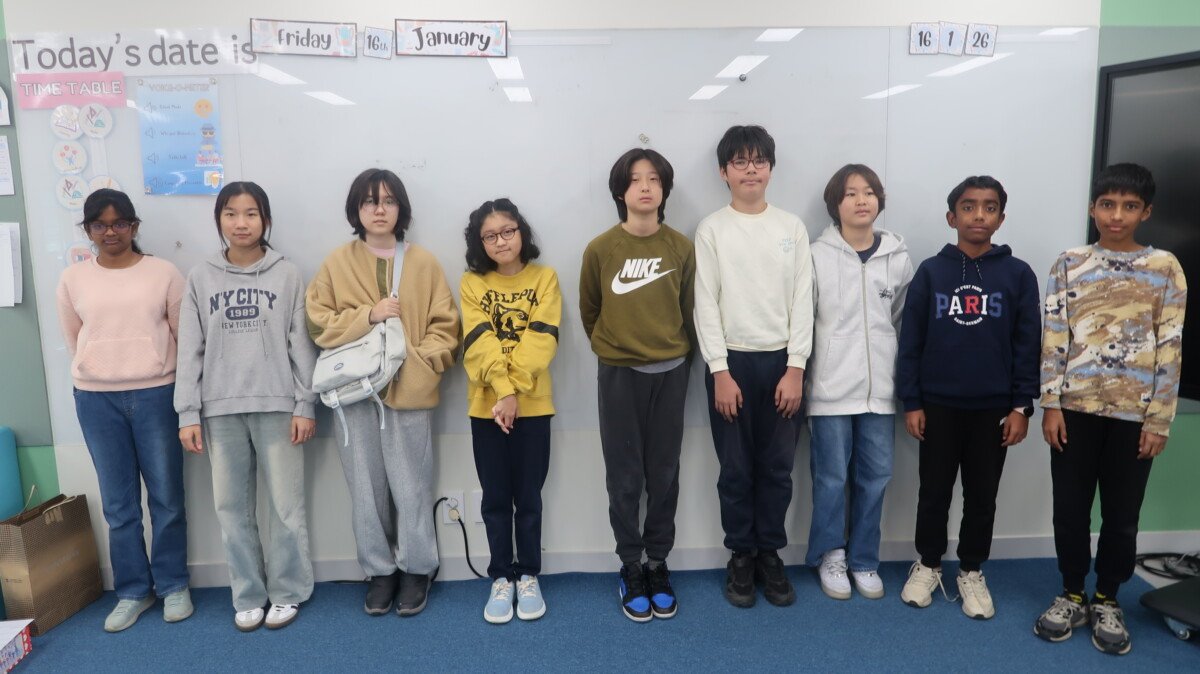
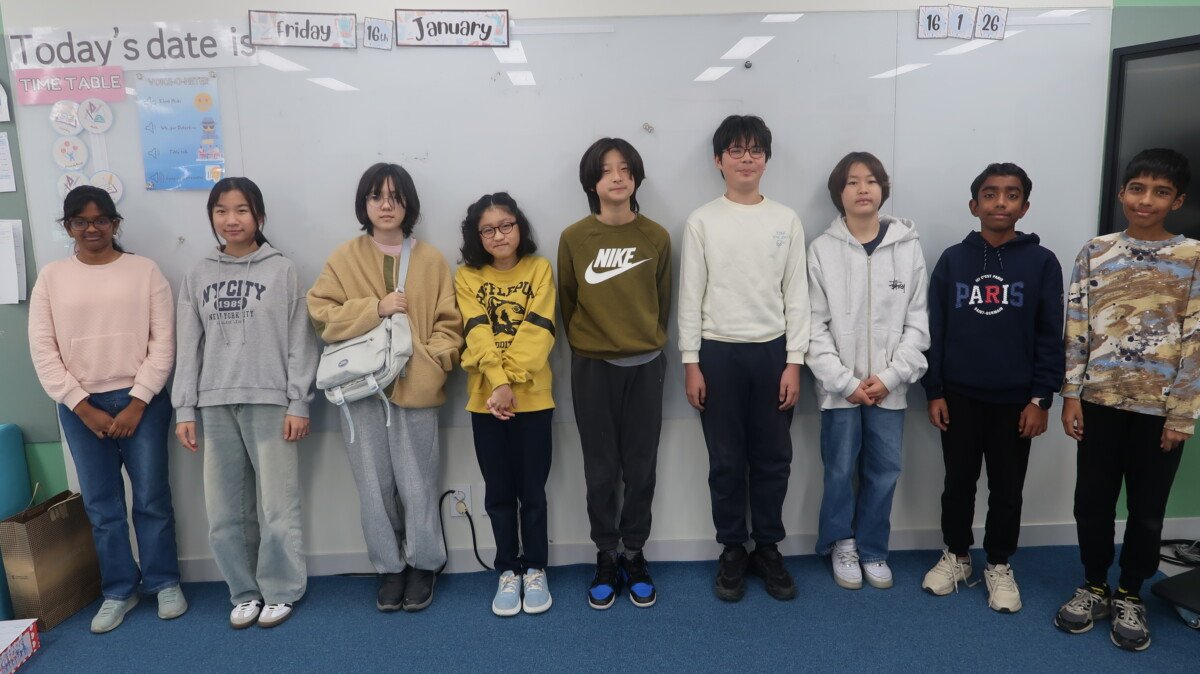
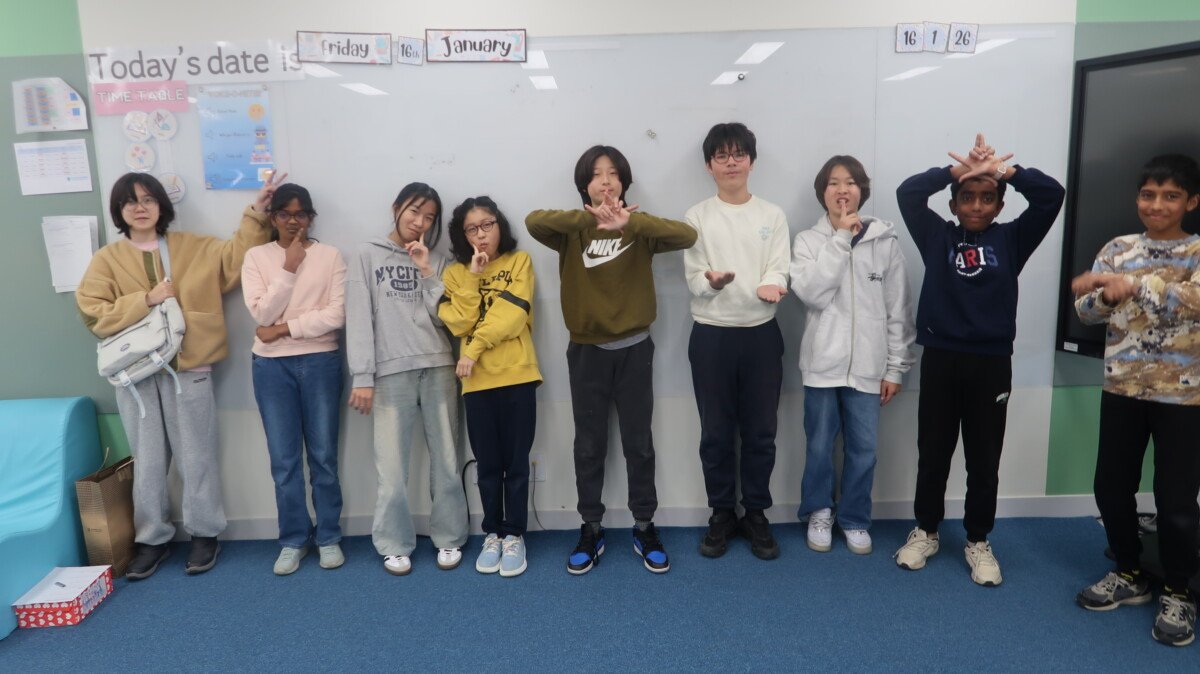
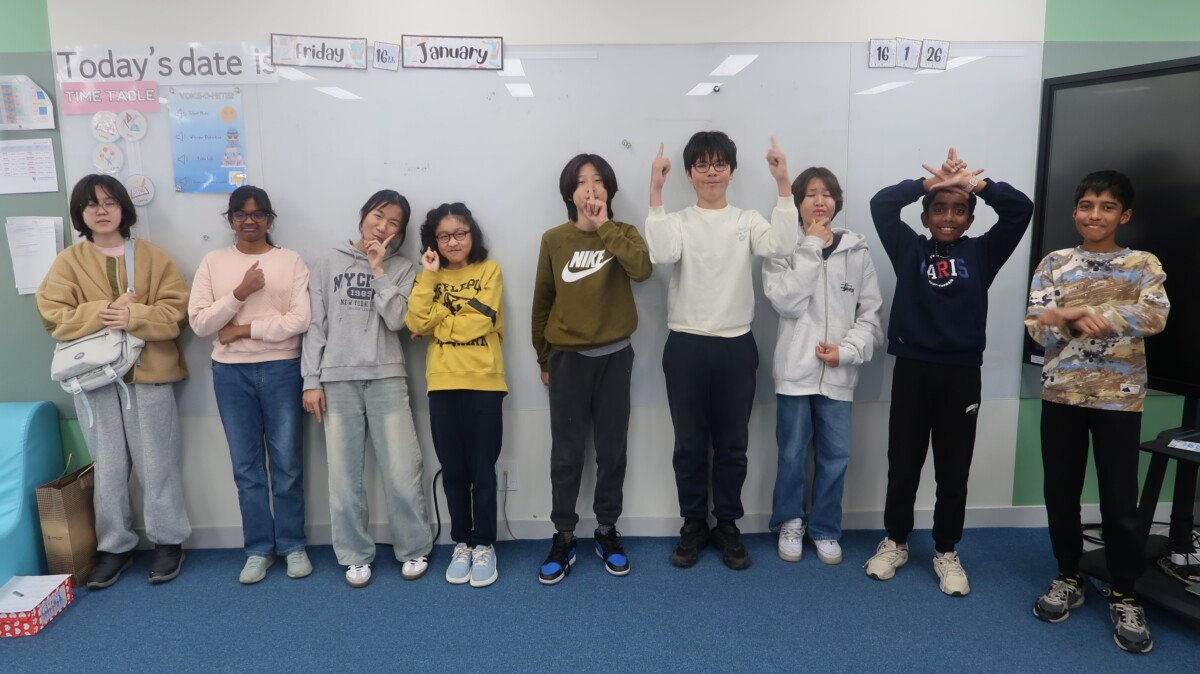
This week has been a mix of hard work, laughter, and sadness in our class as we say goodbye to Jihong, who is leaving us to start a new chapter at his new school in Abu Dhabi. We wish him the very best of luck and know he will do wonderfully in his next adventure.
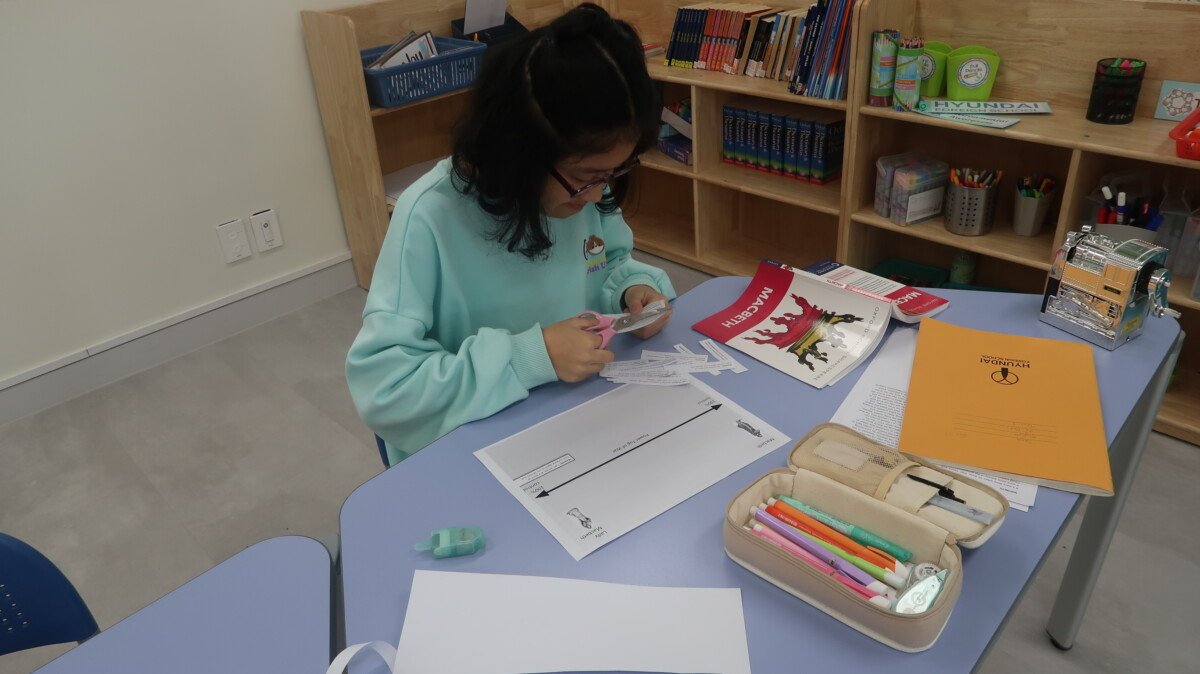
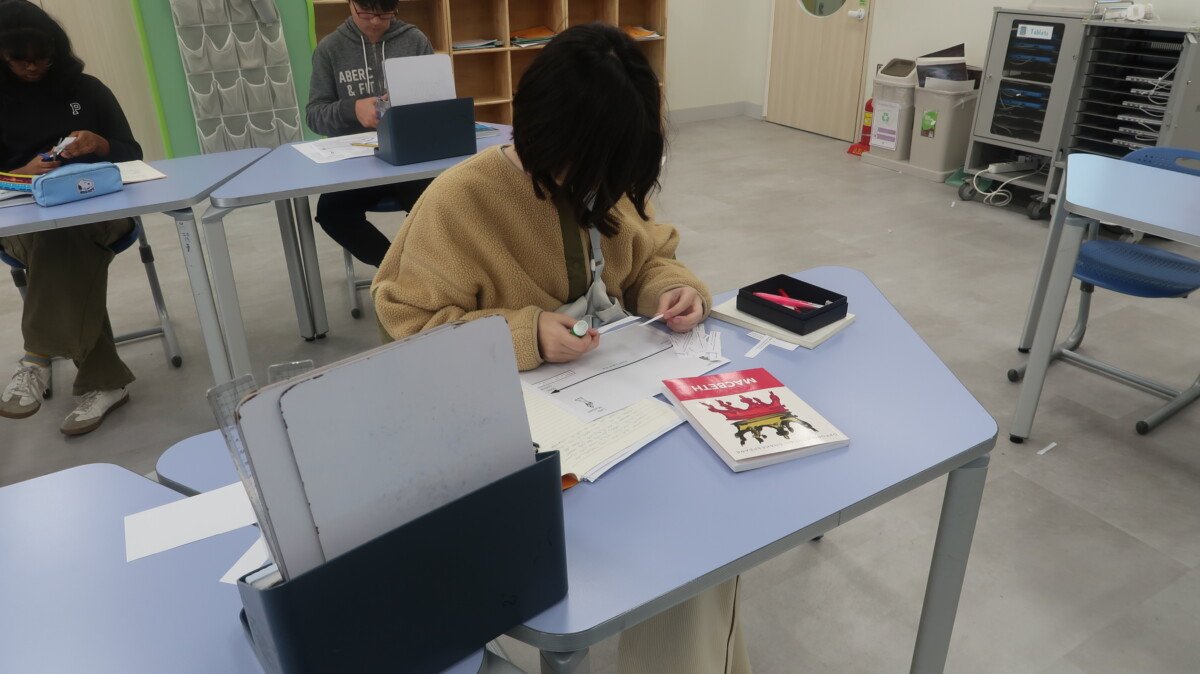
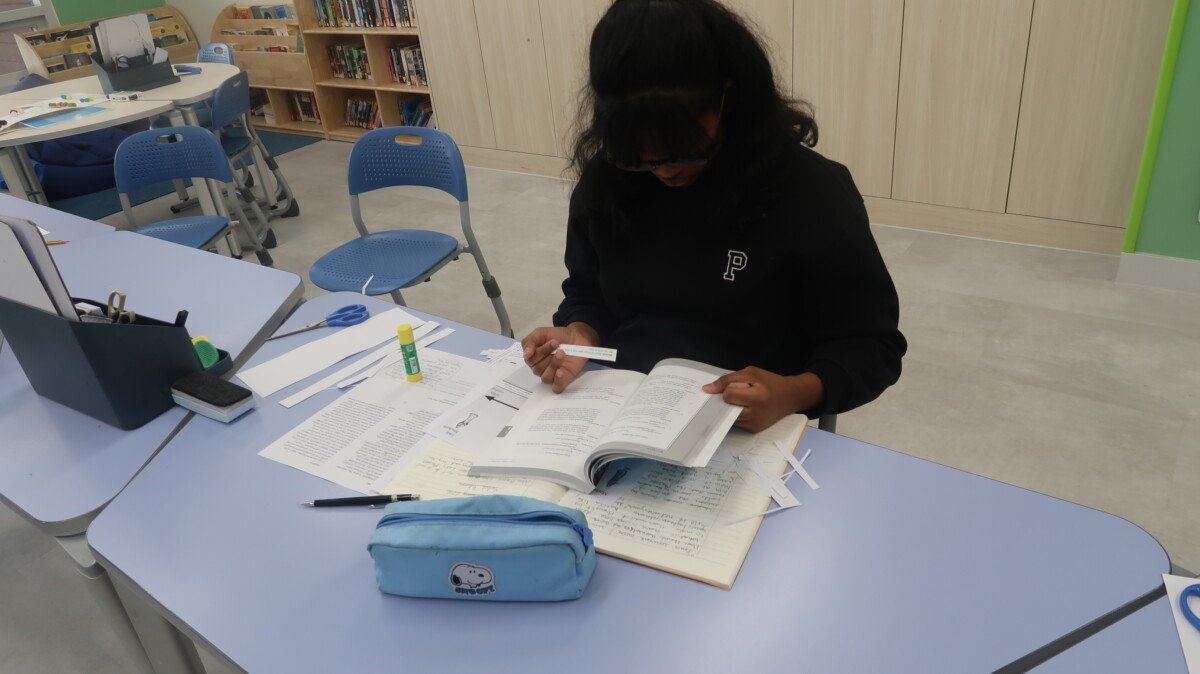
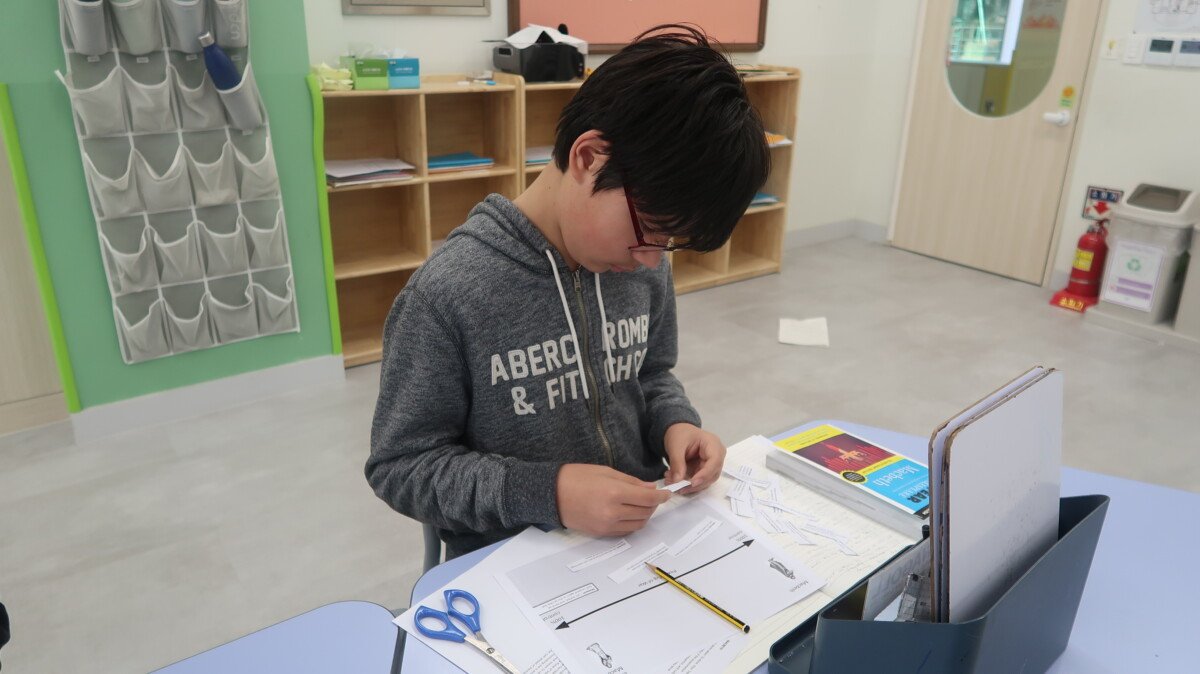
This week in English, students continued their study of Macbeth, beginning with Act 1 Scene 5, where they explored Lady Macbeth’s reaction to Macbeth’s letter, focusing on ambition, power, and how Shakespeare uses language to establish her dominance. We then studied Act 1 Scene 7, analysing Macbeth’s doubts about killing King Duncan and the intense power struggle between Macbeth and Lady Macbeth, with students developing analytical responses supported by quotations. Lessons also covered the build-up to Duncan’s murder (Act 2 Scene 1), including Macbeth’s dagger soliloquy and his conflicted mental state, followed by the immediate aftermath of the murder (Act 2 Scene 2), where students examined guilt, deception, and how both characters behave once the crime is committed.
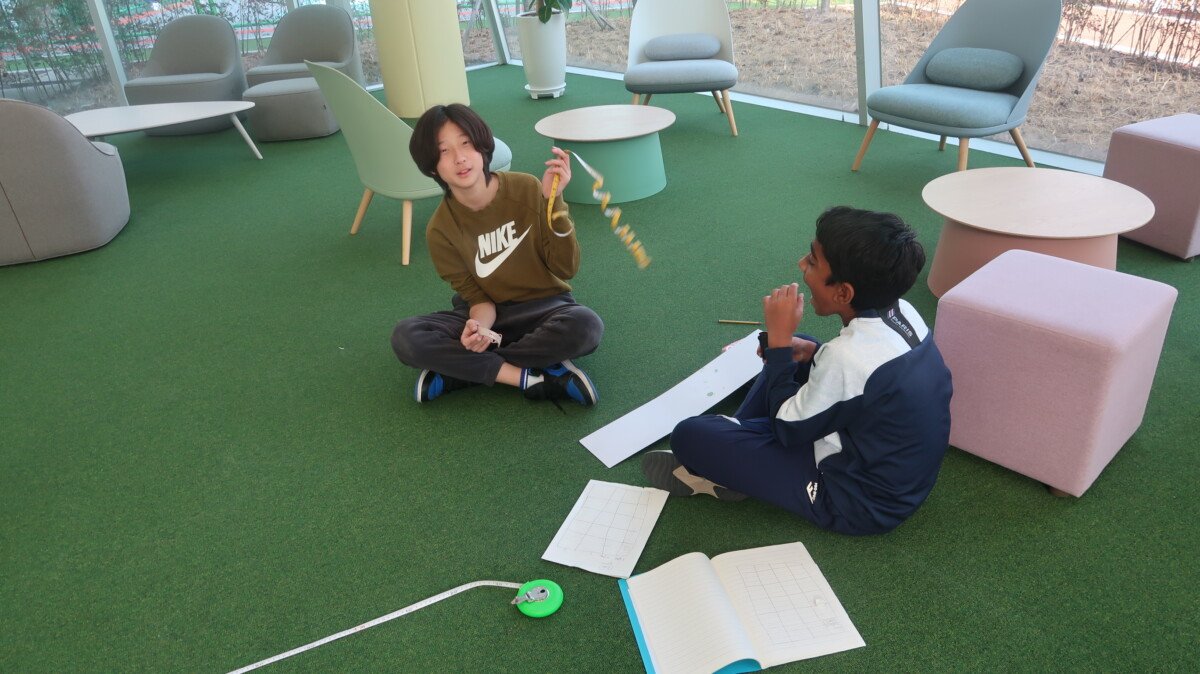
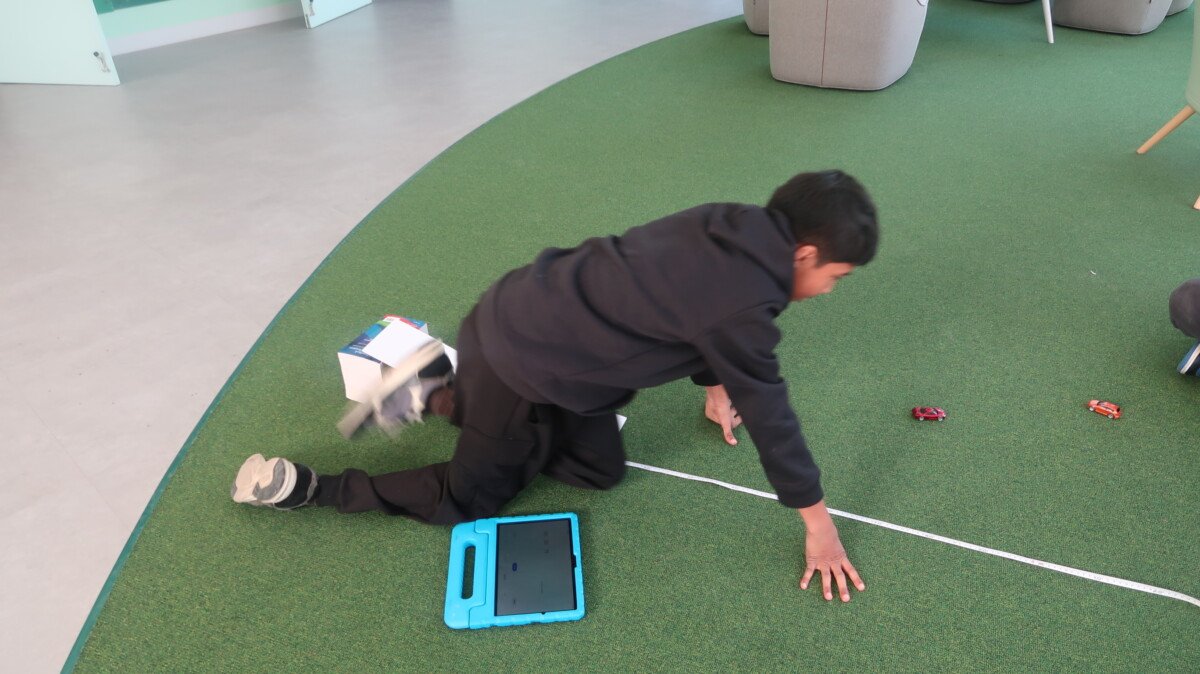
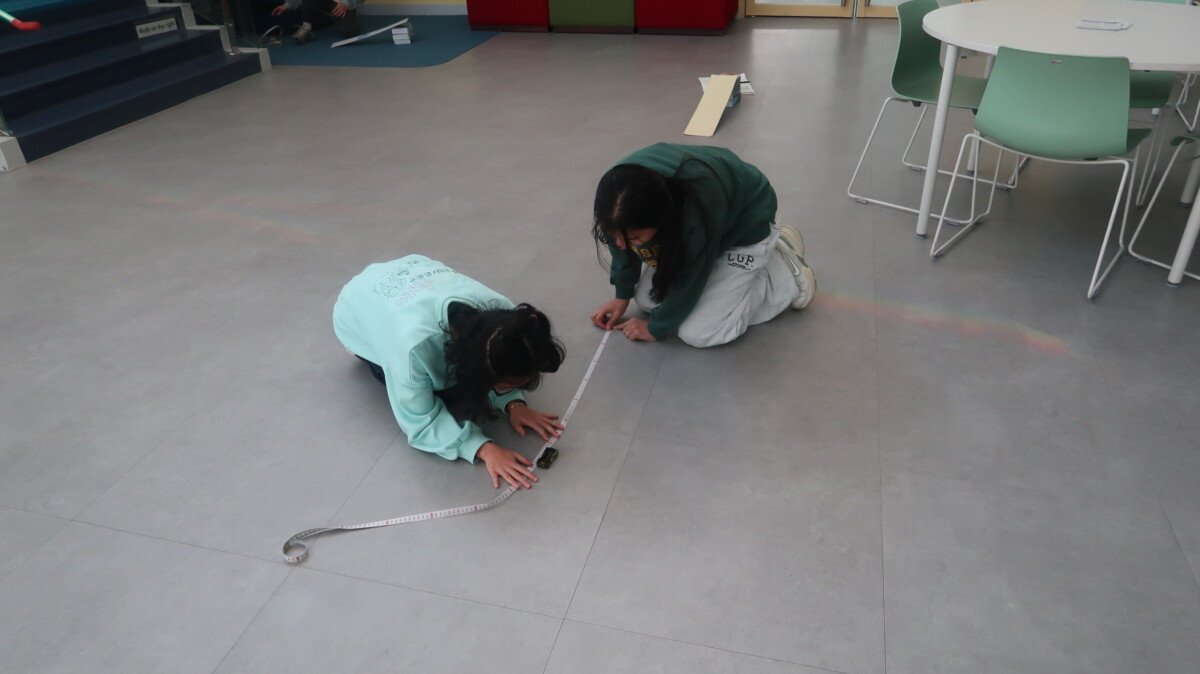
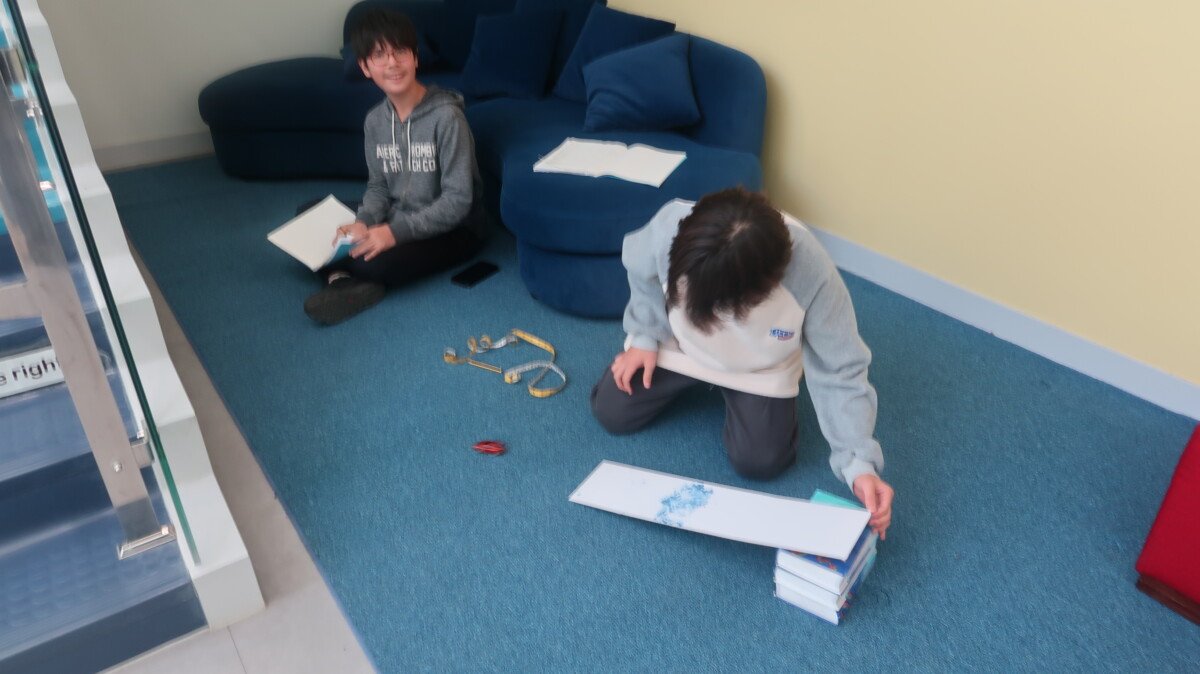
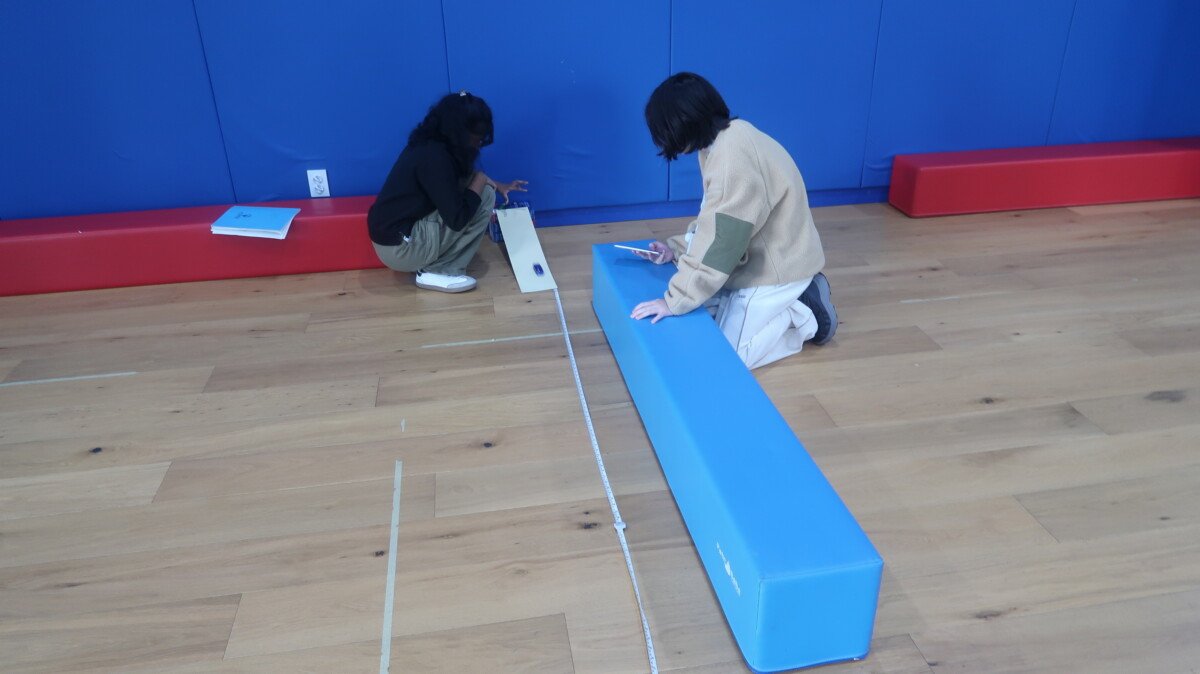
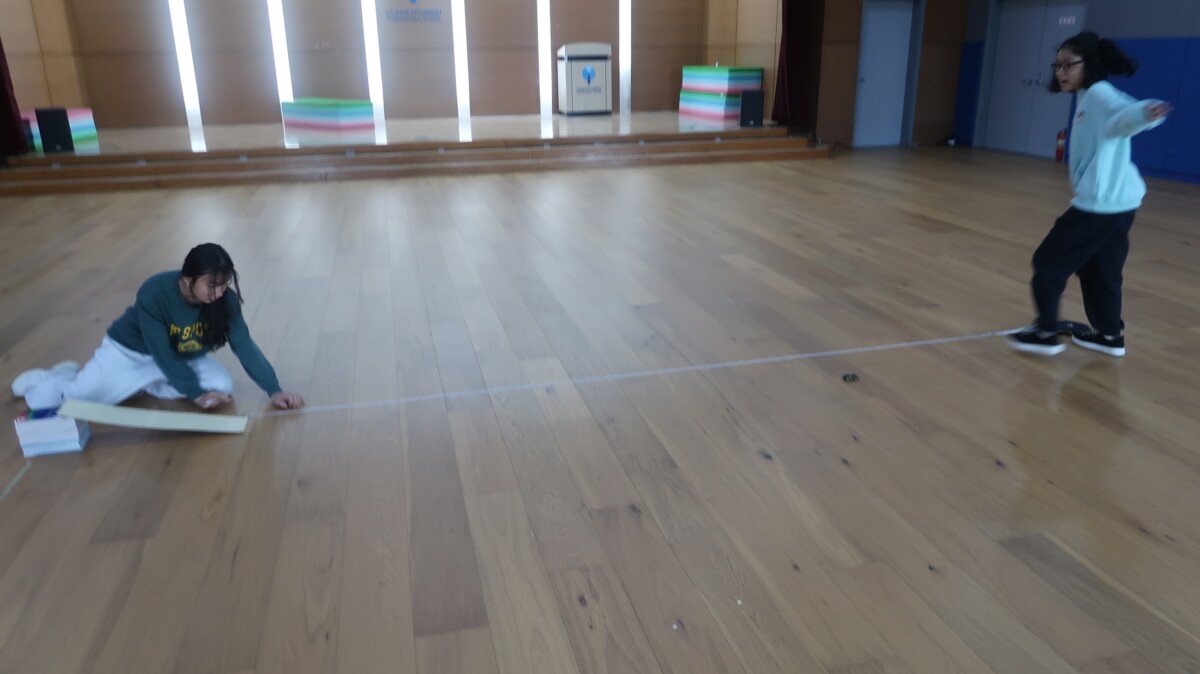
In Science, students continued our unit on Forces, where they investigated how forces affect movement. Through a practical experiment using cars on different surfaces, students explored how friction and pushes change how objects move, slow down and stop.
This week in History, students explored why some people opposed women gaining the right to vote. They analysed common anti-suffrage arguments and grouped them into themes such as traditional gender roles, fear of change, concern for family life, and the desire to keep political power. Through discussion, students considered who benefited from these views and how such arguments acted as barriers that women had to overcome, helping them better understand the challenges faced by the suffrage movement.
In Geography, students learned about internally displaced people (IDPs) and how they differ from refugees. They explored why families may be forced to leave their homes due to conflict, natural disasters, or danger but remain within their own country, and the challenges this creates for children’s safety, education, and access to basic needs.
Maths
Year 7
Don’t forget that we have an end-of-unit assessment next week!
This week we studied:
- Use formal methods to divide integers
- Use formal methods to divide decimals
- Understand and use order of operations
- Area of rectangles and parallelograms
- Area of triangles
- Solve problems using the area of trapezia (H)
Year 8
This week we studied:
Indices
- Spr.3.2: Simplifying algebraic expressions by multiplying indices
- Spr.3.3: Simplifying algebraic expressions by dividing indices
- Spr.3.4: Using the addition law for indices
- Spr.3.5: Using the addition and subtraction laws for indices
- Spr.3.6: Exploring powers of powers (H)
Students completed a daily 10-minute recall test to review and reinforce learning from the previous lesson.
There will be a test on Monday to assess students’ understanding of these topics.
Students are encouraged to prepare well at home and practise regularly to build confidence and accuracy.
Year 9
The class had a test on the Numbers topic on Monday, and the test papers were sent home.
We have now started the Percentage unit, covering the following objectives:
- Spr.2.1 – Use the equivalence of fractions, decimals and percentages (R)
- Spr.2.2 – Calculate percentage increase and decrease (R)
- Spr.2.3 – Express a change as a percentage (R)
- Spr.2.4 – Solve reverse percentage problems
Students will have a test on the Percentage topic on Thursday.
Students are encouraged to prepare well at home and practise regularly to build confidence and accuracy.