Hello everyone!
This week has been a busy one in class as we continue to make good progress across our learning. School reports will be going home next Friday. You will also receive an email with further information about parent–teacher conferences, which will take place in Week 5. Please keep a lookout for this. Here are some highlights from this week’s learning.
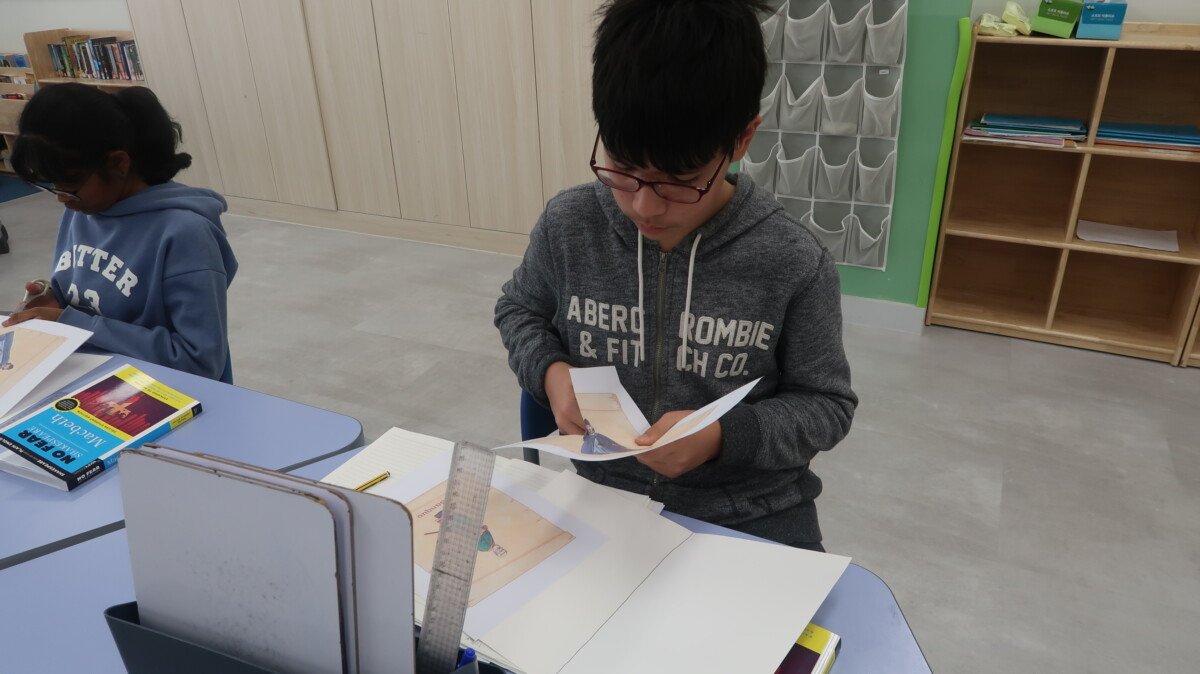
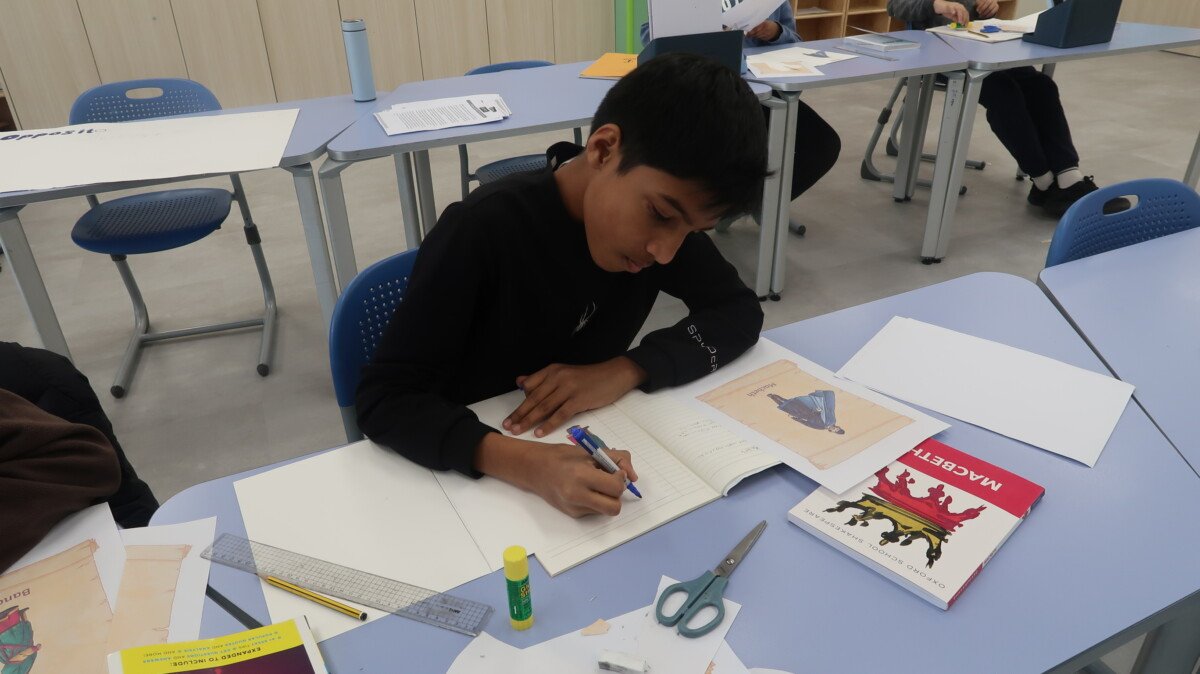
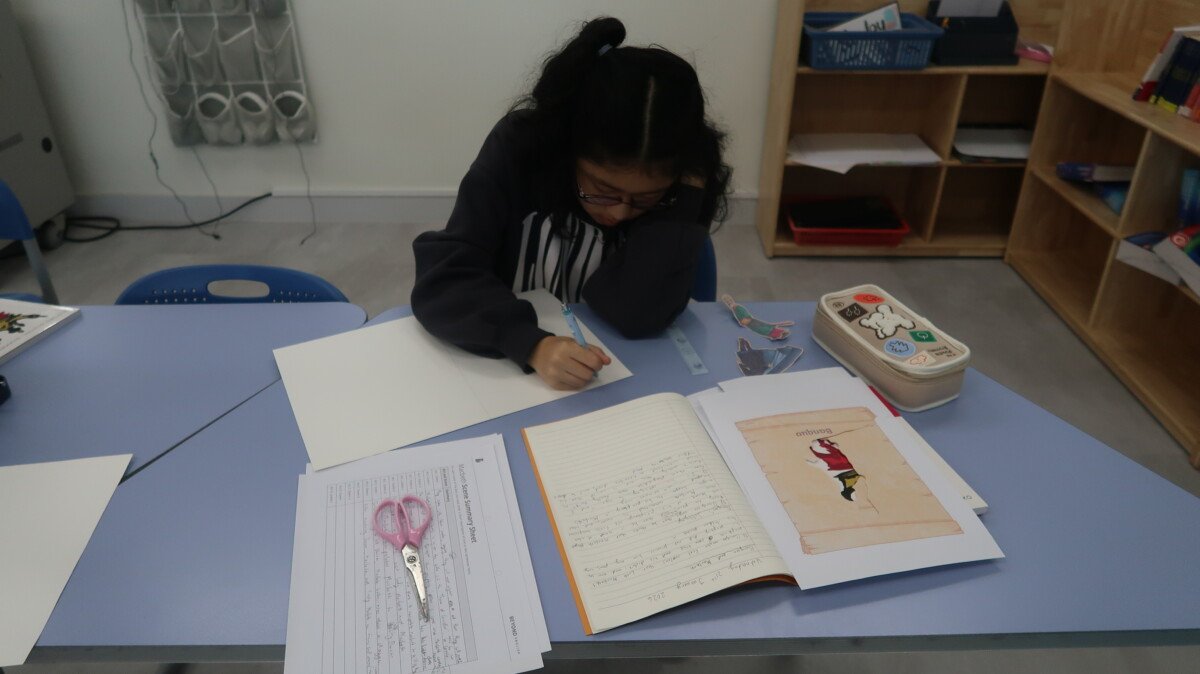
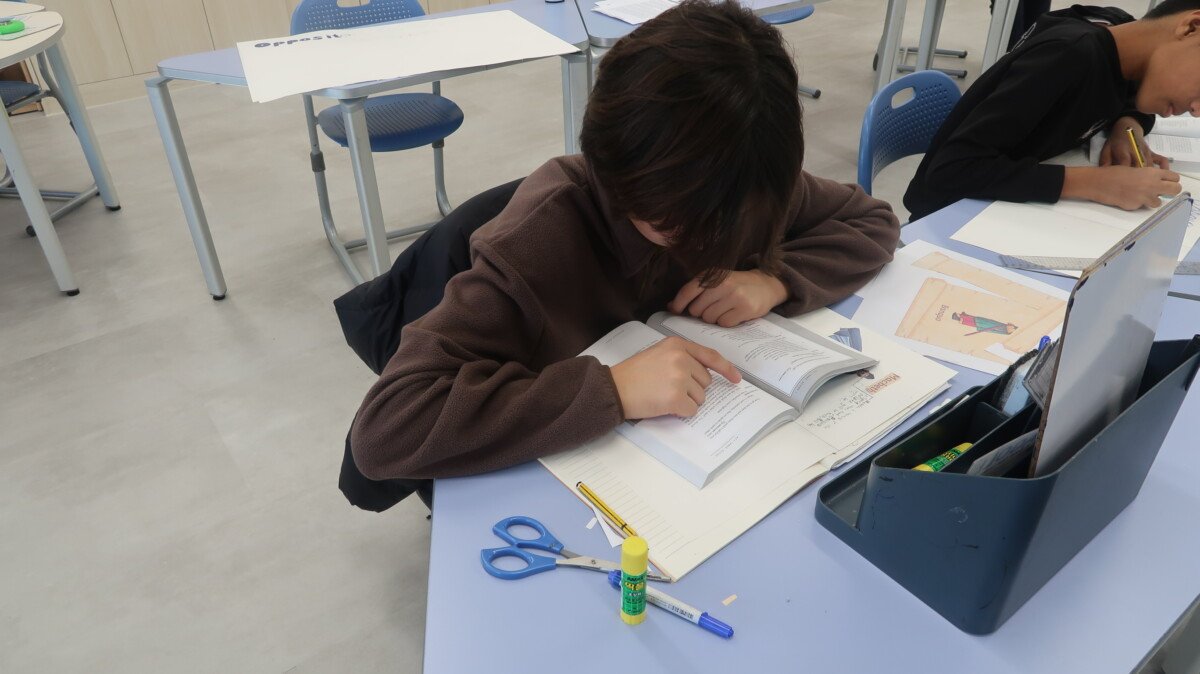
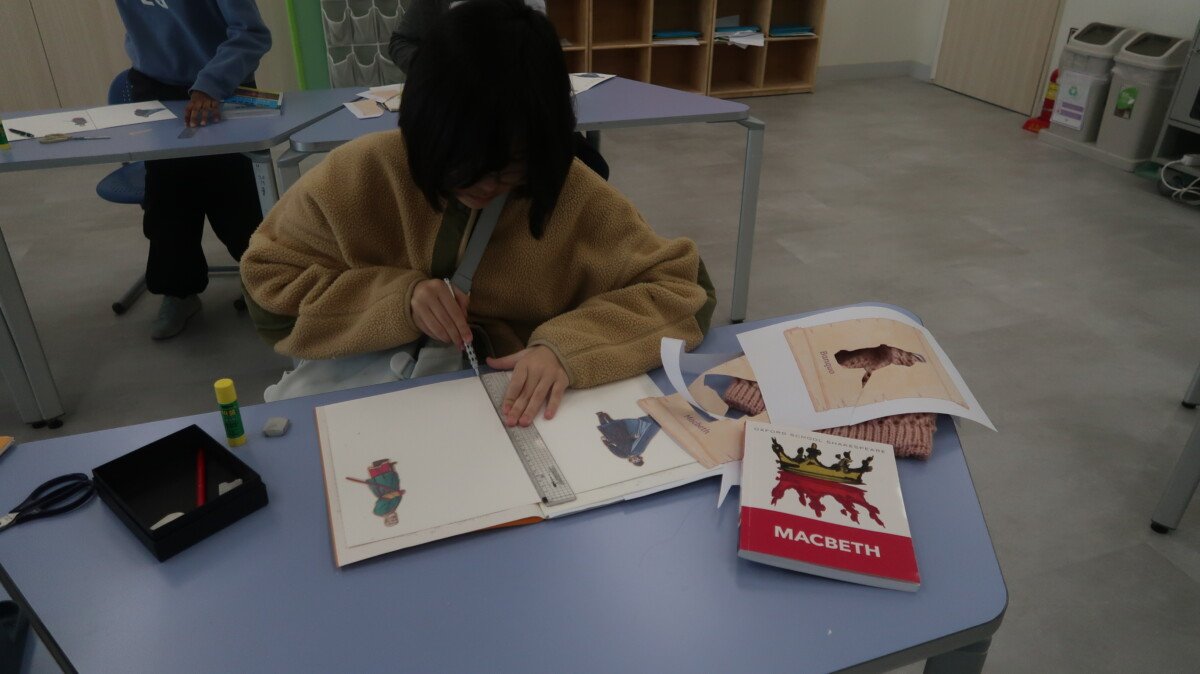
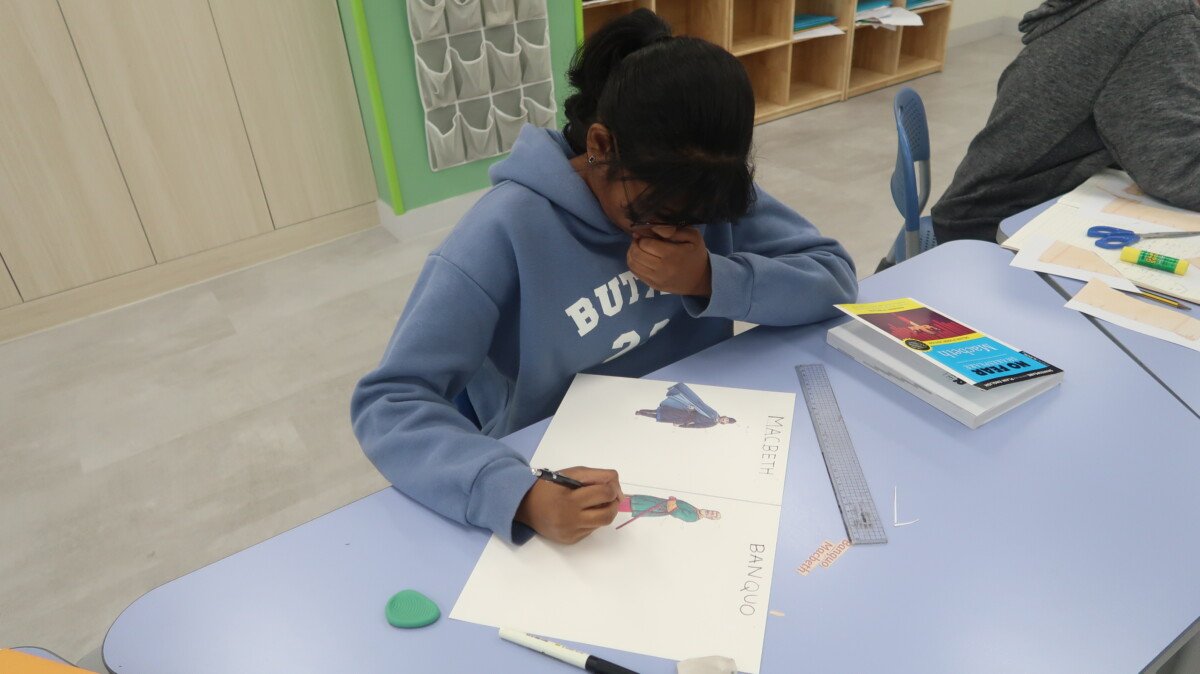
This week in English, students continued their study of Macbeth by exploring Act 2 Scene 3, focusing on the discovery of King Duncan’s murder and how characters react publicly and privately to the crime. Students examined Macbeth’s suspicious behaviour, Lady Macbeth’s collapse, and discussed why Malcolm and Donalbain choose to flee, considering how appearances can be deceptive. We then looked briefly at Act 2 Scene 4, analysing the unnatural events following the murder and how blame is shifted onto Duncan’s sons. Lessons moved on to Act 3 Scene 1, where students explored the growing tension between Macbeth and Banquo, focusing on ambition, insecurity, and the threat Banquo poses to Macbeth’s power. Students then studied Macbeth’s decision to have Banquo murdered, analysing his reaction to Fleance’s escape and how Shakespeare uses language to reveal paranoia and loss of control. The week concluded with the banquet scene (Act 3 Scene 4), where students examined Macbeth’s public breakdown, the appearance of Banquo’s ghost, and how Shakespeare uses the supernatural to expose Macbeth’s guilt and weakening authority as king.
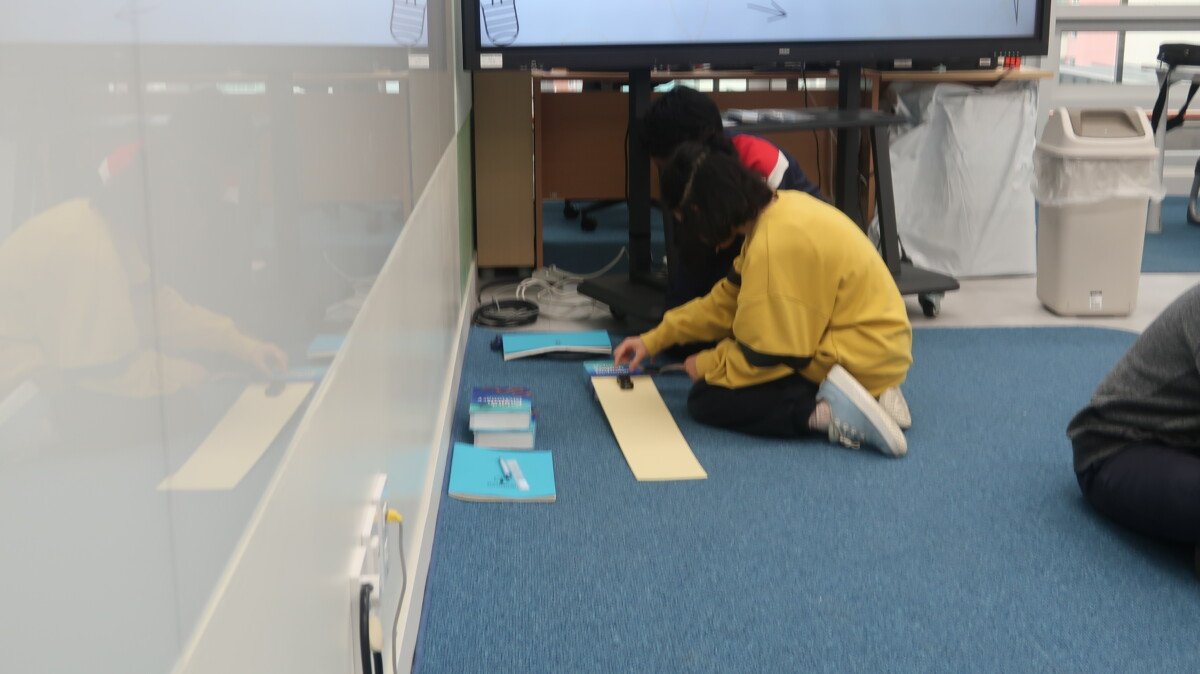
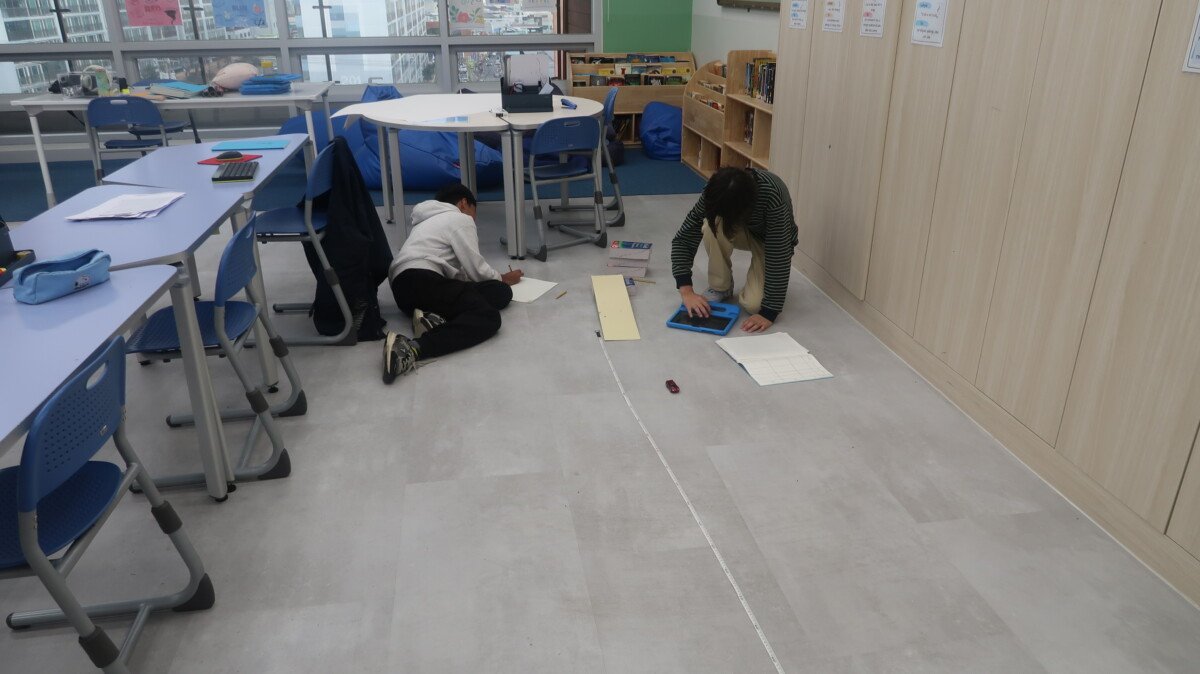
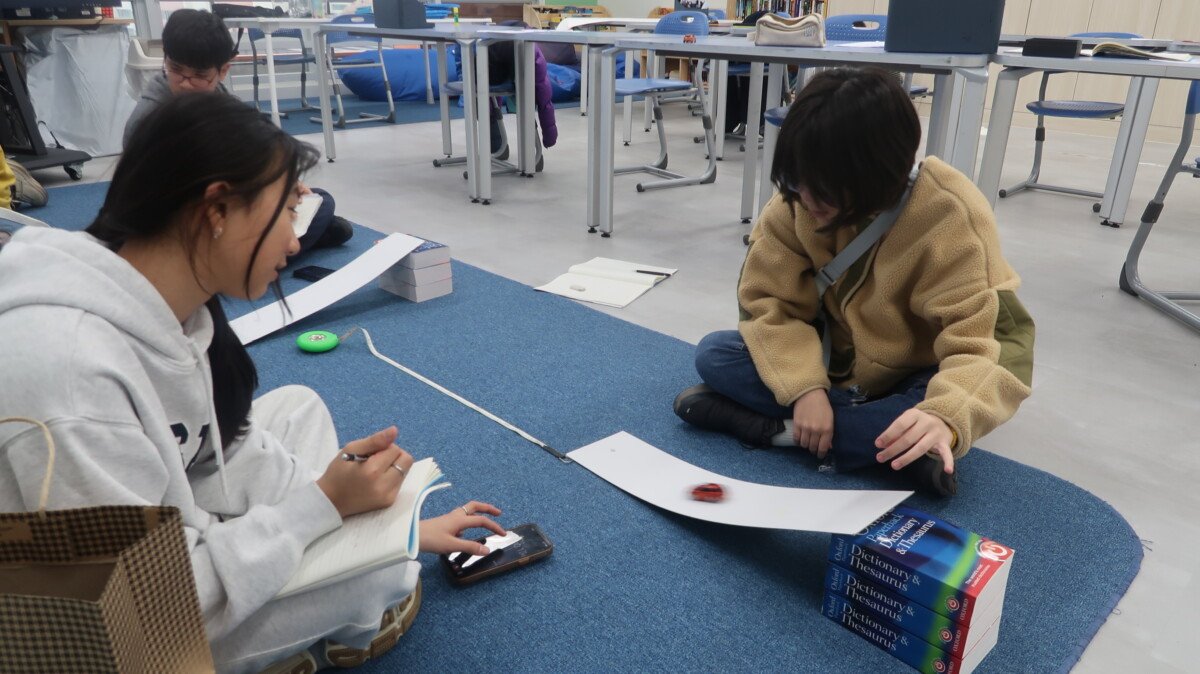
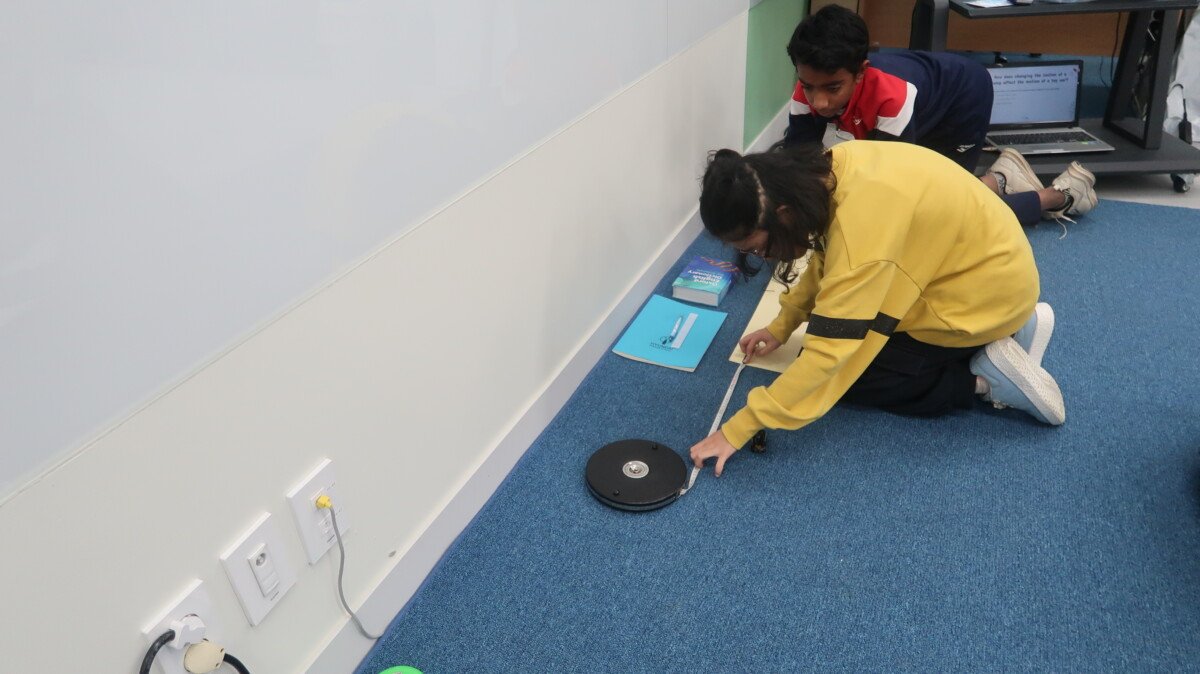
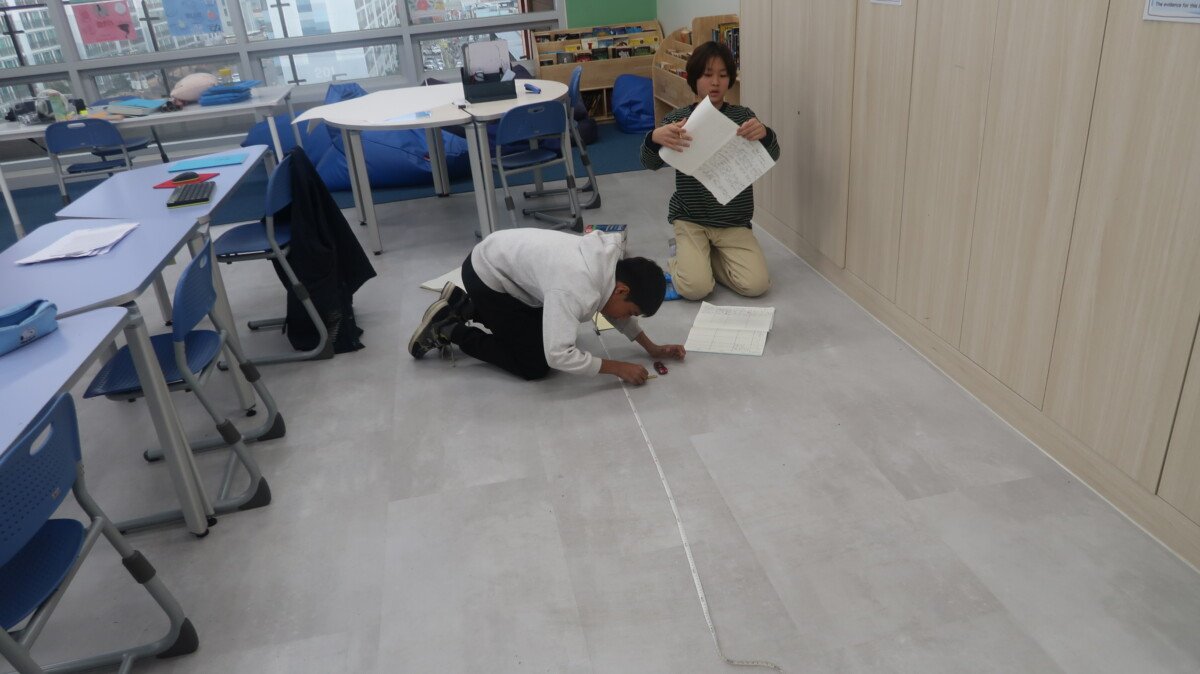
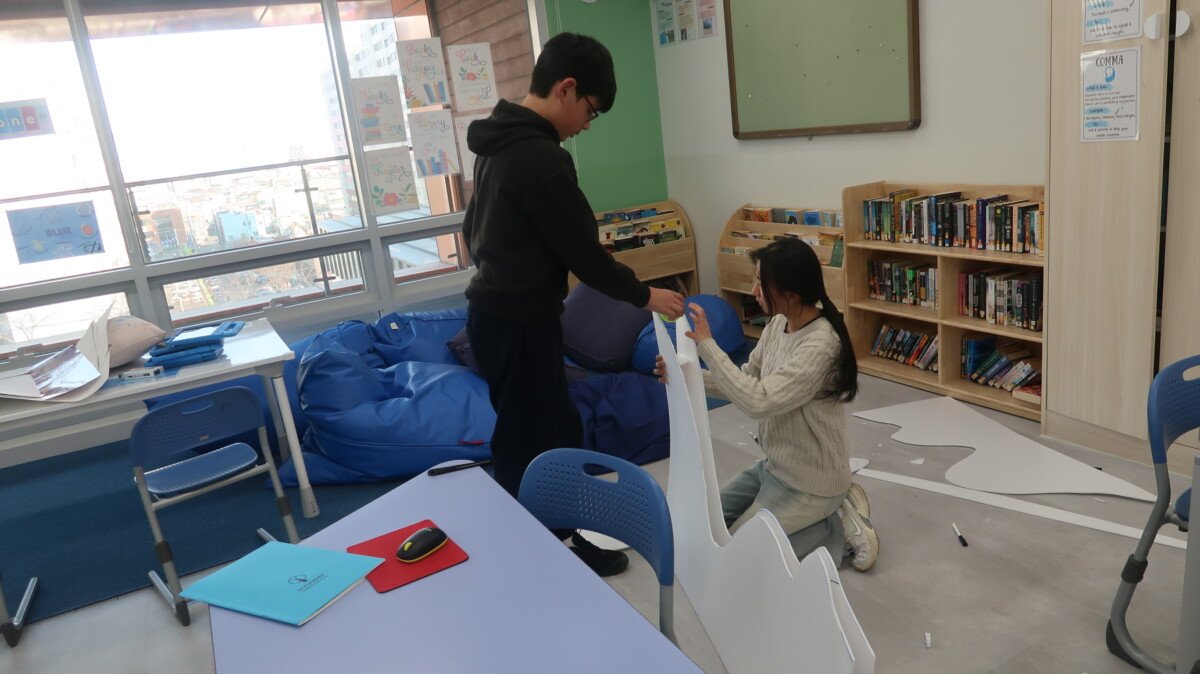
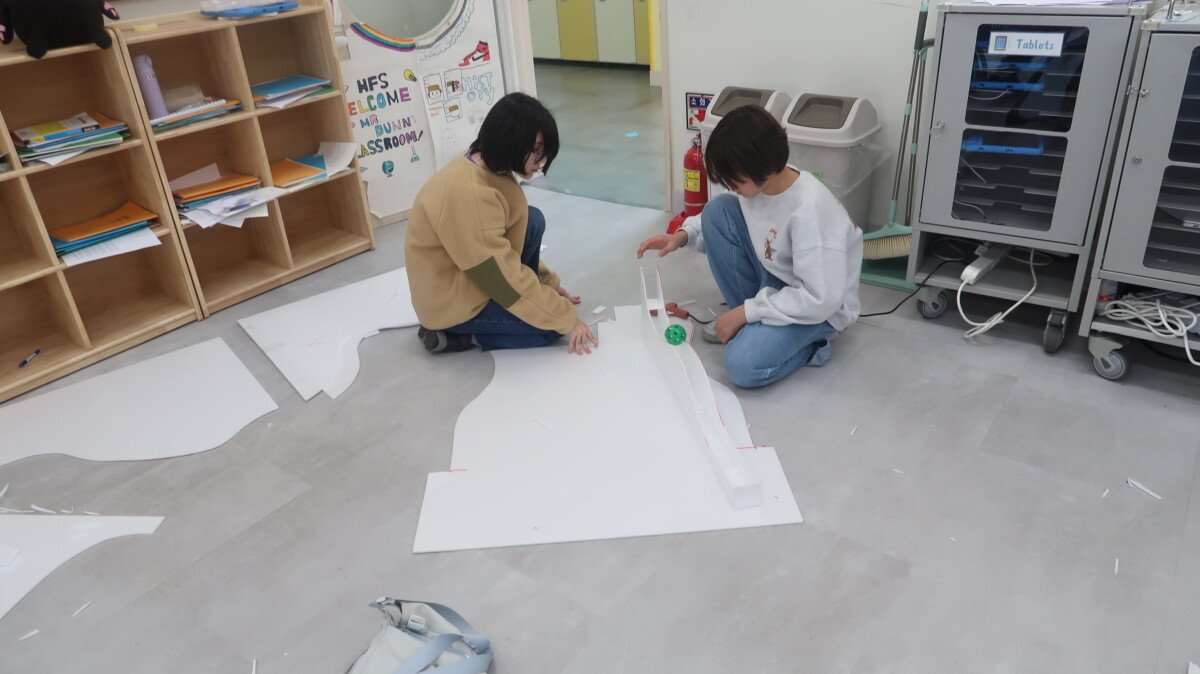
In Science, students investigated how balanced and unbalanced forces affect motion. Using a ramp experiment, they explored how changing the steepness of the incline altered the movement of a car or ball. Students observed how gravity and friction act on moving objects and explained why motion changes, developing their understanding of forces through practical evidence. Students then applied their learning by designing and building a model rollercoaster. Using gravity alone, they tested how forces such as friction and unbalanced forces influence speed, movement and stopping. Through building, testing and refining their designs, students used scientific reasoning to explain how engineers use forces to overcome challenges safely in real life.
In Geography, students brought together everything they had learned about child poverty, refugees, and internally displaced people. They compared the different challenges these children face and examined how support, action, and decision-making can reduce barriers and improve life chances. Students applied their understanding by analysing examples of help from communities, charities, and governments, and reflected on how responding to problems can create new opportunities
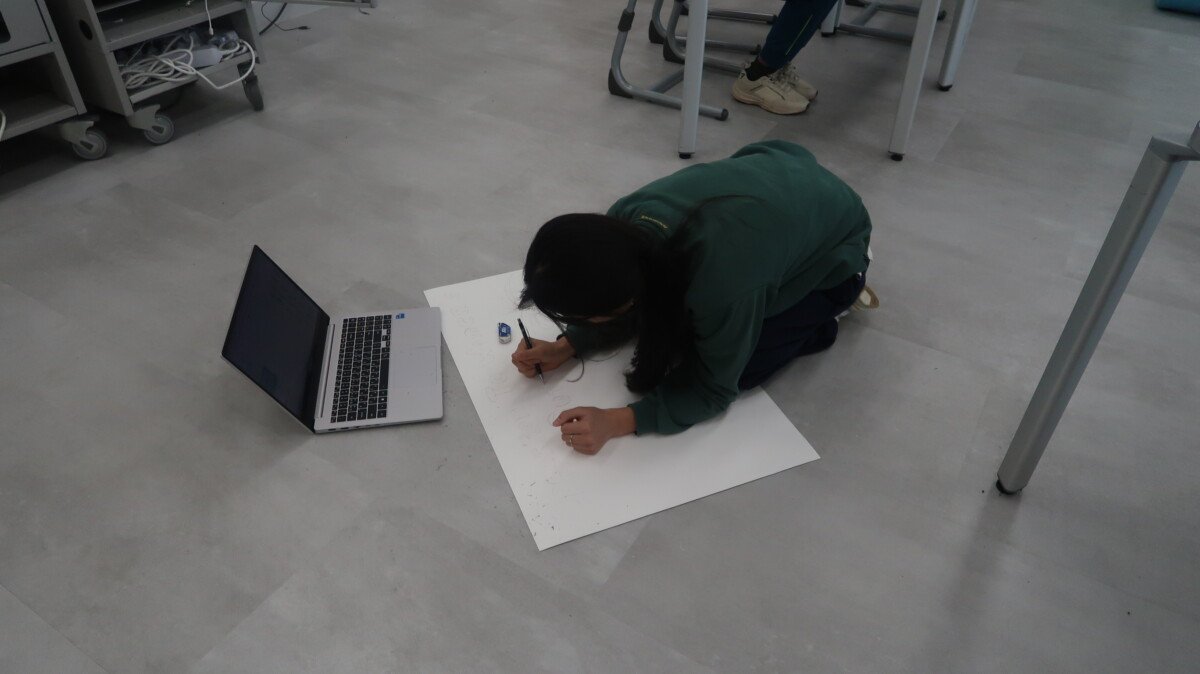
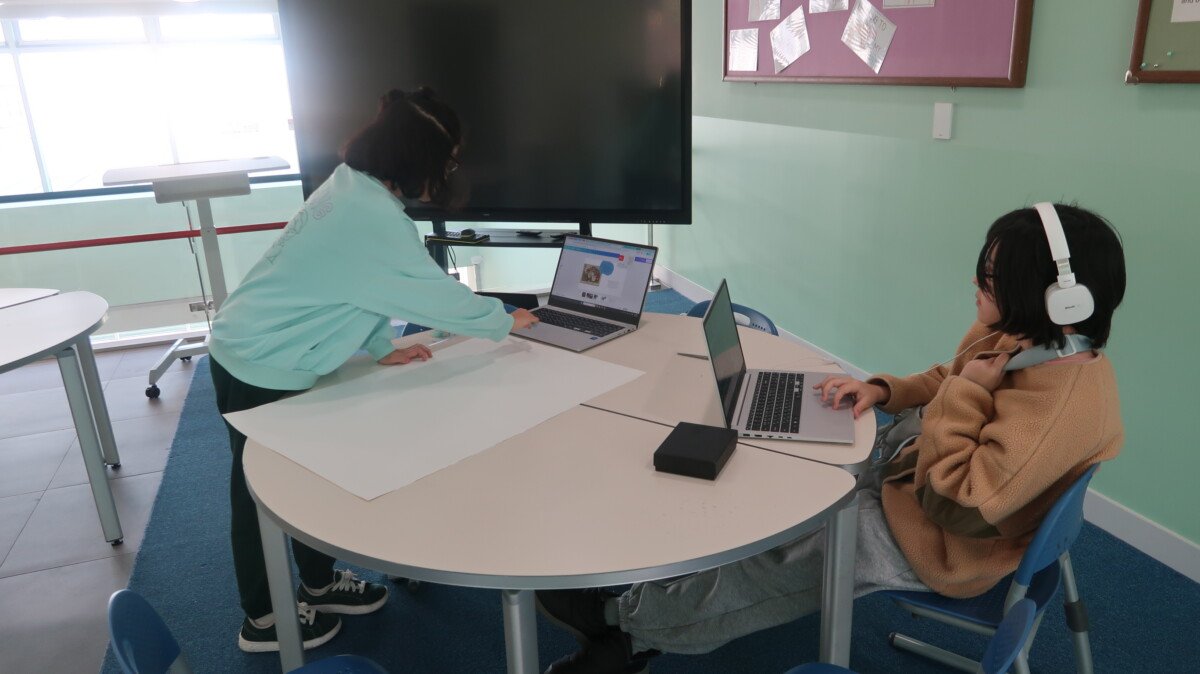
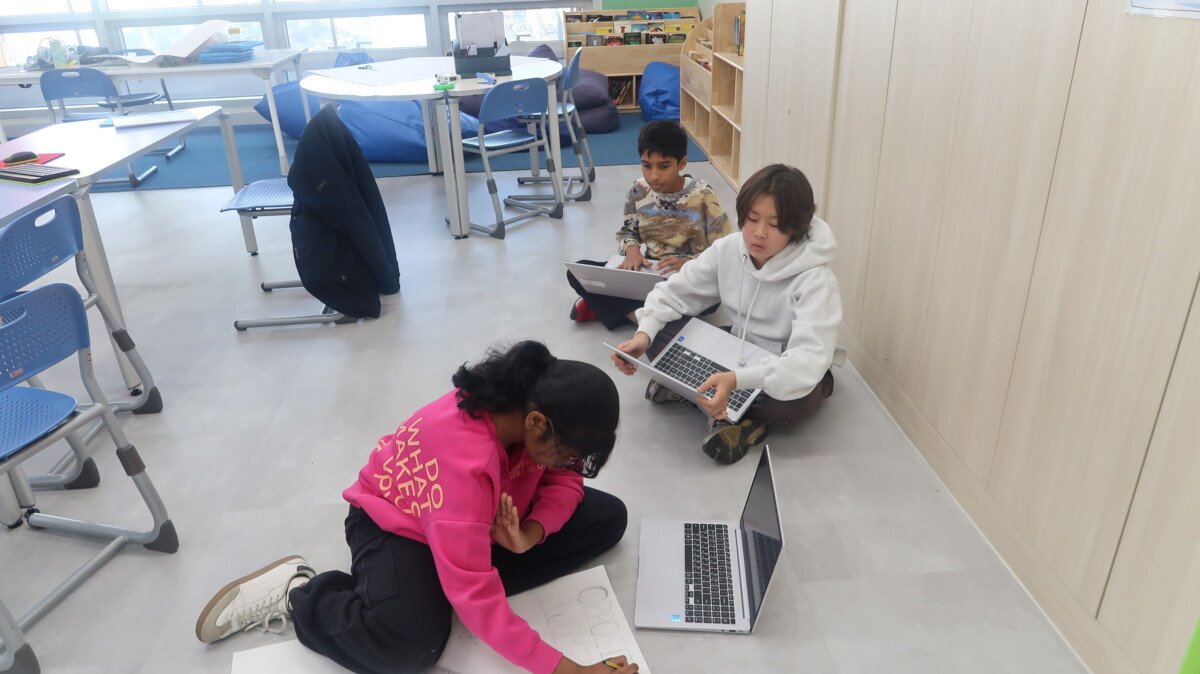
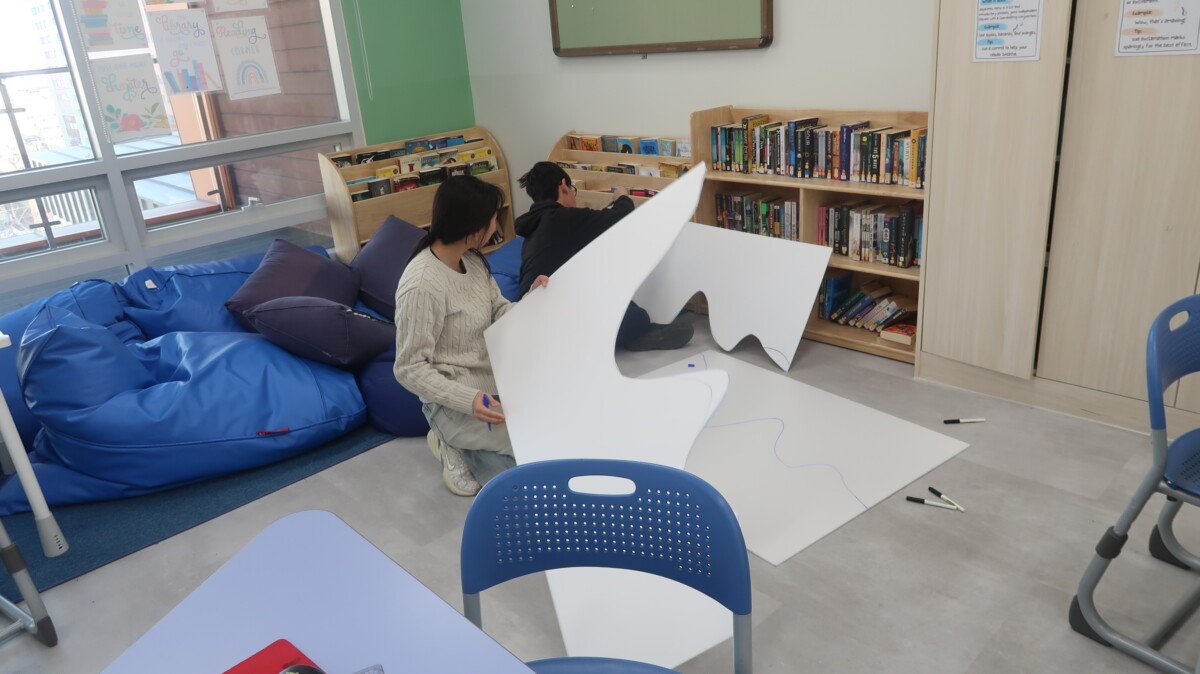
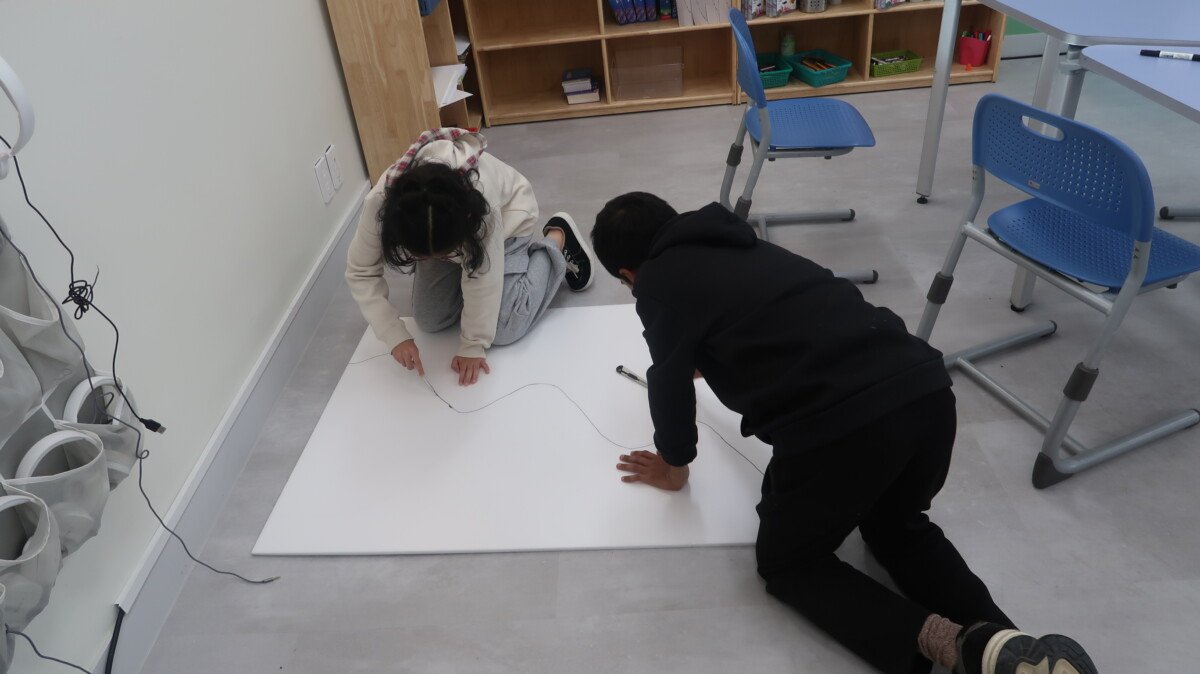
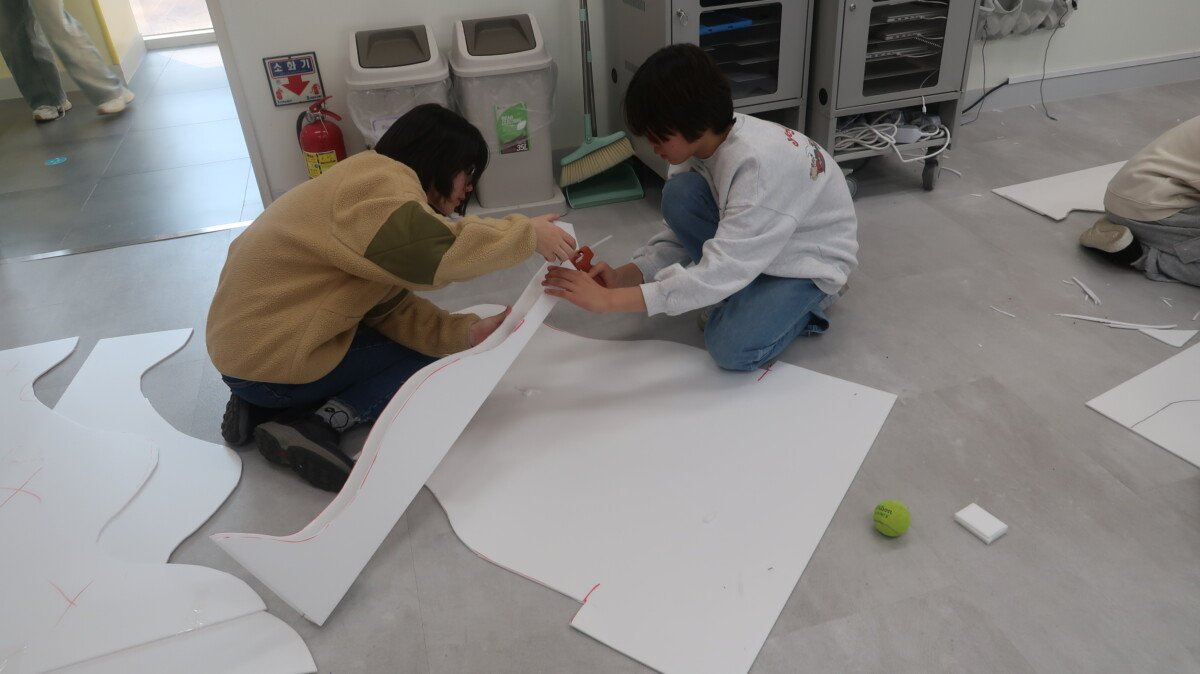
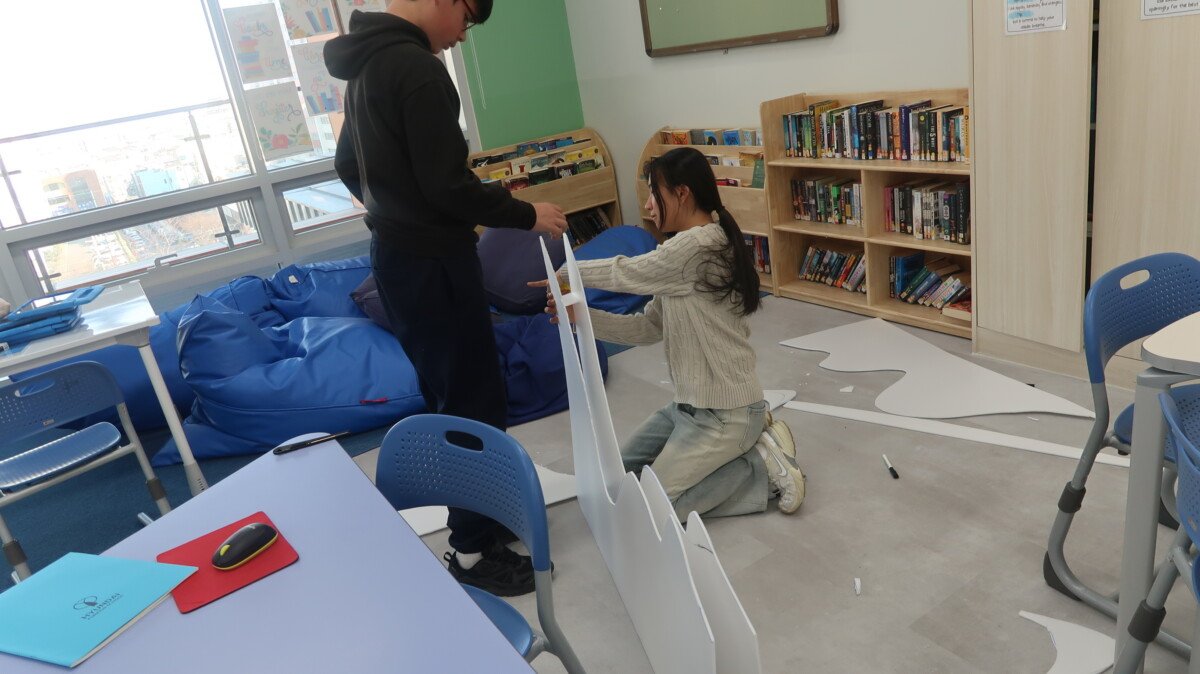
In History, students continued exploring opposition to women’s suffrage and built on their earlier learning by working together to produce a poster. The poster showed the main arguments used against women gaining the vote, grouped into key themes such as fear of change, traditional gender roles, concern for family life and the desire to keep power. This task helped students clearly communicate what they had learned and deepen their understanding of the barriers women faced.
Year 7
This week we completed our unit on solving problems with multiplication & division. There was an end-of-unit assessment on Wednesday, with all students scoring highly. We have now started a short unit on fractions and percentages of amounts and there will be another end-of-unit assessment next week.
Year 8
On Monday, students completed a test on indices, and all students performed excellently. They showed strong understanding and confidence across the topic.
Following the assessment, we began a new unit on Fractions and Percentages.
- Spr.4.1 – Convert fluently between key fractions, decimals, and percentages
- Spr.4.2 – Calculate key fractions, decimals, and percentages of an amount without a calculator
- Spr.4.3 – Calculate fractions, decimals, and percentages of an amount using calculator methods
- Spr.4.4 – Convert between decimals and percentages greater than 100%
- Spr.4.5 – Calculate percentage decrease using a multiplier
- Spr.4.6 – Calculate percentage increase and decrease using a multiplier
- Spr.4.7 – Express one number as a fraction or a percentage of another without a calculator
Year 9
This week in maths, students focused on developing their understanding of percentages.
- Spr.2.5 – Recognise and solve percentage problems (non-calculator)
- Spr.2.6 – Recognise and solve percentage problems (calculator)
- Spr.2.7 – Solve problems involving repeated percentage change
An assessment on percentages was completed, and students all scored 100%.
We have now started a new topic: Maths and Money.
- Spr.3.1 – Solve problems involving bills and bank statements
This topic will help students apply their mathematical skills to real-life financial situations.