Mr Dunn

Mr Dunn Class Update Term 2 Week 8

Hello everyone!

Only a few weeks left of term three! Please keep an eye out for a separate email with details of our class trip. Here are some highlights from this week’s learning.

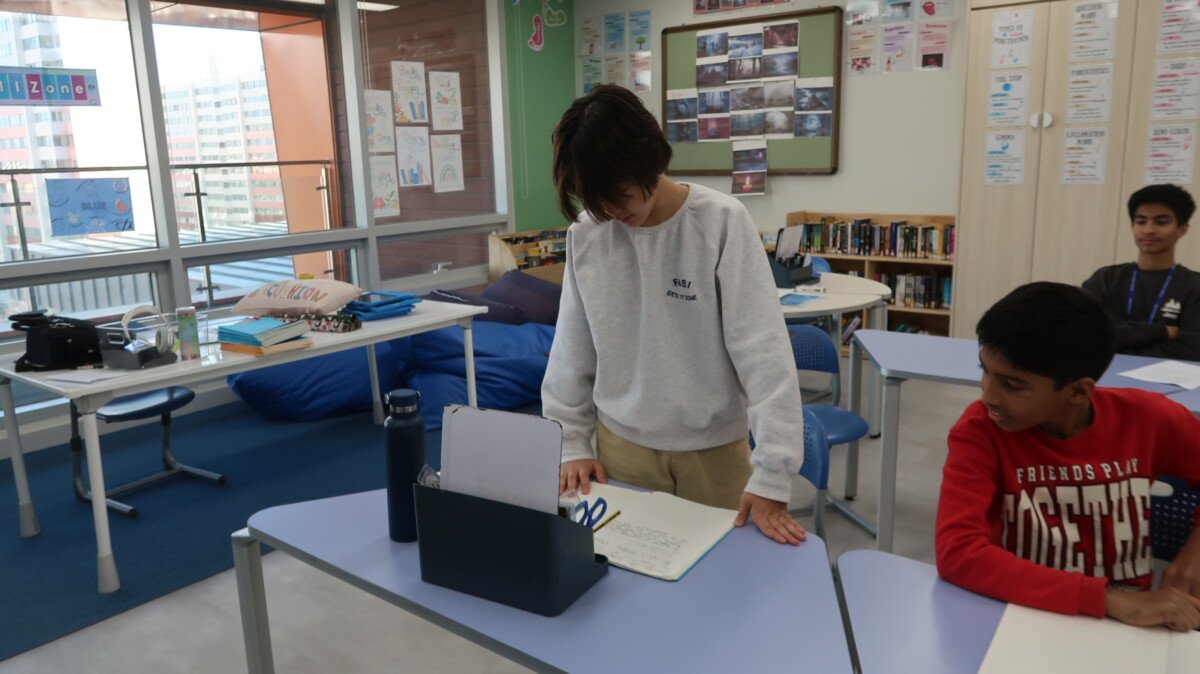
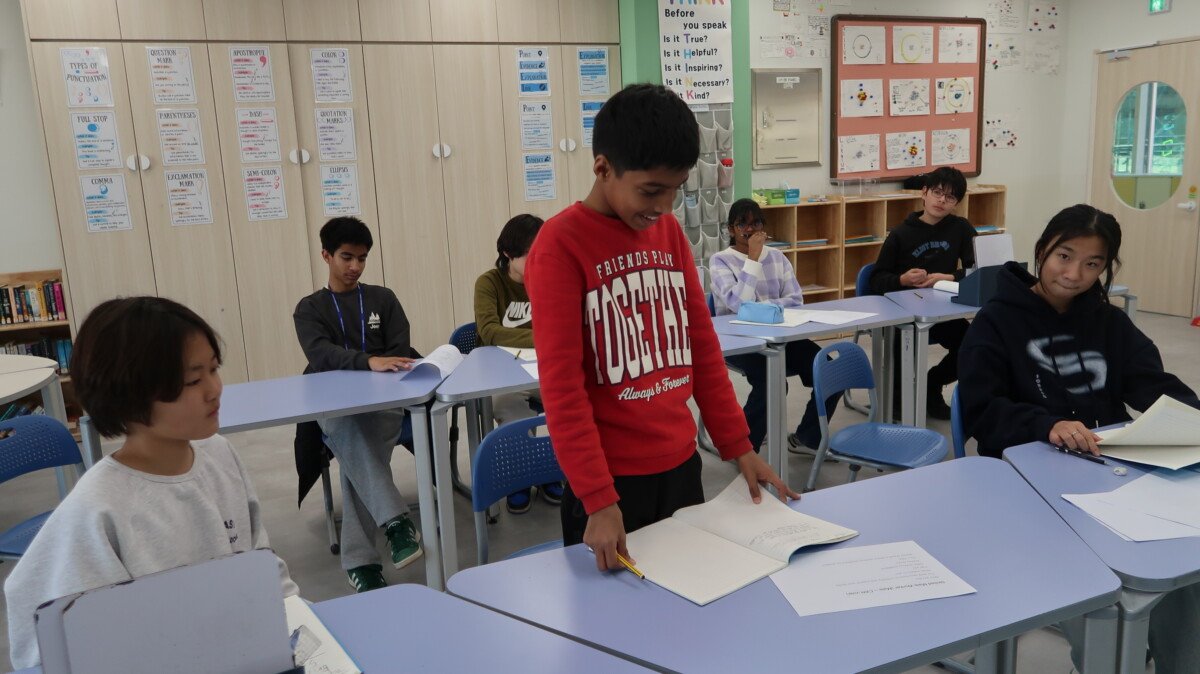
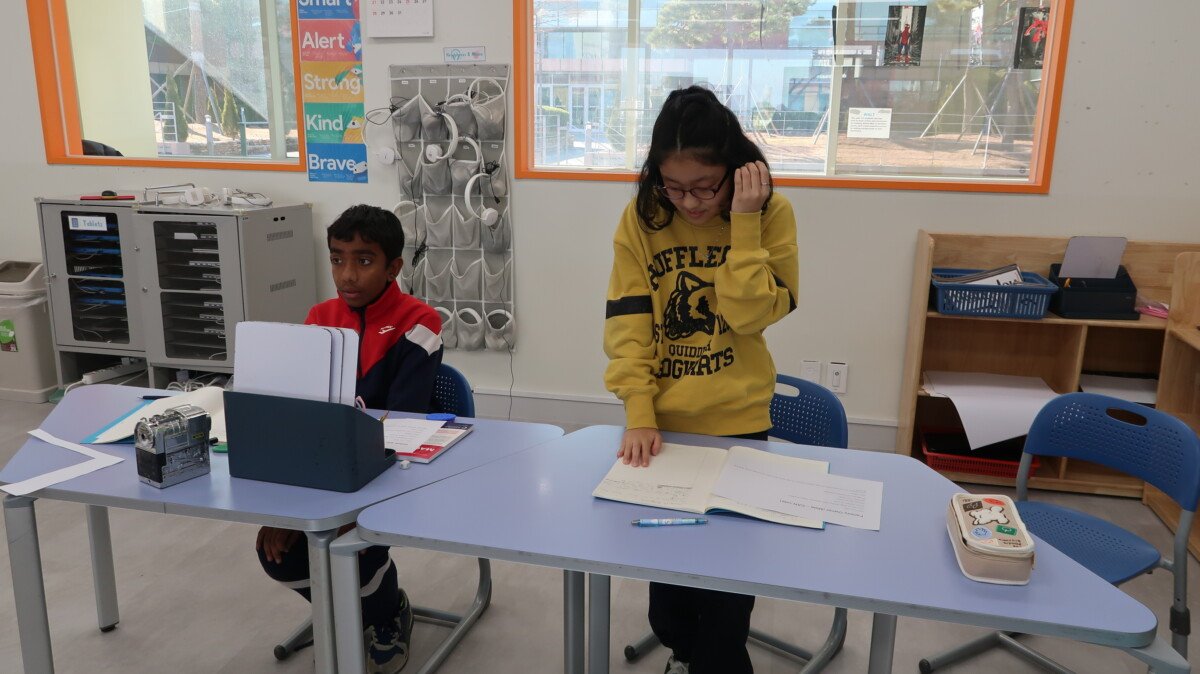
In English, students completed and refined their travel advice leaflets, ensuring their work was clear, well organised and appropriate for the intended audience. They then completed a lesson focused on improving sentence types, helping them vary their writing for greater impact and clarity. Following this, students began work on the Travel Agent project, researching a European destination and planning a one-week family holiday based on a detailed client brief. This project requires students to apply their persuasive, descriptive, and advisory writing skills, as well as research and planning, to prepare for creating and presenting a persuasive travel proposal.

In History this week, students learned about segregation and discrimination in 1950s America, exploring how unfair laws affected the everyday lives of Black Americans. They then took part in an interactive stations lesson, where they investigated key Civil Rights protests and examined the risks people faced when challenging segregation. Students discussed who was taking the risks, what could happen to them, and which actions involved the greatest danger, helping them to understand how risk played a central role in the Civil Rights Movement.

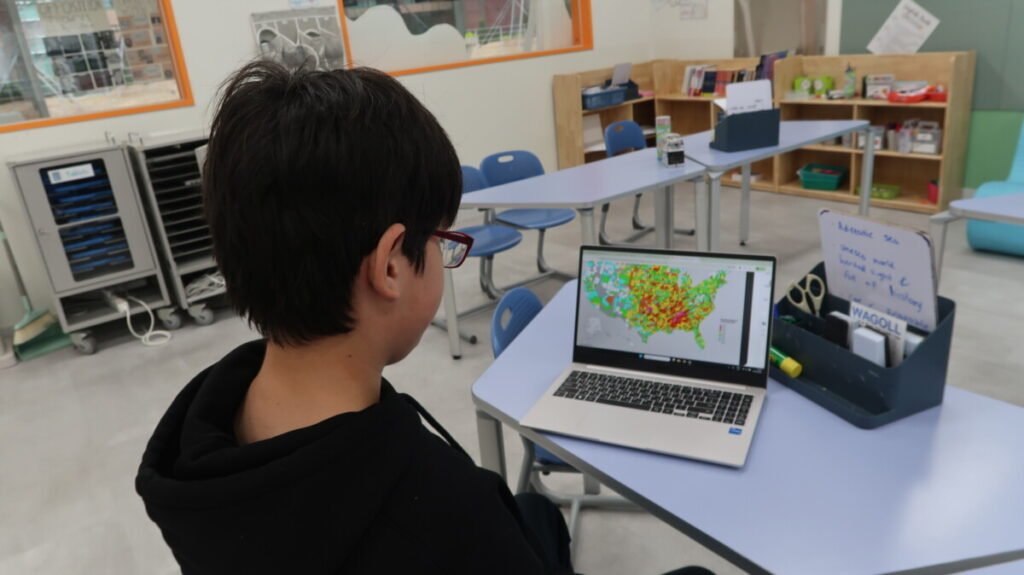
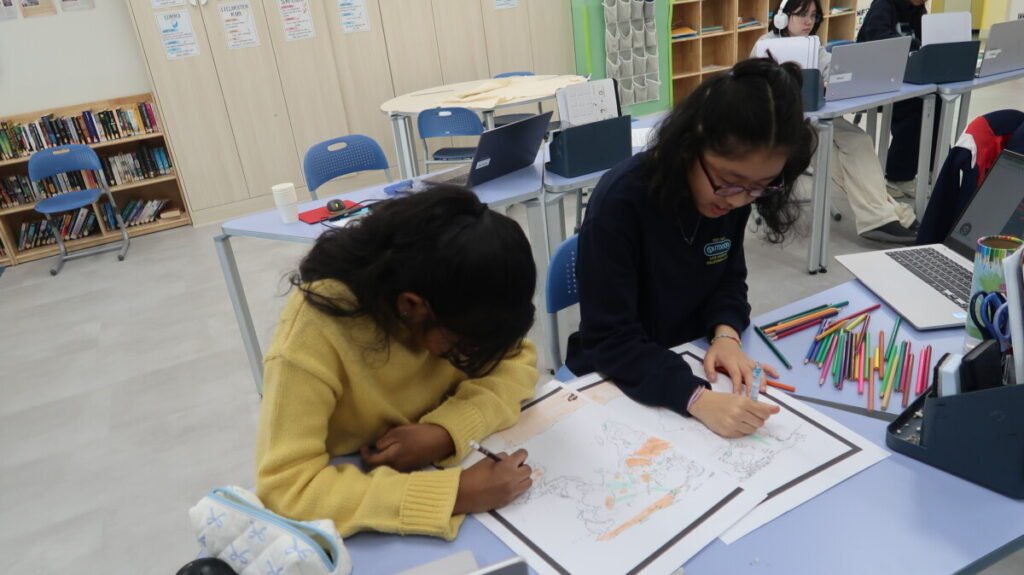
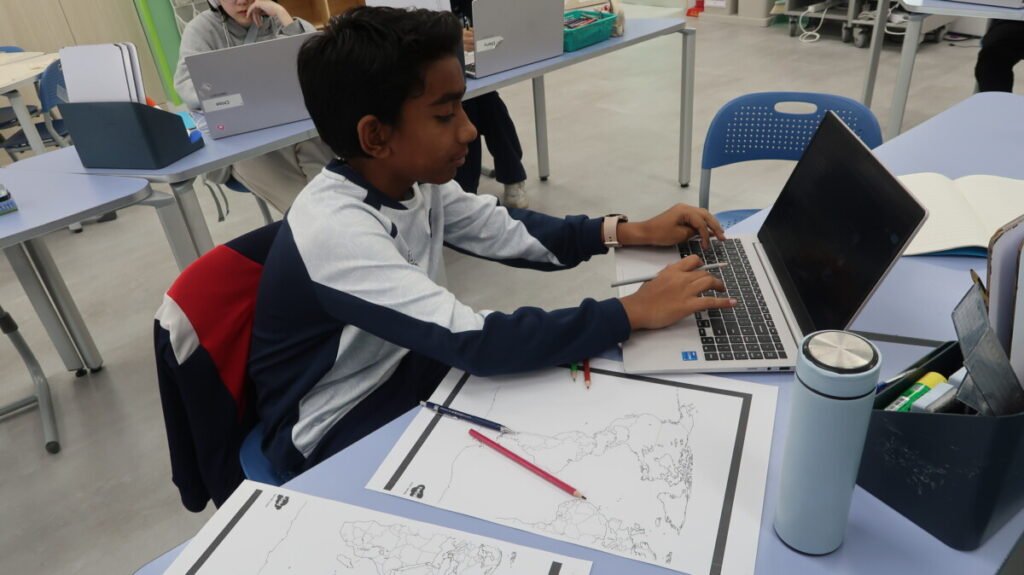
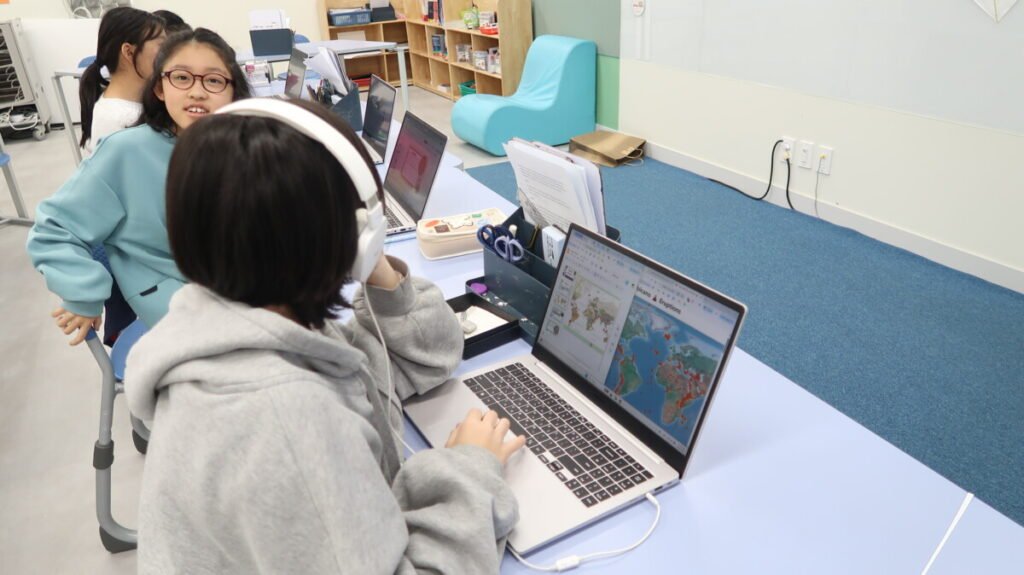
In Geography, students built on their learning by first exploring natural hazards, identifying where events such as earthquakes, floods and volcanoes occur around the world and creating global risk maps to show patterns and levels of risk. They then moved on to a natural disaster case study, researching a real event to understand how physical features, natural hazards and human factors can combine to increase risk and impact on people.

Maths

Year 8
Number Sense

This week, students continued the topic of Number Sense.

  • Spr.6.4 – Understand and use error interval notation (H)
  • Spr.6.5 – Calculate using the order of operations
  • Spr.6.6 – Calculate with money
  • Spr.6.7 – Convert metric measures of length
  • Spr.6.8 – Convert metric units of weight and capacity

Students developed their understanding of accurate calculations, applied the correct order of operations, and practised solving real-life problems involving money and metric conversions.
Kindly note that we will be having an assessment next Friday.  

Year 9

Rotation and Translation

Students continued learning about transformations.

  • Spr.5.4 – Rotated shapes about a point not on the shape.
  • Spr.5.5 – Translated points and shapes using given vectors.
  • Spr.5.6 – Compared rotations and reflections of shapes.
  • Spr.5.7 (H) – Found the result of a series of transformations.
  • An assessment was completed, and students performed great.
Mr Dunn’s Class Update T2 W7

I hope you all had a wonderful Seollal break. Although it’s been a short week back at school, here are some of the highlights from our learning so far.

In English, students explored writing to advise by analysing the structure and language of travel leaflets. They researched their chosen destination and used their findings to plan and create their own clear, practical travel advice leaflets for a specific audience.

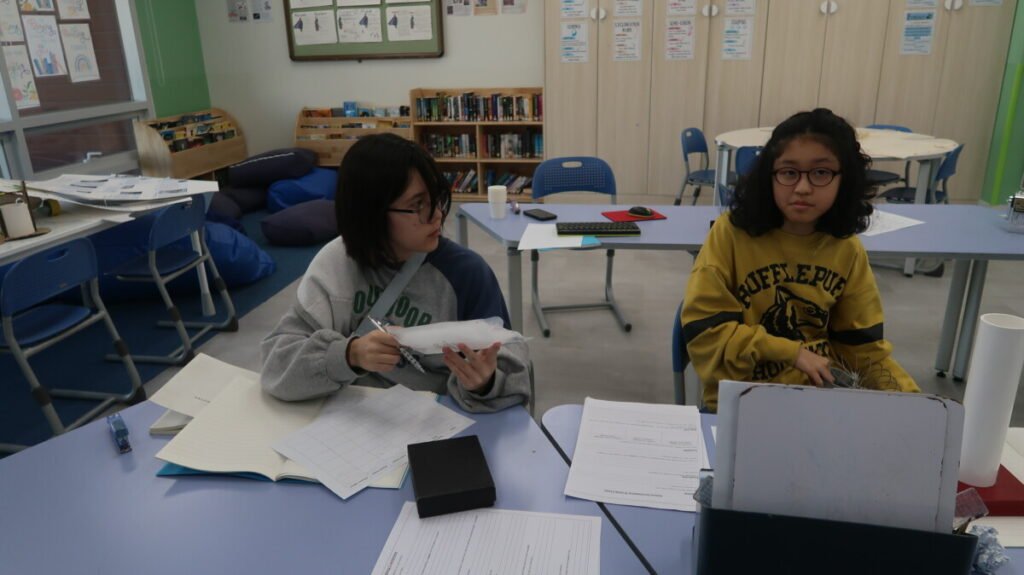
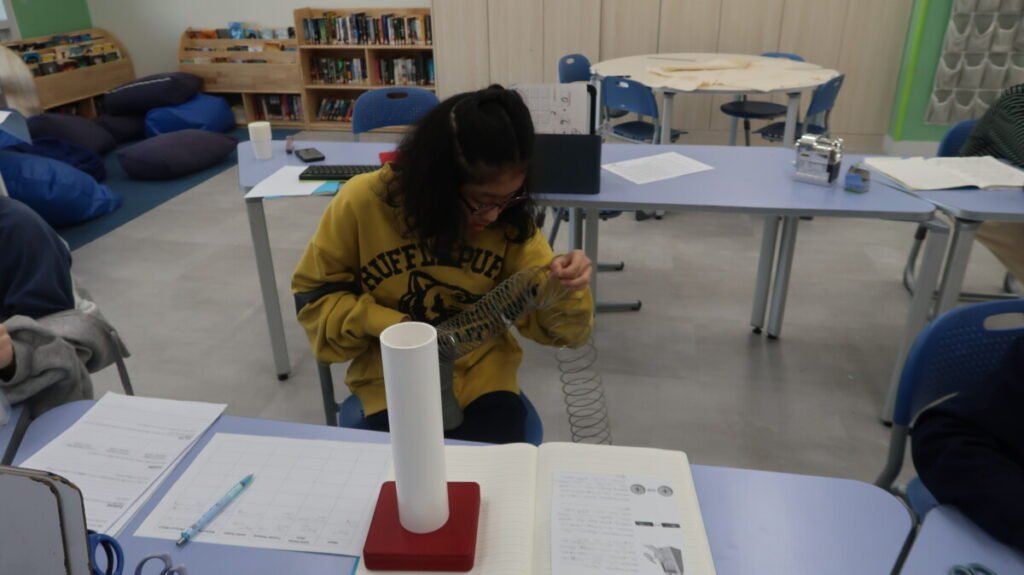
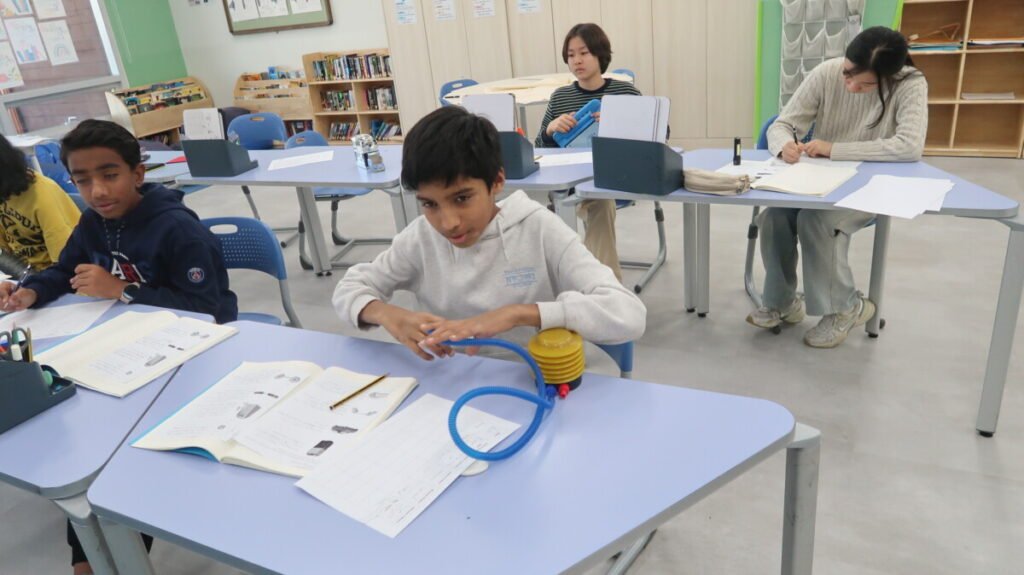
This week in science, students took part in a hands-on “Energy Circus” where they explored how energy is stored and transferred using everyday objects such as a tennis ball, magnets, a torch and an ice pack. They identified different energy stores and discussed how energy is transferred in each example, developing their scientific vocabulary and understanding that energy is not created or destroyed.

In Geography this week, students completed their work on physical features, finalising their world maps with accurate scale, keys and labelled locations. They reviewed global patterns and reflected on how different physical features can present risks to people in various environments.

Maths

Year 7

This week we covered:

  • Spr.4.12 – Use order of operations with directed numbers
  • Spr.4.13 – Roots of positive numbers (H)

Year 8
This week we covered key skills in number sense.

  • Spr.6.1 – Rounded numbers to powers of 10 and to 1 significant figure.
  • Spr.6.2 – Rounded numbers to a given number of decimal places.
  • Spr.6.3 – Estimated the answers to calculations using appropriate rounding methods.

Students developed their understanding of place value and improved their accuracy when estimating and checking answers. They are becoming more confident in applying these skills to problem-solving questions.

Year 9
Rotation and Translation

This week we continued our work on transformations.

Spr.5.2 – Compare and contrast rotational symmetry with line symmetry
Students learned the difference between rotational symmetry and line symmetry. They identified the order of rotational symmetry of different shapes and compared it with the number of lines of symmetry.

Spr.5.3 – Rotate a shape about a point on a shape
Students practised rotating shapes around a given point, understanding direction (clockwise and anticlockwise) and angle of rotation. They developed accuracy in plotting and describing rotations.

Students are building confidence in recognising and applying different types of transformations.

Mr Dunn’s Class Update T2 W6

This week has been busy and productive week, here are some highlights.

In English, as the unit progressed, students focused on refining and developing their writing skills further. They revisited punctuation and sentence structures to improve accuracy and control, applying these skills directly to their travel writing. Students then explored travel blogs, analysing how writers combine facts and opinions to engage readers, before researching and creating their own blog pieces. Time was dedicated to editing and redrafting, helping students strengthen paragraphing, vocabulary and clarity. Finally, students examined travel reviews, considering how they inform, describe and evaluate a destination, and produced their own structured reviews using clear criteria for success.

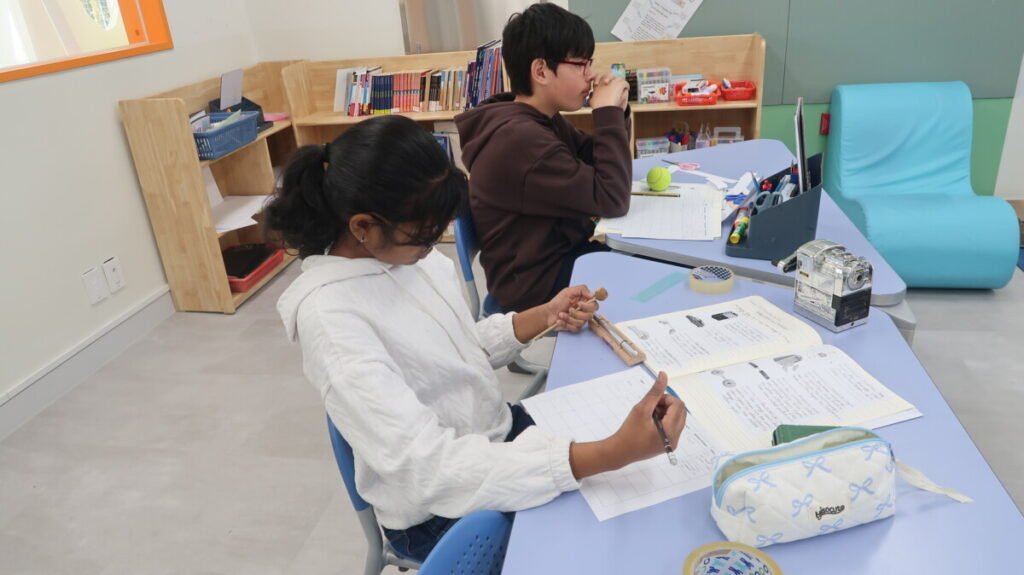
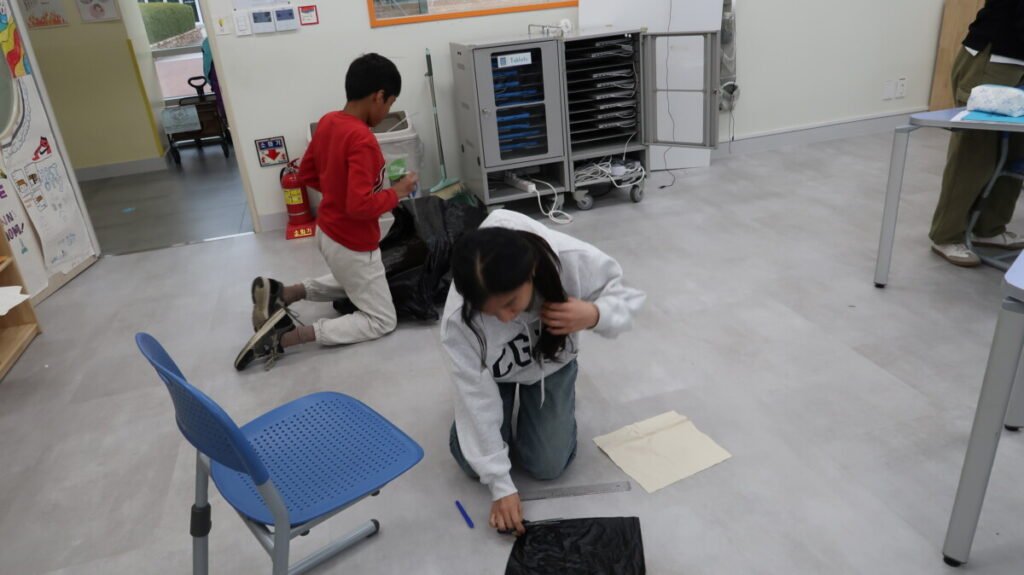
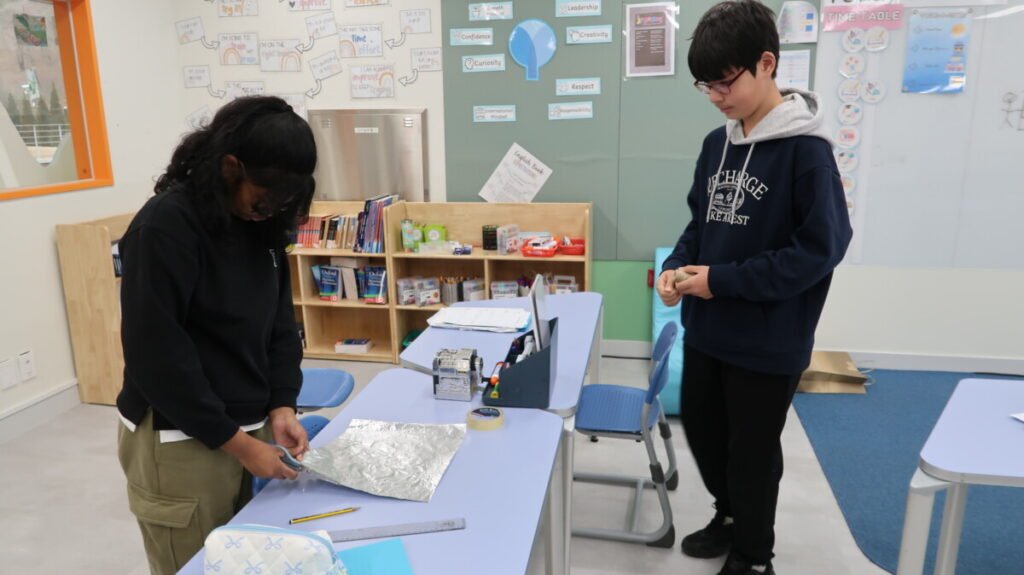
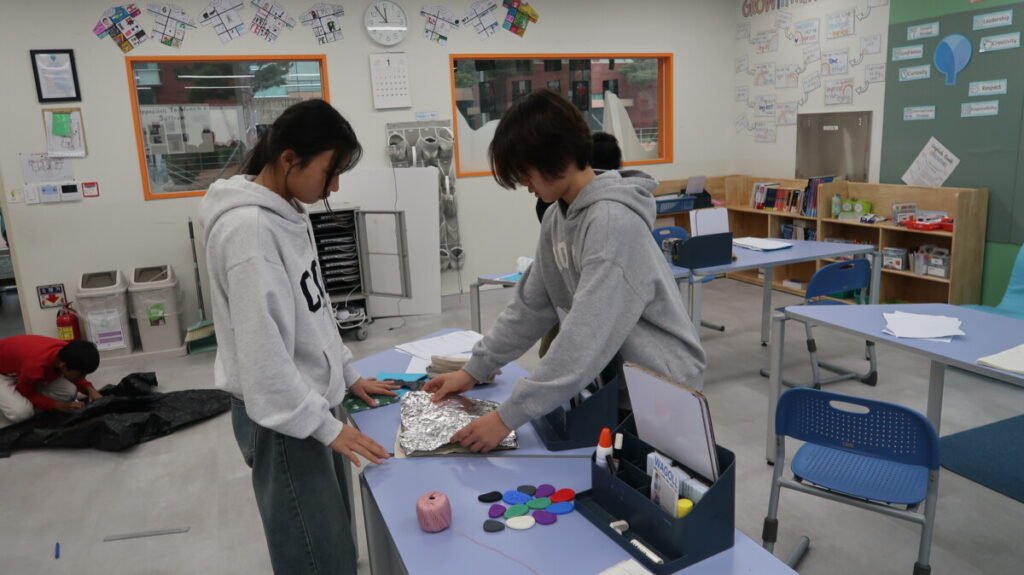
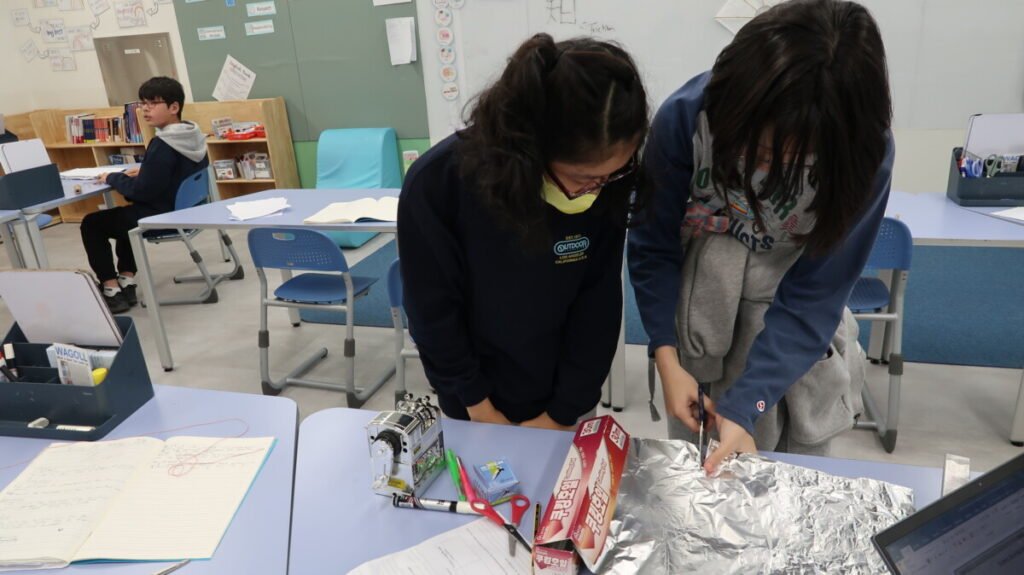
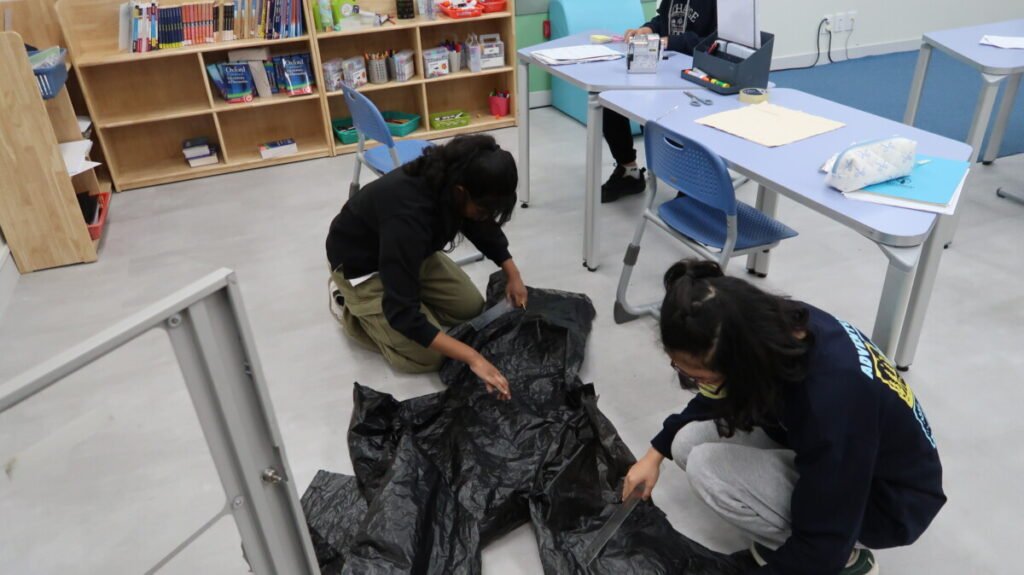
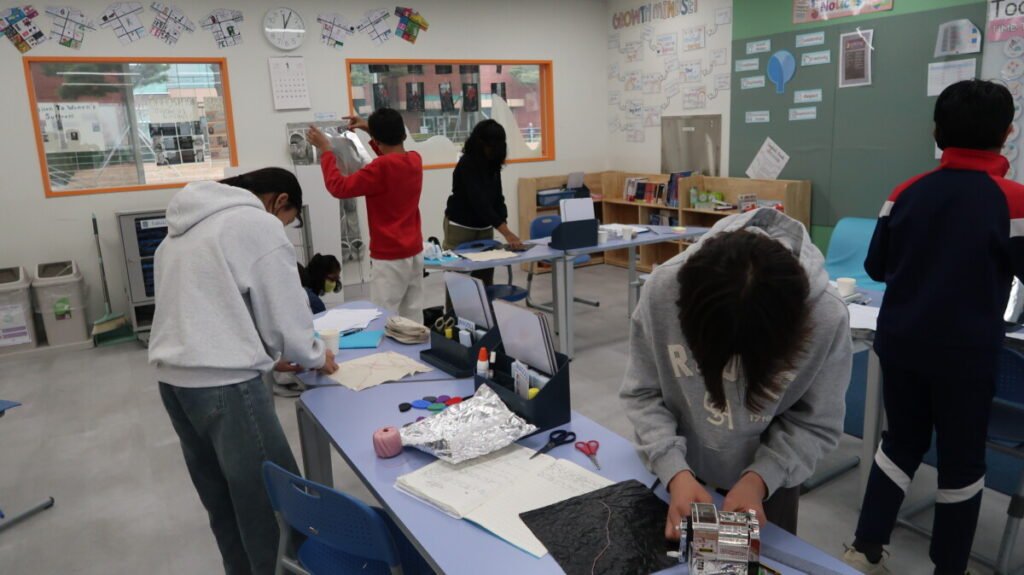
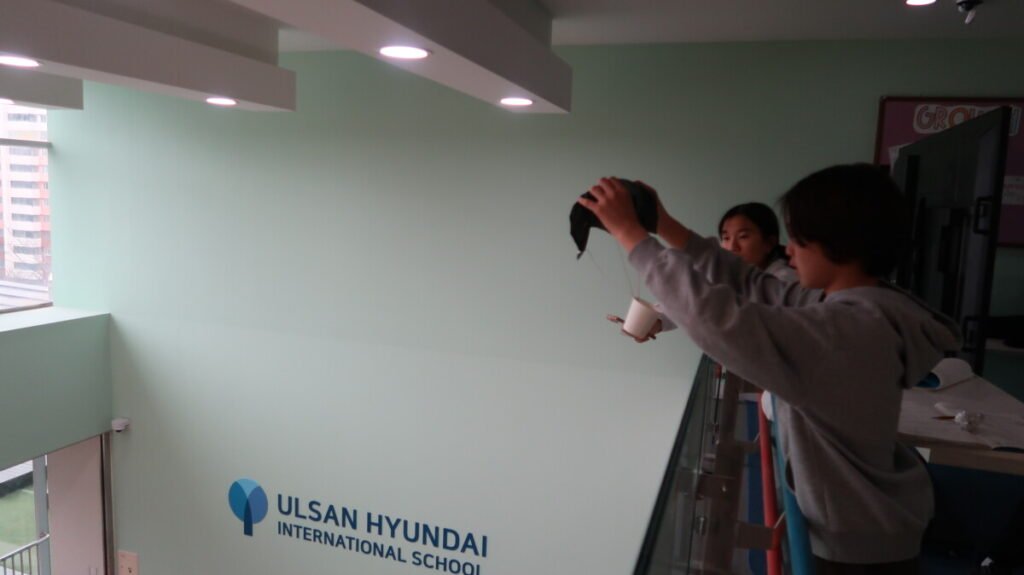
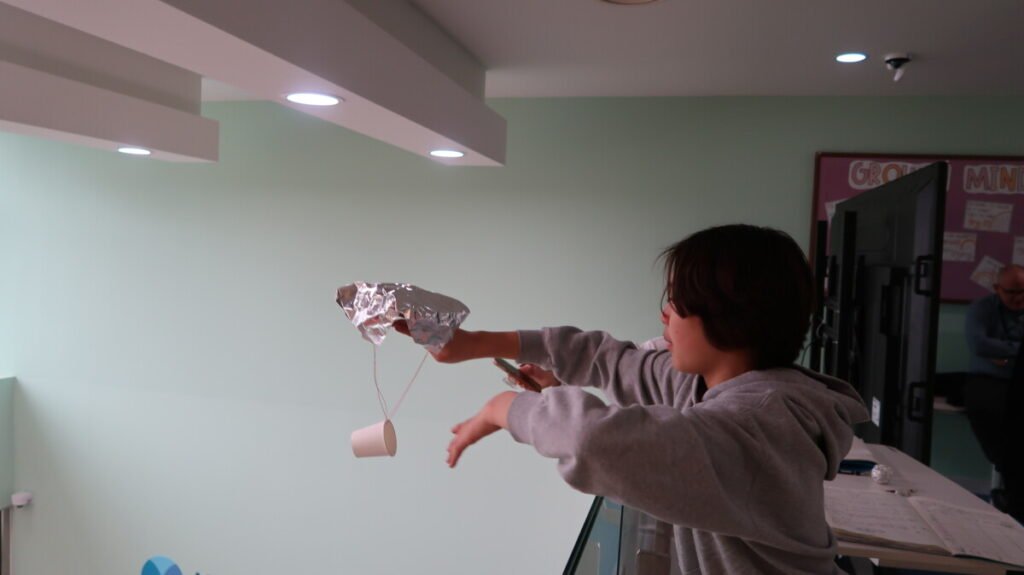
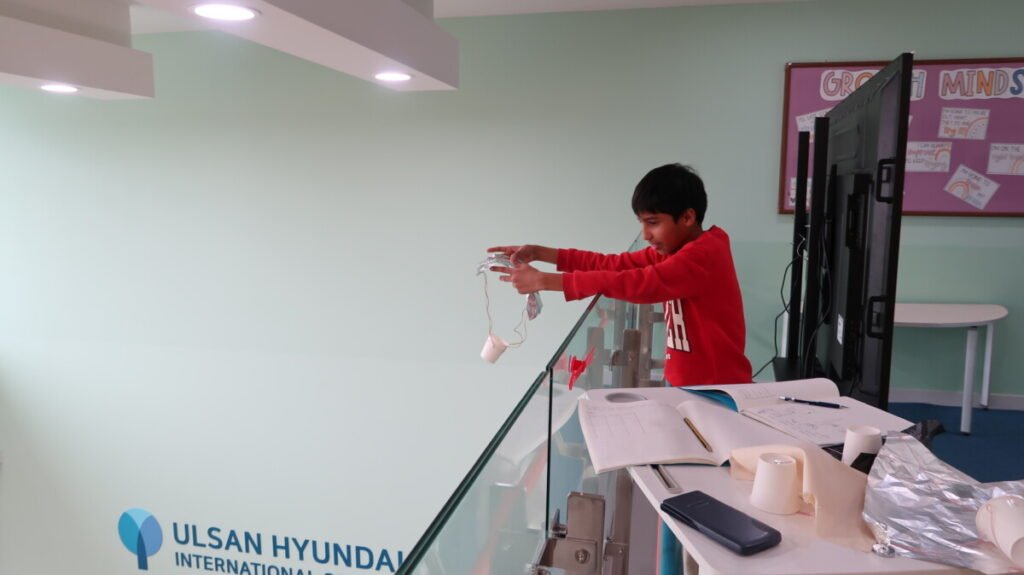
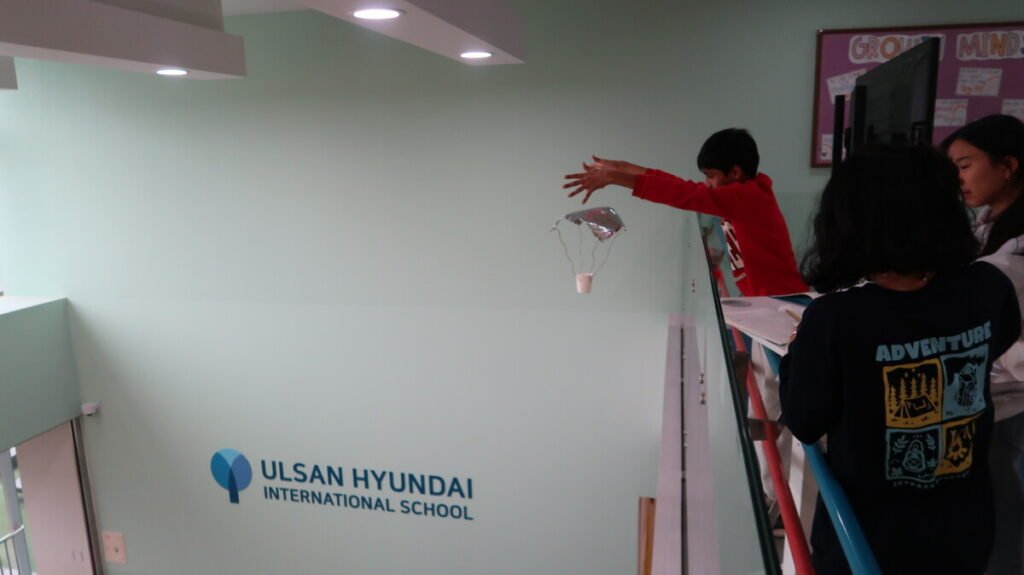
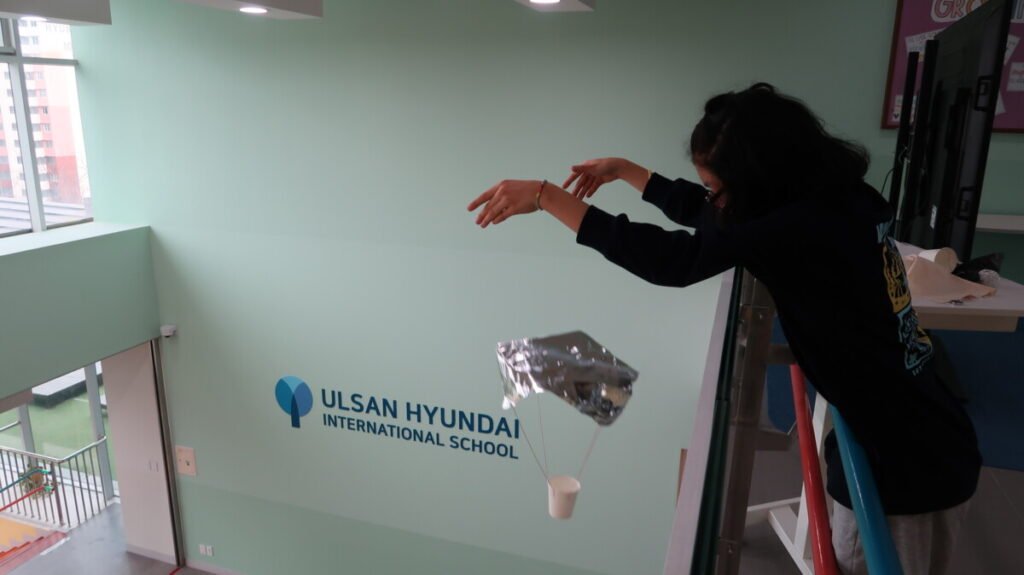
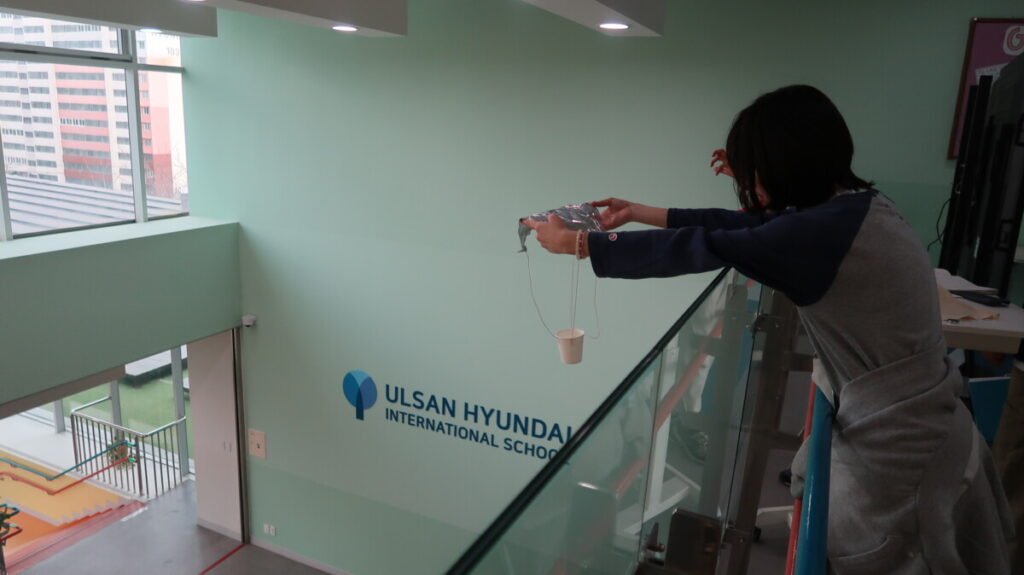
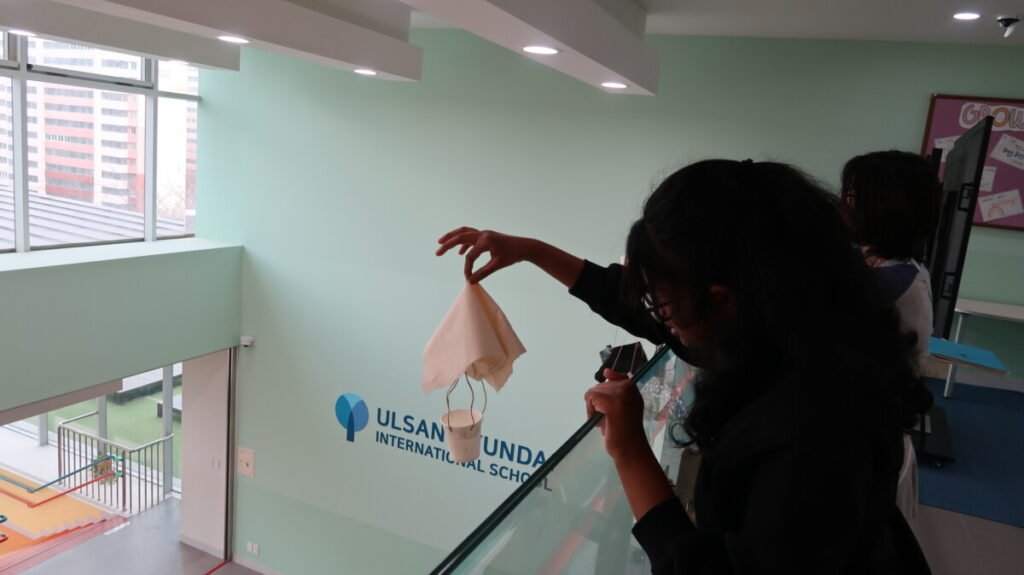
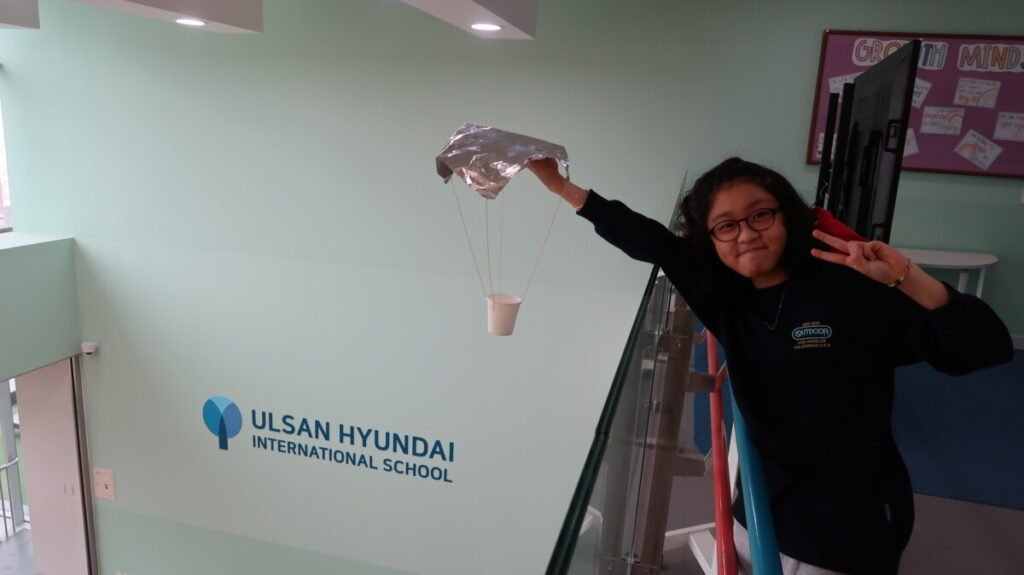
In our final Science task, students explored air resistance by designing and making their own parachutes. They tested different materials, including foil, plastic bin bags and fabric, to investigate how the type of material affected how slowly the parachute fell. By building, testing and comparing their designs, students linked their findings to the forces of gravity and air resistance, explaining how parachutes are used in real life to slow movement and keep people safe.

In their final History lesson, students completed an assessment drawing on all their previous research to explain why women gained the right to vote in 1918. They structured their answers to consider multiple factors, including long-term campaigning, the actions of the Suffragettes and Suffragists, and the impact of the First World War. This task allowed students to demonstrate their understanding of how different causes combined to bring about change and to make a reasoned judgement about the most significant factor.

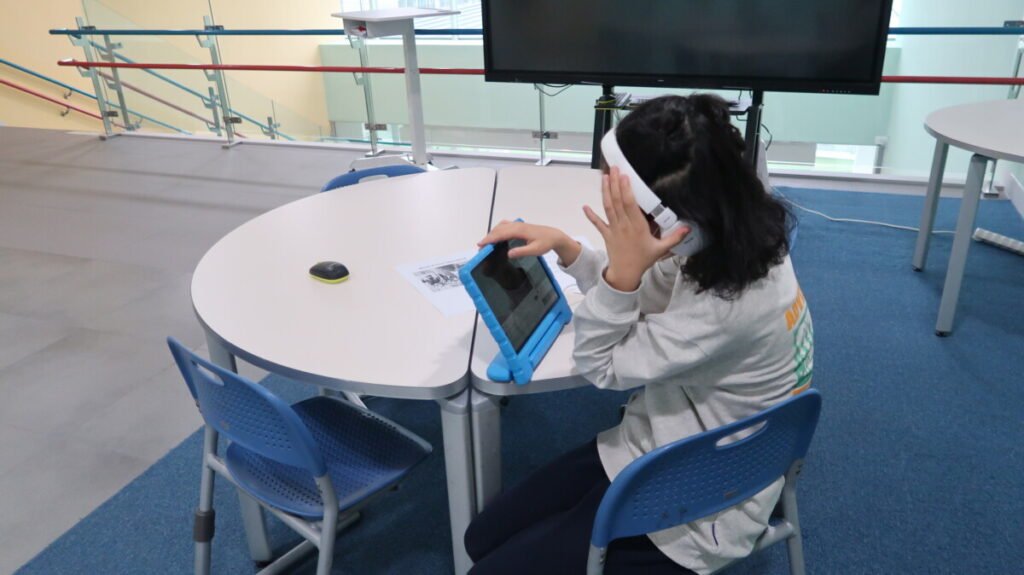
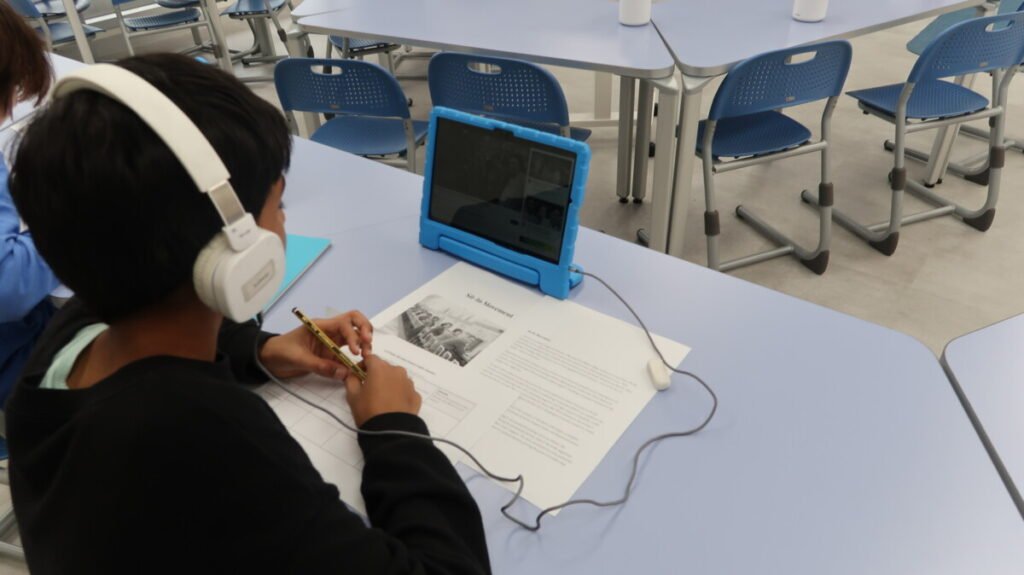
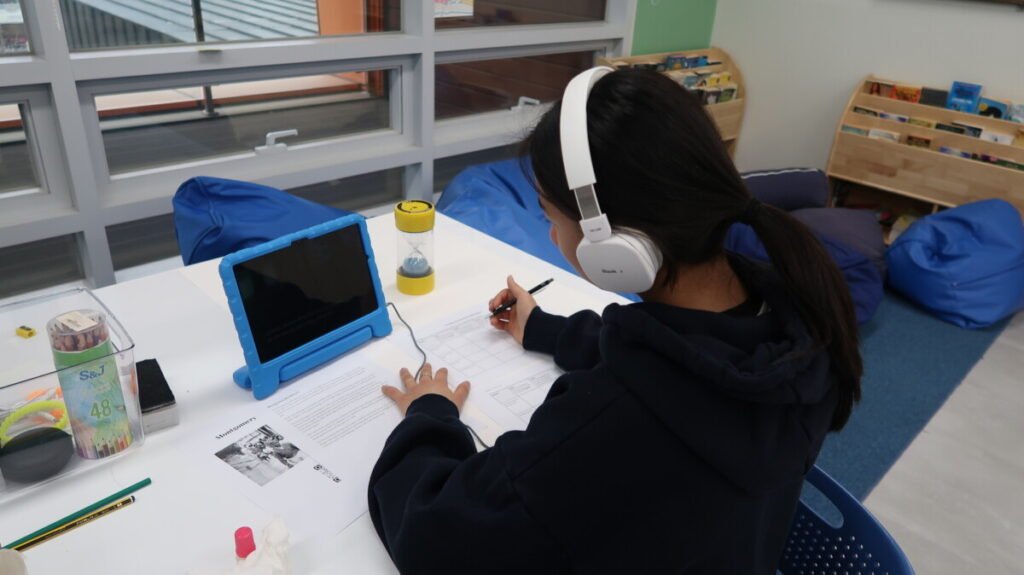
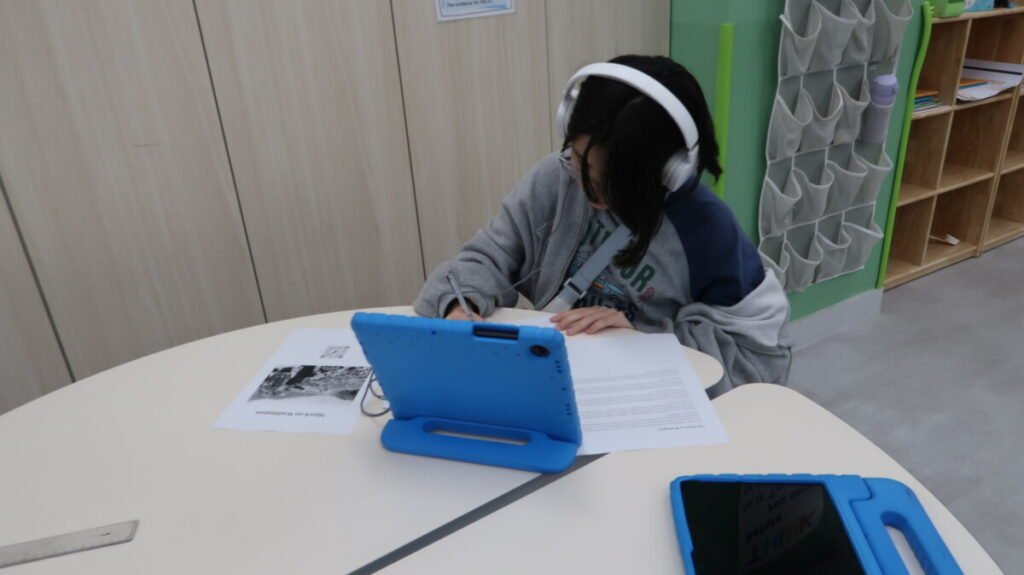
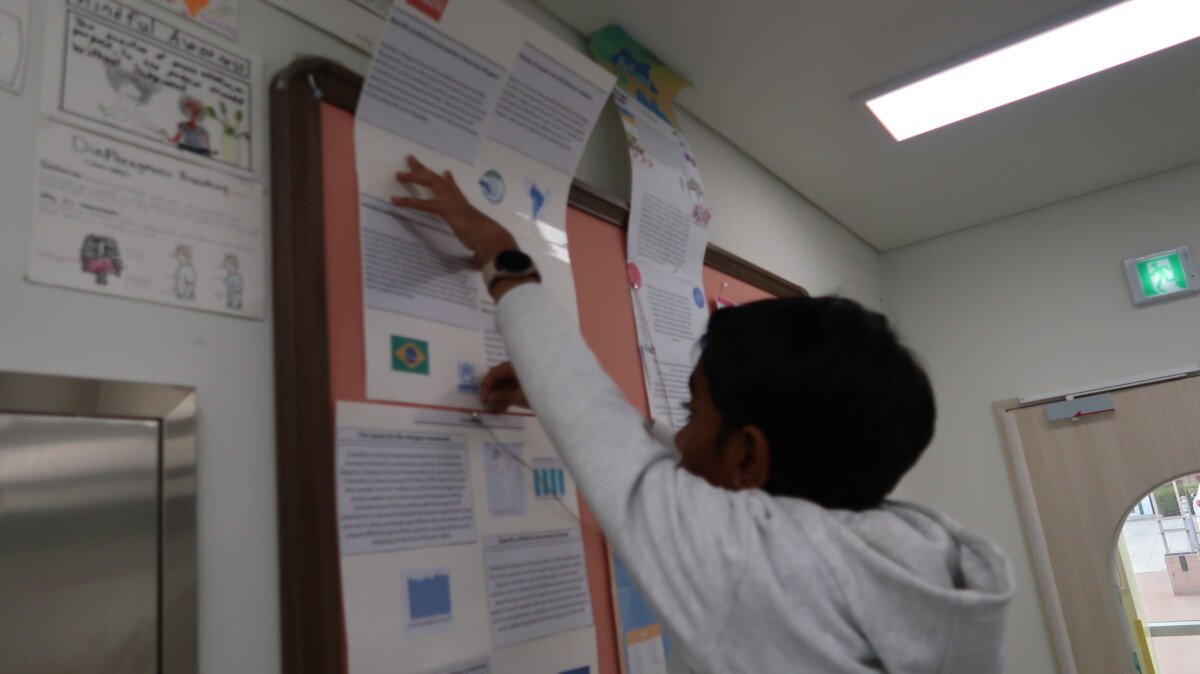
This week in IMYC, students began our new unit on Risk, in History students examined images from the early Civil Rights Movement. They discussed what it means to take a risk and explored why people were willing to face danger to challenge unfair laws.


In Geography this week, students explored key physical features such as mountains, rivers and volcanoes, identifying where they are located around the world and recognising global patterns. They created labelled world maps using scale and a key, and began considering how these features can present risks to people in different environments.

Maths

Year 7

Students completed the following topics:

  • Spr.4.7 – Multiplication and division of directed numbers
  • Spr.4.8 – Use a calculator for directed number calculations
  • Spr.4.9 – Evaluate algebraic expressions with directed number
  • Spr.4.10 – Introduction to two-step equations
  • Spr.4.11 – Solve two-step equations

Year 8
Standard Index Form

  • Spr.5.8 – Students learned to multiply and divide numbers in standard form.
  • Spr.5.9 – Students used calculators to work confidently with numbers in standard form.
  • Spr.5.10 – Students developed understanding of negative indices (H).
  • Spr.6.11 – Students explored and used fractional indices (H).
  • Assessment – Assessment completed, and students did great in the assessment, showing good understanding of standard index form and indices concepts.
  • Year 9
    Deduction
  • Spr.4.4 – Conjectures with angles
  • Spr.4.5 – Conjectures with shapes
  • Spr.4.6 – Link constructions and geometrical reasoning (H)
  • Assessment:
    Students completed the assessment and did great.
  • Rotation and Translation
    A new topic, Rotation and Translation, was started on Friday.

Mr Dunn’s Class Update Term 2 Week 5

We’ve had a great week of learning, with students working hard, asking thoughtful questions, and building on key skills across our lessons. Here are a few highlights from the week.

We have started our new Travel Writing unit this week. Students were introduced to different types of travel writing and explored how writers adapt their work for different purposes and audiences. They analysed key features of travel texts, developed descriptive writing using the five senses, and focused on improving vocabulary choices for greater impact. Students then moved on to persuasive writing, learning a range of persuasive techniques and applying them through spoken and written tasks. They finished this section of the unit by planning and writing their own persuasive travel articles, using clear structure, engaging openings and appropriate language to appeal to a reader.
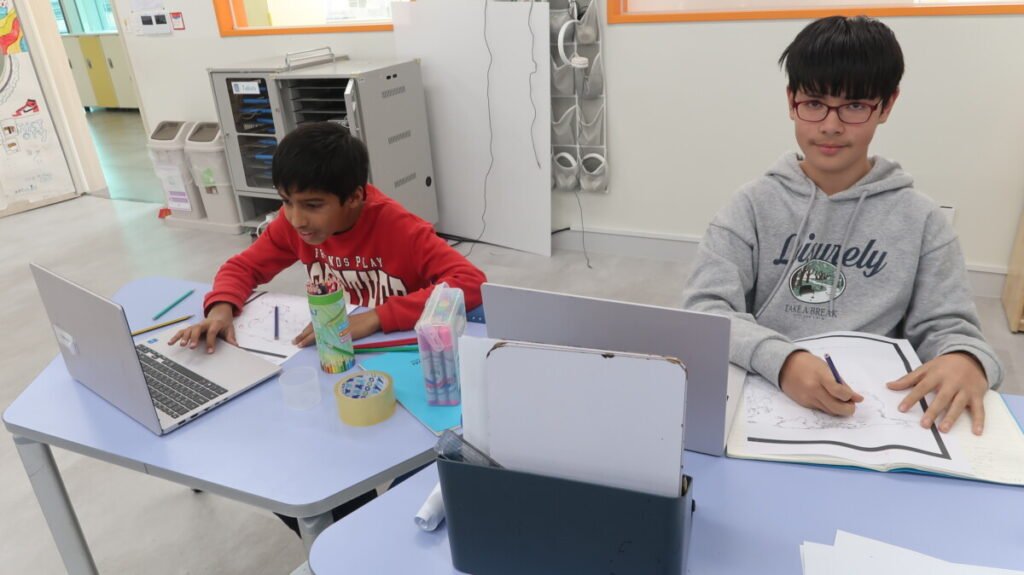
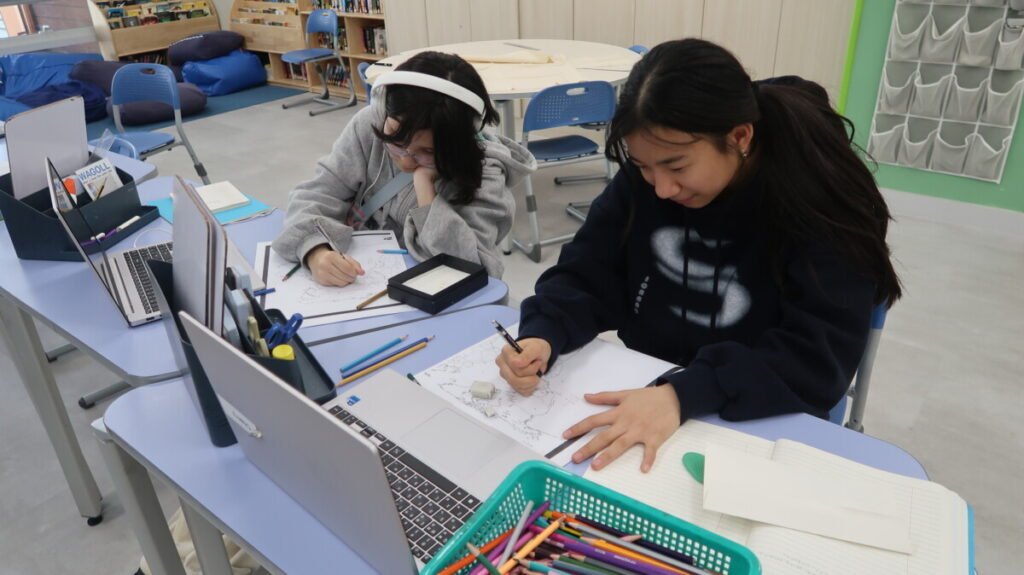
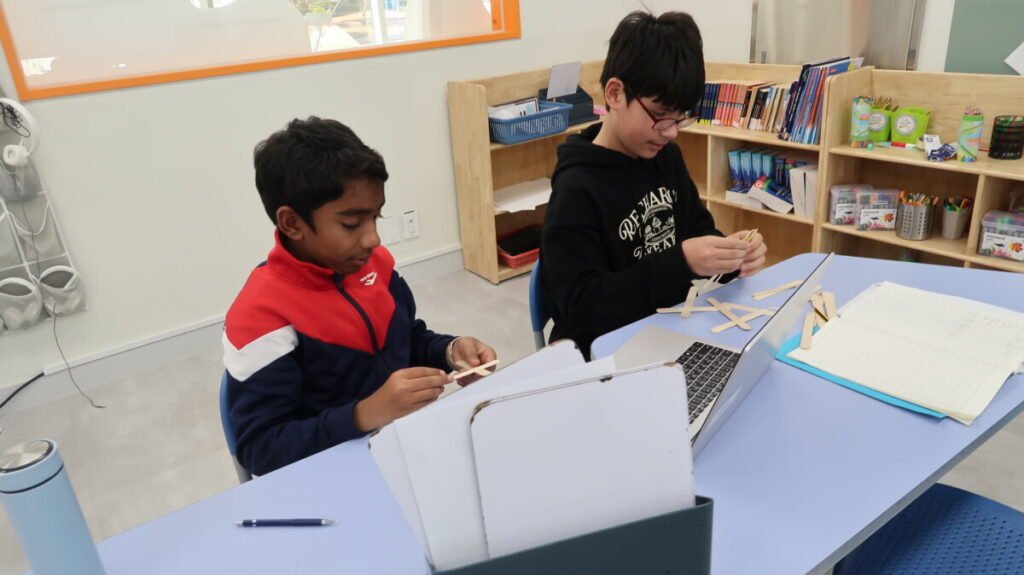
In Science, students explored levers and how they help reduce the force needed to move heavy objects. They designed and built their own lever systems, identifying the pivot, load and effort, and tested how changing the position of the pivot affected how easily a load could be lifted.

In History, students learned about the Suffragists and how they campaigned peacefully for the right to vote. They researched key figures and methods such as petitions, public meetings and pamphlets, and added this information to their class poster to compare Suffragist approaches with those of the Suffragettes. They also began researching the key factors that led to some women receiving the vote in 1918, helping them understand how different campaigns and wider events contributed to change.

Maths

Year 7

This week we have studied the units below. If any parents wish to meet with me about a student’s progress in maths, please let me know.

  • Order directed numbers using lines and appropriate symbols
  • Perform calculations that cross zero
  • Add directed numbers
  • Subtract directed numbers
  • Multiplication of directed numbers

Year 8

This week students began a new topic on standard index form.

  • Spr.5.1 – Investigate positive powers of 10: Students learned how numbers can be written using powers of 10 and explored place value patterns.
  • Spr.5.2 – Work with numbers greater than 1 in standard form: Students practised converting large numbers into standard form and writing standard form numbers in ordinary form.
  • Spr.5.3 – Investigate negative powers of 10: Students explored how negative indices represent very small numbers.
  • Spr.5.4 – Work with numbers between 0 and 1 in standard form: Students convert small decimal numbers into standard form and vice versa.
  • Spr.5.5 – Compare and order numbers in standard form: Students learned strategies to compare and arrange standard form numbers by looking at powers and coefficients.
  • Spr.5.6 – Mentally calculate with numbers in standard form: Students practised simple mental calculations using standard form.
  • Spr.5.7 – Add and subtract numbers in standard form: Students applied their knowledge to perform addition and subtraction with numbers written in standard form.

    Year 9
    Maths – Money
    • Students learned to solve real-life problems involving unit pricing (Spr.3.7).
    • An assessment was completed on this topic and students performed well.
    Deduction – Angles
    • Spr.4.1 – Angles in parallel lines .
    • Spr.4.2 – Solving angle problems using chains of reasoning.
    • Spr.4.3 – Solving angle problems involving algebra.
    Students are developing good problem-solving skills and are applying logical reasoning confidently in their work.

Students showed good understanding of the topic and practised a variety of questions to strengthen their skills.

Mr Dunn’s Class Update T2 W4

It was another busy and productive week for the Year 7,8,9 class. Here are some highlight from the week’s learning.

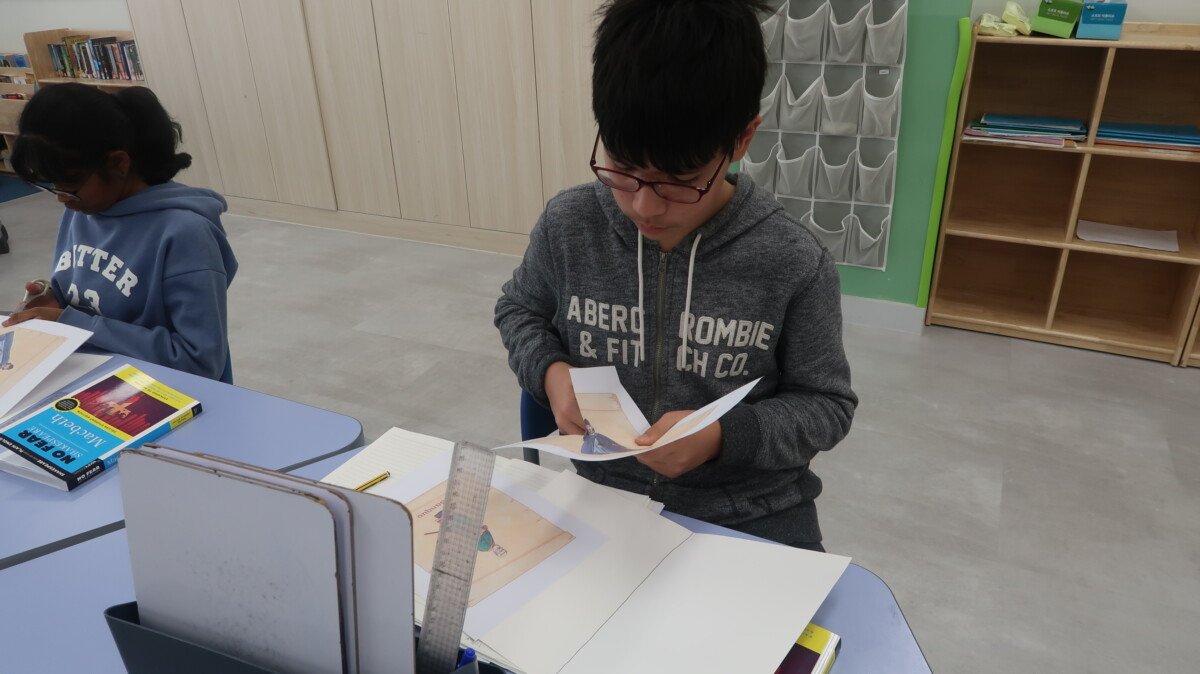
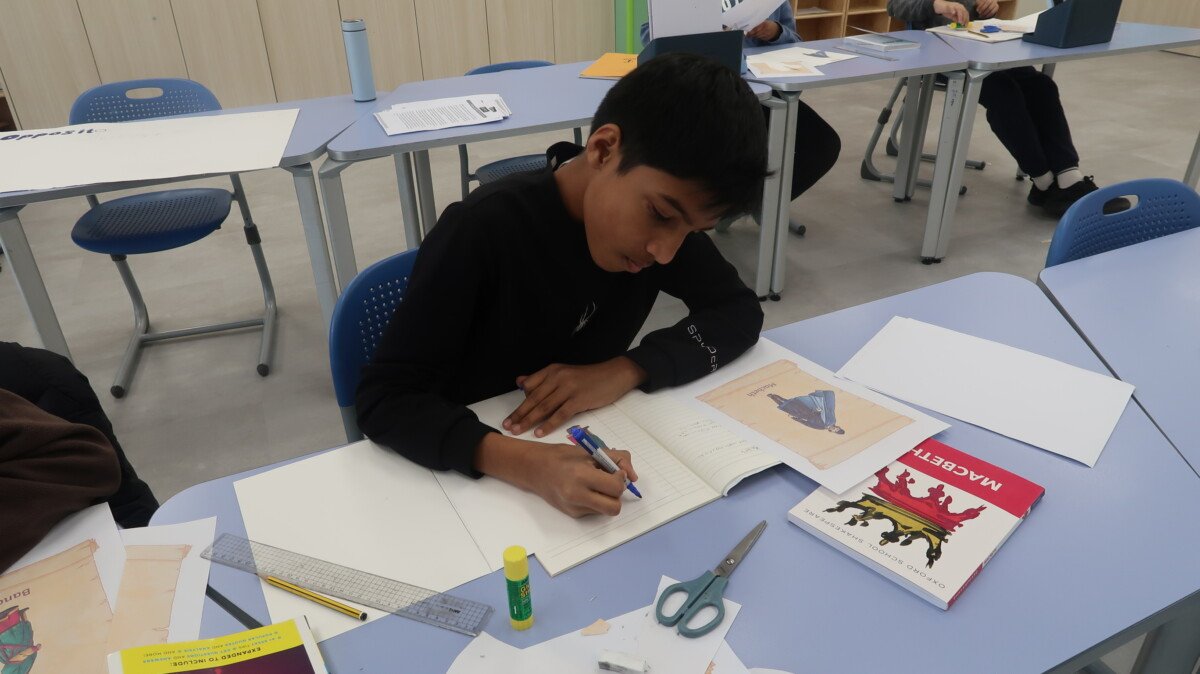
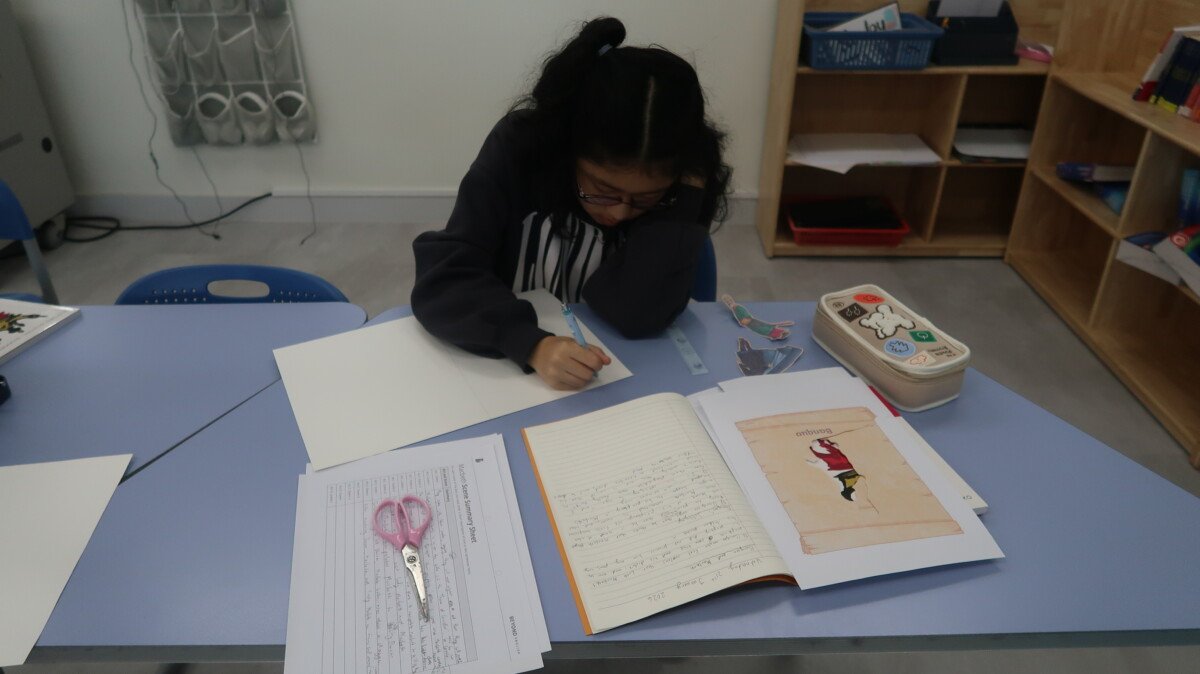
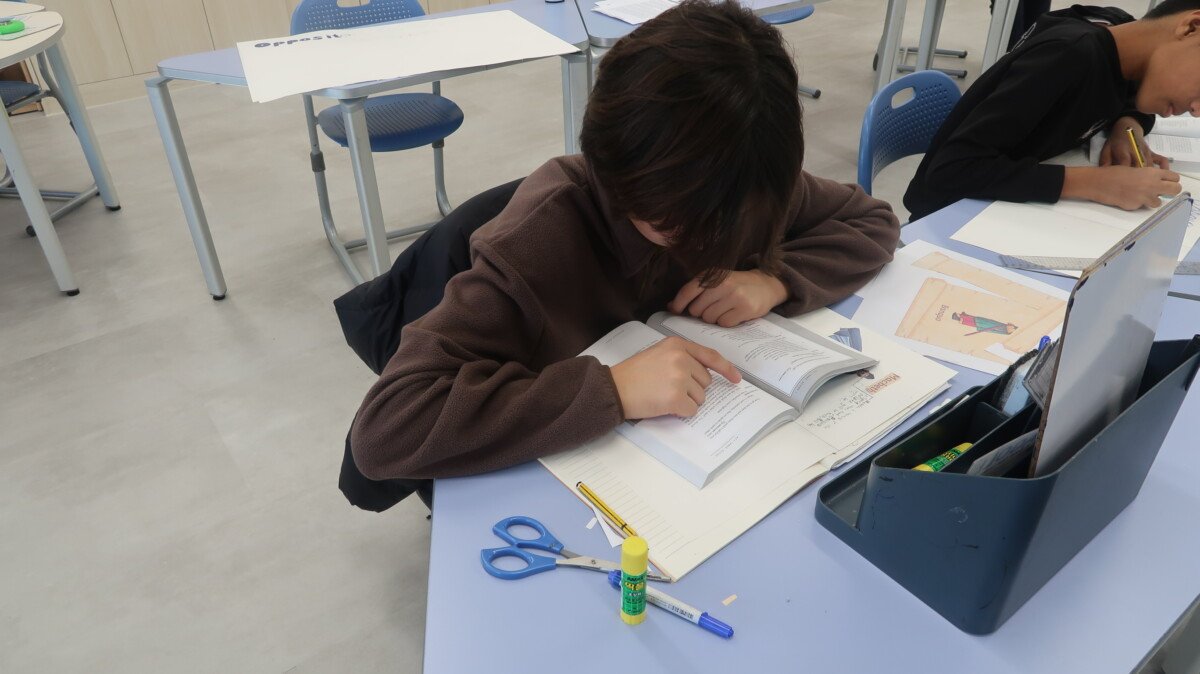
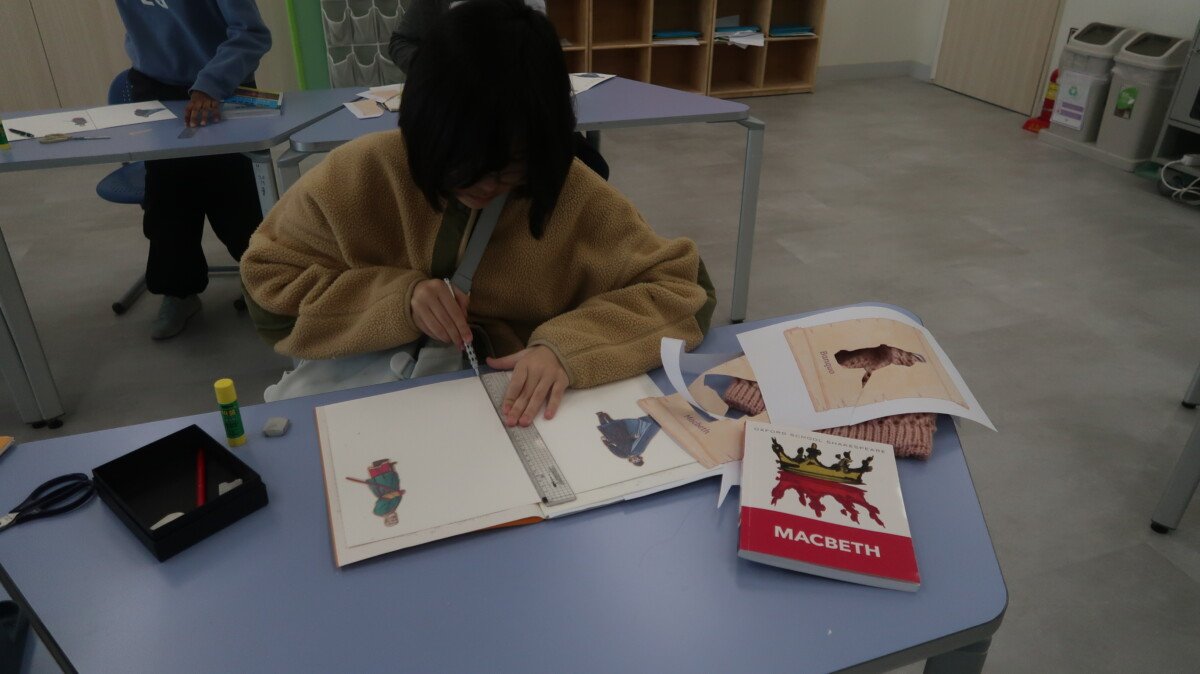
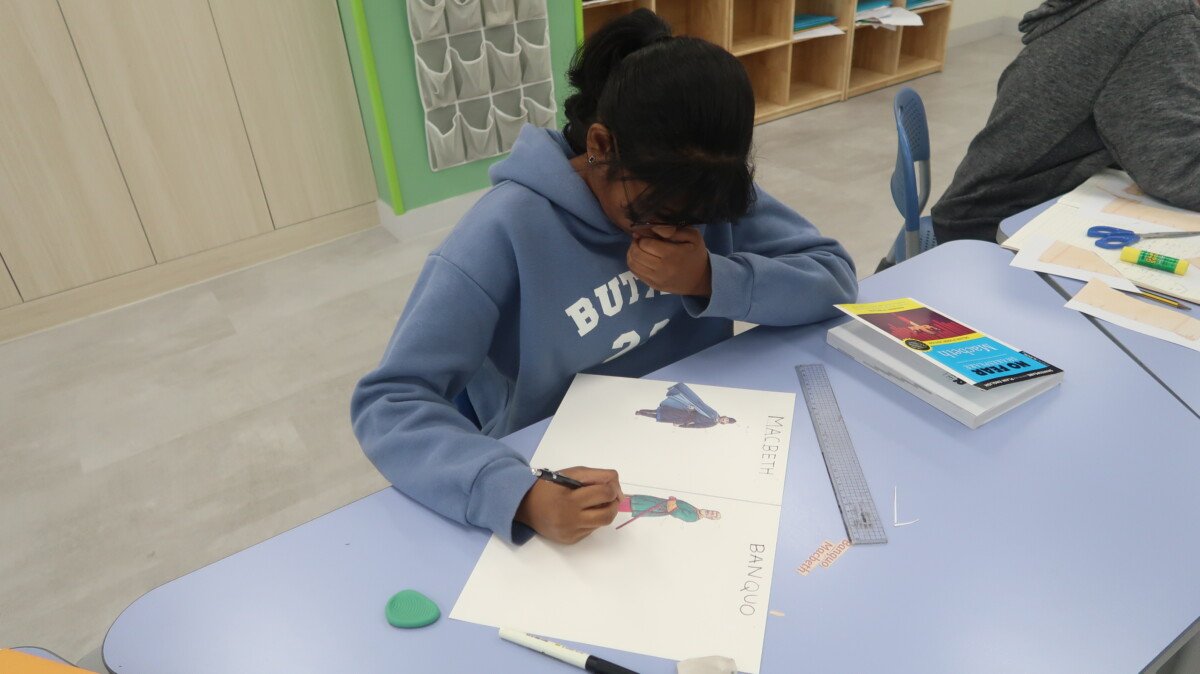
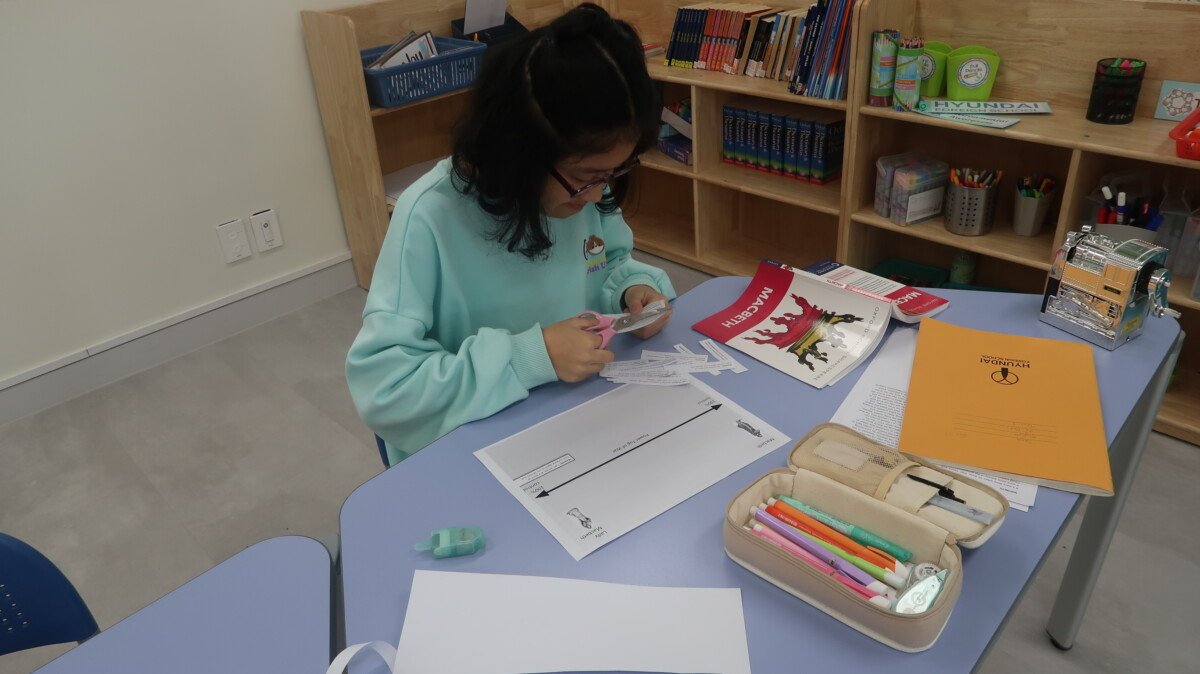
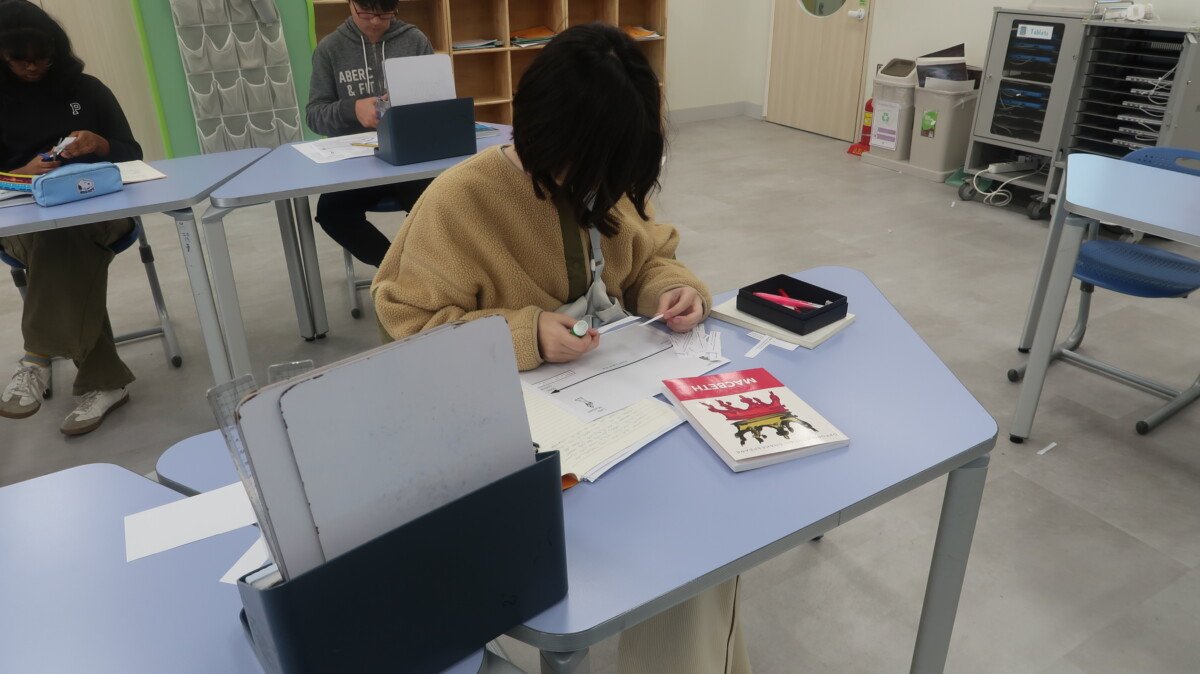
In the final stages of the Macbeth unit, students explored Macbeth’s increasing isolation and reliance on the witches, analysing the new prophecies and how they influence his violent decisions, including the murder of Macduff’s family. They then studied Malcolm and Macduff, focusing on ideas of kingship, loyalty, and how Malcolm tests Macduff’s honesty to prove his suitability as a future king. Lessons moved on to Lady Macbeth’s decline in Act 5, where students examined her sleepwalking scene and analysed how guilt and conscience overwhelm her. The class then explored the final scenes of the play, analysing Macbeth’s mindset and evaluating how audiences are encouraged to view him at the end of the tragedy. The unit concluded with a lesson on Macbeth as a Shakespearean tragedy, where students revisited key moments, themes, and characters to evaluate whether Macbeth can be considered a tragic hero and how Shakespeare uses the conventions of tragedy to impact the audience.

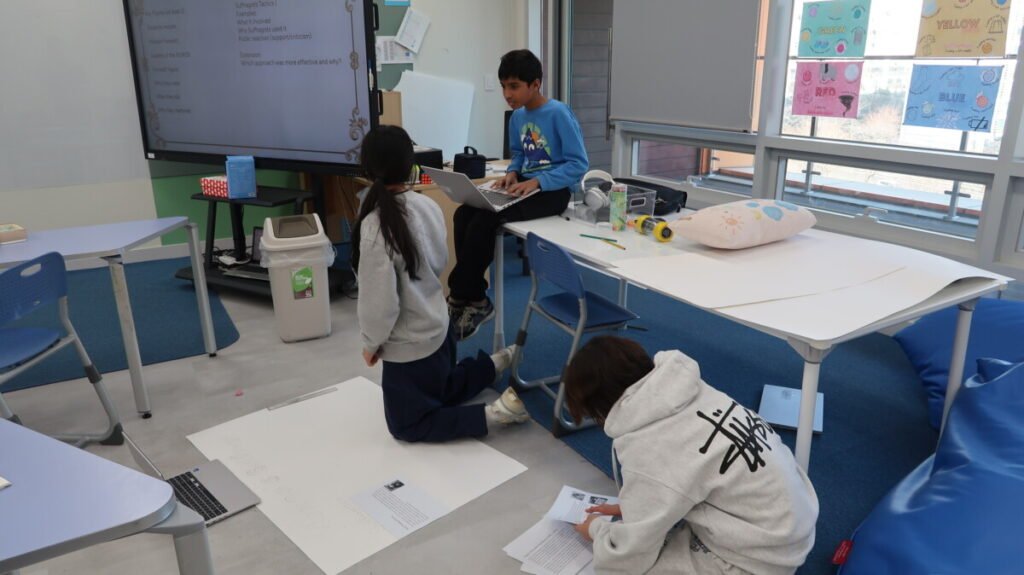
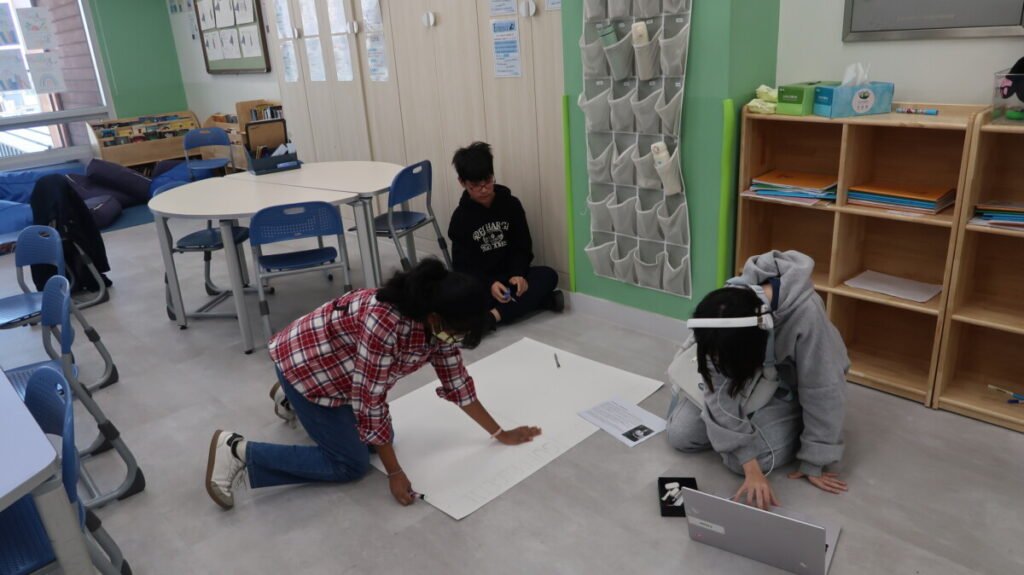
In History, students learned about the Suffragette movement, focusing on key figures and the tactics they used to campaign for the vote. They worked together to create a large poster showing important leaders, methods of protest and the slogan “Deeds, not words,” and evaluated how effective these actions were in helping women gain attention and challenge opposition.

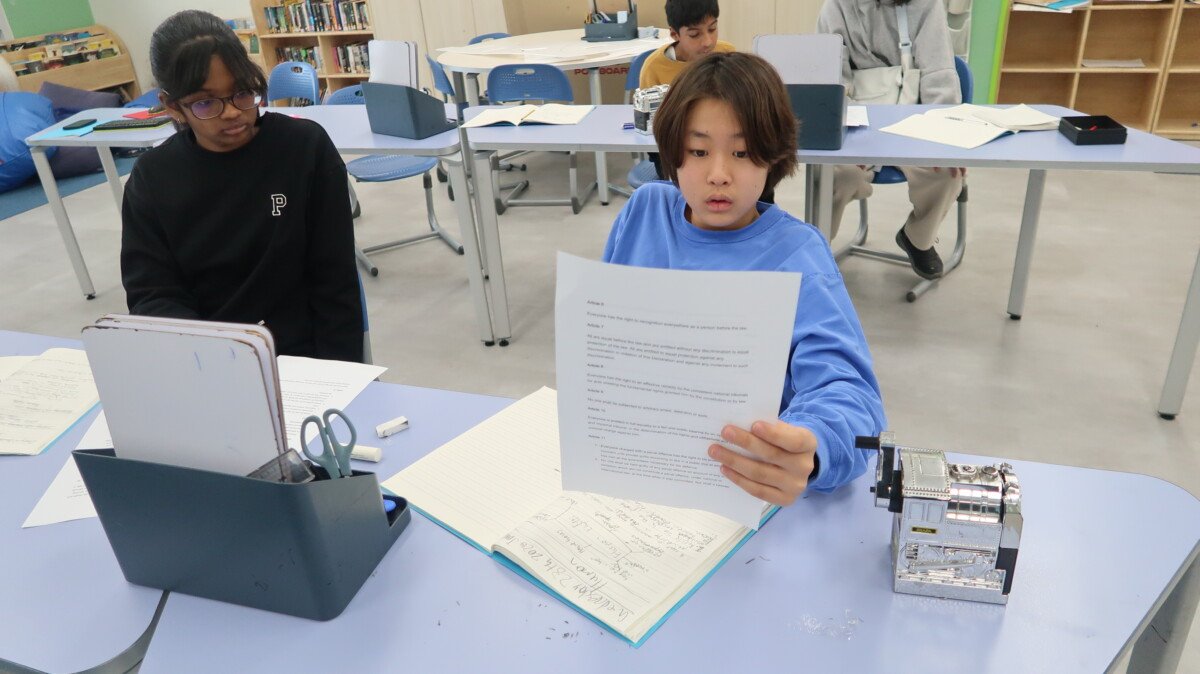
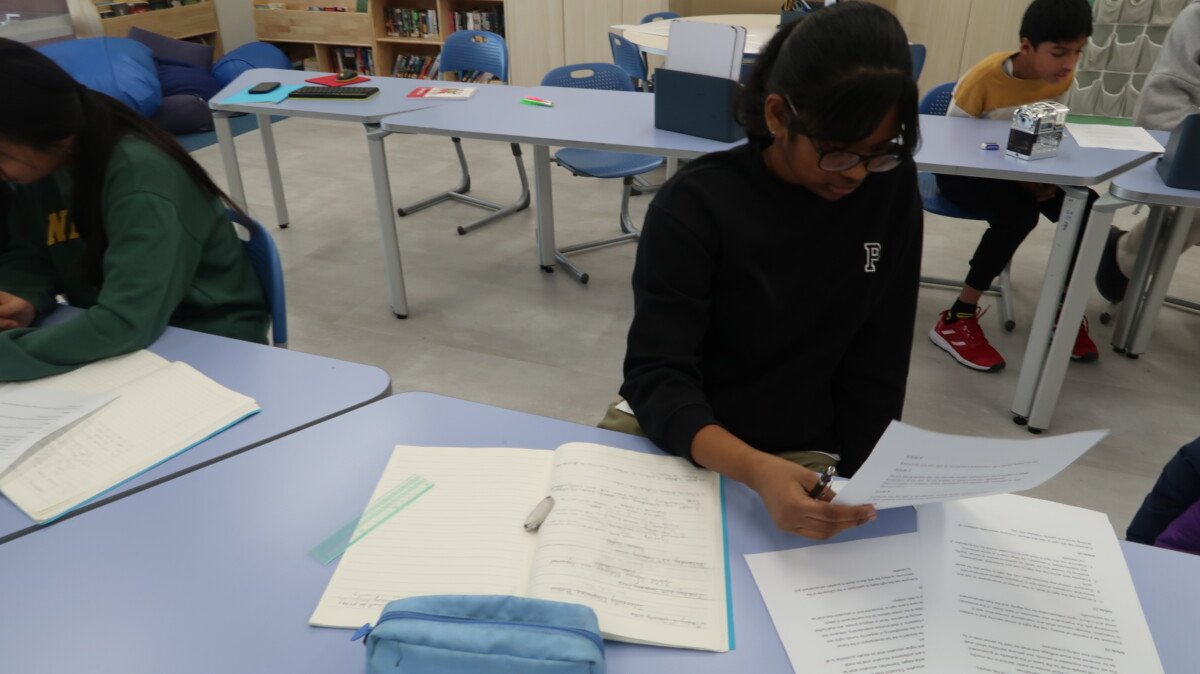
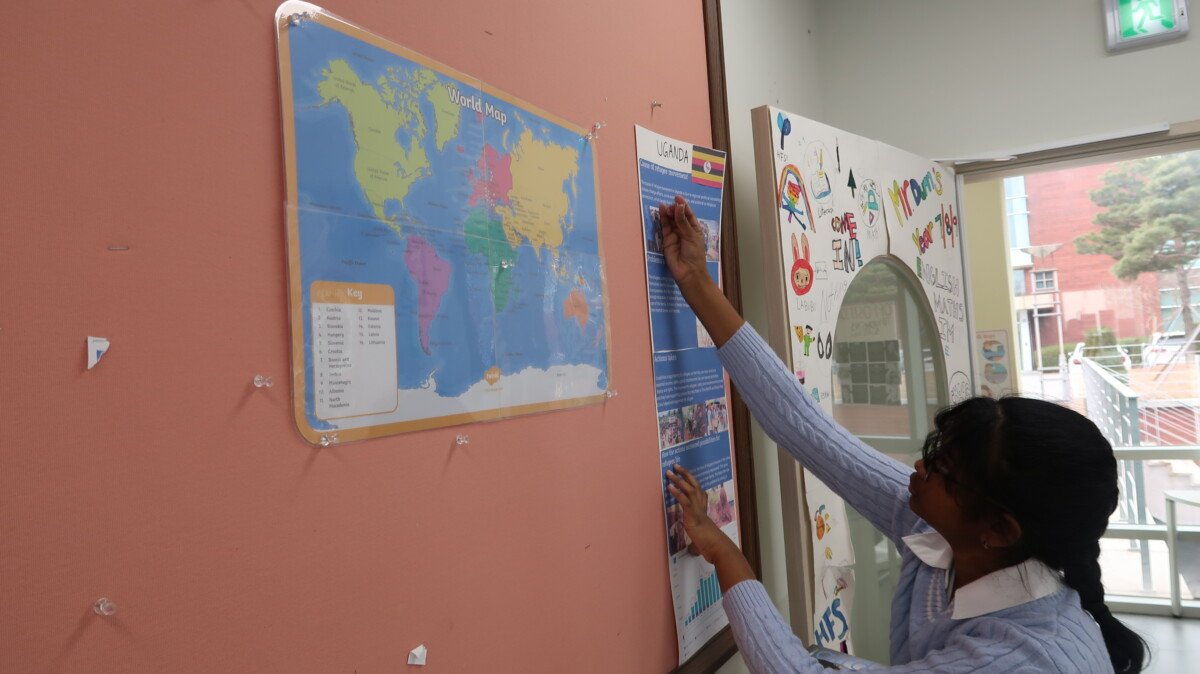
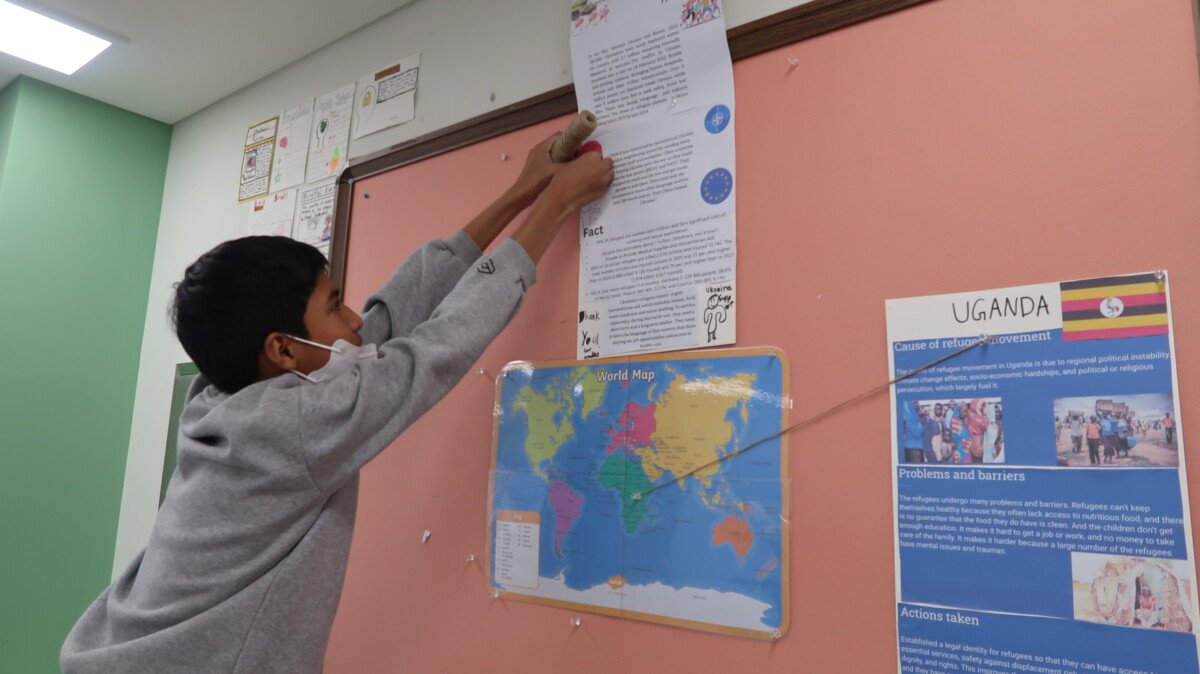
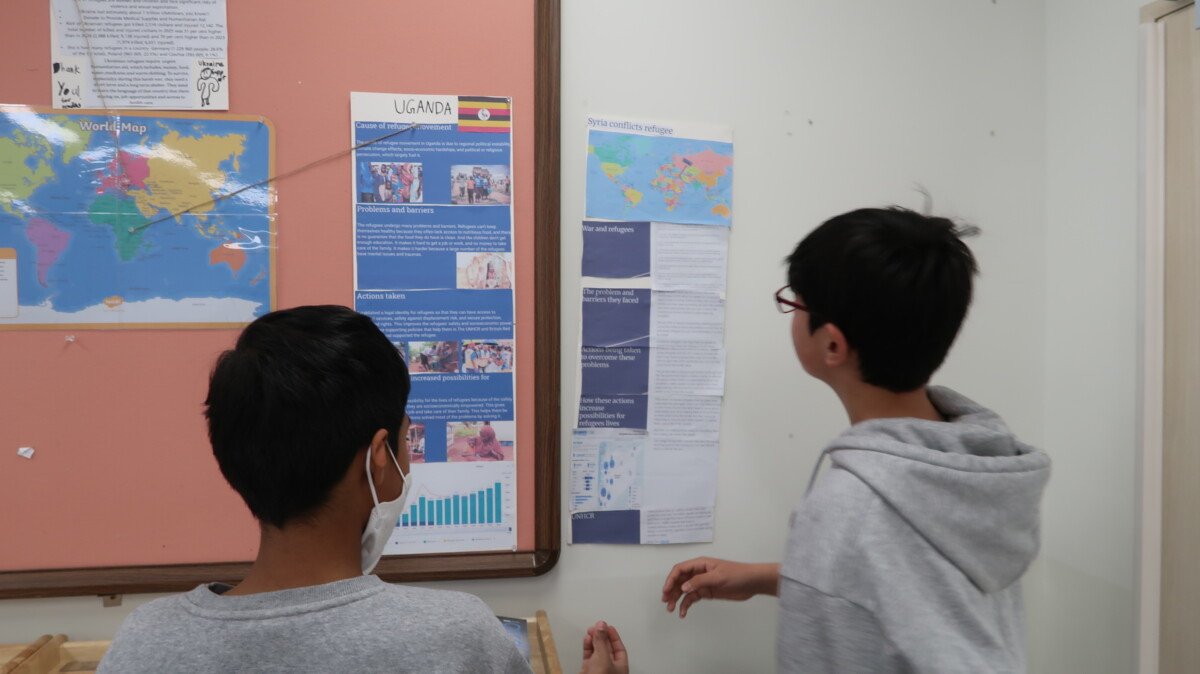
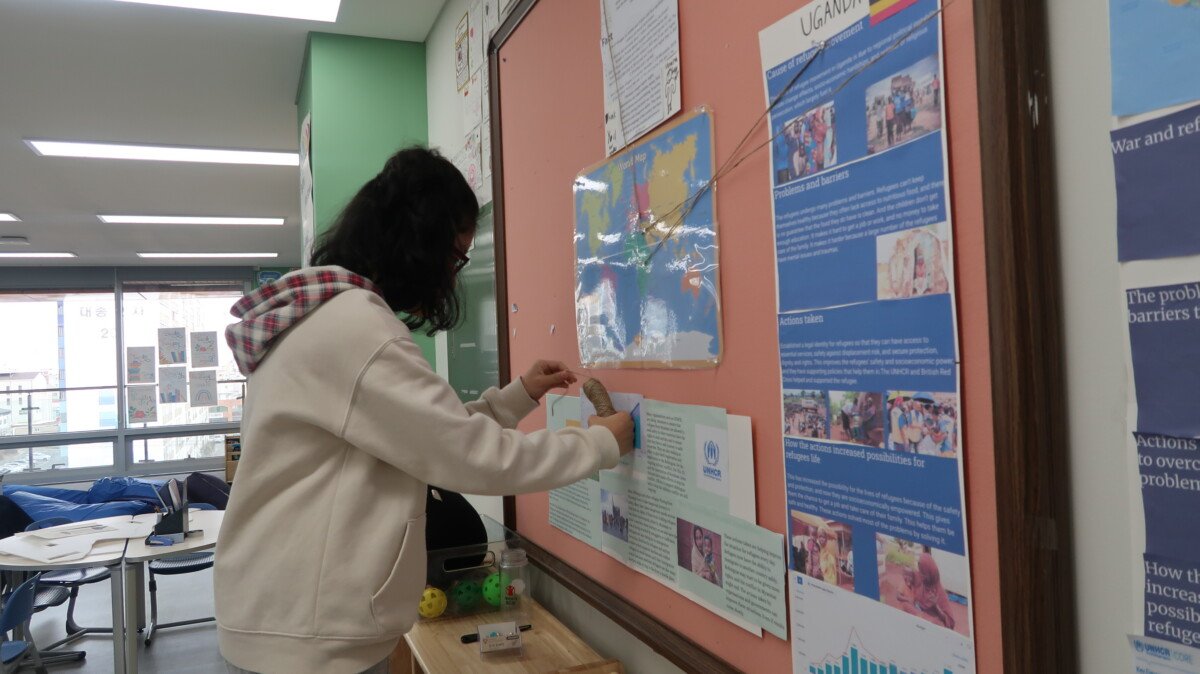
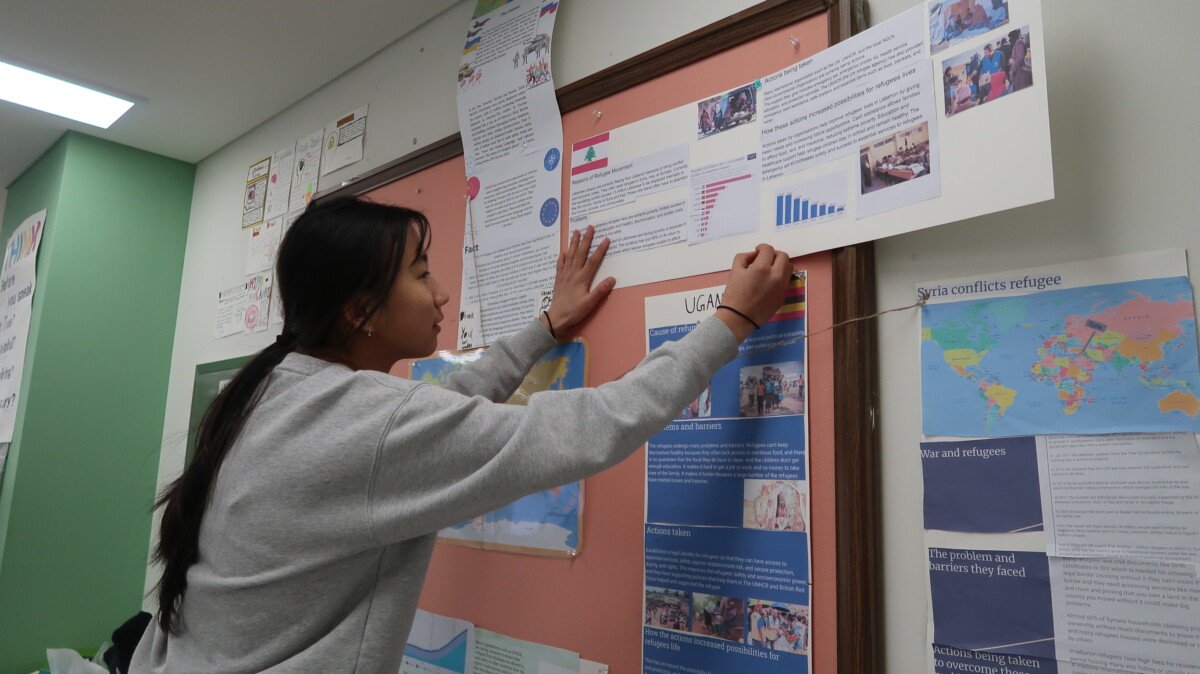
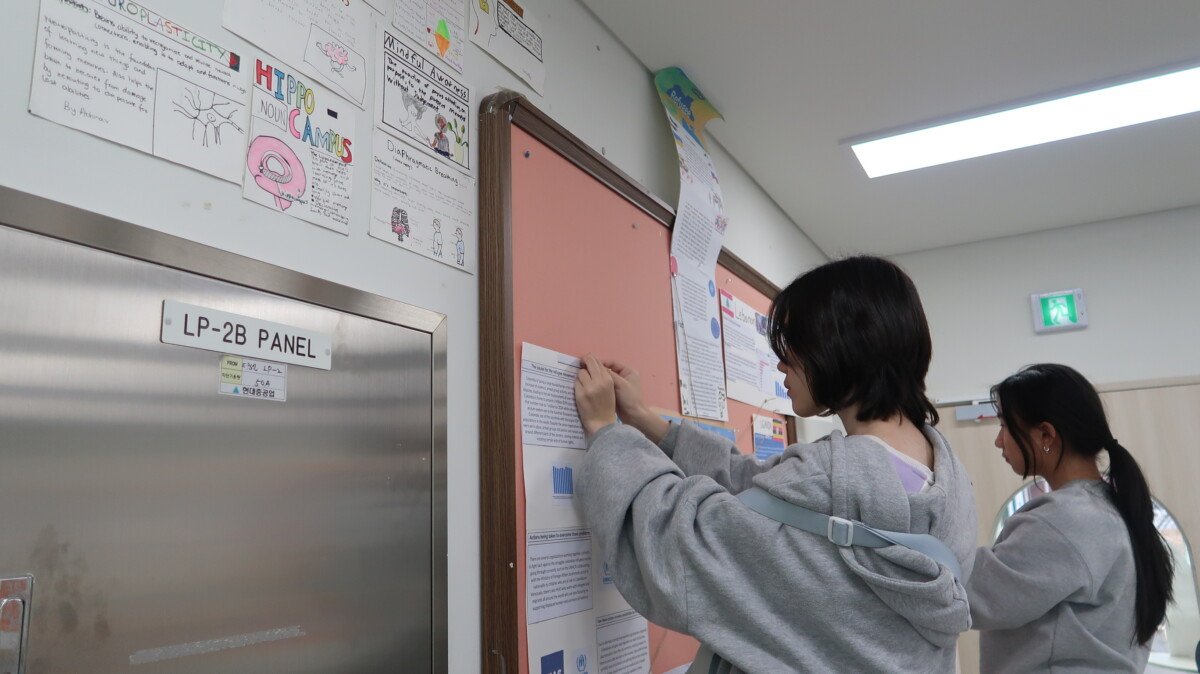
In Geography, students completed their final task by learning about human rights and how these apply to refugees and displaced people. They read and discussed key ideas from the Universal Declaration of Human Rights, identifying which rights are especially important for children, such as safety, education, and housing. Students considered how these rights can be difficult to access for people who have been forced to move, and explored how organisations, communities, and governments can help protect these rights. They also helped put together a display of their previous research.

In Science, students consolidated and reflected on their learning about forces and motion. They explained how forces such as gravity and friction affect movement, using examples from their ramp investigations and rollercoaster designs. Through diagrams, explanations and discussion, students demonstrated how understanding forces helps solve real-world challenges, linking their scientific learning back to the unit’s Big Idea.

Year 8

Fractions and Percentages

  • Spr.4.8 – Express one number as a fraction or a percentage of another using calculator methods
  • Spr.4.9 – Work with percentage change
  • Spr.4.10 – Choose appropriate methods to solve percentage problems
  • Spr.4.11 (H) – Find the original amount given a percentage less than 100%
  • Spr.4.12 (H) – Find the original amount given a percentage greater than 100%
  • Spr.4.13 (H) – Choose appropriate methods to solve complex percentage problems

Students will have a test on Monday. They are encouraged to revise thoroughly and practise a variety of percentage problems to prepare well.

Year 9

Maths – Money

  • Spr.3.2: Calculated simple interest
  • Spr.3.3: Calculated compound interest
  • Spr.3.4: Solved problems involving Value Added Tax (VAT)
  • Spr.3.5: Calculated wages and taxes
  • Spr.3.6: Solved problems with exchange rates
  •   Students will have a test in the upcoming week. They are advised to revise and practise well.  

Mr Dunn’s Class Update Term 2 Week 3

Hello everyone!

This week has been a busy one in class as we continue to make good progress across our learning. School reports will be going home next Friday. You will also receive an email with further information about parent–teacher conferences, which will take place in Week 5. Please keep a lookout for this. Here are some highlights from this week’s learning.

This week in English, students continued their study of Macbeth by exploring Act 2 Scene 3, focusing on the discovery of King Duncan’s murder and how characters react publicly and privately to the crime. Students examined Macbeth’s suspicious behaviour, Lady Macbeth’s collapse, and discussed why Malcolm and Donalbain choose to flee, considering how appearances can be deceptive. We then looked briefly at Act 2 Scene 4, analysing the unnatural events following the murder and how blame is shifted onto Duncan’s sons. Lessons moved on to Act 3 Scene 1, where students explored the growing tension between Macbeth and Banquo, focusing on ambition, insecurity, and the threat Banquo poses to Macbeth’s power. Students then studied Macbeth’s decision to have Banquo murdered, analysing his reaction to Fleance’s escape and how Shakespeare uses language to reveal paranoia and loss of control. The week concluded with the banquet scene (Act 3 Scene 4), where students examined Macbeth’s public breakdown, the appearance of Banquo’s ghost, and how Shakespeare uses the supernatural to expose Macbeth’s guilt and weakening authority as king.

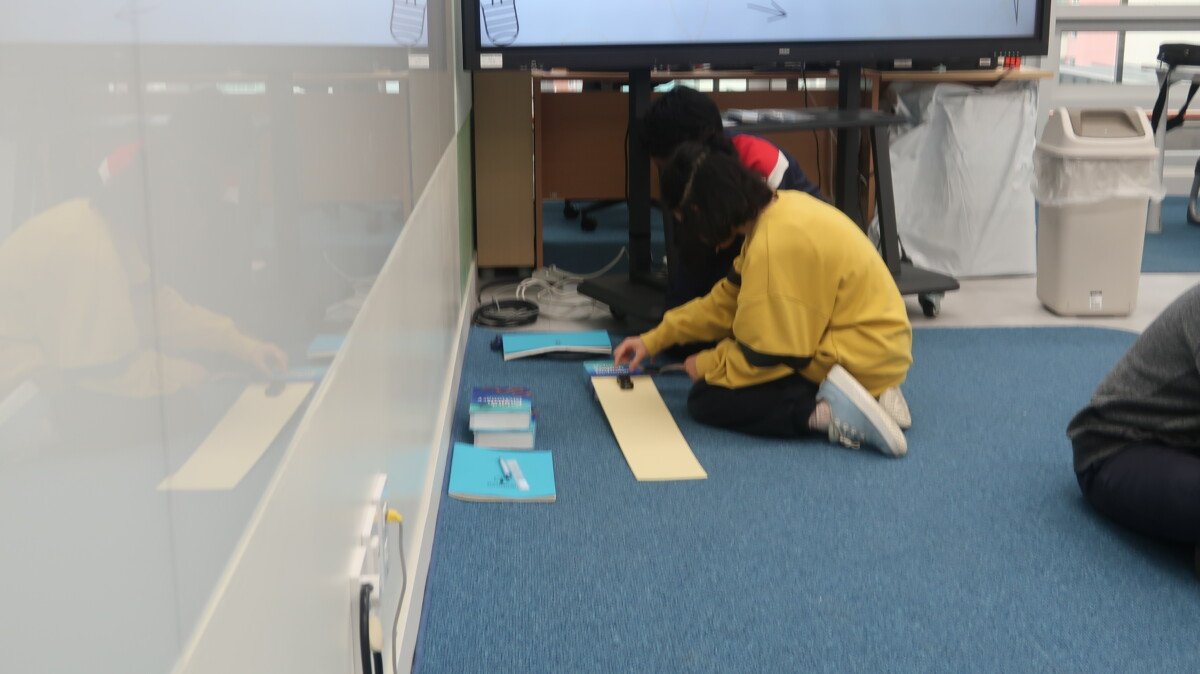
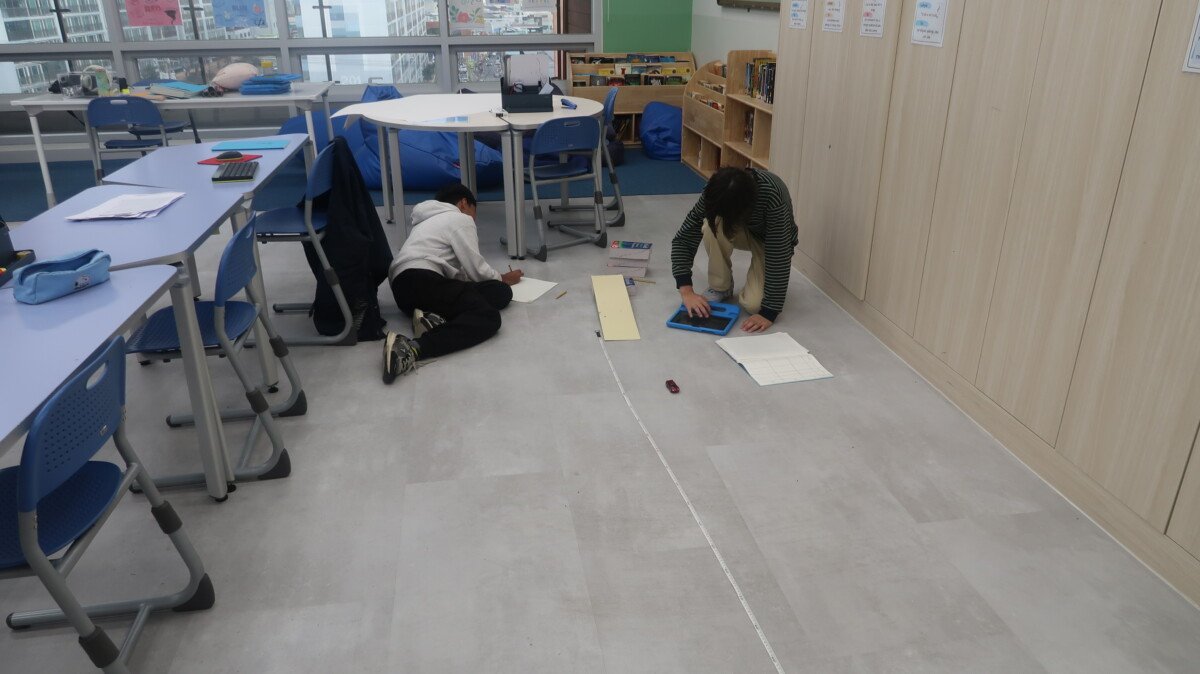
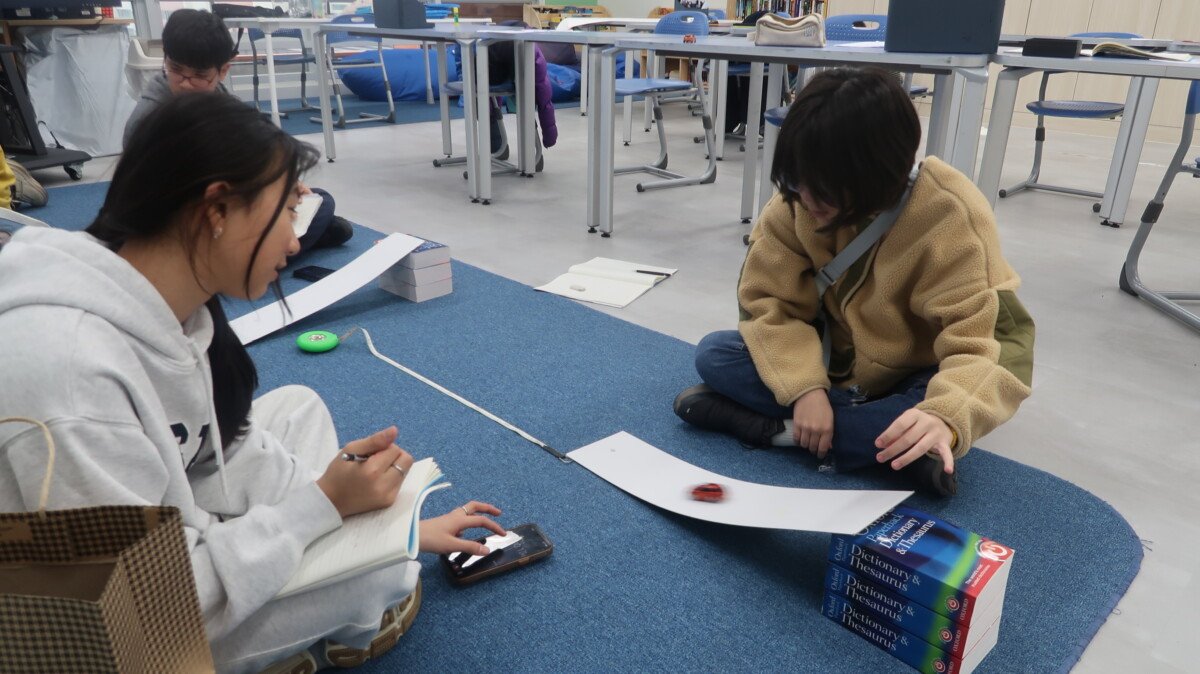
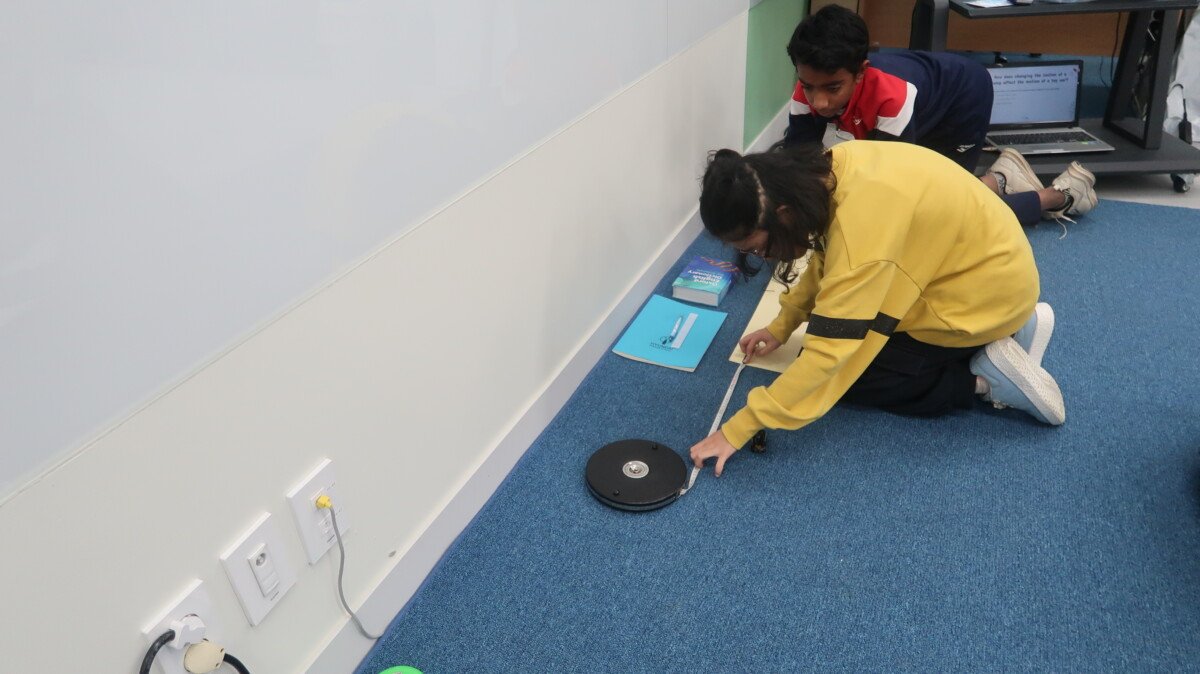
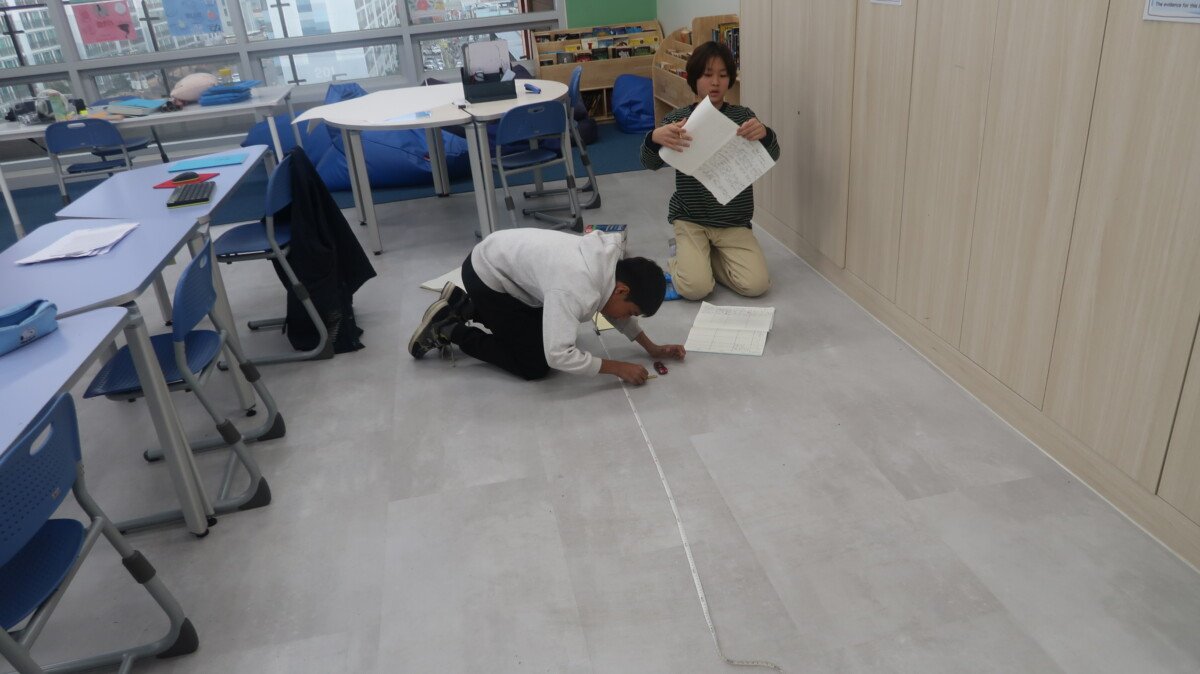
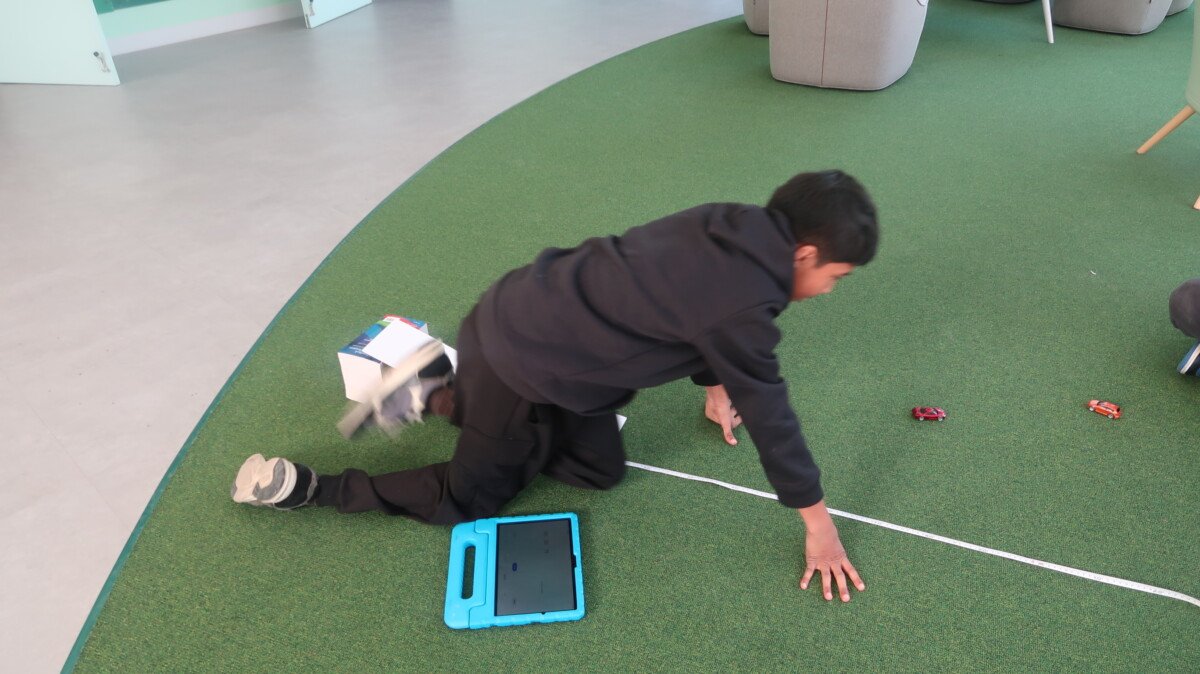
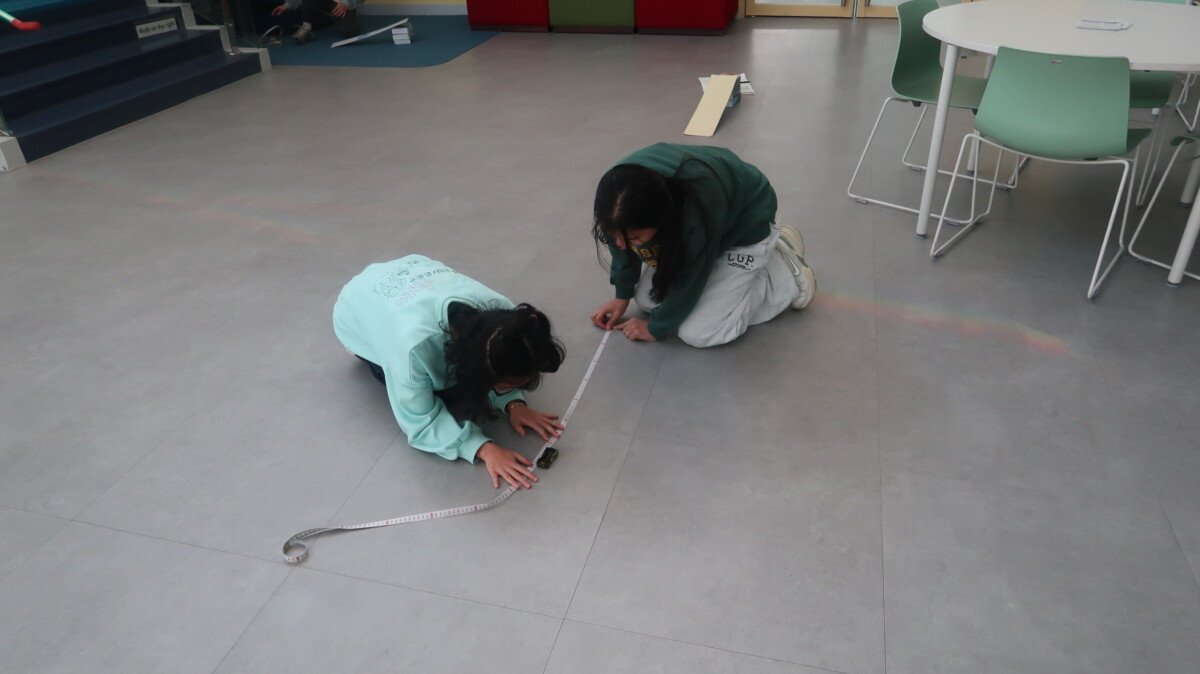
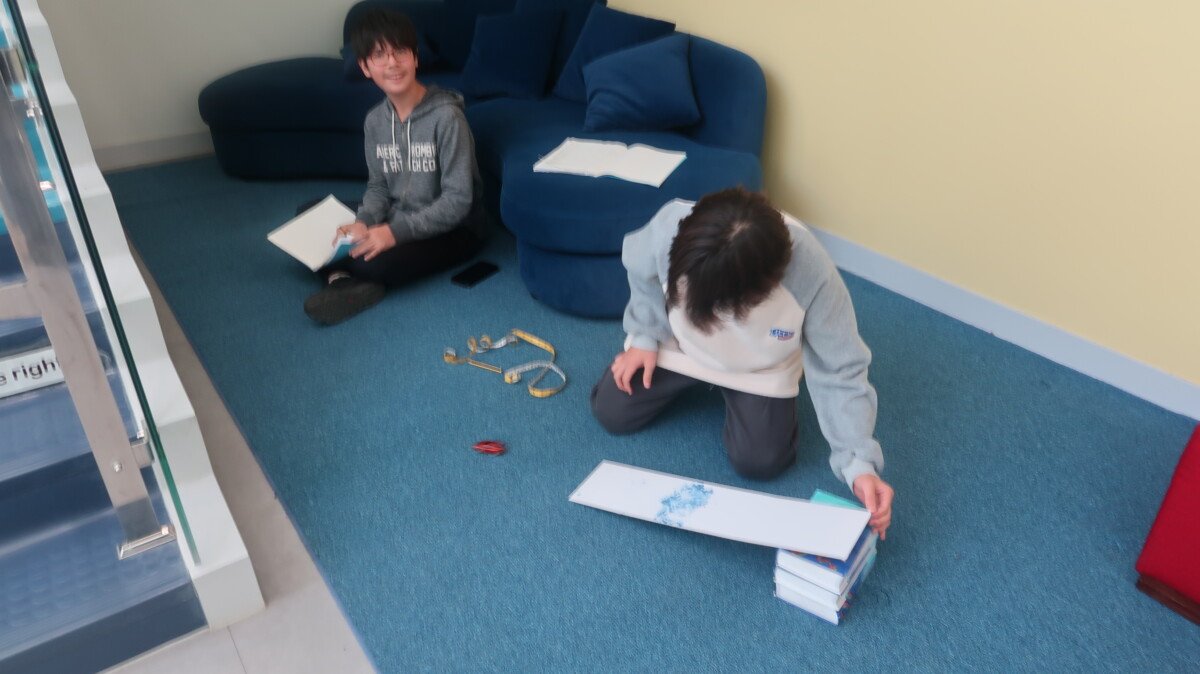
In Science, students investigated how balanced and unbalanced forces affect motion. Using a ramp experiment, they explored how changing the steepness of the incline altered the movement of a car or ball. Students observed how gravity and friction act on moving objects and explained why motion changes, developing their understanding of forces through practical evidence. Students then applied their learning by designing and building a model rollercoaster. Using gravity alone, they tested how forces such as friction and unbalanced forces influence speed, movement and stopping. Through building, testing and refining their designs, students used scientific reasoning to explain how engineers use forces to overcome challenges safely in real life.

In Geography, students brought together everything they had learned about child poverty, refugees, and internally displaced people. They compared the different challenges these children face and examined how support, action, and decision-making can reduce barriers and improve life chances. Students applied their understanding by analysing examples of help from communities, charities, and governments, and reflected on how responding to problems can create new opportunities

In History, students continued exploring opposition to women’s suffrage and built on their earlier learning by working together to produce a poster. The poster showed the main arguments used against women gaining the vote, grouped into key themes such as fear of change, traditional gender roles, concern for family life and the desire to keep power. This task helped students clearly communicate what they had learned and deepen their understanding of the barriers women faced.

Year 7

This week we completed our unit on solving problems with multiplication & division. There was an end-of-unit assessment on Wednesday, with all students scoring highly. We have now started a short unit on fractions and percentages of amounts and there will be another end-of-unit assessment next week.

Year 8

On Monday, students completed a test on indices, and all students performed excellently. They showed strong understanding and confidence across the topic.

Following the assessment, we began a new unit on Fractions and Percentages.

  • Spr.4.1 – Convert fluently between key fractions, decimals, and percentages
  • Spr.4.2 – Calculate key fractions, decimals, and percentages of an amount without a calculator
  • Spr.4.3 – Calculate fractions, decimals, and percentages of an amount using calculator methods
  • Spr.4.4 – Convert between decimals and percentages greater than 100%
  • Spr.4.5 – Calculate percentage decrease using a multiplier
  • Spr.4.6 – Calculate percentage increase and decrease using a multiplier
  • Spr.4.7 – Express one number as a fraction or a percentage of another without a calculator

Year 9

This week in maths, students focused on developing their understanding of percentages.

  • Spr.2.5 – Recognise and solve percentage problems (non-calculator)
  • Spr.2.6 – Recognise and solve percentage problems (calculator)
  • Spr.2.7 – Solve problems involving repeated percentage change

An assessment on percentages was completed, and students all scored 100%.

We have now started a new topic: Maths and Money.

  • Spr.3.1 – Solve problems involving bills and bank statements

This topic will help students apply their mathematical skills to real-life financial situations.

Mr Dunn’s Class Update Term 2 Week 2

Hello everyone!

This week has been a mix of hard work, laughter, and sadness in our class as we say goodbye to Jihong, who is leaving us to start a new chapter at his new school in Abu Dhabi. We wish him the very best of luck and know he will do wonderfully in his next adventure.

This week in English, students continued their study of Macbeth, beginning with Act 1 Scene 5, where they explored Lady Macbeth’s reaction to Macbeth’s letter, focusing on ambition, power, and how Shakespeare uses language to establish her dominance. We then studied Act 1 Scene 7, analysing Macbeth’s doubts about killing King Duncan and the intense power struggle between Macbeth and Lady Macbeth, with students developing analytical responses supported by quotations. Lessons also covered the build-up to Duncan’s murder (Act 2 Scene 1), including Macbeth’s dagger soliloquy and his conflicted mental state, followed by the immediate aftermath of the murder (Act 2 Scene 2), where students examined guilt, deception, and how both characters behave once the crime is committed.

In Science, students continued our unit on Forces, where they investigated how forces affect movement. Through a practical experiment using cars on different surfaces, students explored how friction and pushes change how objects move, slow down and stop.
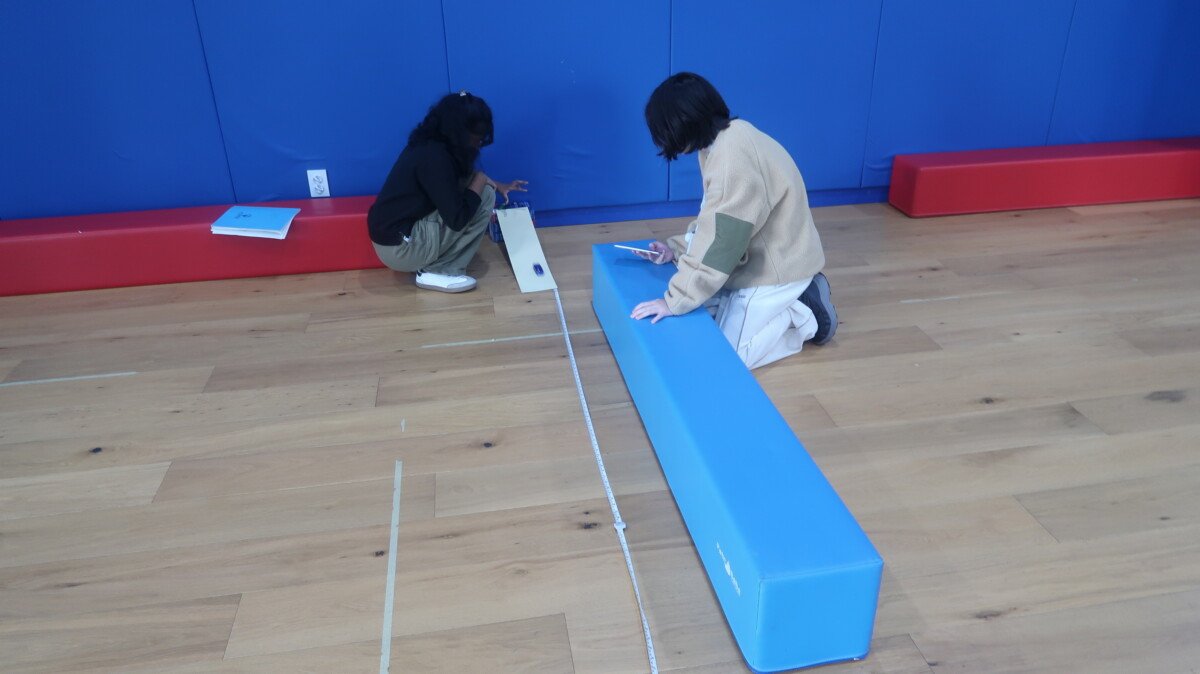
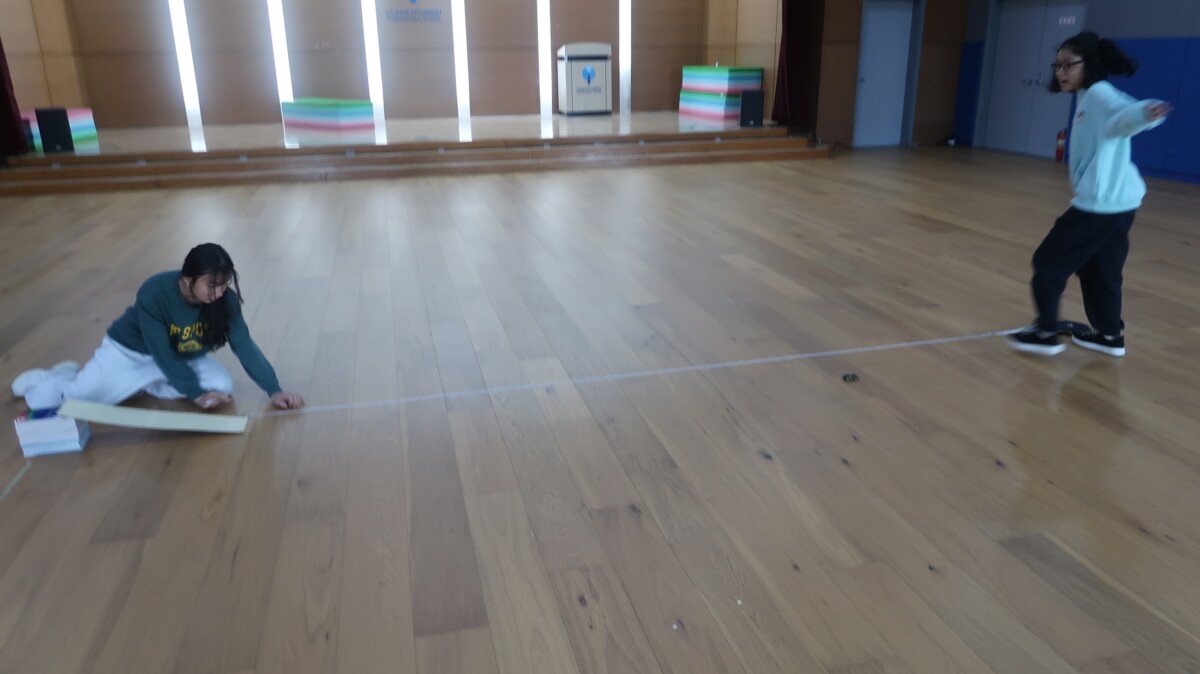
This week in History, students explored why some people opposed women gaining the right to vote. They analysed common anti-suffrage arguments and grouped them into themes such as traditional gender roles, fear of change, concern for family life, and the desire to keep political power. Through discussion, students considered who benefited from these views and how such arguments acted as barriers that women had to overcome, helping them better understand the challenges faced by the suffrage movement.

In Geography, students learned about internally displaced people (IDPs) and how they differ from refugees. They explored why families may be forced to leave their homes due to conflict, natural disasters, or danger but remain within their own country, and the challenges this creates for children’s safety, education, and access to basic needs.

Maths

Year 7

Don’t forget that we have an end-of-unit assessment next week!

This week we studied:

  • Use formal methods to divide integers
  • Use formal methods to divide decimals
  • Understand and use order of operations
  • Area of rectangles and parallelograms
  • Area of triangles
  • Solve problems using the area of trapezia (H)

Year 8

This week we studied:

Indices

  • Spr.3.2: Simplifying algebraic expressions by multiplying indices
  • Spr.3.3: Simplifying algebraic expressions by dividing indices
  • Spr.3.4: Using the addition law for indices
  • Spr.3.5: Using the addition and subtraction laws for indices
  • Spr.3.6: Exploring powers of powers (H)

Students completed a daily 10-minute recall test to review and reinforce learning from the previous lesson.

There will be a test on Monday to assess students’ understanding of these topics.
Students are encouraged to prepare well at home and practise regularly to build confidence and accuracy.

Year 9

The class had a test on the Numbers topic on Monday, and the test papers were sent home.

We have now started the Percentage unit, covering the following objectives:

  • Spr.2.1 – Use the equivalence of fractions, decimals and percentages (R)
  • Spr.2.2 – Calculate percentage increase and decrease (R)
  • Spr.2.3 – Express a change as a percentage (R)
  • Spr.2.4 – Solve reverse percentage problems

Students will have a test on the Percentage topic on Thursday.

Students are encouraged to prepare well at home and practise regularly to build confidence and accuracy.

Mr Dunn’s Class Update Term 2 Week 1

Hello everyone!

Welcome back and happy New Year! It has been a positive start to Term 2, with students settling quickly back into routines after the winter break. The first week has been full of enthusiasm, collaboration and a strong focus on learning as we begin our new topics and challenges together.

This week in English, students studied the witches and their role in creating tension and unease at the start of Macbeth, learning about Jacobean beliefs in witchcraft and how Shakespeare uses the supernatural to intrigue his audience. They then explored the introduction of Macbeth and Banquo, focusing on their contrasting reactions to the witches’ prophecies, and demonstrated this understanding through a creative interview task set just after the witches disappear. Finally, students examined Macbeth’s first meeting with King Duncan in Act 1 Scene 4, analysing how Duncan’s praise creates dramatic irony and deepens our understanding of Macbeth’s inner conflict and growing ambition.

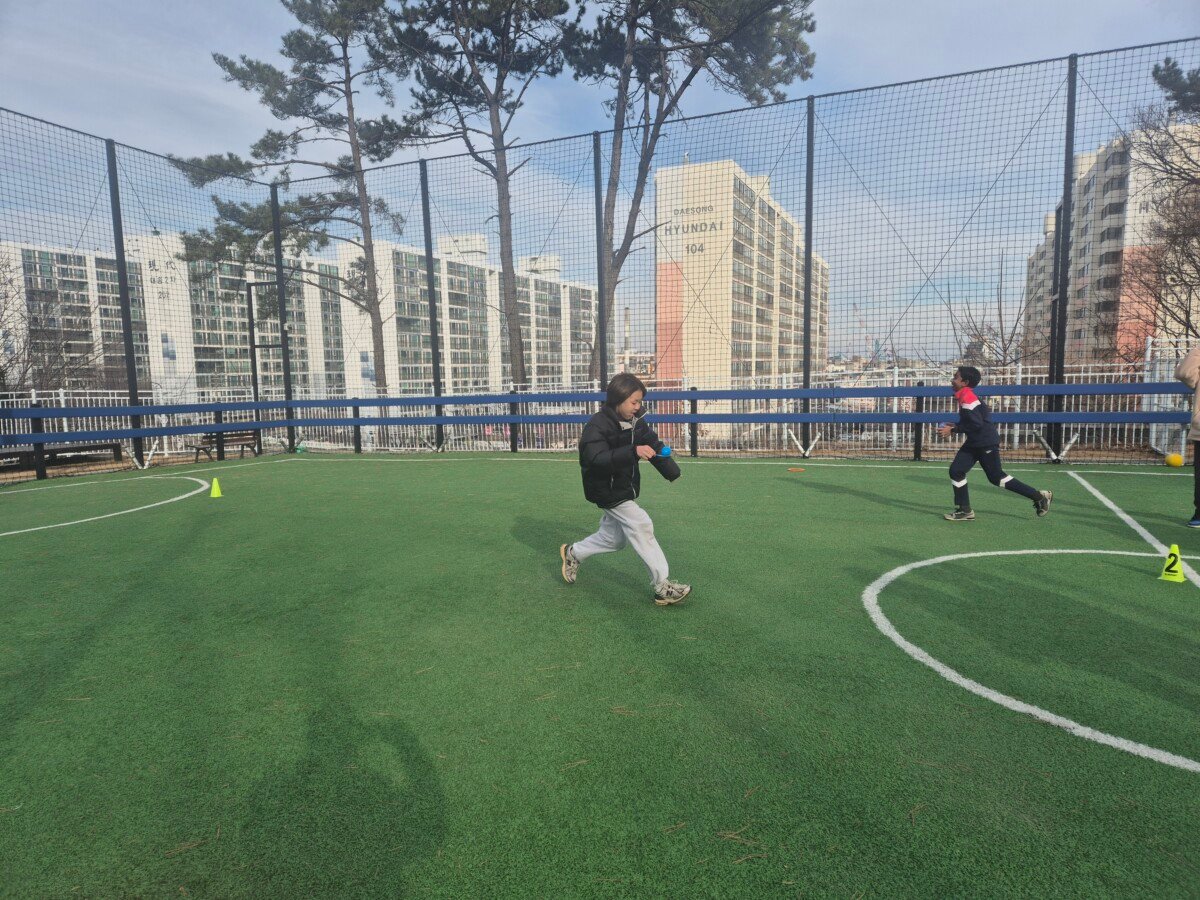
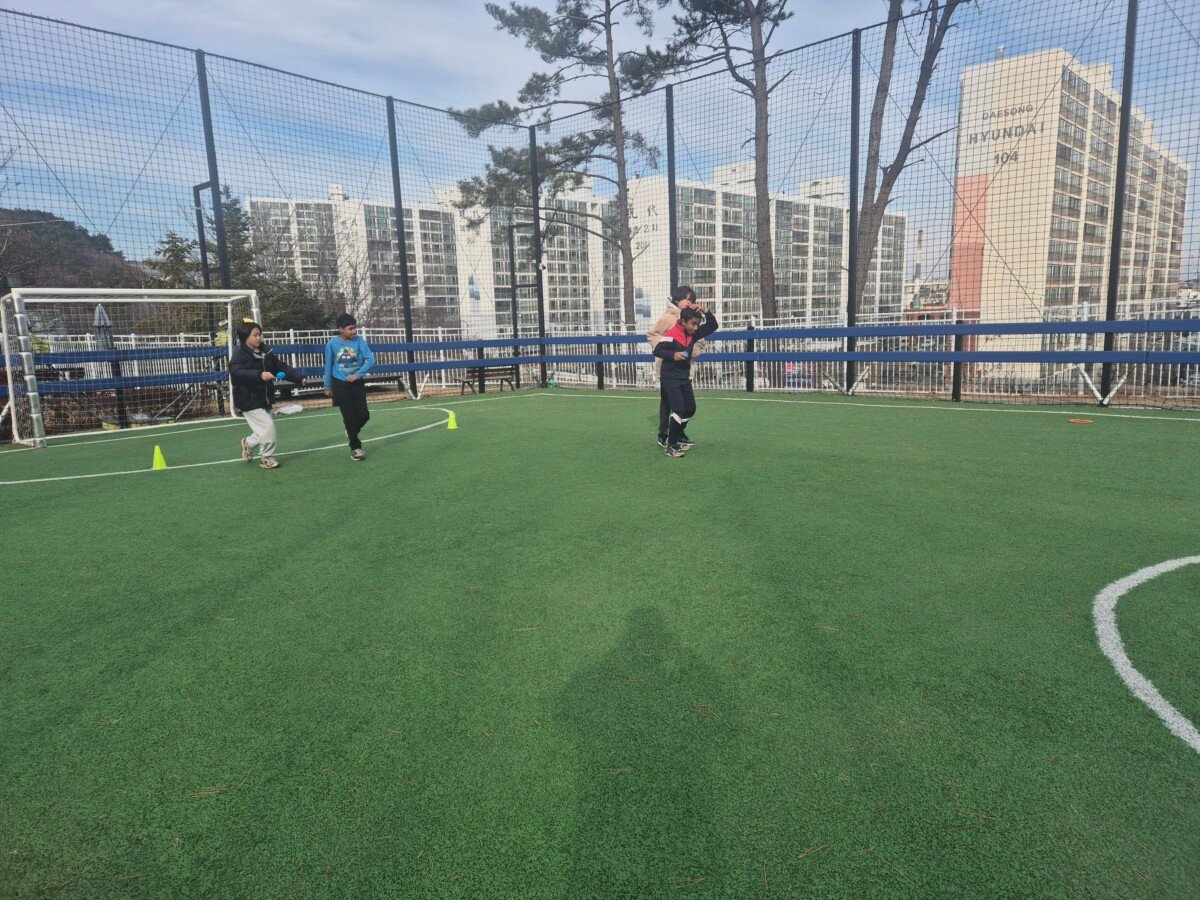
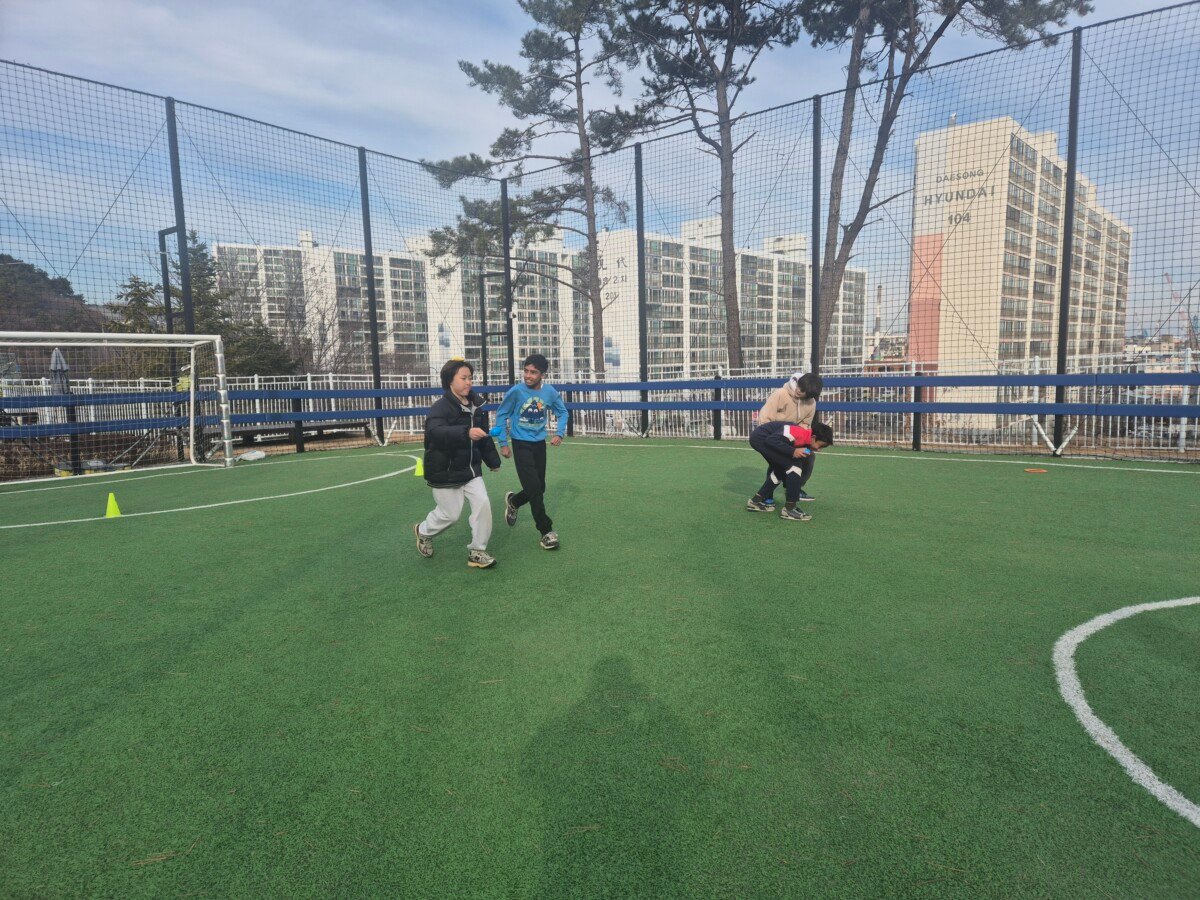
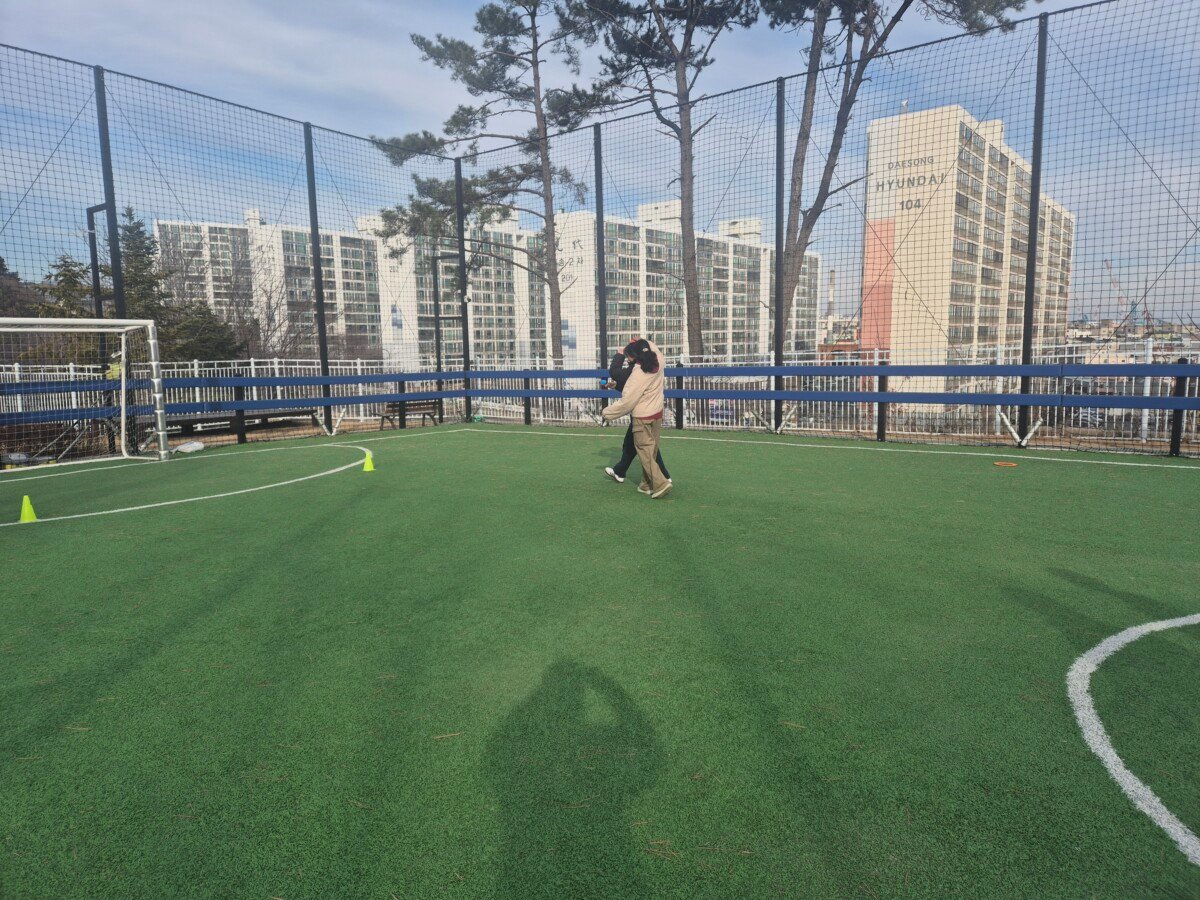
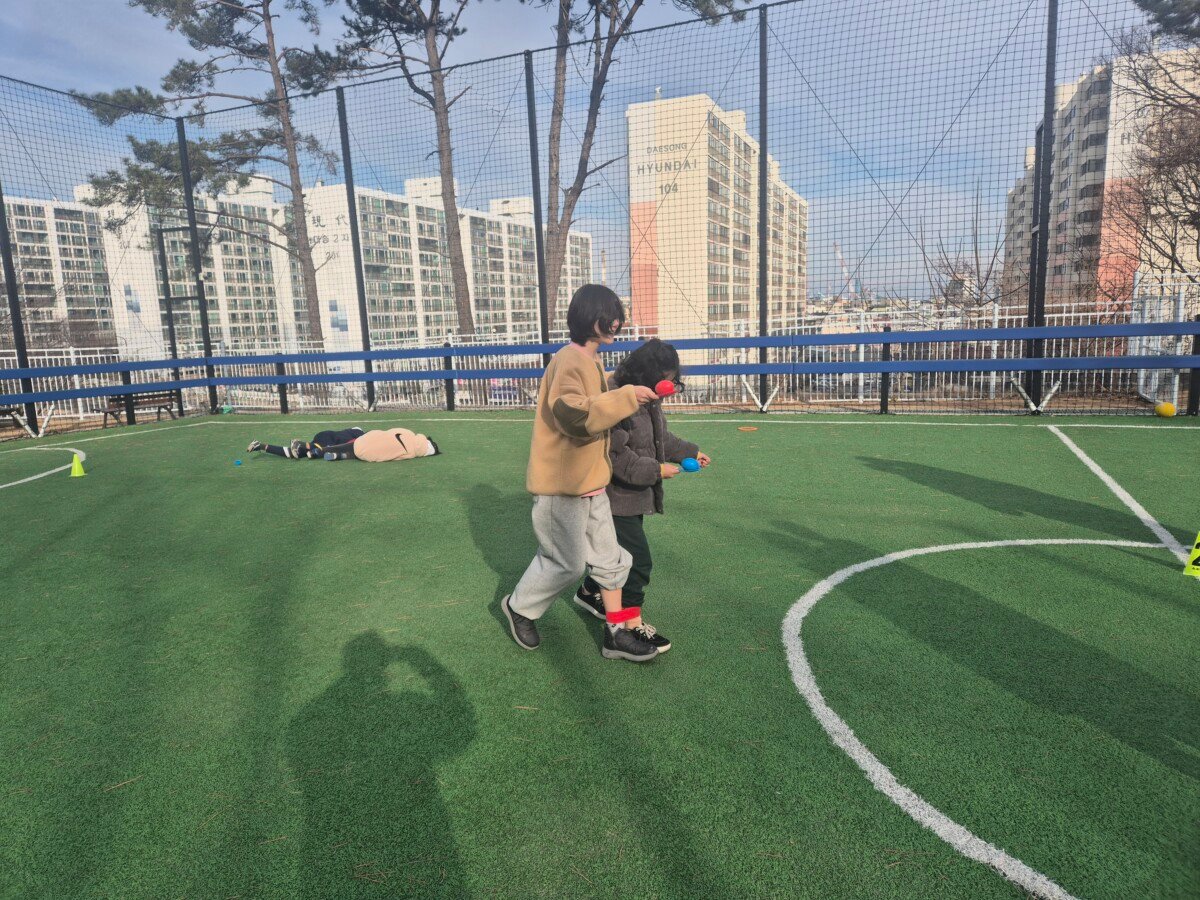
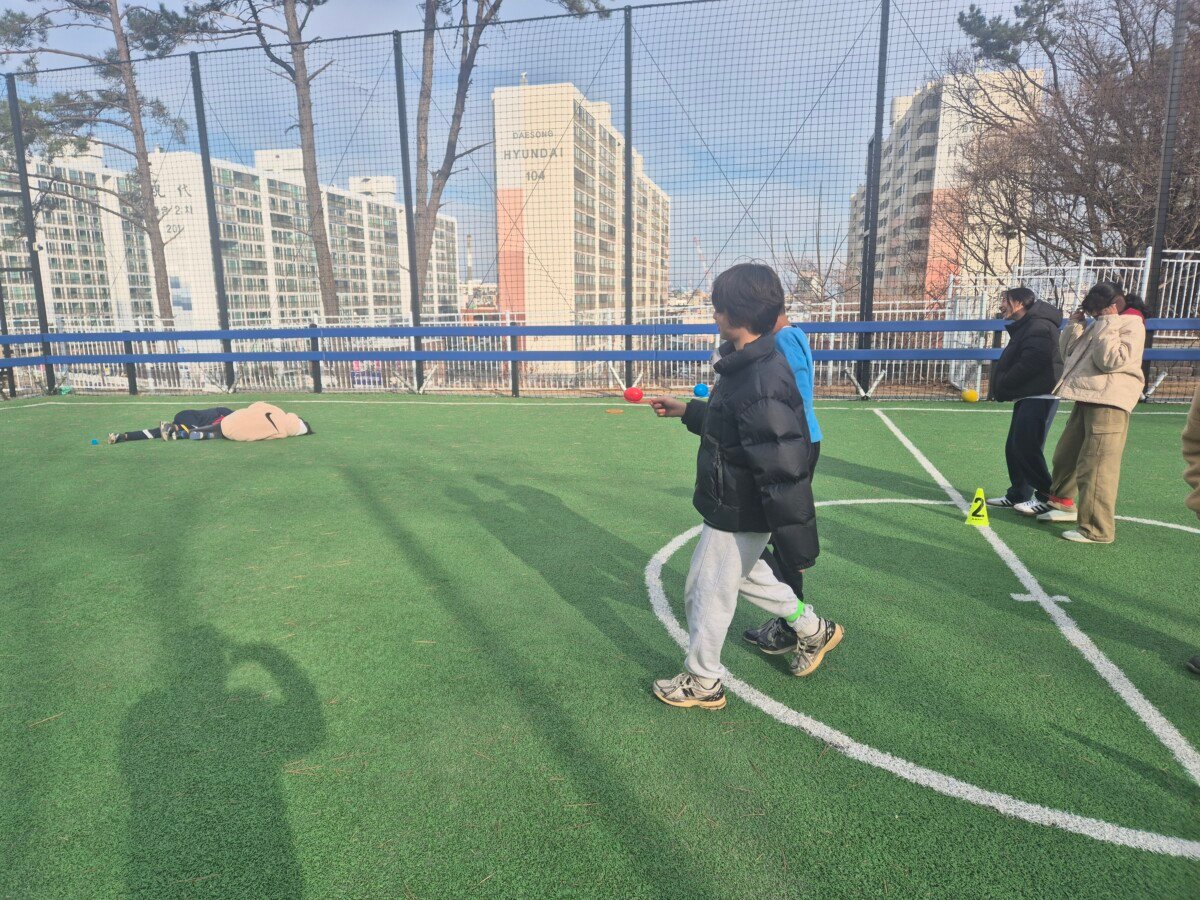
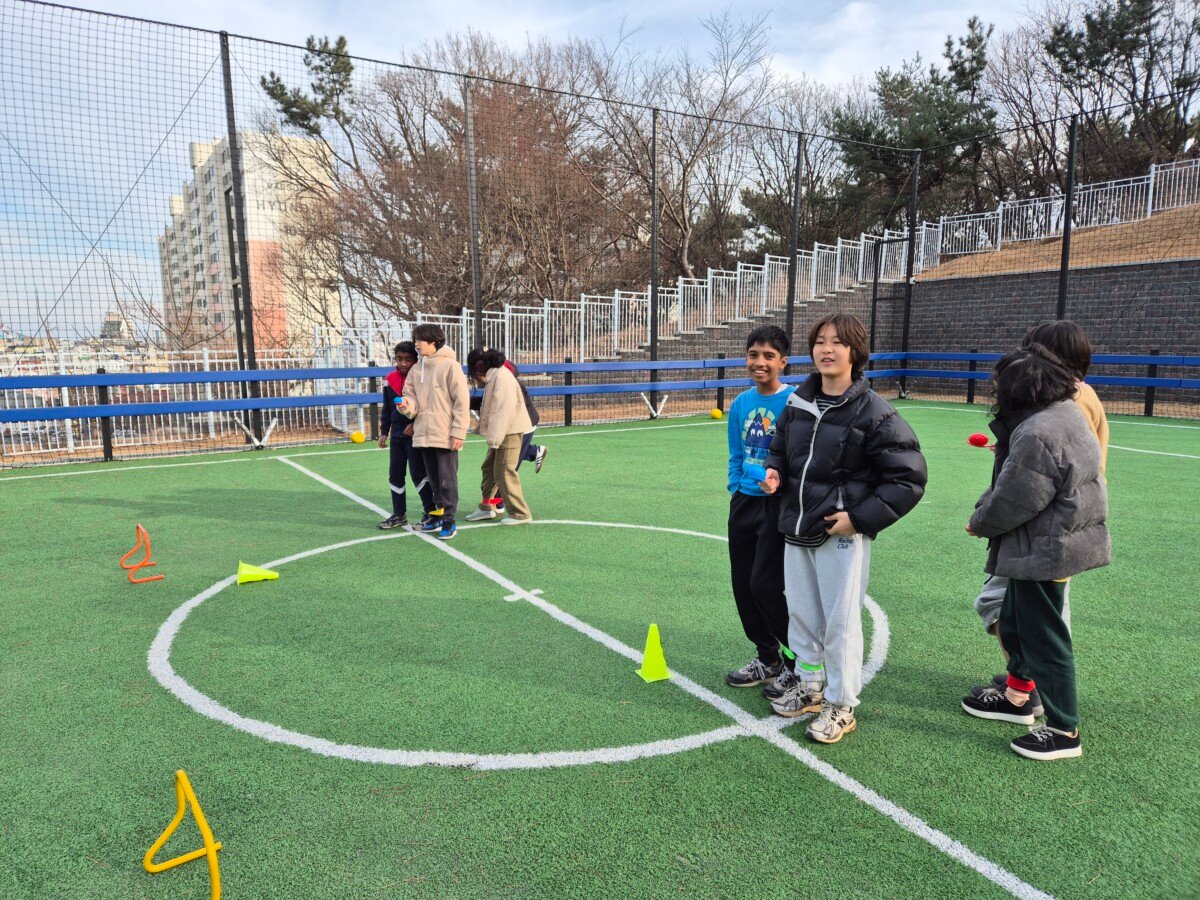
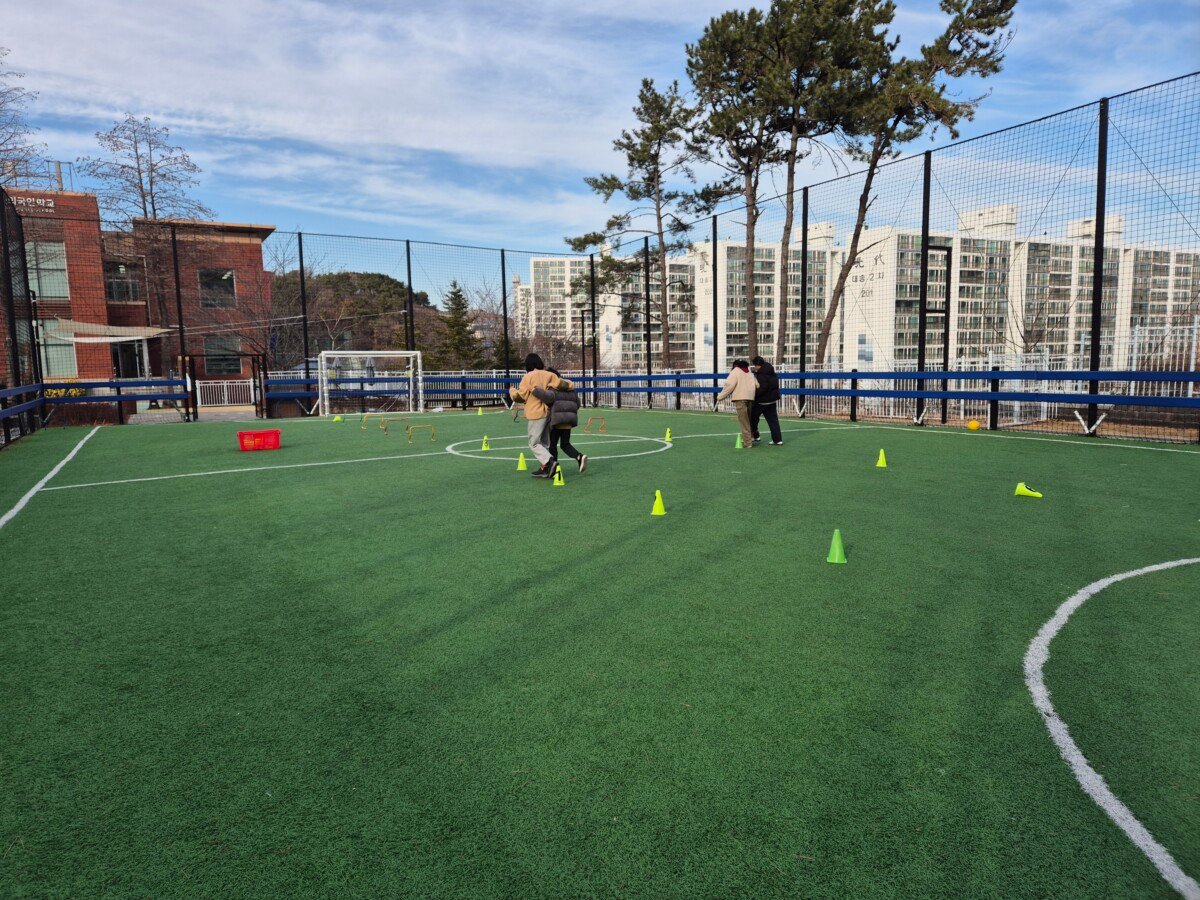
For our unit entry point, students took part in a “Challenges of Increasing Difficulty” activity. They worked in teams to complete a series of egg and spoon races, starting with a basic race and then facing progressively harder challenges. Each round added a new obstacle, including balancing a bean bag on their head, completing a three-legged race, and navigating hurdles and cones. Students had to adapt, cooperate and persevere as the tasks became more difficult.

This week in History, students explored how women’s lives in Britain began to change in the late 19th century and why the right to vote became such an important issue. They looked at how laws affecting education, work and family life slowly reduced some barriers for women, while also recognising that many inequalities remained. Through a short role-play election set in 1900, students experienced what it was like to be able to speak but not vote, helping them understand how political exclusion affected decision-making and why women campaigned for suffrage.

In Geography, students explored how barriers can affect children’s life chances. In Task 1, they learned about child poverty as a global issue, examining how a lack of money can create barriers to education, health, and housing, and how support from schools, communities, and charities can help overcome these challenges. In Task 2, students built on this understanding by learning about refugees and forced migration, exploring why some families are forced to leave their homes due to danger or conflict and the difficulties children face during and after their journeys. Across both lessons, students used stories and discussion to understand how facing and overcoming barriers can increase future possibilities.

In Science this week, students completed a Knowledge Harvest to introduce our new unit on Forces. They shared what they already know about movement, speed, energy and friction, and worked collaboratively to create a forces mind map of key vocabulary and questions. Students also linked their ideas to real life, discussing how understanding forces helps people overcome challenges such as travelling safely and efficiently. This activity helped identify prior knowledge and misconceptions, and created a reference point we will return to throughout the unit.

Maths

Year 7

This week we picked up again with our unit on solving problems with multiplication and division that we started before the winter holiday. This unit will take another week and a half before our first unit test of the new year.

This week, students studied the following topics:

  • Multiplying by 0.1 and 0.01 (H)
  • Converting metric units
  • Using formal methods to multiply integers
  • Using formal methods to multiply decimals

Year 8

This week, students learnt about sequences, covering the following topics:

  • Generating sequences given a rule in words (Spr.2.1)
  • Generating sequences using a simple algebraic rule (Spr.2.2)
  • Generating sequences using a more complex algebraic rule (Spr.2.3)
  • Finding the rule for the nth term of a linear sequence (Spr.2.4 – Higher)

Students completed an assessment on these topics and performed very well, demonstrating a strong understanding of the material.
The week concluded with an introduction to indices.

Year 9

This week, students studied the following topics:

  • Spr.1.6 – HCF and LCM (R)
  • Spr.1.7 – Adding and subtracting fractions
  • Spr.1.8 – Multiplying and dividing fractions
  • Spr.1.9 – Solving problems with fractions
  • Spr.1.10 – Numbers in standard form

Students focused on improving accuracy and confidence when working with fractions, applying appropriate methods, and simplifying answers correctly. 

They also practised solving multi-step problems and clearly showing all working.

Assessment:
There will be a test on Monday covering all of the above topics.

Final Week of Term 1 – Mr Dunn’s Class

Hello everyone!

As we wrap up the term, I just wanted to wish you all a very Merry Christmas and a wonderful holiday break. I’m so proud of the class; they’ve worked incredibly hard, supported each other, and brought so creativity and laughter to each day. They’ve made great progress, shown real enthusiasm in their learning, and made our classroom a genuinely fun place to be.

I hope you all enjoy a fun, relaxing break with plenty of festive cheer. I’m already looking forward to next year and all the learning and challenges it brings!

Merry Christmas and Happy New Year!

Mr Dunn’s Class Update T1 W14

We have been busy making a Christmas Movie trailer for the Winter Show this week, and are really excited to show you our creative and funny video next week. The Winter Show will begin at 2 pm on Wednesday, 10th December in the school Hall.

Literacy

Over the past week, students completed their Gothic creative writing assessment, focusing on building tension, descriptive language and atmosphere. After finishing their stories, they designed a full book cover, including a front-cover illustration and a back-cover blurb, to present their writing professionally. This follow-up project allowed them to apply creativity, reflect on their story’s themes and gain insight into how real books are designed. The class worked with great focus and produced impressive, creative pieces.

IMYC

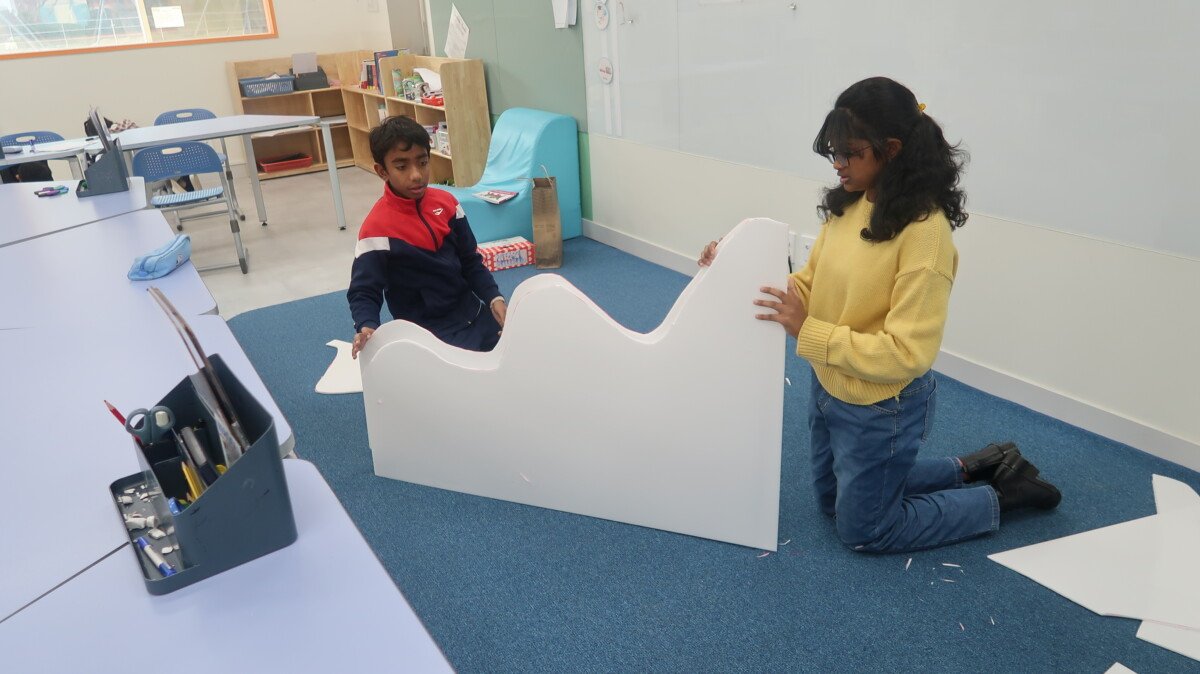
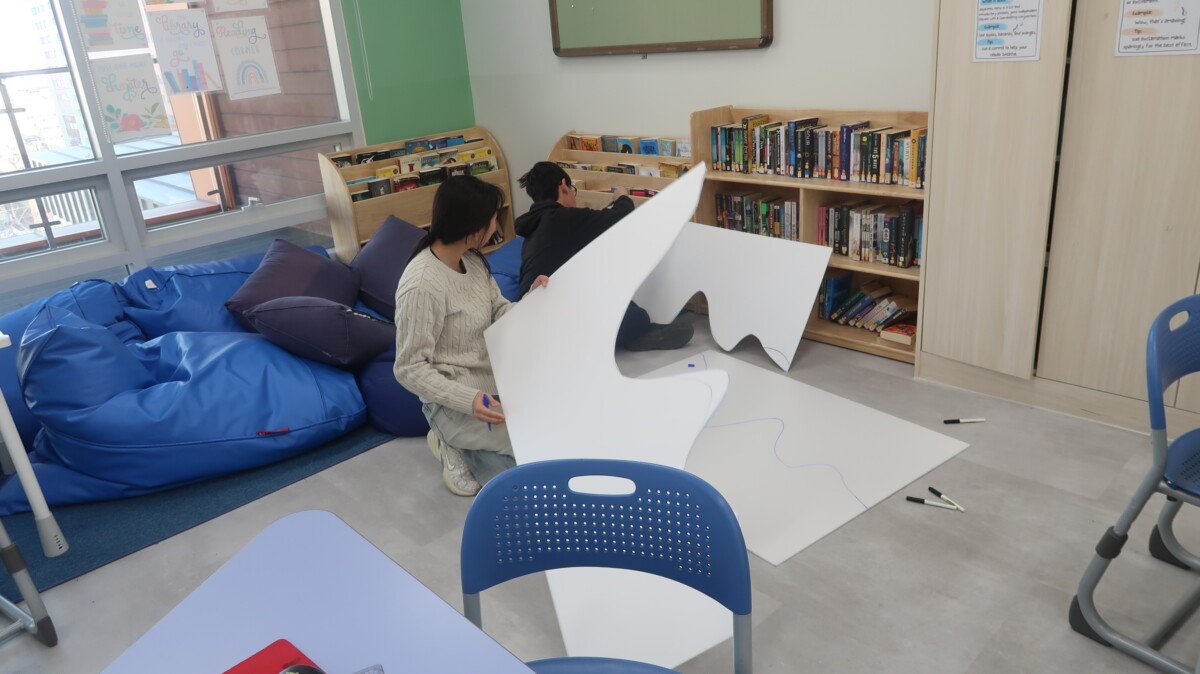
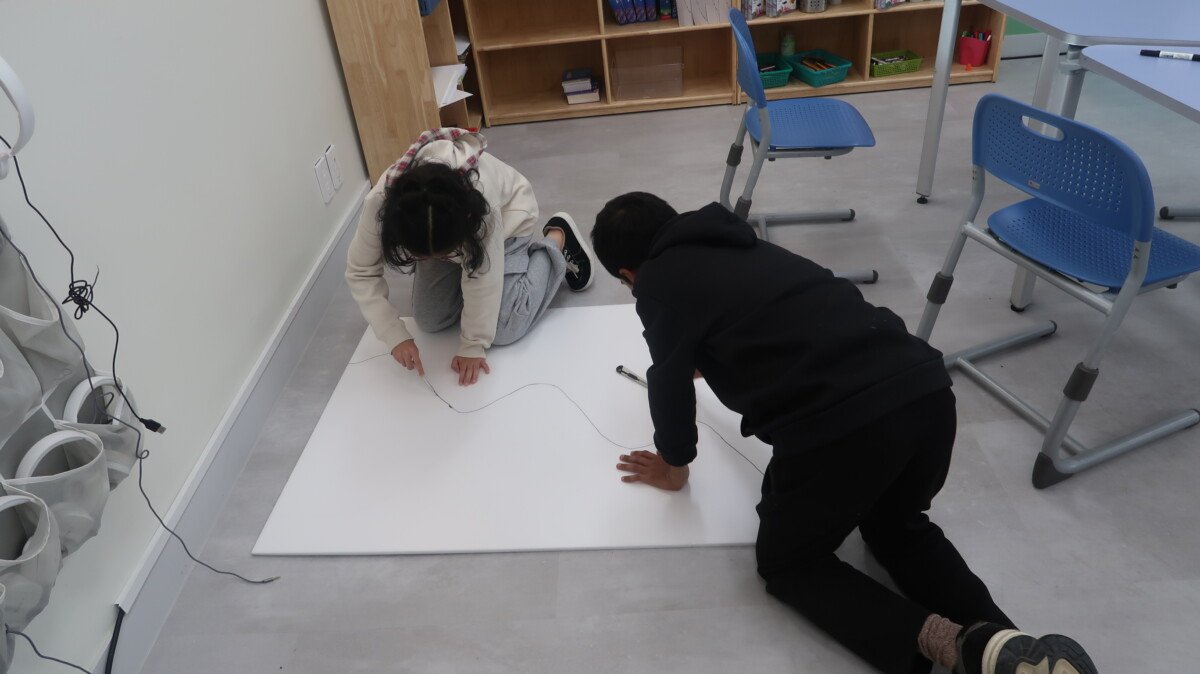
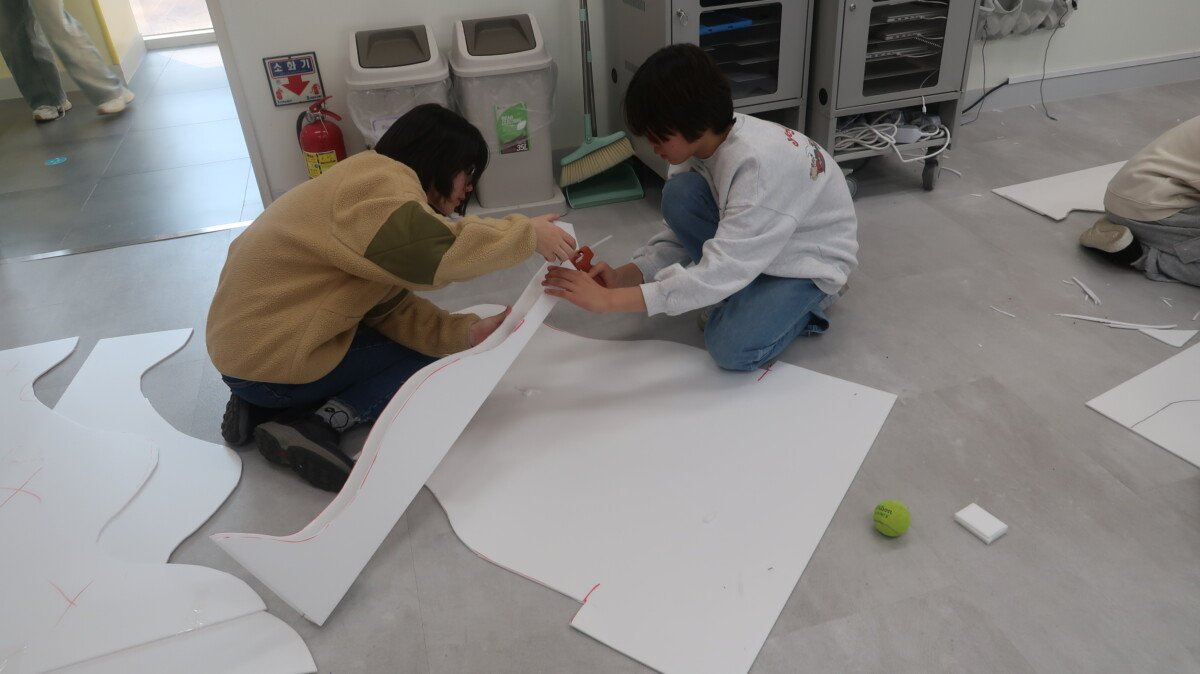
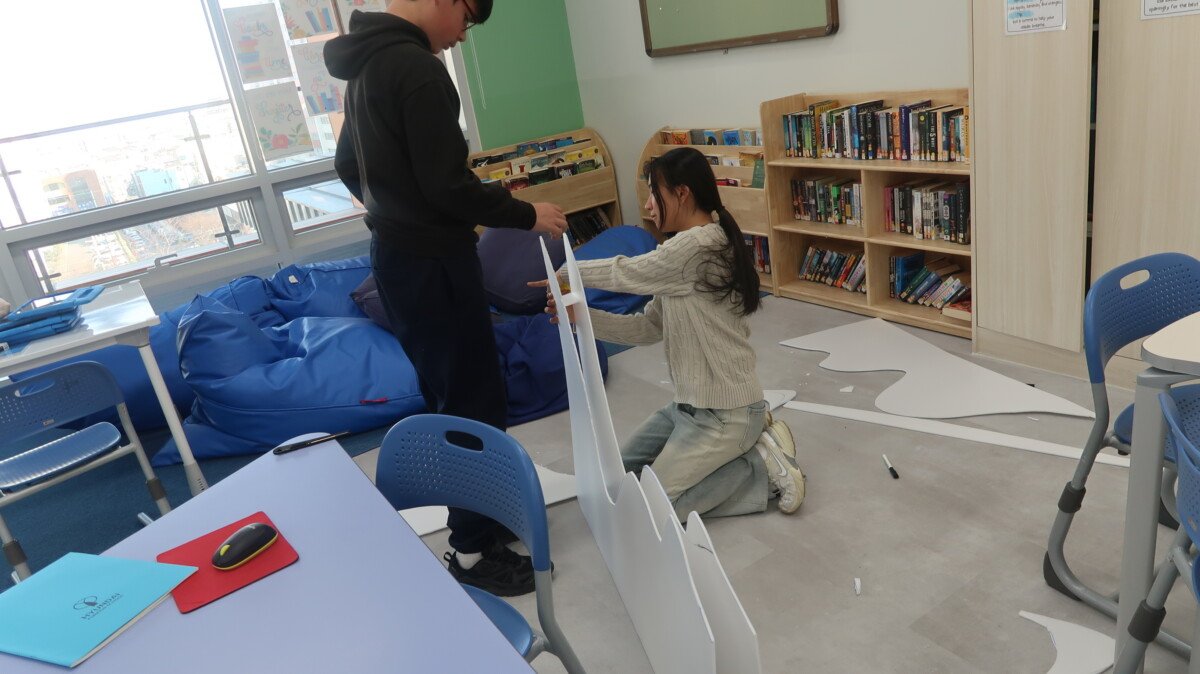
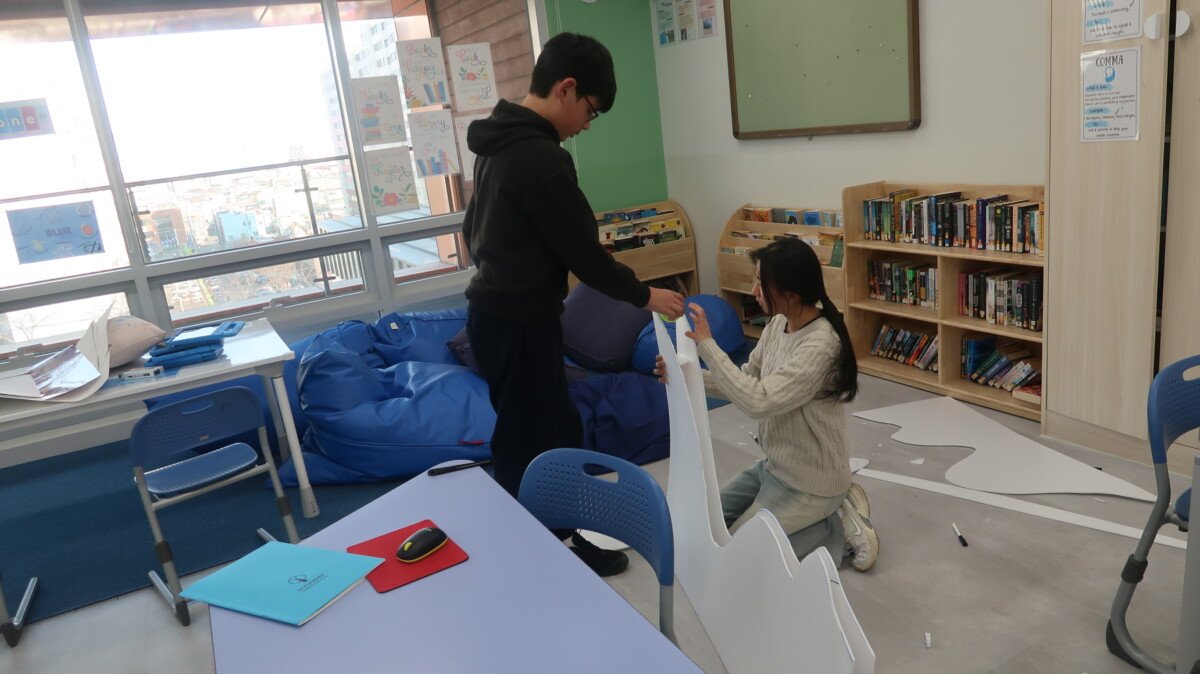
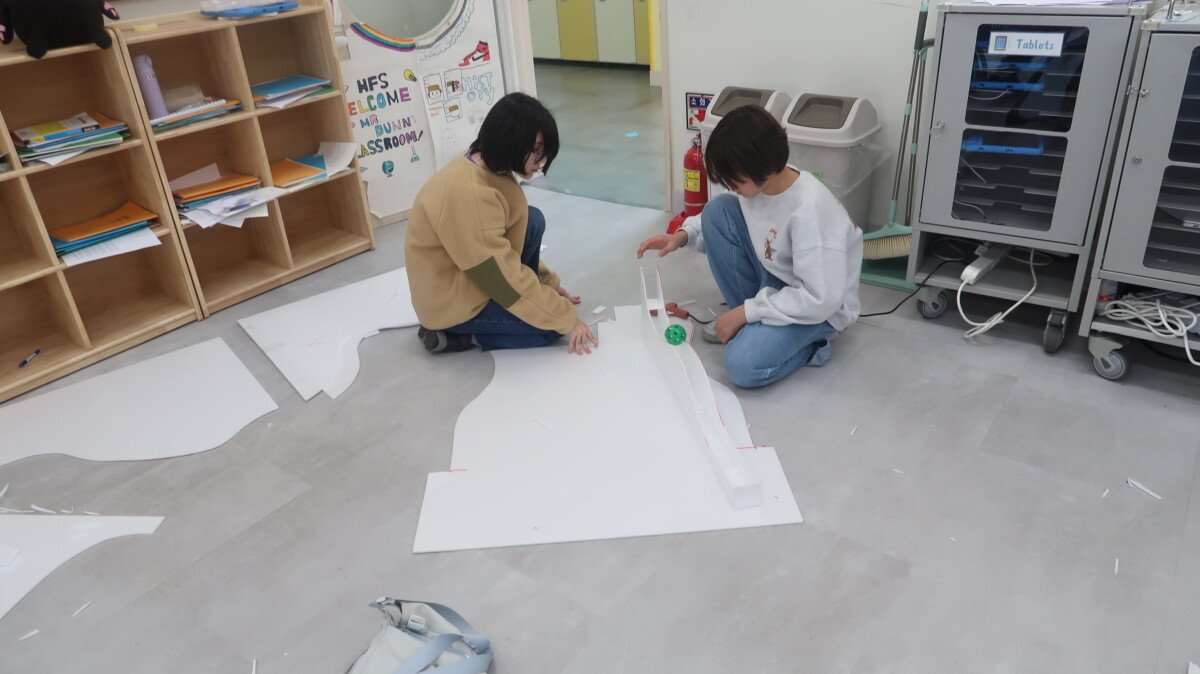
In geography, students learned how the War-Khasi people of Northeast India build “living bridges” by guiding the roots of rubber trees across rivers over many years. After exploring images and discussing why these bridges are needed during heavy monsoon floods, the students worked in groups to design and build their own mini root-bridge models using straws, string, and other materials. Then they created annotated sketches explaining how their designs mimicked the real bridges. The activity helped students understand how people use their environment creatively and sustainably to solve everyday challenges.

In Science, students created an effective presentation explaining important scientific vocabulary. They were given a set of guiding questions to help structure their work, such as defining the term, describing what it helps us understand, identifying the problem it helps solve, giving real-life examples, and showing how the concept can be demonstrated through a simple experiment. Students also included diagrams or images to support their explanations and discussed the key signs or features that show when the scientific idea is happening in real life.

Maths

Year 7

This week we continued our work on solving problems with addition & subtraction.

We learnt to:

  • Spr.1.6 – Use formal methods for subtraction of decimals
  • Spr.1.7 – Choose the most appropriate method: mental strategies, formal written or calculator
  • Spr.1.8 – Solve problems in the context of perimeter
  • Spr.1.9 – Solve financial maths problems
  • Spr.1.10 – Solve problems involving tables and timetables
  • Spr.1.11 – Solve problems with frequency trees
  • Spr.1.12 – Solve problems with bar charts and line charts
  • Spr.1.13 – Add and subtract numbers given in standard form (H)

Year 8

This week, students focused on key algebra skills involving brackets and inequalities. They learned to:

  • Spr.1.5 – Expand multiple single brackets and simplify expressions by collecting like terms.
  • Spr.1.6 – Expand a pair of binomials using methods such as FOIL (higher level).
  • Spr.1.7 – Solve equations, including those containing brackets, by expanding and simplifying first.
  • Spr.1.8 – Form their own equations from worded problems and then solve them.
  • Spr.1.9 – Understand and solve simple inequalities, and show solutions using number lines.

Students practised applying these skills to both numerical and algebraic problems, developing accuracy and confidence with algebraic manipulation.

Keep encouraging your child to show working clearly and check solutions.

Year 9 – Number Types
This week, students focused on integers, real numbers and rational numbers.
They also completed their end of term assessment, and performed well.