Hello everyone!
What a great first week it has been. It has been so lovely to see everyone again, and the children all seem very well rested. I have been very impressed with their positive attitude and enthusiasm this week. The first week back after a long break can be challenging, but they all took it in their stride.
Here is what Year 5/6 have been up to this week:
Maths
Year 5
| Multiplication and Division |
| Review of the unit so far |
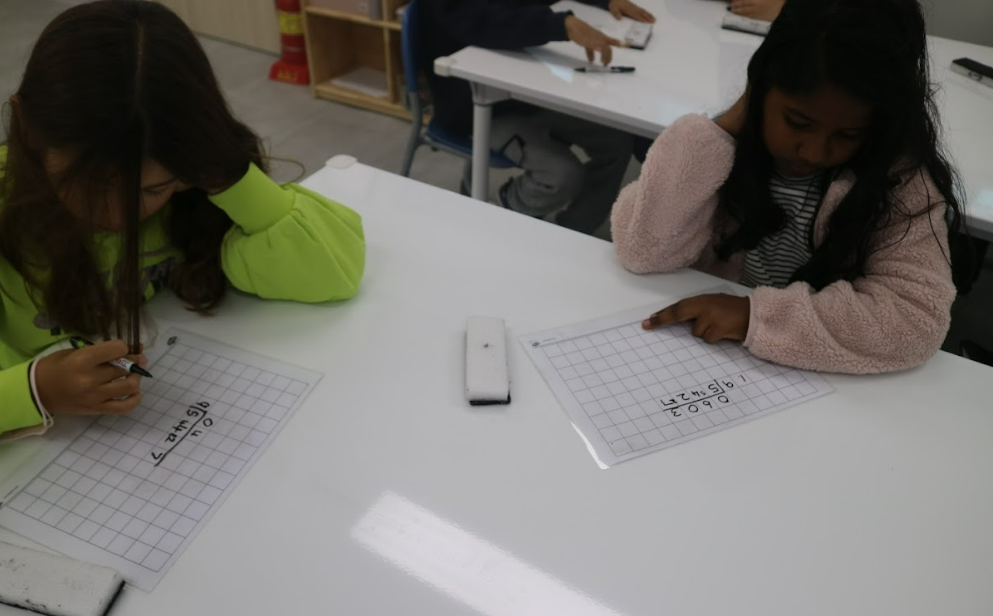
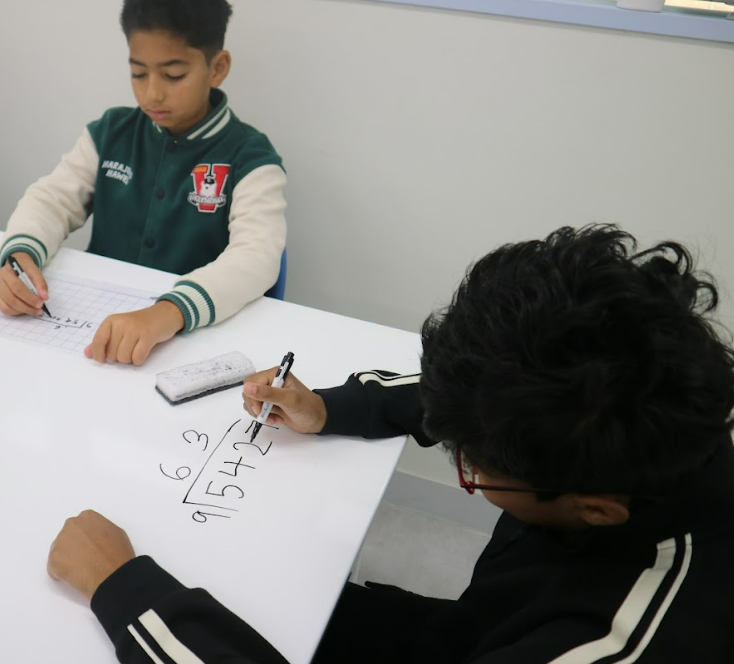
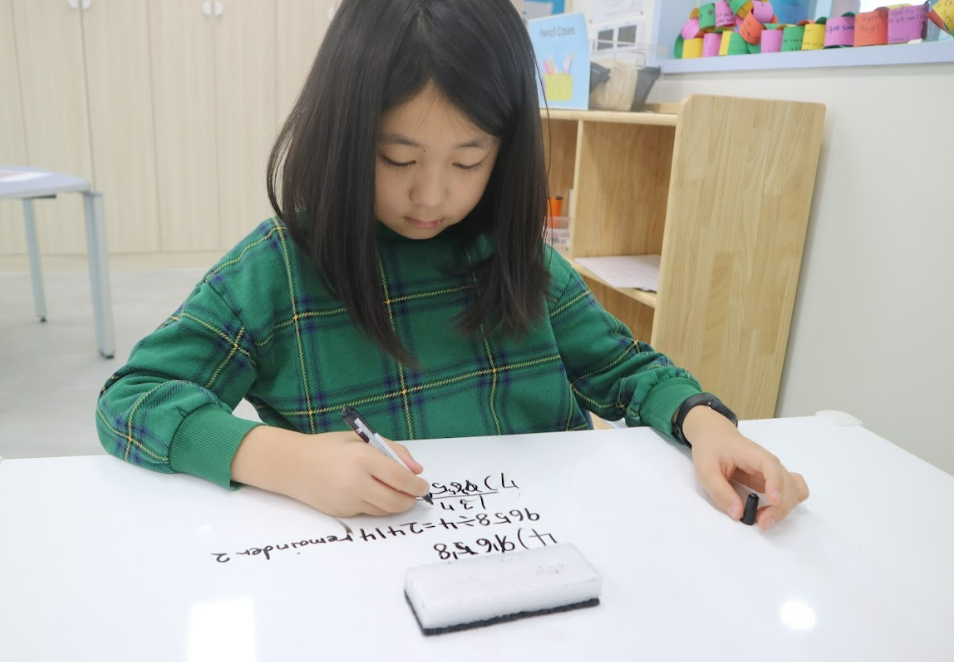
| Spr.1.8 – Divide a 4-digit number by a 1-digit number |
| Spr.1.9 – Divide with remainders |
| Spr.1.10 – Efficient division |
Year 6
| Ratio |
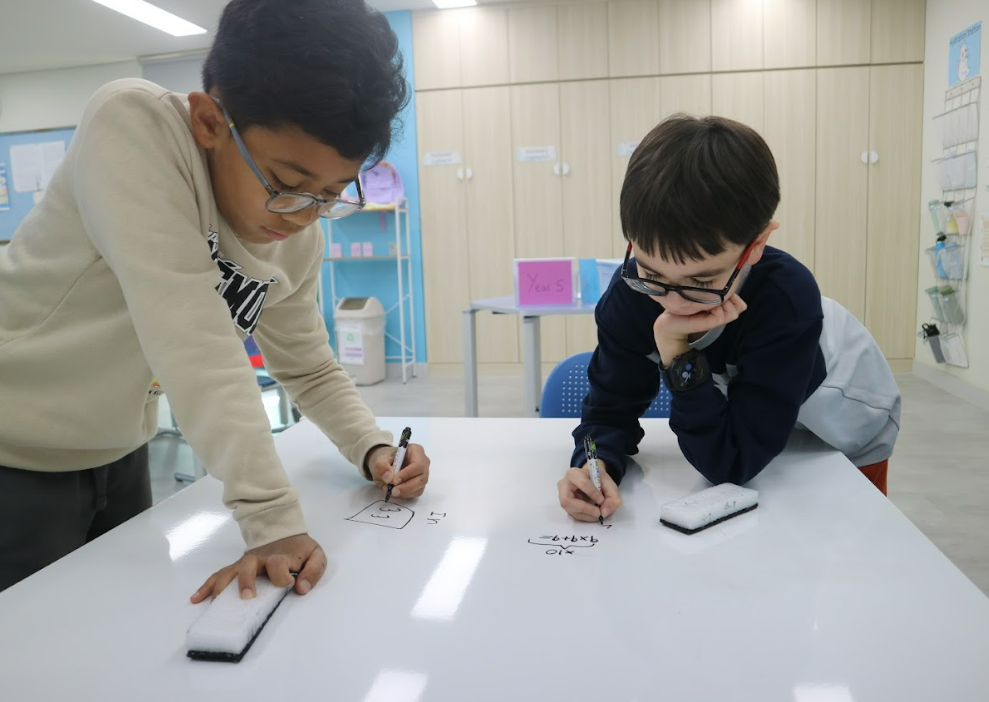
| Spr.2.1 – 1 Step function machines |
| Spr.2.2 – 2 Step function machines |
| Spr.2.3 – Form expressions |
| Spr.2.4 – Substitution |
IPC
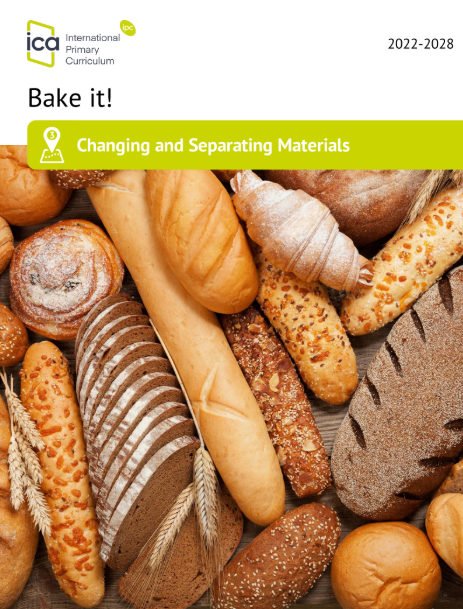
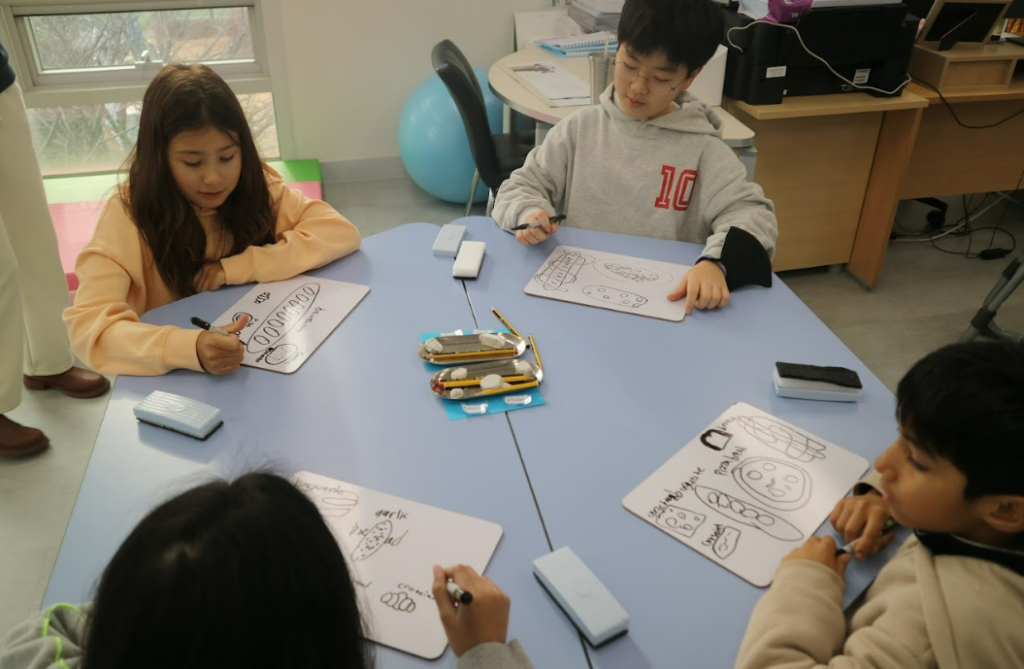
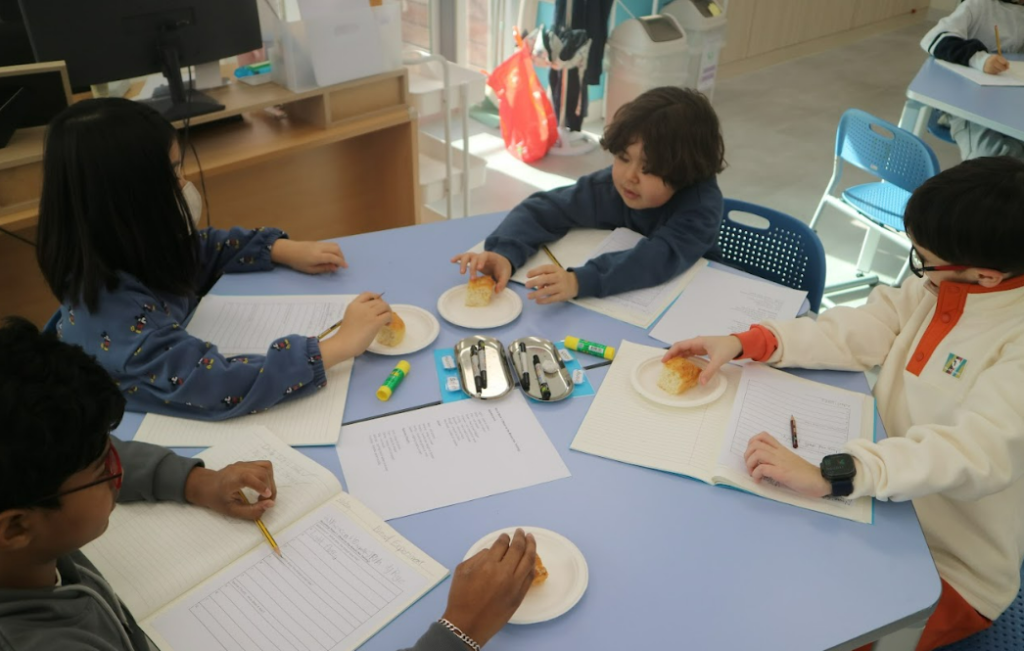
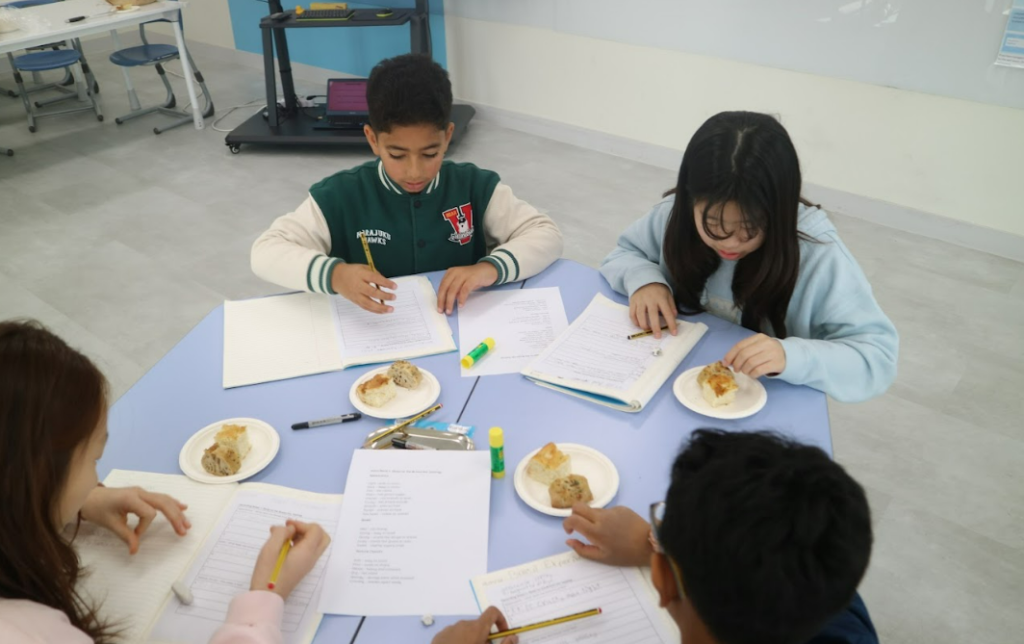
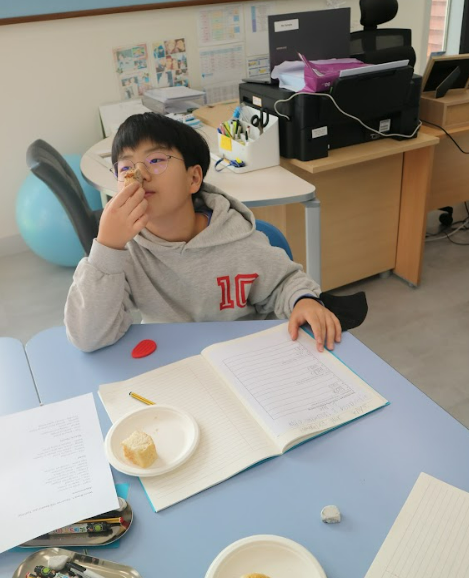
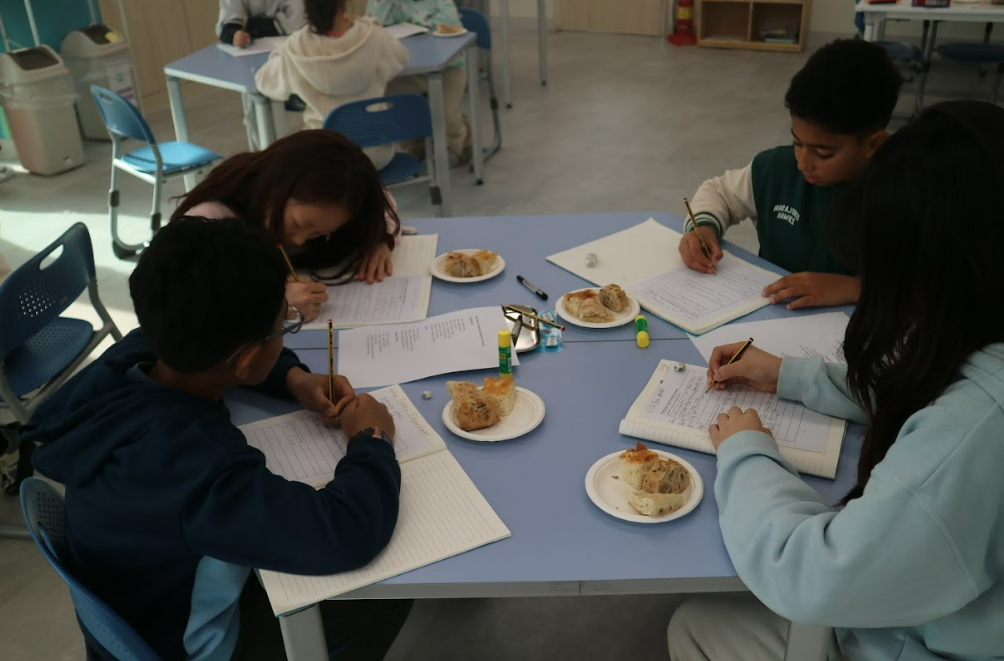
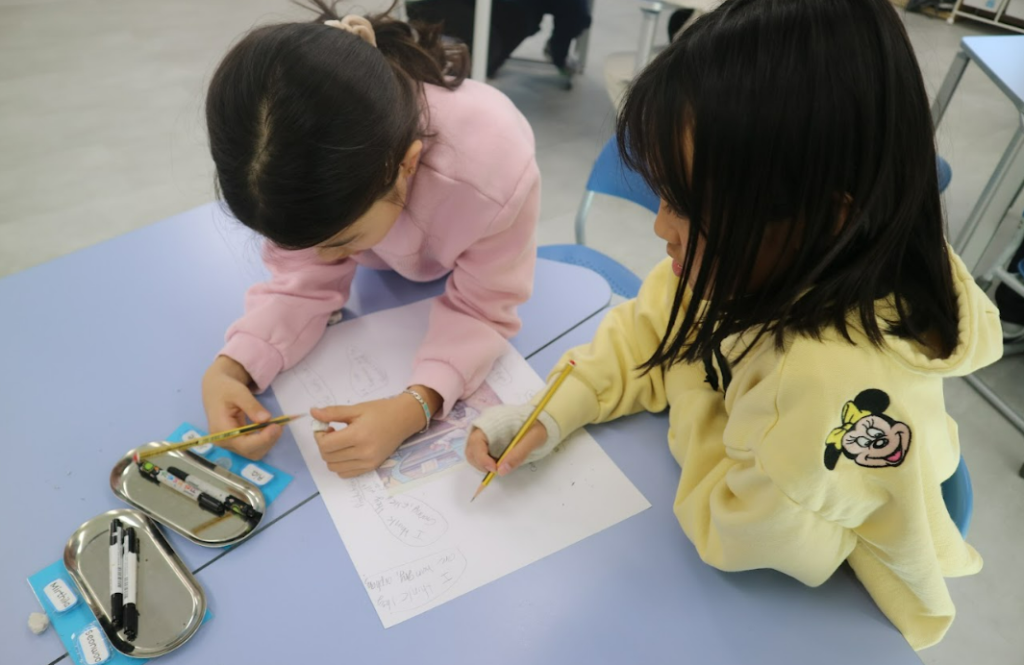
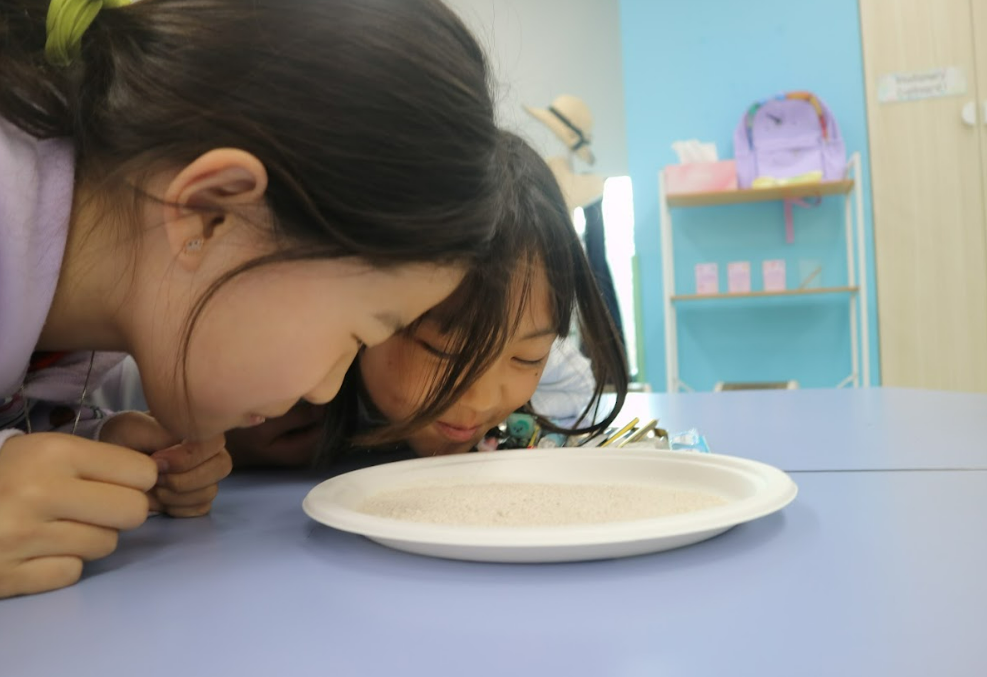
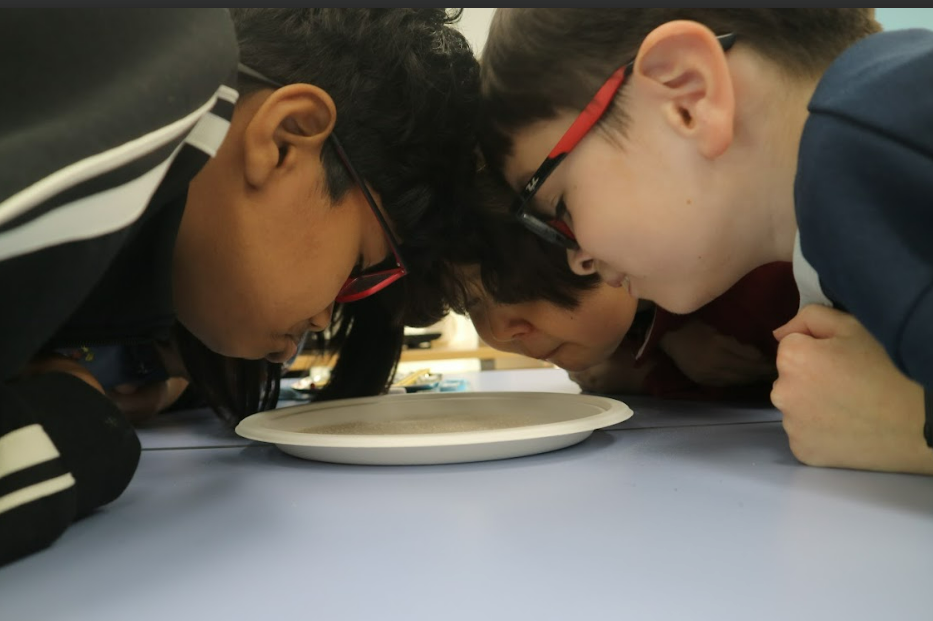
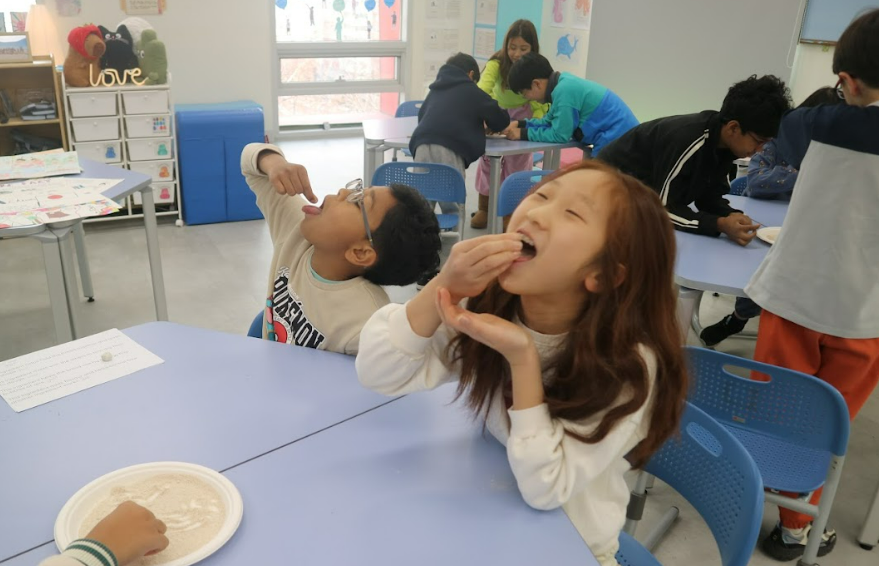
This week in IPC, we began our new unit Bake It by exploring bread through a scientific lens. The children investigated a range of different breads using their senses, describing the taste, texture, smell, and appearance. This helped them build precise vocabulary and begin thinking like scientists by observing carefully and comparing results.
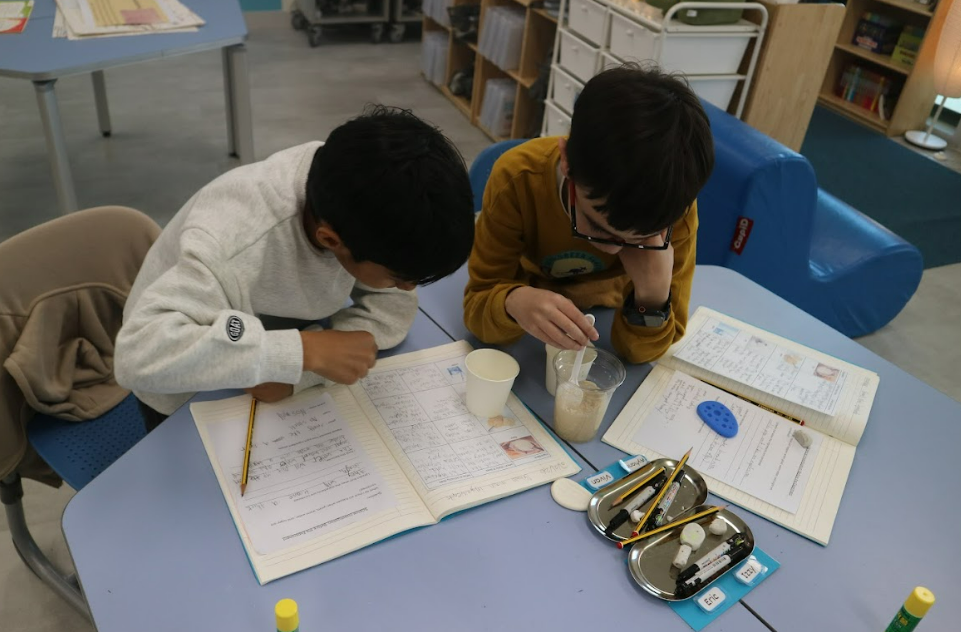
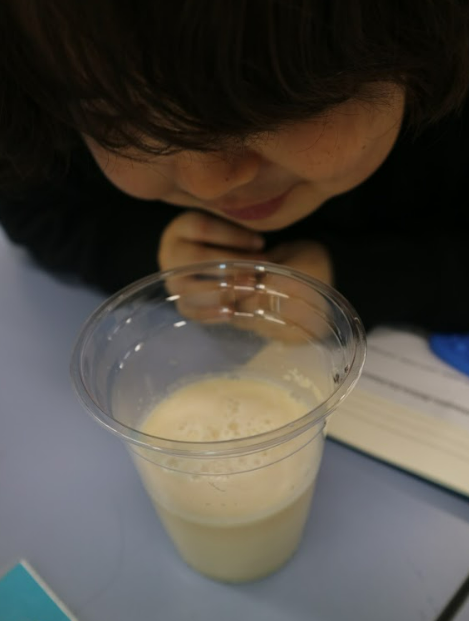
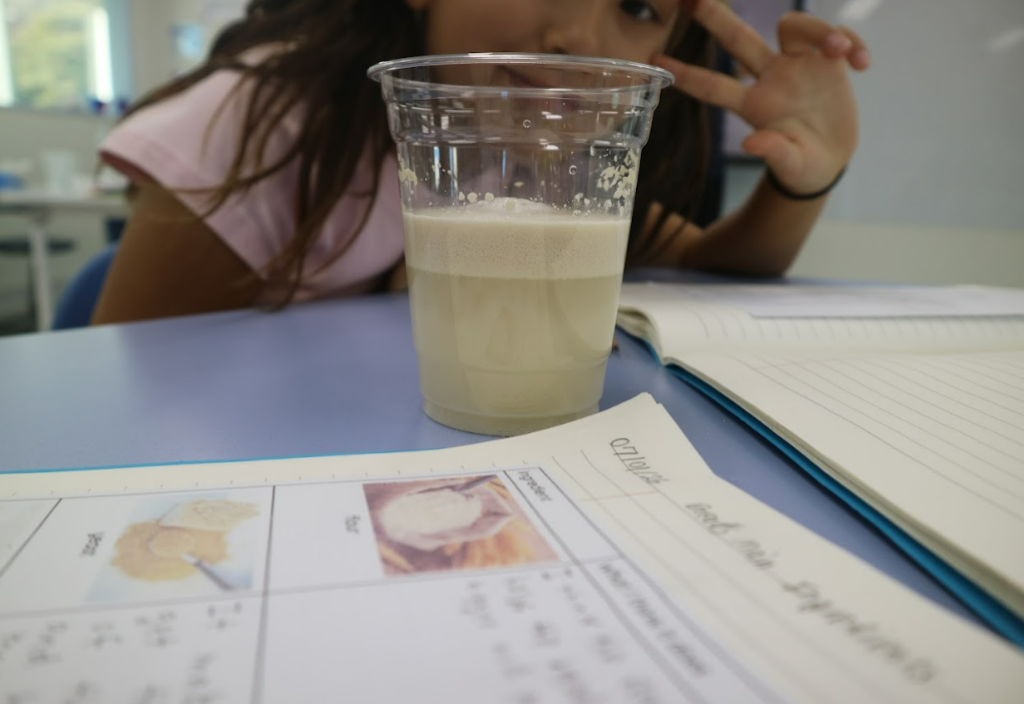
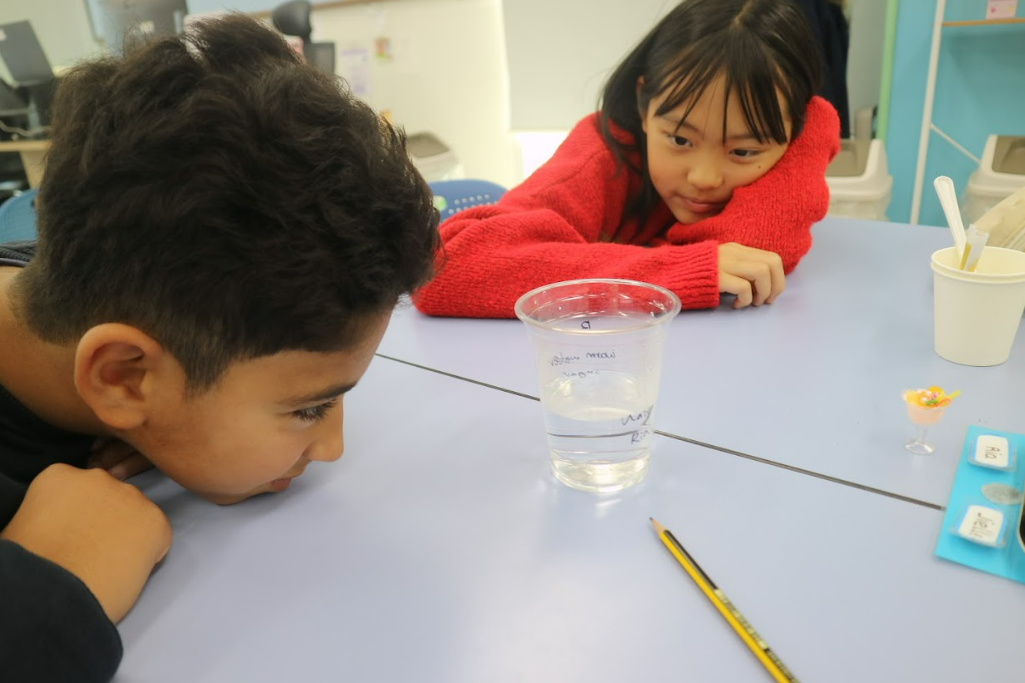
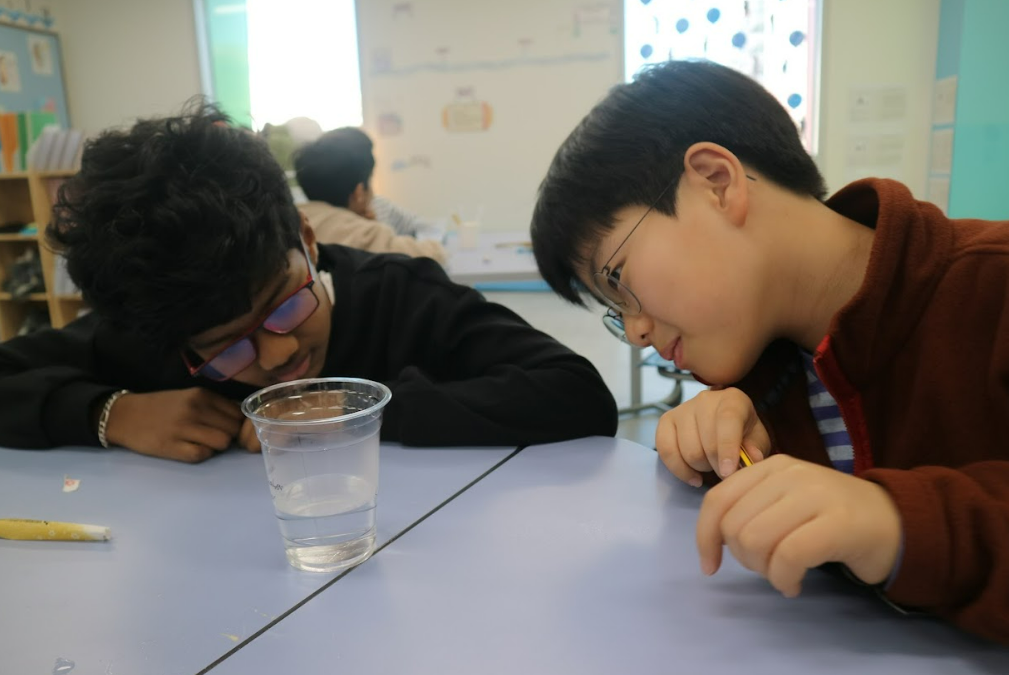
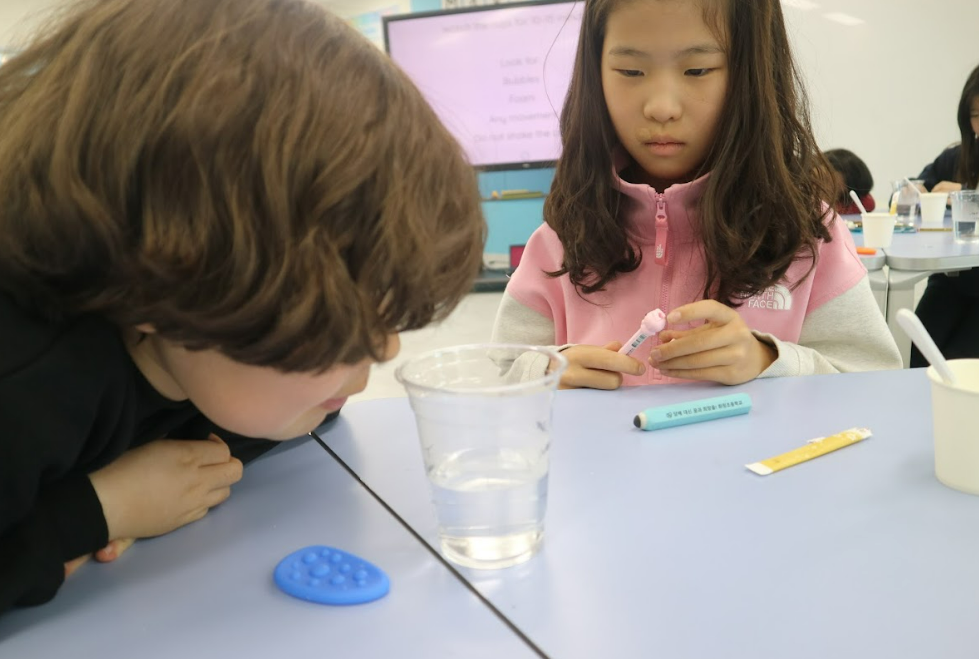
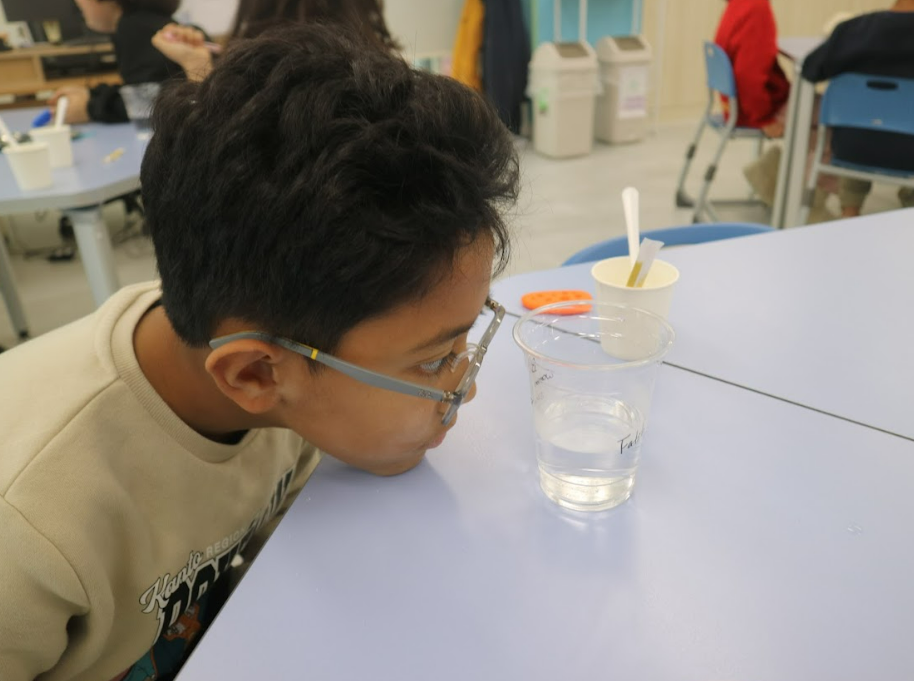
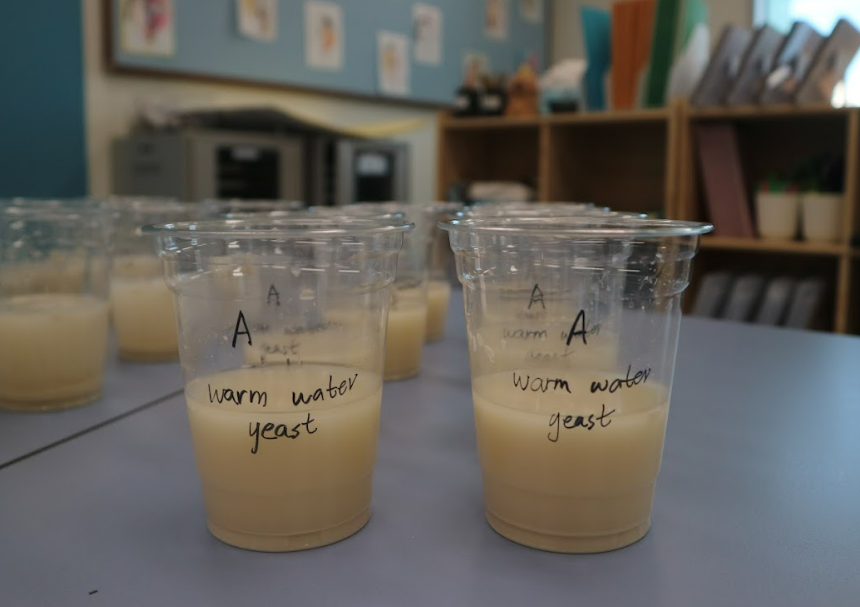
A key focus this week was our science investigations into bread making, particularly the role of yeast. The children learned that yeast is a living organism and that it is responsible for helping bread rise. Before starting the experiments, pupils made predictions about what might happen when yeast was mixed with water and sugar, and discussed why certain conditions might make a difference.
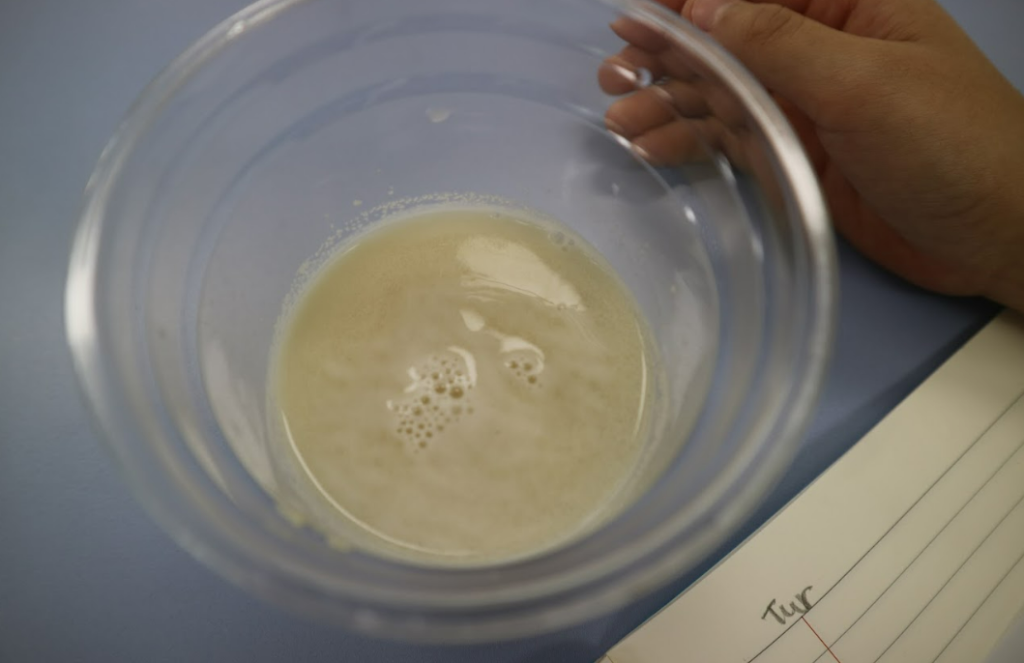
During the investigation, different conditions were tested to help the children understand what yeast needs in order to work effectively. By changing the temperature of the water and whether sugar was present, pupils were able to observe which combinations produced the most bubbles and gas. This helped them see that yeast works best in warm conditions and needs sugar as a food source to produce gas.
The children carefully observed the changes over time, noting how bubbles formed and later slowed down. They learned that the gas produced by yeast is what creates air pockets in bread, making it rise, and that the reaction eventually stops when the yeast runs out of food or the conditions are no longer suitable.
Throughout the experiments, pupils worked collaboratively, recorded observations, discussed results, and reflected on what the outcomes told them. These investigations helped deepen their understanding of how ingredients behave when combined and introduced key scientific ideas such as fair testing, changing variables, and cause and effect.
Literacy
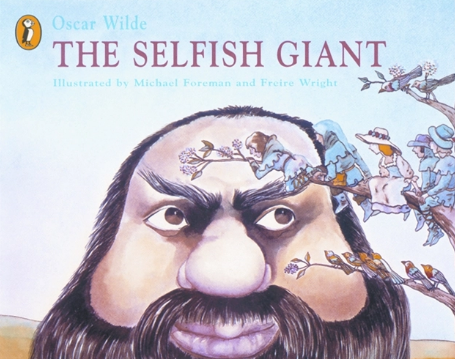
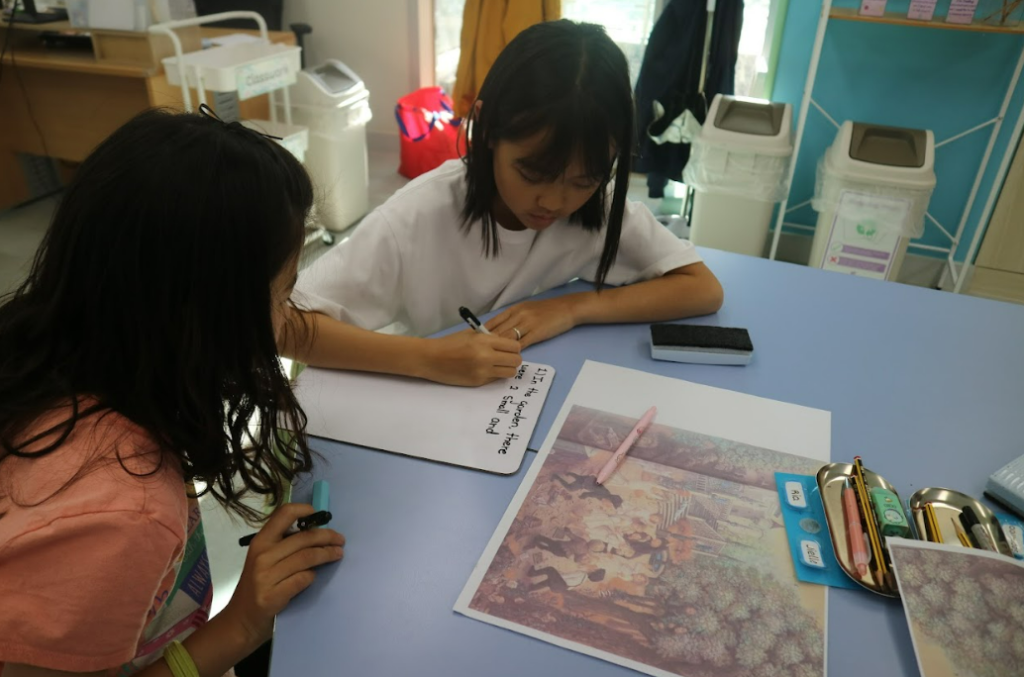
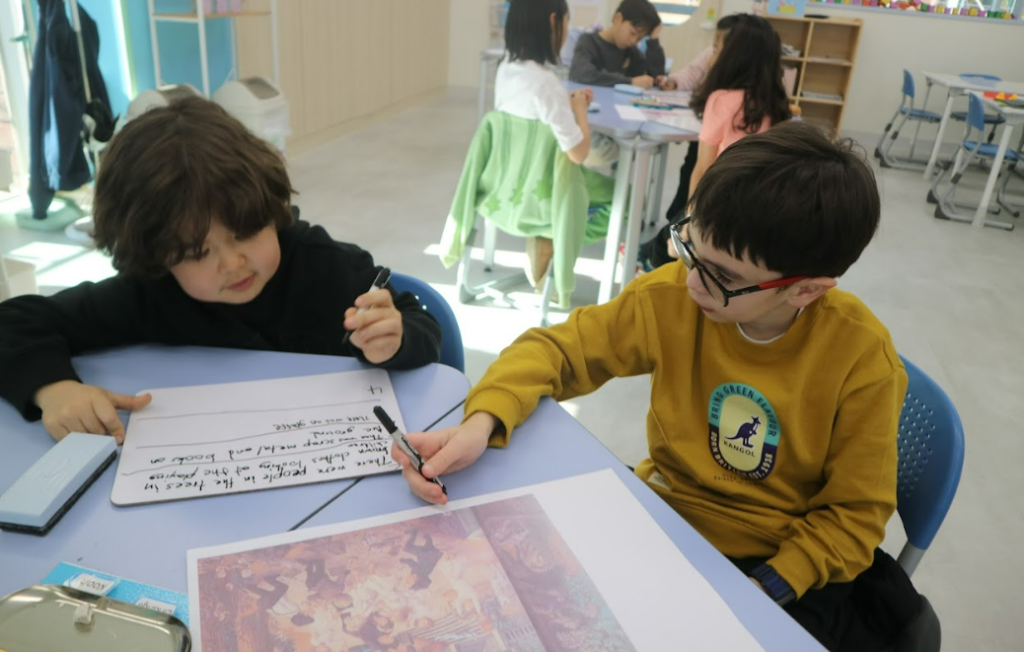
In Literacy, we began our new unit based on The Selfish Giant. The children were introduced to the setting and themes of the story through close reading and discussion, focusing on how authors use descriptive language to create atmosphere. We explored how the garden is described and how it changes over time.
A key focus has been on using expanded noun phrases, precise adjectives, and a range of sentence structures to add detail and interest to writing. The children identified these features within the text and applied them when developing their own work.
They created their own descriptions of a fantasy garden, using rich vocabulary and carefully structured sentences to bring their settings to life.
Useful Information
To help your child stay comfortable during PE, please make sure they come to school in appropriate clothing on Tuesdays and Thursdays.
Appropriate PE clothing
• T shirt
• Tracksuit bottoms
• Leggings
• Shorts
• Trainers
• Hoody that can be removed easily
• Hair tie for long hair
Inappropriate PE clothing
• Jeans or denim shorts
• Skirts or dresses
• Boots, sandals, or flip flops
• Jewellery such as necklaces, bracelets, rings, or earrings
• Tight or restrictive clothing
I hope you all have a lovely weekend!