Hello everyone!
The weather this week has been glorious, summer is definitely around the corner!
Here is what we have been up to:
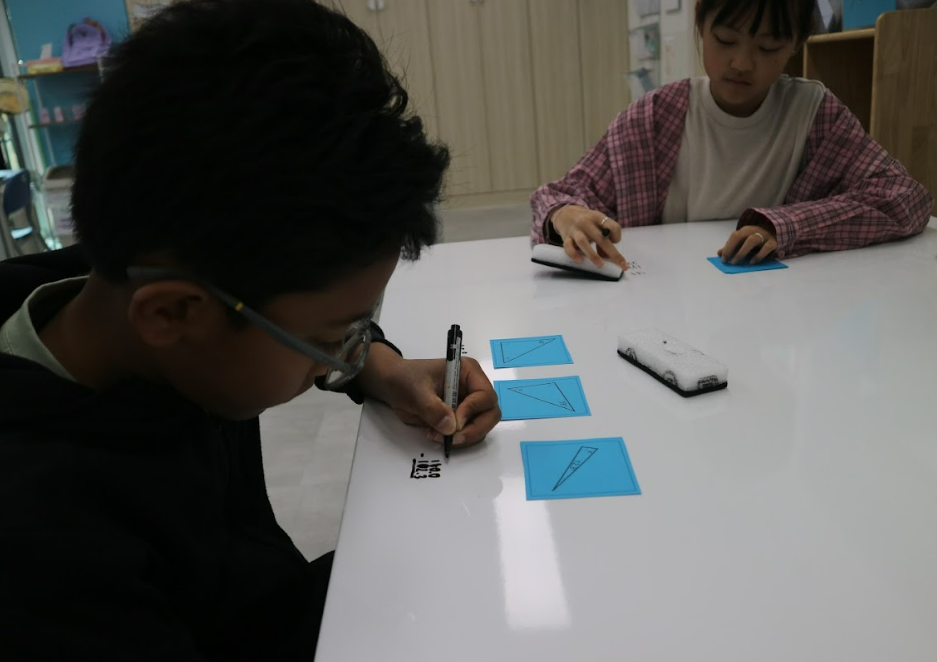
Maths
Year 5
| Shape |
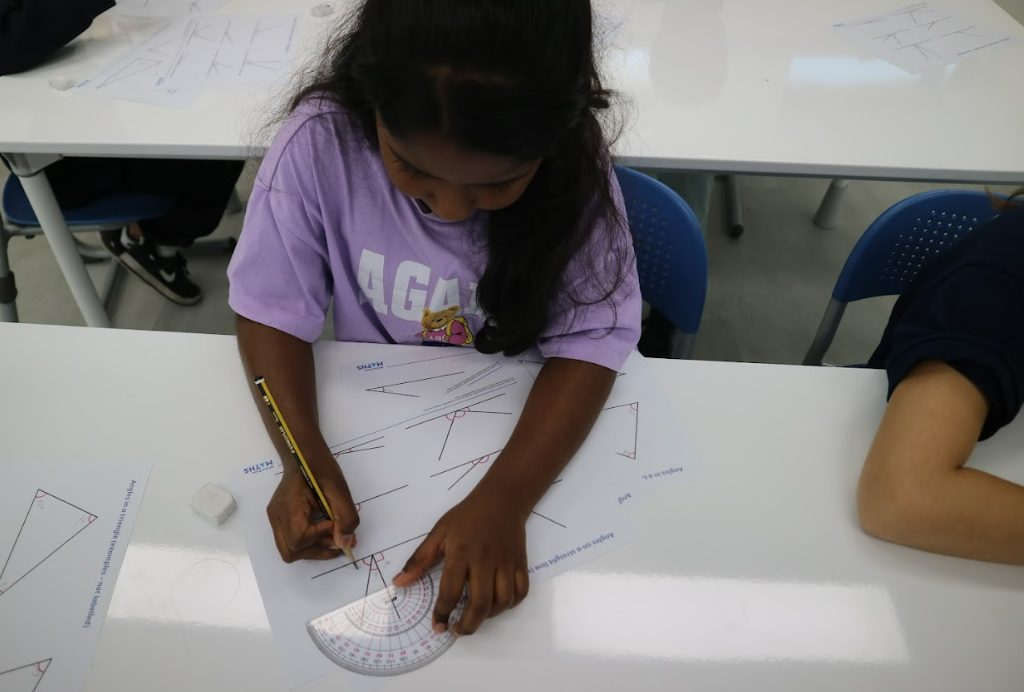
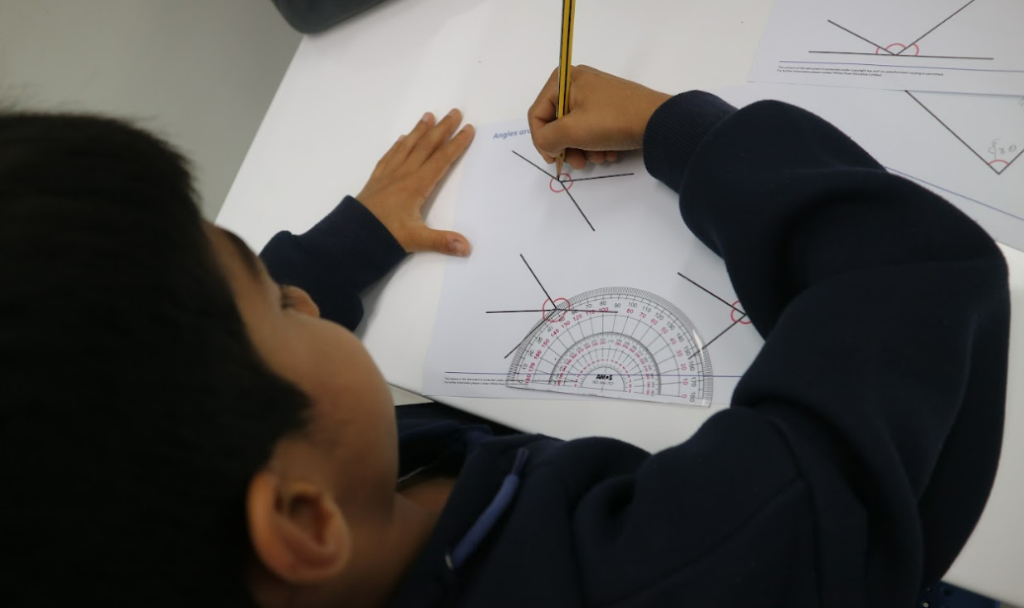
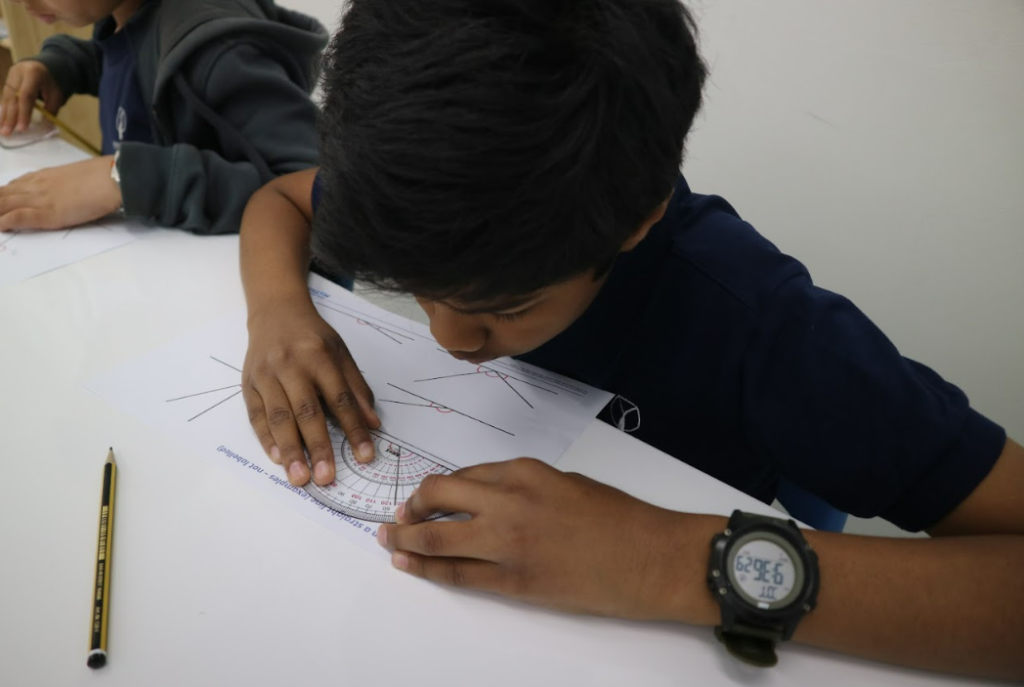
| Sum.1.6 – Calculate angles around a point |
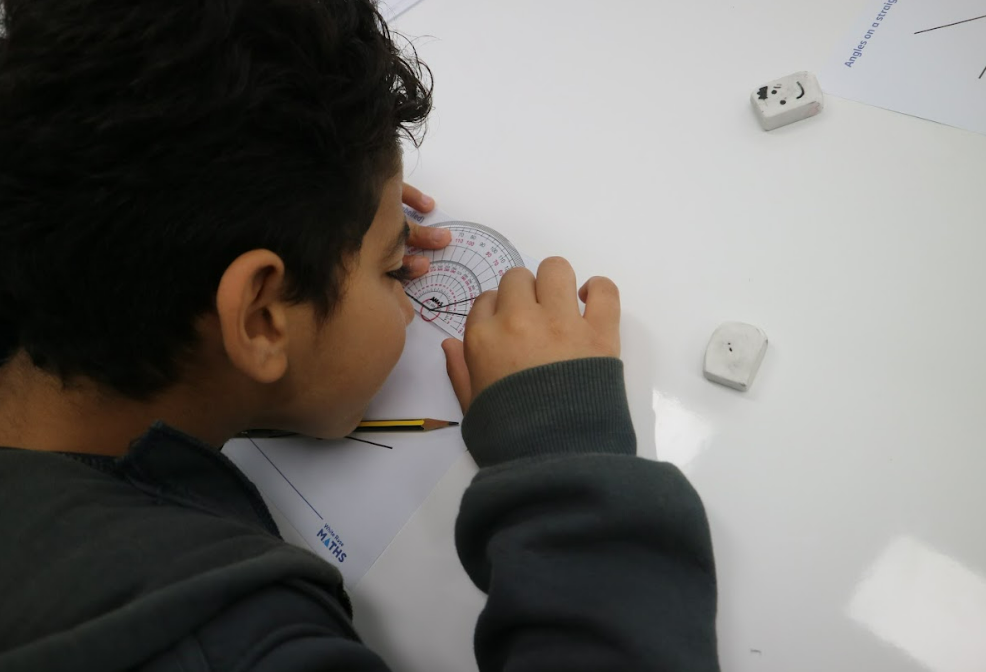
| Sum.1.7 – Calculate angles on a straight line |
| Sum.1.8 – Lengths and angles in shapes |
| Sum.1.9 – Regular and irregular polygons |
| Sum.1.10 – 3-D shapes |
Year 6
| Shape |
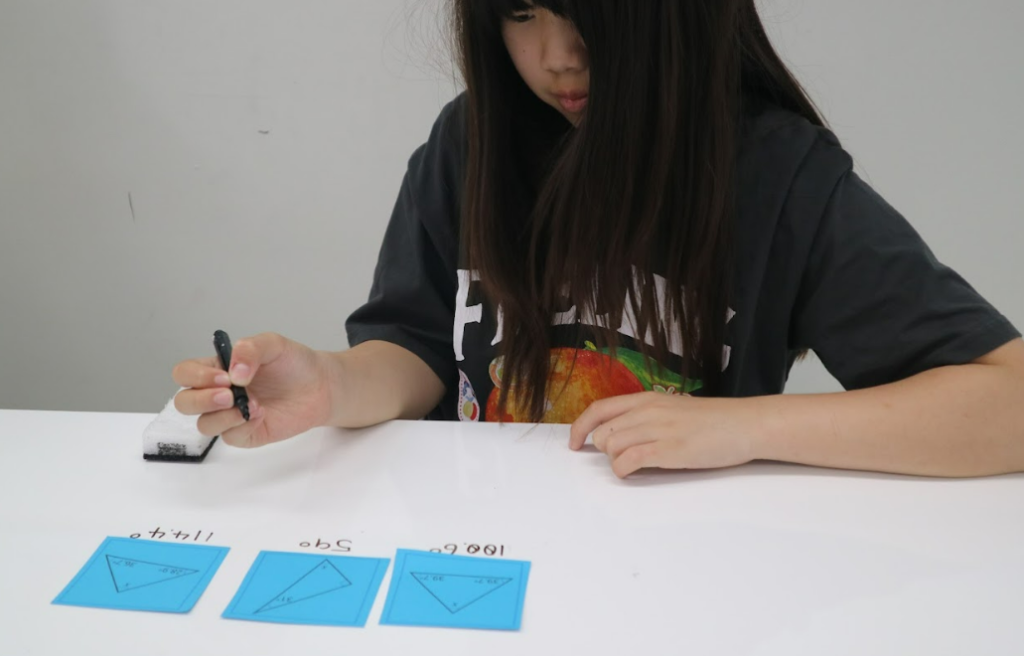
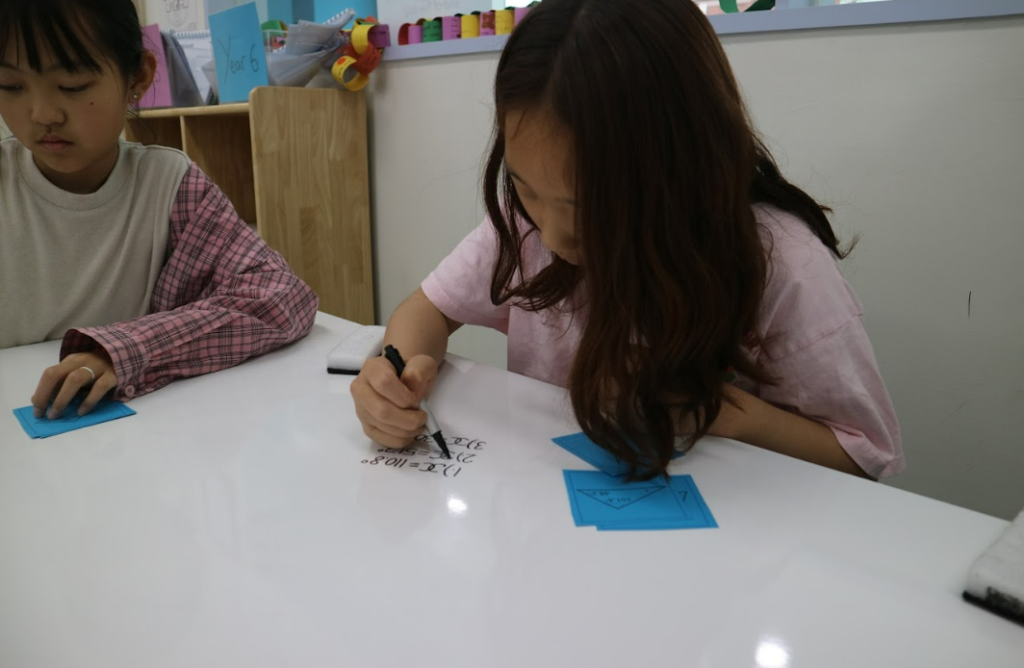
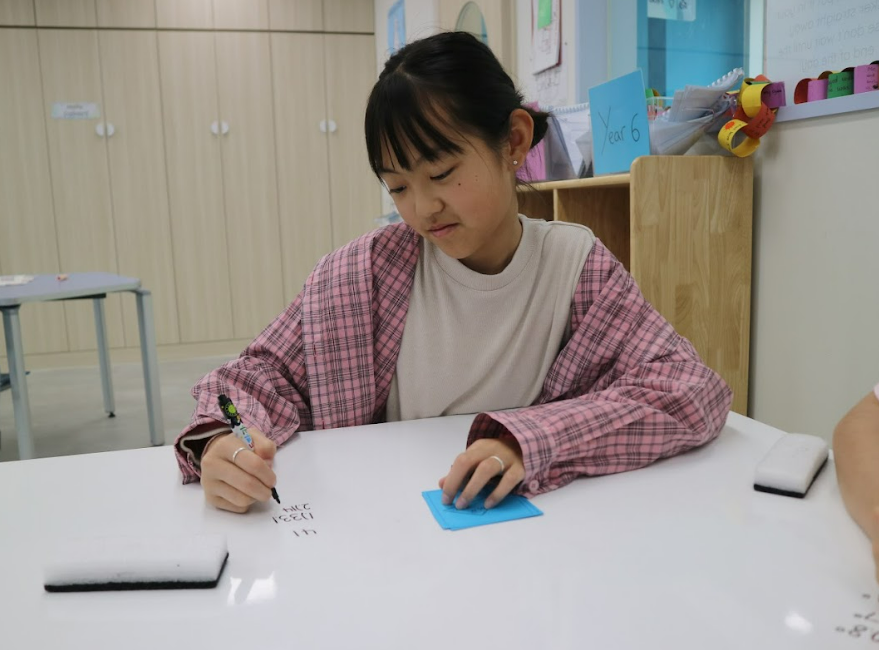
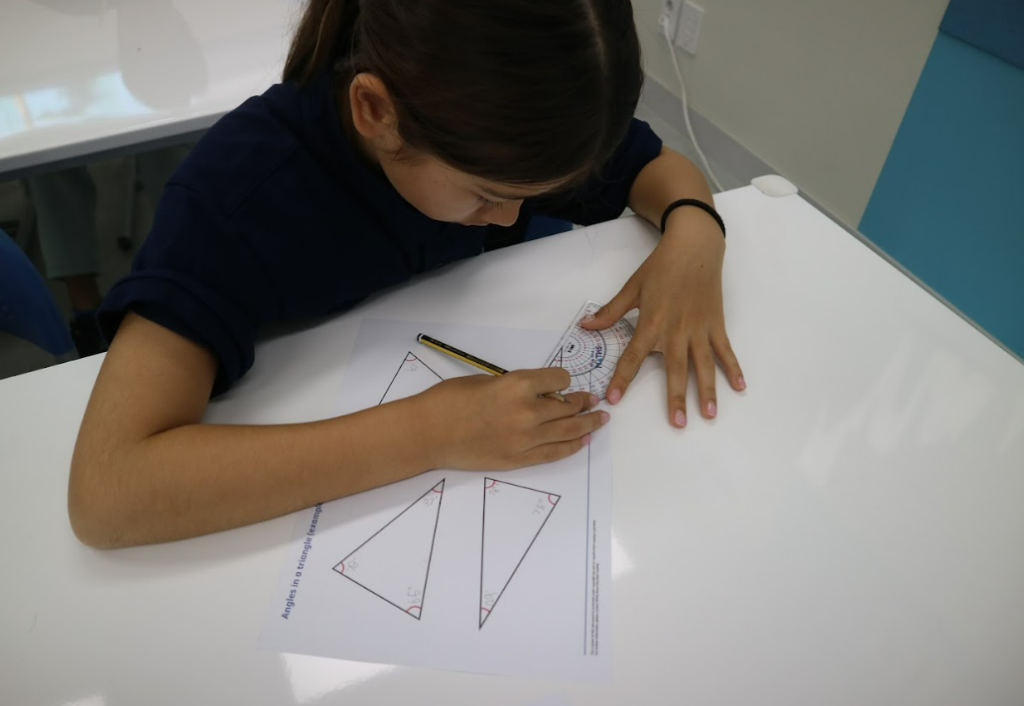
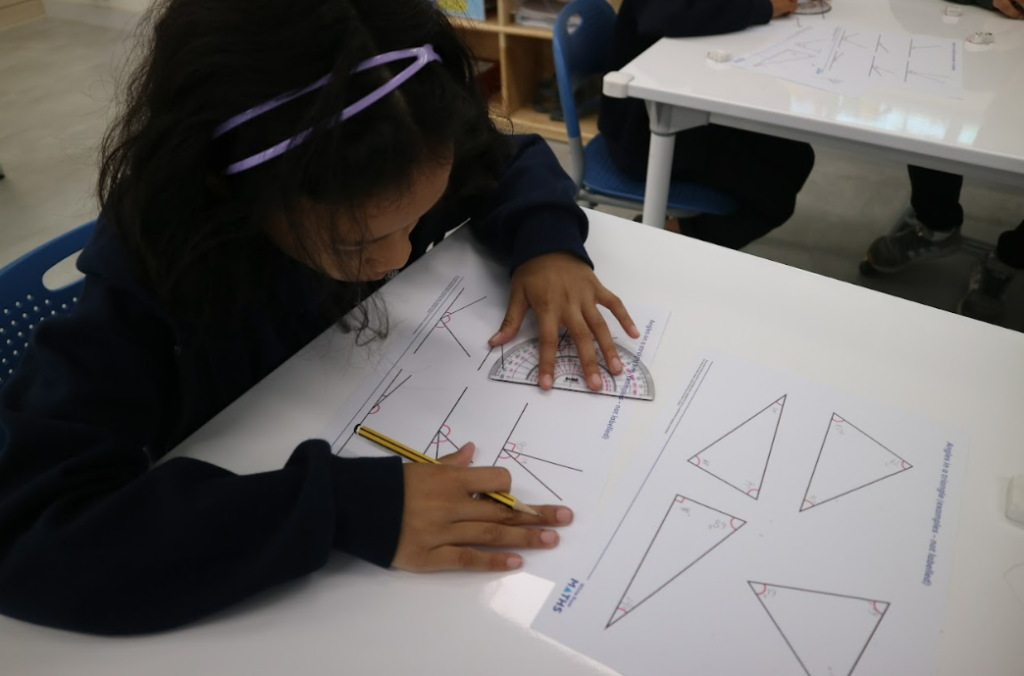
| Sum.1.5 – Angles in a triangle – special cases |
| Sum.1.6 – Angles in a triangle – missing angles |
| Sum.1.7 – Angles in quadrilaterals |
| Sum.1.8 – Angles in polygons |
| Sum.1.9 – Circles |
Literacy
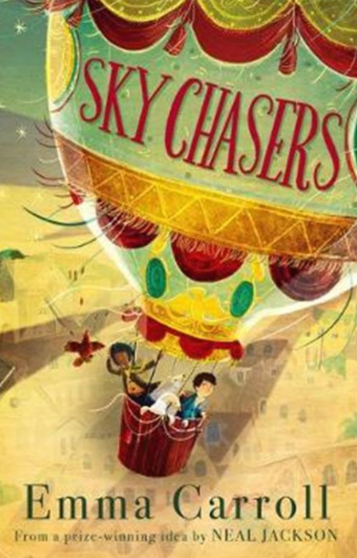
This week, we introduced the use of a colon in writing. The children learned that a colon is used to introduce information, such as an explanation, a list, or further detail, helping to make their writing clearer and more precise. We practised replacing conjunctions with colons to see how this can make sentences more concise and impactful. The students then applied this skill by writing their own sentences to describe what is happening on the front cover of our class text.
We also explored some of the key vocabulary from the book, including more challenging words such as espionage, aeronautical, and ingenuity. The children worked in groups to sort these words into categories. They initially found this tricky, but with some encouragement, they began to think more creatively and produced some thoughtful and original groupings beyond simple positive and negative categories.
As we continued reading the first section of the book, the class became increasingly engaged with the story. We discovered that Madame Delacroix may not be as trustworthy as she first appears, while Coco has proven to be a very loyal companion. The children are very eager to find out what happens next.
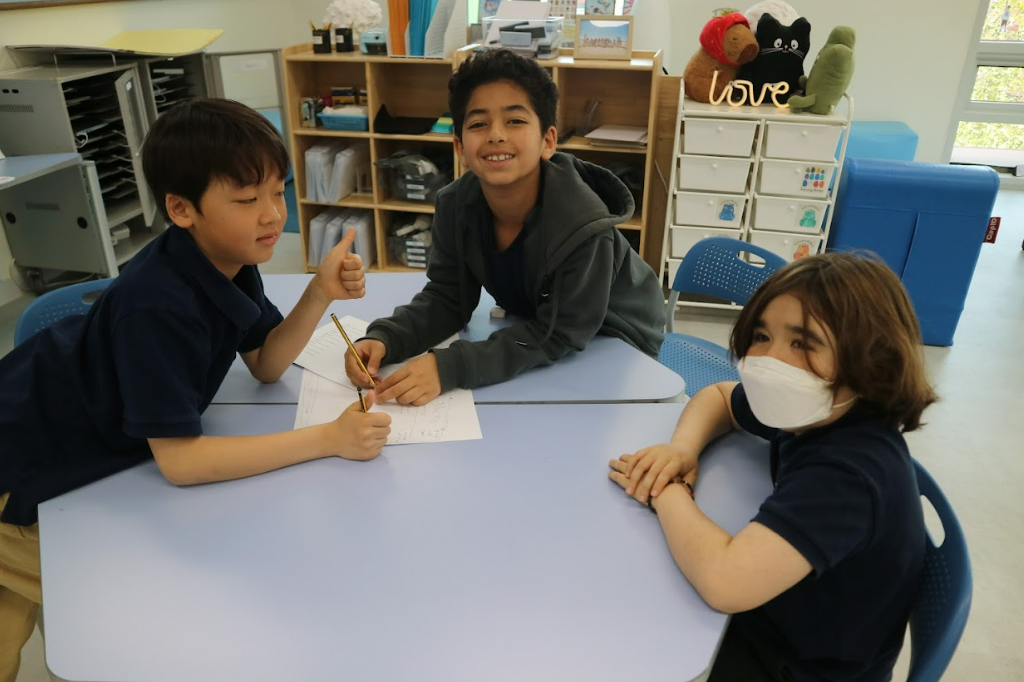
Later in the week, to prepare for their comprehension homework, the students created their own multiple choice questions based on the events we have read so far. This was a great way to revisit key details from the text while also developing their understanding of how comprehension questions are structured.
IPC
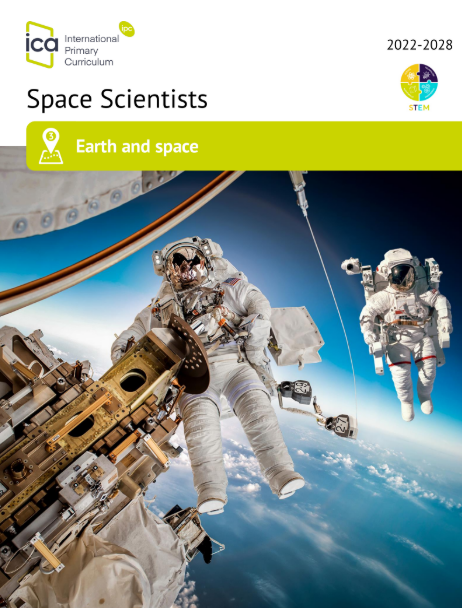
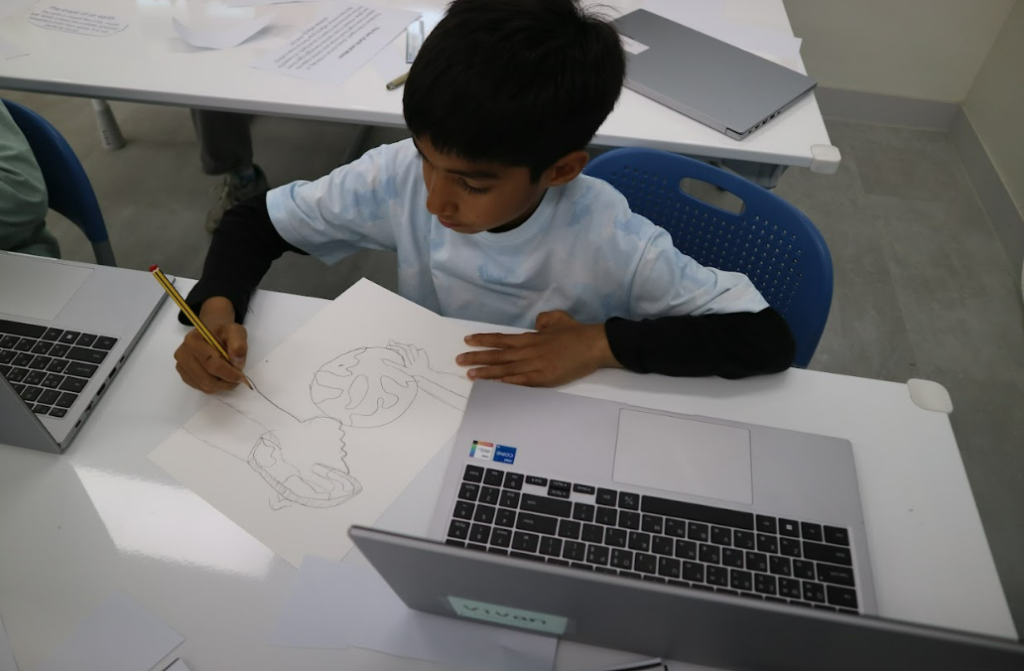
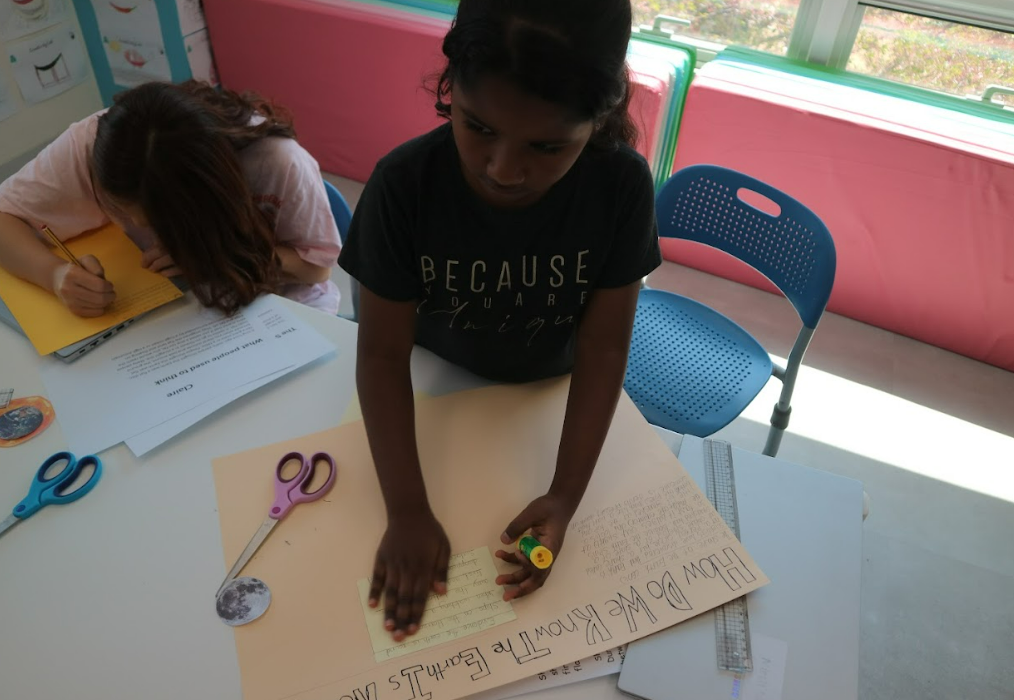
This week, we began by exploring why the Earth is round. We discussed what people in the past used to believe and the reasons behind those ideas, before looking at the scientific evidence that contradicts them. The students were given time to carry out their own short research task, and we spoke about the importance of using credible sources, such as websites ending in .org and .gov, to ensure information is accurate and trustworthy.
We learned that the Earth is not a perfect sphere, but an oblate spheroid. This means it is slightly flattened at the poles and wider around the middle. We discussed how this shape is linked to the Earth’s rotation, helping the children build a basic understanding without going into too much scientific detail.
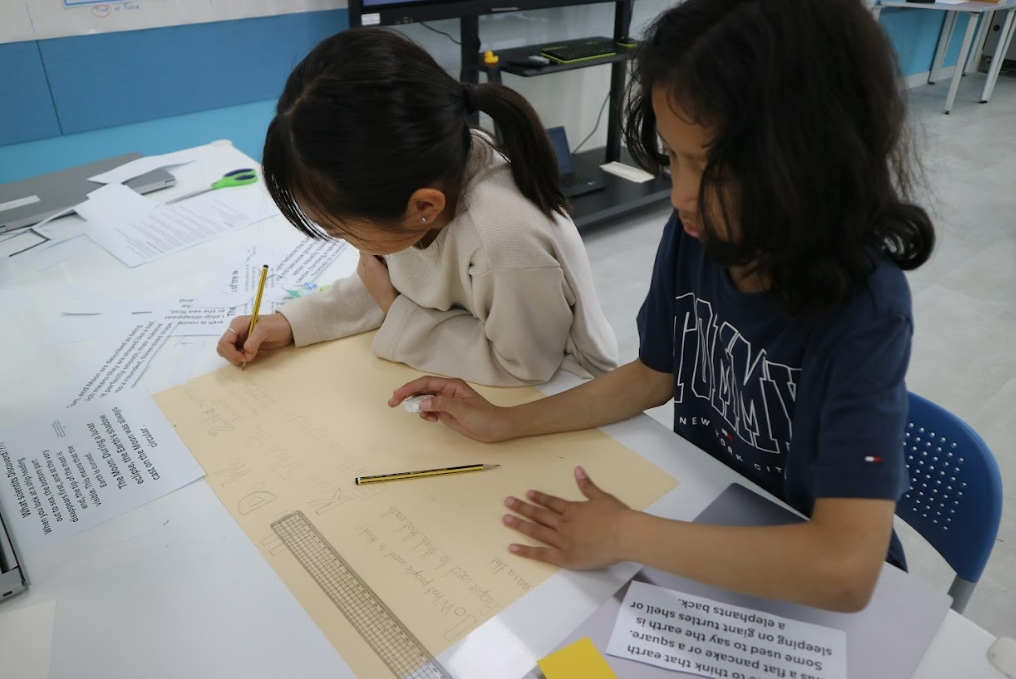
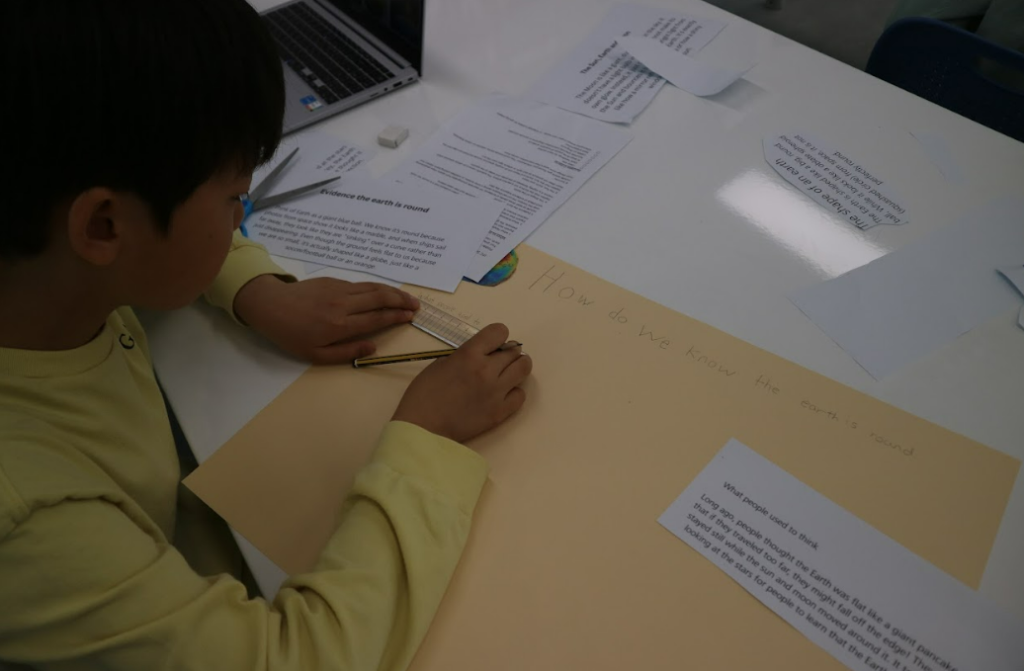
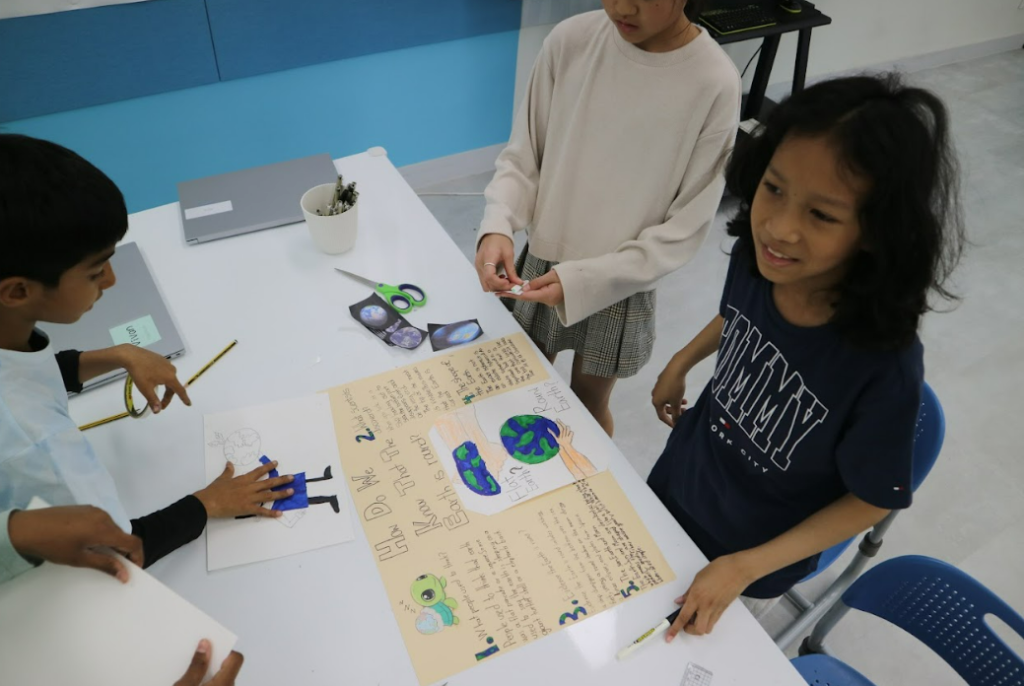
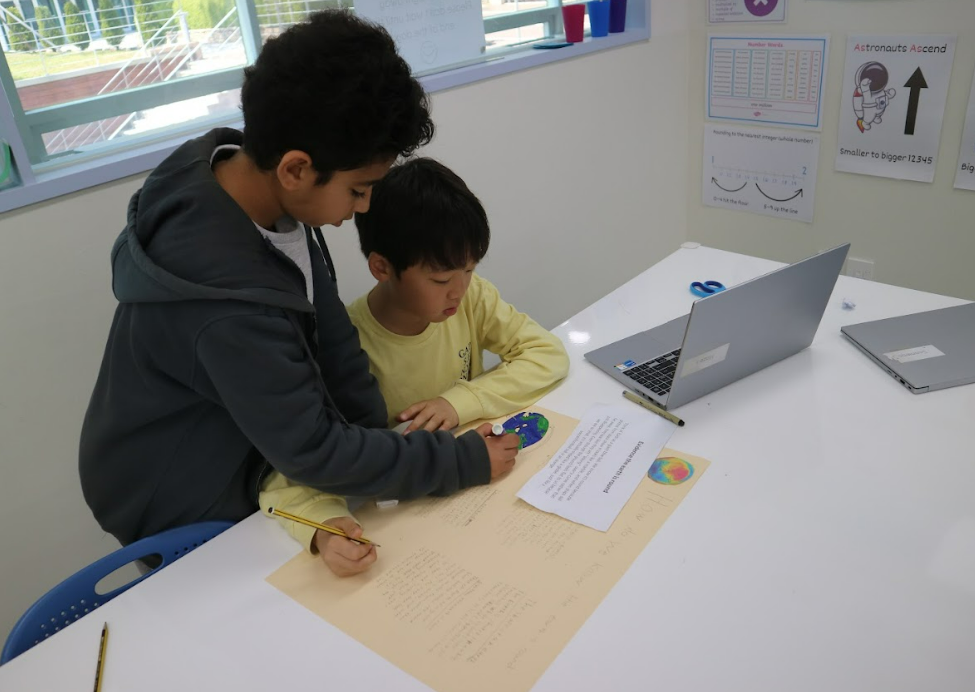
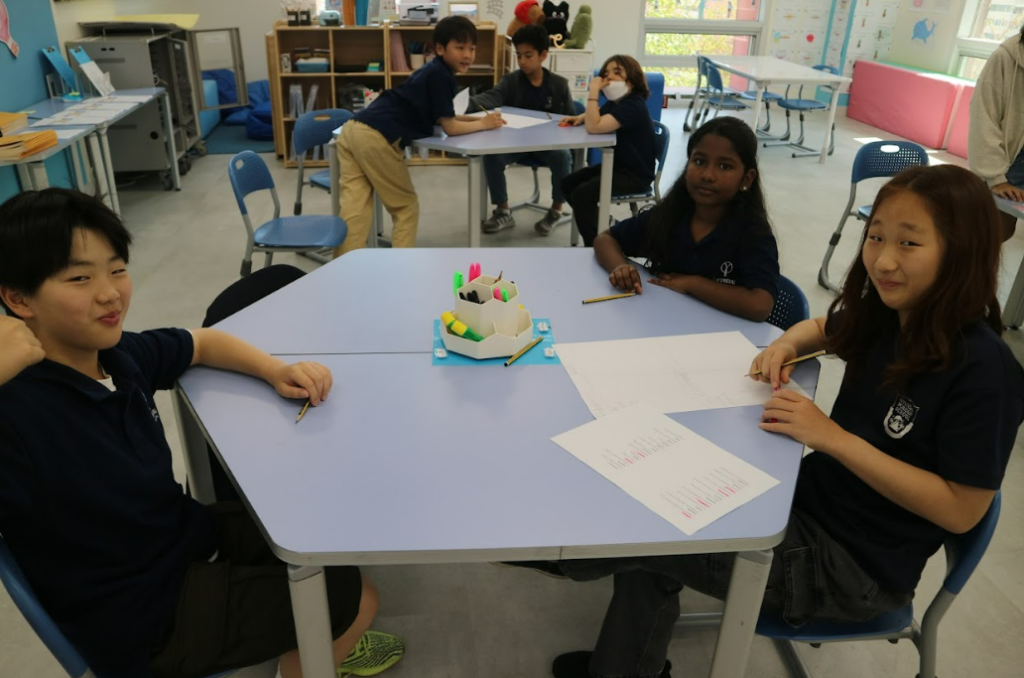
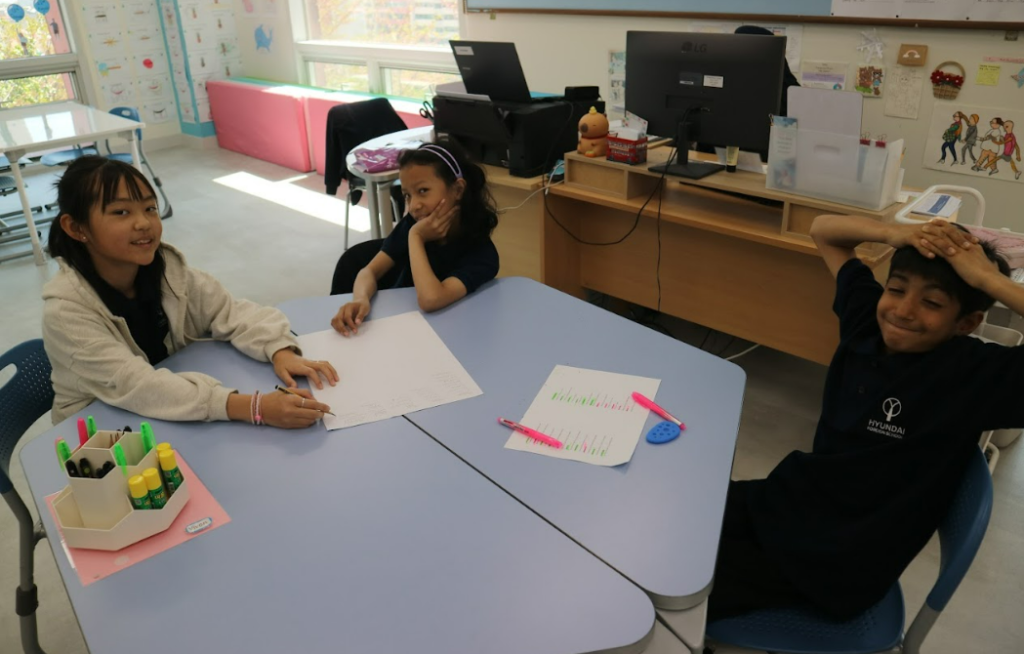
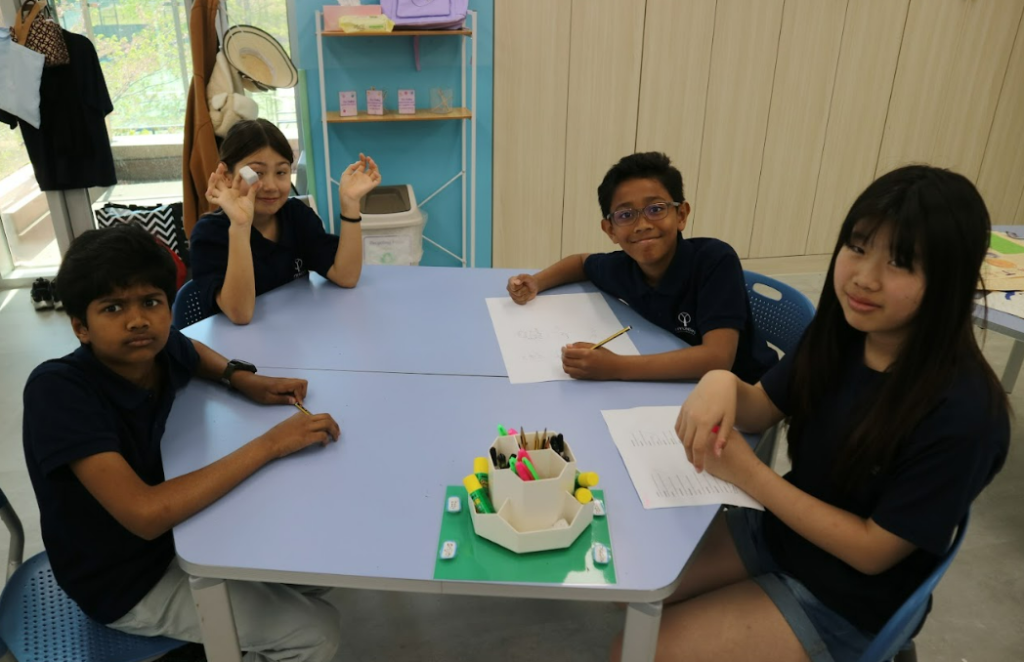
For this lesson, the students worked in their table groups to create an informative poster aimed at Year 1/2 children. This encouraged them to explain their understanding clearly and in their own words, rather than copying information directly from the internet, which can often be a challenge. The finished posters were fantastic and showed a strong understanding of the key ideas.
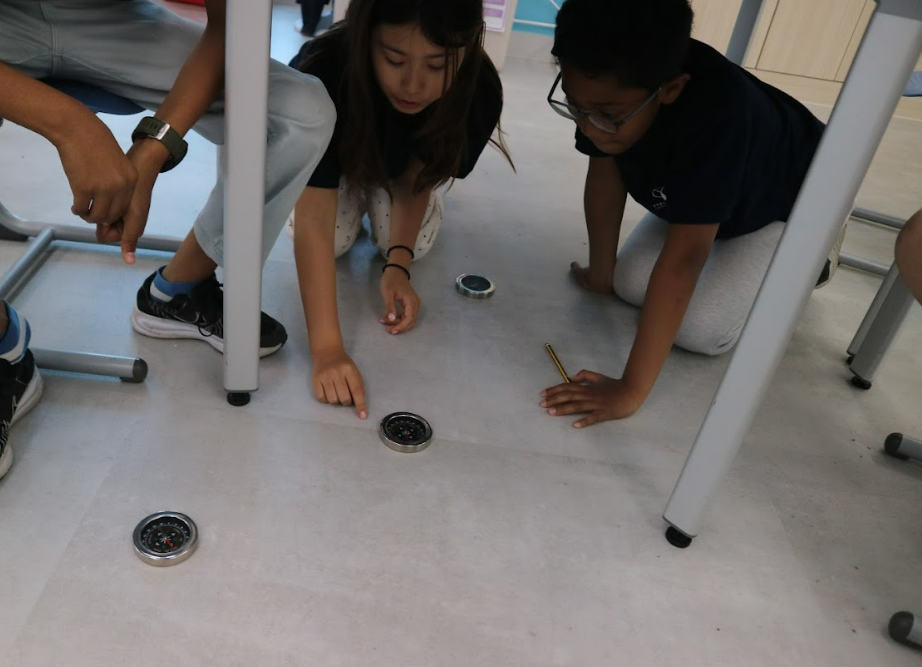
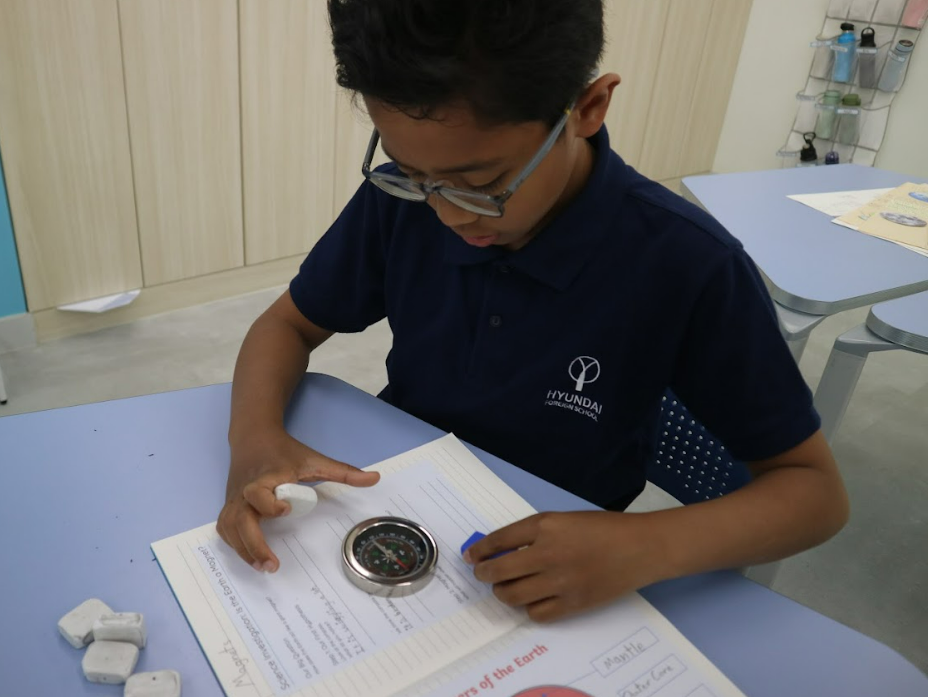
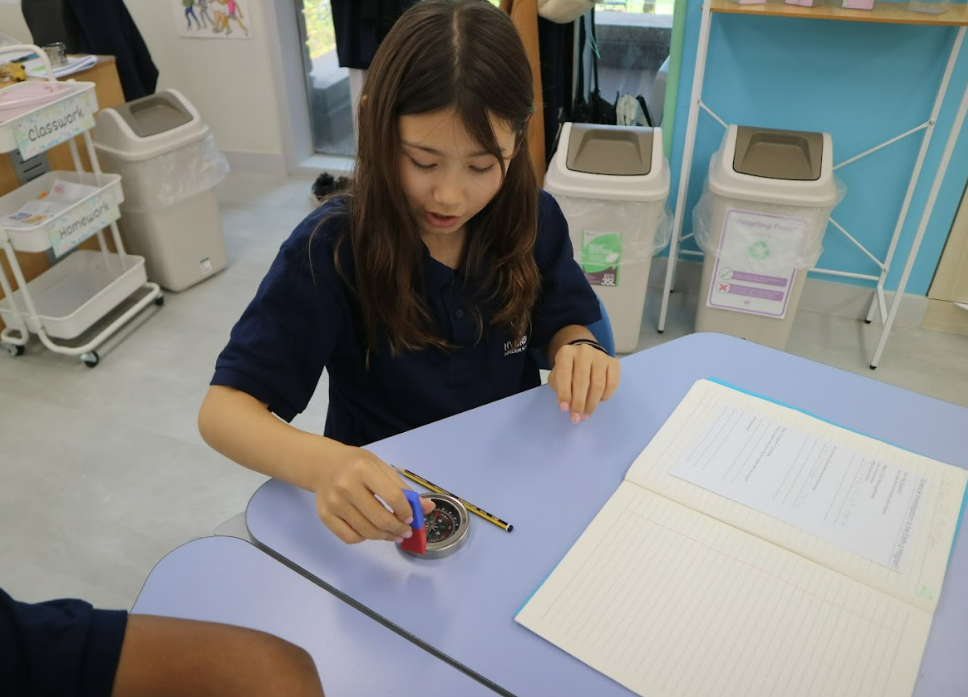
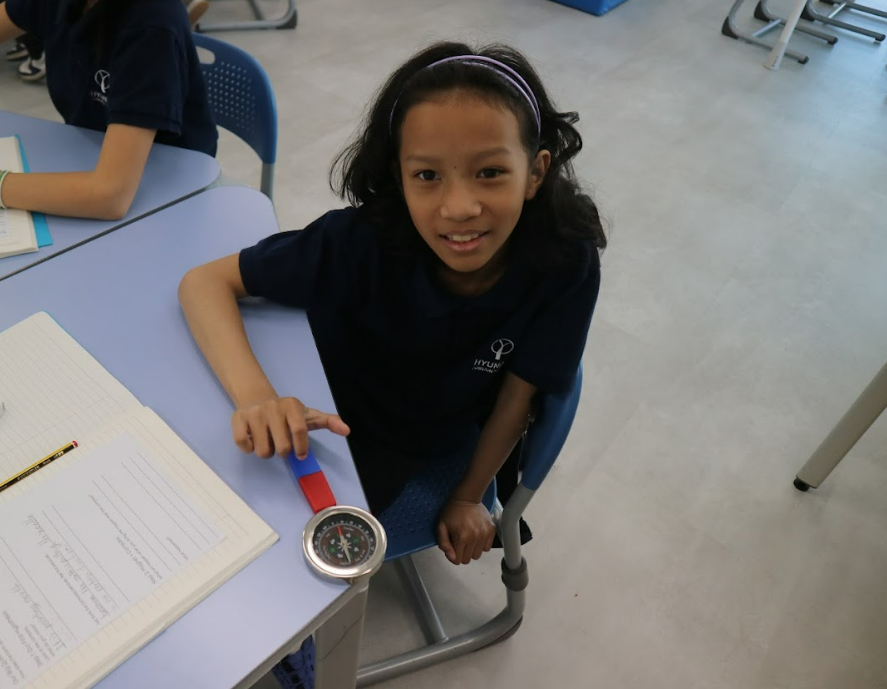
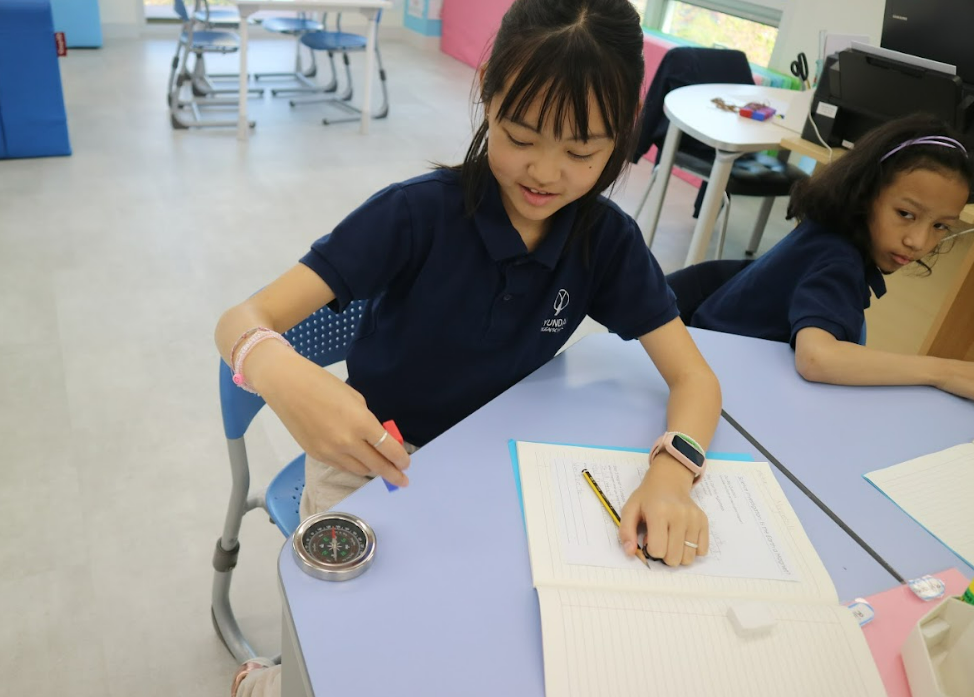
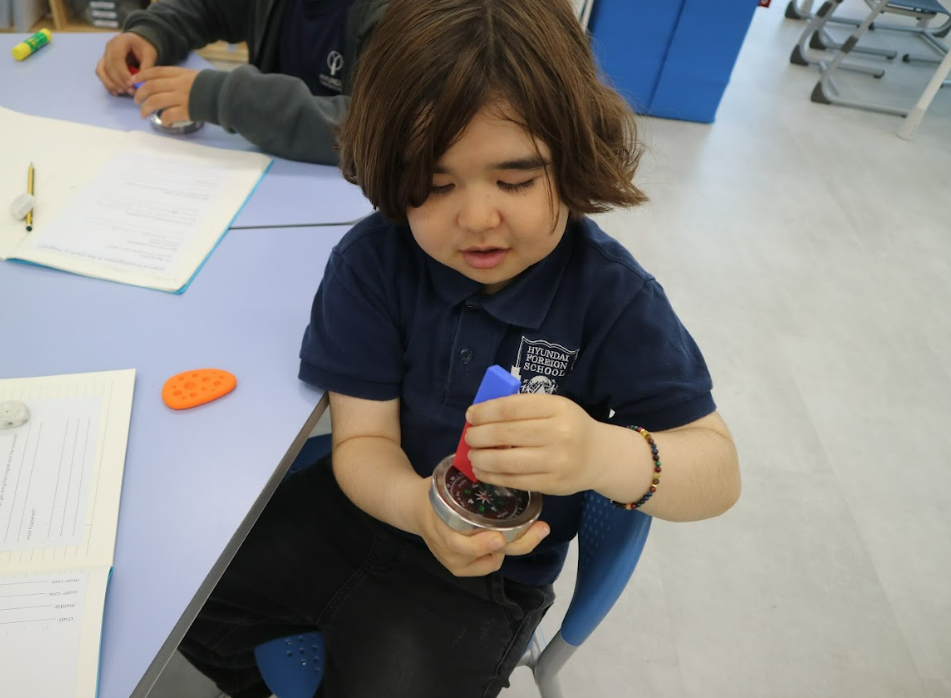
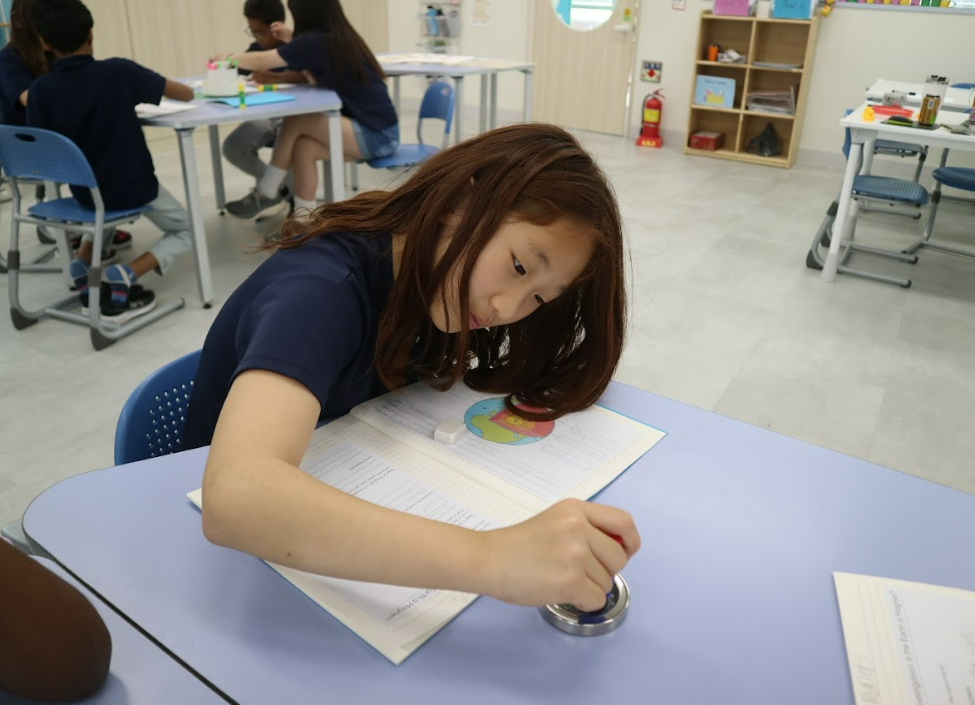
Later in the week, we moved on to magnets and compasses. We discussed how a compass works by aligning with the Earth’s magnetic field. The needle of a compass is a small magnet, and it points towards the Earth’s magnetic north pole, which is close to the geographic North Pole. We also explored how other magnets can affect a compass by interfering with this magnetic field, causing the needle to change direction.
Important Information
The sign-up form for the residential trip will be included in this week’s newsletter. Please keep an eye out for it if your child will be attending the trip next month.
Have a lovely weekend! ☺️