Hello everyone!
As we reach the end of Term 2, I would just like to thank you for your continued support this term. It has been a busy and exciting few months, and the students have worked incredibly hard. I am very proud of the progress they have made and the effort they bring to class each day.
I hope you all have a wonderful and restful Spring Vacation and enjoy some special time together as a family. I look forward to welcoming everyone back for Term 3.
Here is what we have been up to:
Maths
Year 5
| Statistics |
| Spr.5.2 – Read and interpret line graphs |
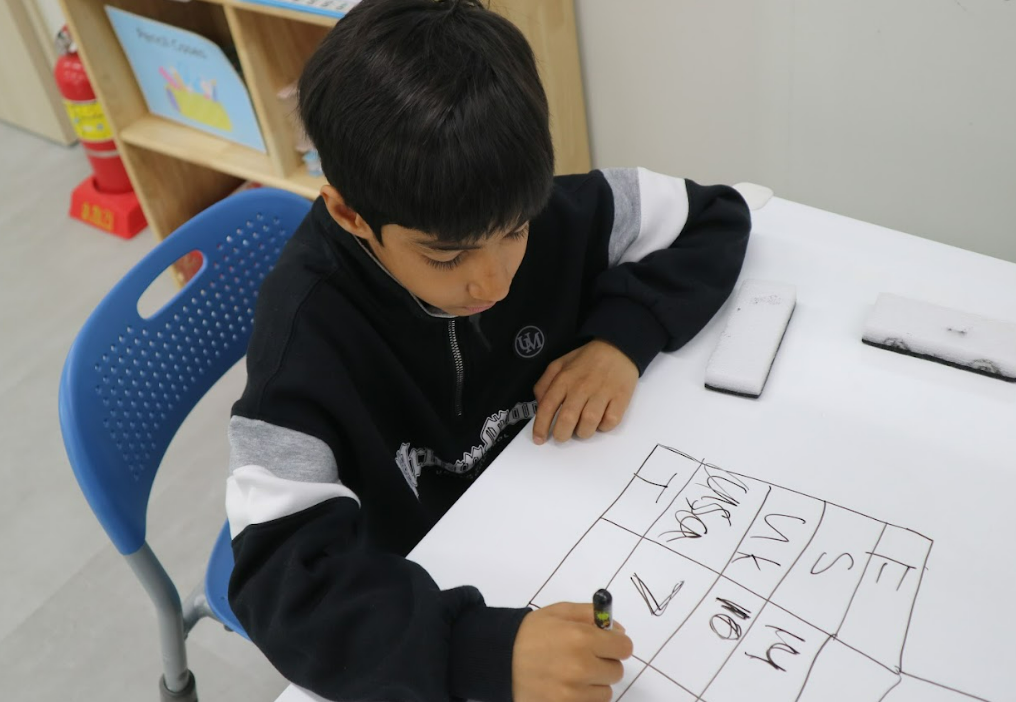
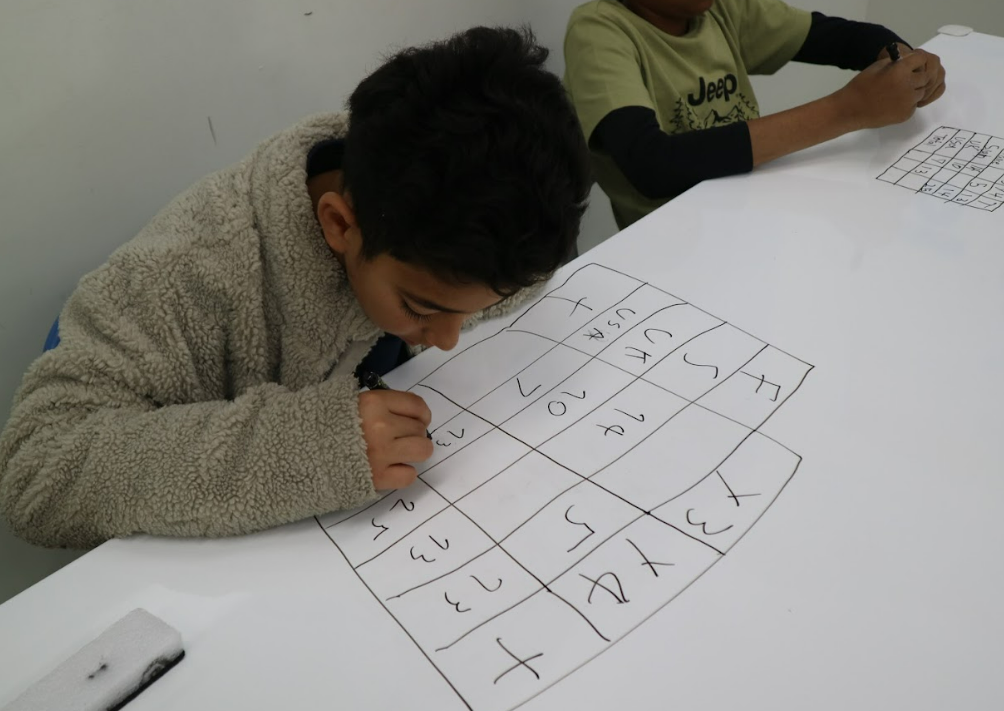
| Spr.5.3 – Read and interpret tables |
| Spr.5.4 – Two-way tables |
| Spr.5.5 – Read and interpret timetables |
| End of unit Assessment |
| End of Term Assessment – Arithmetic |
| End of Term Assessment – Reasoning and Problem Solving |
Year 6
| Statistics |
| Spr.6.1 – Line graphs |
| Spr.6.2 – Dual bar charts |
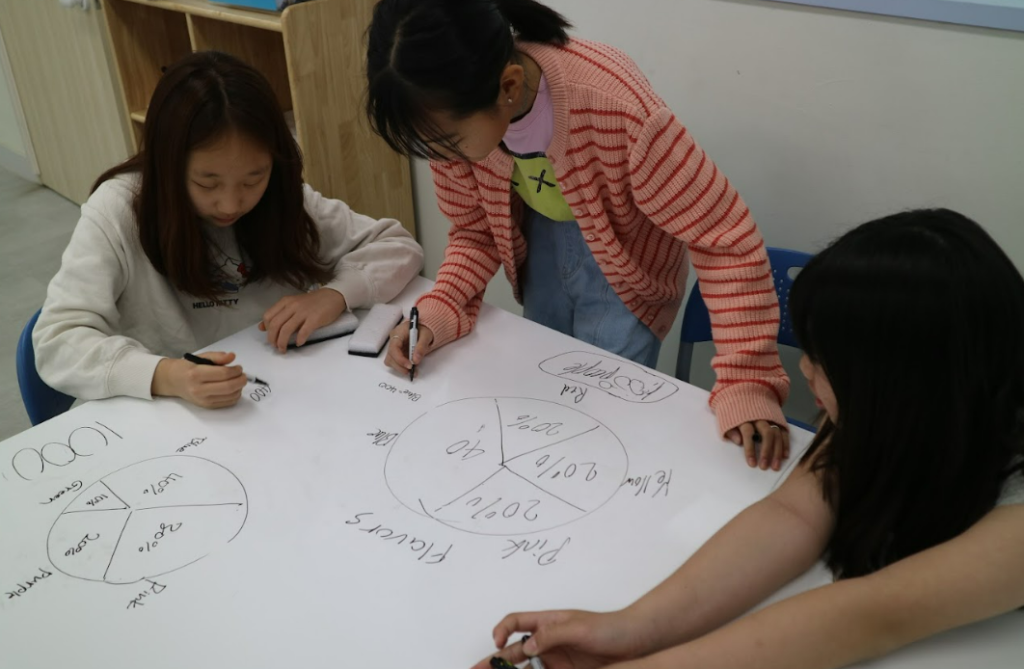
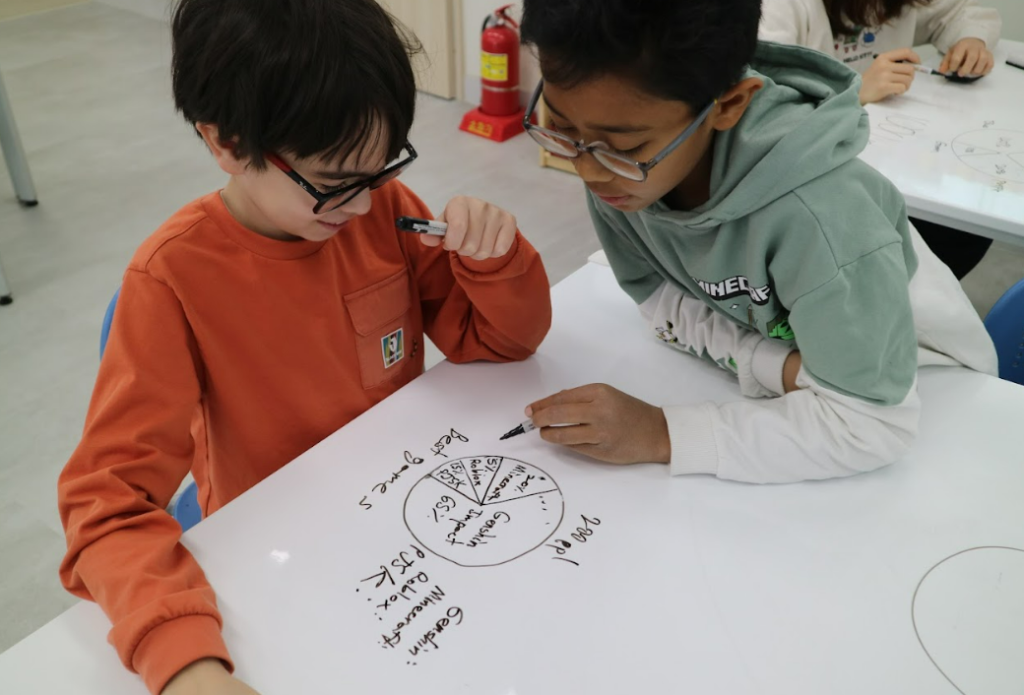
| Spr.6.3 – Read and interpret pie charts |
| Spr.6.4 – Pie charts with percentages |
| Spr.6.5 – Draw pie charts |
| Spr.6.6 – The mean |
| Assessment |
| End of Term Assessment – Arithmetic |
| End of Term Assessment – Reasoning and Problem Solving |
Literacy

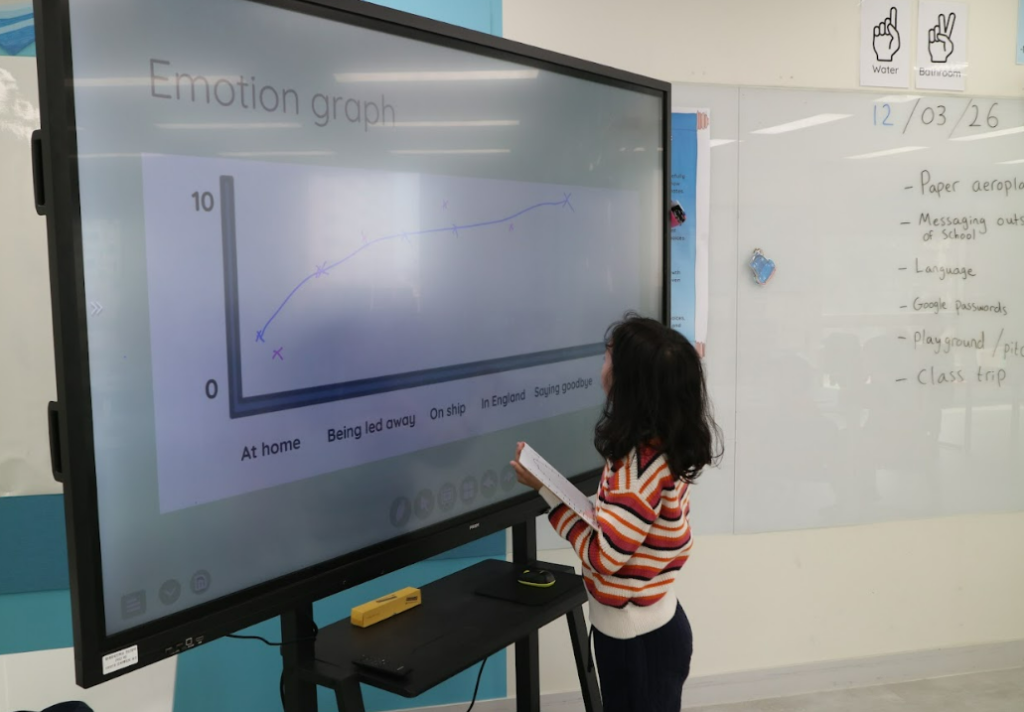
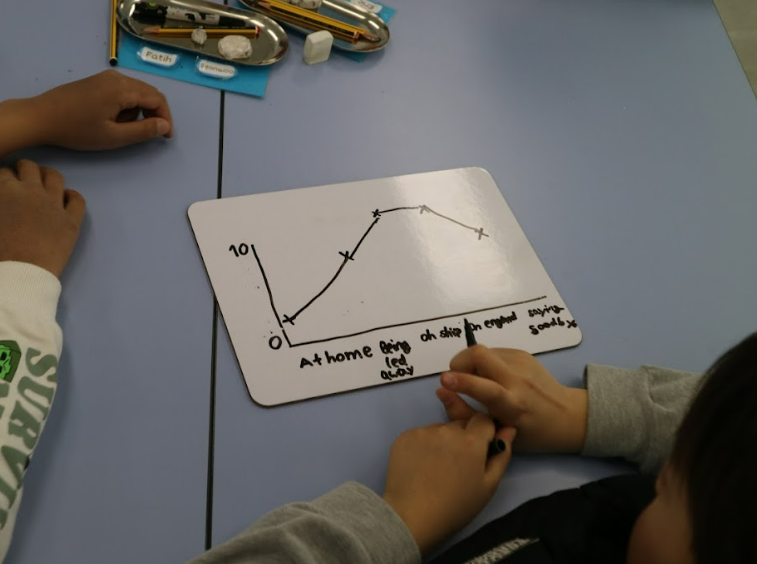
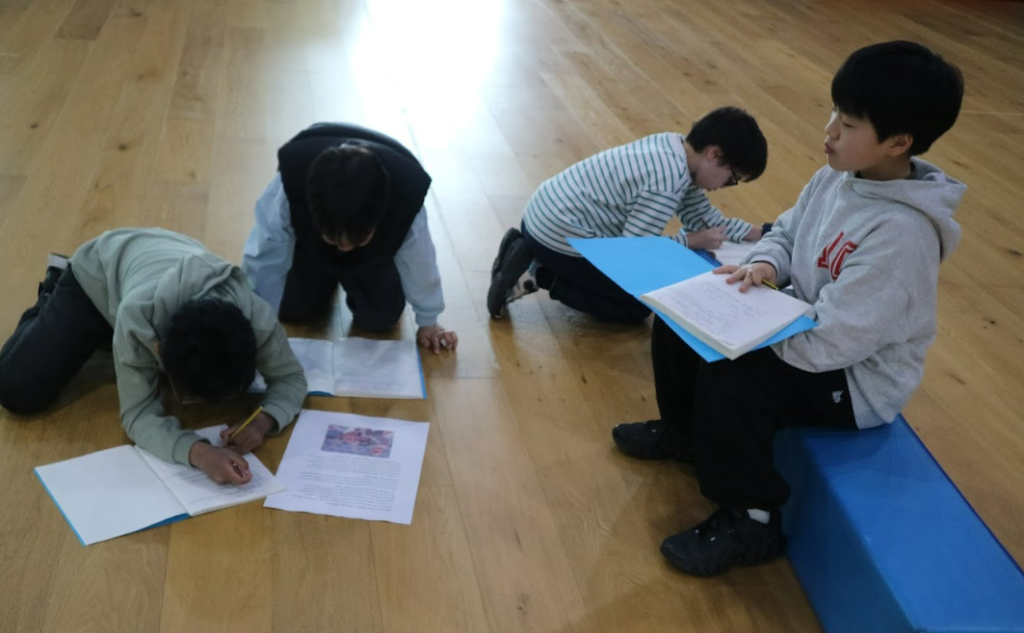
To round off the unit, the students first explored the thoughts and feelings of different characters as Jemmy prepared to leave his island behind. They discussed how different characters might have felt about his decision and what it would mean for someone to leave the only home they had ever known. The class considered a range of perspectives, thinking carefully about emotions such as excitement, fear, sadness, and curiosity, and how change can feel very different depending on a person’s situation.
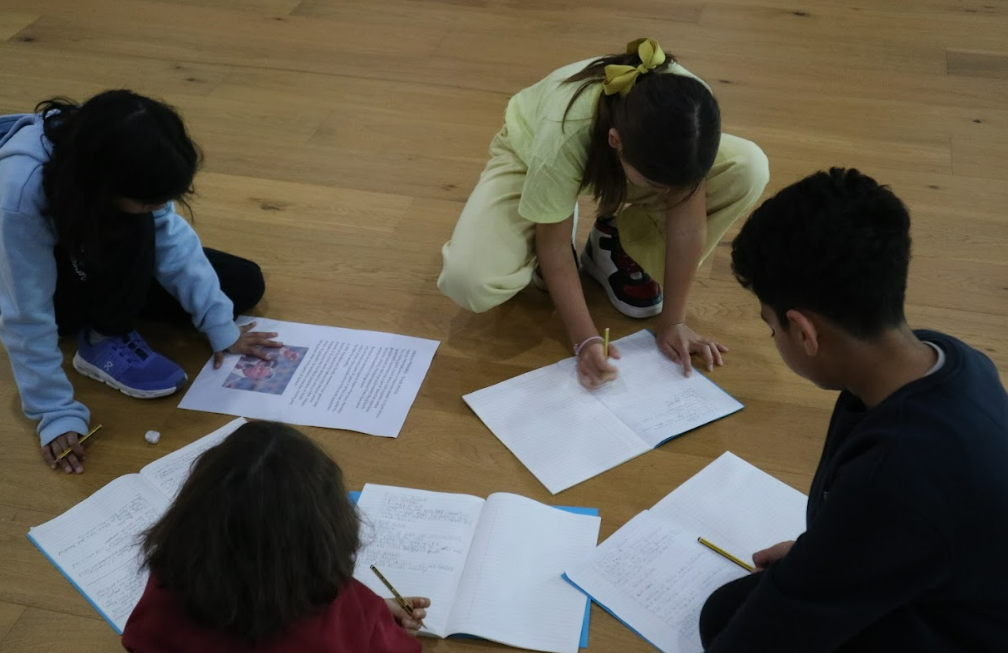
Following this, the students took part in a research and debate activity based on the statement: “Tourists should NOT be allowed to visit the Galápagos Islands.” Working in teams, they carried out research to gather evidence and build arguments both for and against the statement. The students explored a number of important issues related to conservation, tourism, and the balance between protecting nature and supporting local communities.
Many thoughtful points were raised during the debate. Some students argued that tourism can threaten wildlife and fragile ecosystems, as increased human activity can damage habitats or affect the natural behaviour of animals. Others highlighted that tourism also brings benefits, such as creating jobs for people who live on the islands and helping visitors learn about the importance of protecting unique environments like the Galápagos. The students also discussed the idea that the islands can act as a powerful “open air classroom,” where people can see first hand how delicate ecosystems work and why they must be protected. At the same time, they recognised that not all visitors behave responsibly, which can cause problems for the environment.
I was extremely impressed by the effort the students put into their research and the quality of the arguments they presented. They spoke confidently, supported their ideas with evidence, and showed a strong understanding of the topic. Just as importantly, they conducted the debate in a very respectful and mature way, listening carefully to one another’s viewpoints and responding thoughtfully even when they disagreed. It was a fantastic way to finish the unit and to see how much their critical thinking and communication skills have developed.
IPC
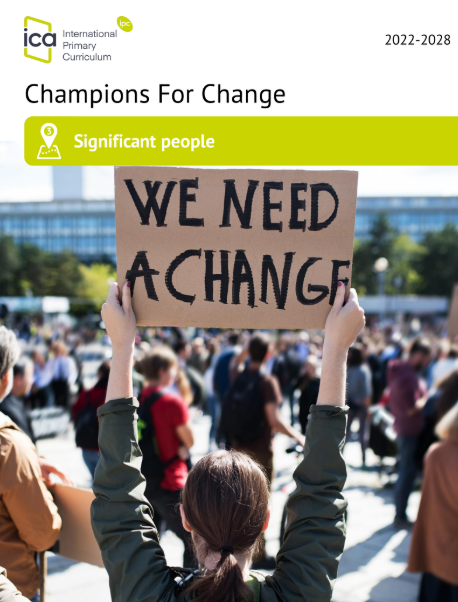
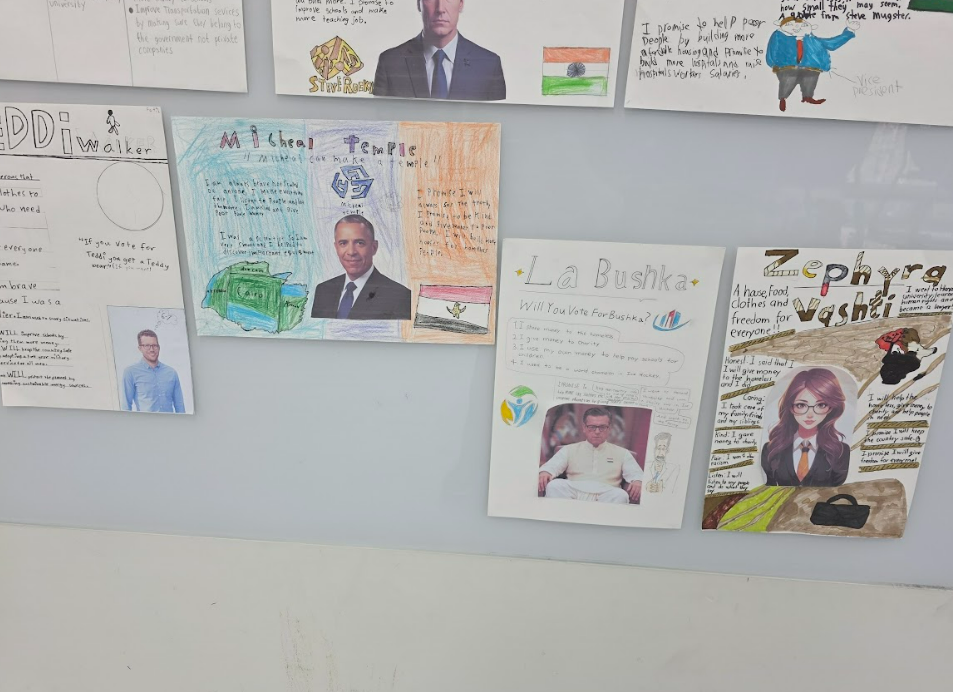
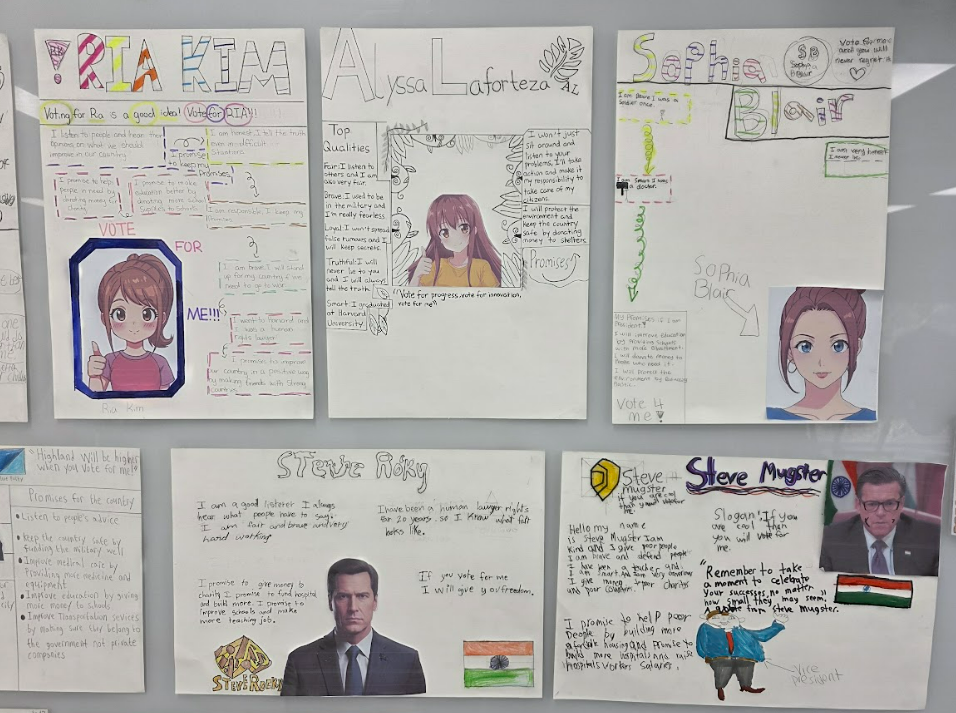
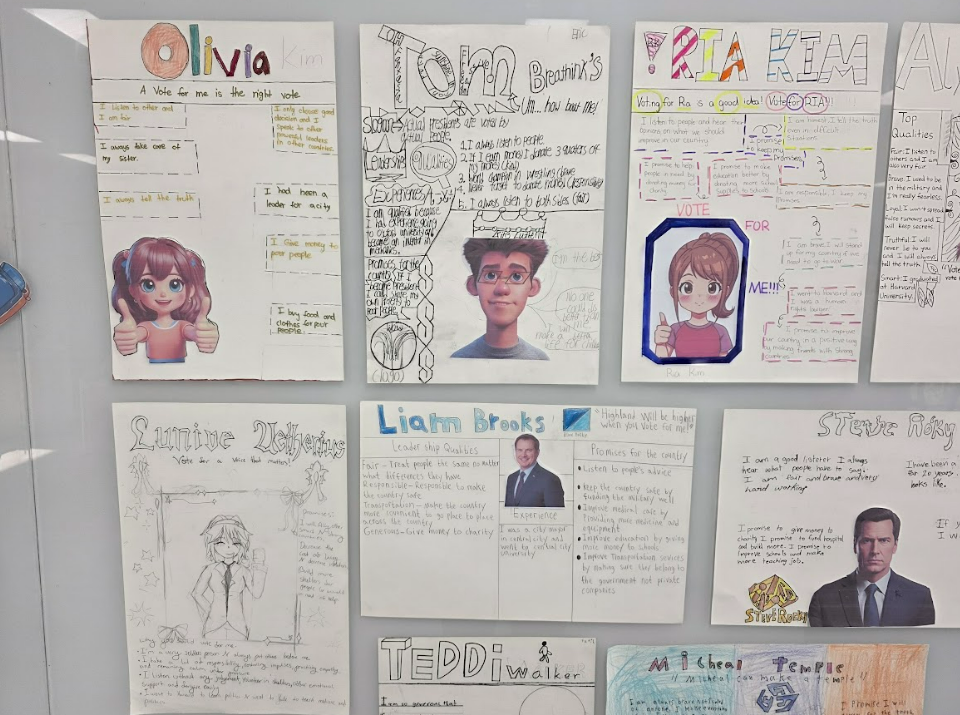
In IPC, the students began by designing campaign posters for their ideal leader. They had to think carefully about the qualities a good leader should have, the promises they would make to the people, and what kind of background or experience would make them suitable for such an important role. The students showed a lot of creativity in their designs and many of the posters included thoughtful policies and strong leadership values. The final posters were very impressive and demonstrated how well the students understood the idea of responsible leadership.
Once the posters were complete, they were displayed around the classroom and each candidate’s policies were read out to the class. The students then took part in a vote, where they each selected three candidates they believed would make the best leaders. After the votes were counted, a winner was announced and declared the leader of our imaginary country.
The celebration was short lived, however, as the students soon discovered that their newly elected leader had begun abusing their power. The leader was misusing government money, giving important positions to unqualified friends and family members, and generally making poor decisions that did not benefit the country. This created an excellent opportunity for the class to discuss how power can sometimes be misused and why systems of accountability are important in government.
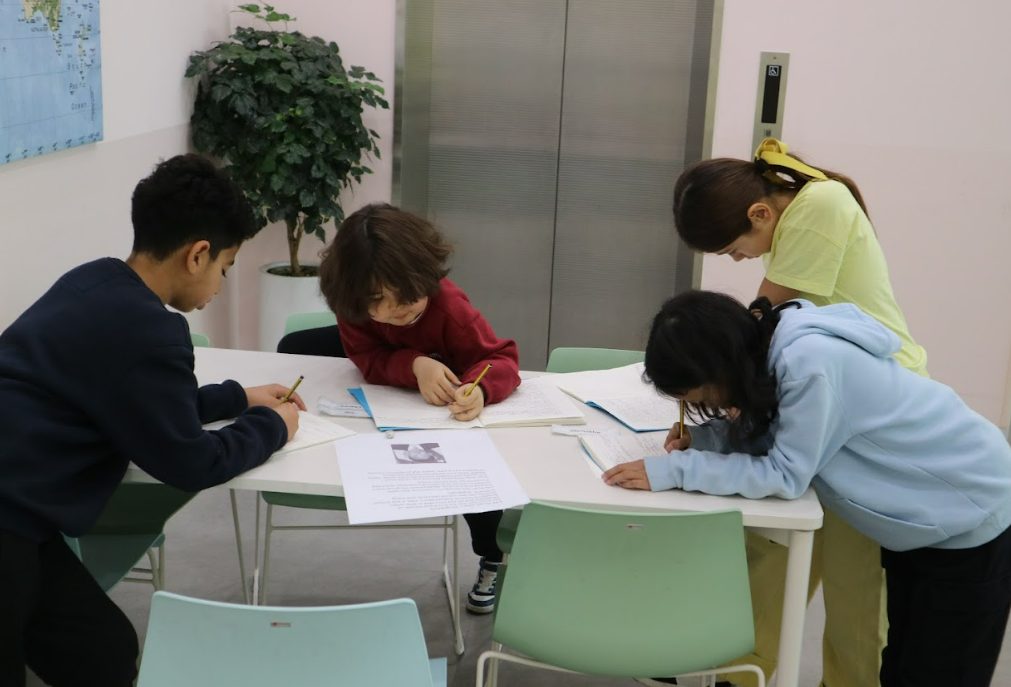
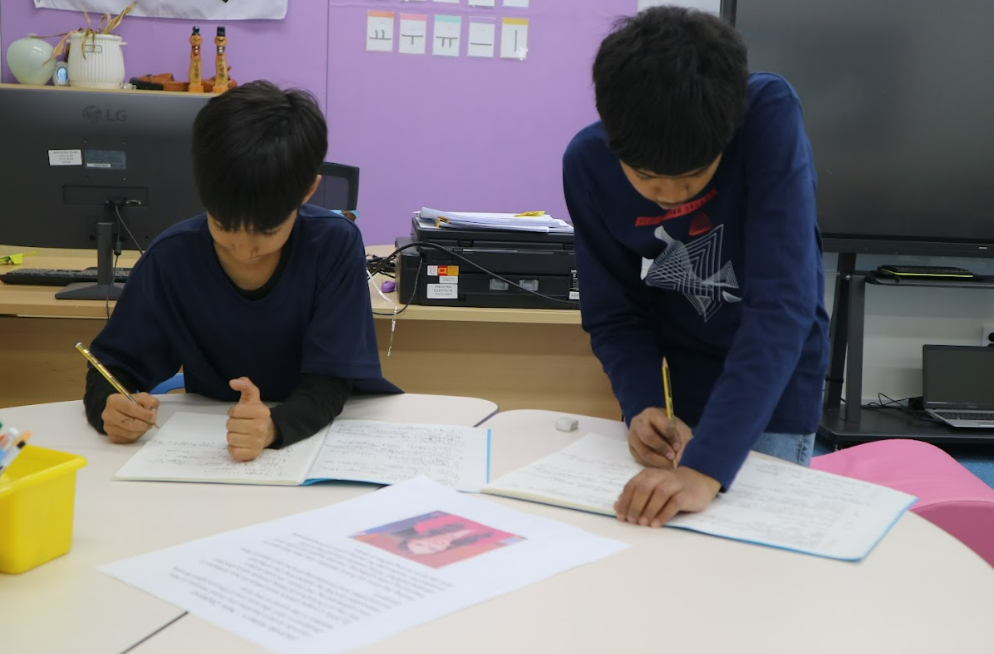
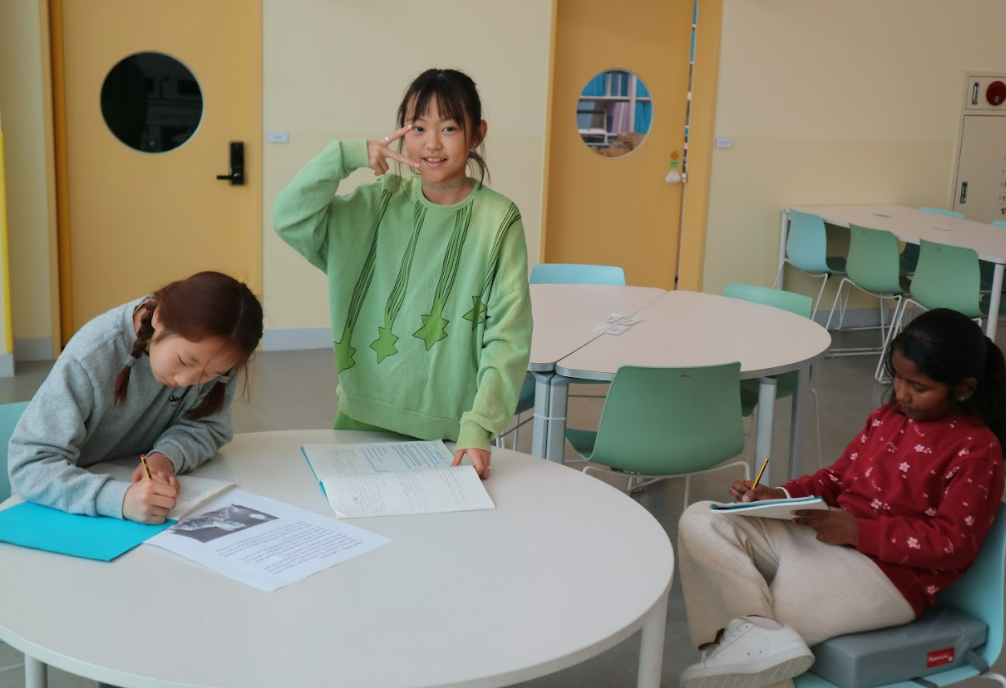
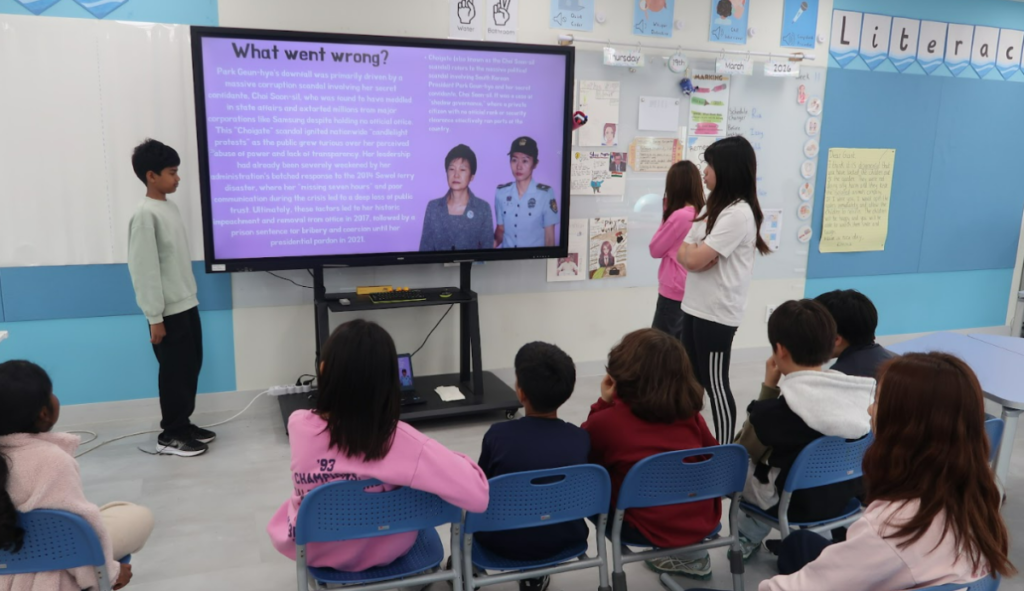
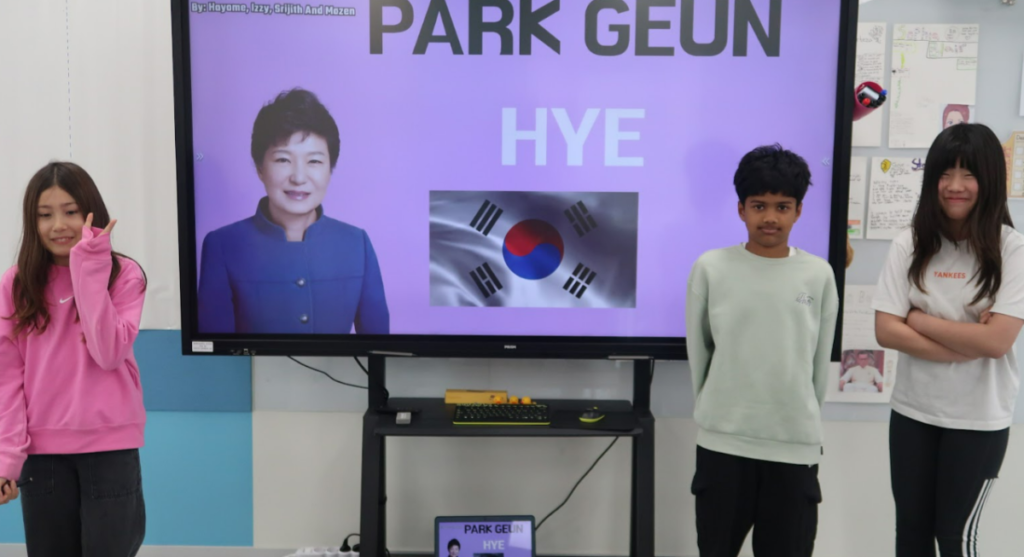
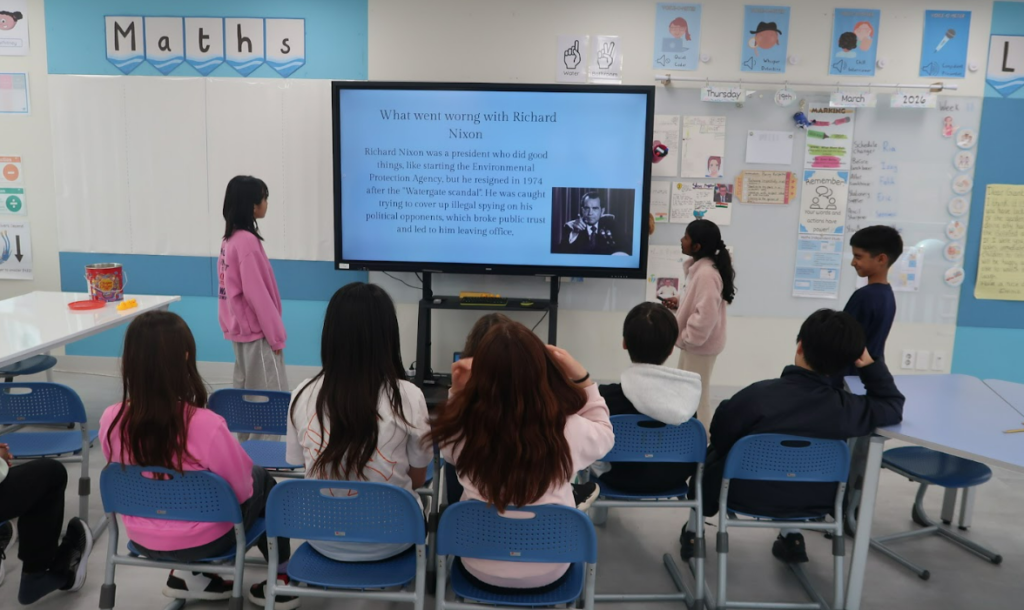
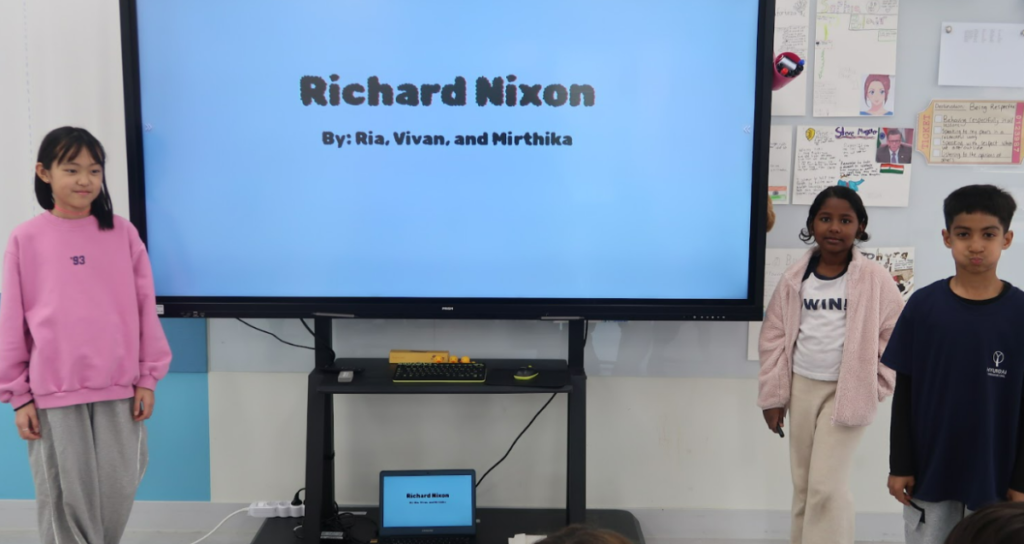
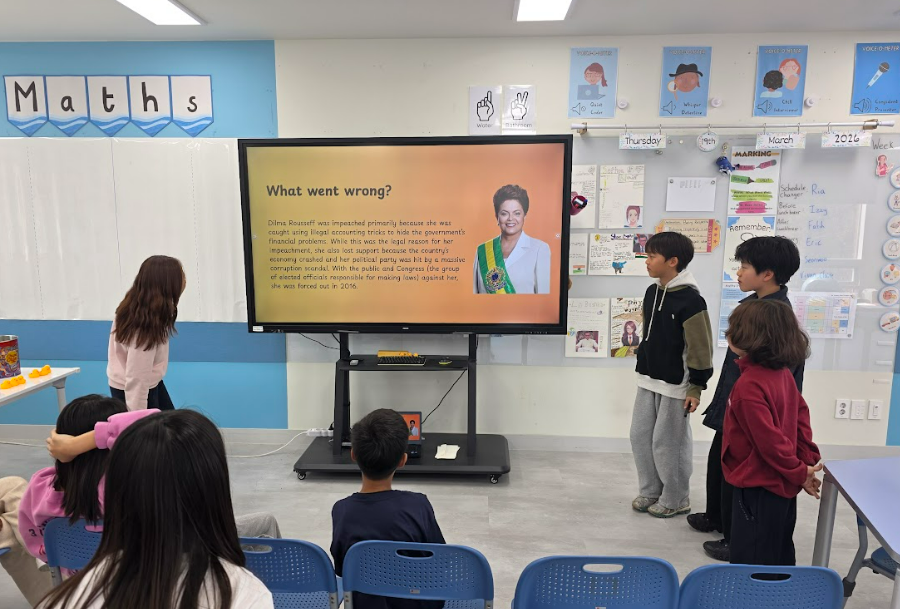
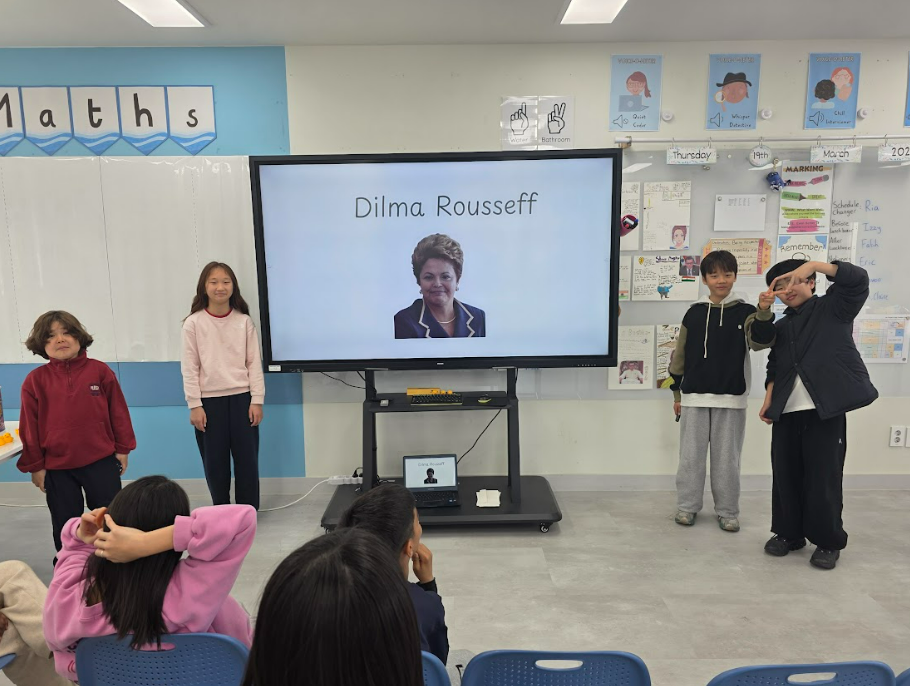
To deepen their understanding, the students then learned about real world examples of leaders who had been accused of abusing their power and were later removed from office. These included Park Geun Hye, Richard Nixon, and Dilma Rousseff. The students researched what had happened in each case and created presentations explaining how these leaders lost the trust of their countries and what consequences followed.
This work encouraged the students to think critically about leadership, responsibility, and the role citizens play in holding leaders accountable. It has been a very eye opening unit that helped the class gain a deeper understanding of how countries are governed and how leadership decisions can shape the world around us.
Important Information
As mentioned in last week’s newsletter, students have until Saturday 21st (tomorrow) to sign up for next term’s after school clubs. If your child takes the bus, it is especially important that you complete the sign up before the deadline to avoid disappointment, as we unfortunately cannot accept applications once the deadline has passed.
Have a lovely weekend! ☺️
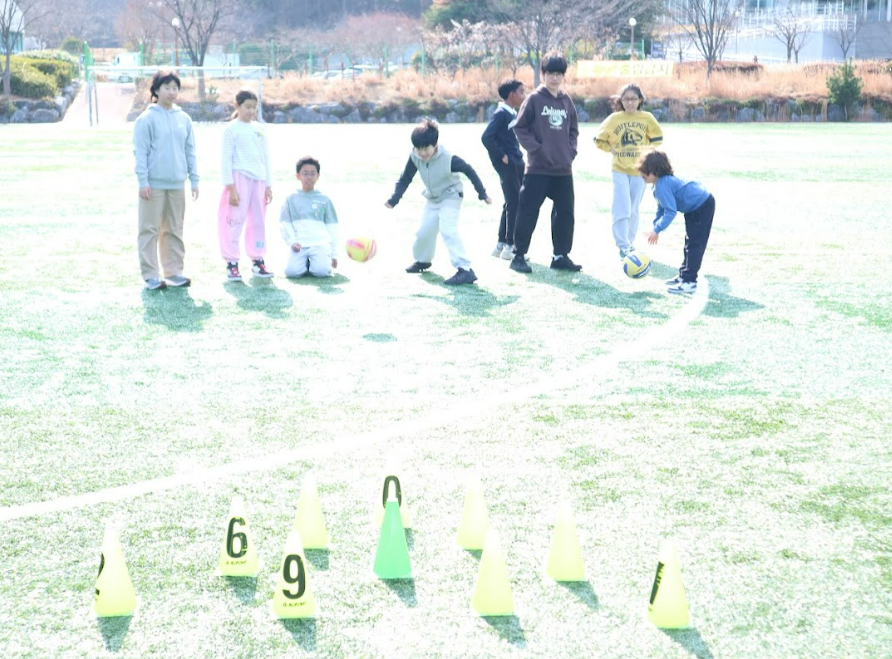
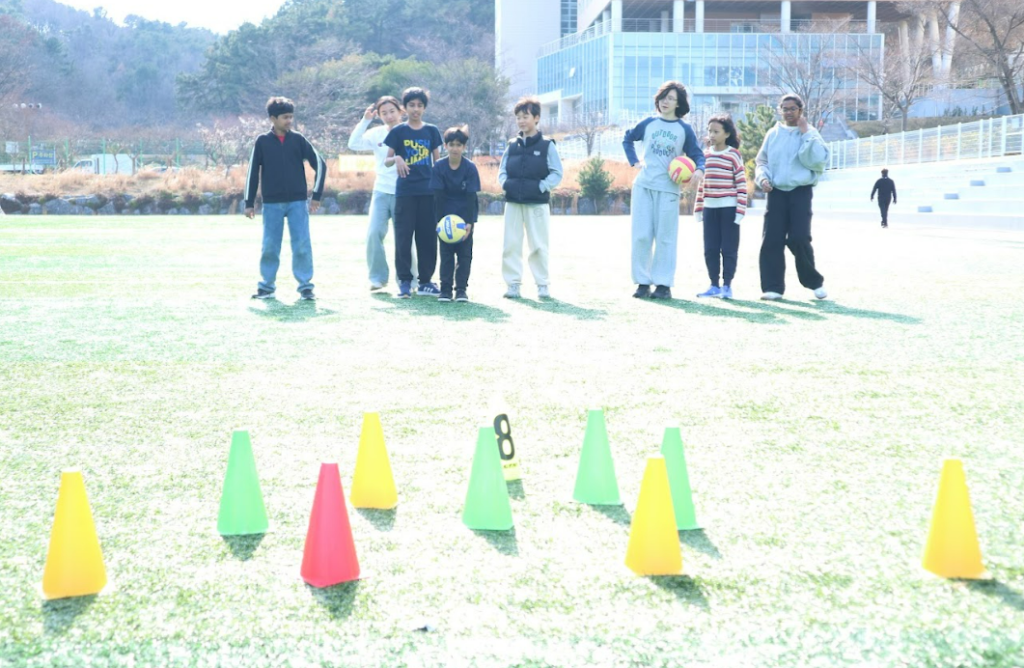
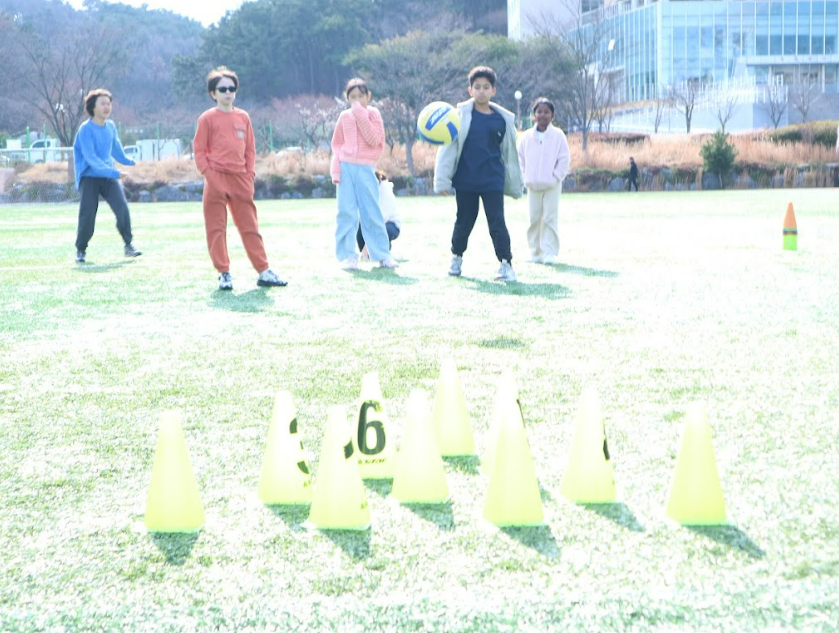
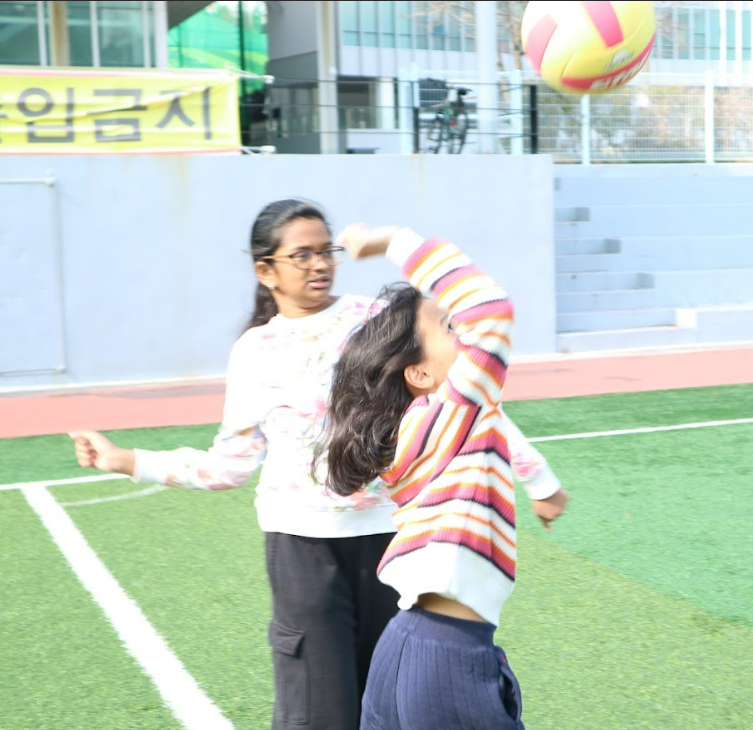
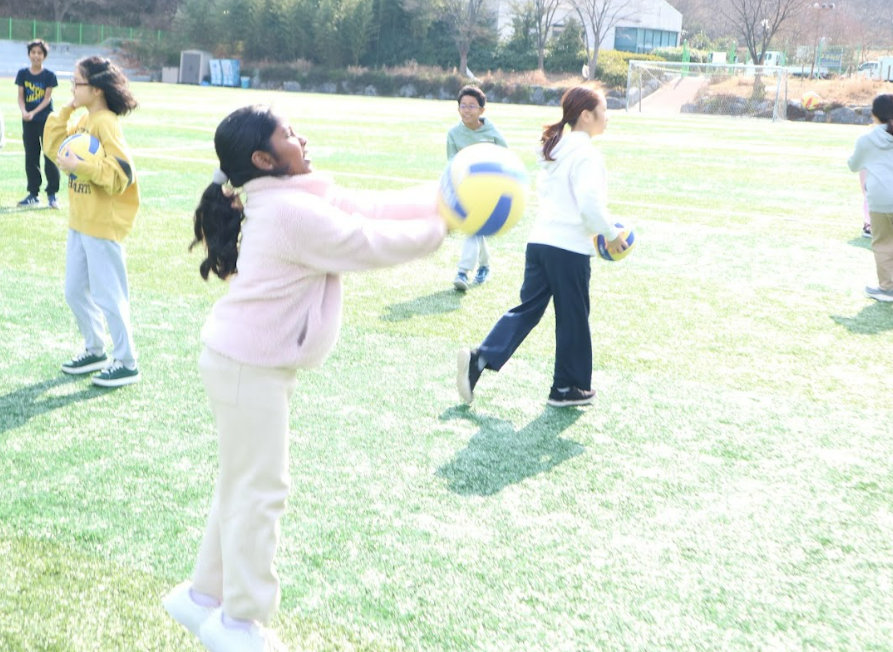
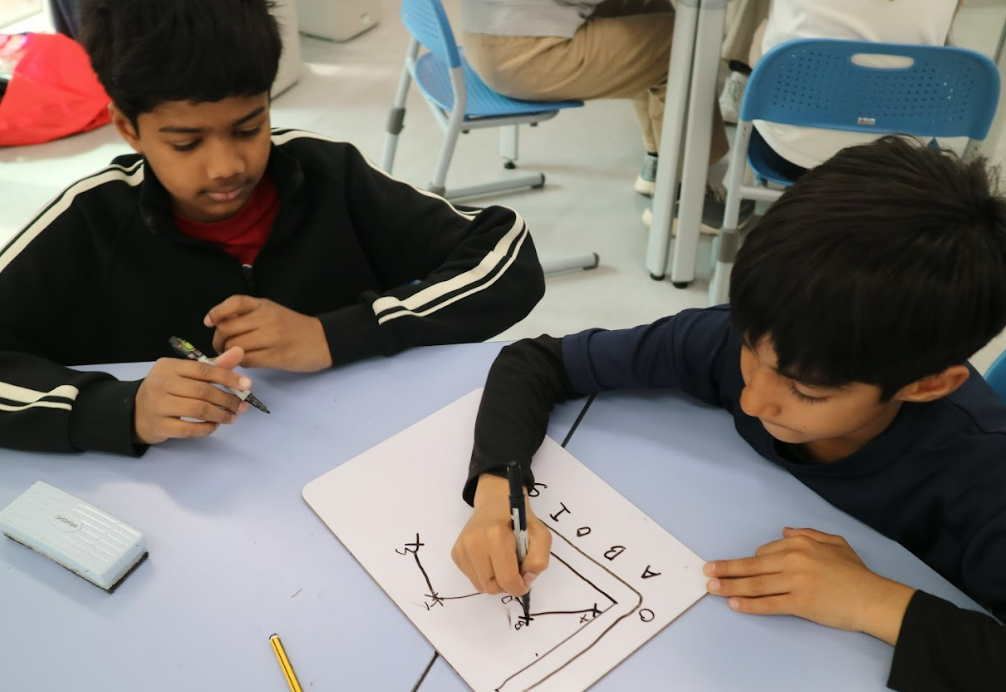
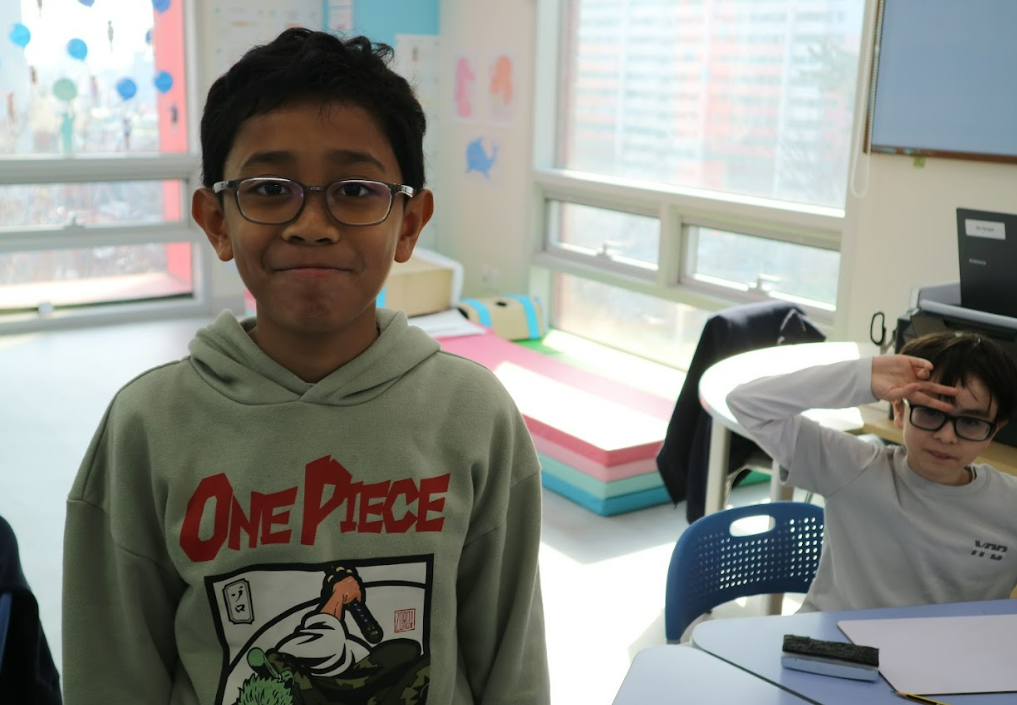
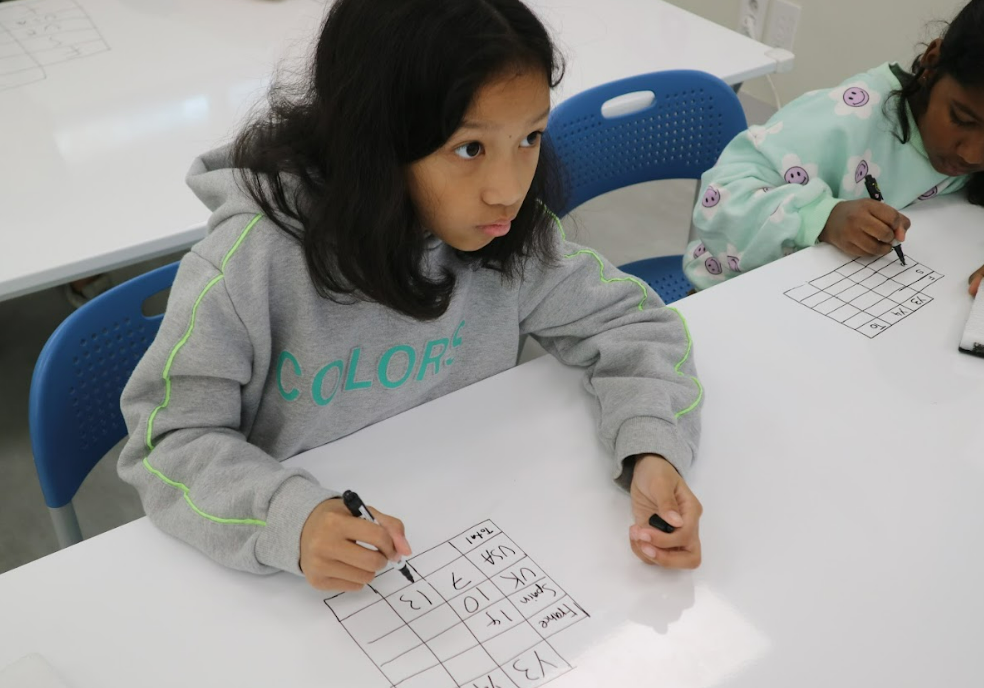
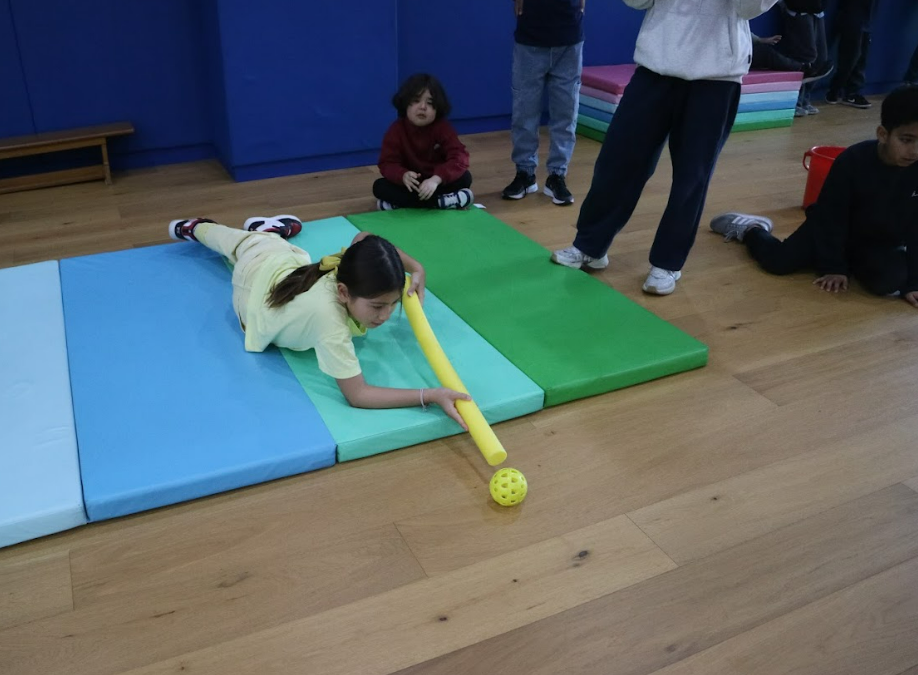
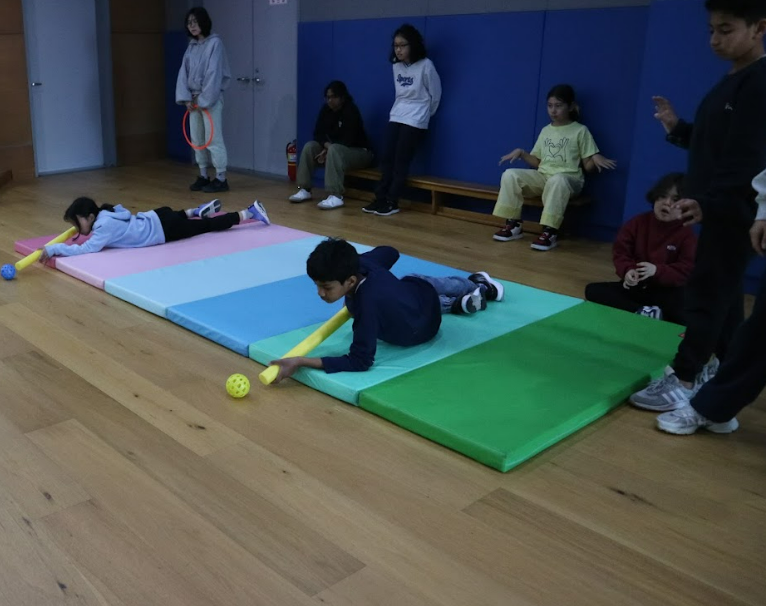
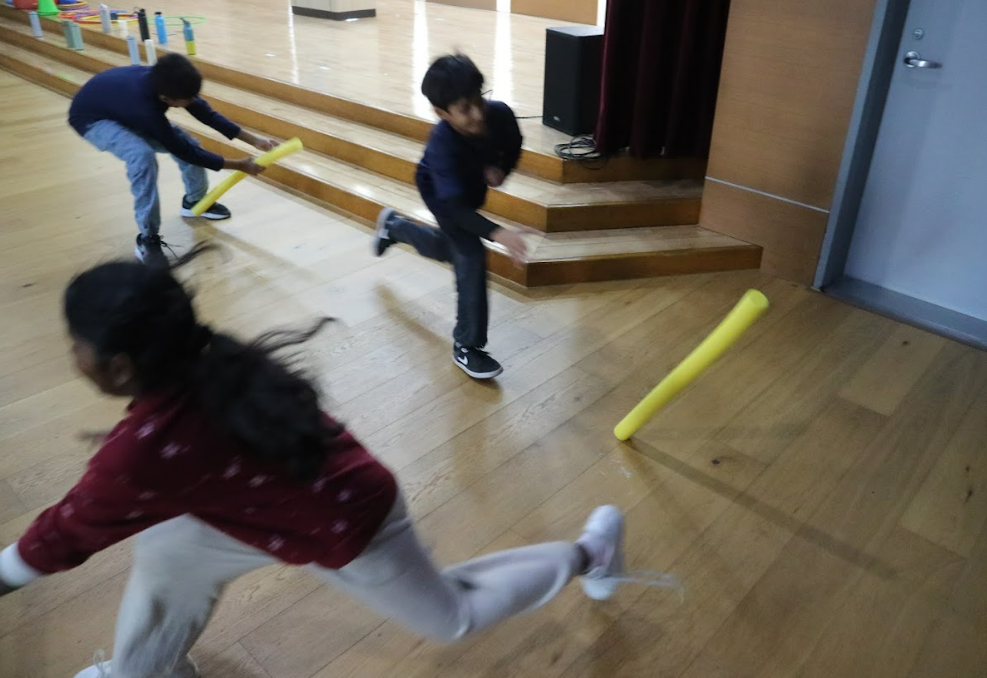
Here are some photos from the last two weeks: