Hello everyone!
I hope you all enjoyed a lovely, restful three day weekend and had the chance to relax and recharge!
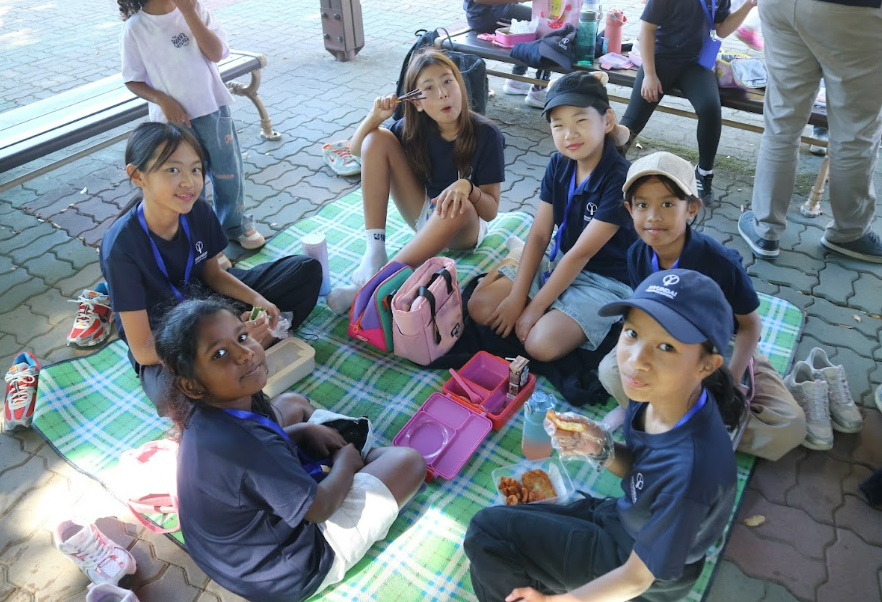
Thank you to everyone who has already paid for our upcoming trip to Gyeongju Gyocheon Village on October 22nd. For those who haven’t had a chance to bring in the money yet, there is no rush! Any time before the day of the trip is absolutely fine.
Here is what Year 5/6 have been up to this week:
Maths
Y5
| Multiplication and Division |
| Aut.3.1 – Multiples |
| Aut.3.2 – Common multiples |
| Aut.3.3 – Factors |
| Aut.3.4 – Common factors |
Y6
| Addition, Subtraction, Multiplication and Division |
| Aut.2.14 – Solve multi-problems |
| Aut.2.15 – Order of operations |
| Aut.2.16 – Mental calculations and estimation |
| Aut.2.17 – Reason from known facts |
Year 6 will have a revision day on Monday 12th October, followed by their end of unit assessment on Tuesday 13th October. This has been a particularly big unit, with lots of different skills and methods to learn, so it may be helpful for students to spend a little time at home revisiting the lesson slides. I would especially encourage them to focus on any areas they have found more challenging, as this will help build their confidence and ensure they feel well prepared for the assessment.
Literacy
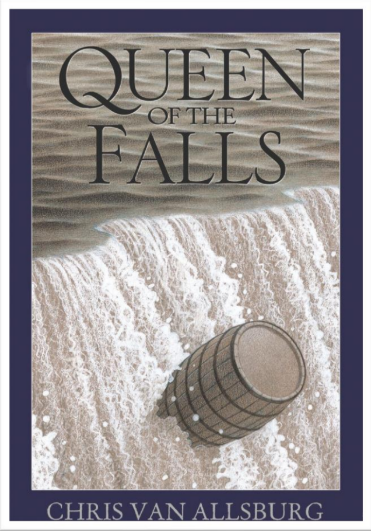
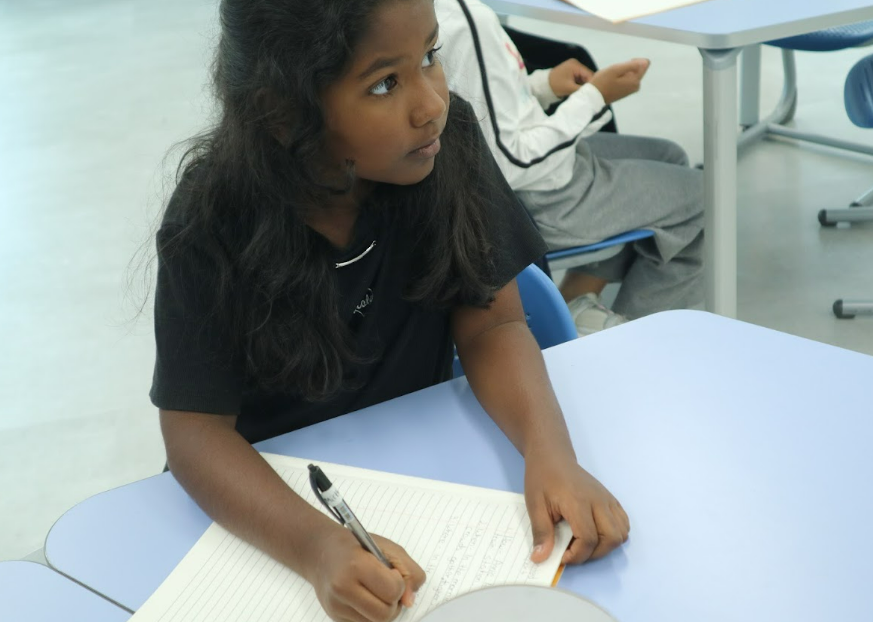
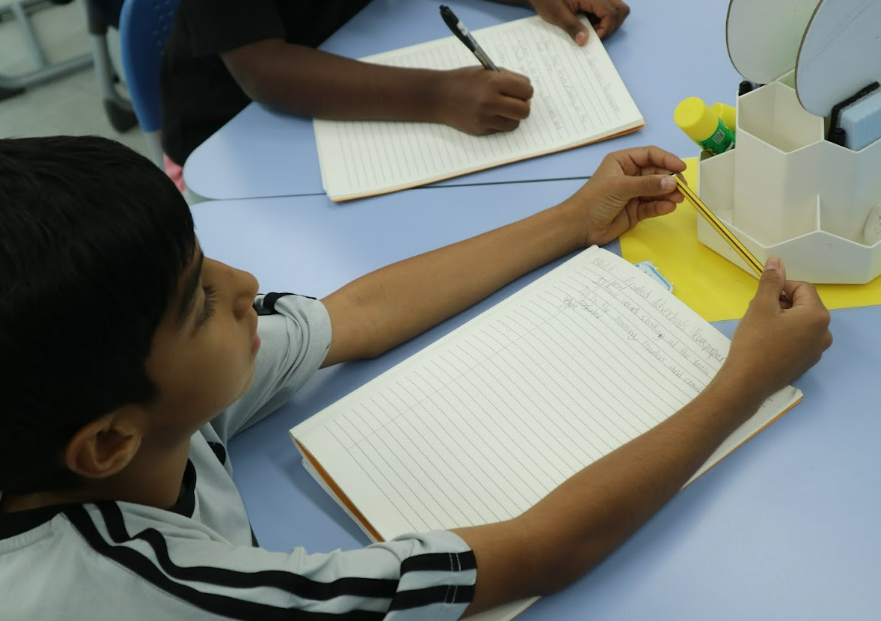
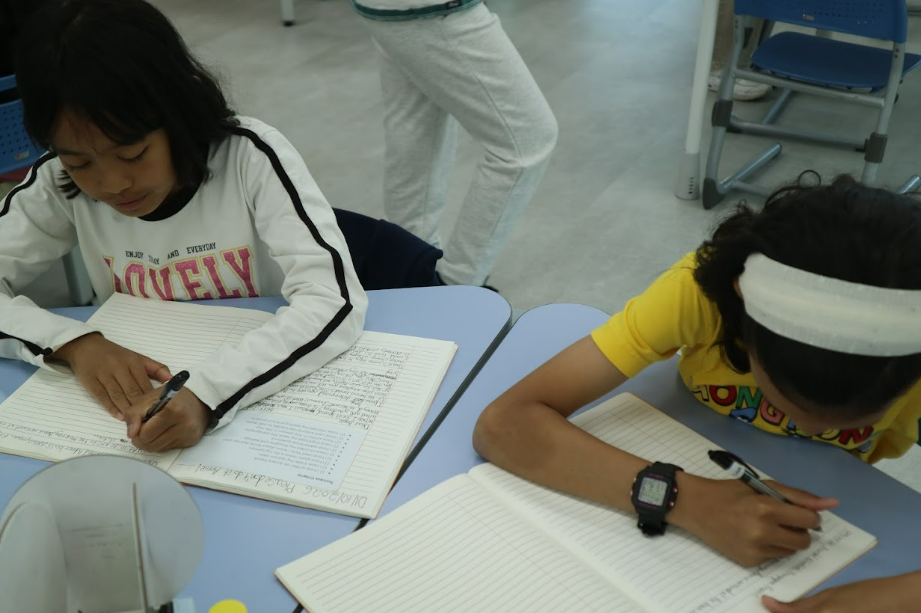
This week, the students continued their journey through Queen of the Falls by Chris Van Allsburg, turning their attention to the exciting world of newspaper reporting. Having explored Annie Edson Taylor’s extraordinary story, we began looking at how journalists can use language to make their reports both informative and engaging.
Our main grammar focus was fronted adverbials, which help writers provide information about when, where or how something happened. The students explored different examples, practised adding fronted adverbials to sentences and discussed how carefully chosen vocabulary can transform a simple sentence into something much more interesting for the reader.
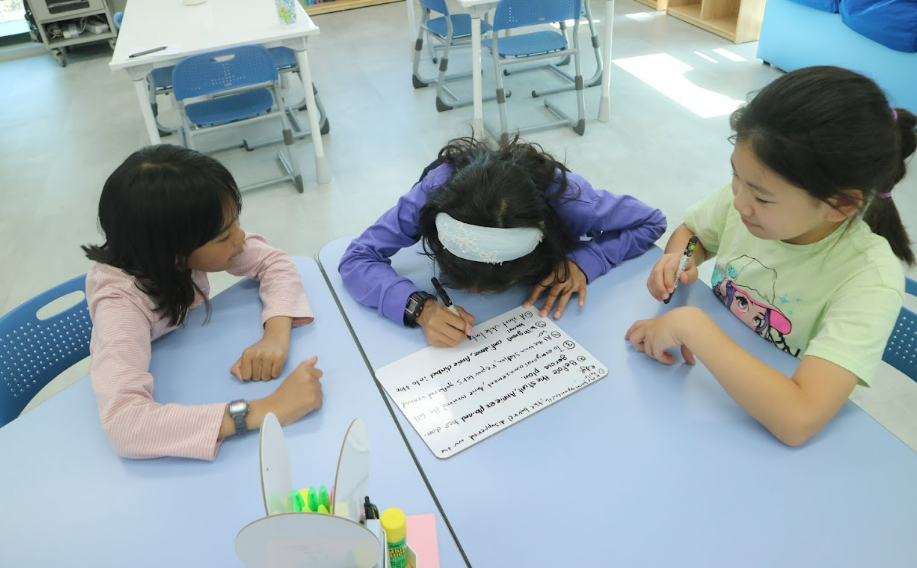
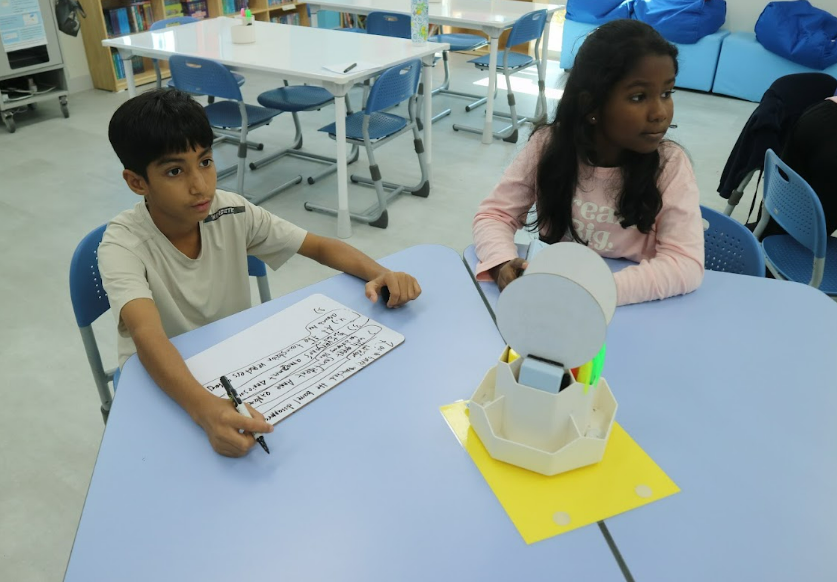
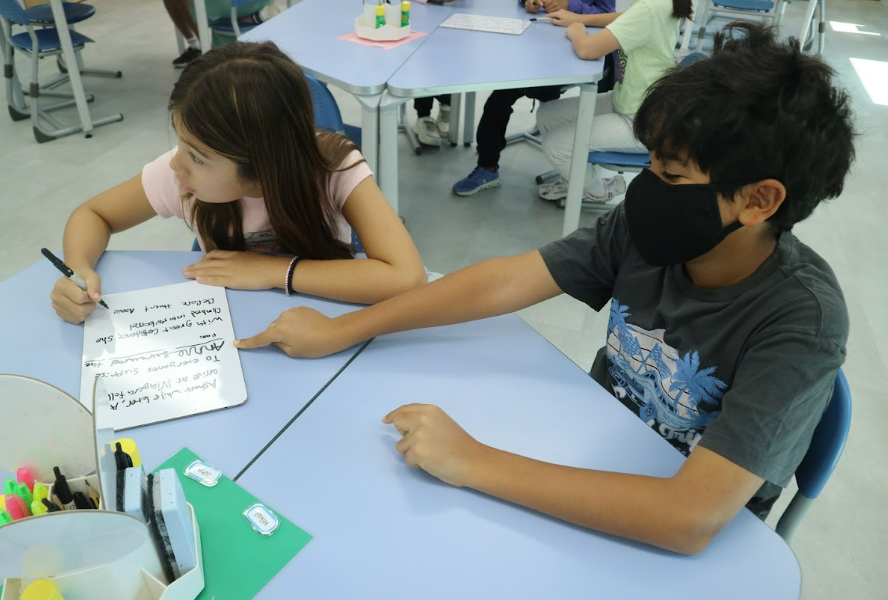
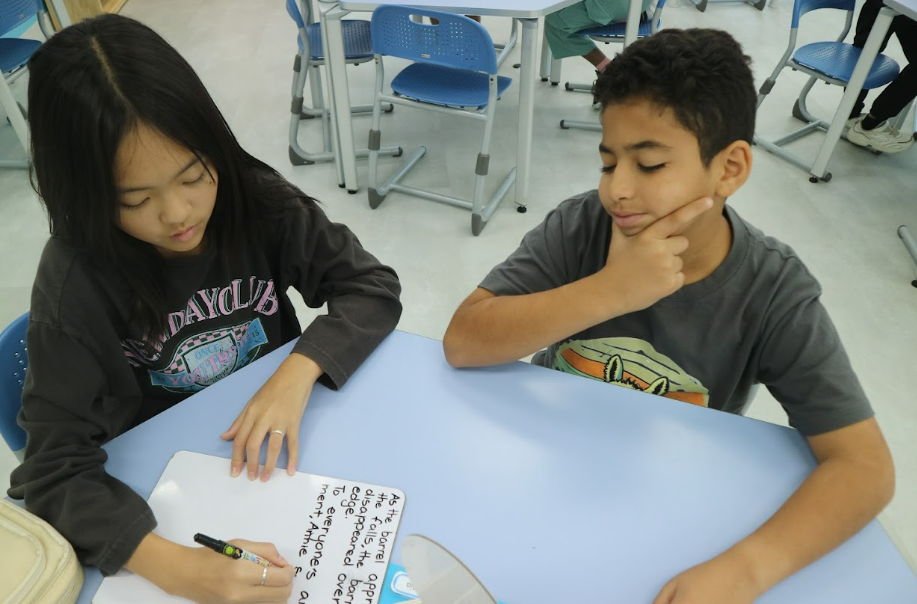
The students then stepped into the shoes of newspaper reporters in 1901, imagining they had been sent to Niagara Falls to cover Annie’s arrival and her astonishing announcement. They considered what a reporter might see, hear and experience before writing their own detailed sentences describing the events. Their challenge was to use a variety of fronted adverbials while maintaining the informative and engaging style of a newspaper report.
Next week, the students will put these skills into practice as they begin planning and writing their own newspaper reports, bringing Annie’s remarkable adventure to life through the eyes of a journalist!
IPC
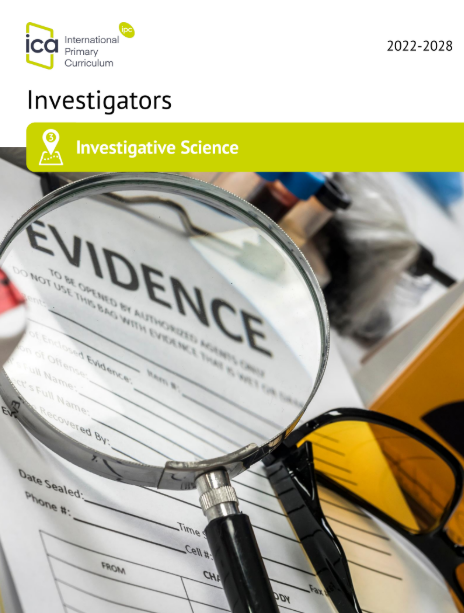
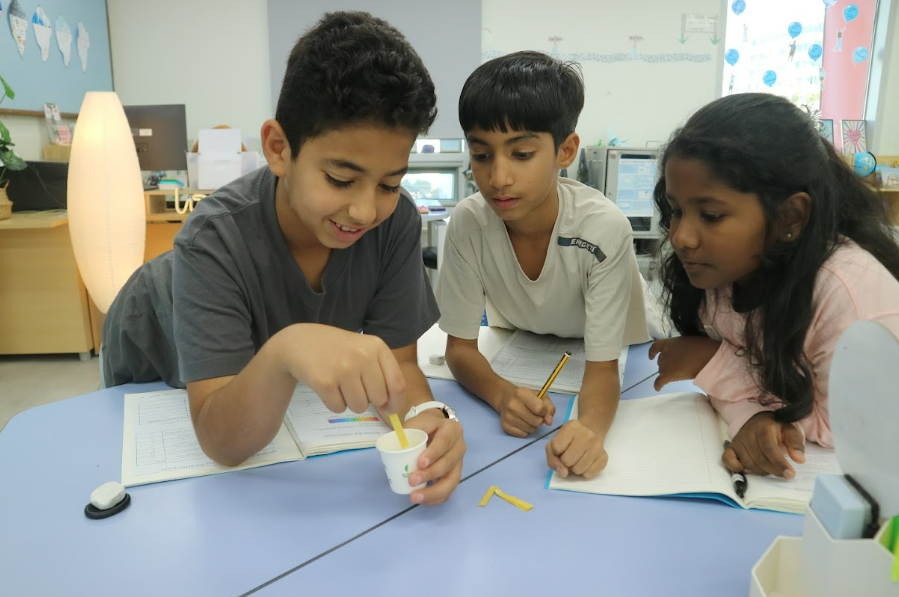
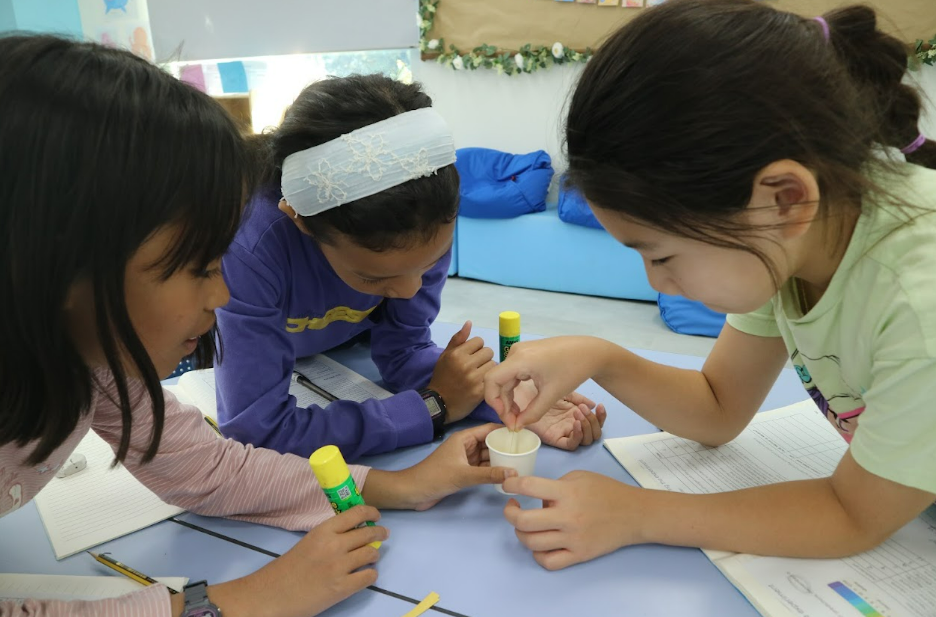
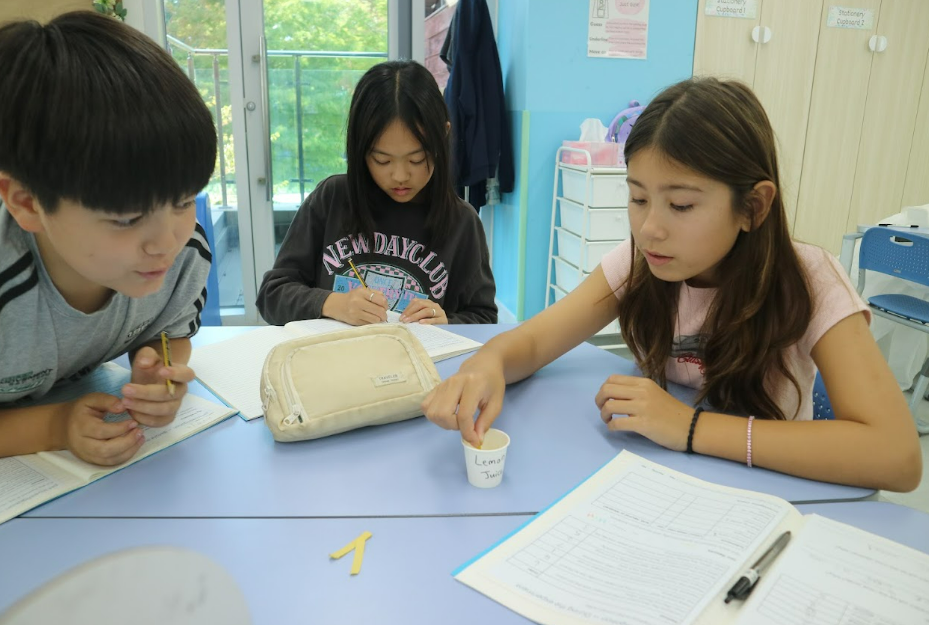
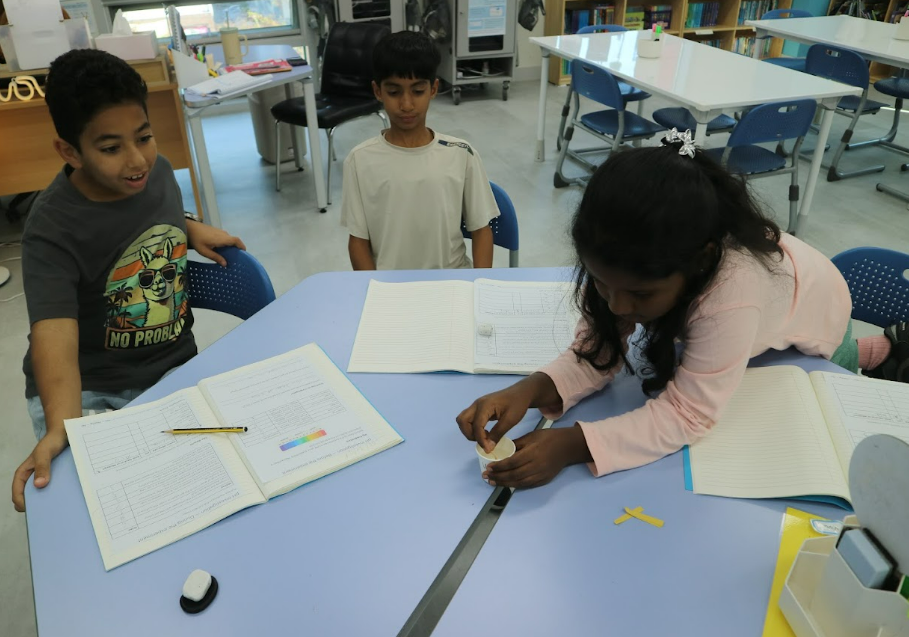
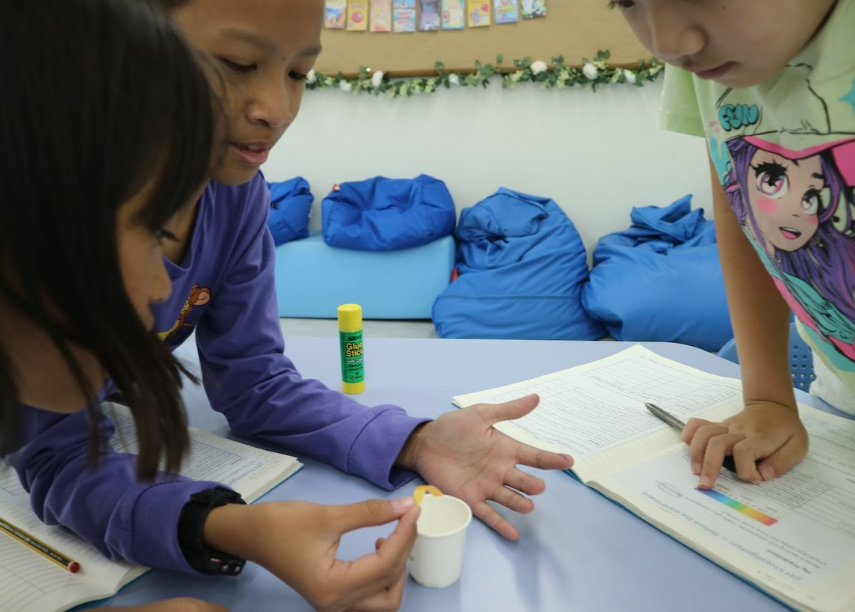
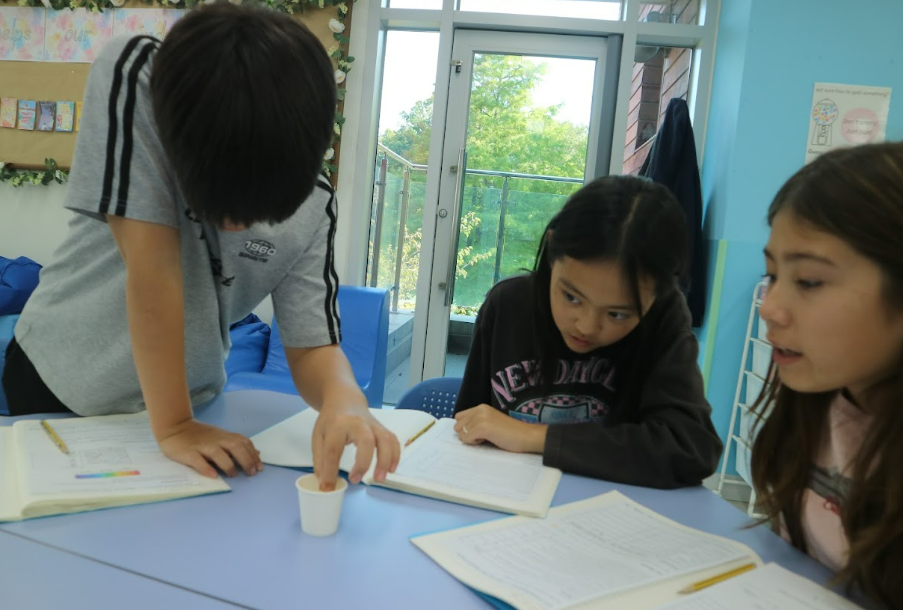
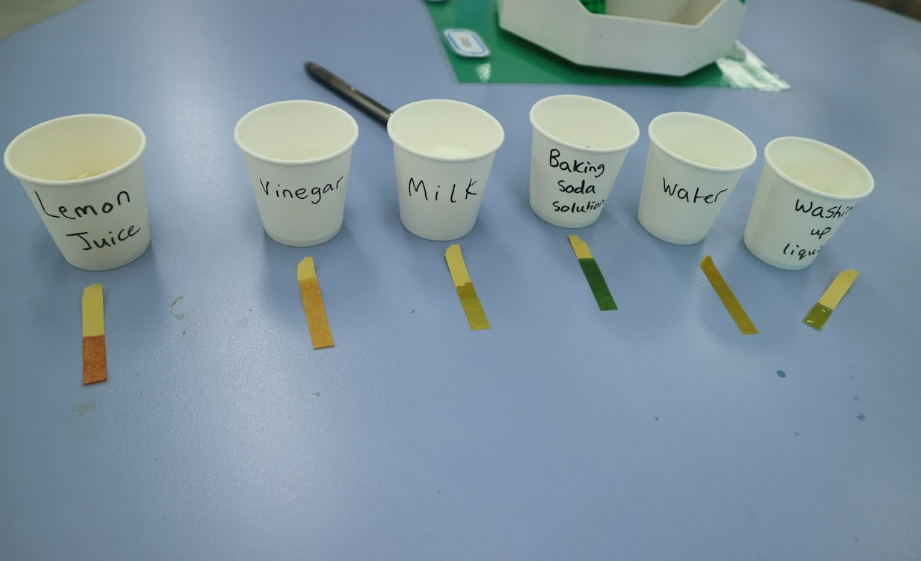
This week, our young forensic investigators continued their scientific training by exploring acids, alkalis and the pH scale. Their latest challenge came from the police laboratory, where they were asked to develop their skills in pH testing to help them analyse mysterious liquid evidence from a crime scene.
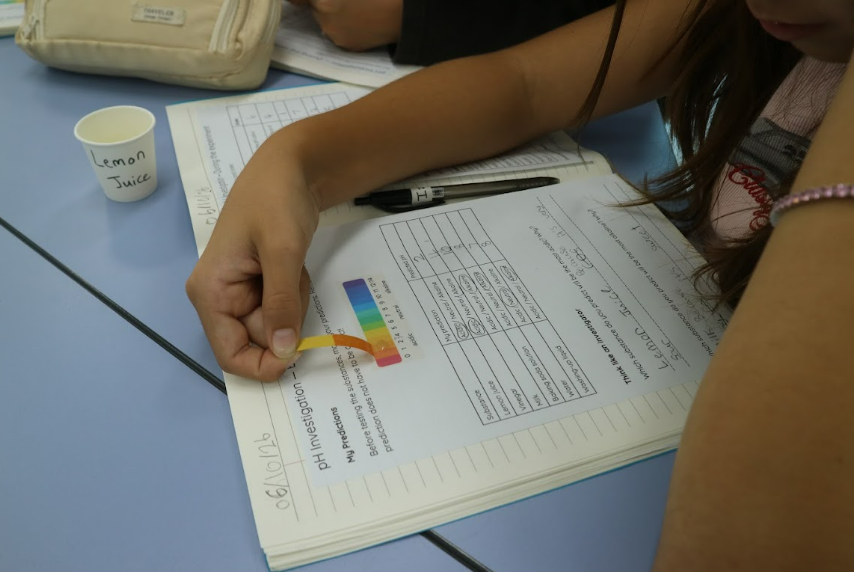
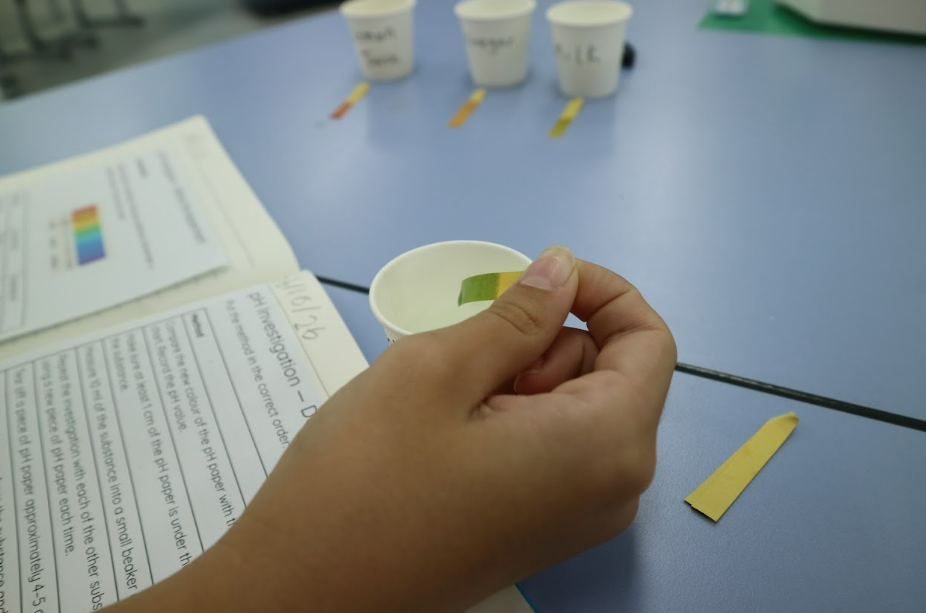
The students began by making predictions about six everyday substances: lemon juice, vinegar, milk, baking soda solution, water and washing-up liquid. They then used pH paper to test each substance, carefully observing colour changes and comparing their results with a pH chart to determine whether each substance was acidic, neutral or alkaline. Throughout the investigation, they focused on working systematically, following a consistent method and recording their observations accurately.
Following their practical investigation, the students explored the science behind their results, learning how the pH scale works and why different substances have different pH values. They also discussed unexpected results and discovered that scientific investigations do not always produce the results we predict!
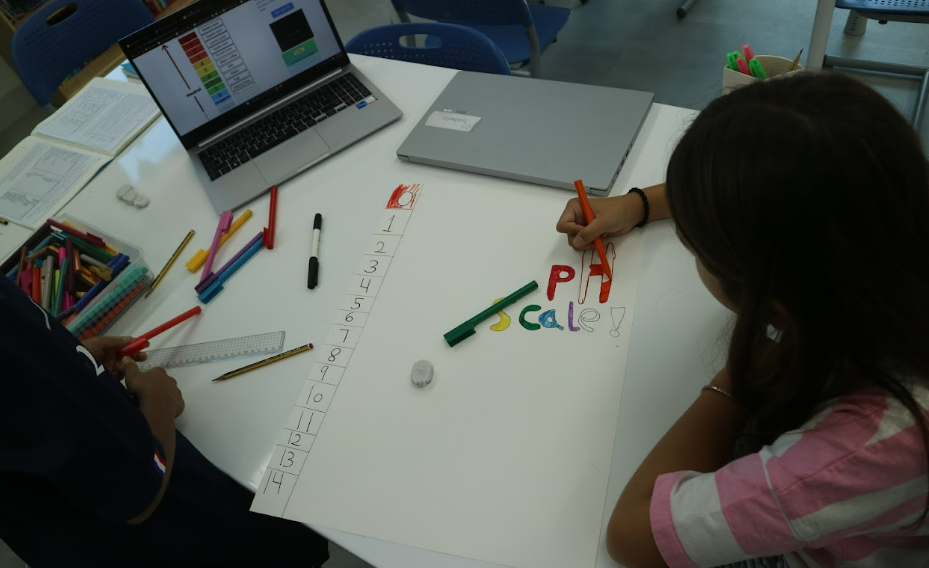
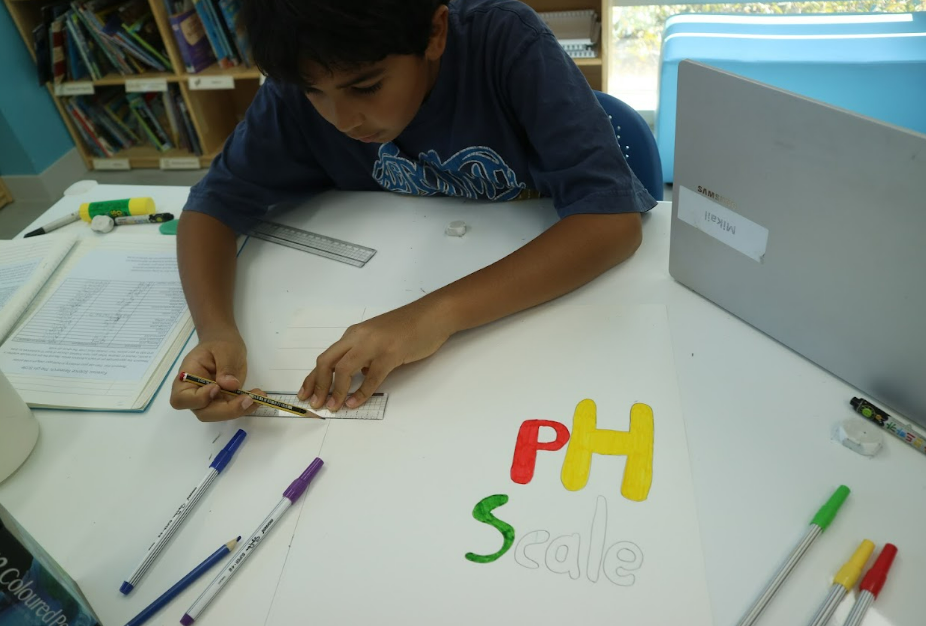
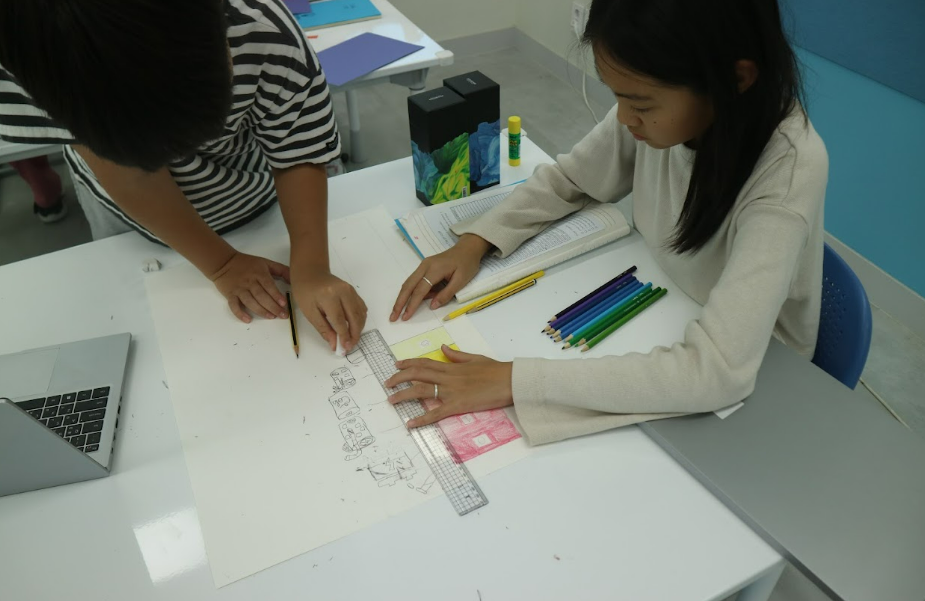
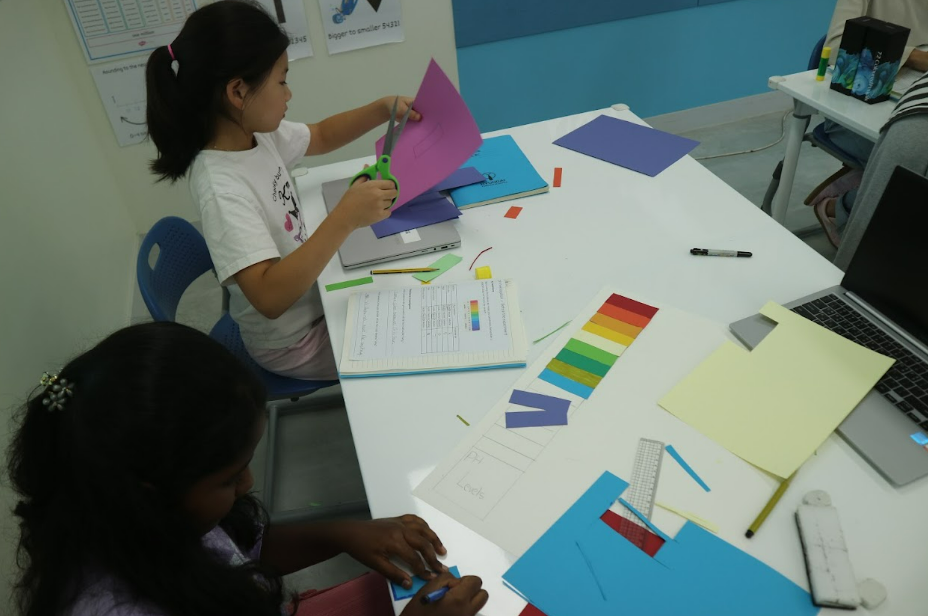
To consolidate their learning, the students began creating their own colourful pH scale posters. The students were then given the freedom to design their own pH scale posters, allowing them to express their creativity and present their learning in their own unique ways. They researched the pH values of familiar substances, created illustrations and placed them at the appropriate points on their scales, combining their scientific understanding with their artistic skills. This allowed them to apply their new scientific knowledge while developing their research and presentation skills.
Have a lovely weekend! ☺️