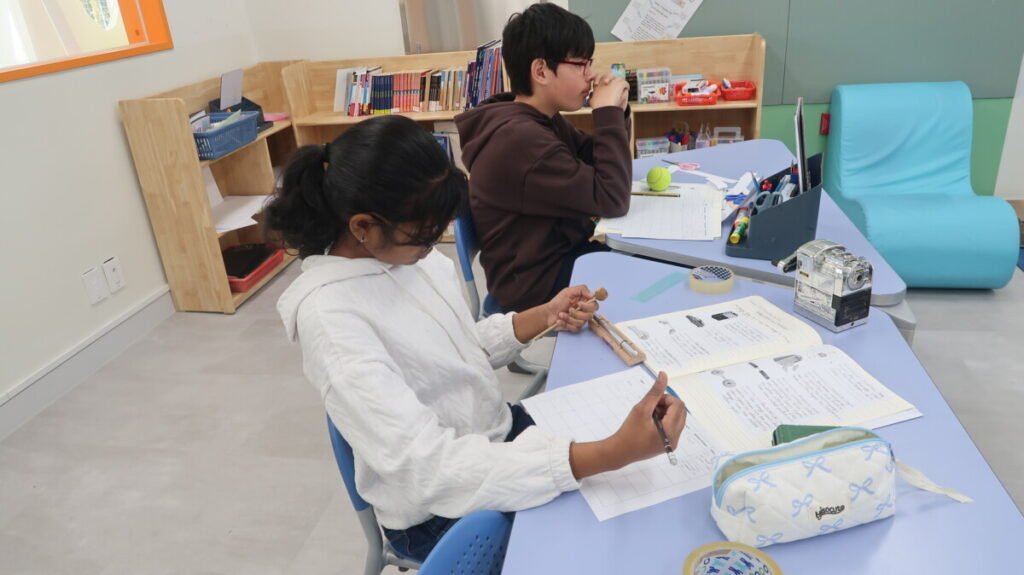
I hope you all had a wonderful Seollal break. Although it’s been a short week back at school, here are some of the highlights from our learning so far.
In English, students explored writing to advise by analysing the structure and language of travel leaflets. They researched their chosen destination and used their findings to plan and create their own clear, practical travel advice leaflets for a specific audience.
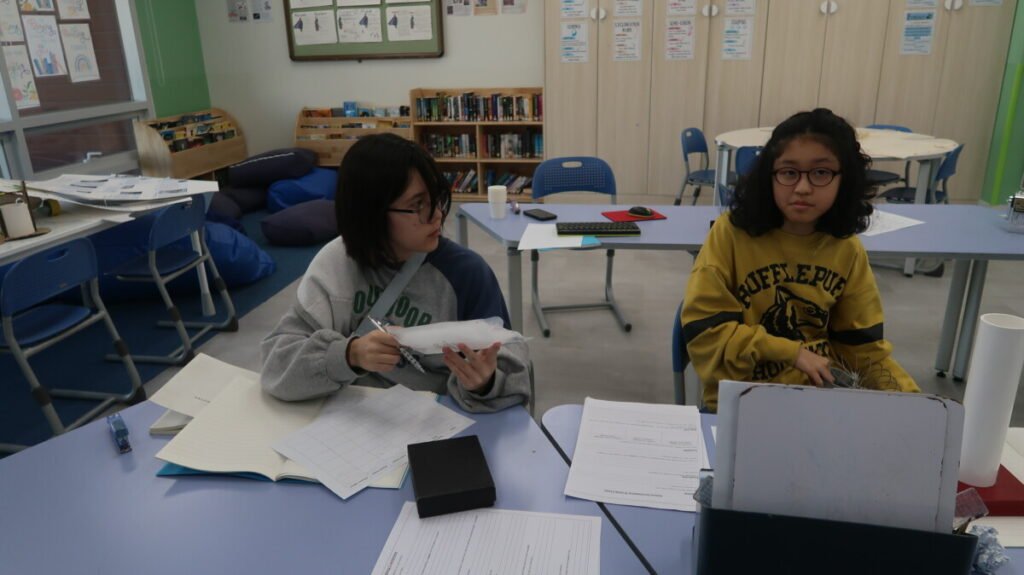
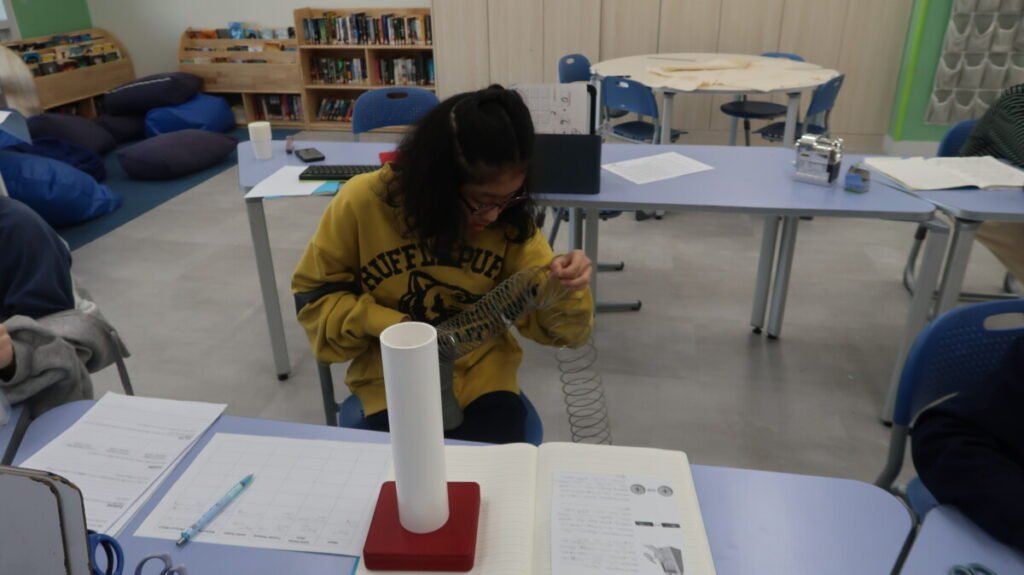
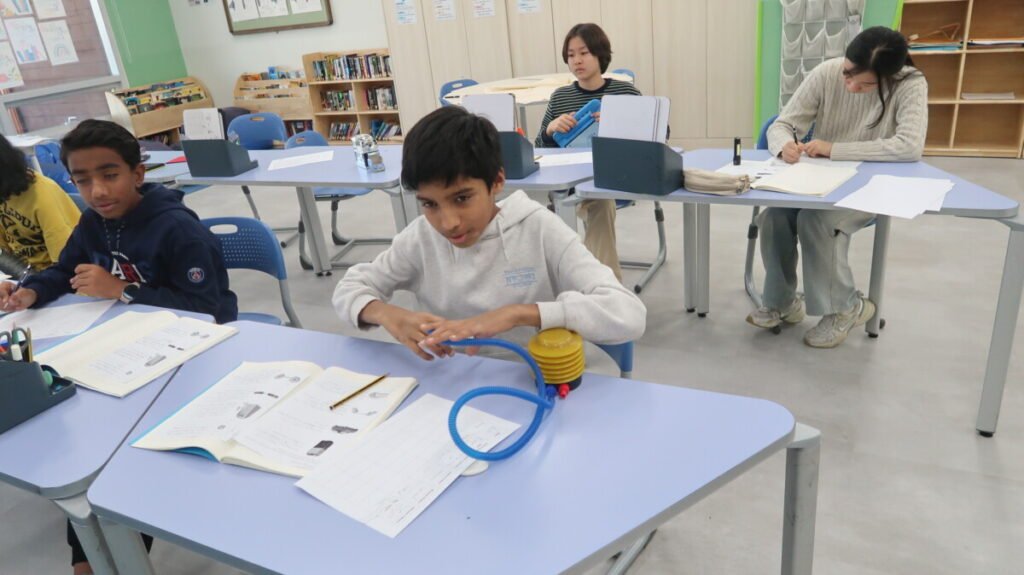
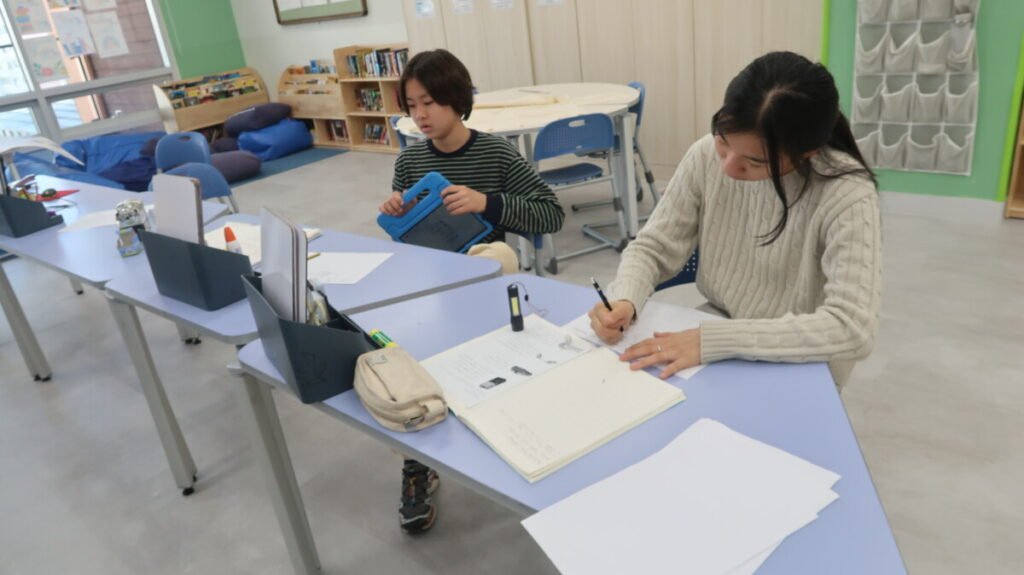
This week in science, students took part in a hands-on “Energy Circus” where they explored how energy is stored and transferred using everyday objects such as a tennis ball, magnets, a torch and an ice pack. They identified different energy stores and discussed how energy is transferred in each example, developing their scientific vocabulary and understanding that energy is not created or destroyed.
In Geography this week, students completed their work on physical features, finalising their world maps with accurate scale, keys and labelled locations. They reviewed global patterns and reflected on how different physical features can present risks to people in various environments.
Maths
Year 7
This week we covered:
- Spr.4.12 – Use order of operations with directed numbers
- Spr.4.13 – Roots of positive numbers (H)
Year 8
This week we covered key skills in number sense.
- Spr.6.1 – Rounded numbers to powers of 10 and to 1 significant figure.
- Spr.6.2 – Rounded numbers to a given number of decimal places.
- Spr.6.3 – Estimated the answers to calculations using appropriate rounding methods.
Students developed their understanding of place value and improved their accuracy when estimating and checking answers. They are becoming more confident in applying these skills to problem-solving questions.
Year 9
Rotation and TranslationThis week we continued our work on transformations.
Spr.5.2 – Compare and contrast rotational symmetry with line symmetry
Students learned the difference between rotational symmetry and line symmetry. They identified the order of rotational symmetry of different shapes and compared it with the number of lines of symmetry.Spr.5.3 – Rotate a shape about a point on a shape
Students practised rotating shapes around a given point, understanding direction (clockwise and anticlockwise) and angle of rotation. They developed accuracy in plotting and describing rotations.Students are building confidence in recognising and applying different types of transformations.