Hello everyone!
It’s been a week of knowledge recall, new concepts, and creative planning. Students have covered a lot of ground and are looking forward to the long weekend! Let’s see what they got up to!
English
In English, students continued their investigation of Animal Farm by exploring the historical context of Stalin’s purges in the USSR. They read Chapter 7 and considered how Napoleon’s increasingly violent purges on the farm reflect Stalin’s actions, as well as what this might suggest about the future of the animals. Students made predictions about what could happen next and examined quotations from Stalin, considering how they reflect the tyranny and manipulation of violent leaders both in the real world and within Orwell’s fictional society. They also completed a linking and thinking activity, taking two different concepts or characters within the novel and finding the link between them using critical thinking.
In Grammar, students focused on academic verbs and how they can strengthen analytical writing. They explored verbs used to interpret, develop, compare, and exemplify, considering how more precise academic vocabulary can help them communicate their ideas more effectively in essays. Students have been given a worksheet on these verbs to complete for homework.
Maths
Year 7
Expressions and equations and Place value, ordering and rounding
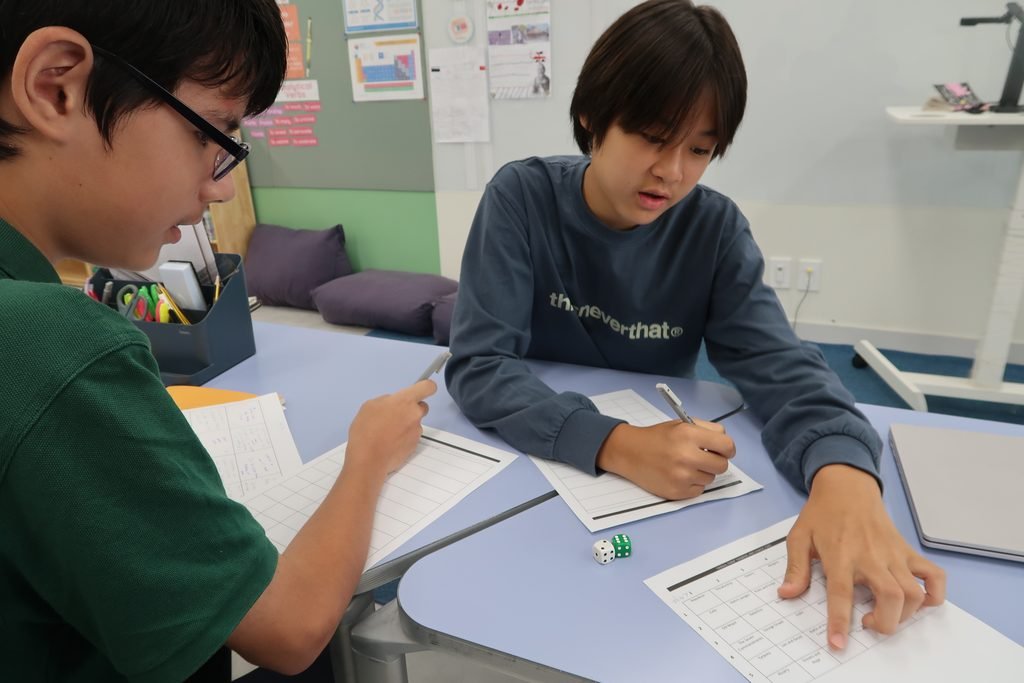
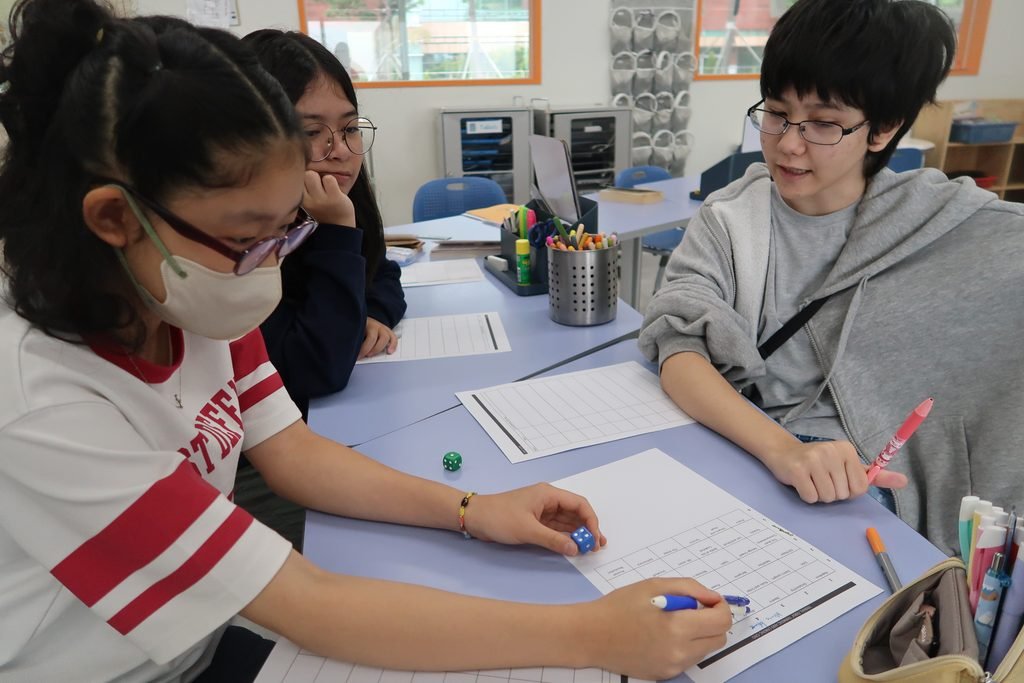
This week we finished our unit on Expressions and equations and moved on to Place value, ordering and rounding.
All students scored well on their end-of-unit assessment.
- Aut.3.6 – Solve 1-step equations (x/÷)
- Aut.3.7 – Solve 2-step equations
- Assessment
- Aut.4.1 – Write integers in numerals and words
- Aut.4.2 – Intervals on a number line
Year 8
Coordinates and Graphs
We have started a new topic on Coordinates and Graphs:
- Aut.4.1 – Coordinates in all four quadrants
- Aut.4.2 – Lines parallel to the axes
- Aut.4.3 – Tables of values
- Aut.4.4 – Recognise and use the line
- Aut.4.5 – Lines of the form
- Aut.4.6 – Link to direct proportion (E)
Students are developing their understanding of coordinates, tables of values, and straight-line graphs, and are practising how these ideas are connected.
Year 9
Area and Volume
We have continued with Area and Volume:
- Aut.3.5 – Surface area of a triangular prism (E)
- Aut.3.6 – Surface area of a cylinder (E)
- Aut.3.7 – Volume of a prism
- Aut.3.8 – Volume of a cylinder
- Aut.3.9 – Volume of cones, pyramids and spheres (E)
Assessment (test) on Wednesday – please prepare well.
I have provided a formula sheet covering the whole chapter to help students revise and prepare for the assessment. Please encourage students to review the formulas and practise applying them to different questions.
IMYC
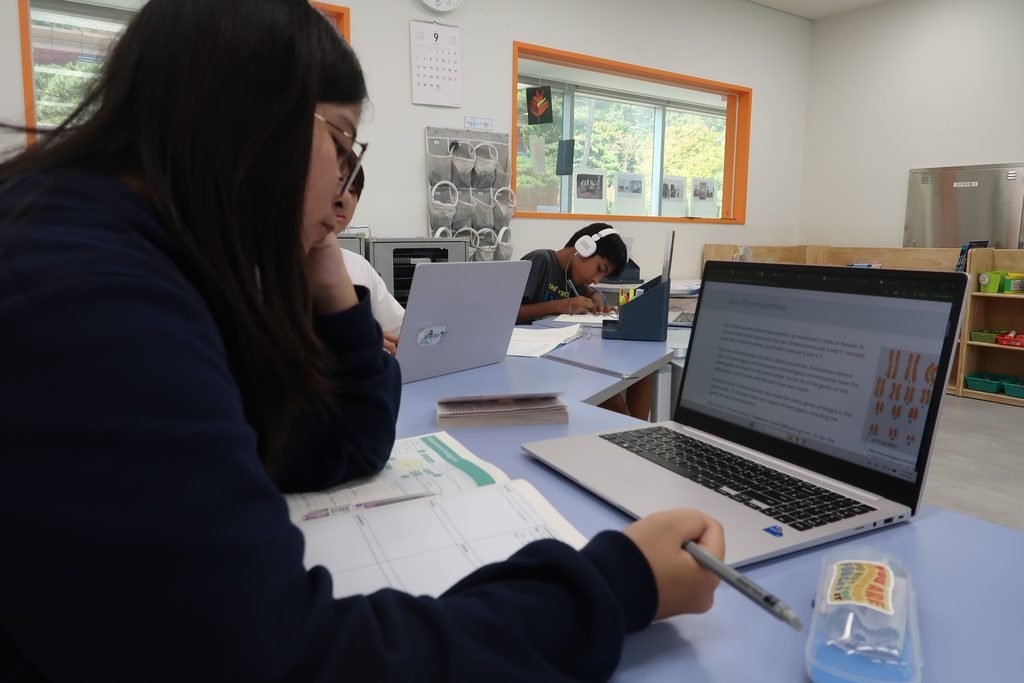
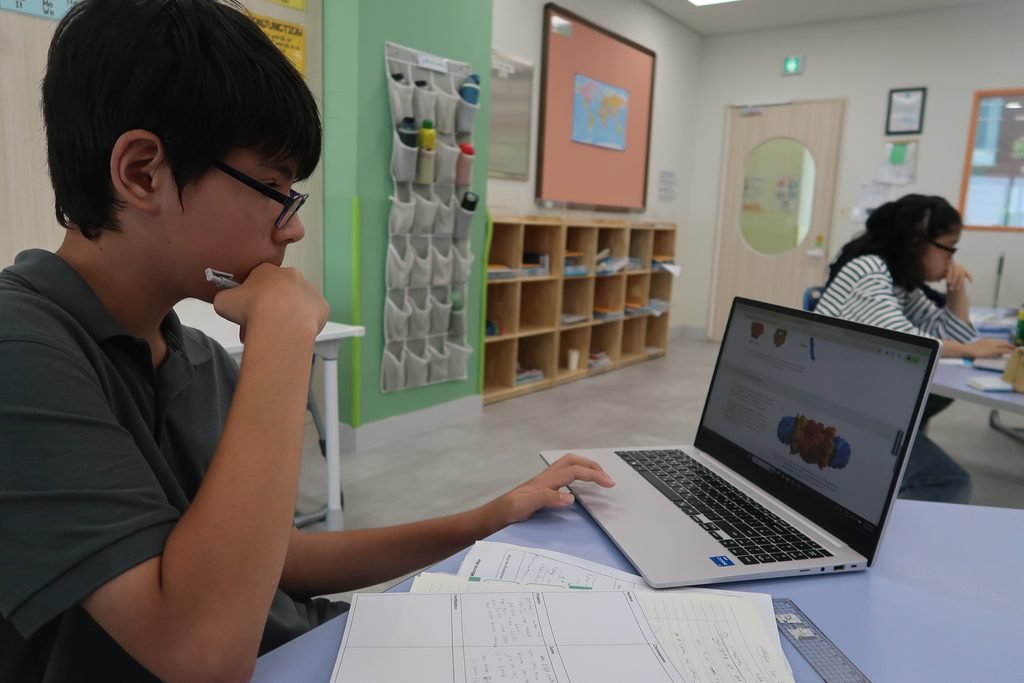
In Science, students began their exploration of reproduction by considering the “miracle of birth”. They started by sharing what they already knew and collaboratively generated questions about what they wanted to discover. They considered inheritance and tallied characteristics within the class, creating bar charts to showcase the most common. Students then explored how sperm and egg cells are formed, the importance of each cell, and their roles in reproduction. Through research, they were able to uncover the most important functions of reproduction. They also investigated the challenging journey sperm cells undertake in order to reach an egg, developing their understanding of the processes involved in conception.
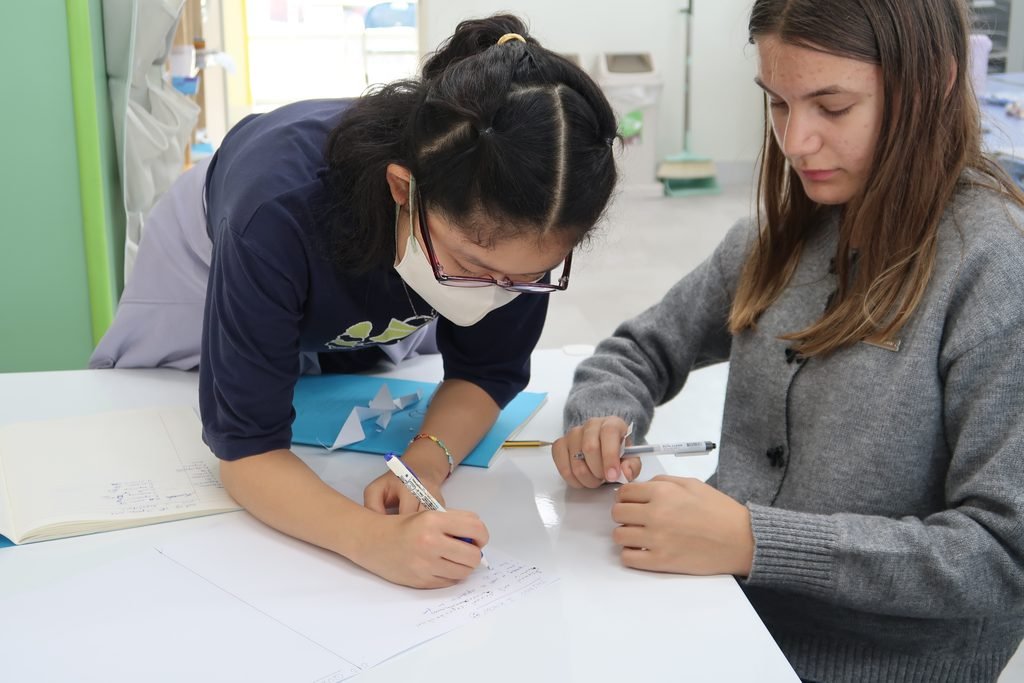
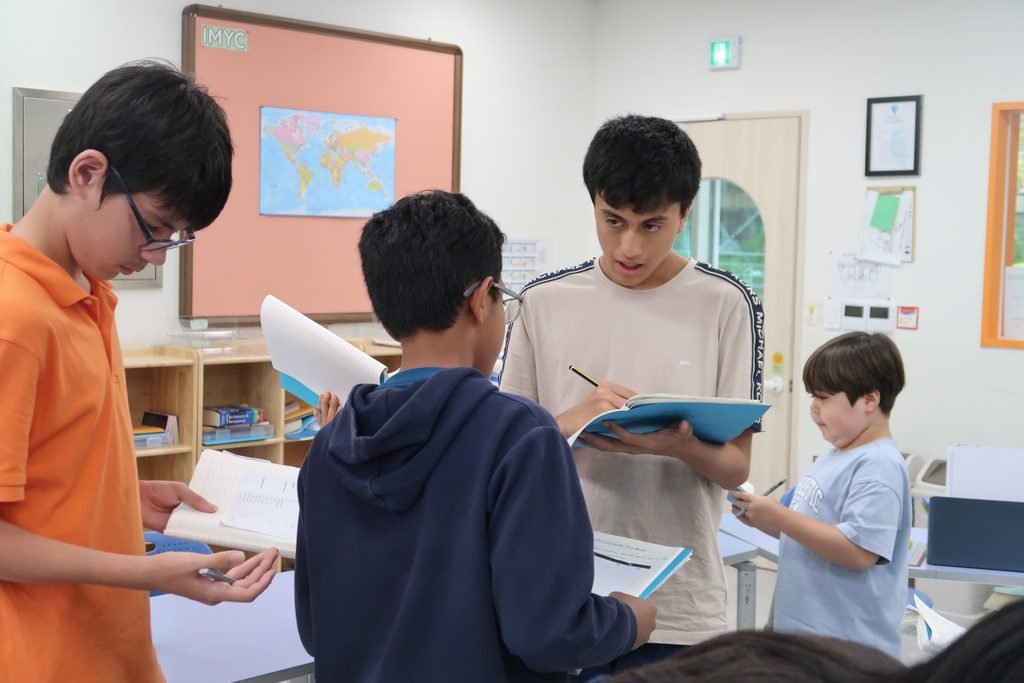
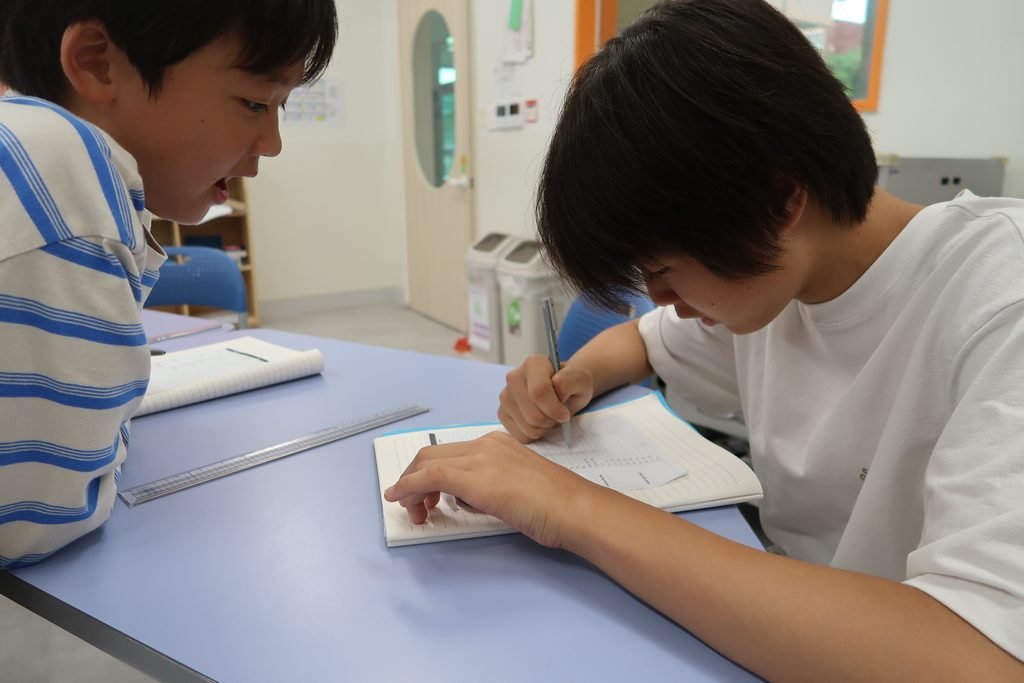
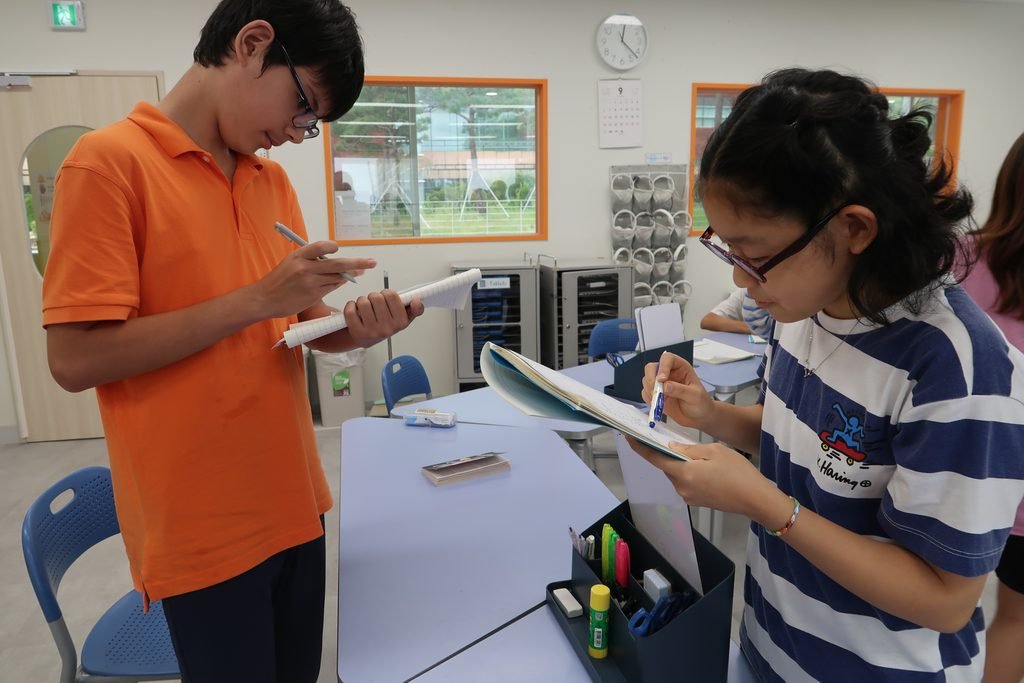
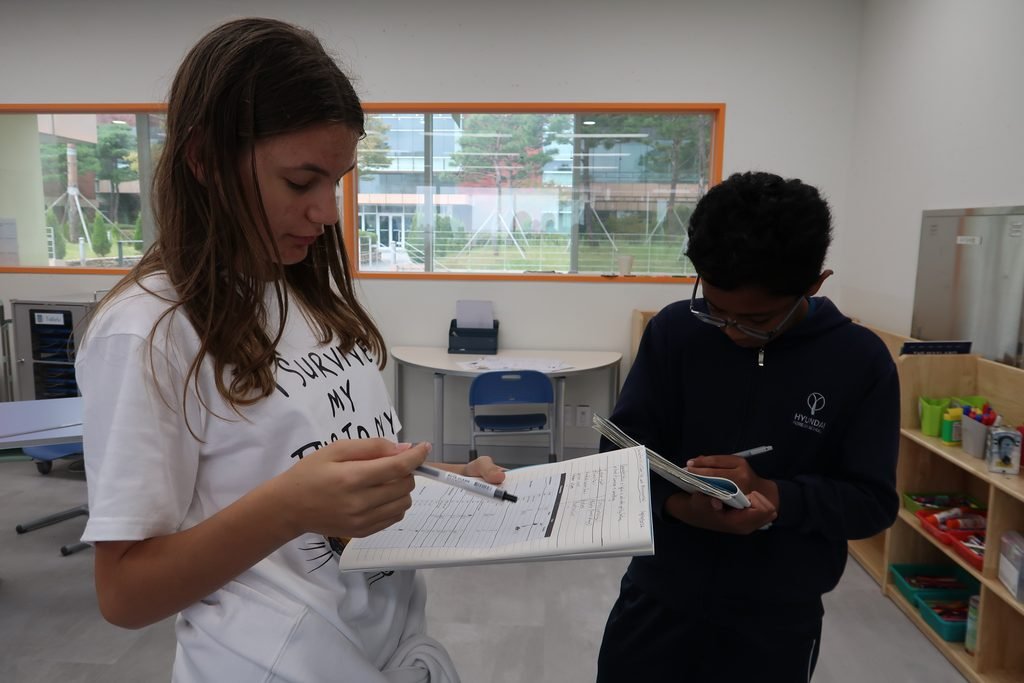
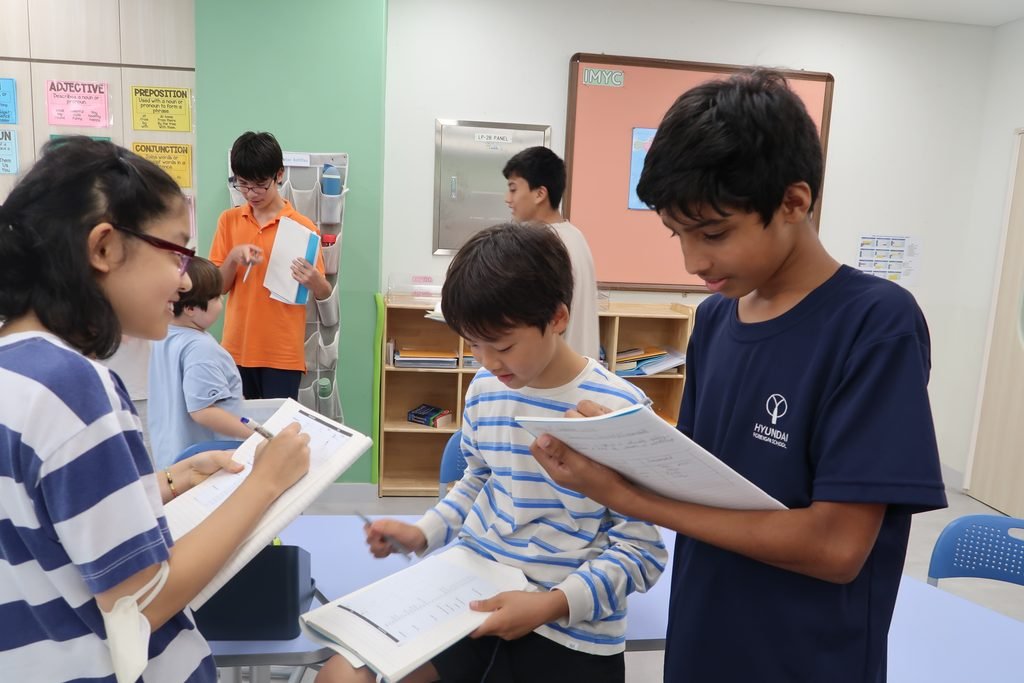
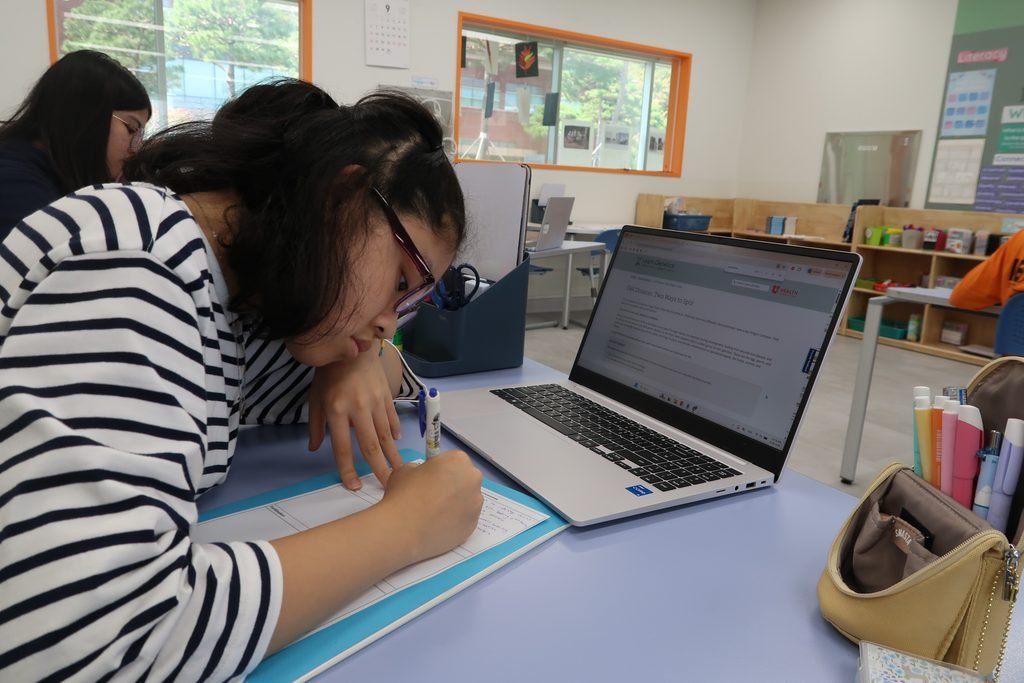
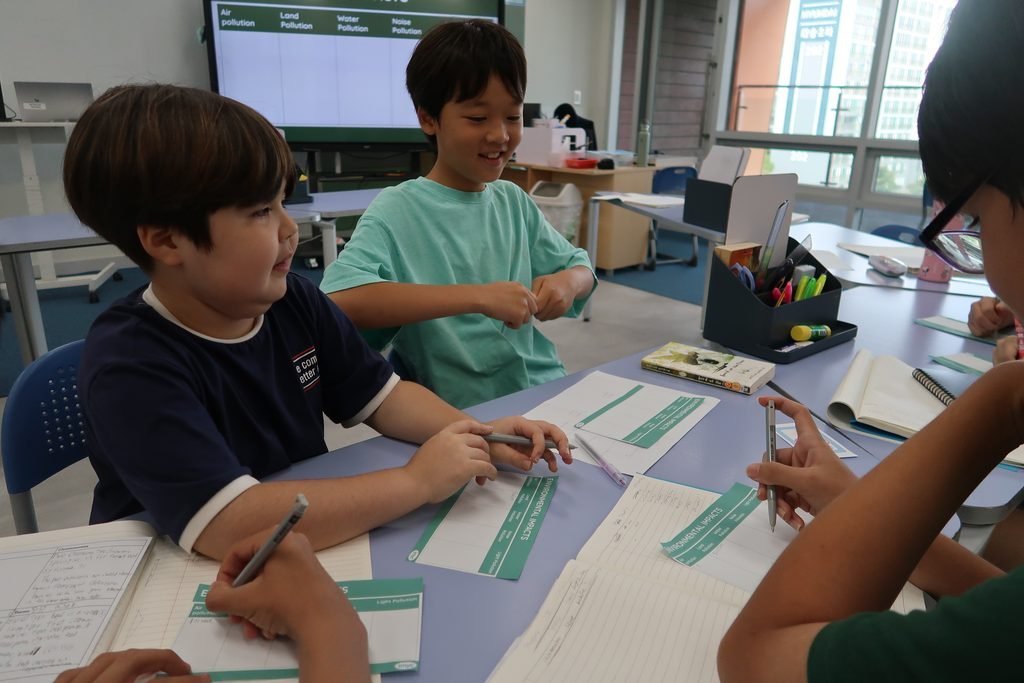
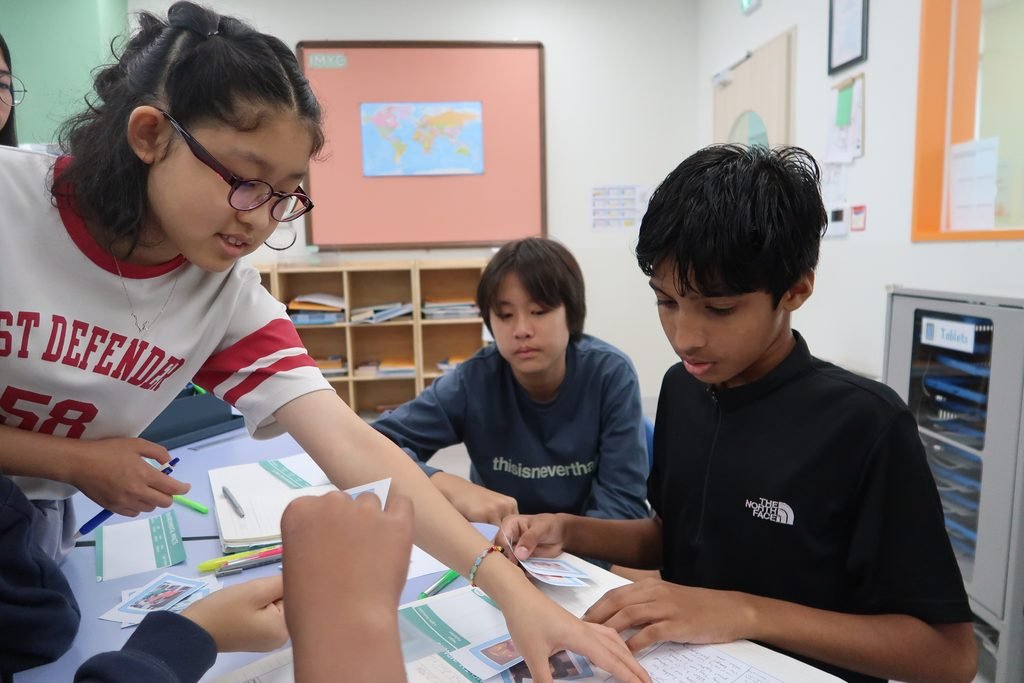
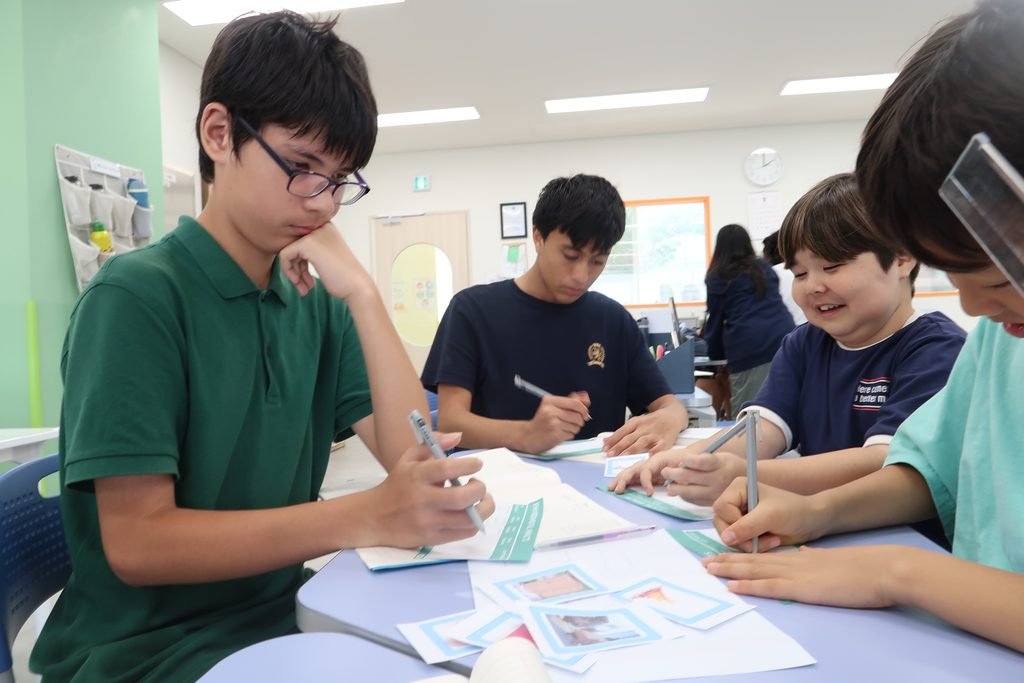
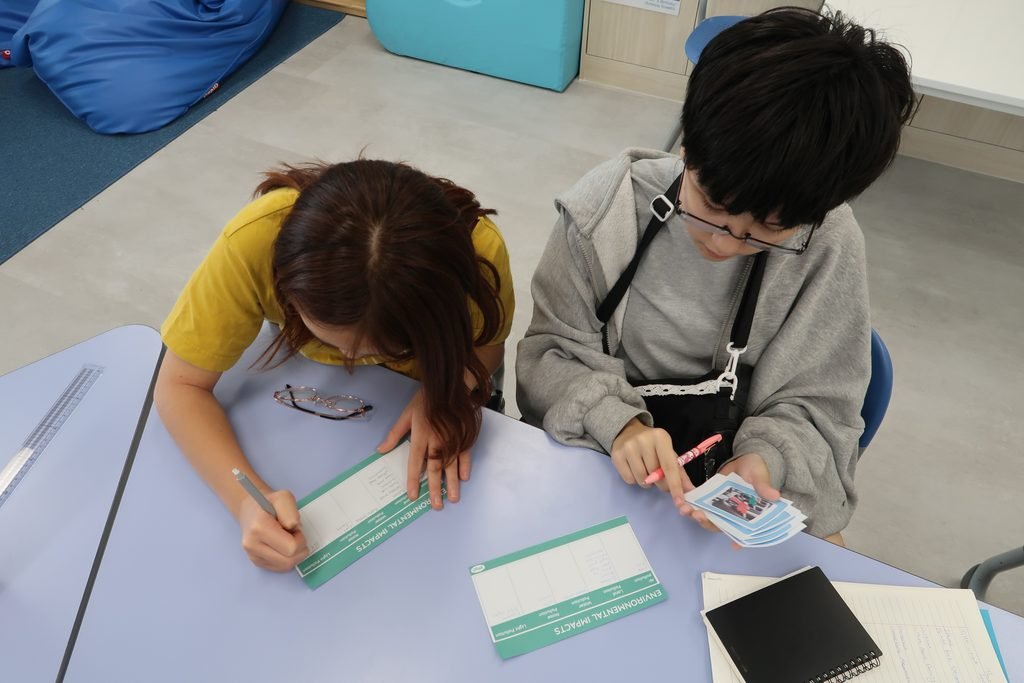
In Humanities, students explored the question: “What is left behind after a celebration?” They investigated the different types of pollution that can result from both large-scale and everyday celebrations, considering how waste and other environmental impacts can vary depending on the event. Students then categorised different objects and materials associated with celebrations according to the types of pollution they can contribute to, beginning to consider how our celebrations can have lasting effects on the environment.
PE
In PE, students worked collaboratively to develop their balance and coordination, using poles and hoops to move while keeping their equipment balanced together. This challenged students to communicate, cooperate and adjust their movements to work effectively as a team.
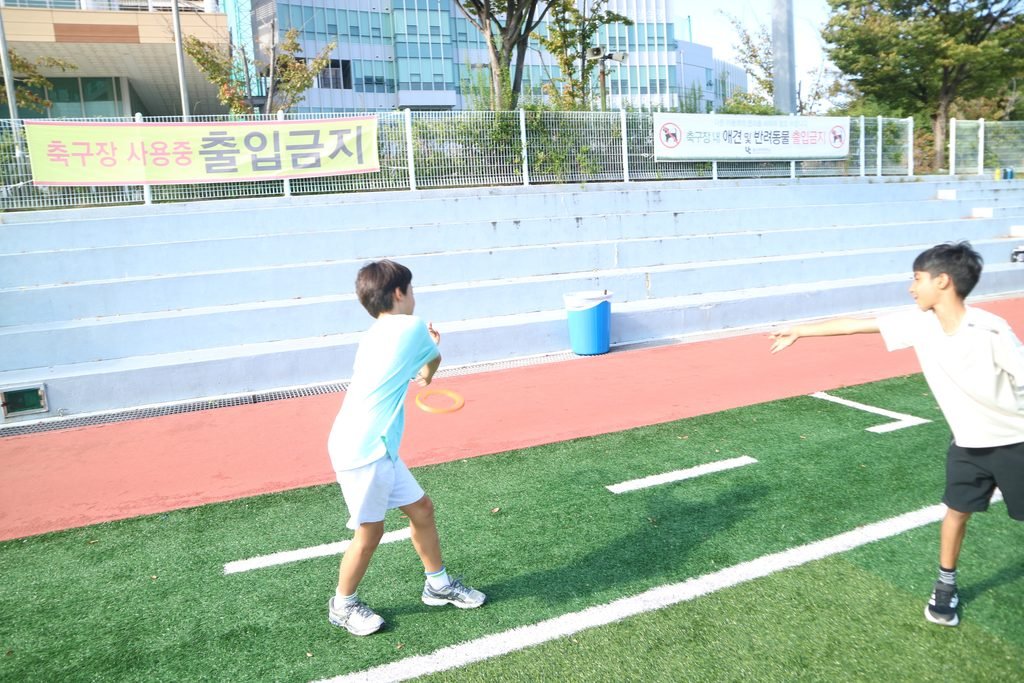
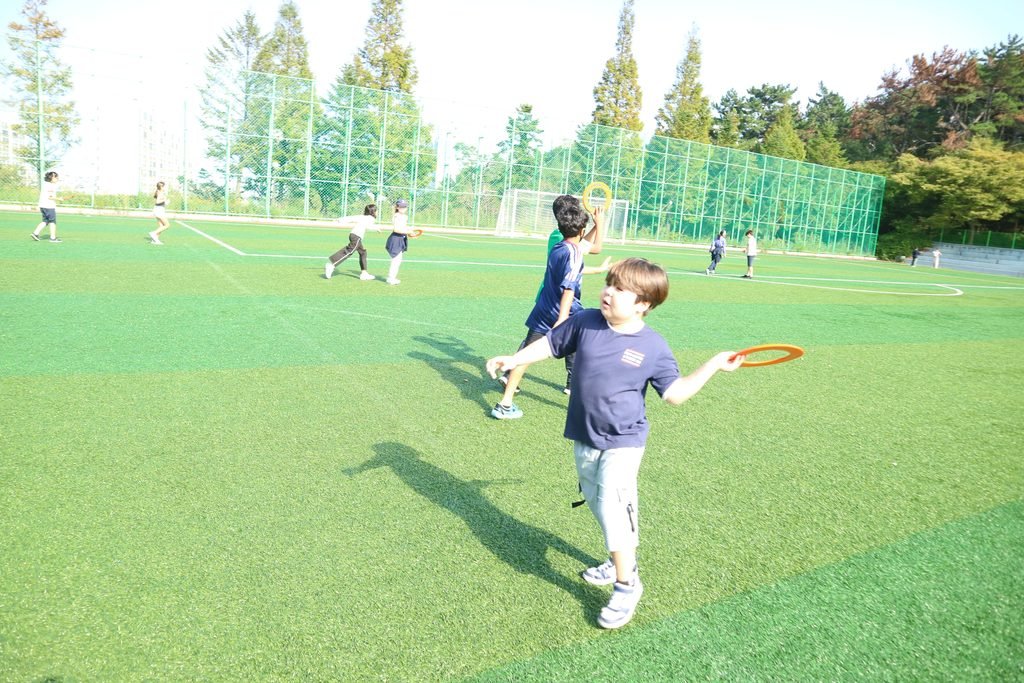
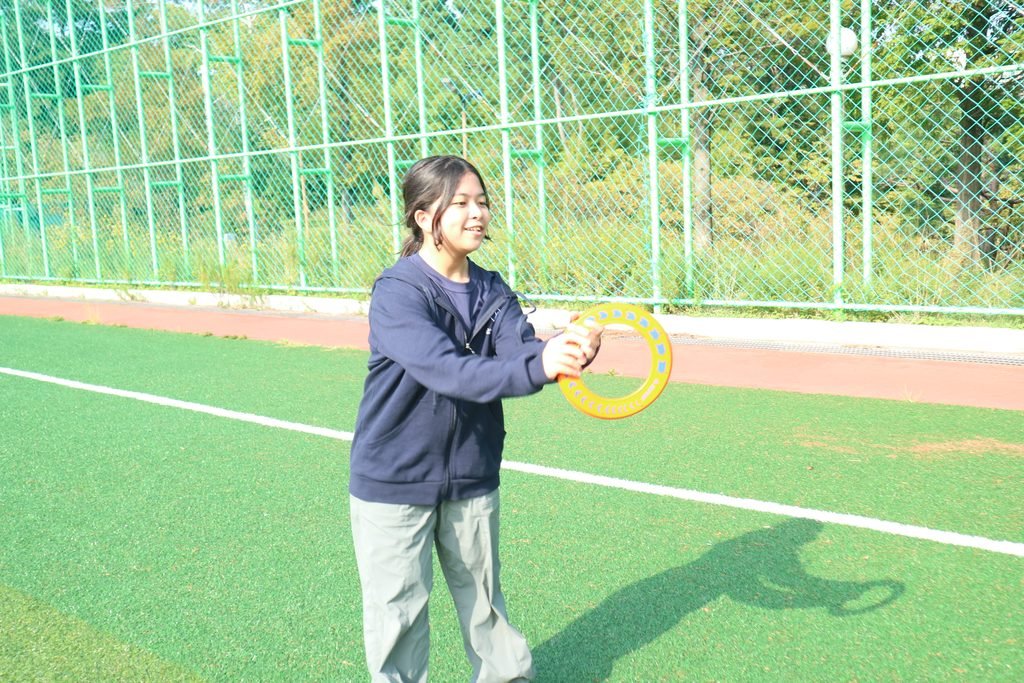
Students also began learning the basic rules and skills of Ultimate Frisbee. They practised throwing and catching with their teammates before putting their skills into action through small-sided 3v3 games, developing their movement, communication and teamwork along the way.