This week, our students explored the fascinating world of Pablo Picasso and learned about the artistic style known as Cubism.
During the lesson, we talked about how Picasso liked to “break” the usual way we see faces and objects. Instead of drawing a face in the traditional way, Cubist artists experiment with different angles and shapes, showing multiple viewpoints at the same time.
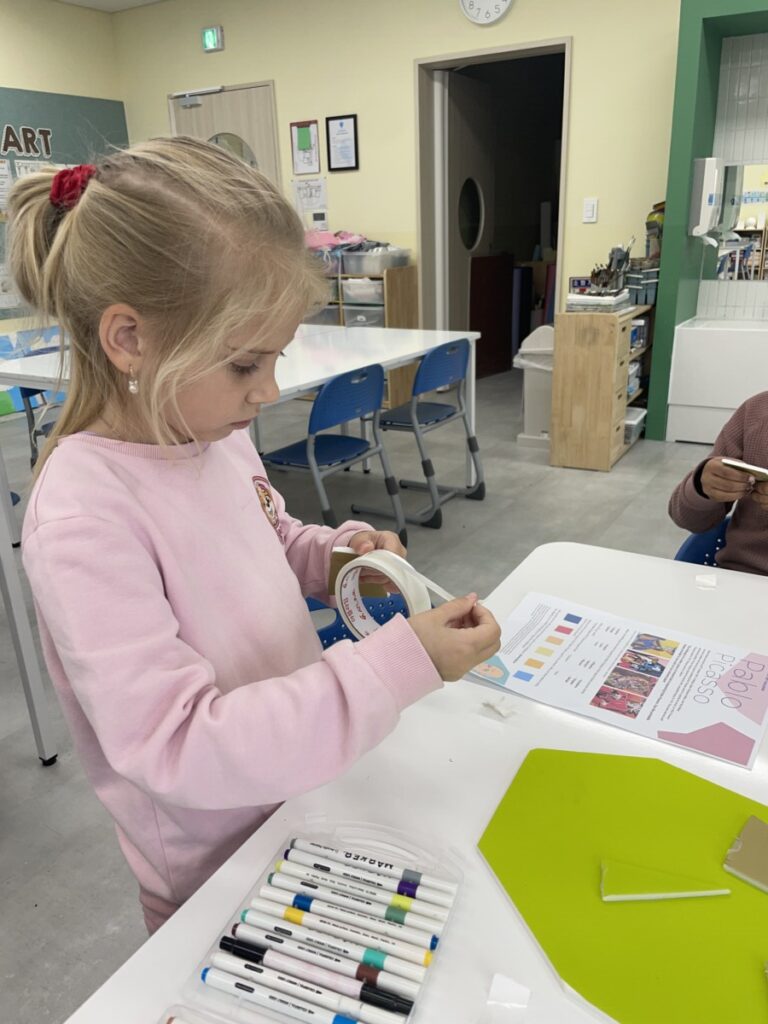
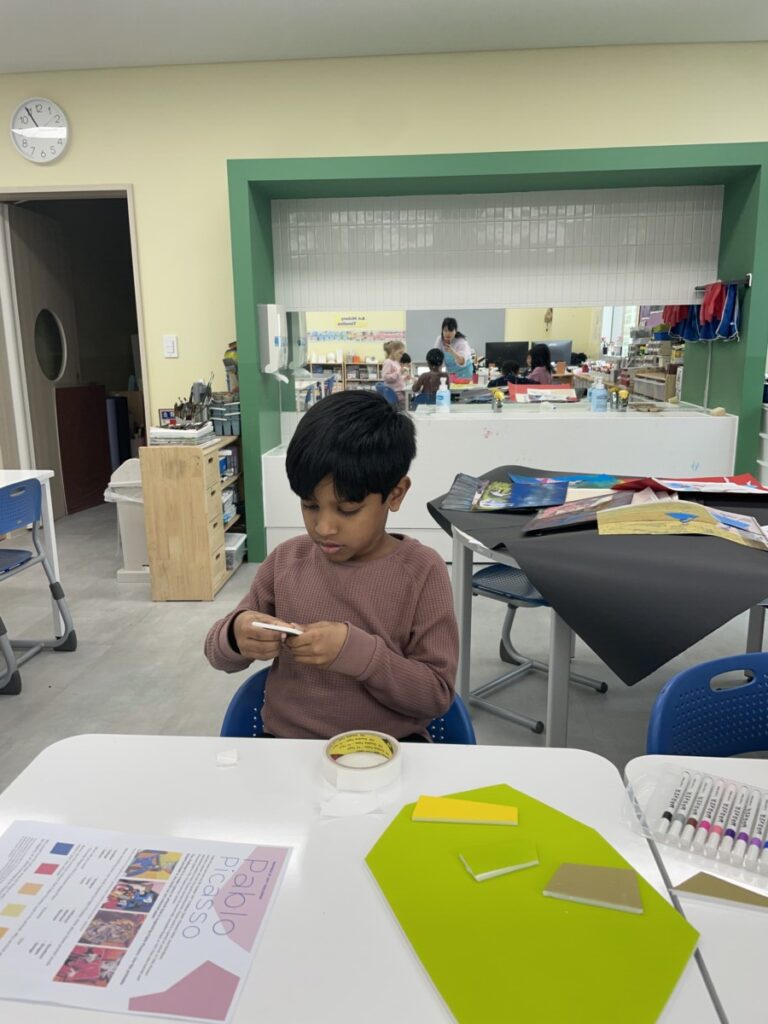
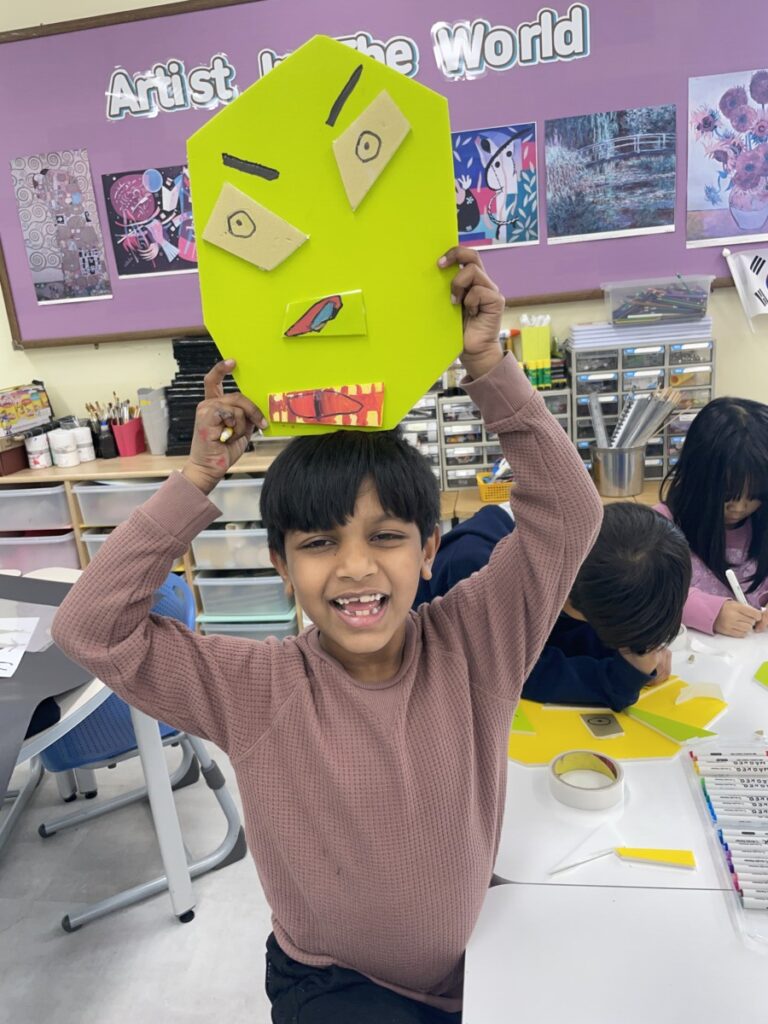
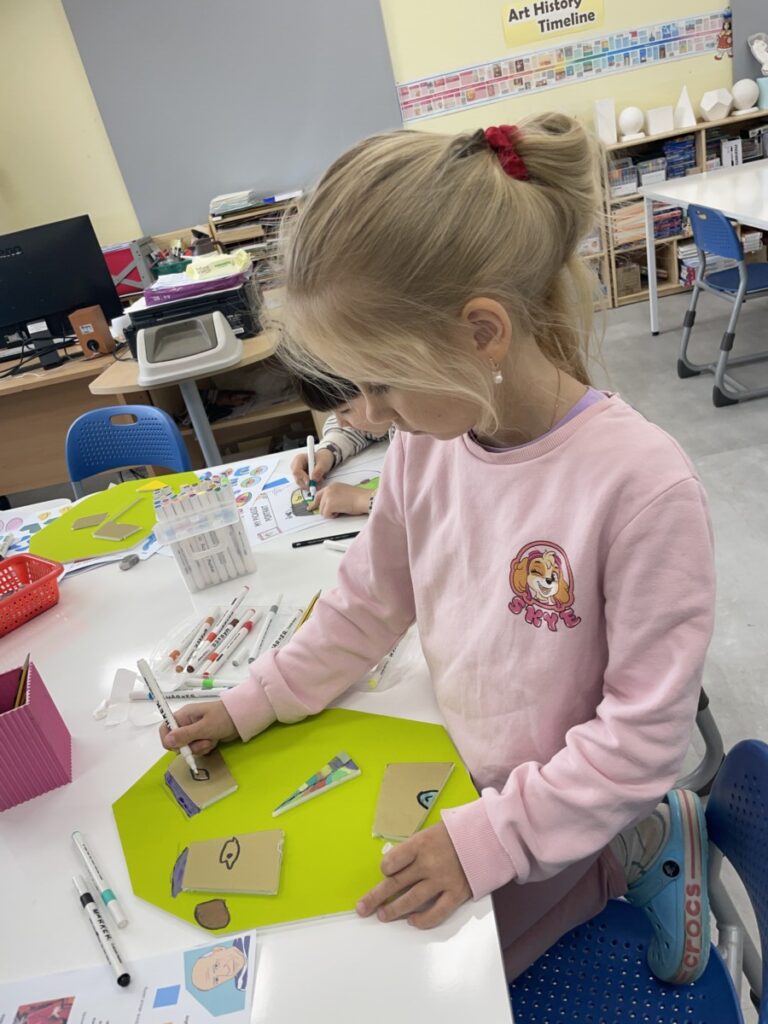
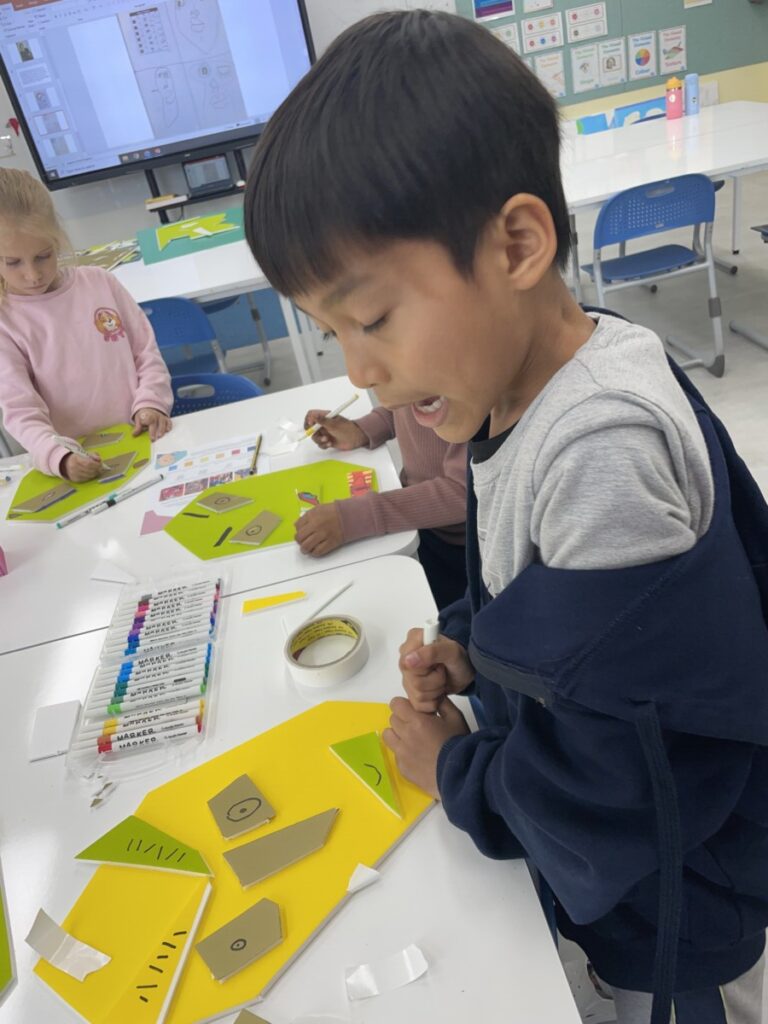
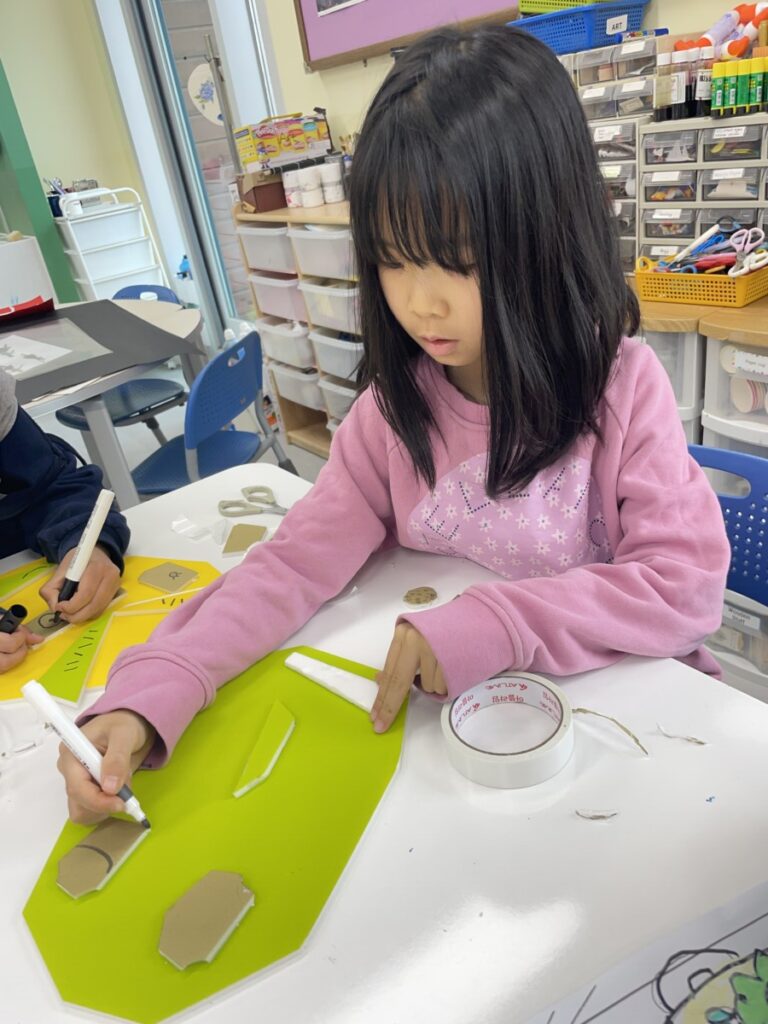
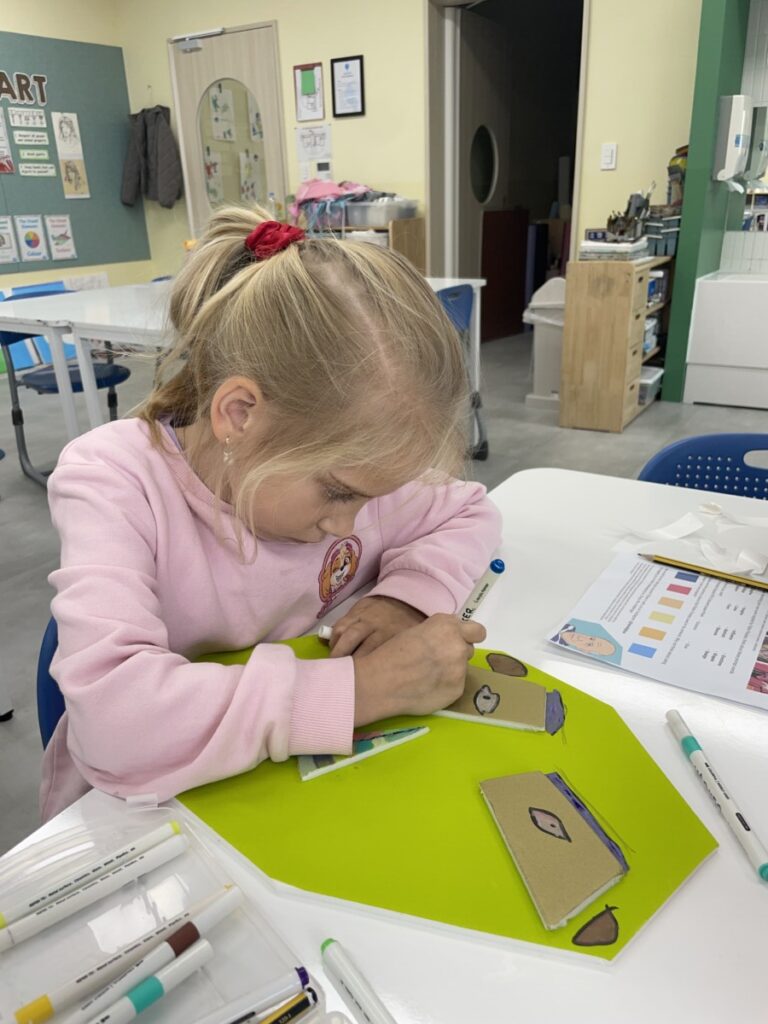
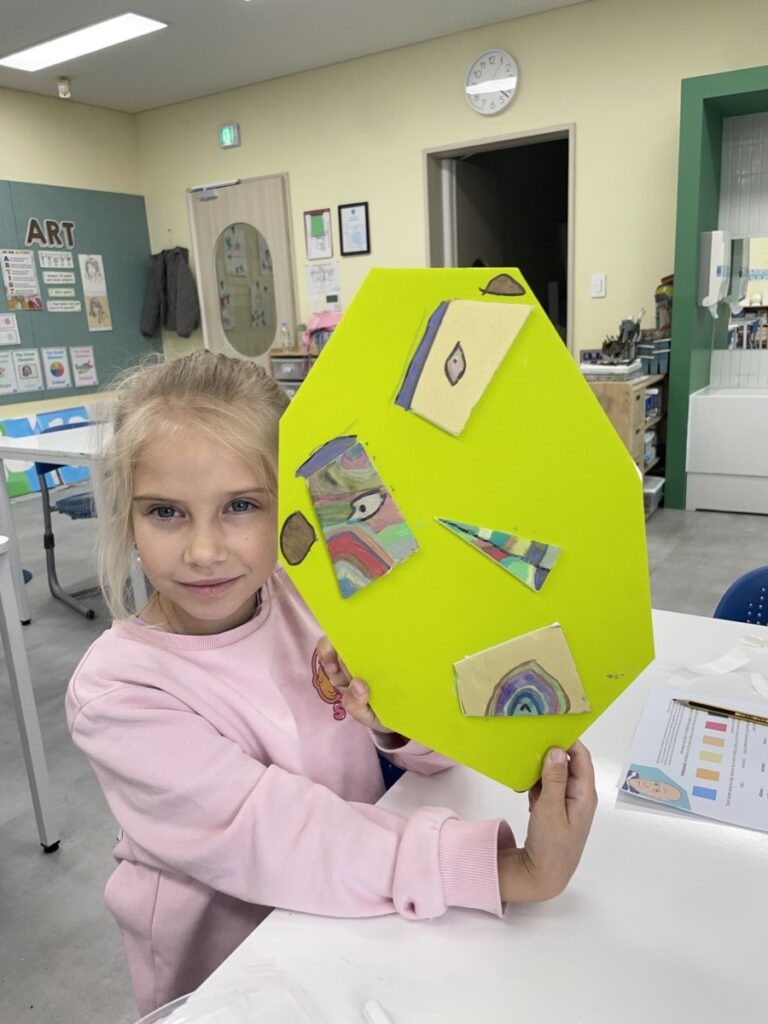
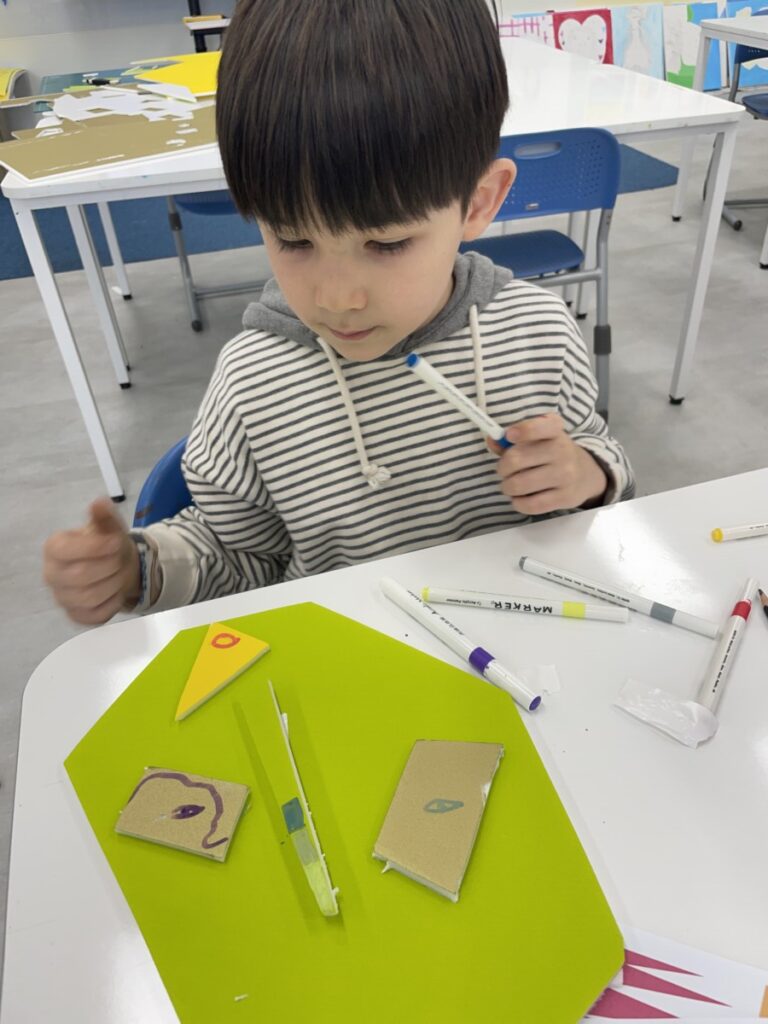
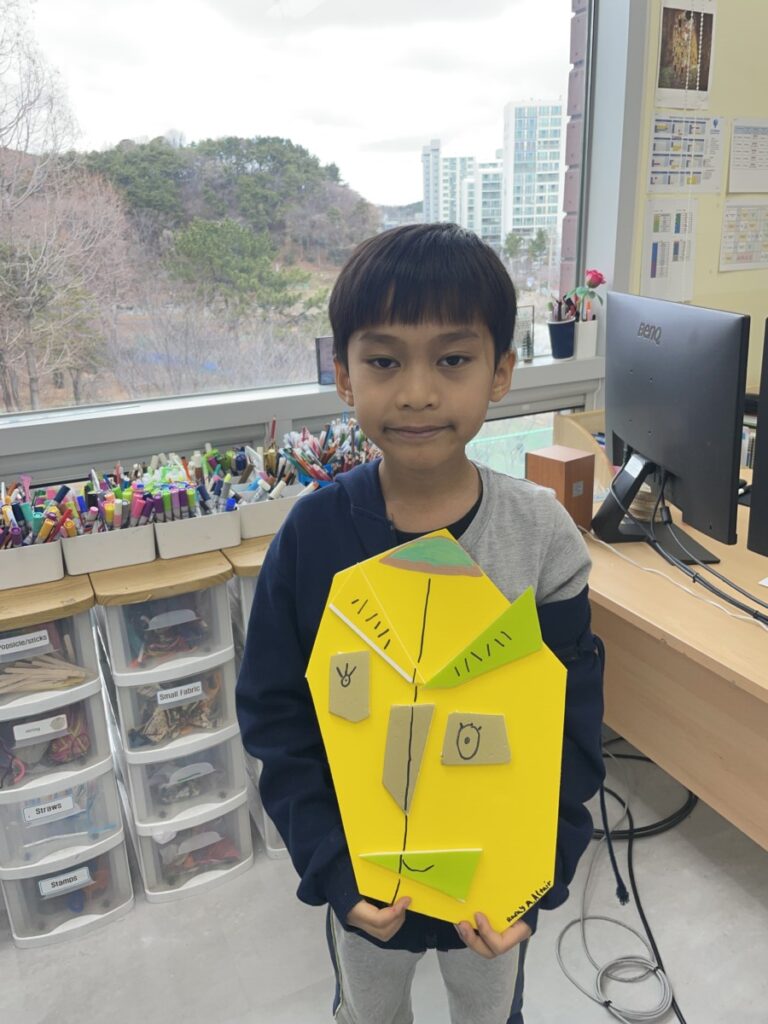
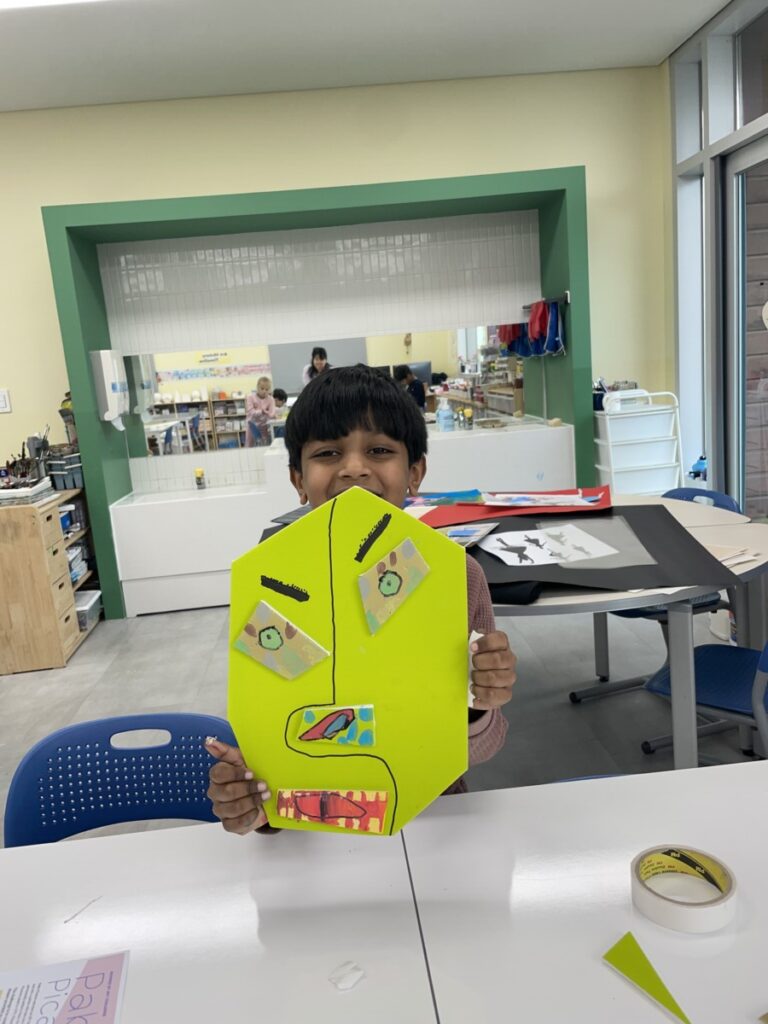
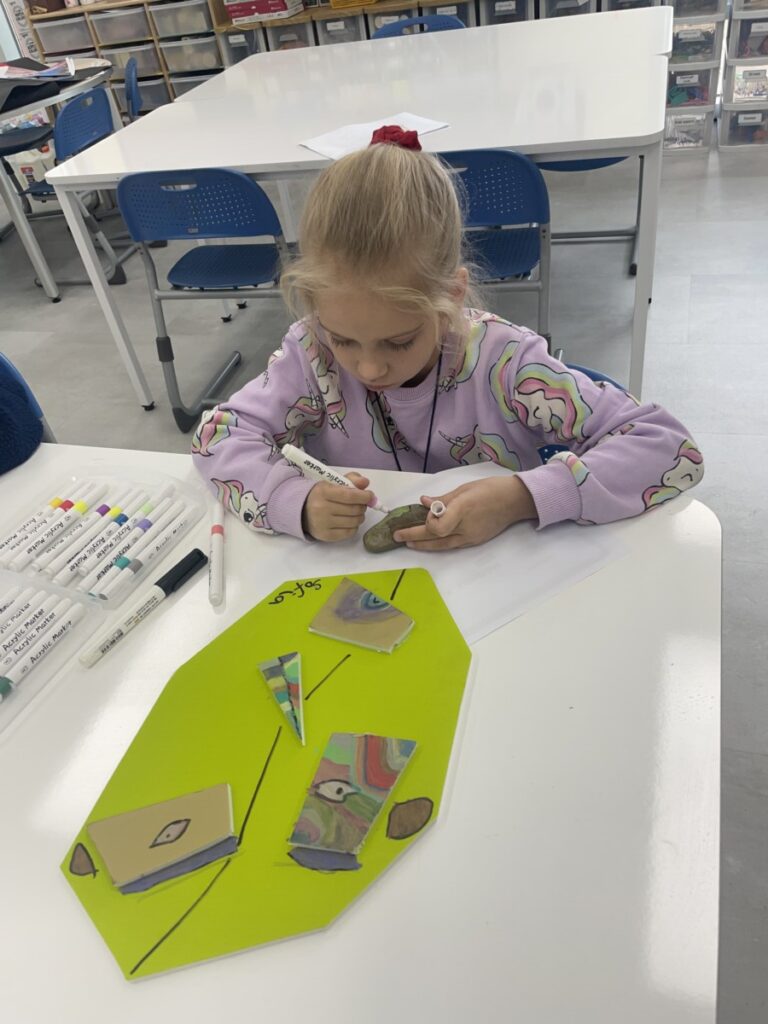
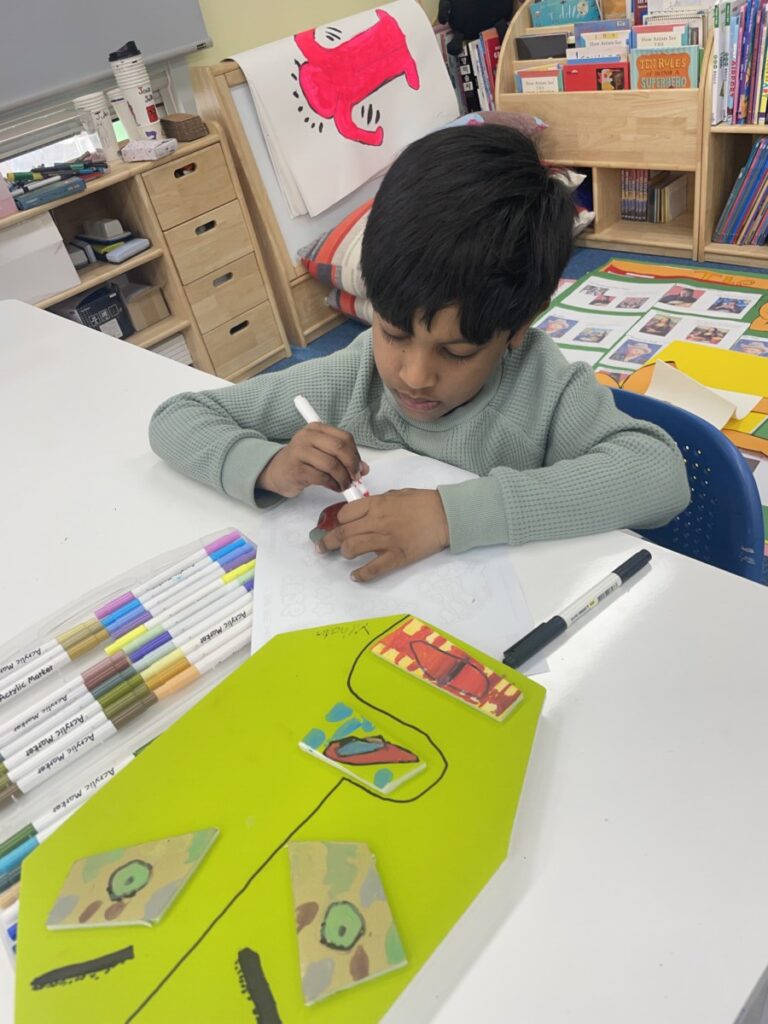
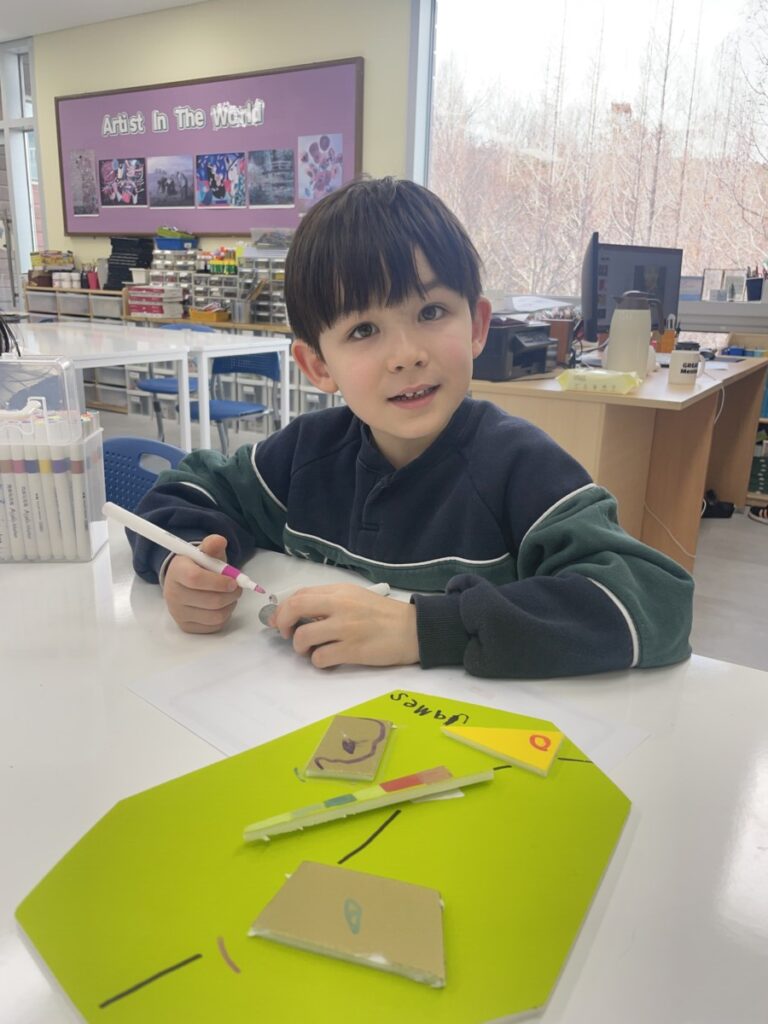
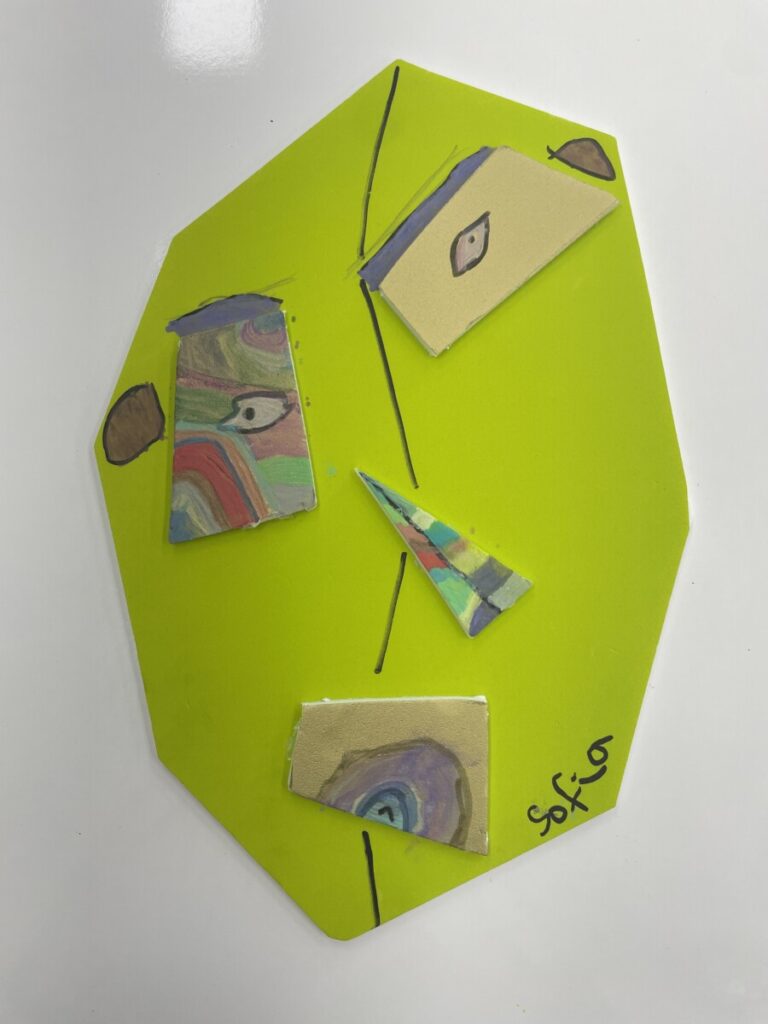
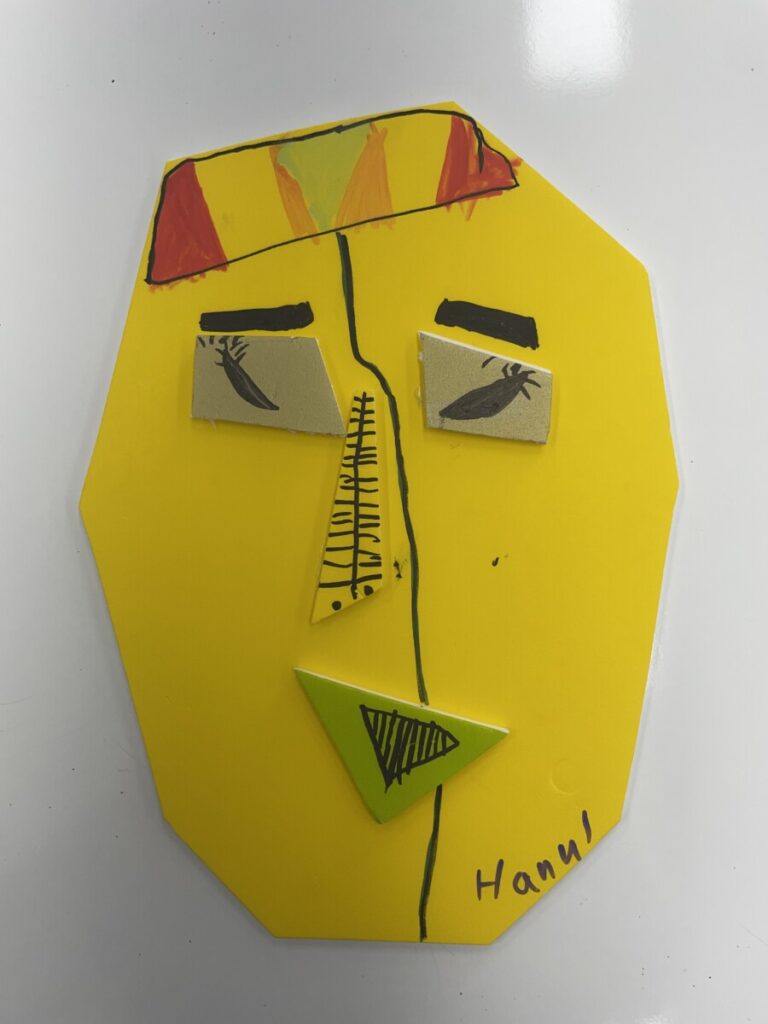
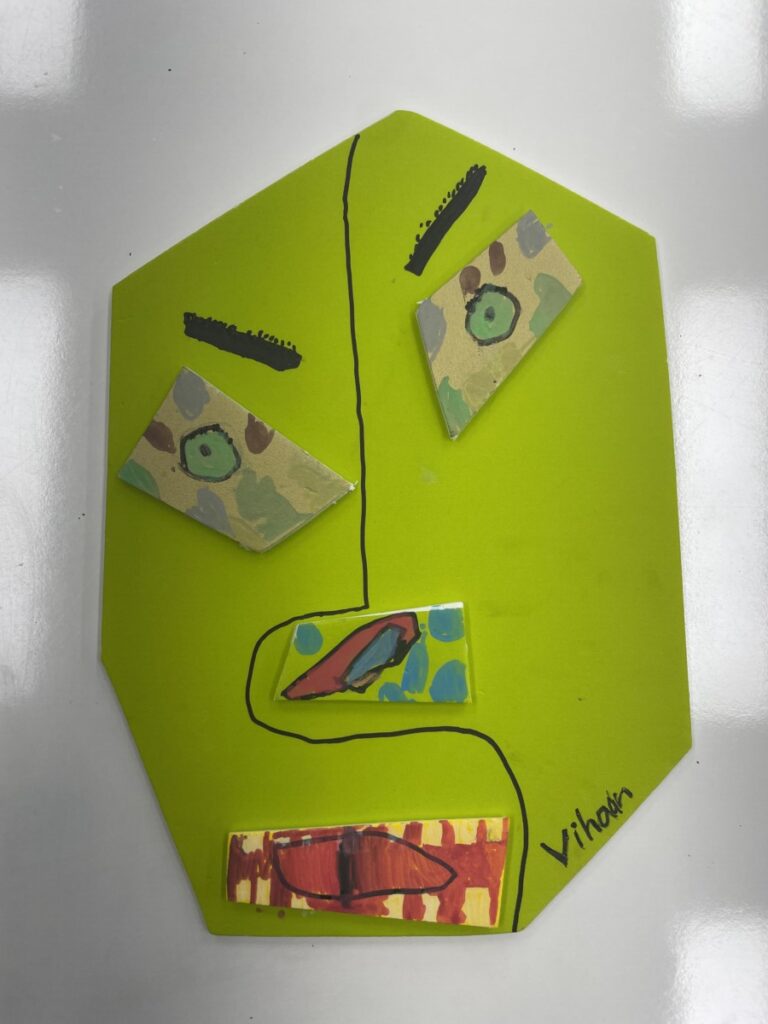
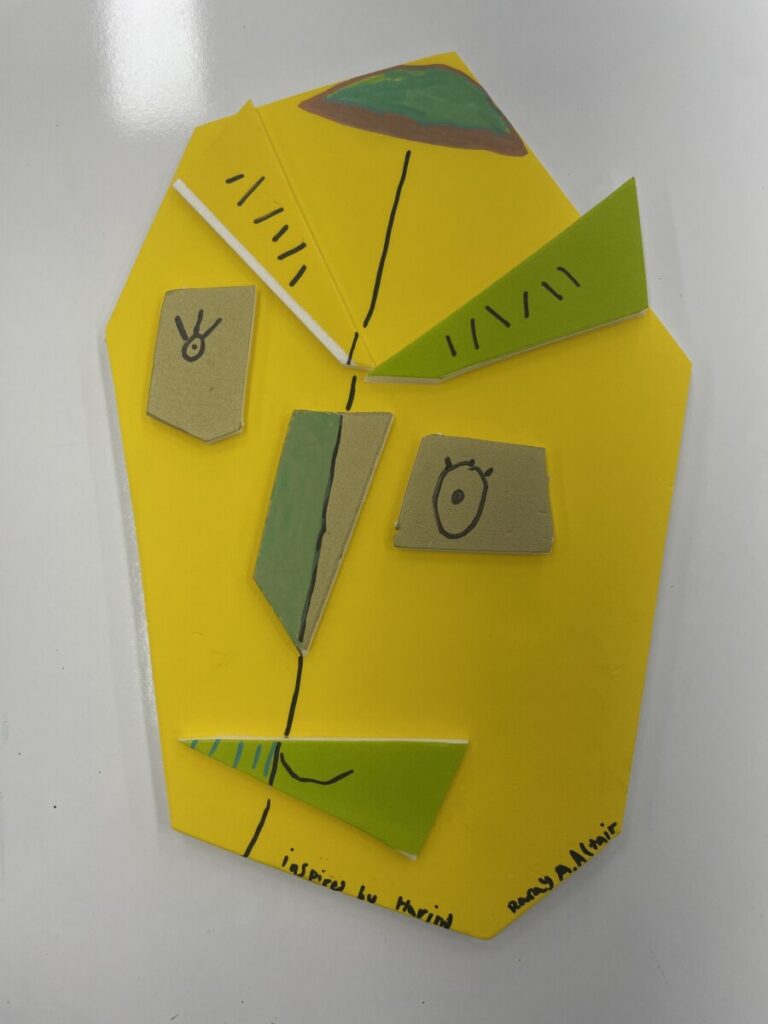
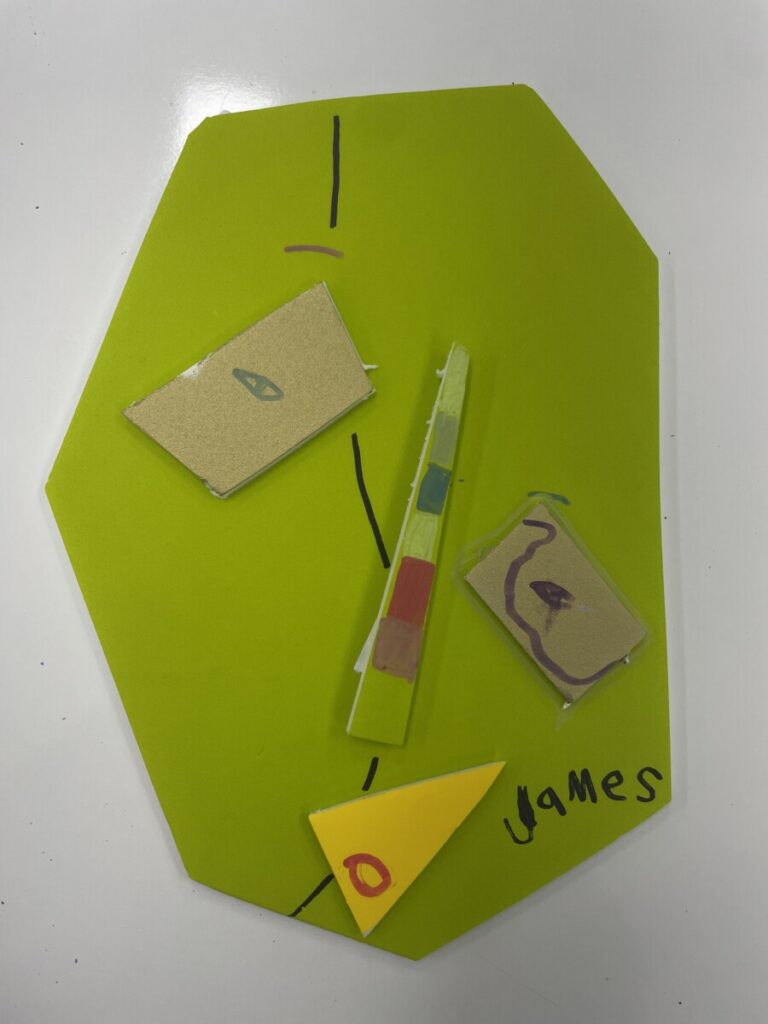
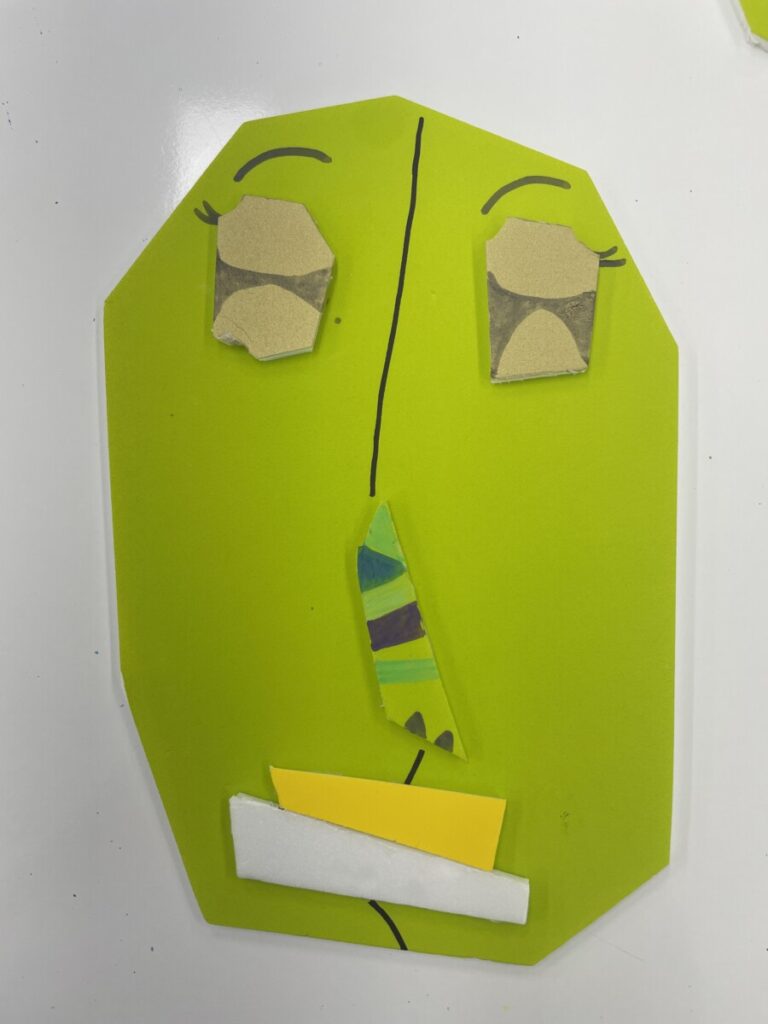
Students began by exploring how facial features such as the eyes, nose, and mouth can be placed in unusual positions. Using foam board shapes, they experimented with arranging these features in different ways, creating playful and imaginative Picasso-inspired faces.
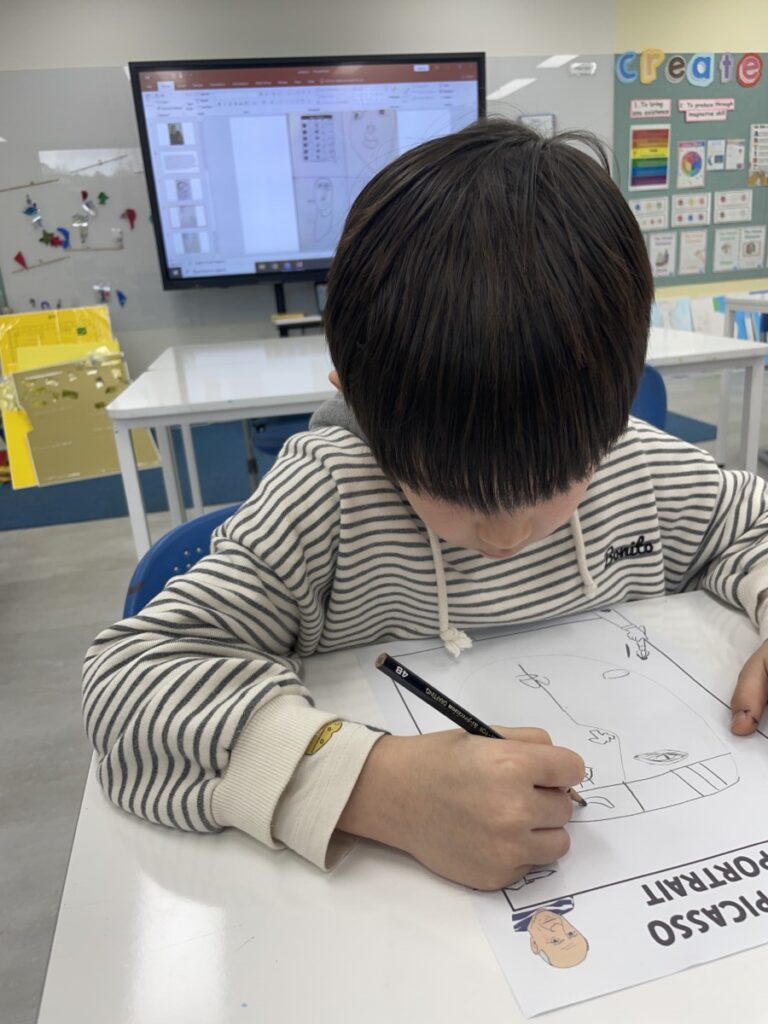
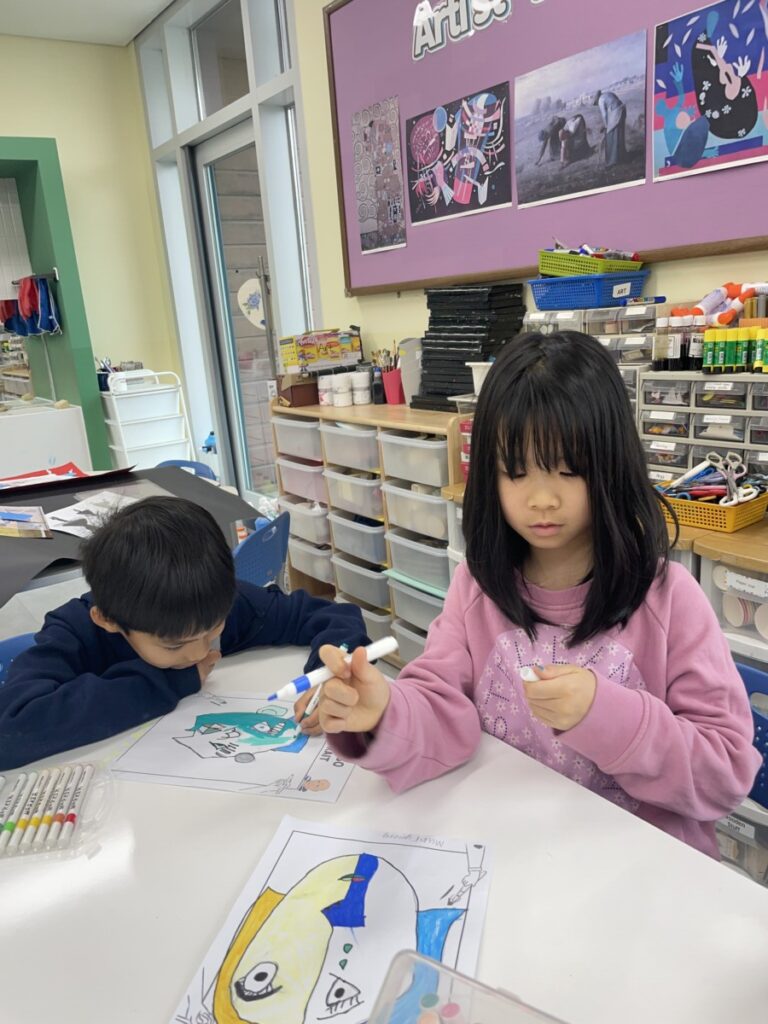
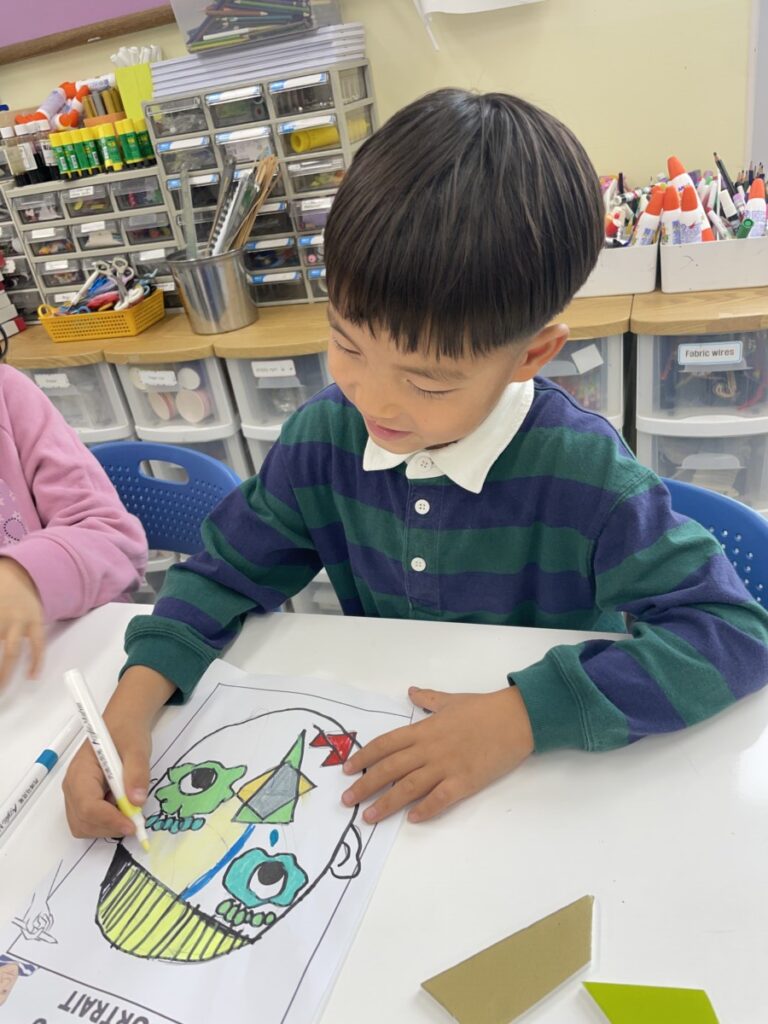
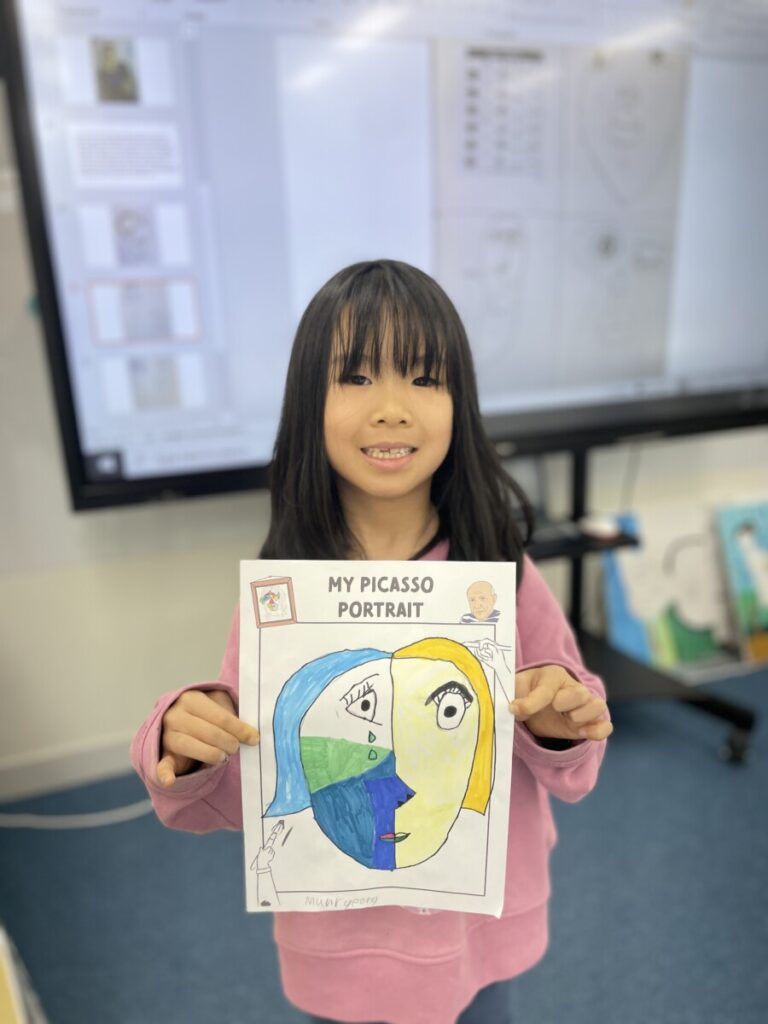
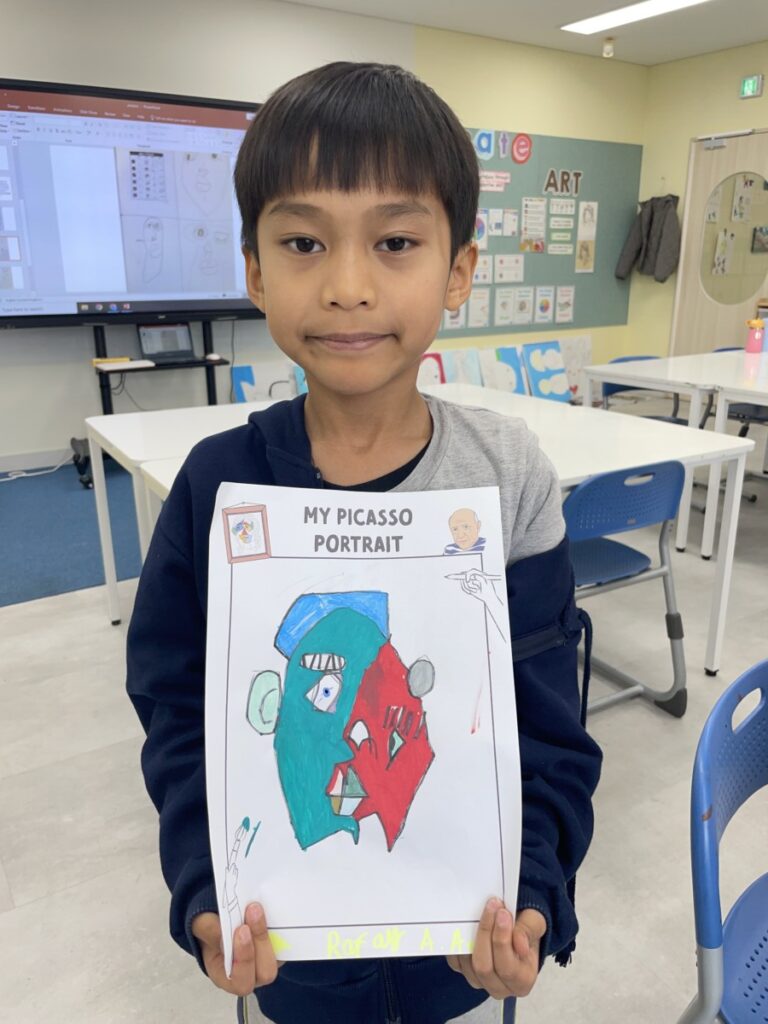
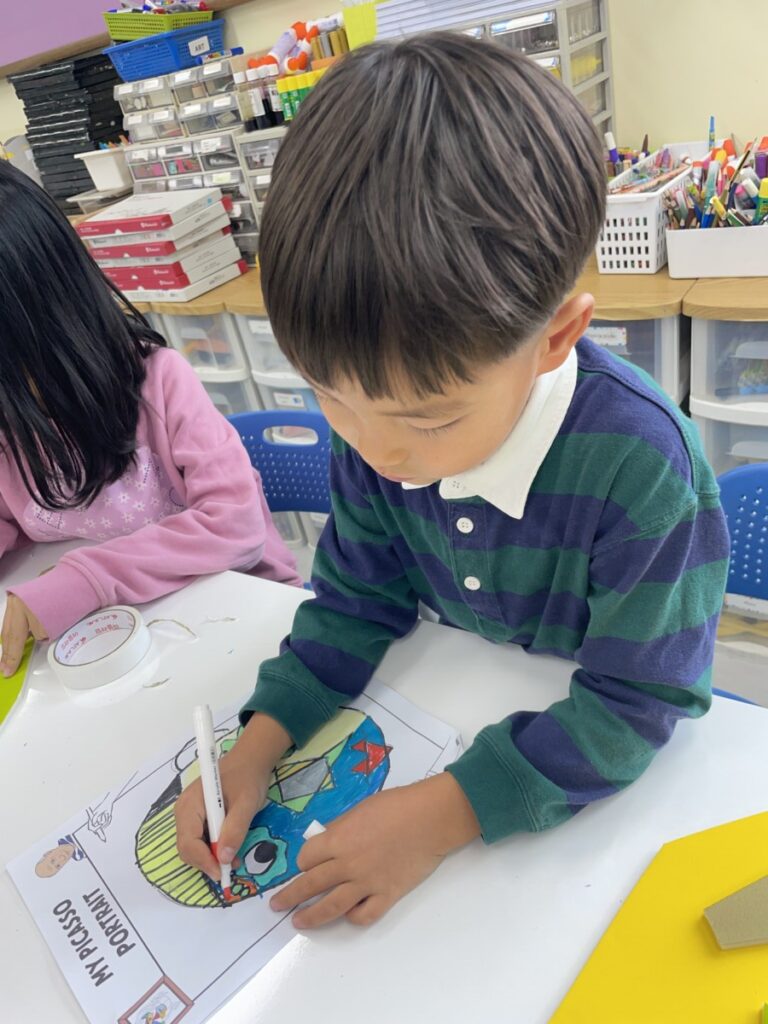
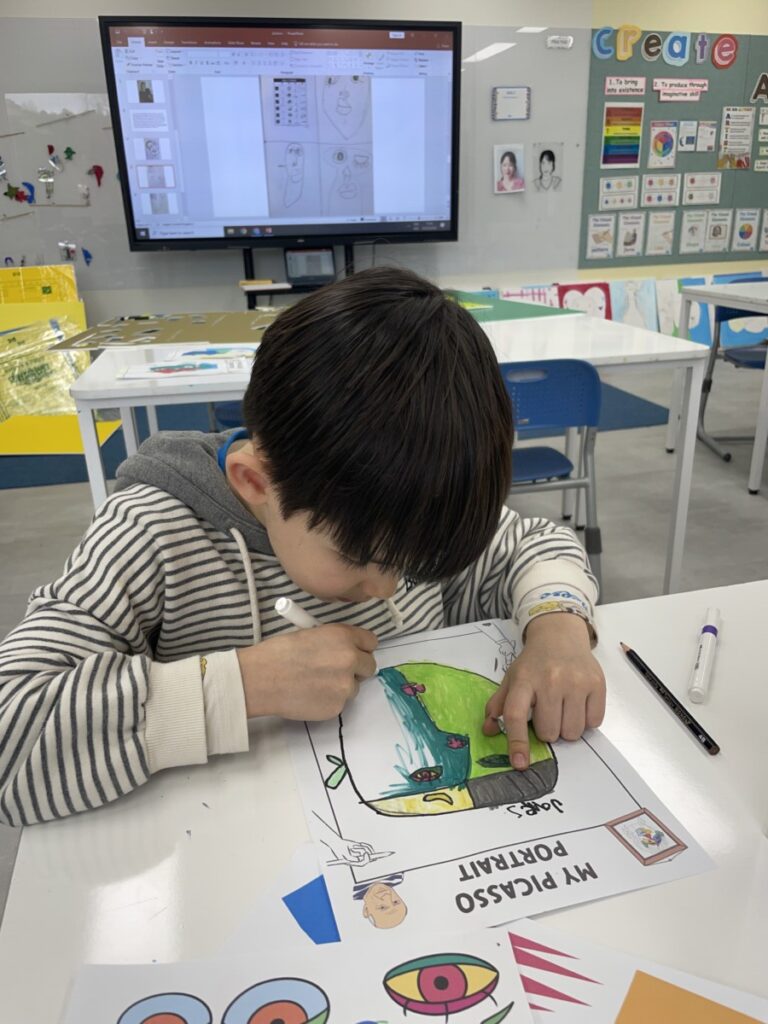
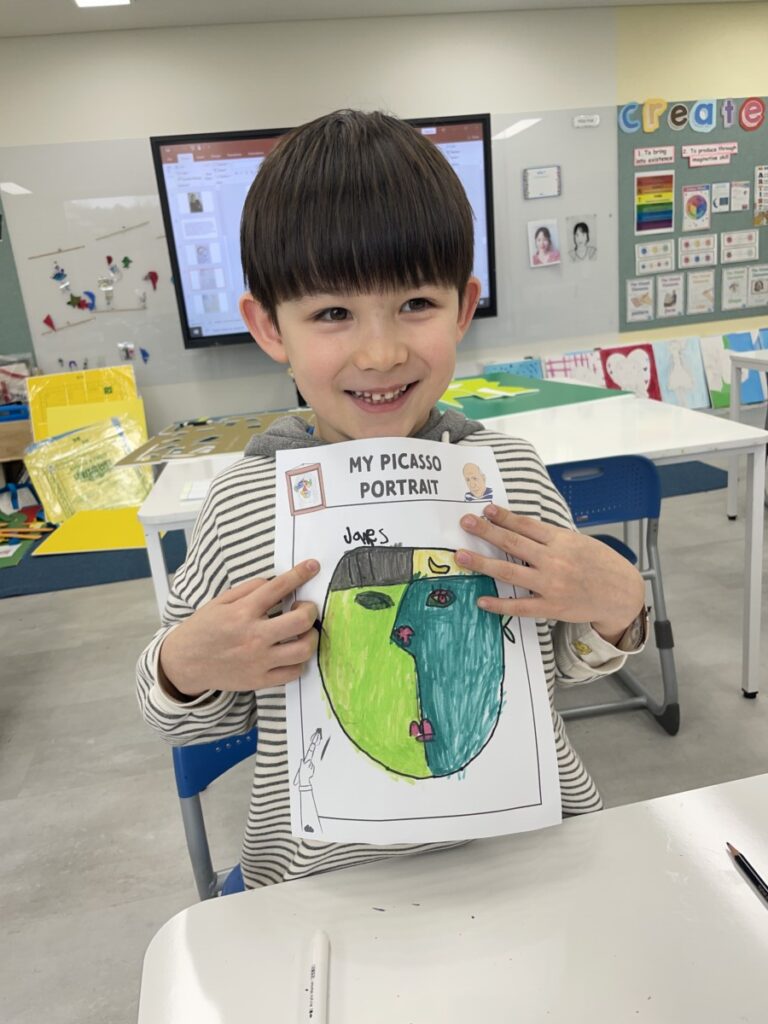
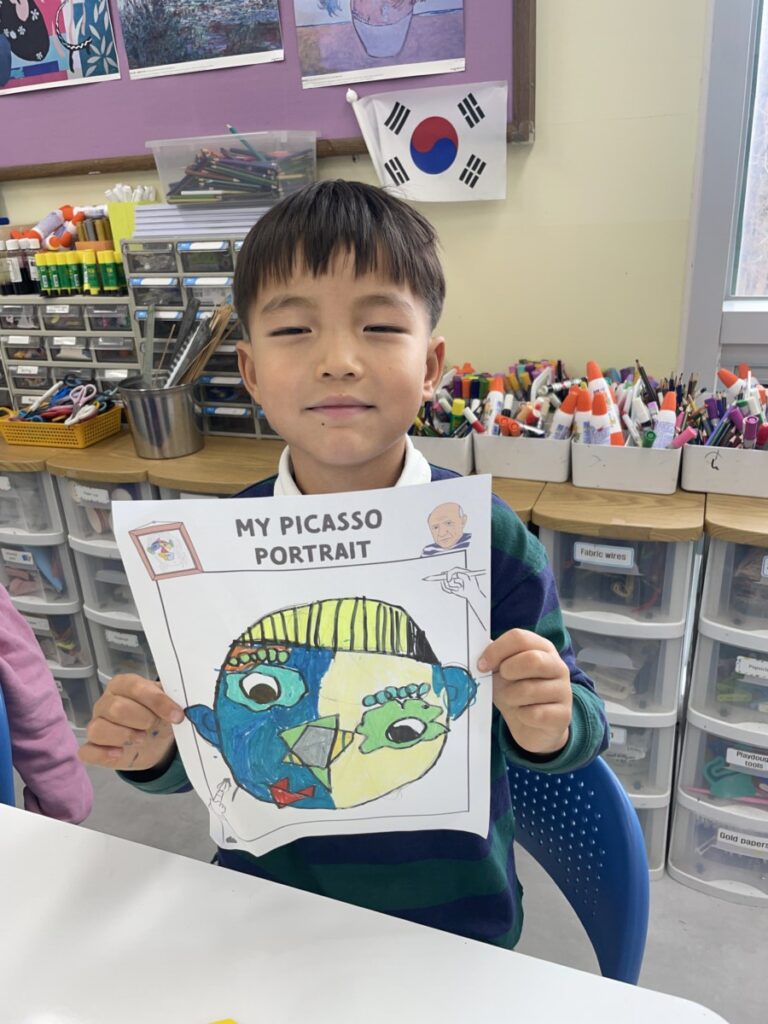
Next, the children drew their own portraits on paper, trying out the idea of breaking and rearranging facial features just like Picasso did.
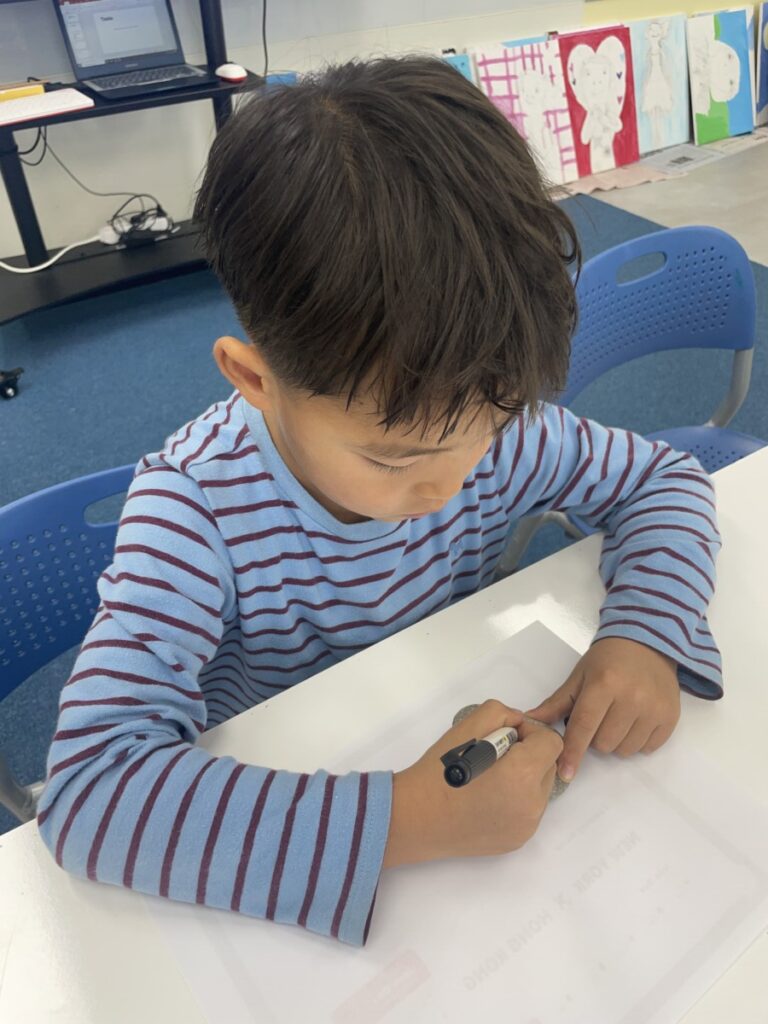
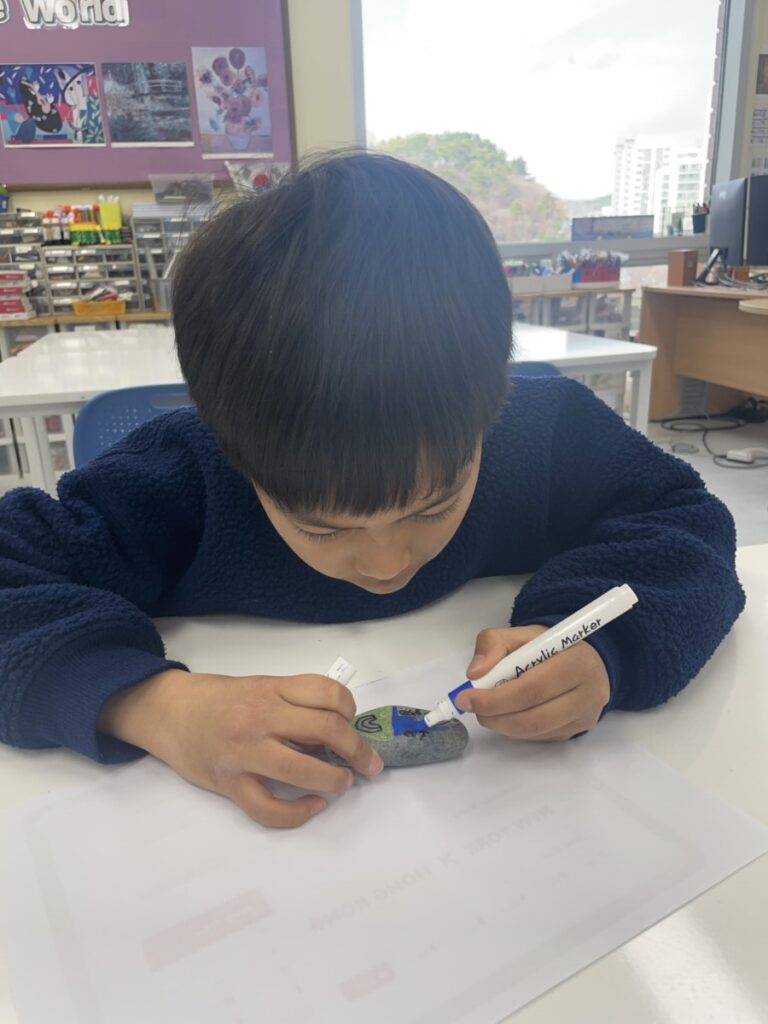
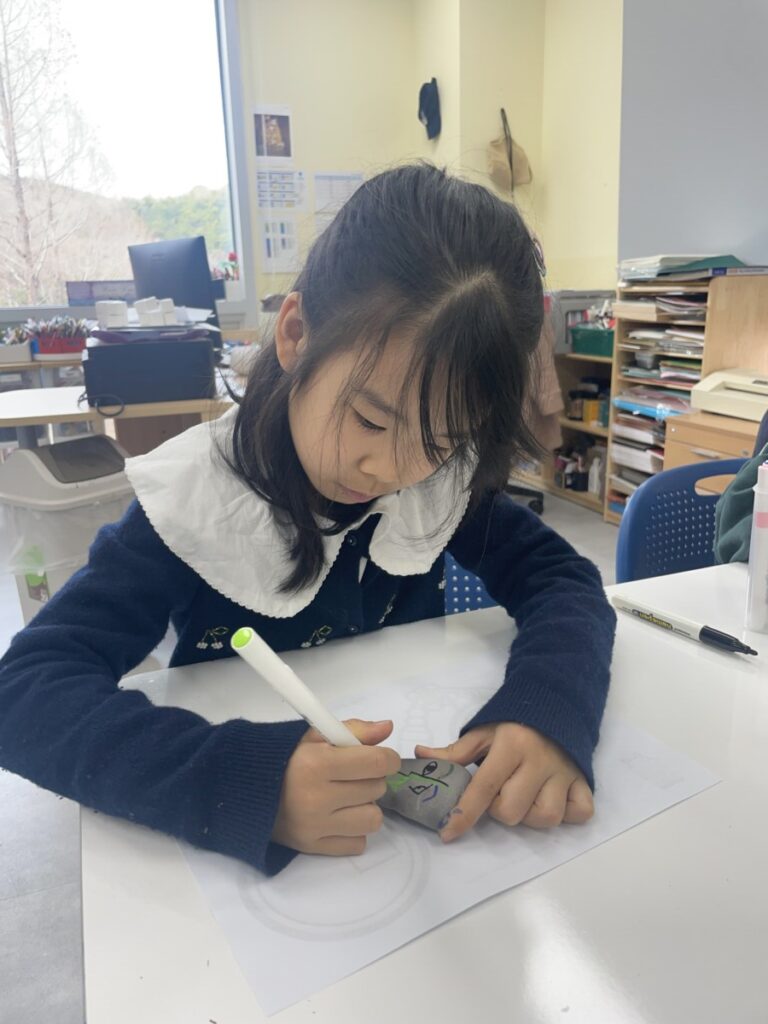
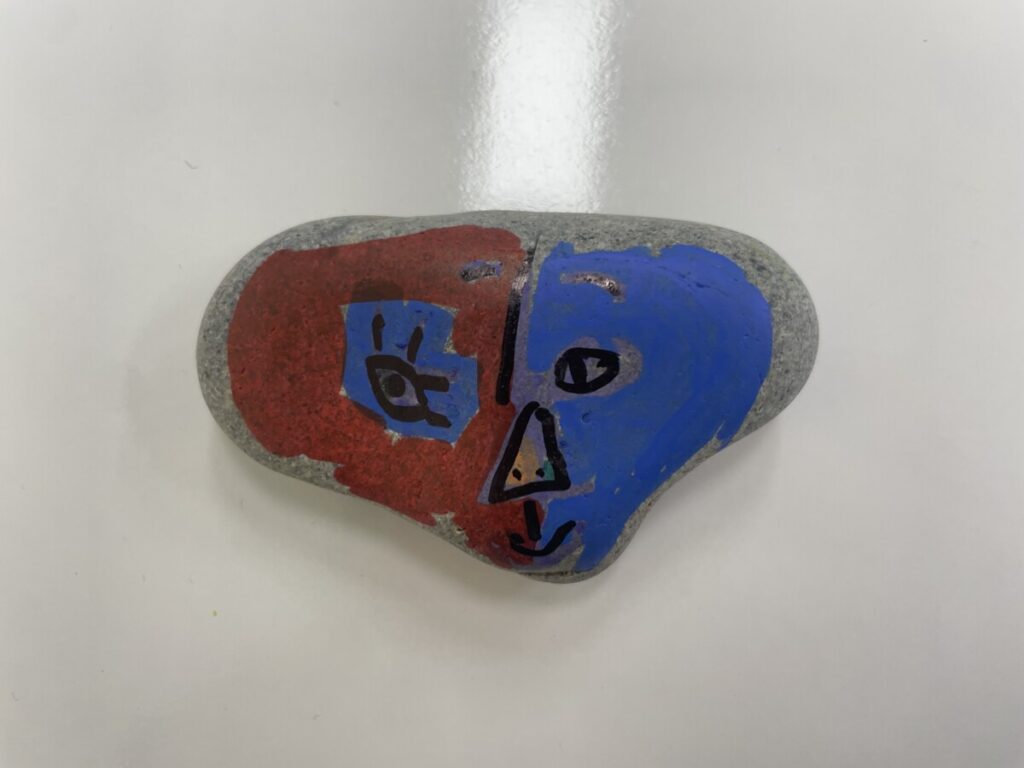
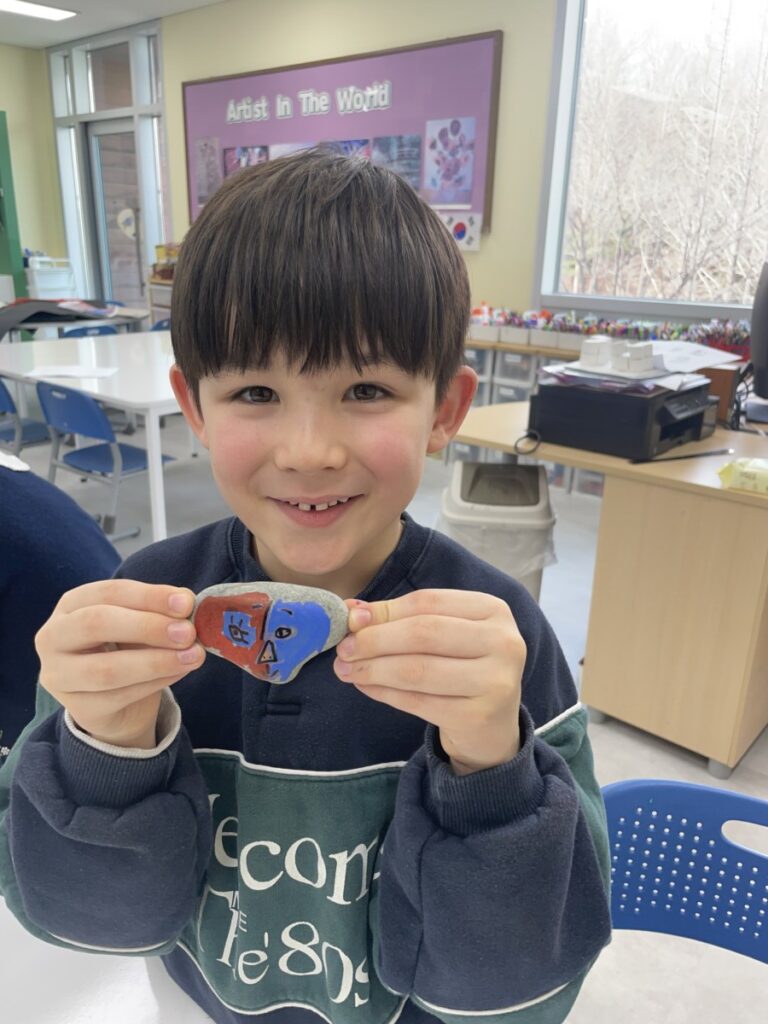
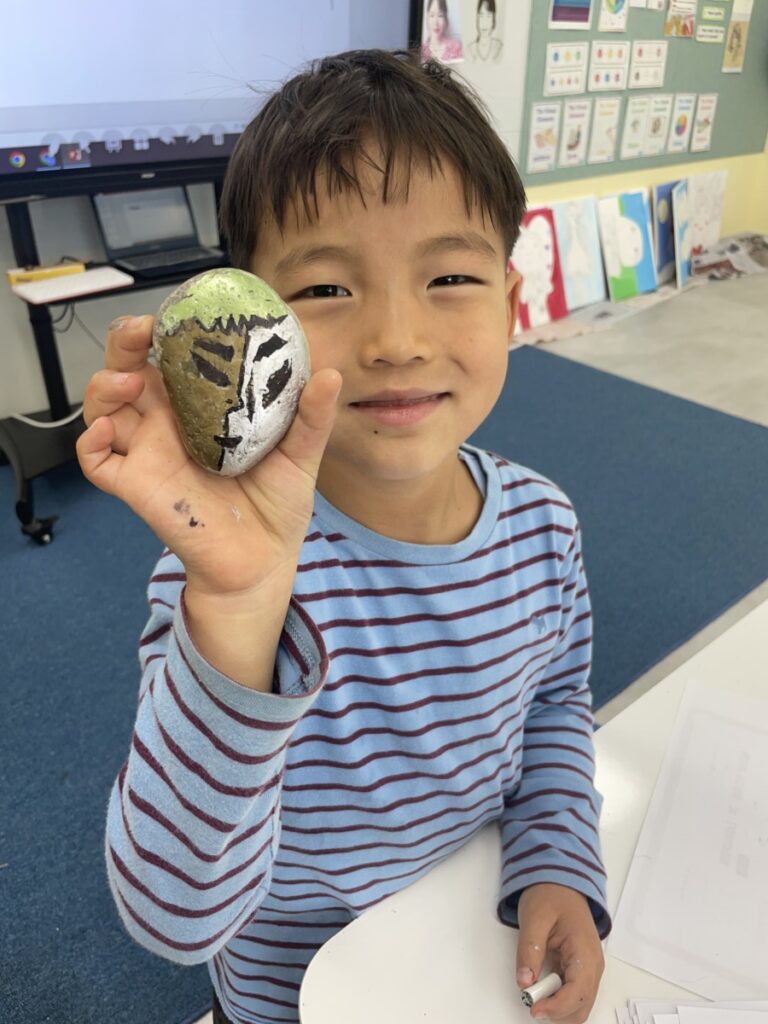
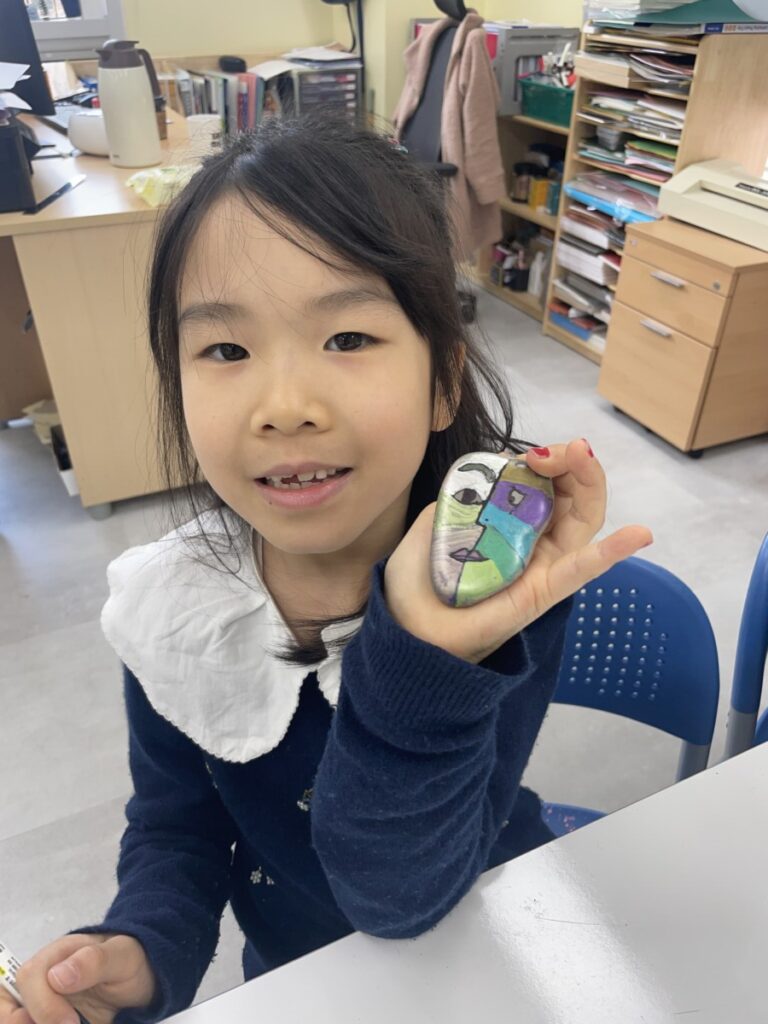
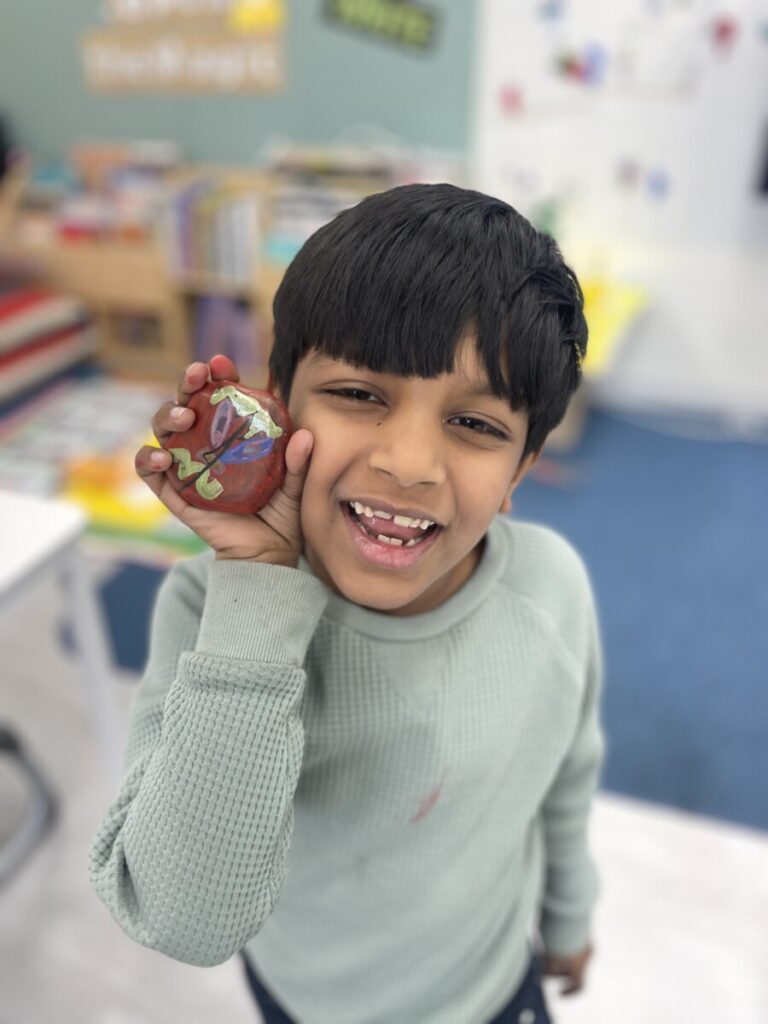
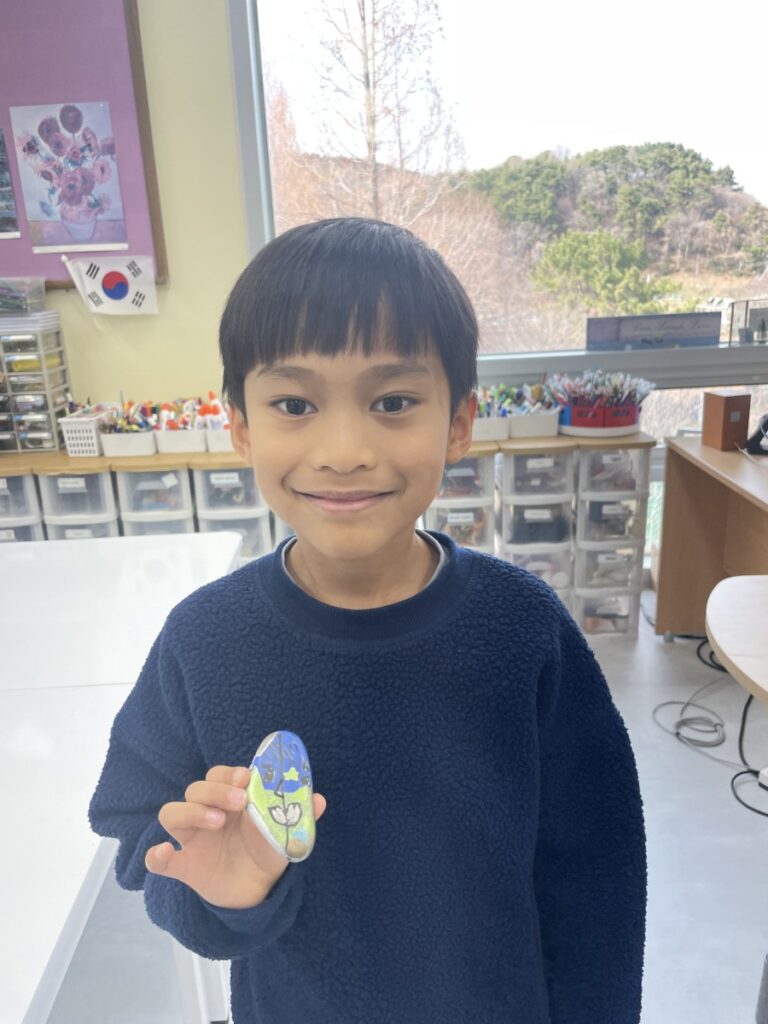
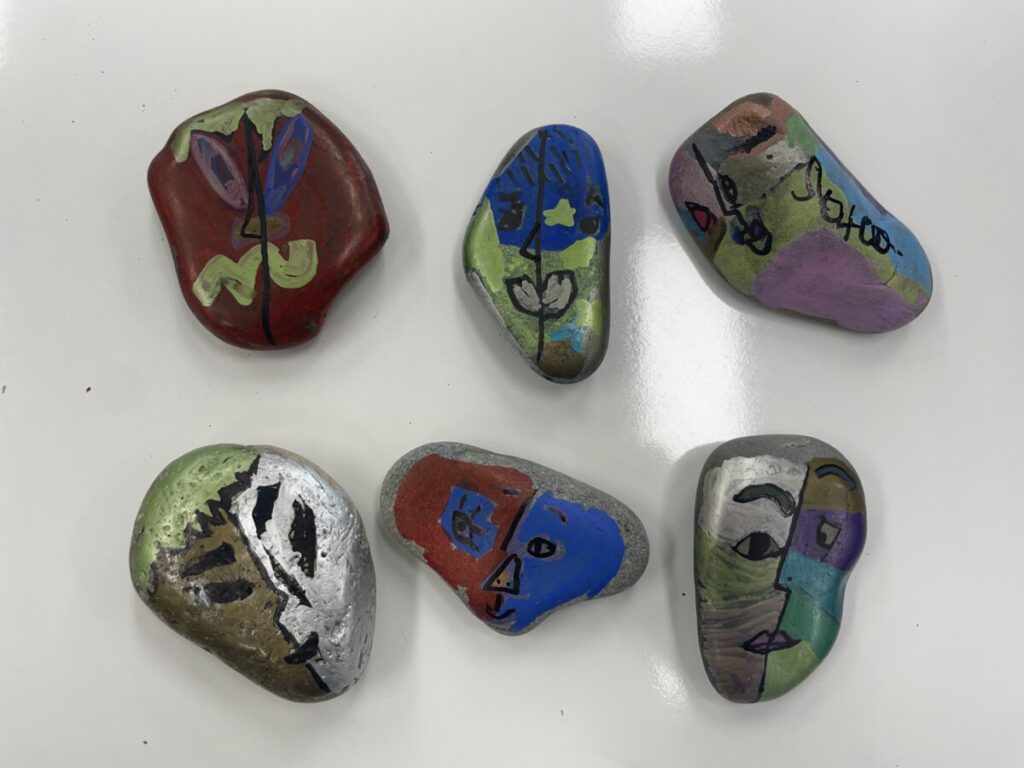
To extend the activity further, students also painted Cubist-style faces on small stones. This allowed them to explore shape, colour, and composition on a different surface while continuing to experiment with abstract facial designs.
Through these activities, the children began to understand that art does not always need to look realistic. Instead, it can be creative, expressive, and full of imagination.
By the end of the lesson, students developed a deeper appreciation of Picasso’s unique approach to art and gained confidence in experimenting with new and unconventional ways of creating portraits.