Hello everyone!
What a lovely, slightly shorter week it has been!
Here is what we have been up to:
Maths
Year 5
| Position and Direction & Decimals |
| Sum.2.5 – Lines of symmetry |
| Sum.2.6 – Reflection in horizontal and vertical lines |
| End of unit assessment |
| Sum.3.1 – Use known facts to add and subtract decimals within 1 |
Year 6
| Position and Direction |
| Sum.2.3 – Solve problems with coordinates |
| Sum.2.4 – Translations |
| Sum.2.5 – Reflections |
| End of unit assessment |
Literacy
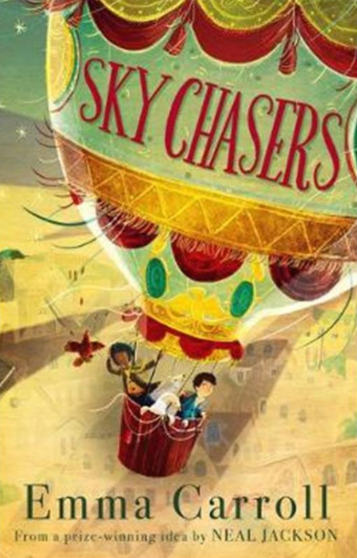
This week in Literacy, we read Chapter 5 and were introduced to the character of Monsieur Étienne. The students quickly noticed how rude and suspicious he was towards Magpie, which led to some great class discussions about trust, first impressions, and kindness. At the same time, the children also noticed how Monsieur Joseph and Pierre continued to defend Magpie and “fight her corner”; a type of kindness and loyalty that Magpie has rarely experienced before. We finished the chapter wondering: will Magpie manage to convince everyone to trust her and give her a job?
Alongside our reading, we explored different speech verbs to replace the word said and discussed how adding extra detail after dialogue can help the reader clearly picture how a character is speaking and feeling. The students practised using expressive verbs and actions before writing their own imagined conversation in which Magpie confronted Monsieur Étienne about the way he treated her. It was fascinating to see the different directions the children took the conversation in, with some writing confident and fiery responses from Magpie, while others showed her trying to calmly earn his trust. The creativity and character understanding on display this week were fantastic.
IPC
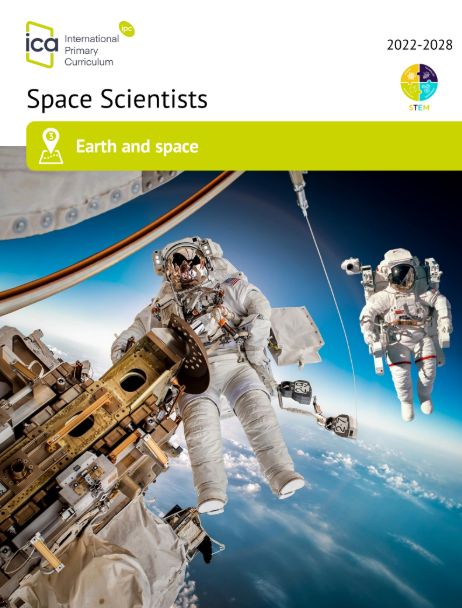
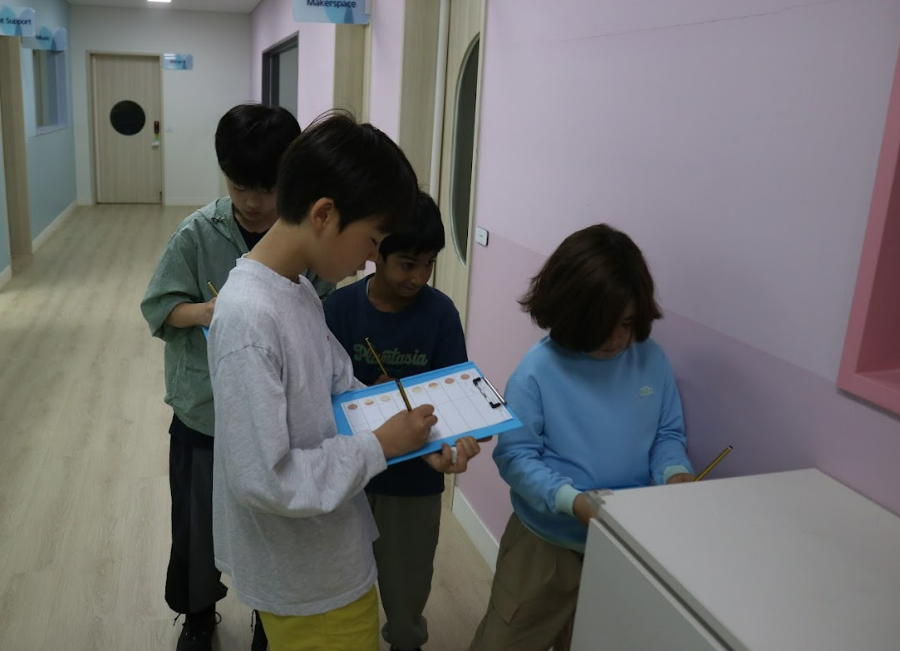
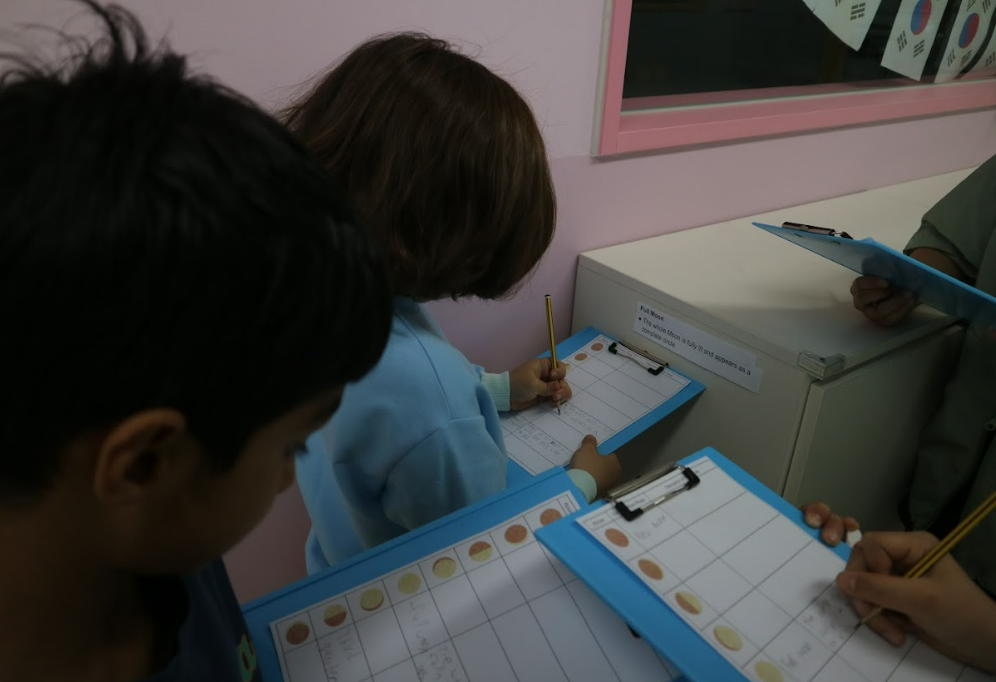
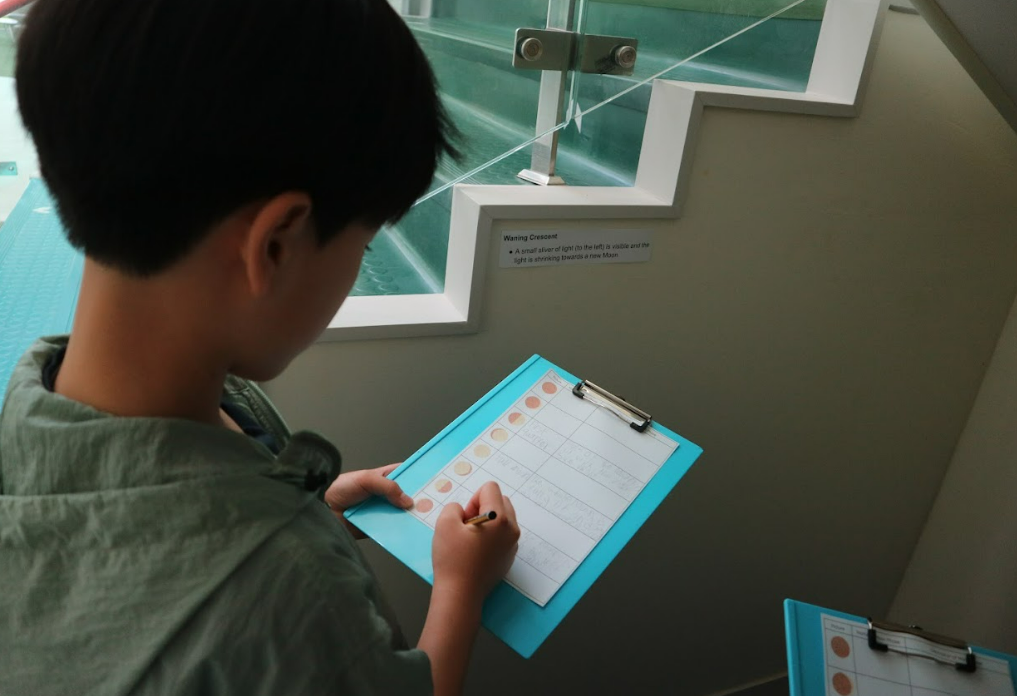
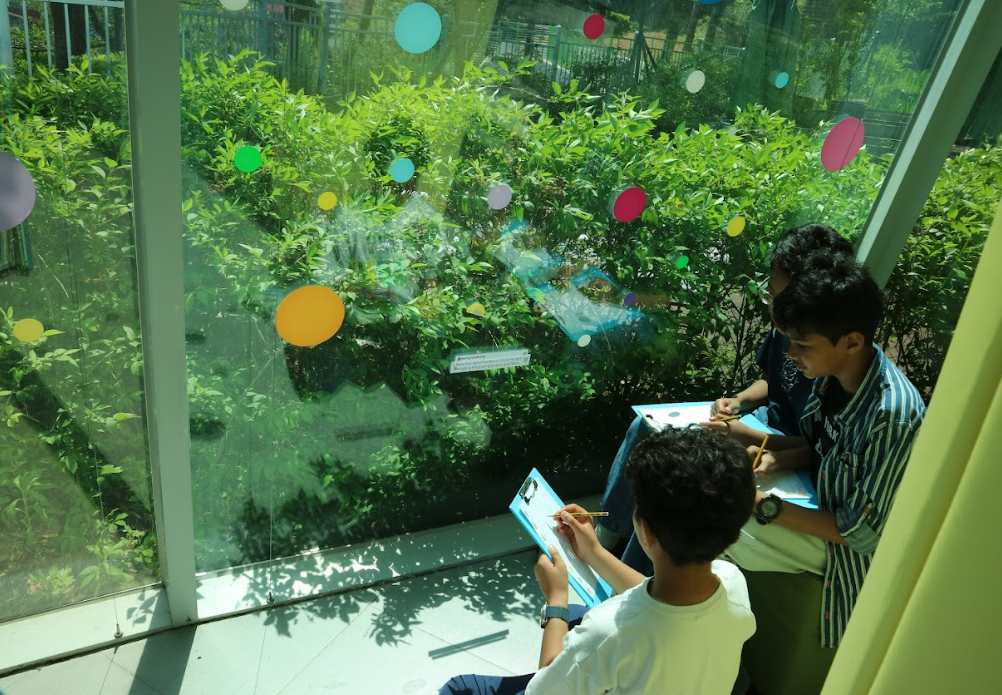
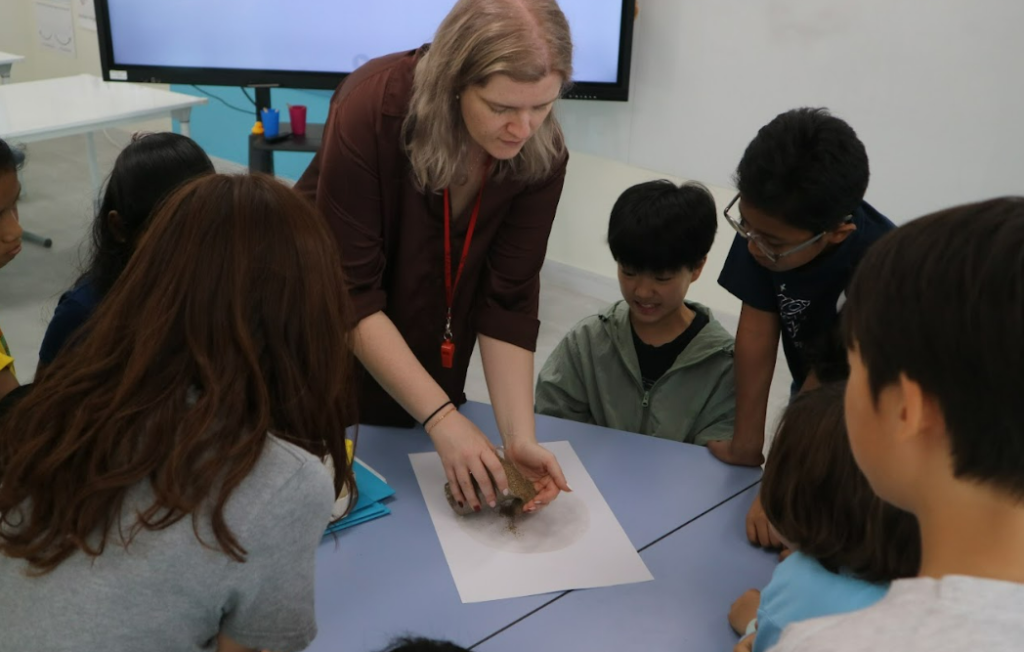
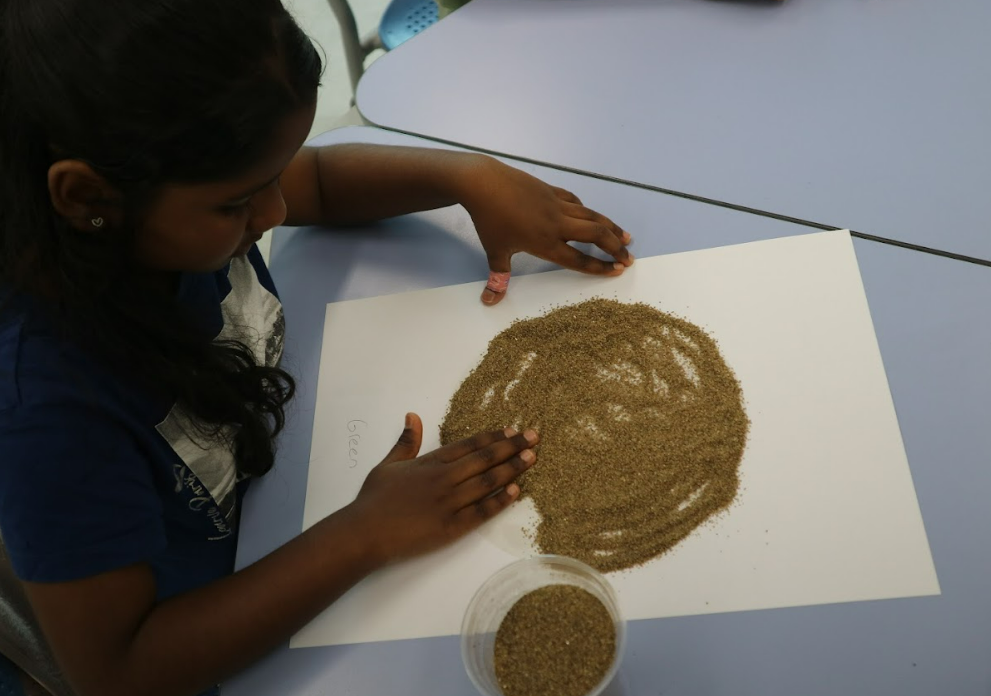
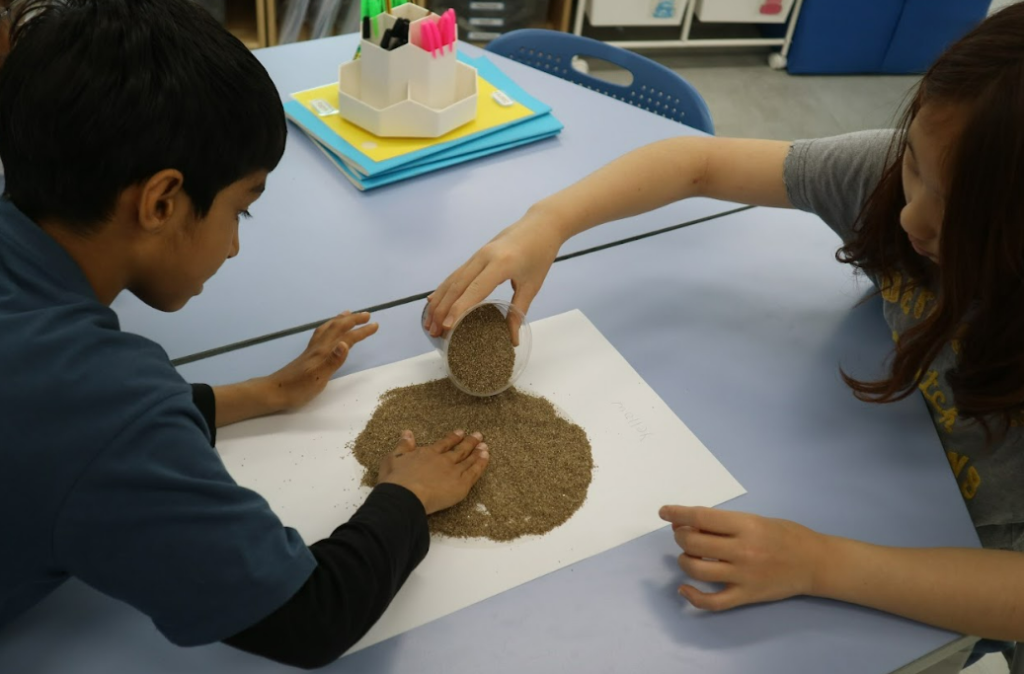
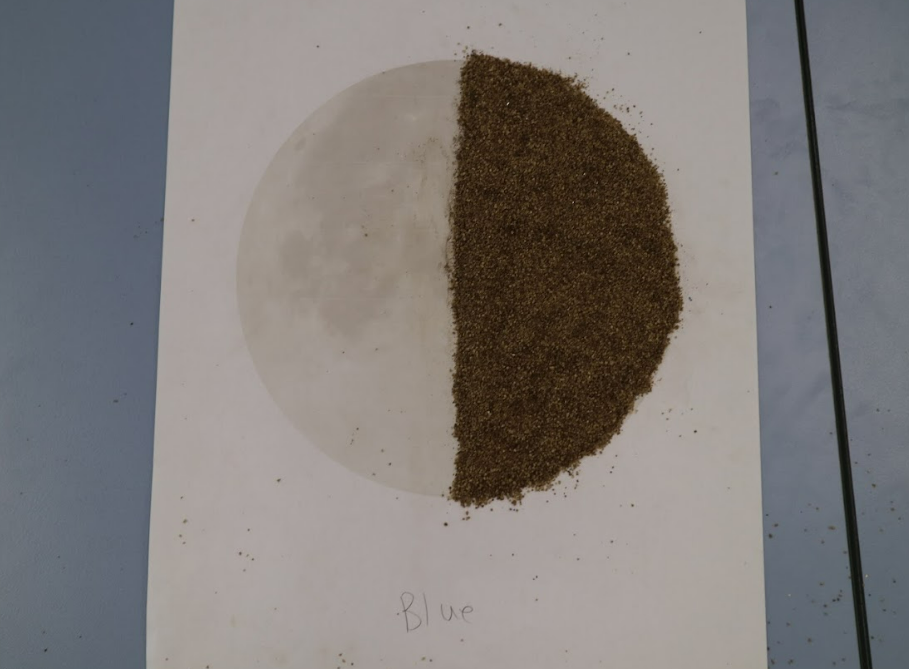
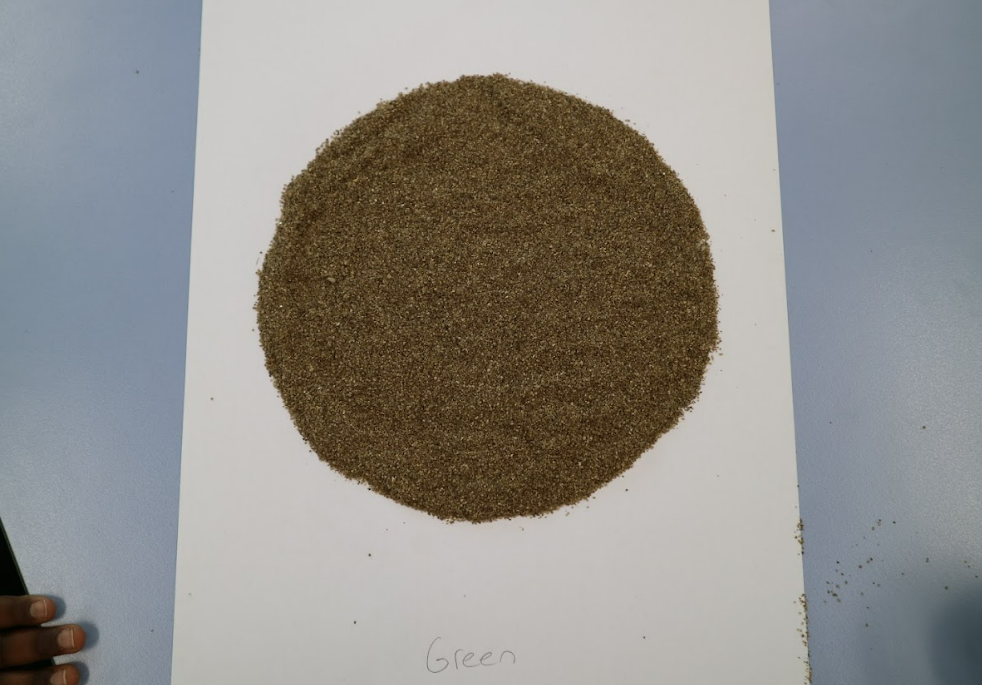
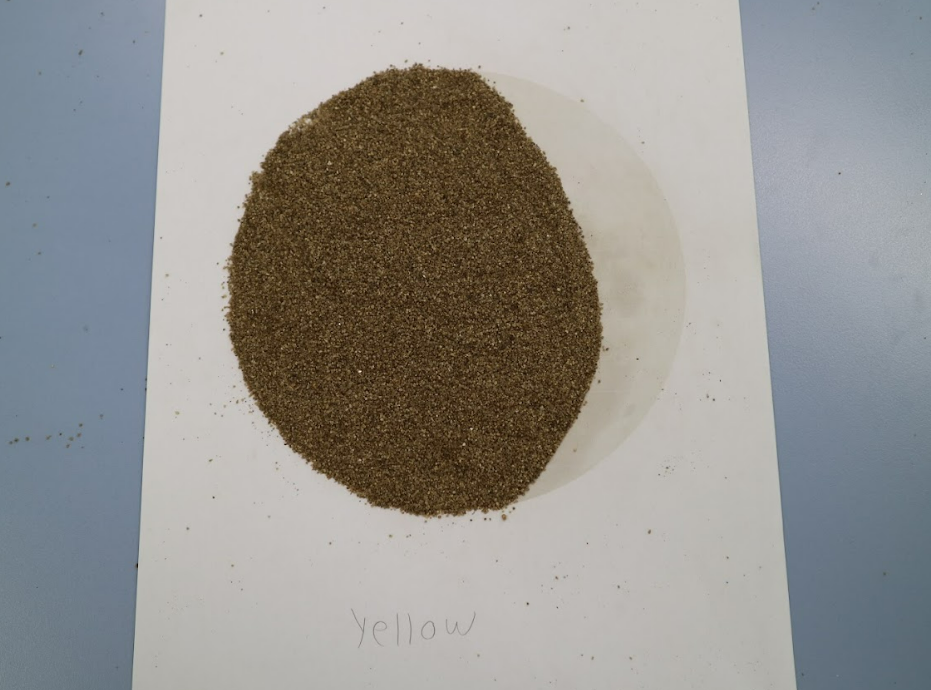
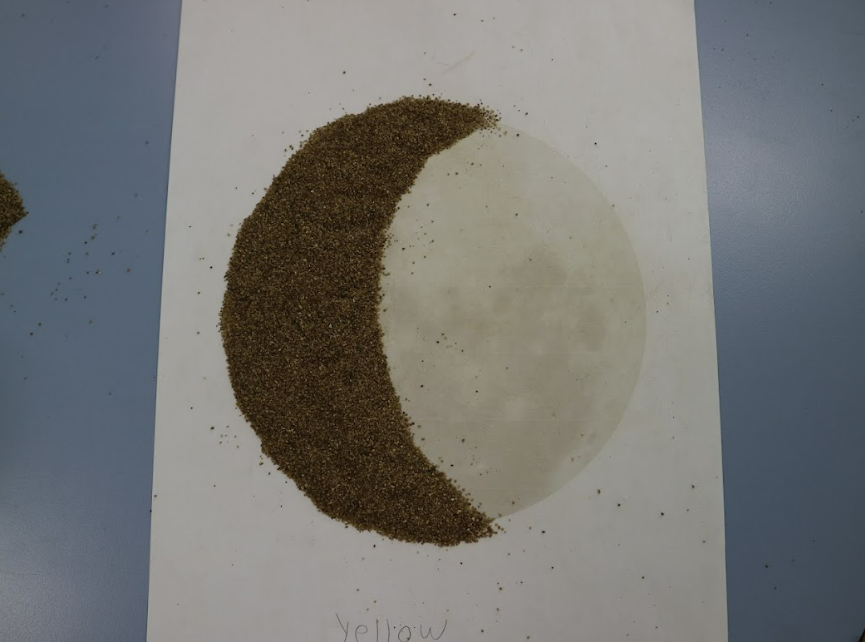
This week in IPC, we explored the different phases of the Moon and the children created some fantastic posters to showcase their learning. Rather than simply printing pictures from the internet, the students were challenged to create the moon phases themselves using sand. This hands-on activity was a huge success and the classroom was full of excitement and creativity as the children carefully shaped and textured each phase. The finished posters looked brilliant and really showed the effort and imagination that went into the task.
Later in the week, we moved on to investigating why Earth is often called the “Goldilocks Planet”. We discussed the conditions humans need in order to survive, such as water, oxygen, suitable temperatures, food, and sunlight, before exploring why Earth is positioned perfectly within our solar system to support life. The students were fascinated to compare Earth with other planets and consider whether humans could realistically survive elsewhere in space.
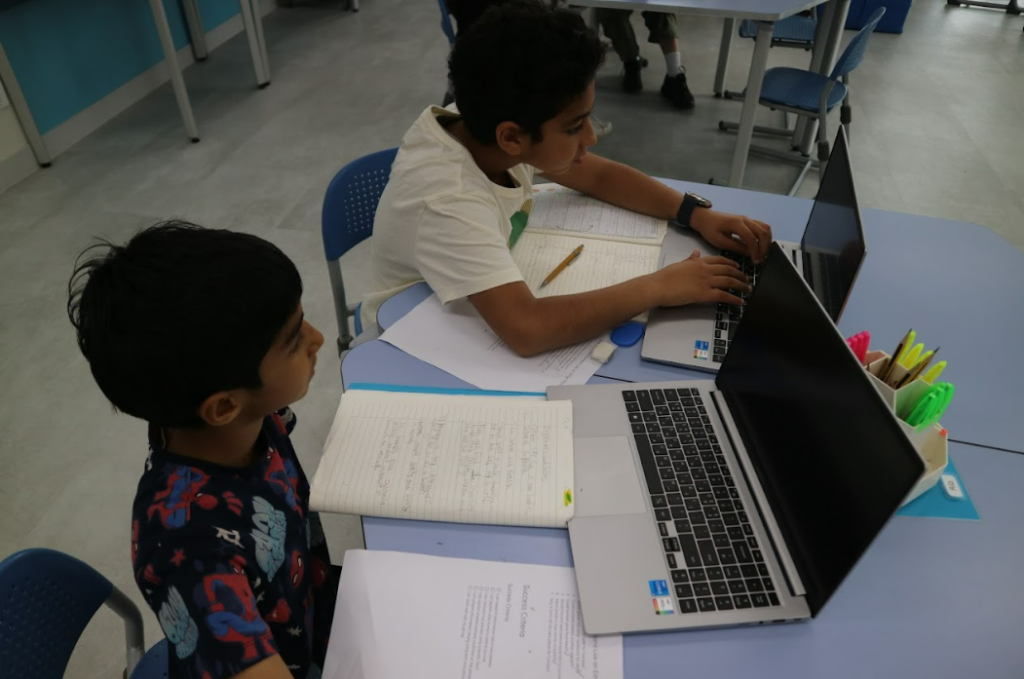
To finish the week, the children worked in pairs to research and compare two different planets before creating presentations about whether those planets could support human life. They showed great teamwork and curiosity during their research, and I am very excited to see their finished presentations on Monday!
Have a lovely weekend! ☺️